
Rye Drying in Industrial Grain Dryers
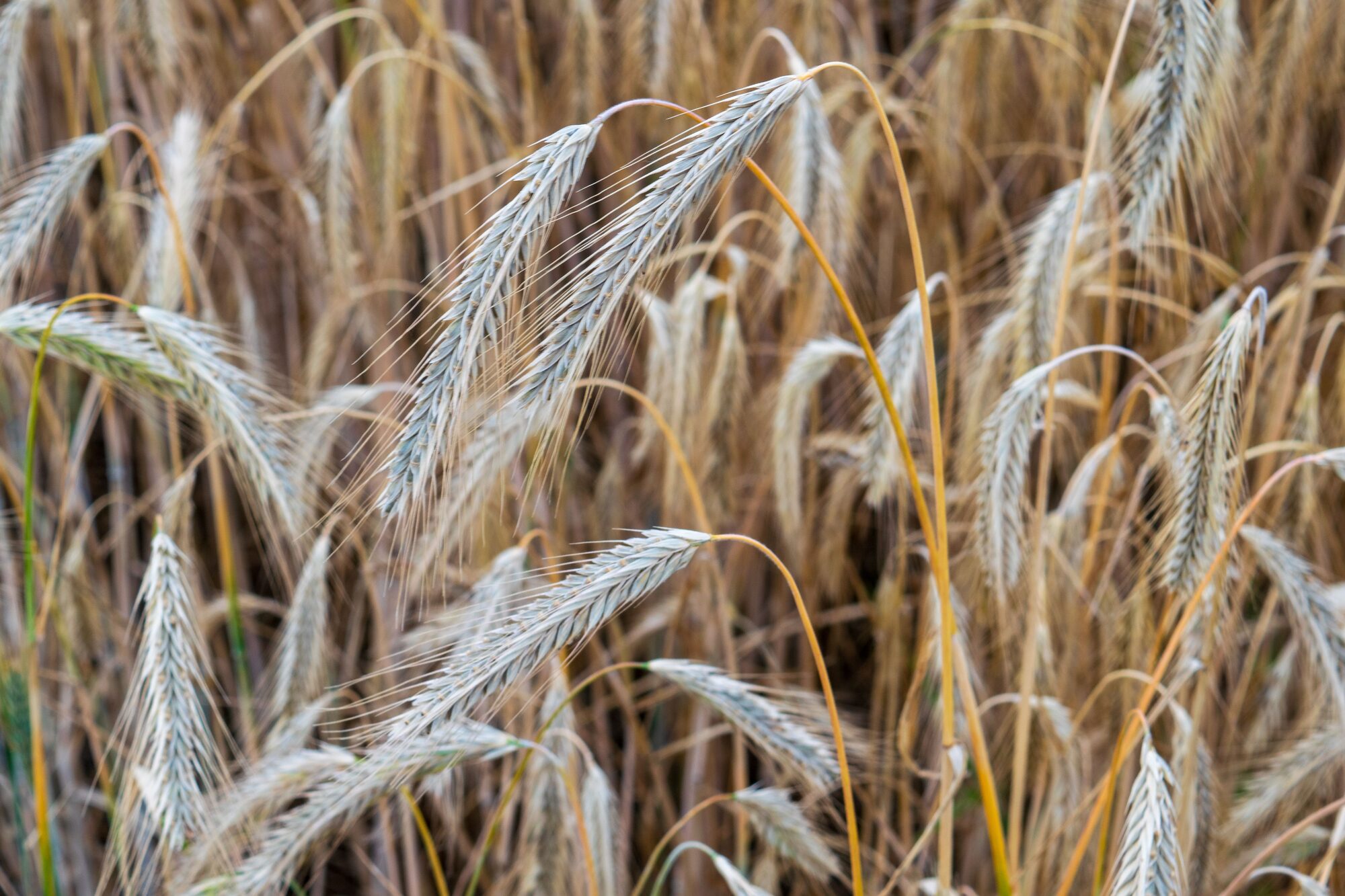
In terms of equipment, rye is similar to wheat and barley, but it has one important quality characteristic of its own: for milling rye, the falling number is critical, and the grain itself is prone to pre-harvest sprouting.
For this reason, the question "at what temperature should rye be dried" cannot be answered with a single figure. You need to understand the intended use of the batch (milling, feed, seed, or hybrid rye), the initial moisture content, signs of sprouting, and exactly which temperature you are monitoring — air temperature, heating medium temperature, or grain temperature.
Key takeaway: rye is not dried to a "universal temperature" — the drying regime depends on the intended use of the batch and the dryer type. For commercial and feed rye, literature sources cite a grain temperature limit of 55–60 °C; for seed and hybrid rye, approximately 40 °C to preserve germination. Storage moisture is typically maintained at 13–14 %. Drying stops sprouting, self-heating, and mould, but does not restore an already reduced falling number; ergot is removed not by drying but by cleaning and sorting.
Short Answer
Rye is dried in batch, recirculating, mobile, and continuous-flow grain dryers. In terms of equipment it is similar to wheat and barley, but it has one important quality characteristic of its own: for milling rye, the falling number is critical.
The falling number reflects the activity of enzymes associated with grain sprouting. If rye begins to sprout in the ear due to rainfall before harvest, baking quality deteriorates sharply. Drying helps stop further sprouting, self-heating, and mould, but it does not restore quality that has already been lost.
For this reason, the question "at what temperature should rye be dried" cannot be answered with a single figure. You need to understand:
- whether this is milling, feed, or seed rye;
- what the initial moisture content is;
- whether there are signs of sprouting;
- whether germination must be preserved;
- which temperature is being monitored: air, heating medium, or the grain itself;
- how quickly the grain will be cooled and placed into storage after drying.
For commercial rye, literature sources cite a maximum grain temperature of 55–60 °C. For seed and hybrid rye, the regime must be considerably gentler: grain temperature is typically limited to approximately 40 °C to preserve germination. Storage moisture for rye is usually kept at around 13–14 %, and for long-term storage it is better to aim for the lower end of this range.
Our Grain Dryers for Rye
Rye belongs to the cereal crops, so our grain dryers are suitable for drying it. The difference lies not in whether a dryer is applicable, but in the intended use of the batch: for commercial and feed rye, throughput capacity matters most, while for milling, seed, and hybrid rye, a gentle regime, grain temperature control, uniformity of final moisture content, and careful grain handling are paramount.
For rye drying we primarily consider the Ravaro RR/RC, Agrex AGD/AGD-F, Alvan Blanch DF/BD, and FAO series. The specific series and drying regime are selected individually — based on the intended use of the grain, volume, moisture content, and quality requirements.
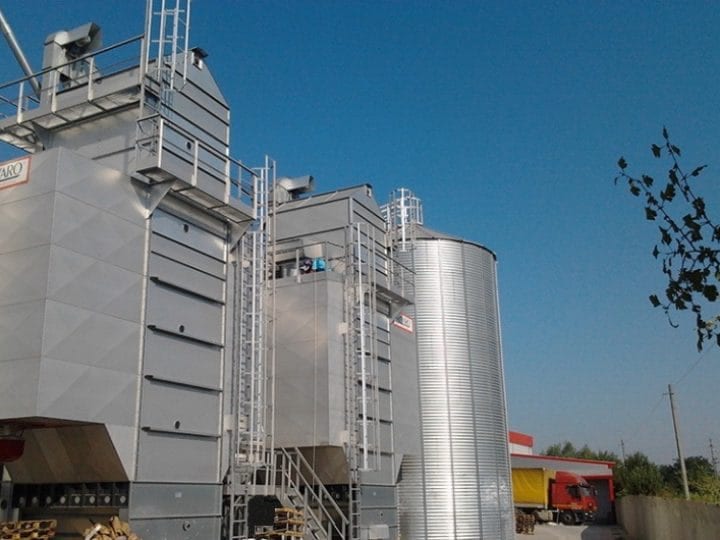
Ravaro Batch Grain Dryers
Italian mixed-flow batch grain dryers, suitable for medium-sized farms or tailored for special products like paddy rice that require a resting period.
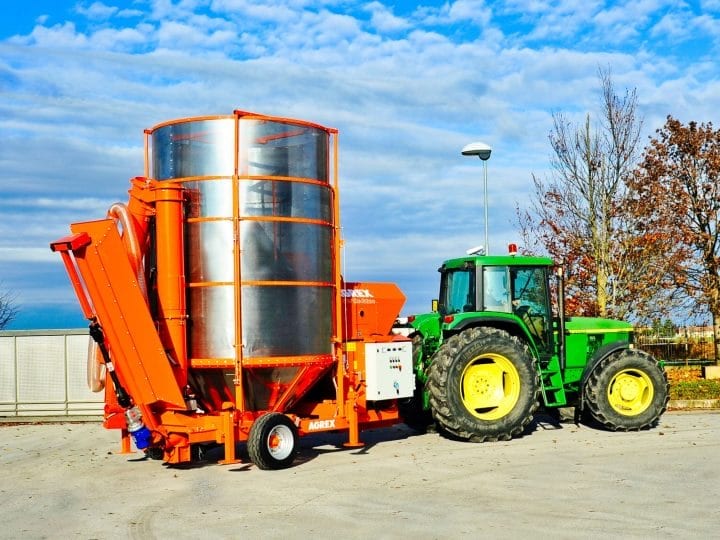
Agrex Mobile Grain Dryers
Italian mobile batch grain dryers for small and medium-sized farmers do not require construction work, are completely autonomous in operation, and can run on any type of fuel.
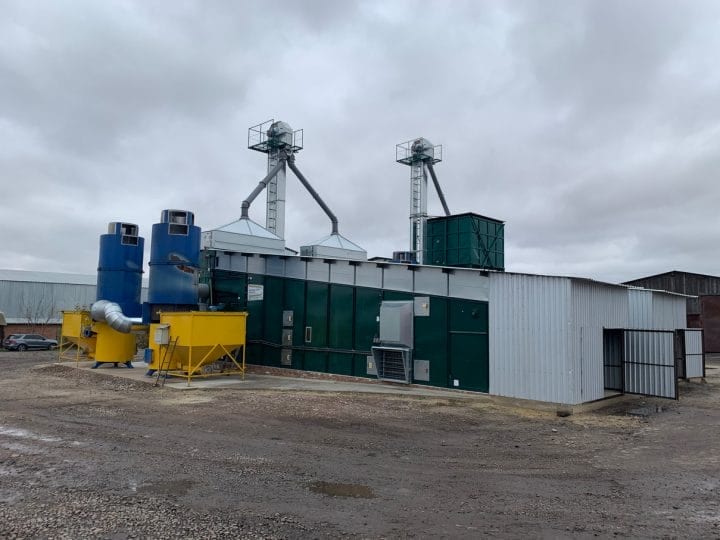
Alvan Blanch Grain Dryers
Horizontal grain dryers from Great Britain. The short height allows to minimize total capital investments. Conveyor belt technology ensures gentle grain drying.
Why Rye Cannot Be Dried Like "Just Another Cereal Crop"
Rye has three characteristics that set it apart from many other cereals.
The first is its susceptibility to pre-harvest sprouting. In wet weather, mature grain can begin sprouting while still in the ear. This is particularly dangerous for milling rye, because it causes elevated enzyme activity in the grain and a drop in the falling number.
The second is the link between rye quality and baking. For wheat, gluten content is often the key parameter; for corn, it is cracking and fuel consumption; for barley, it is germination for malting grain. For rye, the central indicator is the falling number and the associated quality of rye bread.
The third is the risk of ergot. This is a hazardous contaminant particularly associated with rye. However, it is important to understand: ergot is not removed by drying. It is removed by cleaning, sorting, optical sorting, and proper grain intake management.
What is the falling number and why is it important for rye
The falling number is an indicator used to assess the activity of the alpha-amylase enzyme in grain. When rye begins to sprout, enzymes break down starch. As a result, flour behaves differently: dough holds its structure less well, the crumb may turn out sticky, and baking quality declines.
A low falling number usually means the grain has been damaged by pre-harvest sprouting. Drying can stop further deterioration but does not restore the grain to its original state. This is why in wet harvesting conditions it is important not to wait for rye to "stabilise on its own," but to organise drying and cooling promptly.
Main Rye Drying Scenarios
| Scenario | Primary goal | Main risk | Drying logic |
|---|---|---|---|
| Milling rye | preserve falling number and flour quality | sprouting, mould, overly aggressive drying | stop deterioration quickly without overheating the grain |
| Feed rye | preserve weight and feed value | under-drying, mould, mycotoxins | can be dried more aggressively for throughput |
| Seed rye | preserve germination | embryo death from overheating | gentle regime, grain temperature control |
| Hybrid rye | preserve expensive F1 seed | loss of germination and germination energy | maximum care in drying and grain handling |
| Rye with ergot | separate the hazardous contaminant | toxicity in feed and food applications | cleaning and sorting, not drying |
Rye Moisture: What Levels to Dry To
For safe storage, rye is typically dried to 13–14 %. If the grain is to be stored for a long period, it is better to aim for 13 %. At higher moisture levels, grain respiration intensifies, and the risks of self-heating, mould, and further quality deterioration increase.
If rye has been harvested wet, especially after rainfall, it must not be left in a heap, truck, or bin for long without active aeration. The higher the moisture content and temperature of the grain mass, the faster undesirable processes begin.
| Parameter | Target | Comment |
|---|---|---|
| Moisture for standard storage | 13–14 % | baseline target for commercial rye |
| Moisture for long-term storage | around 13 % | safer for extended storage periods |
| Wet harvest of milling rye | 18–20 % | possible when sprouting risk is present, but requires prompt, careful drying |
| Sprouted or problem grain | dry quickly, then cool | drying stops further deterioration but does not restore the falling number |
| Seed rye | regime governed by germination preservation | moisture and temperature are managed more cautiously than for feed grain |
Why it is sometimes better to harvest rye wet and finish drying afterwards
If rain falls before harvest, rye may begin sprouting right in the ear. The longer the grain stands in a wet field, the greater the risk of losing baking quality. In such situations, a farm may choose to harvest earlier at elevated moisture and then carry out careful drying afterwards.
This does not mean that any wet rye can be saved without issue using a dryer. If the grain has already sprouted and the falling number has dropped, drying will not restore quality. However, it will stop further sprouting, reduce the risk of mould, and preserve whatever quality remains.
Rye Drying Temperature: Why a Single Figure Cannot Be Given
The drying temperature for rye depends on the intended use of the batch and the type of dryer. It is essential to distinguish between air temperature and the temperature of the grain itself.
Air temperature is the dryer setting. Grain temperature is the quality risk indicator. In different dryers, the same air temperature can transfer heat to grain differently, because airflow rate, bed depth, grain flow pattern, recirculation, and residence time in the hot zone all vary.
For commercial and feed rye, a more throughput-oriented regime is acceptable. Literature sources cite a maximum grain temperature of 55–60 °C. For seed and hybrid rye, the regime must be gentle: grain temperature is typically limited to approximately 40 °C.
| Intended use of rye | What to monitor | Target | Comment |
|---|---|---|---|
| Milling rye | grain temperature and drying rate | moderate regime | important to preserve falling number and avoid thermal damage |
| Feed rye | grain temperature, outlet moisture | up to 55–60 °C grain temperature | requirements less strict than for milling and seed grain |
| Seed rye | grain temperature | around 40 °C | germination is critical |
| Hybrid rye | grain temperature and mechanical damage | gentle regime | expensive seed — maximum preservation required |
| Sprouted rye | stop further deterioration | regime determined by the actual batch condition | drying does not restore the falling number |
Why air temperature and grain temperature are not the same thing
Hot air transfers heat to the grain. But the grain does not heat up instantaneously. Part of the energy is used to evaporate moisture, part goes into heating the grain mass, and part is lost with the exhaust air. As a result, the air temperature in the dryer duct can be significantly higher than the temperature of the grain itself.
For rye this is especially important. It would be misleading to simply state "rye is dried at 80 °C" or "rye is dried at 40 °C" without clarifying the context. 80 °C may refer to the air temperature in a specific dryer, while 40 °C may refer to the maximum grain temperature for seed material. These are different parameters.
Falling Number: The Key Indicator for Milling Rye
For milling rye, quality is determined not only by moisture content, test weight, and cleanliness. The indicator reflecting the grain's enzyme activity is very important. If rye has begun to sprout, enzyme activity rises and the falling number decreases.
A low falling number means the grain has already lost part of its baking value. Such grain may be redirected to feed use or used in a limited capacity, depending on buyer and processor requirements.
In this regard, drying serves a protective function:
- it stops further sprouting;
- it reduces the risk of self-heating;
- it limits mould development;
- it allows the batch to be stored safely;
- but it does not restore sprouted grain to a fully viable milling raw material.
Can drying raise the falling number
The idea sometimes arises in practice that higher temperatures could reduce enzyme activity. But for milling rye this is a dangerous approach: an overly aggressive regime can damage the grain and impair baking properties through other mechanisms.
The task of the dryer is therefore not to "cure" rye but to stop quality deterioration quickly and in a controlled manner. If a batch has already sprouted, the decision is made based on analysis: falling number, moisture content, presence of ergot, odour, mould, contamination, and buyer requirements.
Ergot: Why Drying Does Not Solve This Problem
Ergot is one of the best-known risks associated with rye. It is not a moisture or drying regime issue — it is a hazardous contaminant. It cannot be "dried out," "burned off," or neutralised by a standard grain dryer.
If ergot is present in a batch, technological cleaning is required:
- pre-cleaning;
- sorting by size and shape;
- gravity separation;
- optical sorting;
- laboratory batch testing.
Drying is needed to reduce moisture and stabilise the grain. Cleaning is needed to remove hazardous contaminants. These operations complement each other but do not substitute for one another.
Why ergot cannot be treated as a temperature question
Ergot sclerotia can survive in adverse conditions. Standard post-harvest drying is not a method for neutralising such contaminants. If a batch is contaminated with ergot, the key factor is not the heating regime but sorting and safety control.
For food and feed applications this is fundamentally important: even a dry batch can be unsafe if hazardous contaminants remain in it.
Which Grain Dryers Are Suitable for Rye
Various types of grain dryers are suitable for rye, but the choice depends on the intended use of the batch. As relevant solutions, we consider the Ravaro RR/RC, Agrex AGD/AGD-F, Alvan Blanch DF/BD, and FAO series.
Ravaro RR — Batch Drying with Recirculation and Tempering
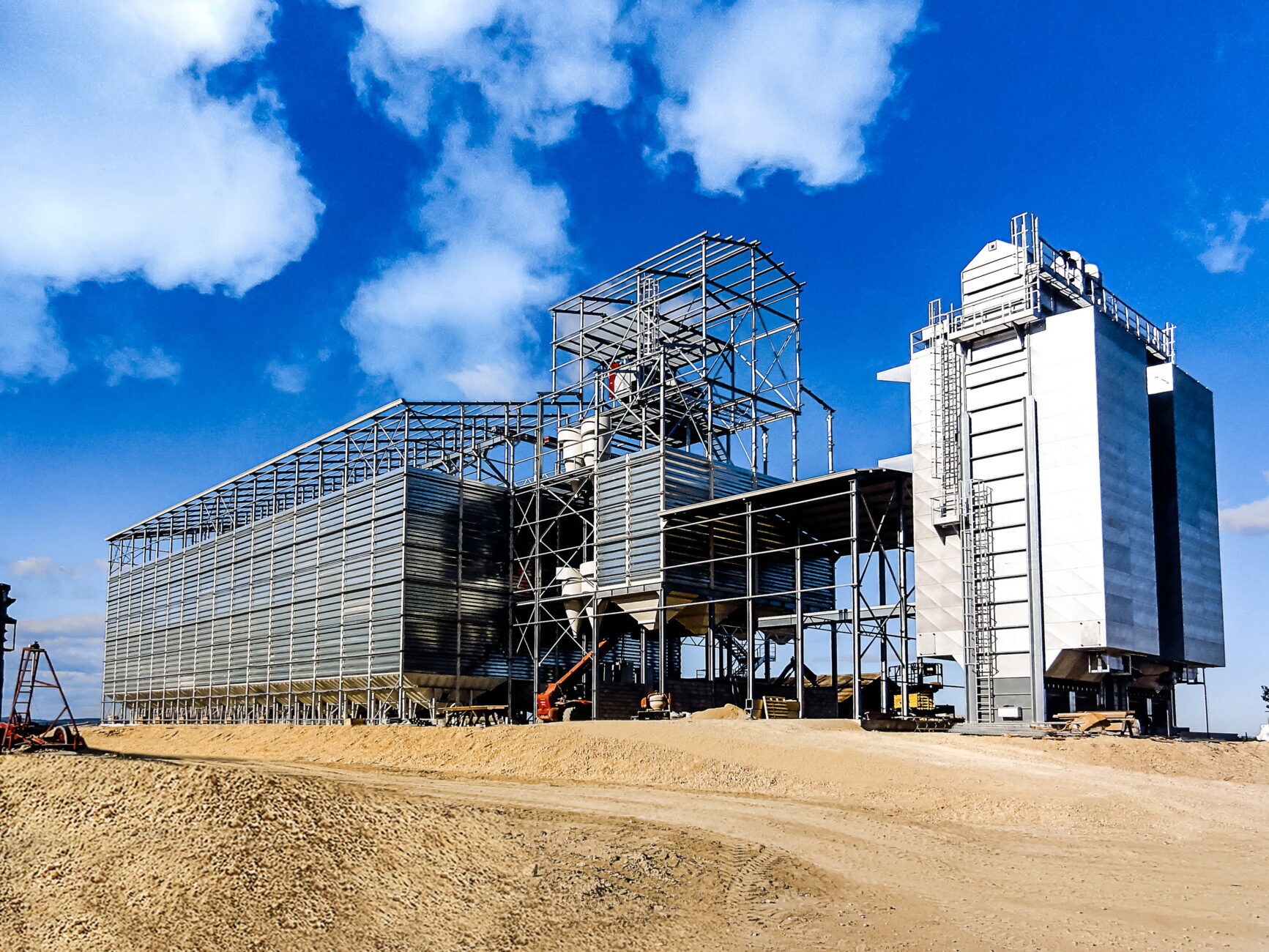
A batch recirculating dryer with a tempering phase. Well suited to farms requiring gentle and uniform drying, particularly when working with milling or seed rye. Tempering helps equalise moisture distribution within the grain and reduces the risk of localised over-drying.
Ravaro RC — Continuous-Flow Drying for Large Volumes
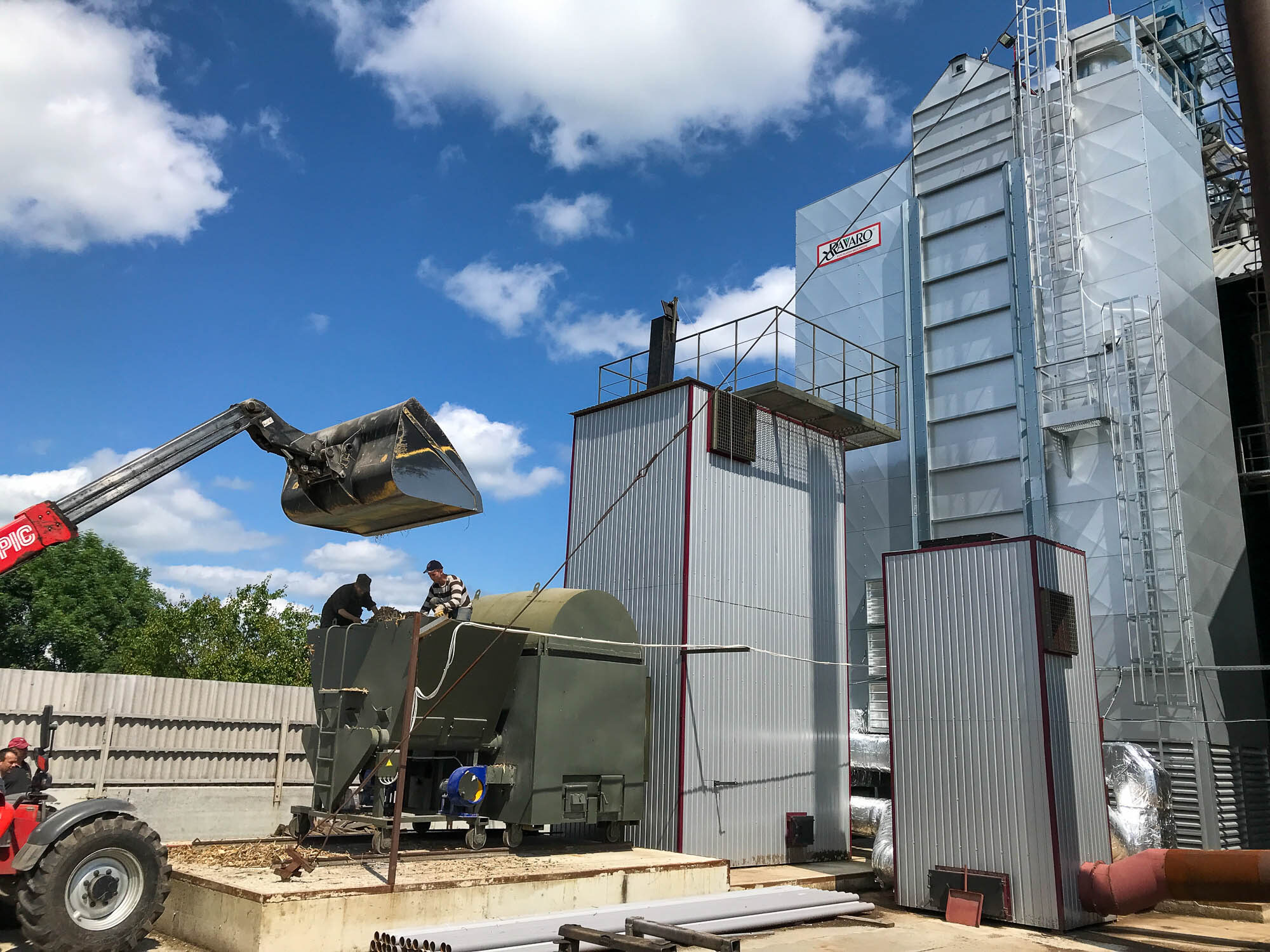
A continuous-flow dryer for farms and grain elevators requiring uninterrupted throughput capacity. Appropriate for commercial and feed rye when grain flow is steady and organised intake, cleaning, buffer storage, and grain storage are in place.
Agrex AGD / AGD-F — Mobile and Stationary Solutions
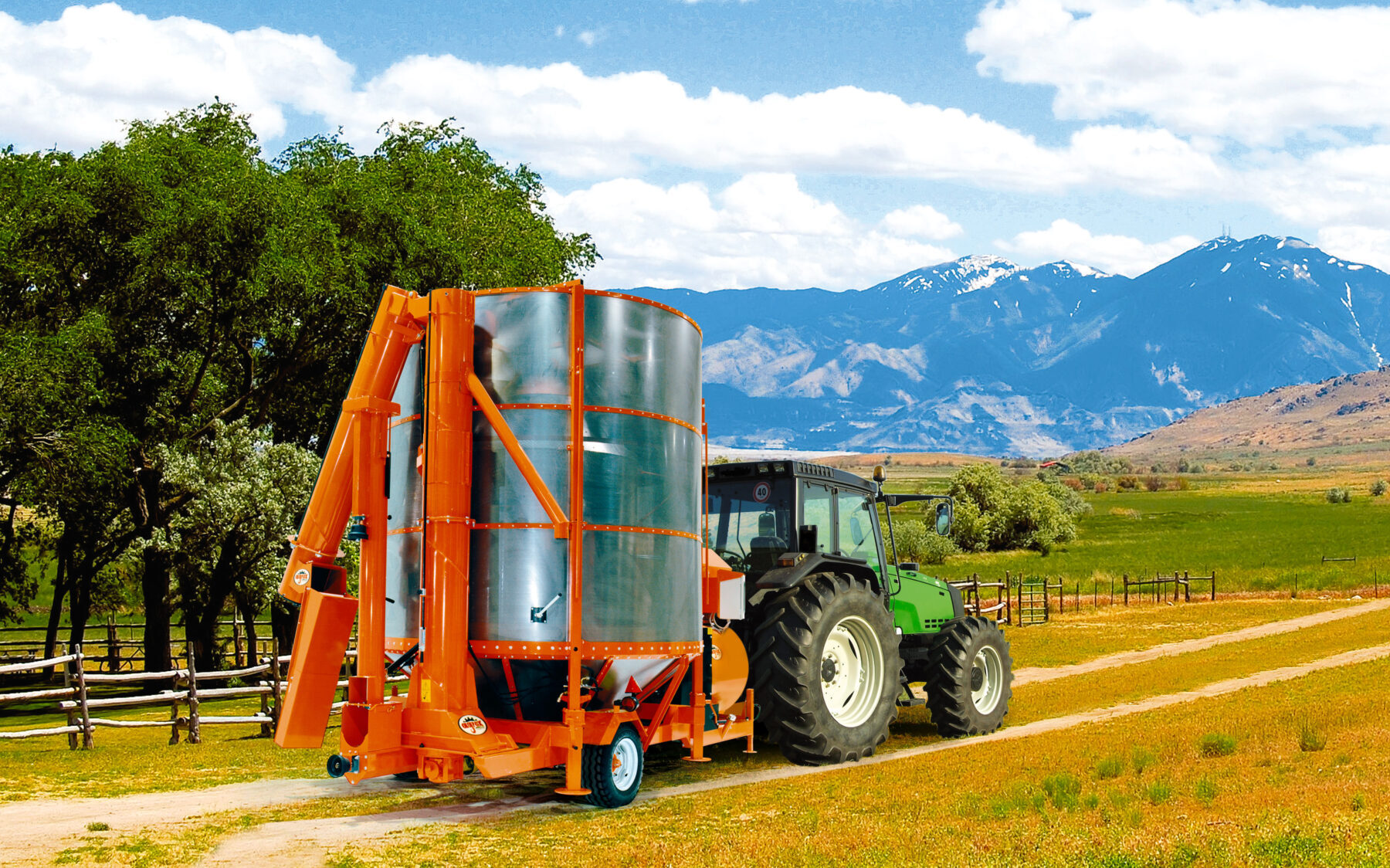
Mobile and stationary continuous-flow recirculating dryers. For rye, they are of interest where flexibility, autonomy, and multi-crop capability on a single farm are required. For gentler grain handling, configurations with a bucket elevator are preferable where available.
Alvan Blanch DF — Continuous-Flow Dual-Stream Dryer
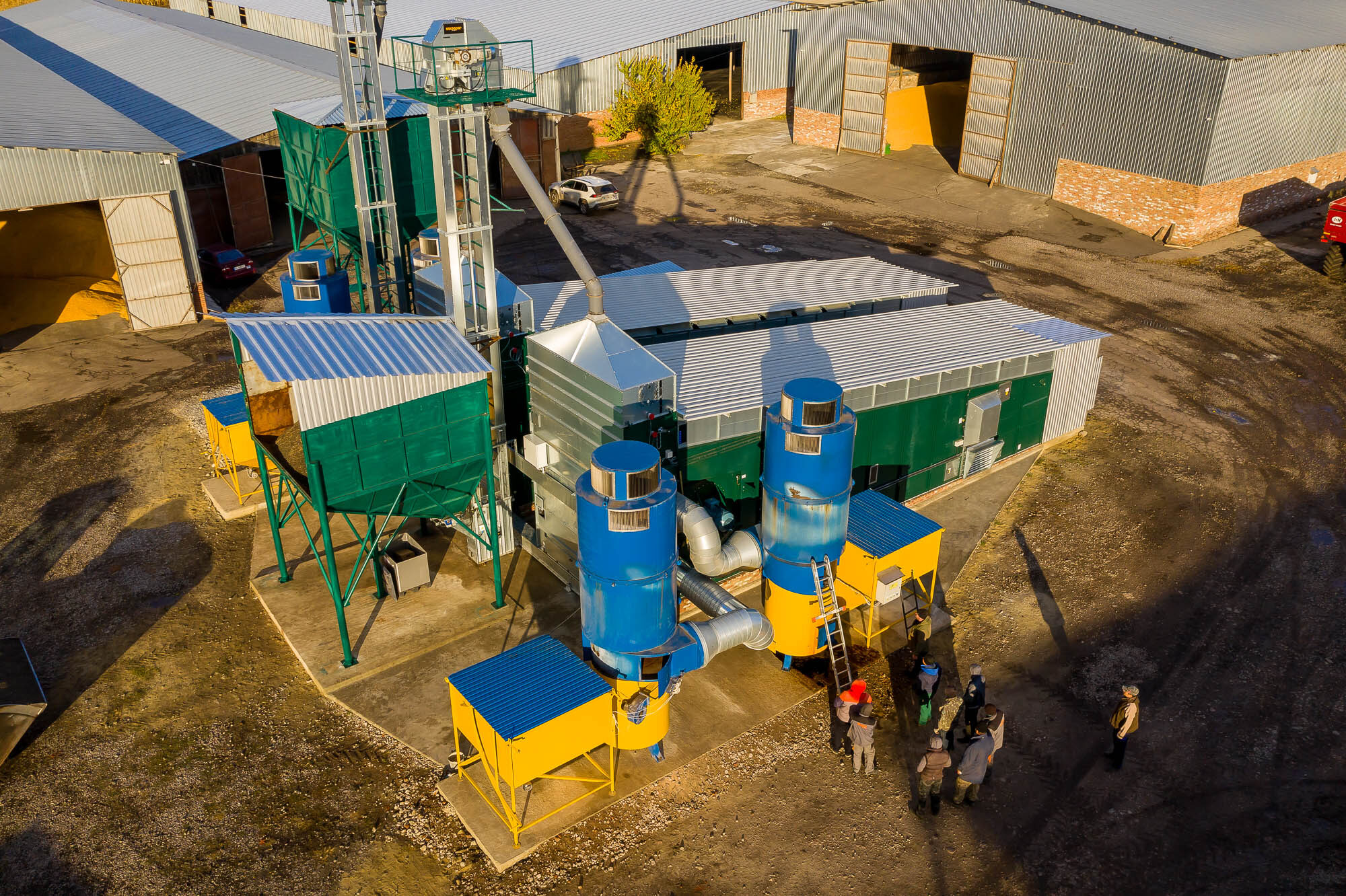
A continuous-flow dual-stream dryer for a wide range of free-flowing crops. For rye, uniform airflow distribution, grain temperature control, and the ability to adjust the regime to the intended use of the batch are important.
Alvan Blanch BD — Batch and Low-Temperature Logic
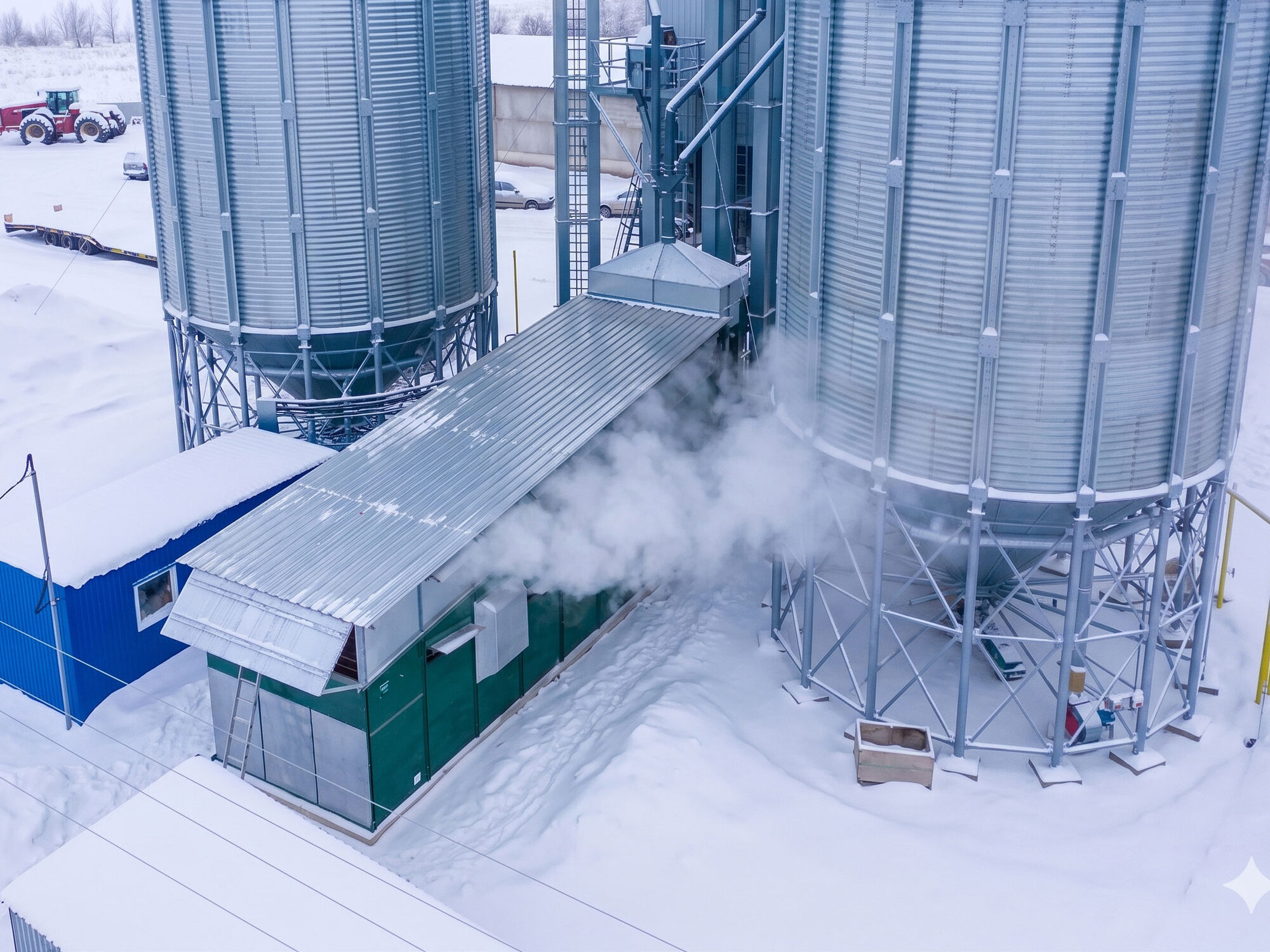
A batch dryer that can be considered for smaller volumes, seed material, and crops requiring a gentler regime. For seed and hybrid rye, this approach may be more appropriate than maximally throughput-oriented continuous-flow drying.
FAO AR — Batch Series
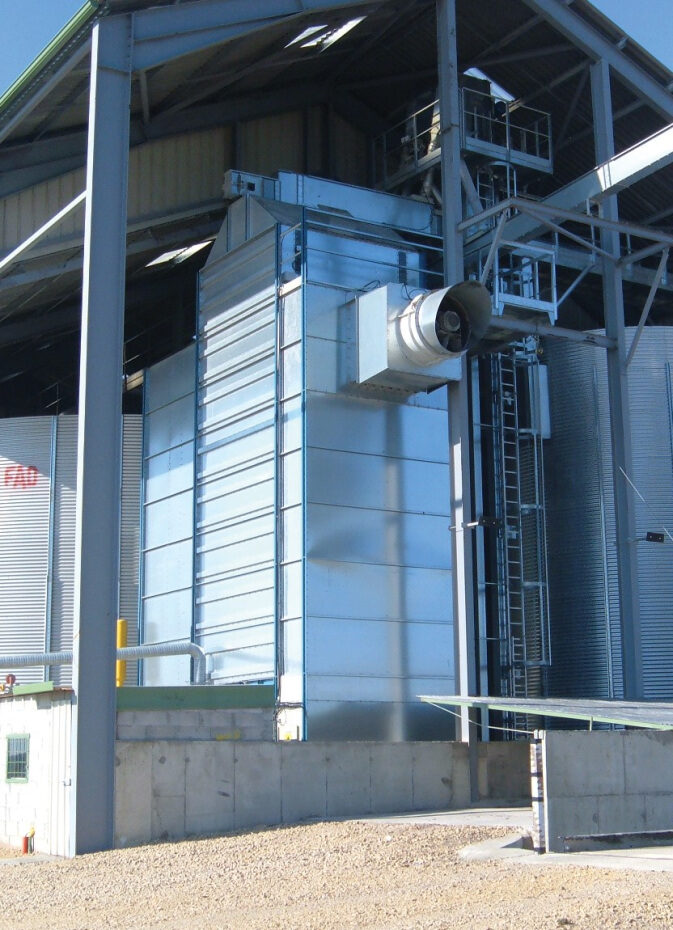
Batch grain dryers. Suitable for farms requiring batch-mode operation and a more controlled drying regime. For milling and seed rye, this can be beneficial where quality control matters as much as throughput.
FAO ACE / ACEX / SCE — Continuous-Flow Series
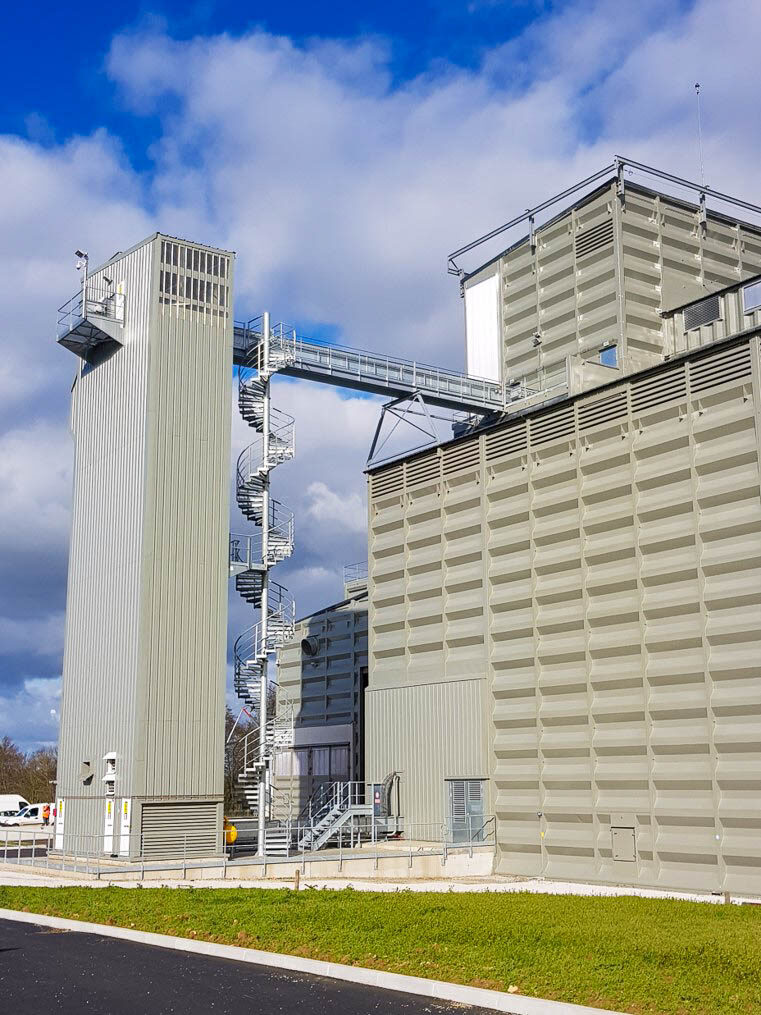
Continuous-flow series for uninterrupted grain drying. These can be considered for commercial and feed rye where stable throughput capacity is required and a complete post-harvest infrastructure is in place.
Why dual-zone dryers are not highlighted as the primary recommendation for rye
Dual-zone grain dryers are particularly interesting for corn, where high moisture removal and the energy intensity of the process make energy savings and high throughput the key factors. Rye typically does not require this logic to the same degree.
For rye, it is more important not to push the process aggressively but to preserve milling quality, stop sprouting, avoid overheating seed material, and organise cooling properly. This is why this article highlights batch, continuous-flow, and recirculating solutions rather than placing emphasis on dual-zone systems.
What Matters in a Grain Dryer for Rye
For rye, what matters is not only power and tonnage. In practice, the entire processing chain needs to be considered.
1. Grain Temperature Control
Particularly important for seed and hybrid rye. Air temperature alone does not indicate how much the grain has actually heated up.
2. Uniformity of Final Moisture Content
If part of a batch is over-dried while another part remains wet, storage problems will arise. For milling rye this is especially undesirable: batch quality must be consistent.
3. Tempering and Recirculation
Tempering allows moisture to redistribute within the grain. This reduces the risk of sharp over-drying of the surface while the core remains wet.
4. Rapid Cooling After Drying
Dry but warm grain must not simply be left in a bin. After drying, rye must be cooled to reduce grain respiration and the risk of self-heating.
5. Pre-Cleaning and Final Cleaning
For rye, cleaning is no less important than drying. It is necessary to remove straw, chaff, dust, broken grain, light impurities, immature grain, and part of the weed content. If ergot is a risk, more precise sorting is required.
6. Gentle Mechanical Handling for Seed Grain
Seed and hybrid rye is sensitive to mechanical damage. For such batches, it is advisable to avoid excessively aggressive conveying, cascading, and impact loads.
How to Dry Milling Rye
For milling rye, the task is not simply to remove moisture. The technological properties of the grain must be preserved.
A proper workflow typically includes:
- Prompt intake after harvest.
- Moisture and quality analysis.
- Checking for signs of sprouting and measuring the falling number.
- Pre-cleaning.
- Careful drying to safe moisture content.
- Cooling.
- Storage under stable conditions.
- Re-testing of the batch where necessary.
If rye has been harvested after rainfall, it is not sufficient to rely on moisture content alone. Two batches with the same moisture level can have different falling numbers and different milling quality.
Why milling rye must not be dried at maximum temperature
High temperature speeds up drying. But milling rye is not just raw material with a defined moisture content. What matters is enzyme activity, starch condition, and the properties of the resulting flour.
A regime that is too gentle may fail to stop the problem in time if the grain is wet and has already started sprouting. A regime that is too aggressive can damage quality. The drying regime is therefore selected as a compromise: fast enough to stabilise the grain, but not so aggressive as to cause damage.
How to Dry Feed Rye
Feed rye allows for a simpler approach. Preserving milling properties or germination is not required here. The main objectives are:
- bring moisture down to safe storage levels;
- prevent mould and self-heating;
- preserve feed value;
- avoid contamination with hazardous impurities;
- minimise weight loss and breakage.
If a batch has already lost its milling quality due to sprouting, it is often reclassified as feed grain. But even in this case drying must be carried out properly: wet sprouted grain is a favourable environment for mould and undesirable processes.
How to Dry Seed and Hybrid Rye
Seed rye requires a different regime. The primary criterion here is not drying speed but preservation of germination.
For seed and hybrid rye it is important to:
- avoid overheating the grain;
- avoid rapid moisture removal;
- minimise mechanical damage;
- ensure uniform final moisture content;
- cool the grain after drying;
- store under stable conditions.
For such batches, dryers with a gentle regime, tempering, recirculation, and careful grain handling are preferable. An aggressive feed-grain regime is not acceptable here.
Why hybrid rye requires especially careful drying
Hybrid rye seed is more expensive than ordinary commercial grain. Loss of germination turns such a batch from valuable seed material into a problem. For hybrid rye, therefore, what matters is not only temperature and moisture but gentle mechanical handling: fewer impacts, fewer cascades, less seed coat damage.
Rye, Sprouting, and Wet Harvesting
Weather conditions can vary greatly from region to region, but the principle is the same: if mature rye is exposed to rainfall, the risk of sprouting and quality loss increases. The faster the grain is cleaned, dried, and cooled after harvest, the greater the chance of preserving the batch.
For a farm it is important to have not only a dryer but also sufficient intake capacity. If grain arrives faster than the line can process it, wet rye will stand waiting. This increases the risk of self-heating and quality deterioration.
In practice this means that when selecting equipment, it is necessary to consider not just the rated tonnes per hour, but the entire flow:
- how many tonnes of rye arrive per day;
- what the average and peak moisture content is;
- whether buffer storage capacity is available;
- whether pre-cleaning is in place;
- how cooling is organised;
- where grain goes after the dryer;
- whether milling, feed, and seed batches need to be handled separately.
Rye and Cleaning: Why a Dryer Does Not Replace a Separator
For rye, cleaning is especially important. A dryer reduces moisture but does not resolve all quality issues.
Before drying it is advisable to remove:
- straw;
- chaff;
- dust;
- broken grain;
- light impurities;
- immature grain;
- part of the weed content.
After drying, or before dispatch, more precise sorting may be required — especially if ergot is a risk. For milling and seed rye this is critical: inadequate cleaning can destroy the entire commercial value of a batch.
What You Need to Know to Select a Grain Dryer for Rye
Calculating the right dryer requires collecting baseline data. Without it, it is impossible to correctly choose the equipment type and drying regime.
| Question | Why it matters |
|---|---|
| What type of rye: milling, feed, seed, or hybrid? | This determines the permissible temperature and the gentleness of the regime |
| What is the initial moisture content? | Determines throughput capacity, fuel consumption, and self-heating risk |
| What moisture level must be achieved? | Typically 13–14 %, but storage objectives may differ |
| Is there a risk of sprouting? | For milling rye, this affects batch value |
| Is the falling number known? | Helps determine whether milling quality is being preserved |
| Is ergot present or suspected? | Cleaning/sorting is required, not just drying |
| What throughput capacity is required? | The grain must be processed within the harvesting period |
| What fuel is available? | Gas, diesel, biomass, solid-fuel heat generator |
| Is a mobile or stationary line required? | Affects the choice between Agrex, Ravaro, FAO, and Alvan Blanch |
| How is cooling and storage organised? | Dry but warm grain still carries storage risk |
Practical Recommendations
- Do not mix batches. Milling, feed, and seed rye are best handled separately.
- Check more than just moisture. For milling rye, the falling number, odour, signs of sprouting, cleanliness, and absence of hazardous contaminants all matter.
- Do not try to solve ergot through drying. Cleaning and sorting are required.
- Do not overheat seed rye. For seed material, germination matters more than drying speed.
- Cool after drying. Placing warm rye into storage increases the risk of self-heating.
- Size the dryer to the harvest flow. The weak point is often not temperature but insufficient throughput capacity across the entire line.
Frequently Asked Questions about Rye Drying
At what temperature should rye be dried?
It depends on the intended use and the type of dryer. For commercial and feed rye, literature sources cite grain temperatures up to 55–60 °C. For seed and hybrid rye, grain temperature is typically kept below approximately 40 °C. Air temperature can be higher than grain temperature, so it cannot be stated without specifying the dryer type and drying regime.
To what moisture content should rye be dried?
Typically to 13–14 %. For long-term storage it is safer to aim closer to 13 %. Wet or problem rye must be cooled after drying.
Can drying restore the falling number?
No. Drying stops further sprouting and reduces the risk of mould, but does not restore already lost milling quality.
Why does rye suffer more from pre-harvest rainfall?
Rye is prone to pre-harvest sprouting. If mature grain becomes wet in the ear, it can begin sprouting and enzyme activity reduces baking quality.
What should be done about ergot?
Remove it by cleaning and sorting. Drying is not a method for removing or neutralising ergot.
Which dryer is best for seed rye?
One that provides a gentle regime, grain temperature control, uniform drying, and minimal mechanical damage. This is typically a batch or recirculating solution with careful grain handling.
Can rye be dried in the same dryer as wheat and barley?
Yes, provided the dryer allows the regime to be correctly adjusted for the intended use of the batch. However, milling and seed rye must not be handled as a standard feed-grain flow.
Is heat recovery necessary for rye?
Heat recovery can reduce fuel consumption, but for rye it is not the central argument as it is for very wet corn. More important is preserving quality, quickly stabilising a wet batch, and cooling the grain properly.
Conclusion
Rye demands careful drying not because it is the most complex crop in terms of heat capacity, but because its quality changes rapidly with sprouting and improper storage. For milling rye, the main risk is a drop in the falling number. For seed and hybrid rye — loss of germination. For feed rye — mould, self-heating, and batch safety.
The right grain dryer for rye must do more than simply evaporate moisture quickly. It must allow control of grain temperature, drying uniformity, tempering, cooling, and careful grain handling. This is why equipment selection starts not with the question "what temperature," but with: what type of rye are we drying and what quality must be preserved.
Ready to Discuss Drying Your Rye?
Describe the intended use of the batch (milling, feed, seed, or hybrid rye), initial and target moisture content, signs of sprouting and the falling number, volumes and harvest flow, available fuel, and storage setup — we will select the dryer type, drying regime, cleaning line, and indicative throughput capacity for your specific requirements. Contact us using any convenient method.
Still have questions? Contact us!
By phone
WhatsApp: +90 (536) 452-1184By e-mail
Our address: info@finpro.engineering
Related products
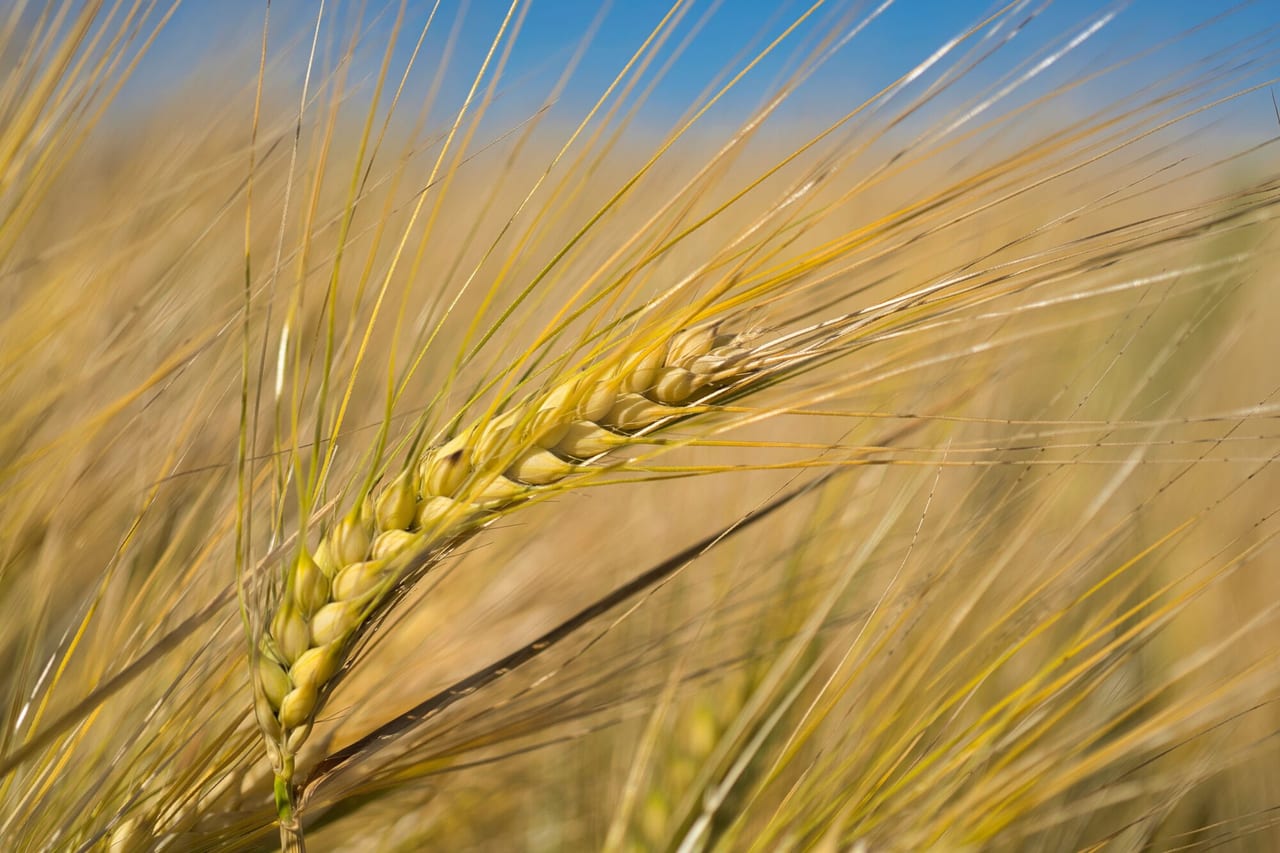
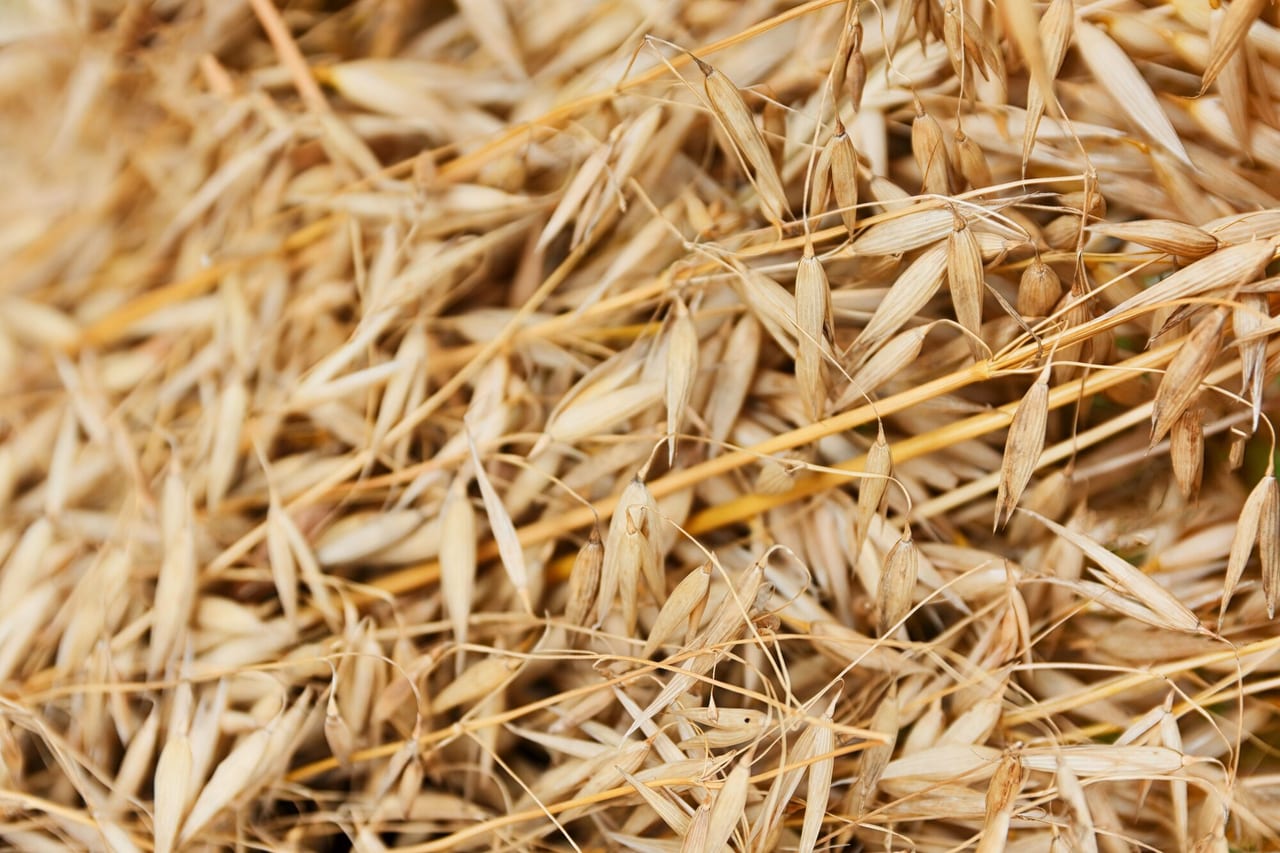
Barley
For malting barley, preserving germination and quality is critical and a gentle regime is required; feed barley is dried more aggressively.
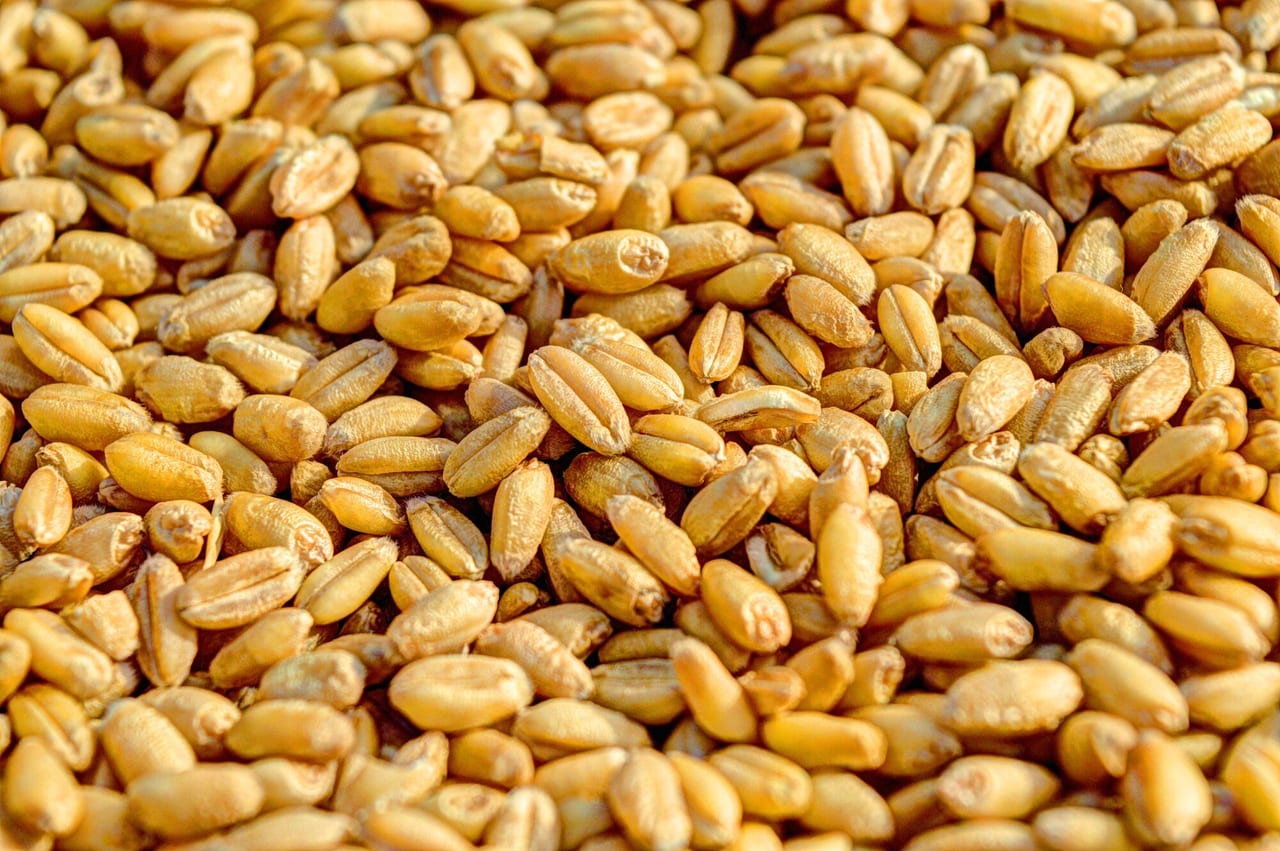
Wheat
A staple cereal crop. The drying regime depends on the end use (food, feed, seed) and the permissible grain temperature.
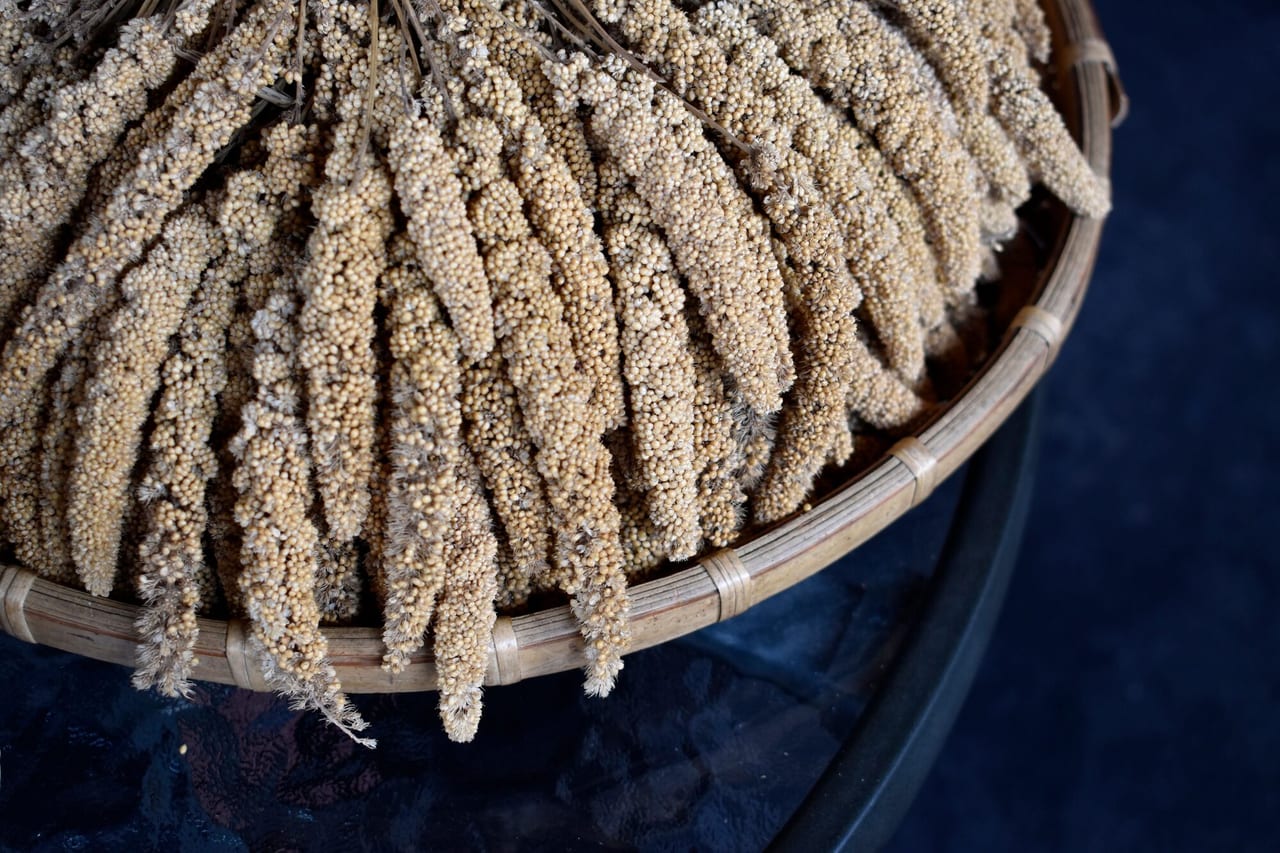
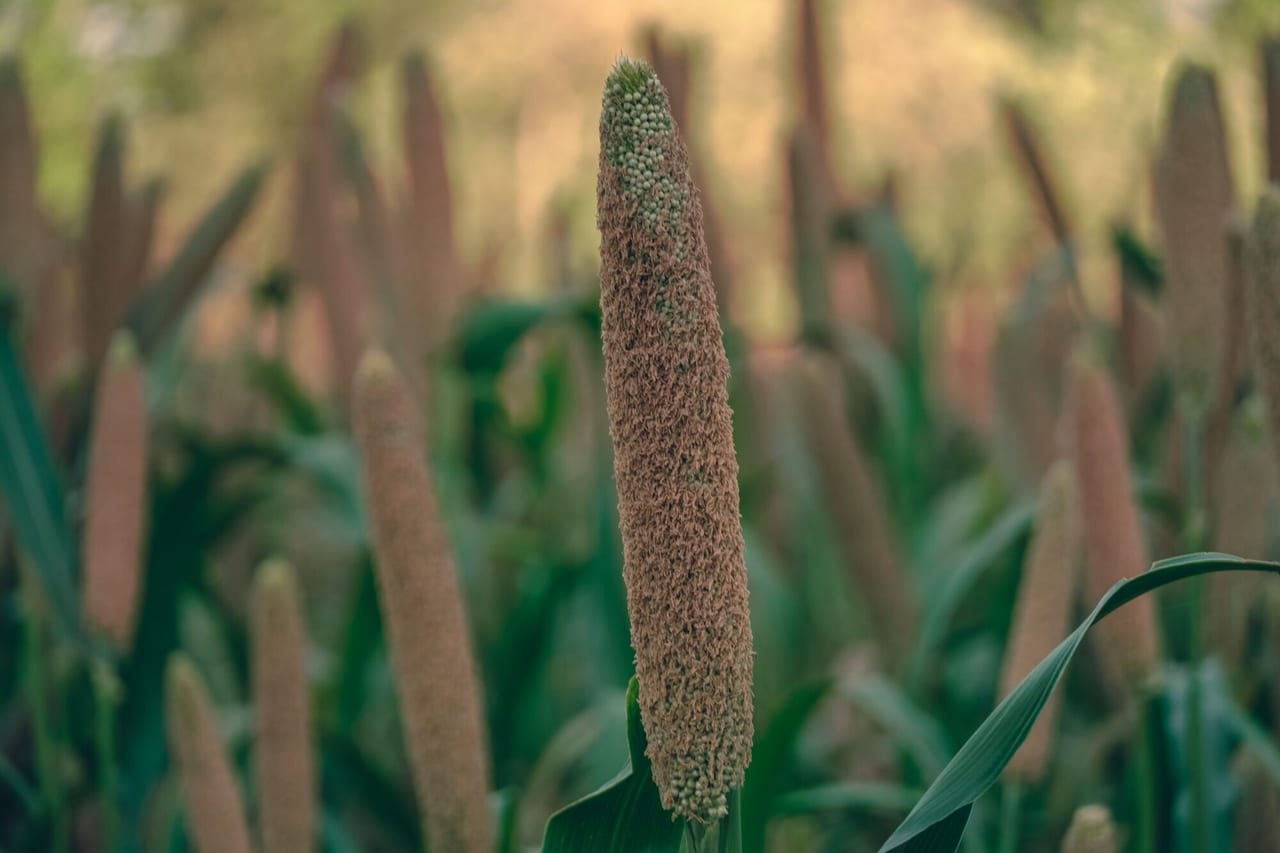
Sorghum
Grain sorghum is dried as a cereal crop; the regime is selected by moisture and end use.
Our Products
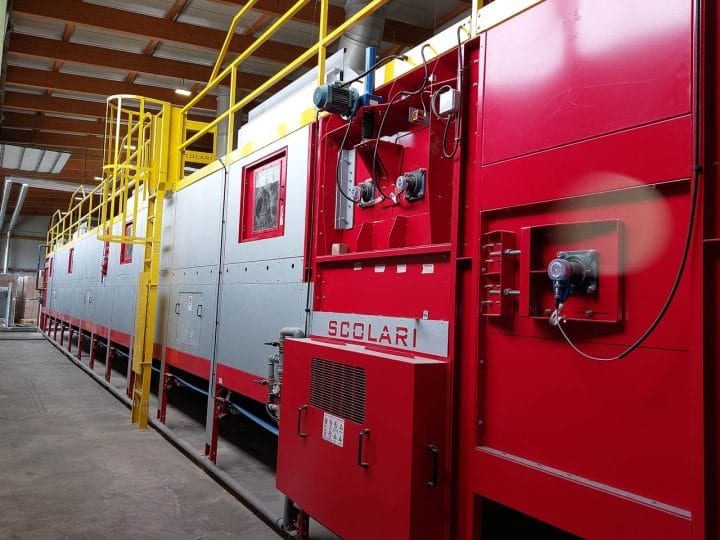
Universal Dryers
These dryers can be customized to dry any industrial or agricultural product you may require. Depending on the specific product and its moisture content, the dryers can be equipped with mixers, movable floors, vibrating floors, and other advanced technologies.
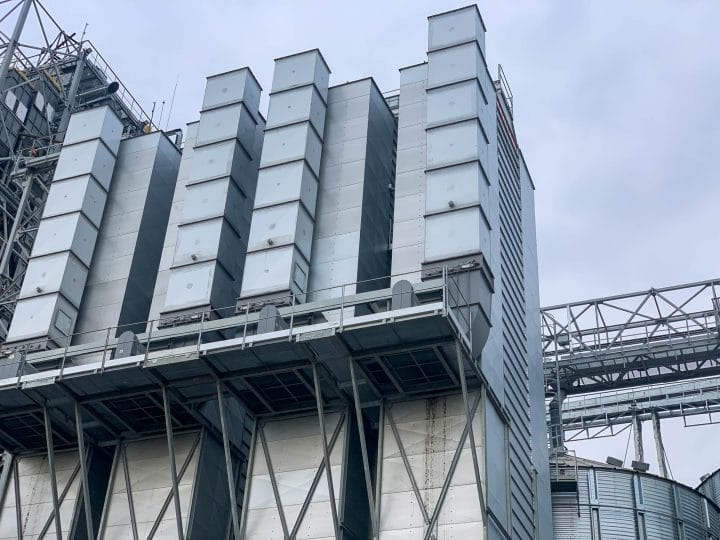
Grain Dryers
Authorized representative for top European grain dryer manufacturers like Alvan Blanch, FAO, and Agrex. Offering a full range of advanced drying solutions for agriculture.
Contact Us
If you are interested in purchasing any of our products, need a price quotation, or have any questions, comments, or suggestions, please do not hesitate to contact us via our contact form, by phone, or by email.
- WhatsApp: +90 (536) 452-1184
- E-mail: write to us
Our phones:
- Kazakhstan: +7 (747) 095-1626
- Moldova: +373 (22) 011-214
- Romania: +40 (31) 229-8484
- Türkiye: +90 (536) 452-1184 (English)
- Ukraine: +380 (67) 111-6668