
Agrex Mobile Grain Dryers for a Quick Start
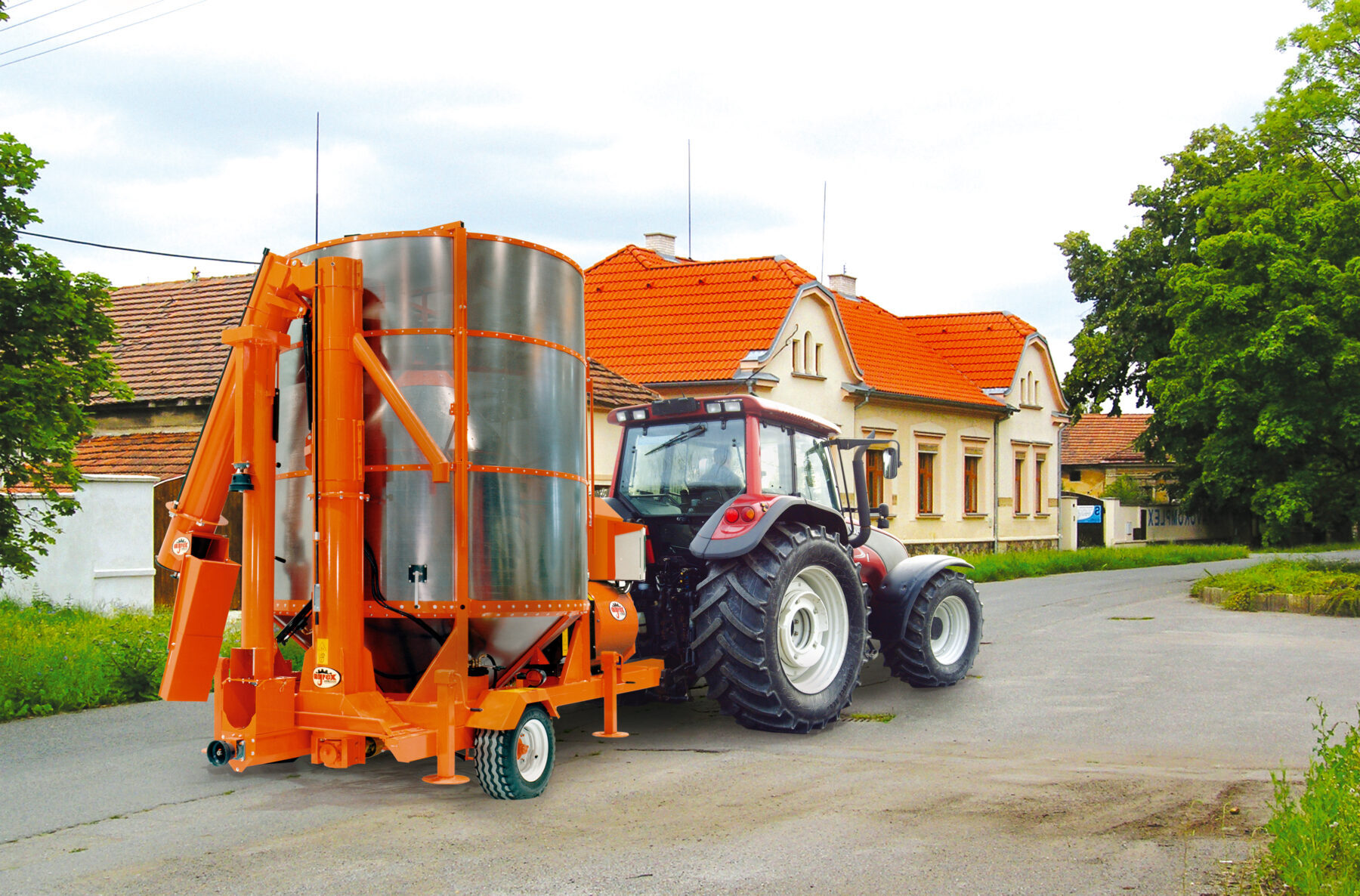
Agrex is the solution for farms that need to start drying grain quickly: no foundations, no buffer silos, no complex stationary-dryer project and no continuous supply of wet grain.
Italian Agrex batch grain dryers are designed for corn, wheat, soybeans, rapeseed, sunflower and other crops. They offer a fast start without building a mobile or stationary grain-drying complex, a flexible choice of fuel, an external auger or bucket elevator and a dual-mode heat exchanger.
WhatsApp: +90 (536) 452-1184 Request a quotation Choose an Agrex model
What is an Agrex grain dryer?
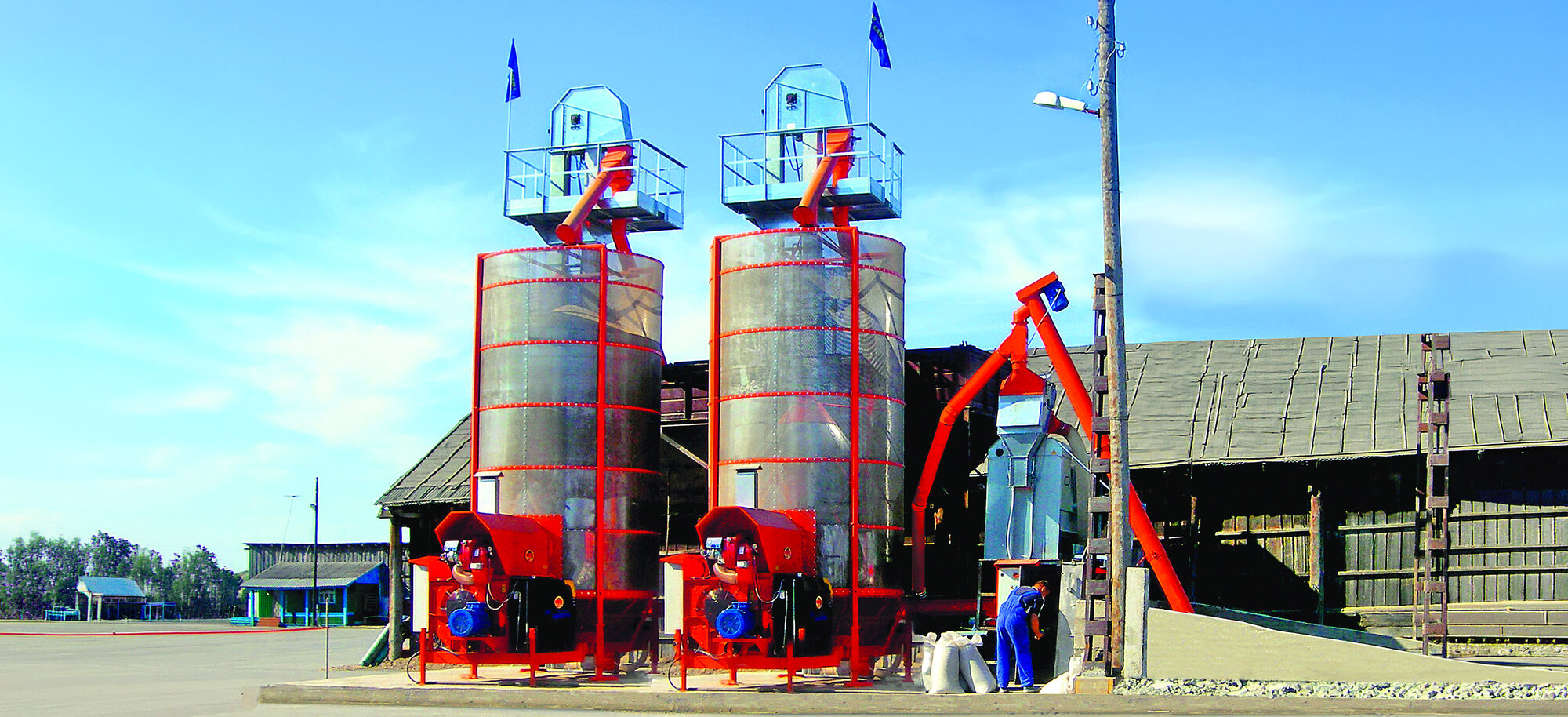
Agrex is an Italian mobile batch grain dryer that performs the full drying cycle: loading, drying, cooling and unloading the grain. Unlike continuous-flow grain dryers, Agrex does not need a continuous supply of wet grain and can work as a stand-alone solution for a farm or as part of a grain cleaning and drying complex.
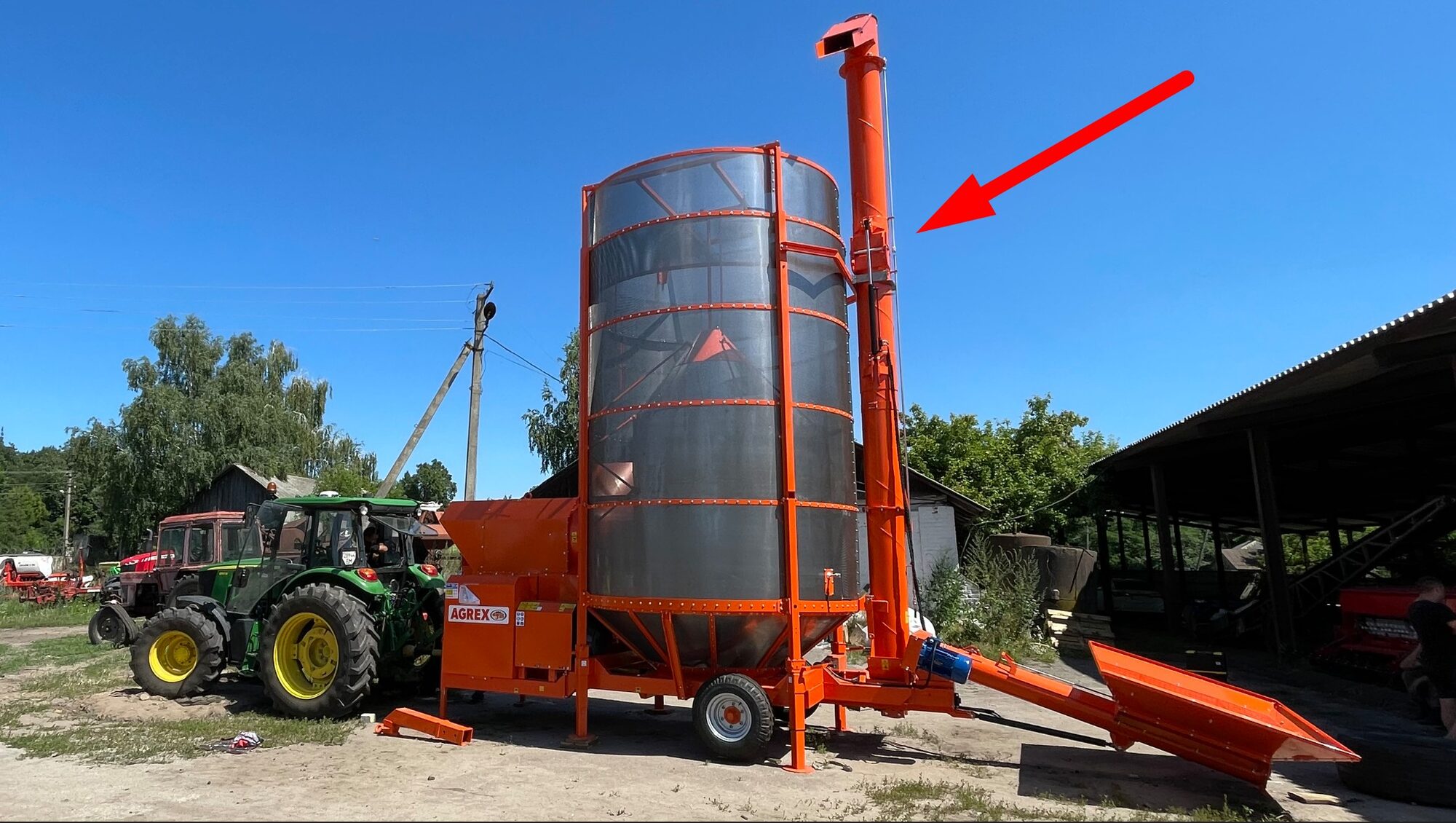
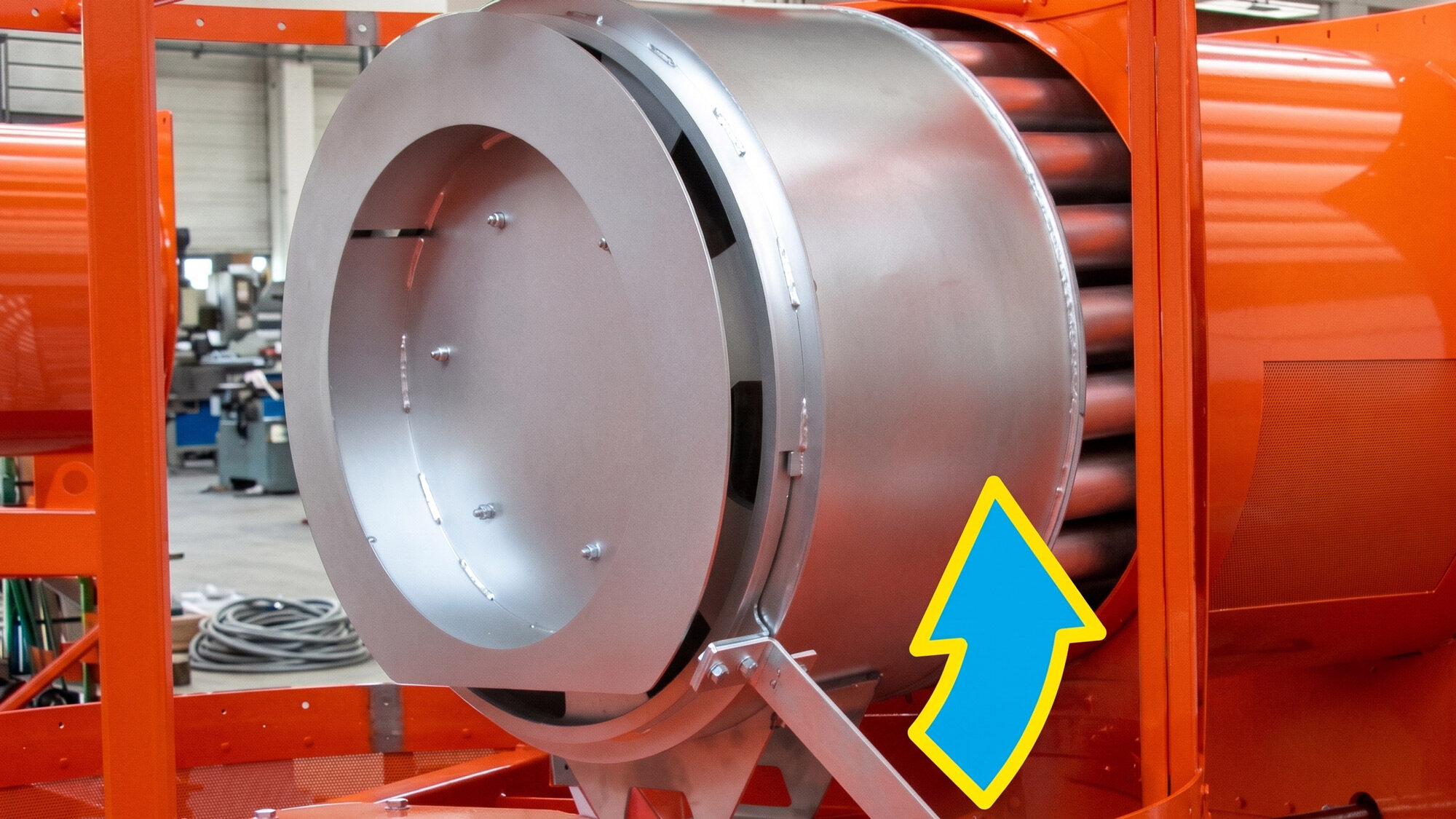
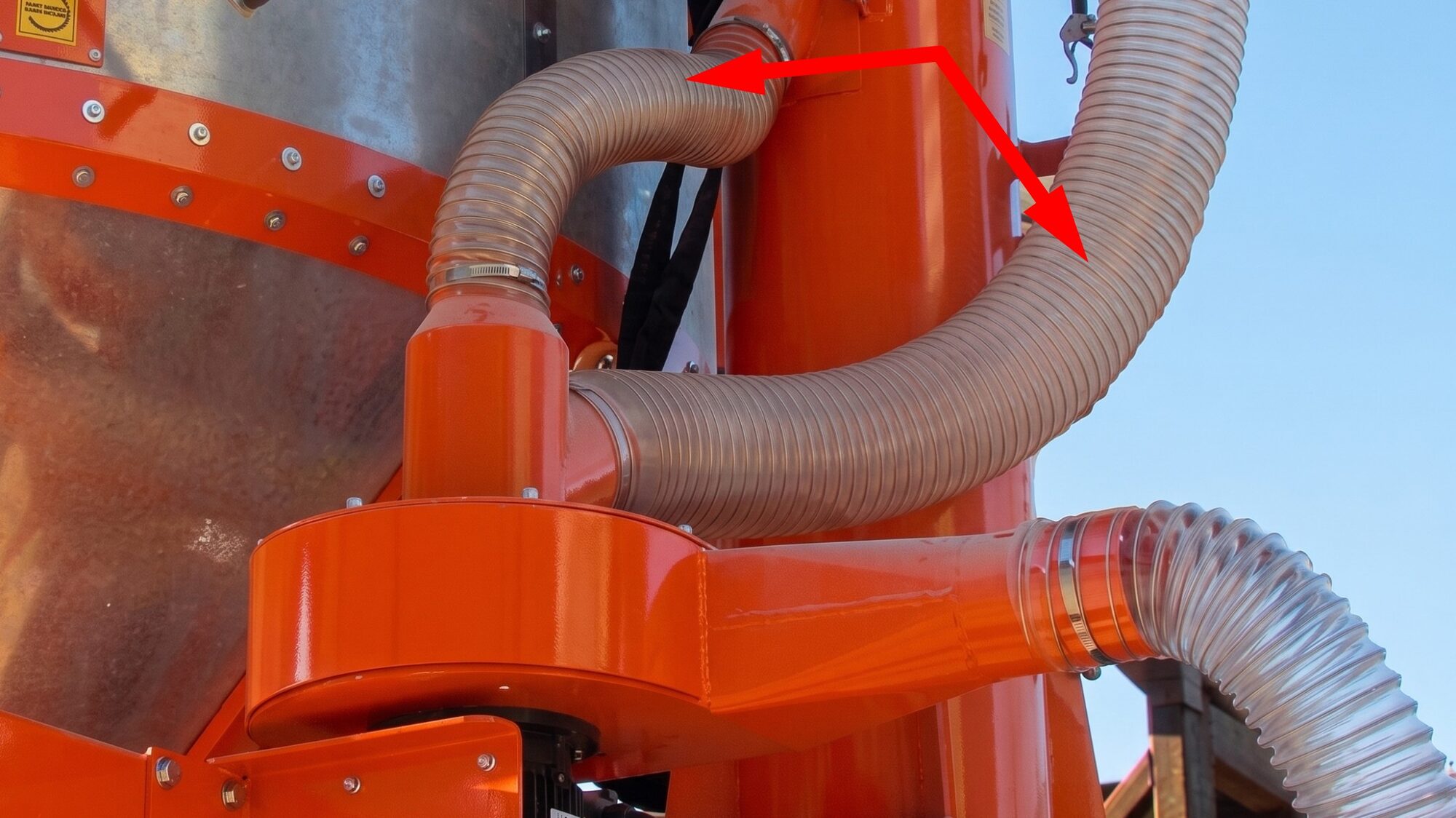
The dryer has an externally mounted auger or bucket elevator, which gives it a number of advantages over other solutions on the market. Add a removable dual-mode heat exchanger, a hybrid burner and a hybrid aspirator, and you get a truly unique solution.
Agrex advantages over other mobile grain dryers
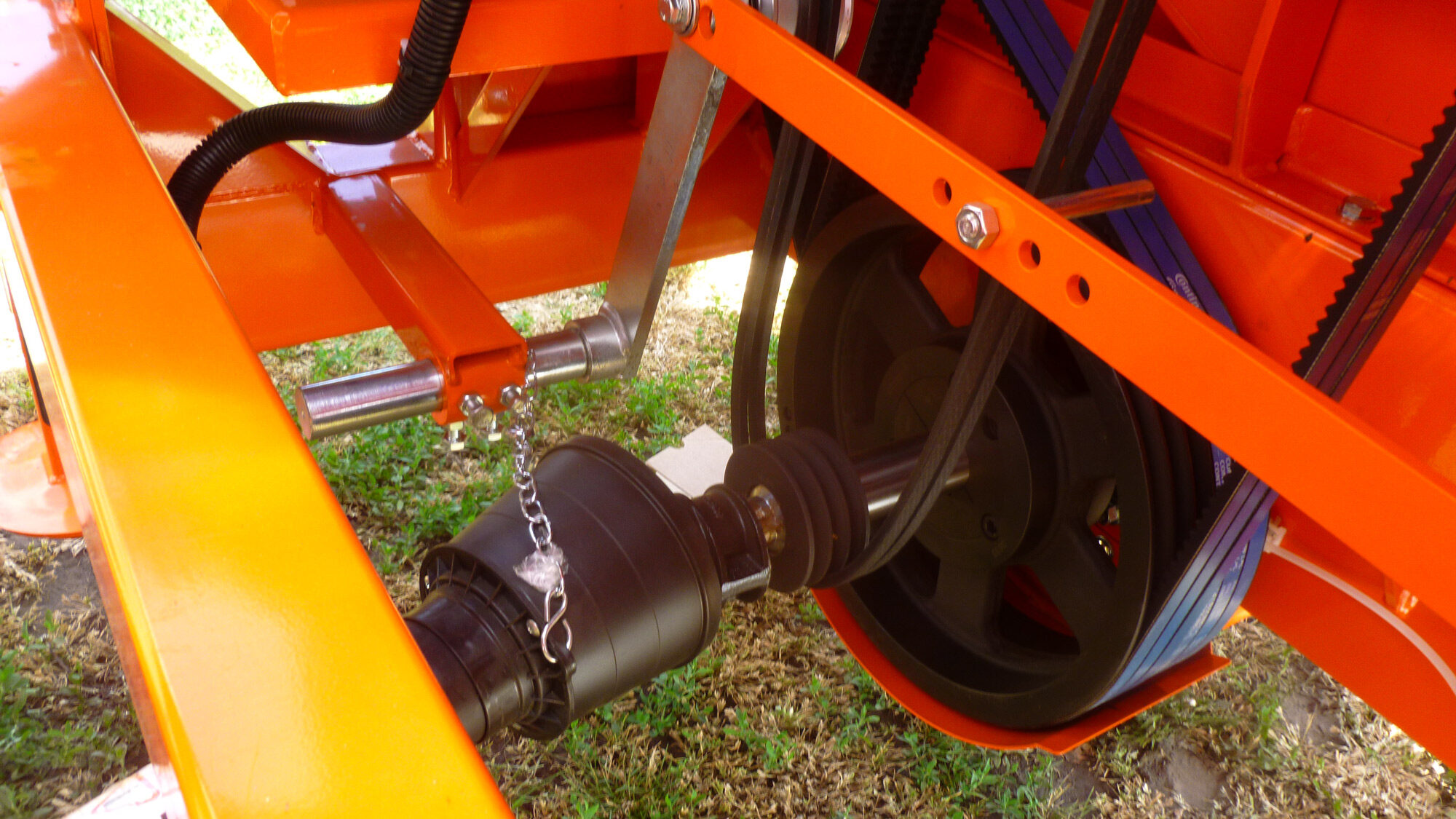
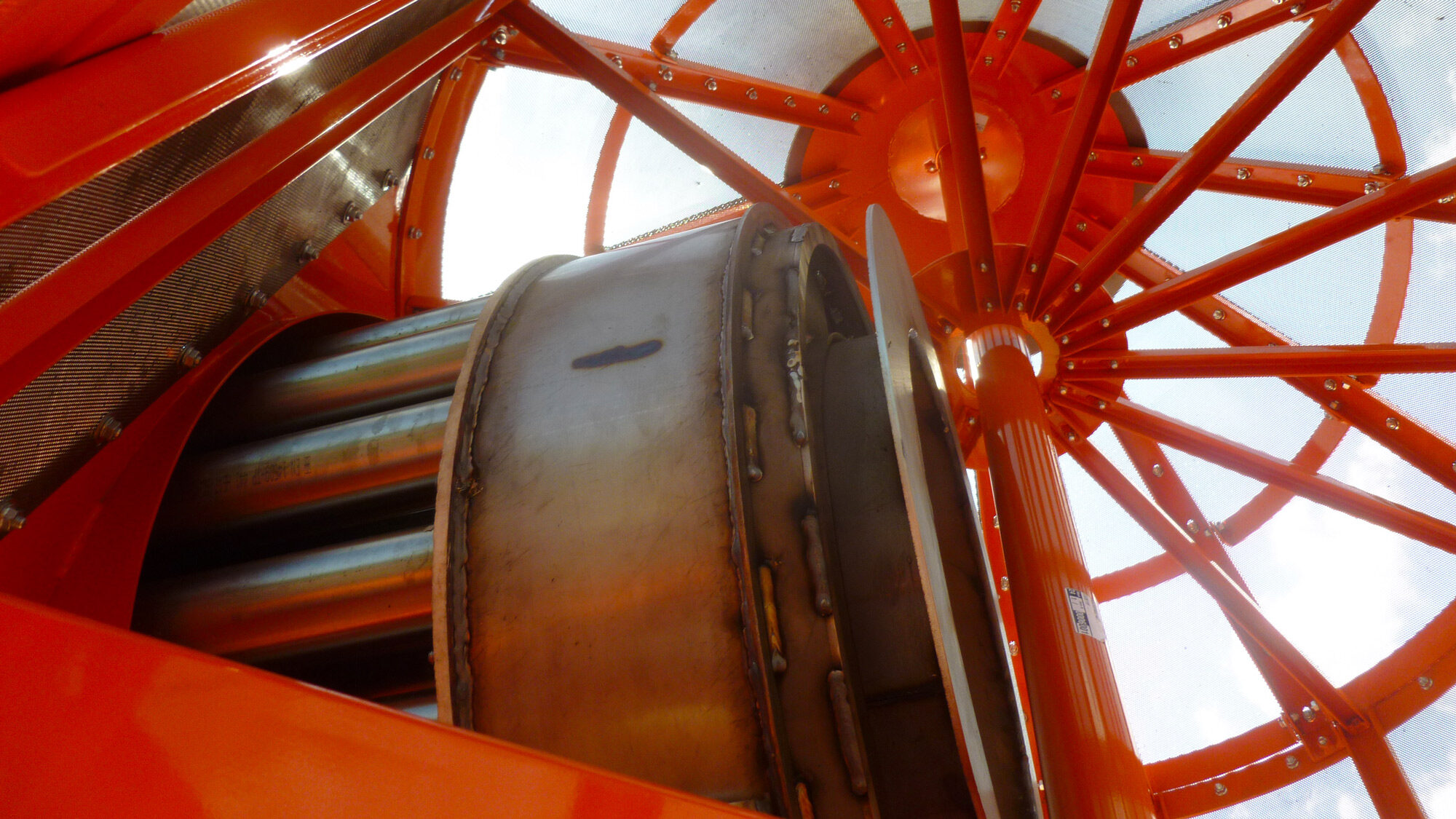
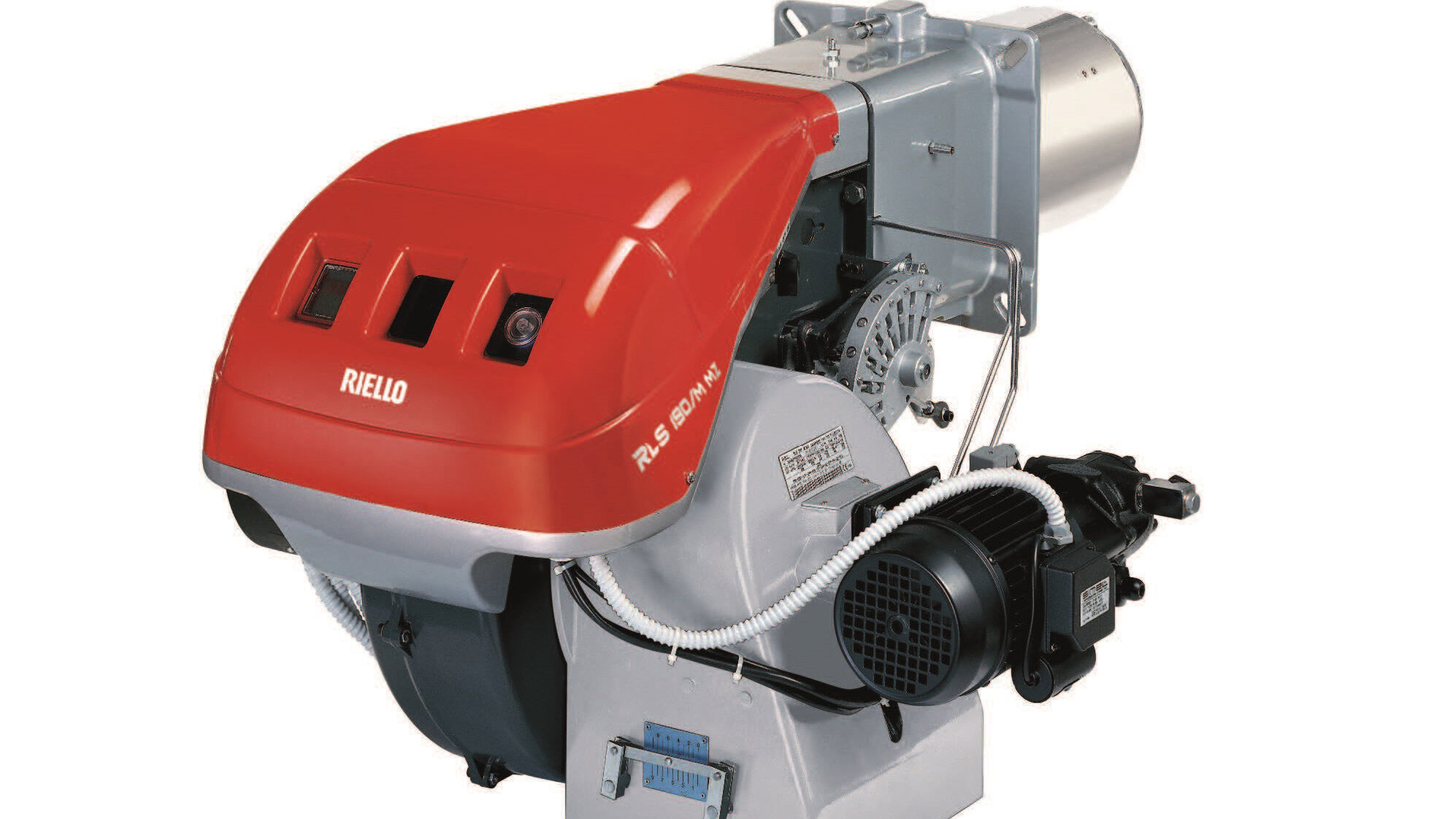
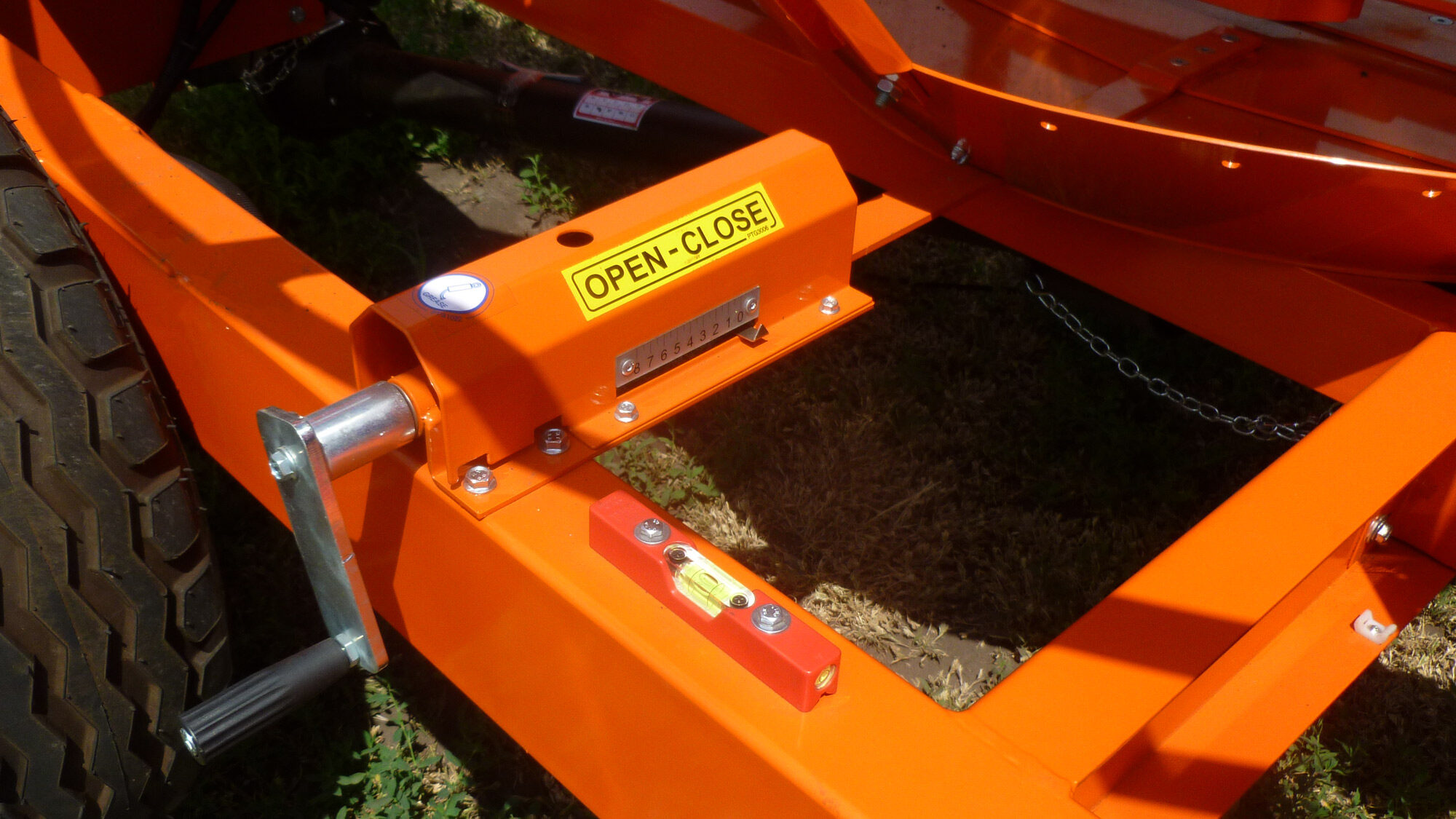
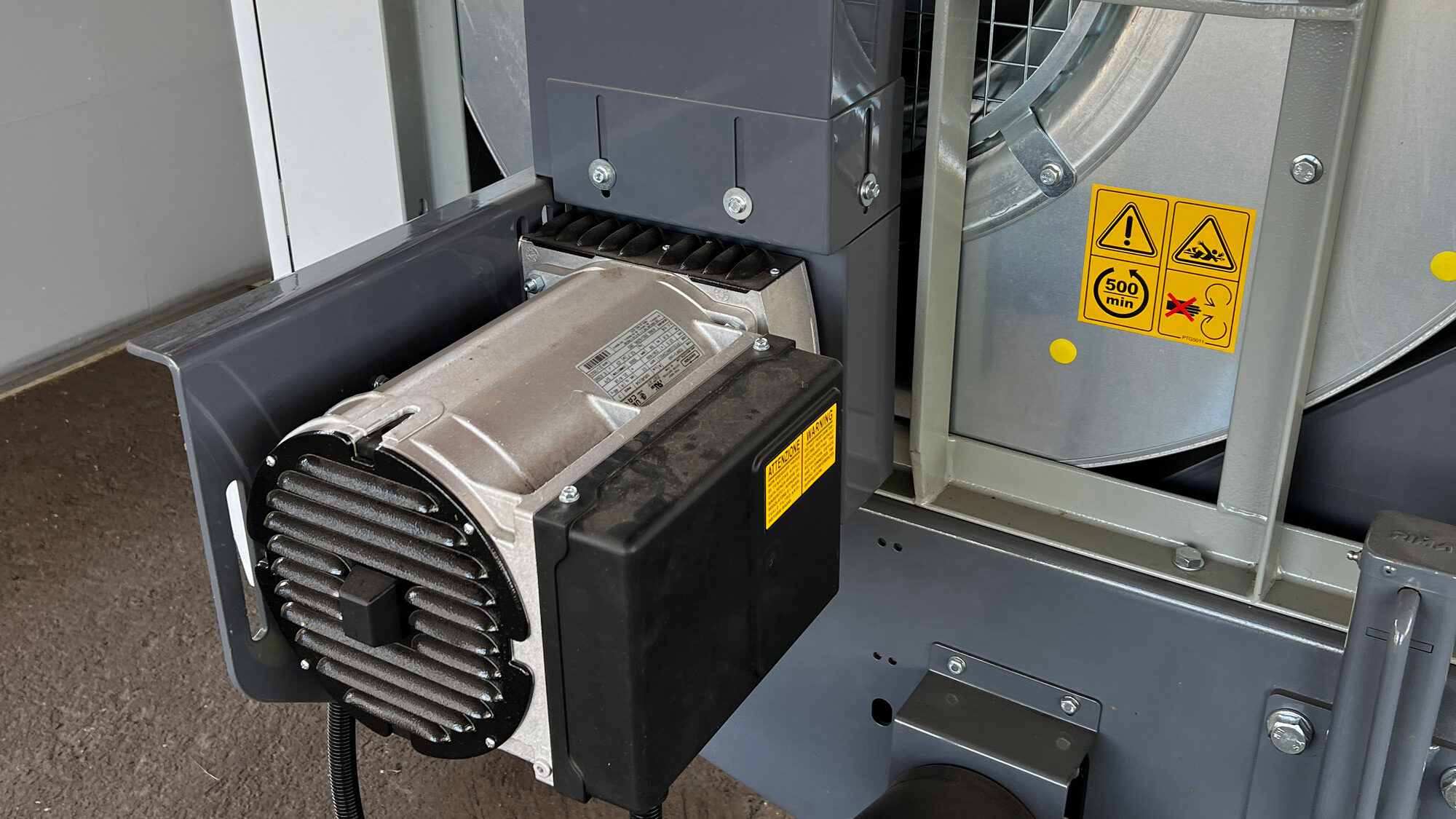
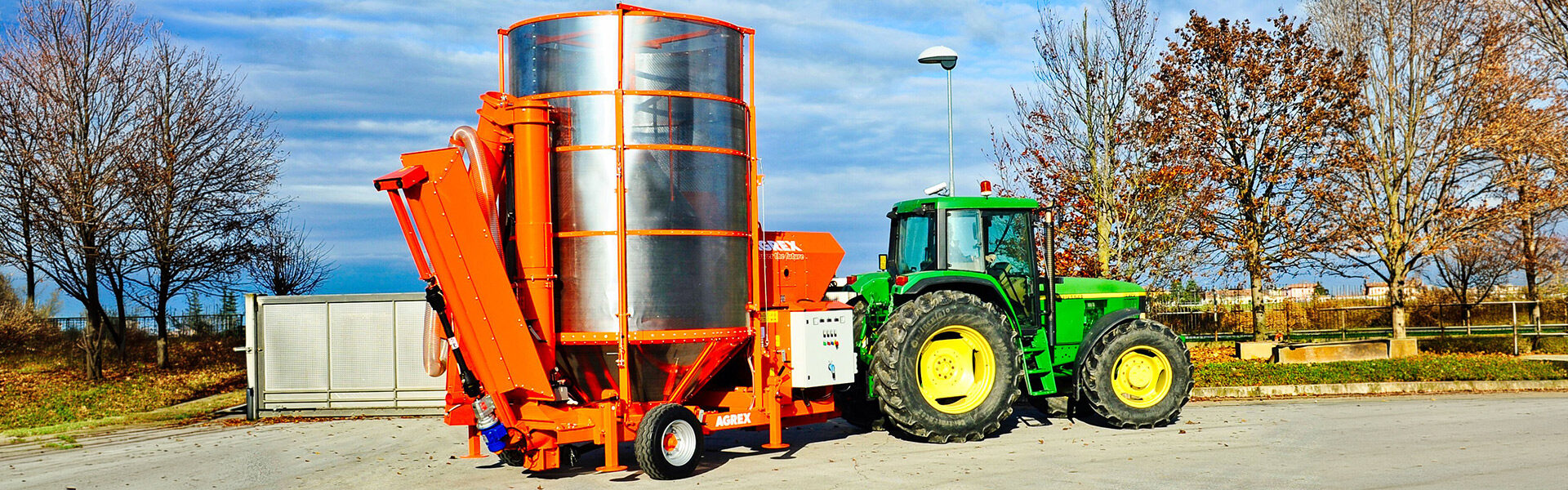
Agrex differs strongly from other mobile grain dryers thanks to its special design solutions: external grain recirculation, the option of working with a heat exchanger, adjustable recirculation flow, autonomy via the tractor PTO and a flexible choice of fuel. For details, click the relevant card below:
Why farmers choose Agrex grain dryers
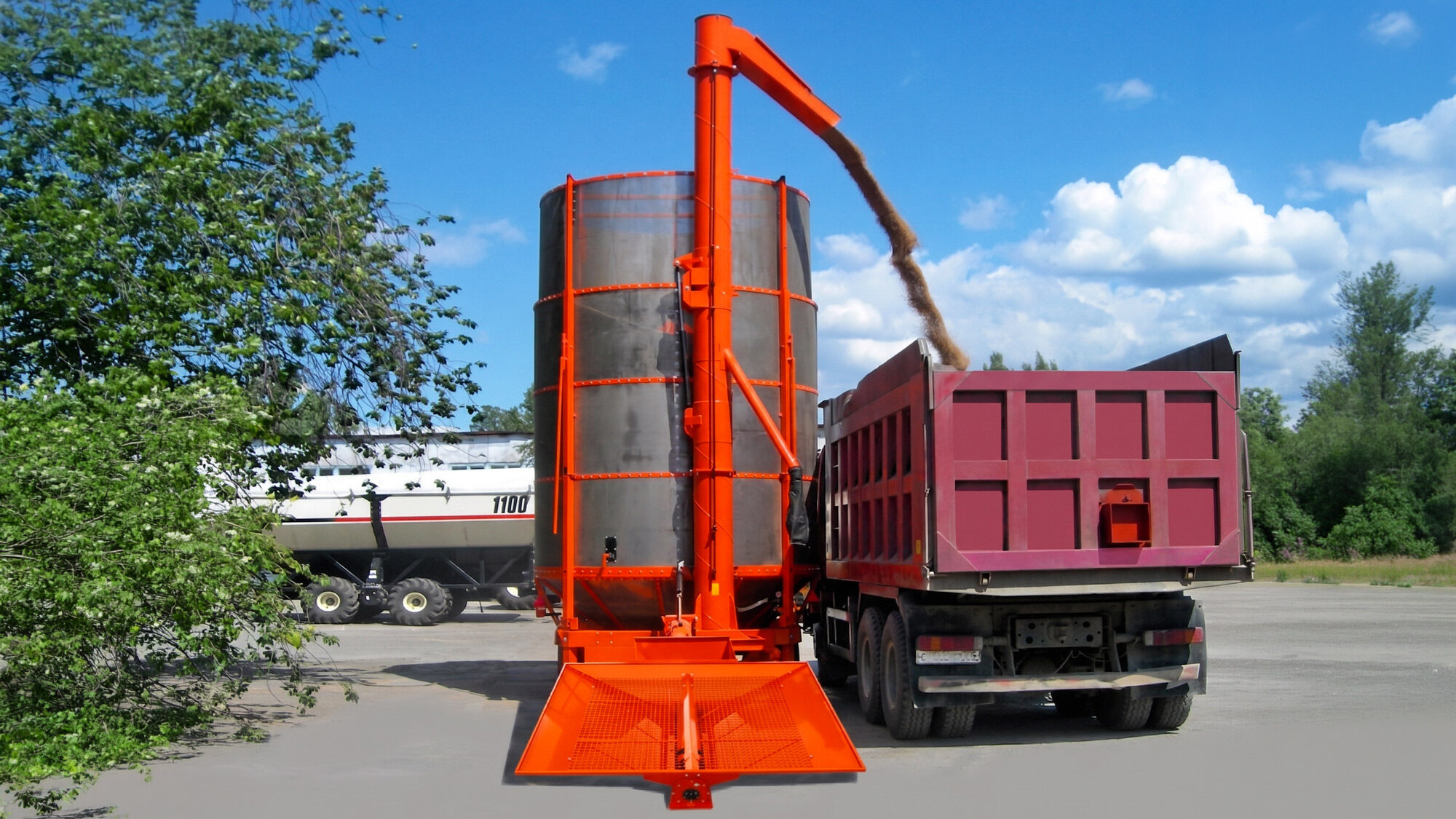
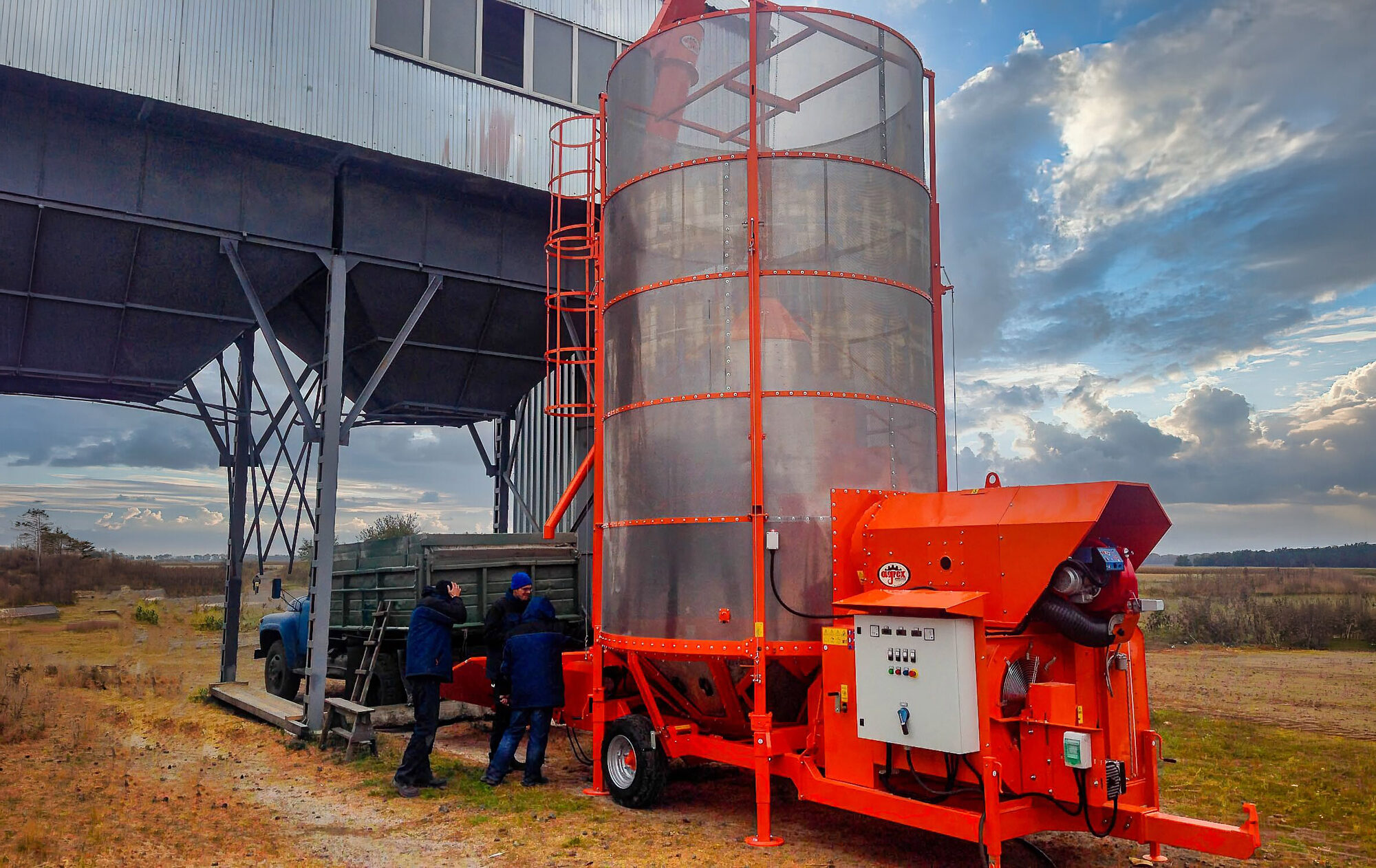
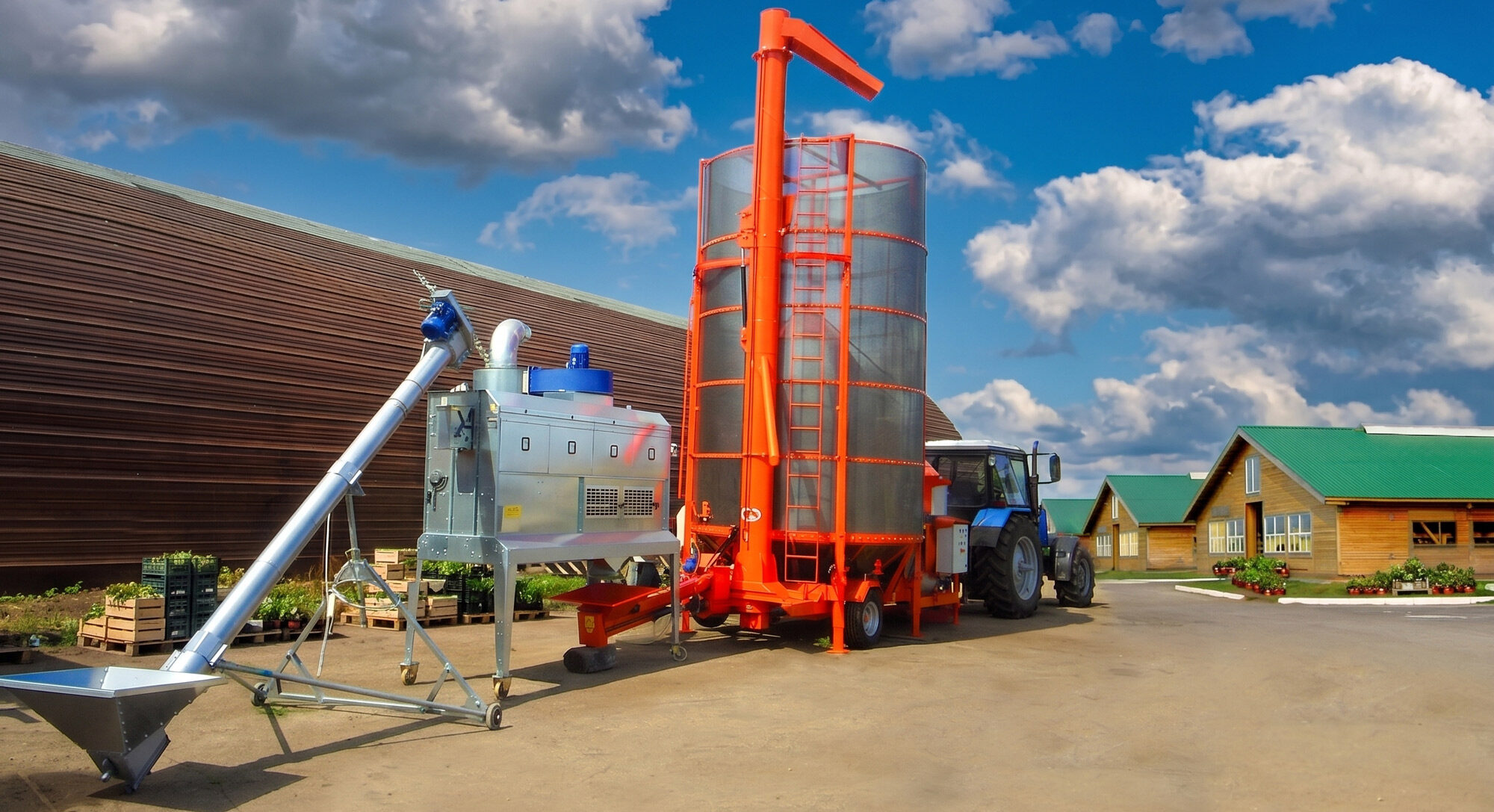
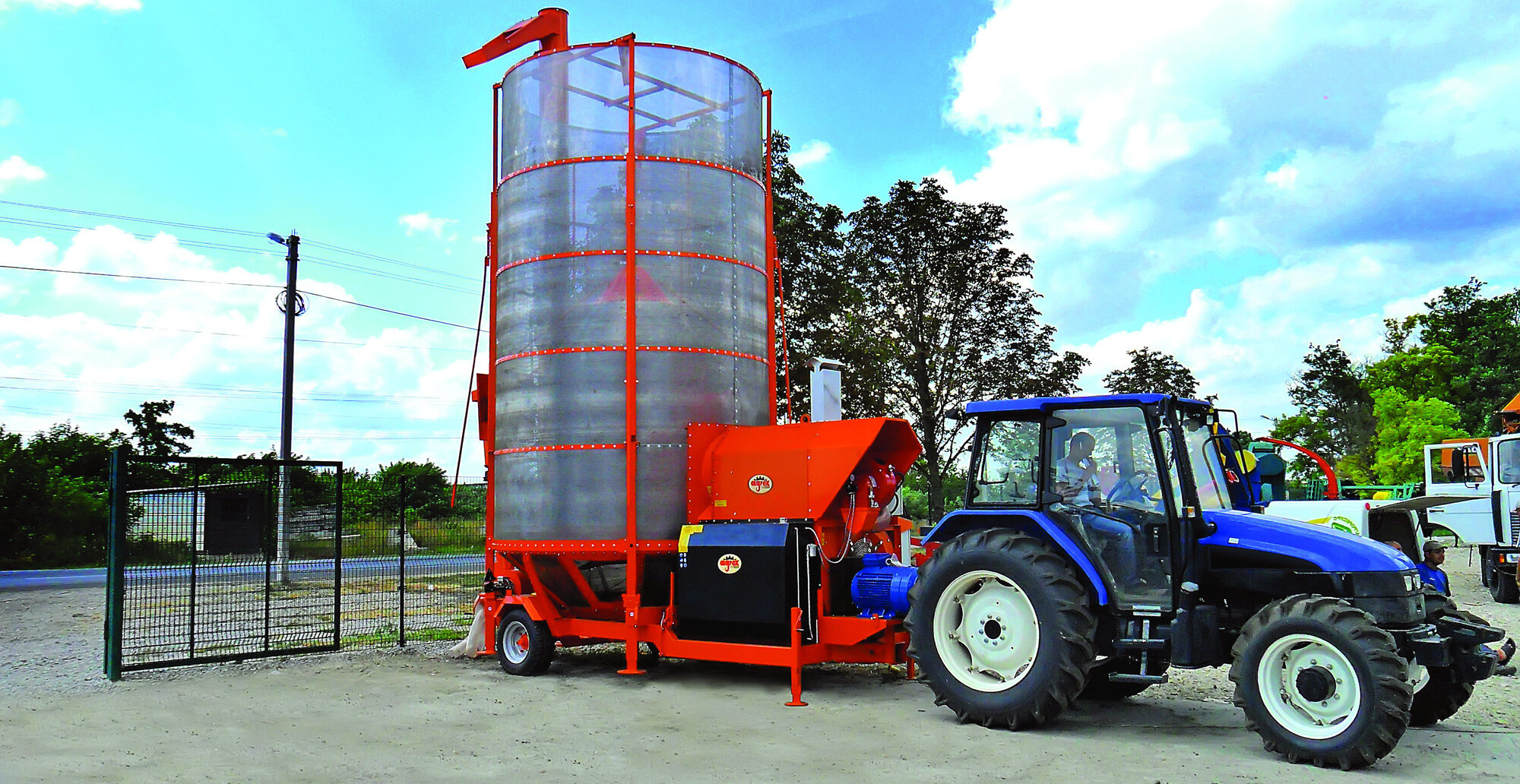
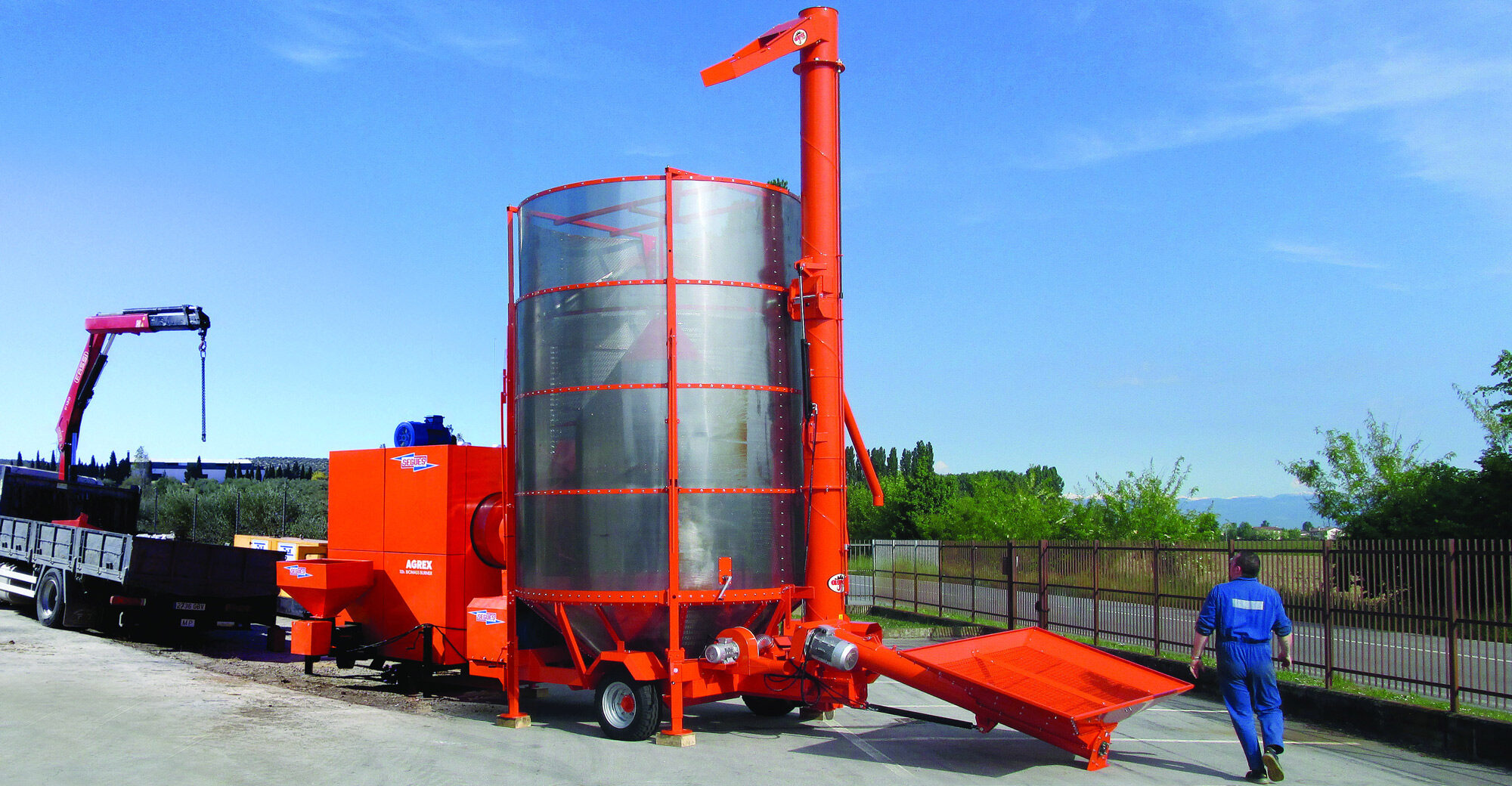
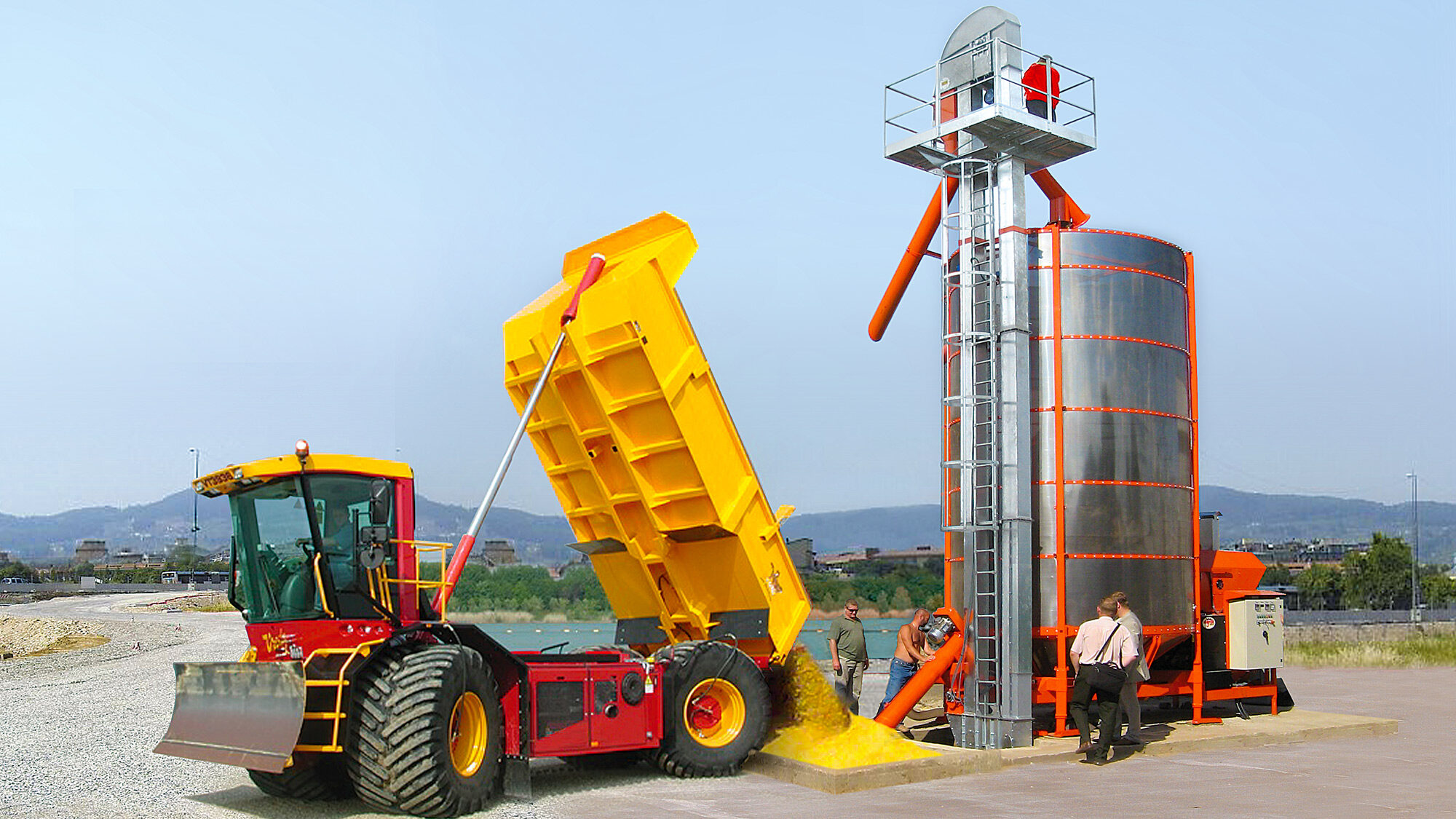
Every Agrex advantage has practical value: less construction, a faster start, a flexible choice of fuel, gentler grain handling and the ability to adapt the dryer to a specific farm. Click a card to expand the detailed explanation.
How the Agrex batch grain dryer works
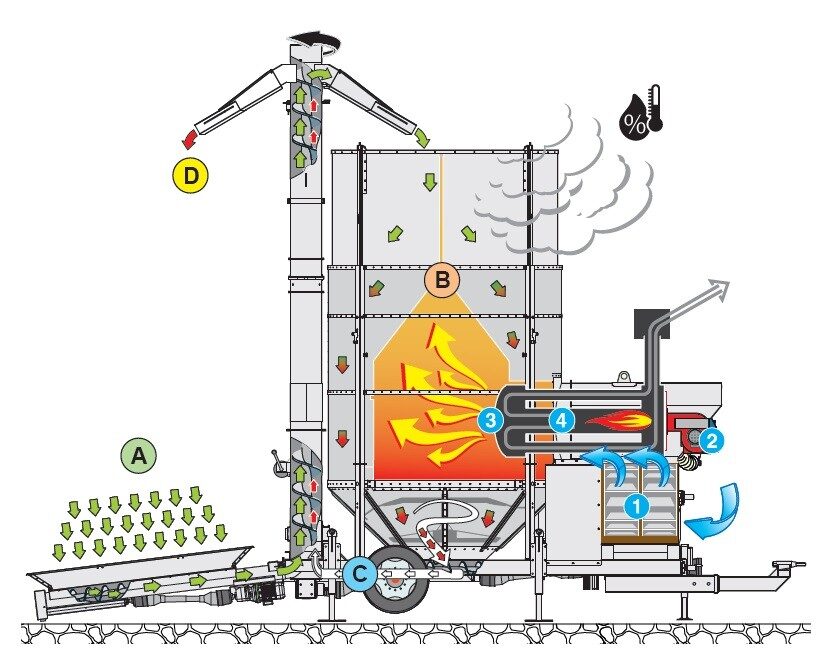
One Agrex operating cycle consists of four stages: loading, drying, cooling and unloading. The grain is loaded into the bin, dried in recirculation mode, cooled with ambient air and unloaded once the set parameters are reached.
Agrex grain dryer model range
Agrex produces a wide range of batch grain dryers: from the compact universal AGD3 dryer to the AGD10–AGD55 mobile grain dryers and the stationary F versions with a bucket elevator. The table below shows the key data: bin capacity, indicative throughput on corn, type and recirculation method. Click a row or “+” to expand the detailed technical specifications.
Throughput figures are indicative and can vary significantly depending on grain maturity, actual moisture, bulk density, weather conditions, configuration, operating mode and whether a heat exchanger is used. With a heat exchanger, daily throughput for some crops may be around 15–25% lower.
| Model | Bin capacity, m³ | Corn 30→14%, t/24 h | Type | Recirculation | Details | ||||||||||||||||||||||||||||||||||||||||||
|---|---|---|---|---|---|---|---|---|---|---|---|---|---|---|---|---|---|---|---|---|---|---|---|---|---|---|---|---|---|---|---|---|---|---|---|---|---|---|---|---|---|---|---|---|---|---|---|
| AGD3 | 3 | — | compact mobile | auger + belt | |||||||||||||||||||||||||||||||||||||||||||
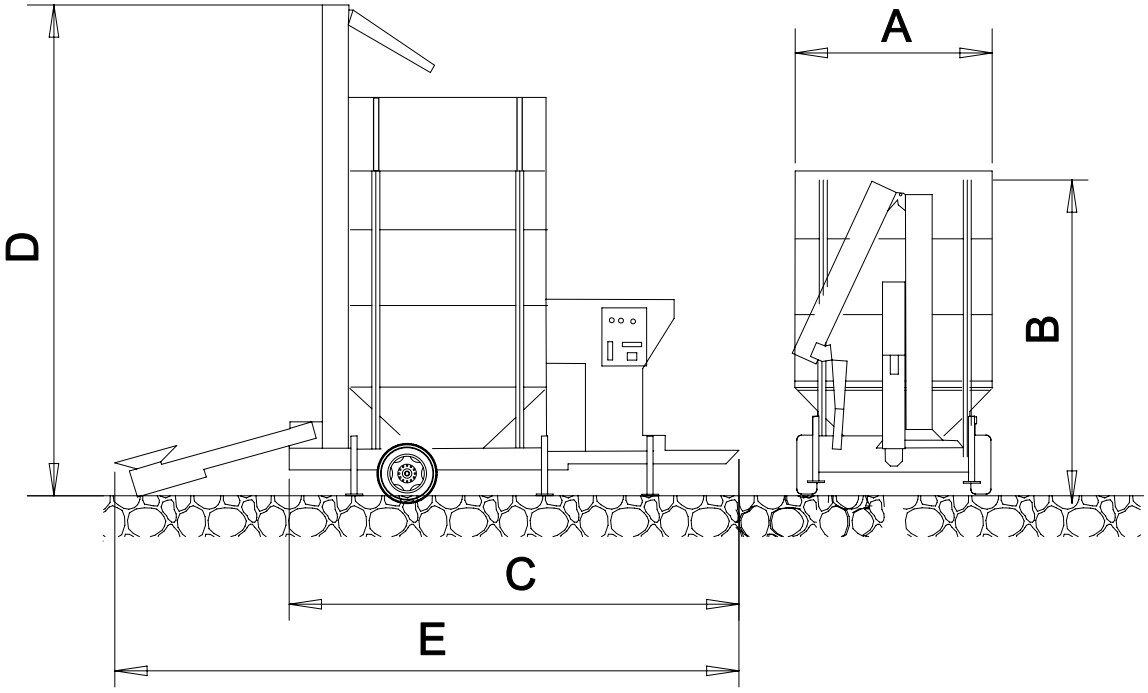
AGD3AGD3 is a compact, fully transportable universal dryer for small batches, seeds, nuts, coffee, rice, cereals and specialty crops. It is not a direct alternative to the large AGD10–AGD55 mobile grain dryers; it is designed for separate (more universal) tasks and small volumes. AGD3 can operate at any fill level. The dryer works correctly with products containing no more than 3% impurities. An auger and belt conveyors are used as handling mechanisms for gentle treatment of the grain. Main technical specifications
Application
 | |||||||||||||||||||||||||||||||||||||||||||||||
| AGD10 | 10 | 35–61 | mobile | auger | |||||||||||||||||||||||||||||||||||||||||||
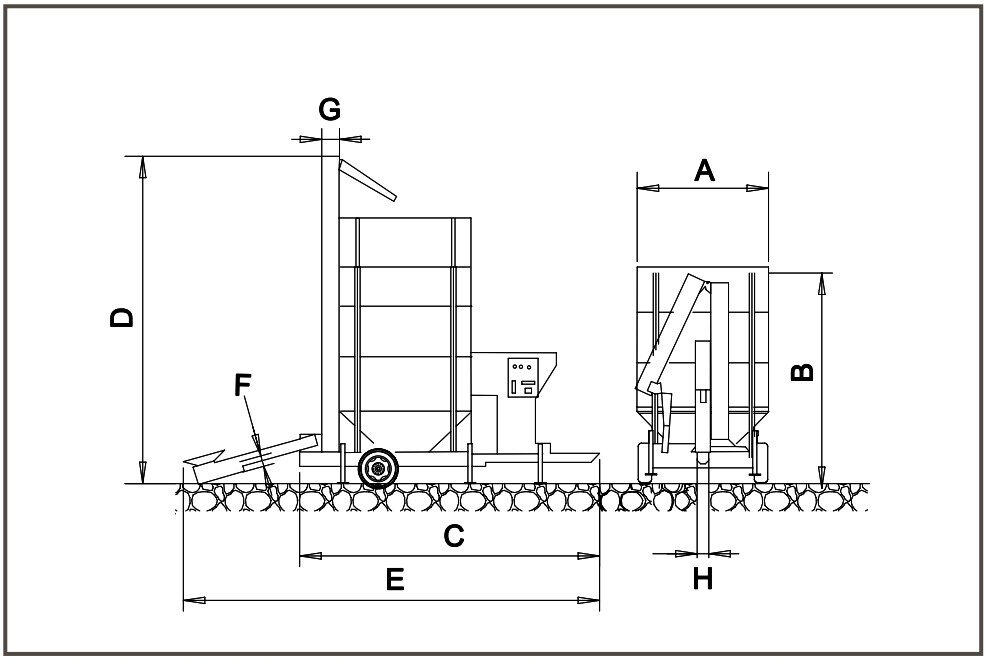
AGD10AGD10 is the most compact mobile batch grain dryer, with a 10 m³ bin and auger recirculation. Suitable for small farms that need their own drying without building a stationary complex. Main technical specifications
Throughput by crop, t/24 h
 | |||||||||||||||||||||||||||||||||||||||||||||||
| AGD15 | 15 | 50–85 | mobile | auger | |||||||||||||||||||||||||||||||||||||||||||
AGD15AGD15 is a mobile batch grain dryer with a 15 m³ bin and auger recirculation. It is an intermediate solution between the AGD10 and AGD18 for farms with a moderate seasonal volume. Main technical specifications
Throughput by crop, t/24 h
| |||||||||||||||||||||||||||||||||||||||||||||||
| AGD18 | 18 | 65–110 | mobile | auger | |||||||||||||||||||||||||||||||||||||||||||
AGD18AGD18 is a mobile batch grain dryer with an 18 m³ bin and auger recirculation. Suitable for farms that need more throughput than the AGD10–AGD15 models provide. Main technical specifications
Throughput by crop, t/24 h
| |||||||||||||||||||||||||||||||||||||||||||||||
| AGD20 | 20 | 72–115 | mobile | auger | |||||||||||||||||||||||||||||||||||||||||||
AGD20AGD20 is a mobile batch grain dryer with a 20 m³ bin. Main technical specifications
Throughput by crop, t/24 h
| |||||||||||||||||||||||||||||||||||||||||||||||
| AGD25 | 25 | 86–120 | mobile | auger | |||||||||||||||||||||||||||||||||||||||||||
AGD25AGD25 is a mid-range mobile batch grain dryer with a 25 m³ bin. Suitable for farms that want their own grain drying without building a large stationary complex. Main technical specifications
Throughput by crop, t/24 h
| |||||||||||||||||||||||||||||||||||||||||||||||
| AGD31 | 31 | 110–190 | mobile | auger | |||||||||||||||||||||||||||||||||||||||||||
AGD31AGD31 is a high-capacity mobile batch grain dryer with a 31 m³ bin and auger recirculation. Suitable for farms with a higher seasonal load. Main technical specifications
Throughput by crop, t/24 h
| |||||||||||||||||||||||||||||||||||||||||||||||
| AGD33 F | 33 | 115–200 | stationary | bucket elevator | |||||||||||||||||||||||||||||||||||||||||||
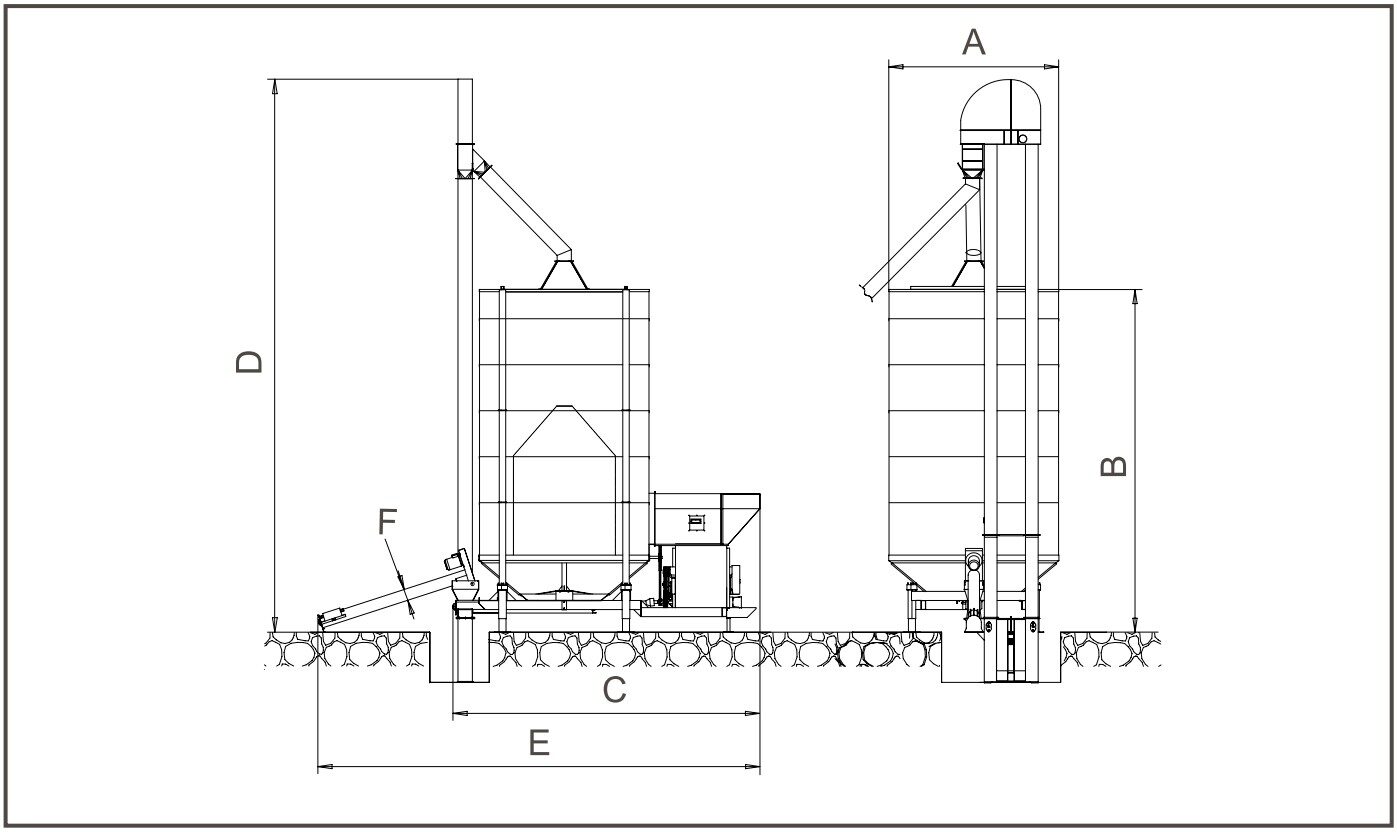
AGD33 FAGD33 F is a stationary batch grain dryer with a 33 m³ bin and a bucket elevator for grain recirculation. Main technical specifications
Throughput by crop, t/24 h
 | |||||||||||||||||||||||||||||||||||||||||||||||
| AGD40 | 40 | 130–172 | mobile | auger | |||||||||||||||||||||||||||||||||||||||||||
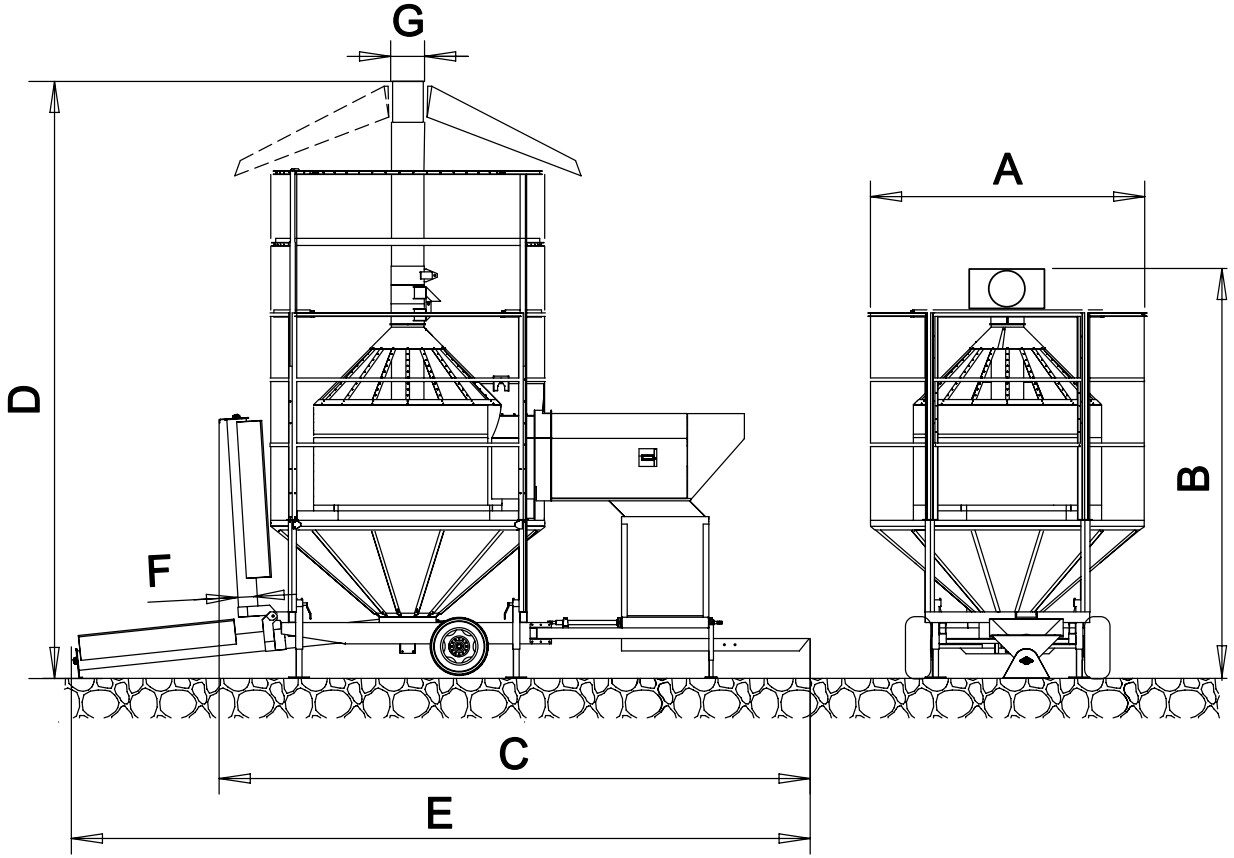
AGD40AGD40 is a large mobile batch grain dryer with a 40 m³ bin. Main technical specifications
Throughput by crop, t/24 h
 | |||||||||||||||||||||||||||||||||||||||||||||||
| AGD45 | 45 | 158–195 | mobile | auger | |||||||||||||||||||||||||||||||||||||||||||
AGD45AGD45 is a large mobile batch grain dryer with a 45 m³ bin. Suitable for medium and large farms that need high daily throughput in a mobile format. Main technical specifications
Throughput by crop, t/24 h
| |||||||||||||||||||||||||||||||||||||||||||||||
| AGD55 | 55 | 190–220 | mobile | auger | |||||||||||||||||||||||||||||||||||||||||||
AGD55AGD55 is the largest mobile batch grain dryer in the range, with a 55 m³ bin and auger recirculation. Designed for large seasonal volumes and high daily throughput. Main technical specifications
Throughput by crop, t/24 h
| |||||||||||||||||||||||||||||||||||||||||||||||
| AGD55 F | 55 | 190–220 | stationary | bucket elevator | |||||||||||||||||||||||||||||||||||||||||||
AGD55 FAGD55 F is the stationary version with a 55 m³ bin and a bucket elevator for grain recirculation. Main technical specifications
Throughput by crop, t/24 h
| |||||||||||||||||||||||||||||||||||||||||||||||
Throughput figures are indicative and depend on the crop, initial and final moisture, grain bulk density, weather conditions, dryer configuration, the presence of a heat exchanger and the operating mode. For models with a heat exchanger, daily throughput may be lower than in direct-fired mode.
Agrex dual-mode heat exchanger: clean air or maximum throughput
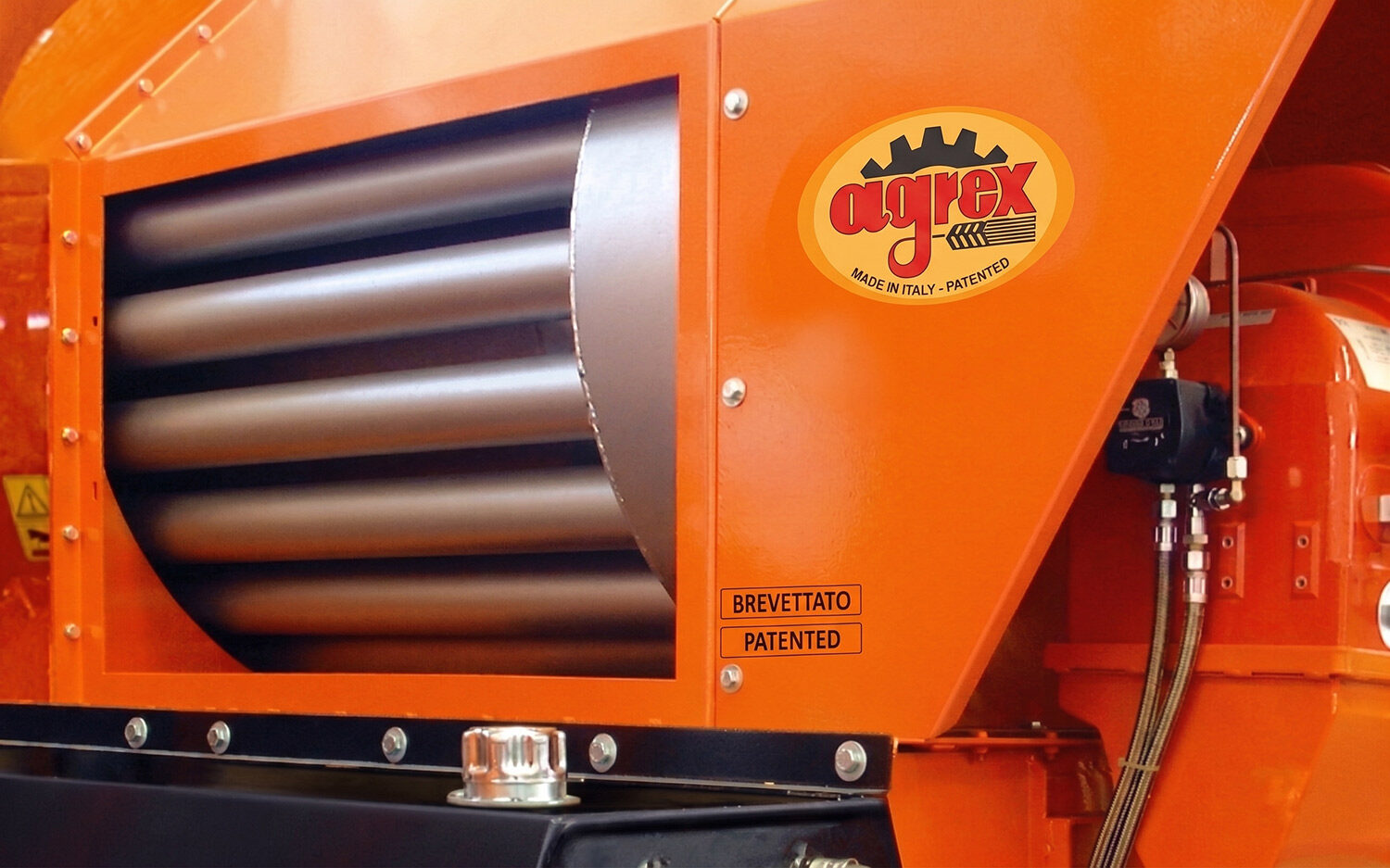
Agrex lets you choose the drying mode for a specific crop, fuel and grain quality requirements. In heat-exchange mode the grain is dried with clean hot air without contact with combustion products. In direct-fired mode drying is faster and daily throughput is higher.
Heat-exchange mode
For products with high cleanliness requirements and situations where increased fire safety matters.
Direct-fired mode
For cases where the main priority is maximum daily throughput and lower fuel costs.
When is a heat exchanger needed?
The main function of the heat exchanger is to prevent contaminants (for example, from diesel fuel or pellets) and sparks from reaching the product being dried. With this in mind, a heat exchanger is needed when: 1) clean air and minimal contact of the grain with combustion products matter (when drying food products, organic products, products for processing, etc.); 2) a fire-hazardous crop is being dried (for example, sunflower, soybeans, rapeseed, etc.).
When can you work without a heat exchanger?
Without a heat exchanger drying is usually faster thanks to the higher airflow and higher drying temperature (especially for corn). So daily throughput is higher. This is how feed corn and wheat are usually dried. In addition, if you have a gas burner, you can dry food-grade and organic products without a heat exchanger, since gas does not contaminate the drying agent (hot air). In practice, sunflower is also sometimes dried without a heat exchanger. But no manufacturer of mobile grain dryers will recommend drying sunflower this way. So such a decision remains the dryer owner’s risk.
Can a heat exchanger be added after buying the dryer?
Yes, one of Agrex’s strengths is the ability to install a heat exchanger later if the need arises after the dryer has gone into operation. Competitors often lack this option: there is either a model with a heat exchanger or a model without one.
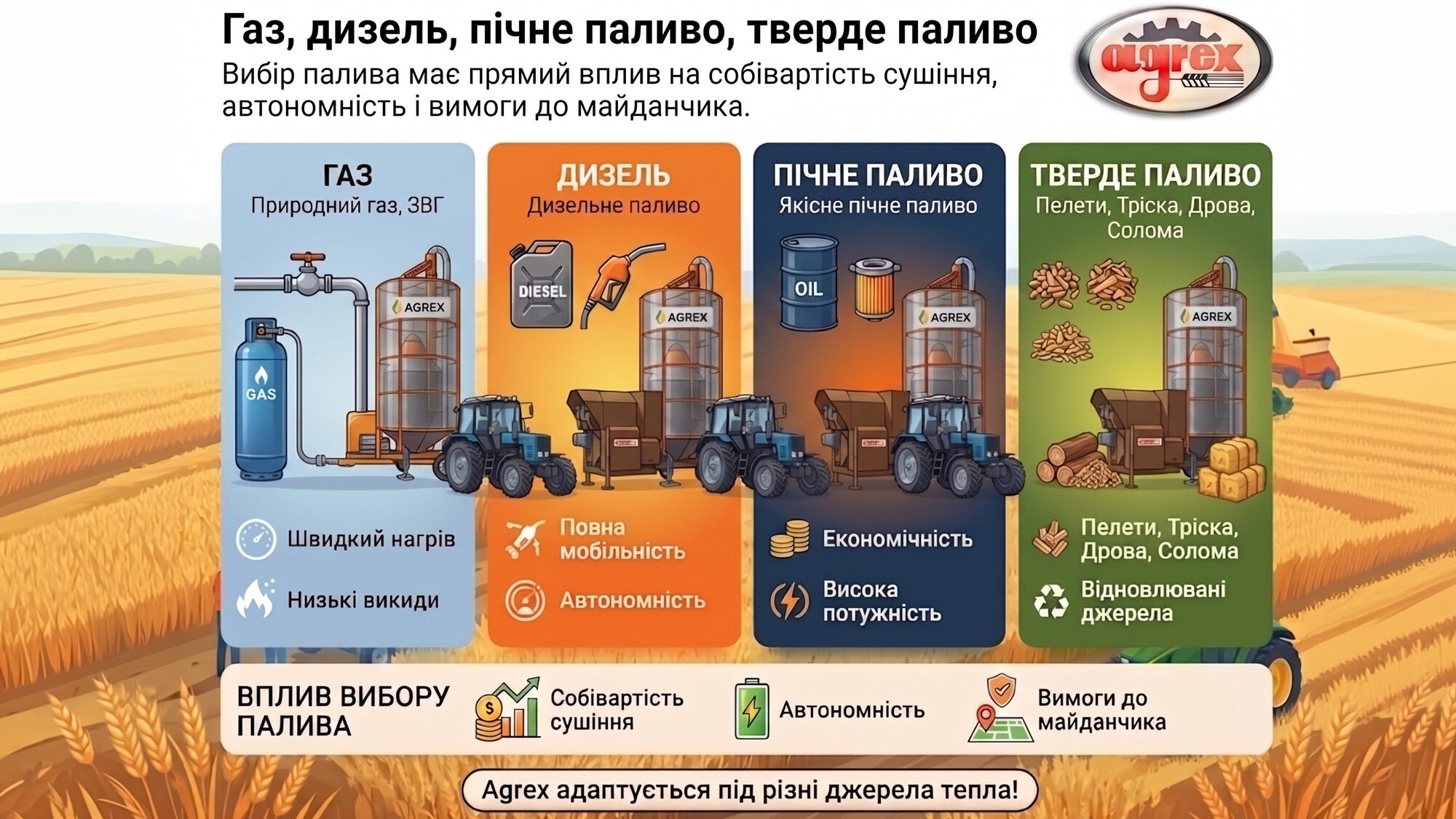
Gas, diesel, solid fuel or a heat carrier — Agrex can be adapted to your site
The choice of fuel for a grain dryer affects the drying cost, autonomy, operating complexity and site requirements. Agrex can be configured to work with different heat sources, so it is easier to adapt the dryer to the real situation on the farm.
Note that the main fan of the dryer is a centrifugal fan. This type of fan copes better with the pressure losses that often arise when a grain dryer is converted to alternative fuel.
Agrex or a shaft grain dryer: which to choose?
| Criterion | Agrex | Shaft / continuous-flow grain dryer |
|---|---|---|
| Start-up | fast | longer, depends on construction |
| Foundations | not needed | usually needed |
| Buffer silos | not needed | often needed |
| Operating mode | batch | continuous flow |
| Mobility | yes | no |
| Throughput | from compact to large models | from medium to very large |
| Capital costs | lower at the start | higher |
| Best suited for | farmers, medium-sized farms, back-up or mobile drying, an own dryer | elevators, medium and large farms, large grain cleaning and drying plants, large seasonal volumes, drying services |
Choose Agrex when you need your own drying without “big construction”. Consider a shaft or continuous-flow dryer when you have large, steady volumes, ready infrastructure and a need for continuous operation.
Payback of an Agrex grain dryer
Your own grain dryer helps a farm save on grain drying and depend less on elevators in the peak season. If a farm dries enough grain every year, its own grain dryer can pay for itself in 1–3 seasons. After that the equipment keeps working as a tool for savings, quality control and independence from elevator queues.
WhatsApp: +90 (536) 452-1184 Calculate the payback for my farm
Why is your own grain dryer about more than savings on drying?
The direct saving on the difference between elevator drying and your own costs is only part of the effect. Your own grain dryer also gives the farm more control during harvest: the farmer can dry grain when the weather and technology require it, not when there is free capacity at the elevator. This is especially important in the peak season, when drying queues can hold up the harvest. In addition, the farm depends less on third-party tariffs, reduces the cost of transporting wet and dry grain and gains more control over the quality of the final product. You get back exactly the grain you put into the dryer (which is not always the case when drying at ordinary commercial elevators). Usually the economic effect is higher than a simple calculation shows, because logistics, preservation of grain quality and lower risks during harvest also come into play.
Which parameters are needed for an accurate payback calculation?
An accurate estimate has to be made for the specific farm. It takes into account: the crop; the initial and final grain moisture; the seasonal drying volume; the current fuel cost; the cost of electricity; the cost of logistics to the elevator; staff costs; servicing; the dryer configuration; the current exchange rate; and the equipment’s operating mode during the season. But even a simple estimate quickly shows the main point: if a farm dries a sufficient amount of grain every year, its own grain dryer can be not just an expense but a tool for savings and independence. Send us your figures and we will calculate the payback for your farm.
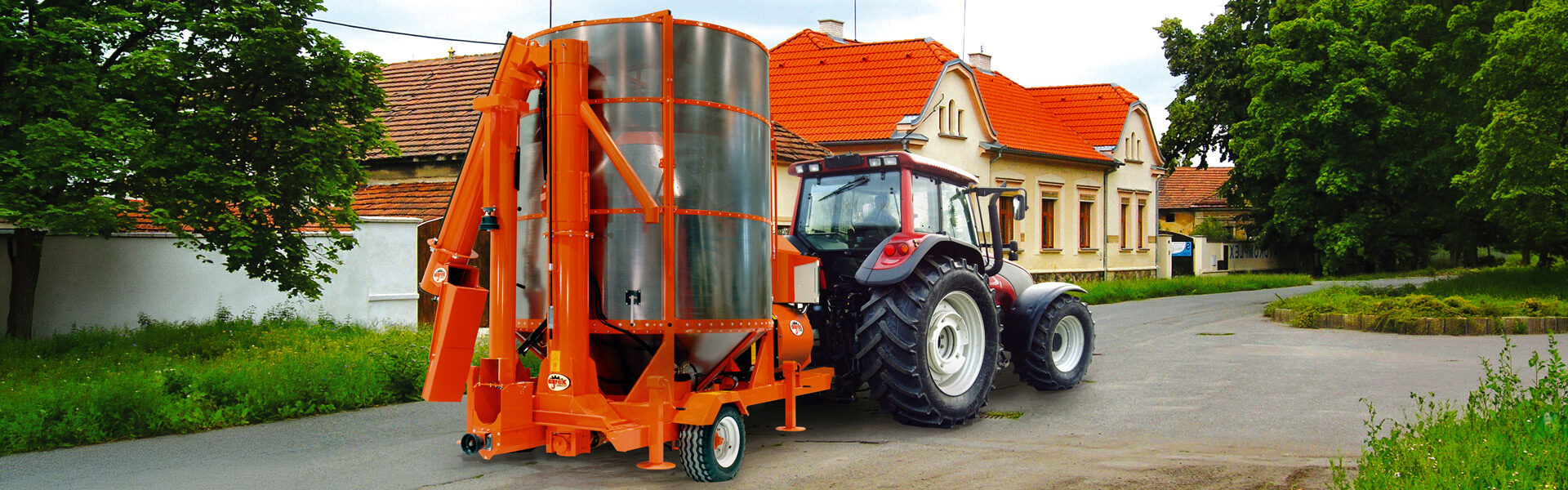
Agrex in operation
See how Agrex mobile grain dryers work on real sites: next to warehouses, at grain cleaning and drying plants and grain stores, on farms and in mobile mode.
A mobile grain dryer can be used fully autonomously (from the tractor PTO) or in various stationary configurations: with a grain cleaning and drying plant, under a canopy, in the open air or even in an elevator warehouse with loading by a separate bucket elevator.
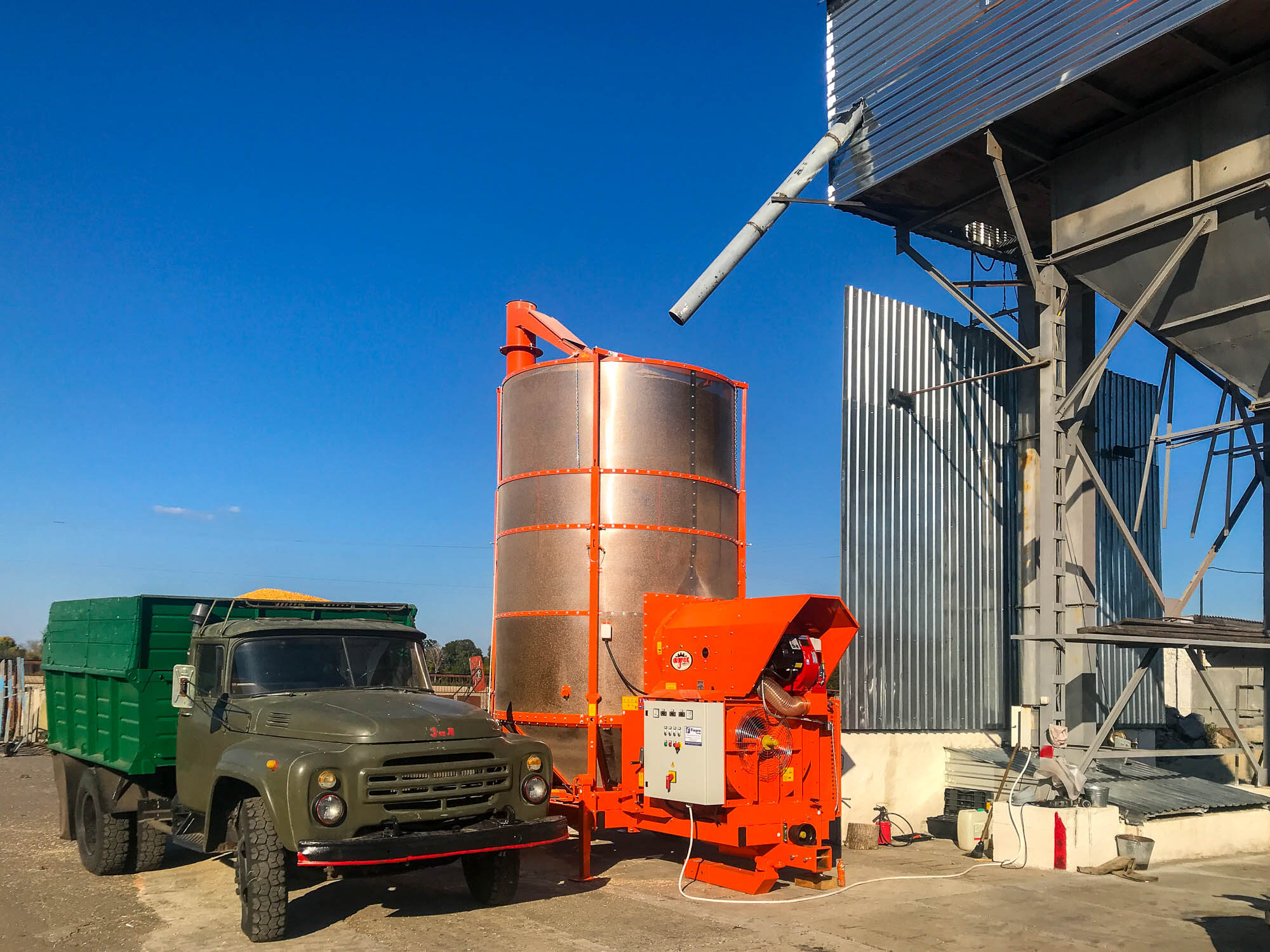
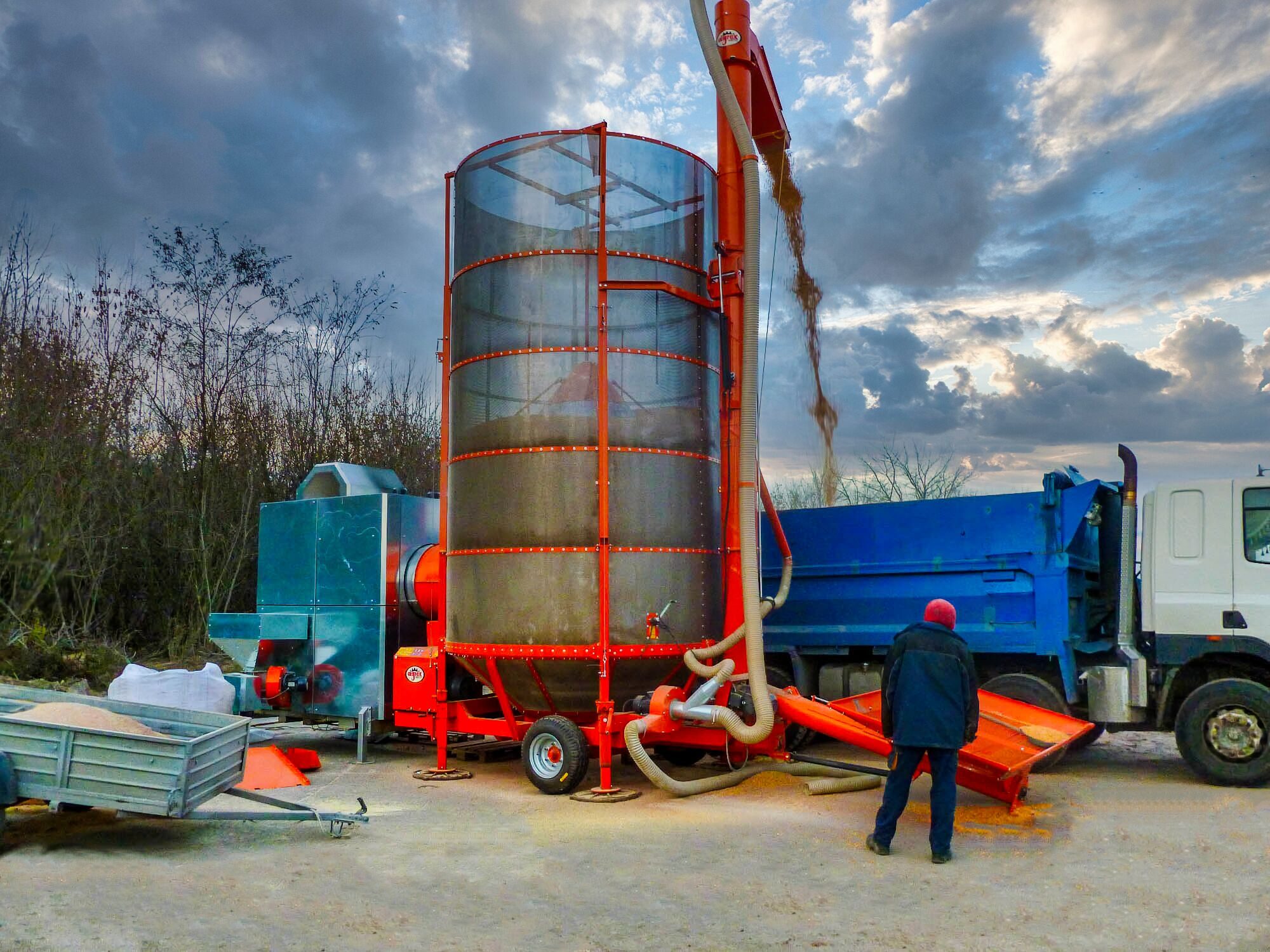
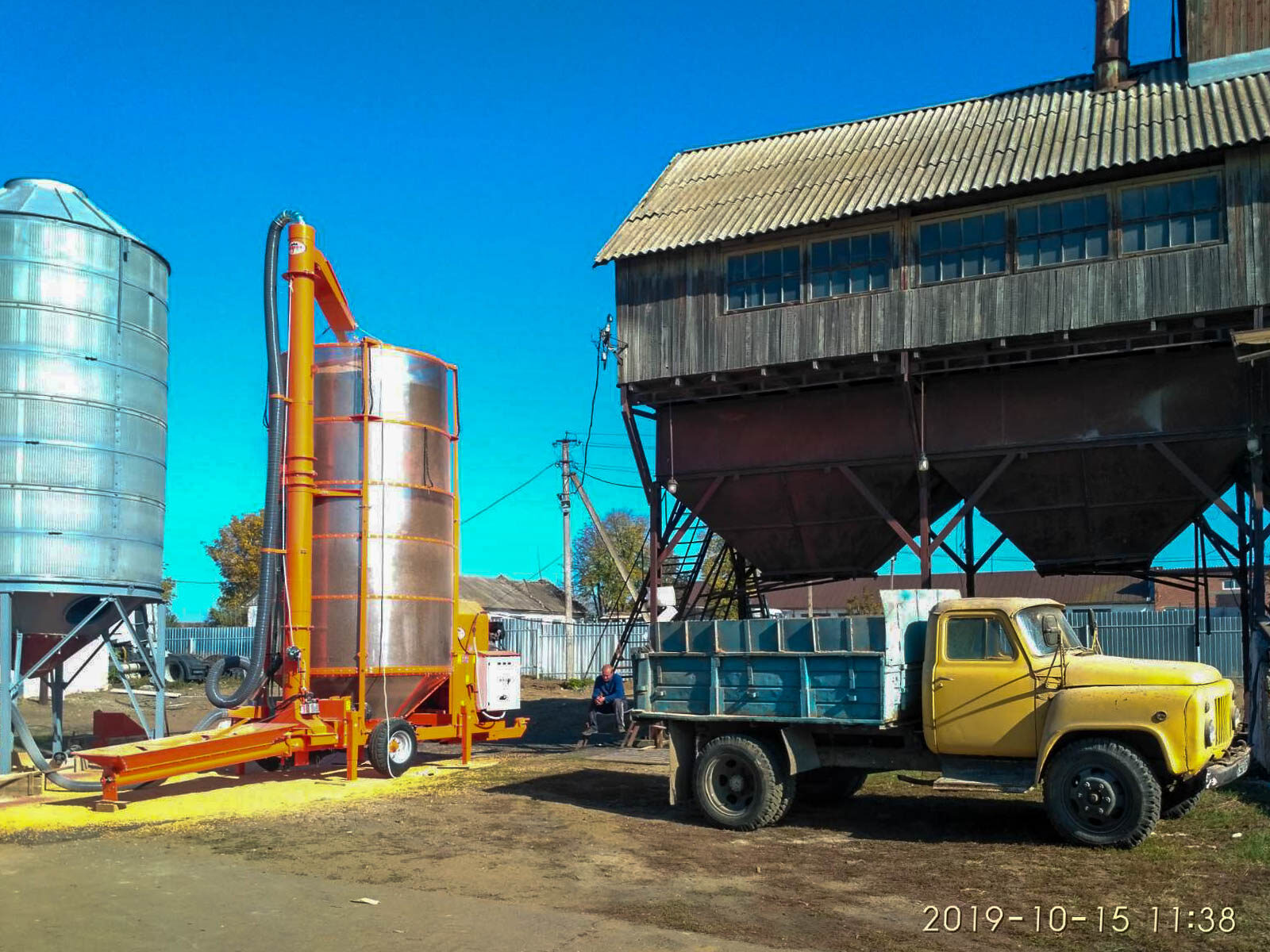
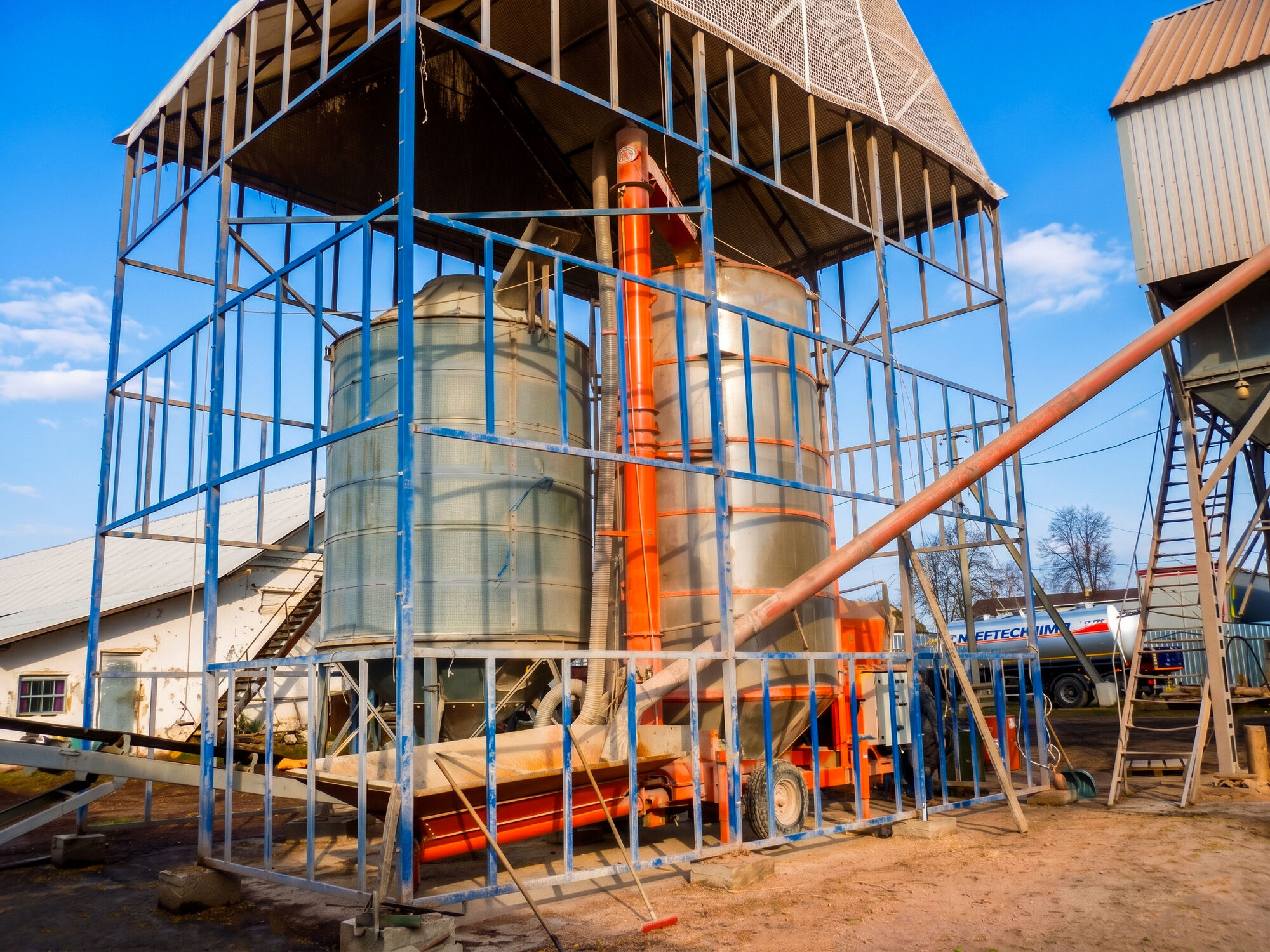
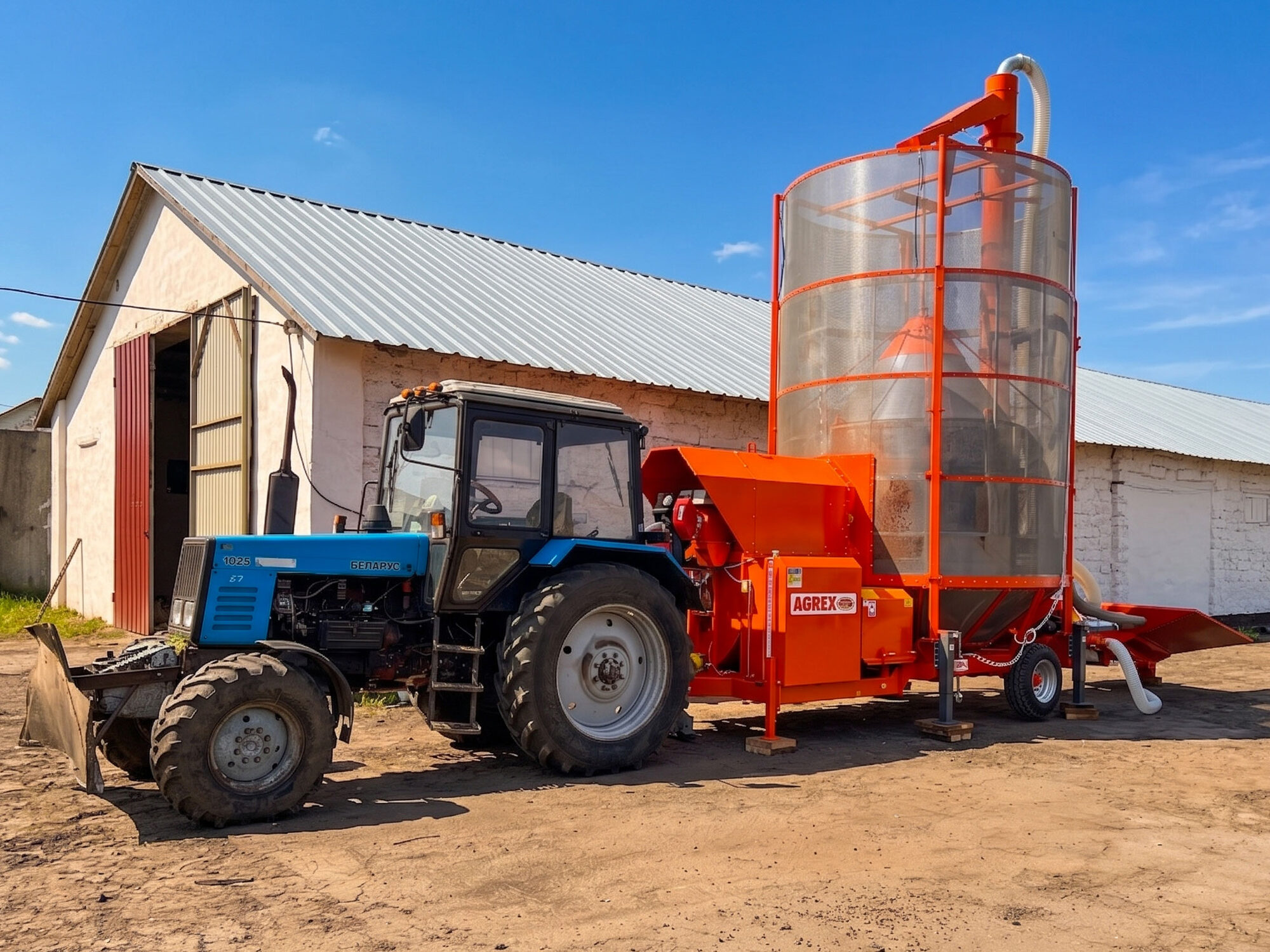
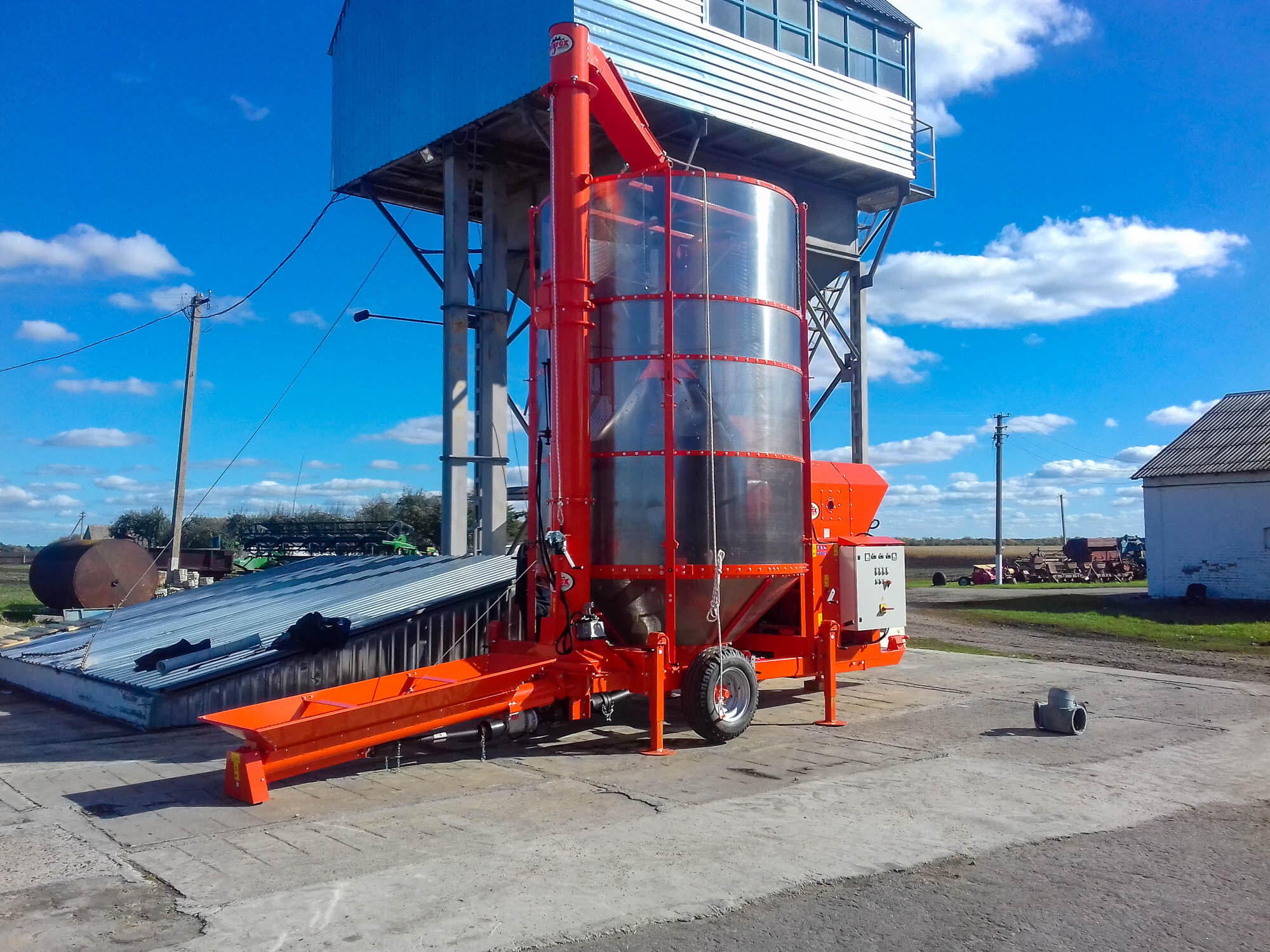
The map shows sites where Agrex grain dryers supplied by Finpro are in operation. Click a marker to open the site card.
The “Our Projects” page shows the map of all supplied dryers of every brand and photos from our sites.
When to choose an Agrex mobile grain dryer
An Agrex grain dryer is especially suitable for farms that need their own grain drying without lengthy construction of an elevator complex. It is a practical and fast solution for farmers, agricultural companies and contractors who work with different crops and do not want to depend on queues at third-party elevators.
Farm
When you need to dry your own corn, wheat, soybeans, rapeseed or sunflower without building a full grain-drying complex.
Uneven grain flow
Batch mode is convenient when grain arrives in batches rather than as a continuous flow around the clock.
Back-up or seasonal dryer
Agrex can be used as an additional dryer during peak harvest periods or at separate production sites.
Drying services
A mobile grain dryer can make sense for contractors who provide grain drying services to other farms.
Italian manufacturer + official dealer Finpro Engineering
Agrex grain dryers are Italian equipment for batch grain drying. Finpro Engineering is an official Agrex dealer: we select the model and organise the supply, installation, commissioning and service support of the equipment.
Agrex — Italian grain dryer manufacturer
- Italian company since 1968
- Manufacturer of agricultural machinery and post-harvest grain processing equipment
- Professional range of batch grain dryers: from the compact AGD3 to the AGD55 models
- Mobile PTO/ME models and stationary F/FE models with a bucket elevator
- Wide choice of fuels: diesel, gas, LPG, dual-fuel configurations, solid-fuel versions
- Dual-mode heat exchanger: direct or indirect heating depending on the crop, the fuel and the grain requirements
- 100% Made in Italy, quality control before shipment and after-sales support
Finpro Engineering — official Agrex dealer
- On the market since 2000
- Official supply of Agrex grain dryers (dealer)
- Help choosing the configuration: mobile dryer, stationary model with bucket elevator, heat exchanger, burner type and automation
- Equipment supply, logistics and commissioning
- Installation and start-up of the dryer at the customer’s site; training
- Spare parts supply and technical support
- Experience with Agrex, Alvan Blanch, Bonfanti, Ravaro, Scolari, Mepu, Ozsu and other grain-drying equipment manufacturers
- Help integrating the dryer into an existing grain cleaning and drying plant, shed, warehouse or a future elevator complex
Three key figures
132
grain dryers of various brands supplied
7
brands of European professional equipment
Since 2000
on the market
Want to see the map of completed sites and photos from our projects? Go to the “Our Projects” page.
Agrex grain dryer FAQ
Does an Agrex mobile grain dryer need a foundation?
No, an Agrex mobile grain dryer does not require foundations of the kind built for a stationary shaft dryer. A level, prepared site, safe access, a power connection, fuel and a place to handle the grain are advisable. When running from the tractor PTO, the grain dryer is fully autonomous and does not even need a power connection. In fact, it can even work in the field.
Are buffer silos for dry and/or wet grain needed?
No, Agrex works in batch mode. This means the dryer needs neither a continuous supply of wet grain nor continuous removal of dry grain, as a continuous-flow grain dryer does. You can switch it on and off as needed.
Which crops can be dried in an Agrex grain dryer?
The Agrex throughput tables already list corn, wheat, barley, rice, soybeans, rapeseed and sunflower. For each crop the mode, temperature and perforation have to be chosen correctly. But the Agrex grain dryer is not limited to this list: it can dry almost any grain, seeds, pulses, etc. However, when choosing a grain dryer, specify which crops you plan to dry. For example, if you are going to dry rapeseed or flax, we will offer a special 1.5 mm screen instead of or in addition to the standard 2.5 mm one. This is because rapeseed seeds are small enough to fall through a 2.5 mm screen. And some crops (for example, mustard) may need screens with even smaller openings (1.0 mm, 0.8 mm, etc.). If you dry both large and small crops, it makes sense to have two sets of screens.
How long does installation take?
In a typical delivery, installation and commissioning take much less time than building a stationary grain-drying complex, especially one with a shaft grain dryer. The exact time depends on the model, the configuration, the readiness of the site, the power connection and the fuel. But it is usually 1 to 7 working days.
How does Agrex differ from a shaft grain dryer?
Agrex is a batch grain dryer. It starts up faster and, as a mobile solution, needs no construction works, foundations or buffer silos, but its operation is organised differently from large stationary shaft grain dryers. A shaft dryer is better suited to large continuous grain flows.
Which options can be added to an Agrex grain dryer?
Available options include a dust aspirator, a dual-mode heat exchanger, a generator, clearance lights, mudguards, an unloading extension, a roof and other items depending on the model and configuration. See our offer for a specific grain dryer model for details, since the available options differ.
Download the Agrex brochure
Detailed technical material on Agrex professional batch grain dryers — to print, send to colleagues and study at your own pace. No forms to fill in.
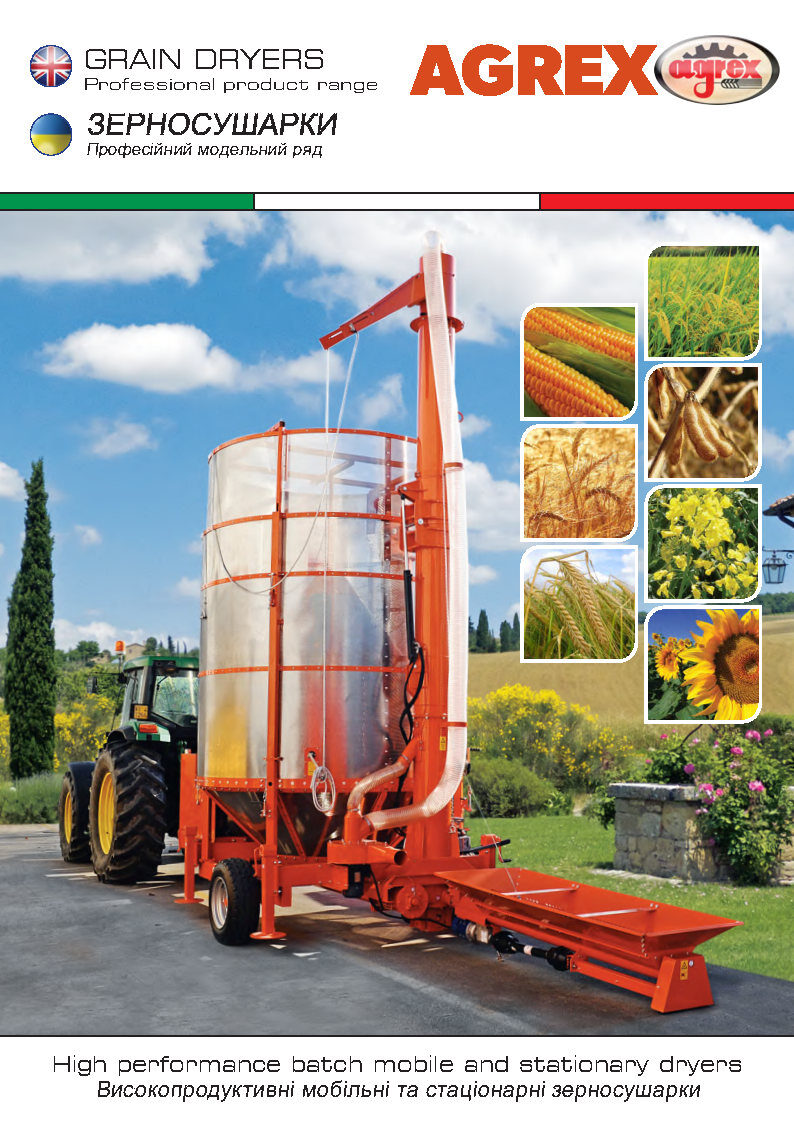
Brochure “Agrex Professional Grain Dryers”
The Agrex batch grain dryer range, technical characteristics, options and specifications.
Let us select an Agrex for your farm
Tell us which crop you plan to dry, how much grain you plan to dry per season, the initial and final grain moisture, which fuel is available on site and where the farm is located. We will select the Agrex model, configuration, burner or heat generator and prepare a quotation.
About Agrex
Agrex was founded in Italy in 1968. Over more than half a century it has grown from a small workshop into a series manufacturer of agricultural machinery.
Agrex production is located in the Veneto region (province of Verona), at Via Cicogna, 17, 37040 Roveredo di Guà. The Agrex factory is always happy to welcome visitors.
In 2021 Agrex merged with the Italian company Tecnolam. For a short period the grain dryers went through a modernisation of their design and production line; since then the factory has been working at full capacity.
Contact Us
If you are interested in purchasing any of our products, need a price quotation, or have any questions, comments, or suggestions, please do not hesitate to contact us via our contact form, by phone, or by email.
- WhatsApp: +90 (536) 452-1184
- E-mail: write to us
Our phones:
- Kazakhstan: +7 (747) 095-1626
- Moldova: +373 (22) 011-214
- Romania: +40 (31) 229-8484
- Türkiye: +90 (536) 452-1184 (English)
- Ukraine: +380 (67) 111-6668