
Dryers for cake, pomace and agri-processing waste
The processing of oilseeds, grain, sugar beet, fruits and grapes yields a large volume of moist by-products - cake, meal, husks, pulp and pomace. In raw form, this material spoils quickly, is hard to store and uneconomical to transport, and therefore requires drying for stabilisation and weight reduction.
Drying turns moist agri-processing waste into a valuable marketable product: stable feed, fuel biomass or feedstock for pelletising. After moisture removal, the material stores longer, does not mould, is easier to transport and acquires predictable characteristics.
Processing by-products vary greatly in moisture, particle size and behaviour under heat - from light free-flowing husks to moist, sticky pulp and pomace. This determines the choice of technology: from high-capacity drum dryers to conveyor and other solutions tailored to the specific raw material.
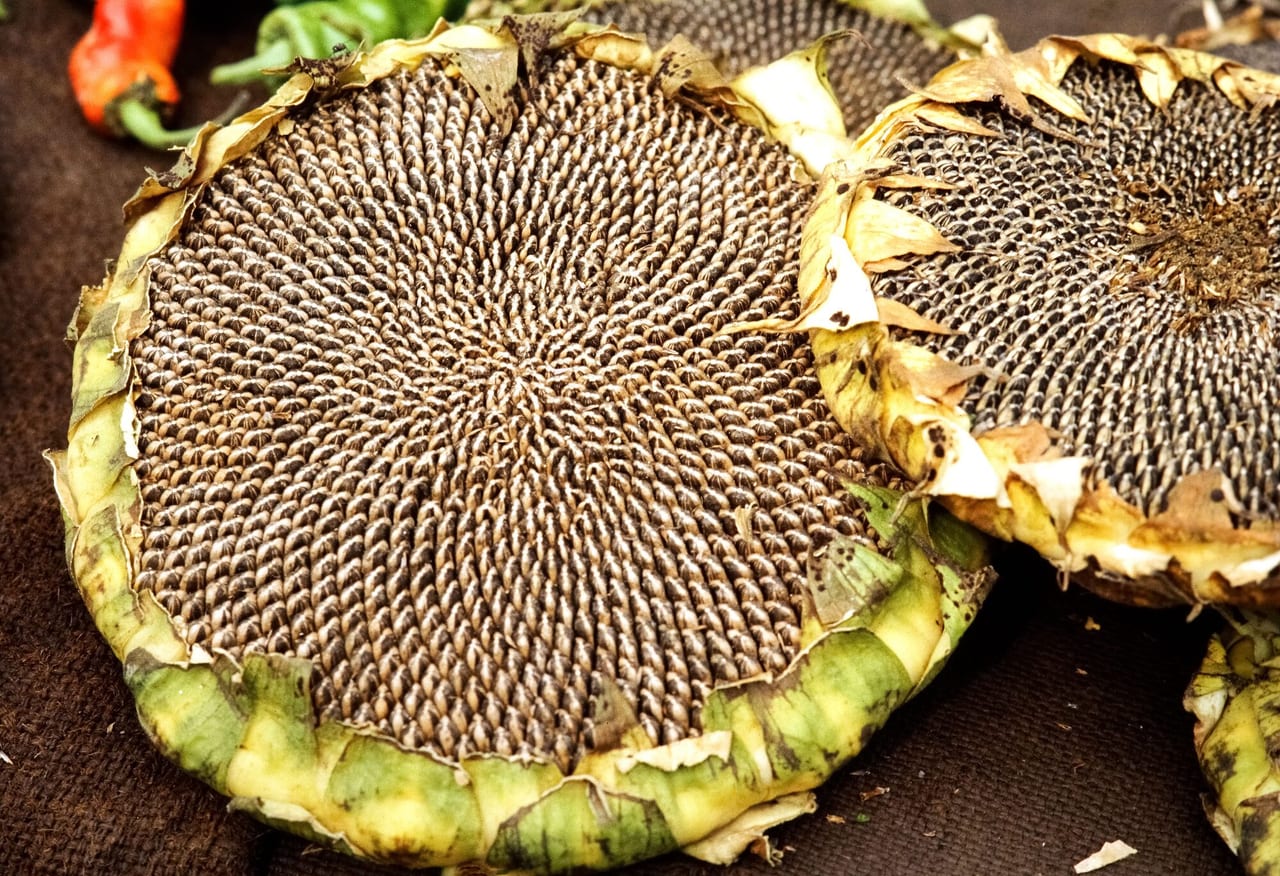
Sunflower (seed) husks
Fuel feedstock and raw material for pellets: drying increases the calorific value and stabilises the husks before combustion or pelletising.
Suitable dryers: Scolari conveyor T (husk, biomass)
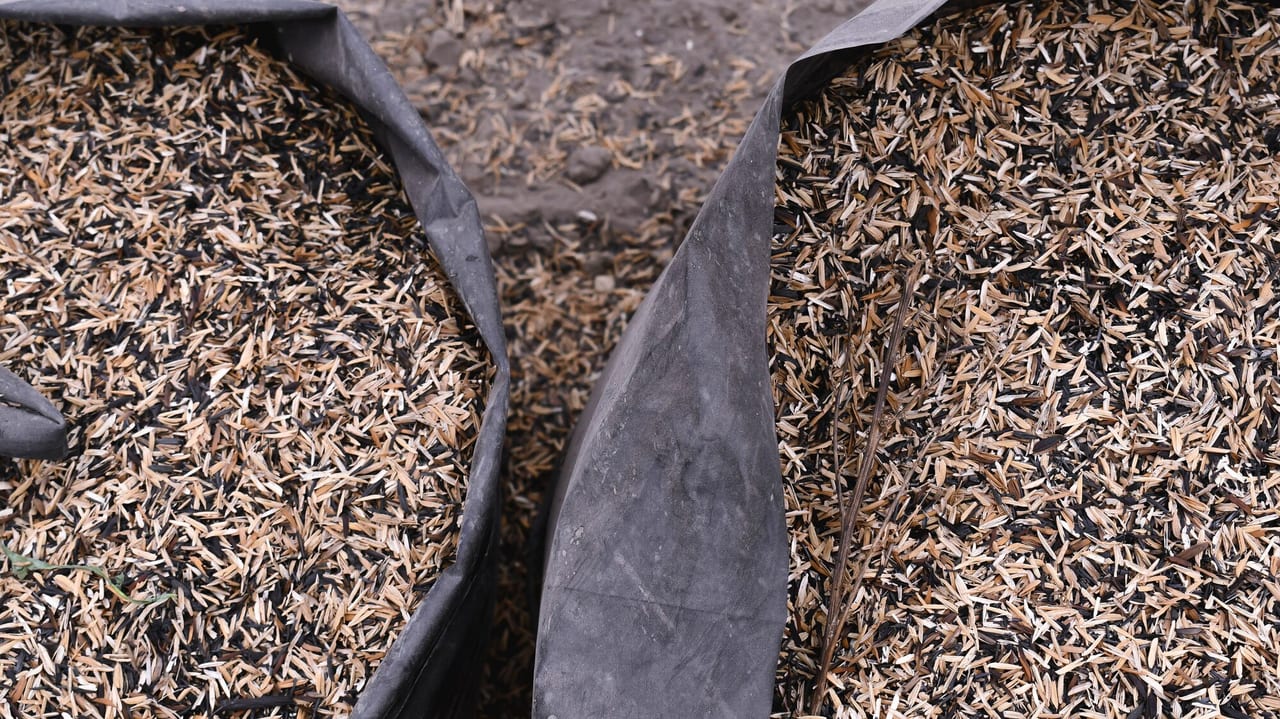
Grain hulls (rice, oat)
Rice and oat hulls - fuel and filler; drying before combustion or pelletising.
Suitable dryers: Scolari conveyor T
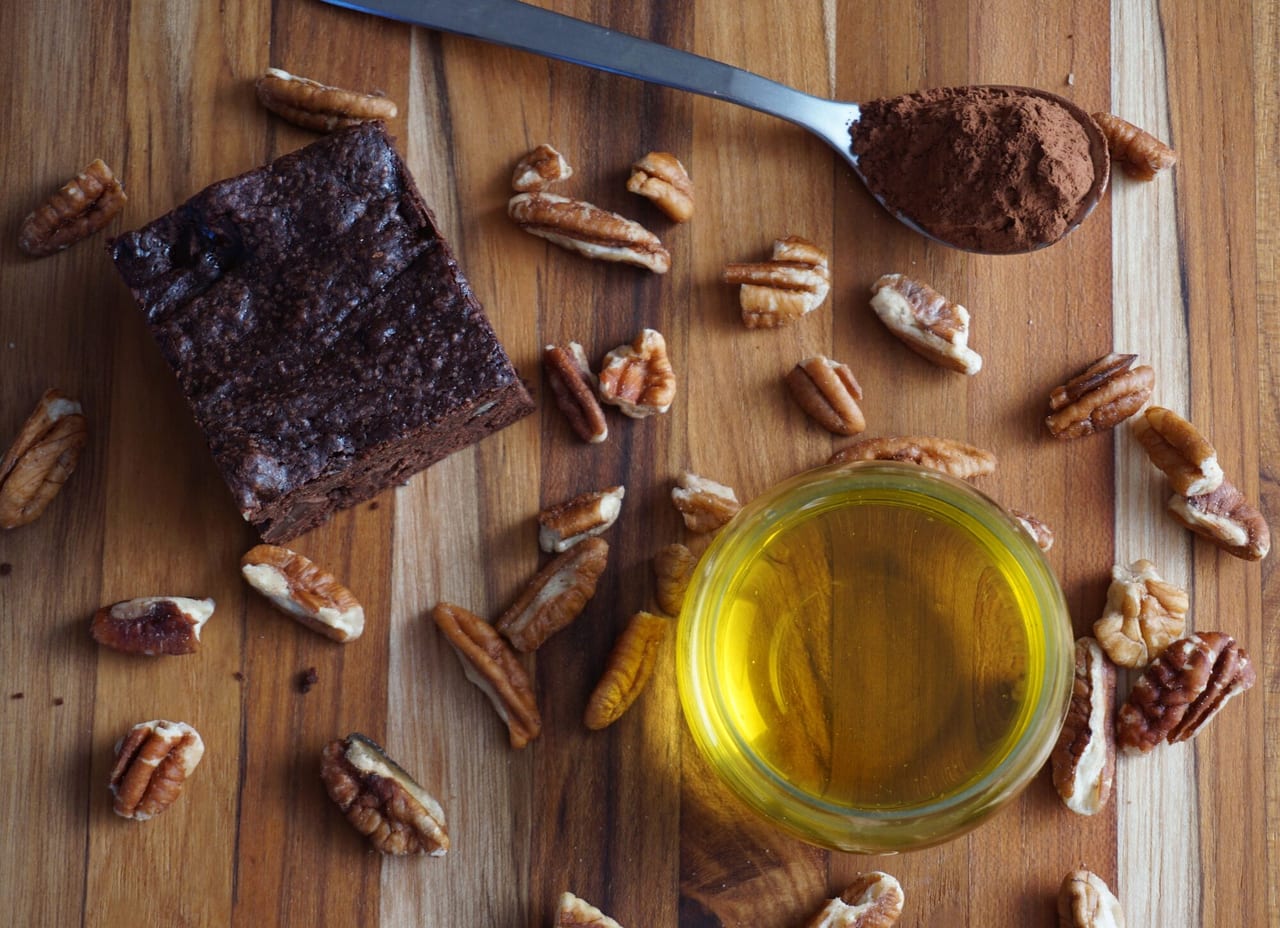
Cake / oilcake
A product of oil extraction; drying for feed, fuel and stable storage.
Suitable dryers: Scolari A series / MR composting machines
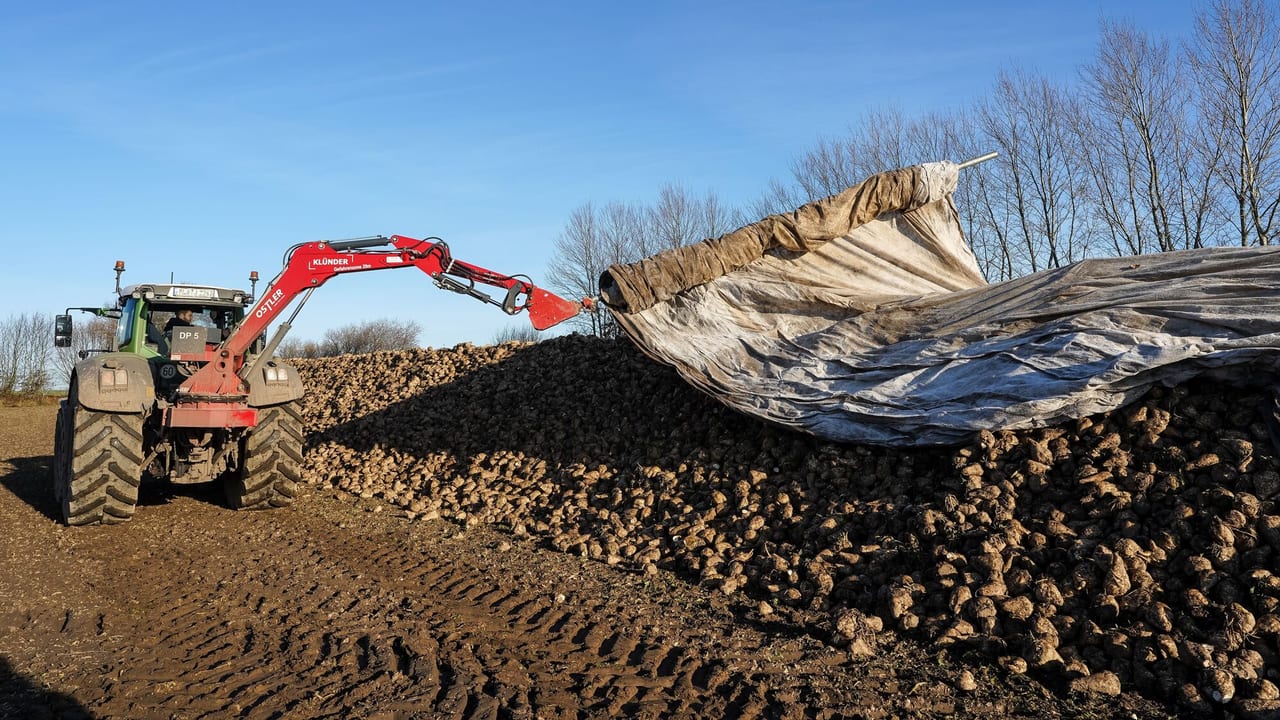
Sugar-beet pulp
A moist by-product of sugar production; drying for feed and pelletising.
Suitable dryers: Scolari A series / MR (high-capacity drum dryers)

Grape pomace
Drying of pomace for oil/polyphenol extraction, feed and fuel.
Suitable dryers: Scolari A series (grape pomace), MR composting machines

Grape seeds
Grape seeds - raw material for oil and polyphenol extraction; drying after separation from the pomace.
Suitable dryers: Scolari A series
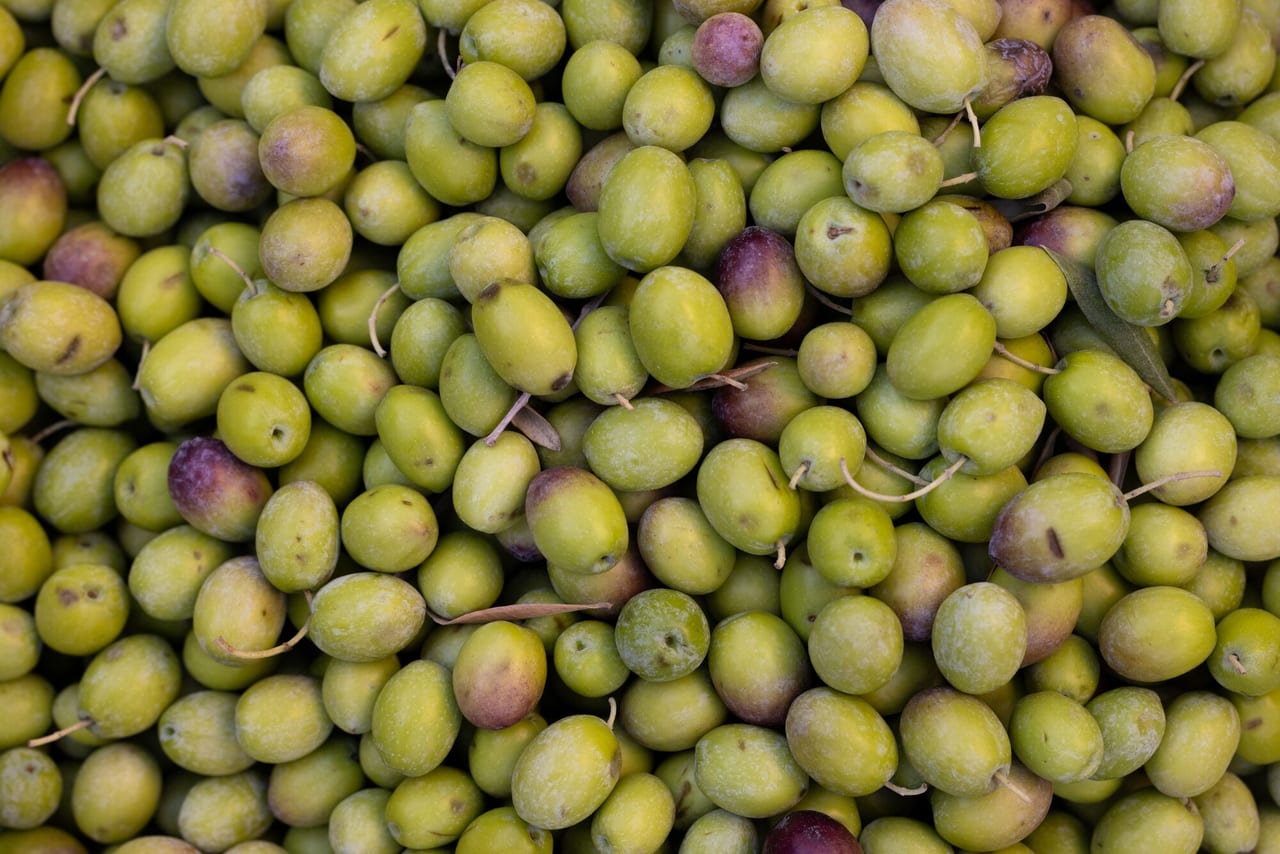
Olive cake (sansa)
Moist cake from oil milling; drying for fuel (biomass) and further extraction.
Suitable dryers: Agrex AGD (pomace pit), Scolari A series
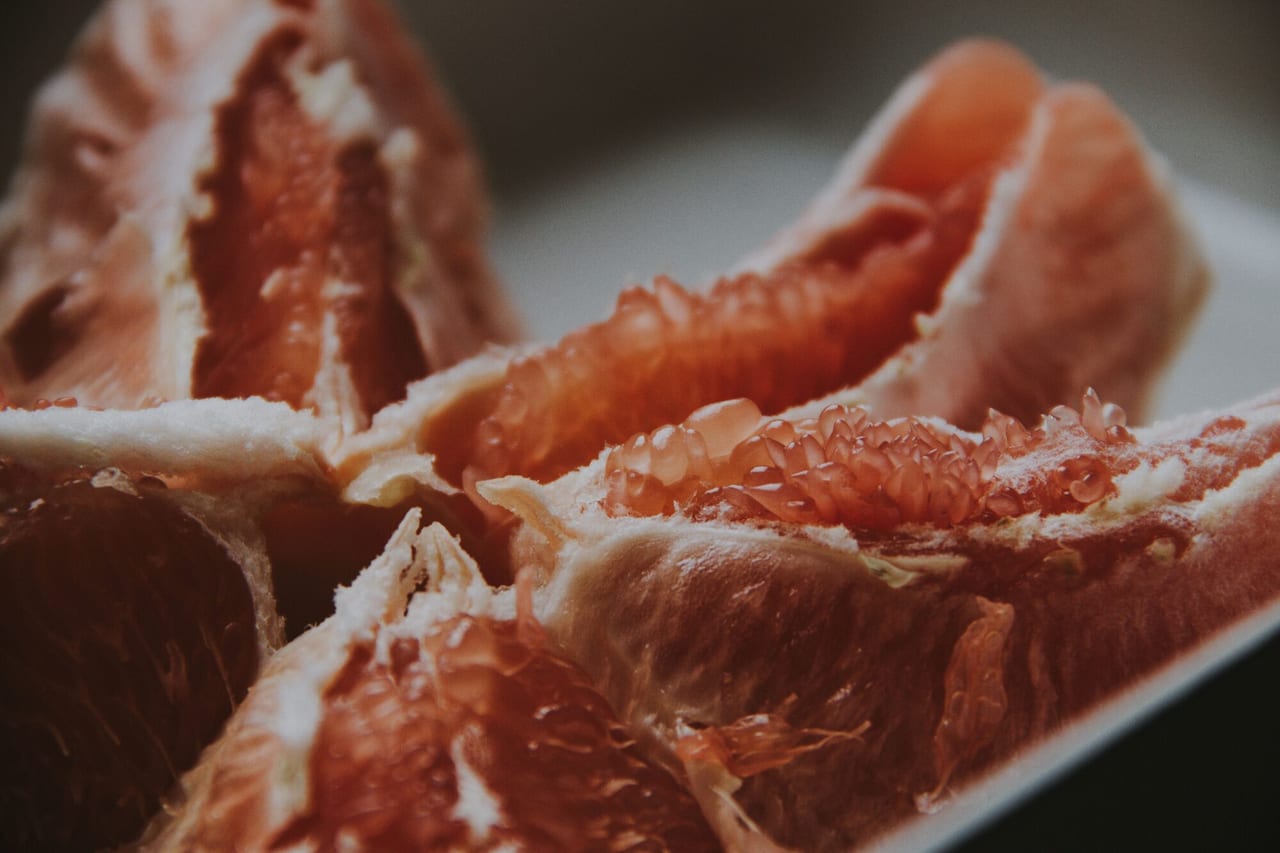
Orange (citrus) pulp
Citrus pulp is dried for feed and storage; a high-moisture by-product of juice processing.
Suitable dryers: Scolari A series / MR composting machines
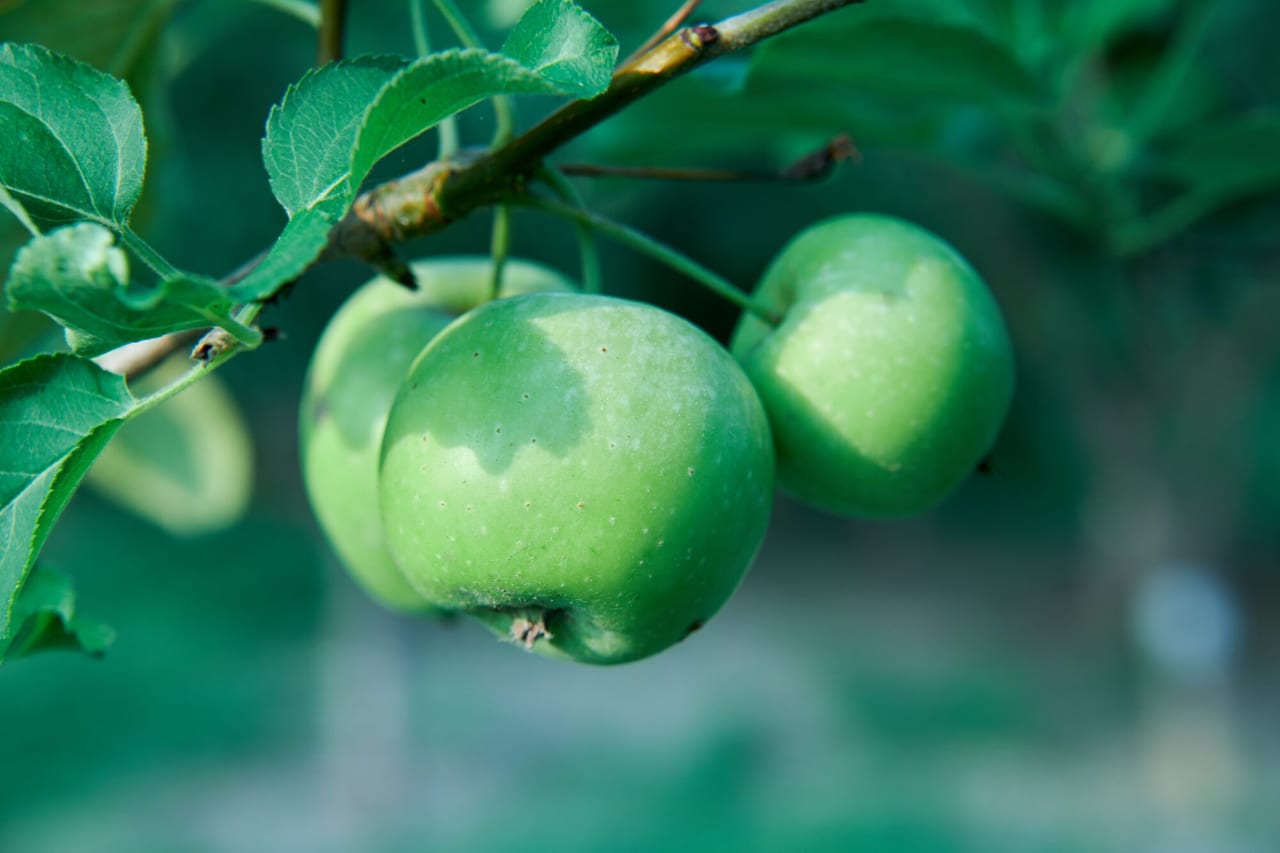
Fruit-processing waste
Pomace, peel and pulp from fruit processing; drying for feed, fuel and stable storage.
Suitable dryers: Scolari A series / MR composting machines
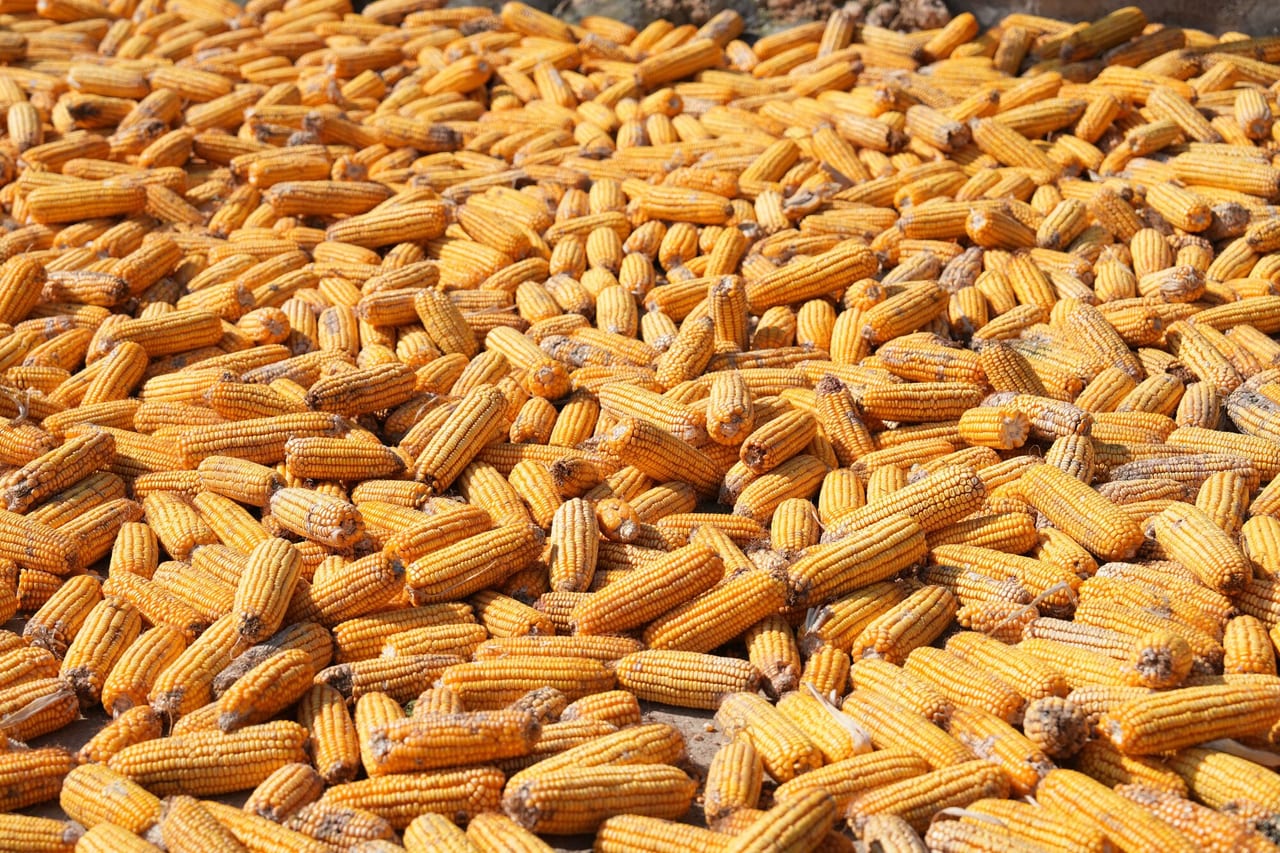
Corn cobs / cores
Drying for biomass, feed and fillers.
Suitable dryers: Scolari A series, Alvan Blanch BD (Twin Cob — cobs)
Features of drying agri-processing waste and by-products
Moist processing by-products share a high initial moisture, an inhomogeneous particle size and a tendency to spoil quickly in raw form. The main goal of drying is to reduce moisture to a level safe for storage and make the raw material suitable for feed, fuel or pelletising.
The specific regime and equipment type are selected according to the properties of the material.
- Moisture: fresh pulp, pomace and cake can have very high moisture, which determines the required thermal power and dryer type.
- Particle size: from dusty husks to large cobs and stones - the heterogeneity of the raw material affects the design and regime.
- Raw-material specifics: stickiness and adhesion of moist pulp and pomace, the oiliness of cake and the abrasiveness of husks are considered when selecting equipment.
- Purpose: feed, fuel biomass or feedstock for pellets set the target moisture and quality requirements.
- Throughput: large volumes of by-products often require high-capacity solutions.
- Equipment type: for moist and bulky streams, high-capacity drum dryers are most common; for certain types of raw material - conveyor and other solutions.
- Input data for selection: raw-material type, initial and target moisture, particle size, bulk density, throughput and the further purpose of the product.
Frequently asked questions
Why are cake, meal and pomace dried?
Drying reduces the moisture of by-products to a level safe for storage, stops spoilage and mould, reduces weight for transport and makes the raw material suitable for feed, fuel or pelletising.
Which agri-processing wastes can be dried?
Sunflower husks, rice and oat husks, cake and oilcake, sugar-beet pulp, grape pomace and seeds, olive cake, citrus pulp, fruit-processing waste, corn cobs and cores can all be dried.
Which dryers are used for moist by-products?
For moist and bulky raw materials - pulp, pomace, cake - high-capacity drum dryers are most common. For certain types of raw material, conveyor and other solutions tailored to the particle size and moisture are suitable.
How does drying reduce weight and increase the stability of the raw material?
Moisture removal reduces weight and volume, which lowers storage and logistics costs. Dry raw material does not mould, stores longer and acquires predictable characteristics for use as feed, biofuel or pellets.
What input data is needed to select a dryer?
You need the raw-material type, initial and target moisture, particle size and homogeneity of the material, bulk density, the required throughput and the further purpose of the dried product.
Contact Us
If you are interested in purchasing any of our products, need a price quotation, or have any questions, comments, or suggestions, please do not hesitate to contact us via our contact form, by phone, or by email.
- WhatsApp: +90 (536) 452-1184
- E-mail: write to us
Our phones:
- Kazakhstan: +7 (747) 095-1626
- Moldova: +373 (22) 011-214
- Romania: +40 (31) 229-8484
- Türkiye: +90 (536) 452-1184 (English)
- Ukraine: +380 (67) 111-6668