
Dryers for sand, minerals and inert materials
Sand, limestone, granulate and other inert materials must have a stable low moisture for accurate dosing, packaging, mixing and further processing. Excess moisture causes sticking, dosing inaccuracy and storage problems.
Drying ensures a uniform residual moisture throughout the entire volume of material, increases flowability and the quality of the finished product. For abrasive and free-flowing materials, equipment wear resistance and regime stability are essential.
We select a dryer for the specific material, taking into account the particle size, abrasiveness, required throughput and target moisture.
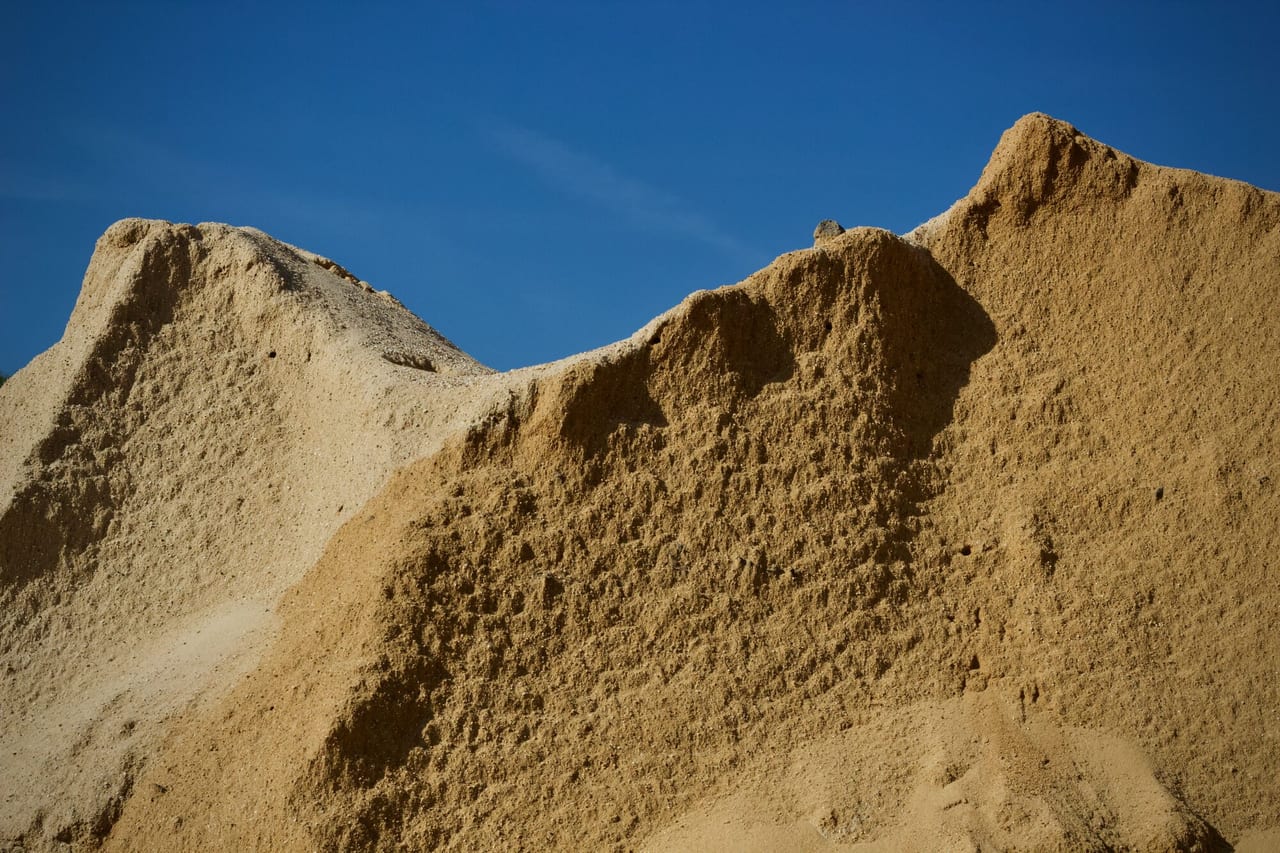
Sand
Drying of construction, foundry and glass sand before fractionation and packaging.
Suitable dryers: Scolari vibrating LFV (fluid bed)
Limestone
Drying of mineral raw materials before grinding and processing.
Suitable dryers: Scolari LFV / A series
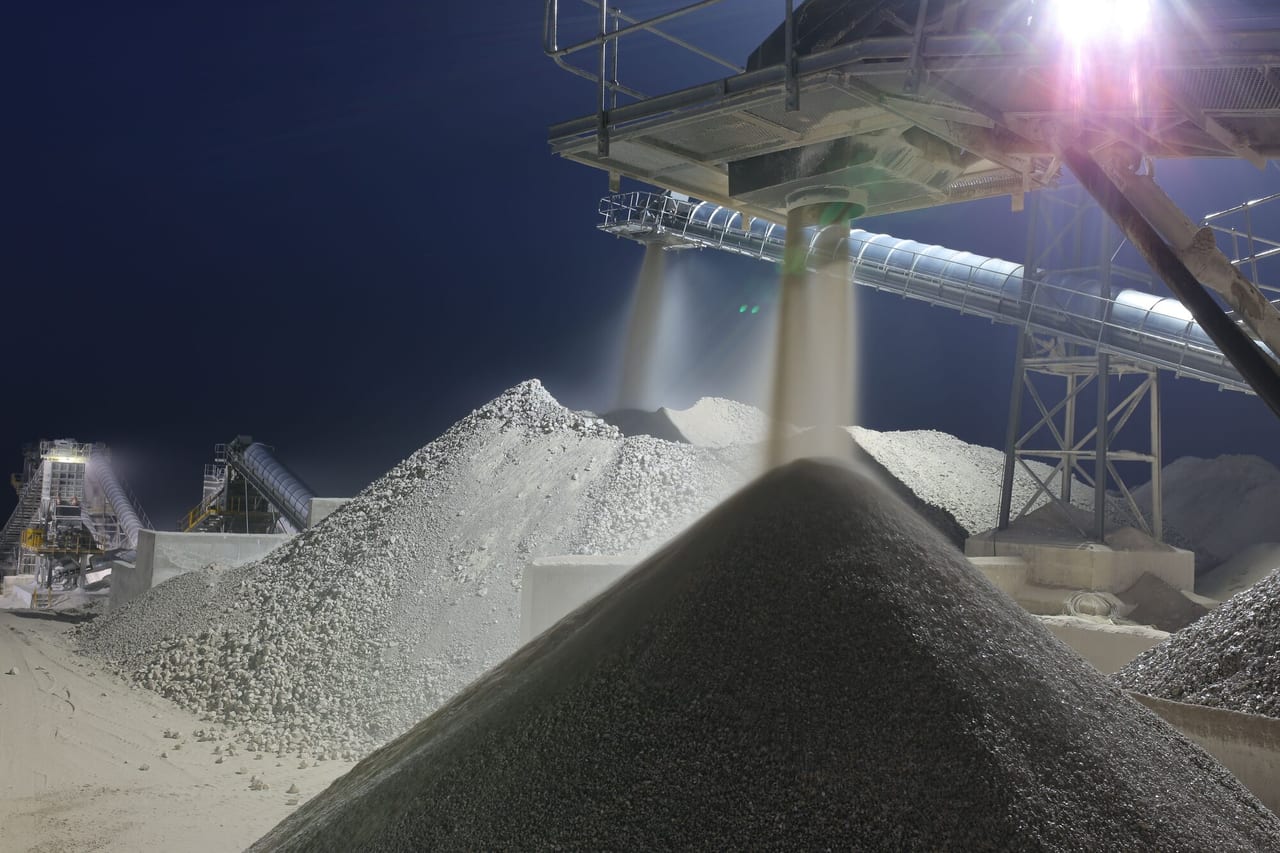
Coal coke
Reducing the moisture of coke/coal before use.
Suitable dryers: Scolari A series / conveyor T
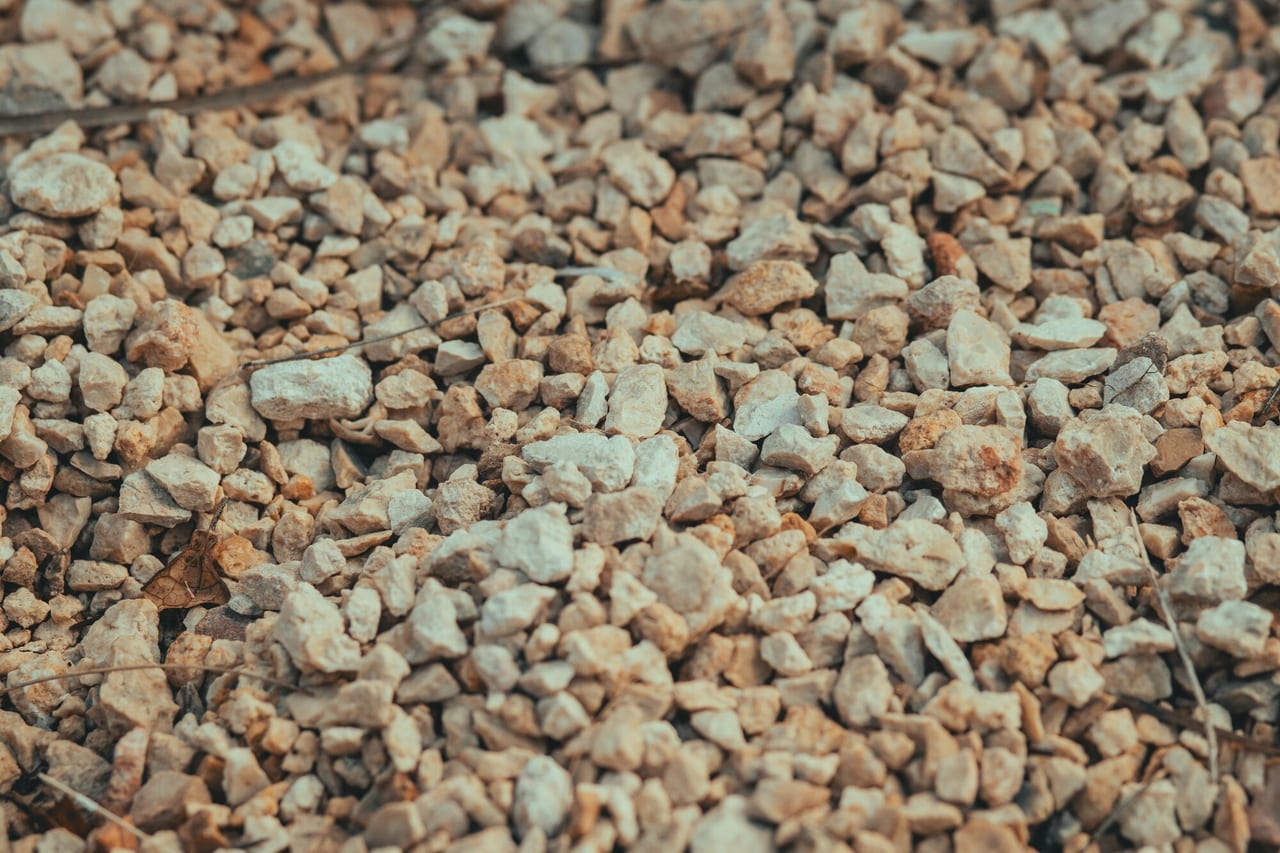
Granulate, grit, crushed stone
Mineral grit, granulate, crushed stone and gravel: drying of free-flowing fractions in a fluidised bed before packaging.
Suitable dryers: Scolari vibrating LFV (fluid bed)
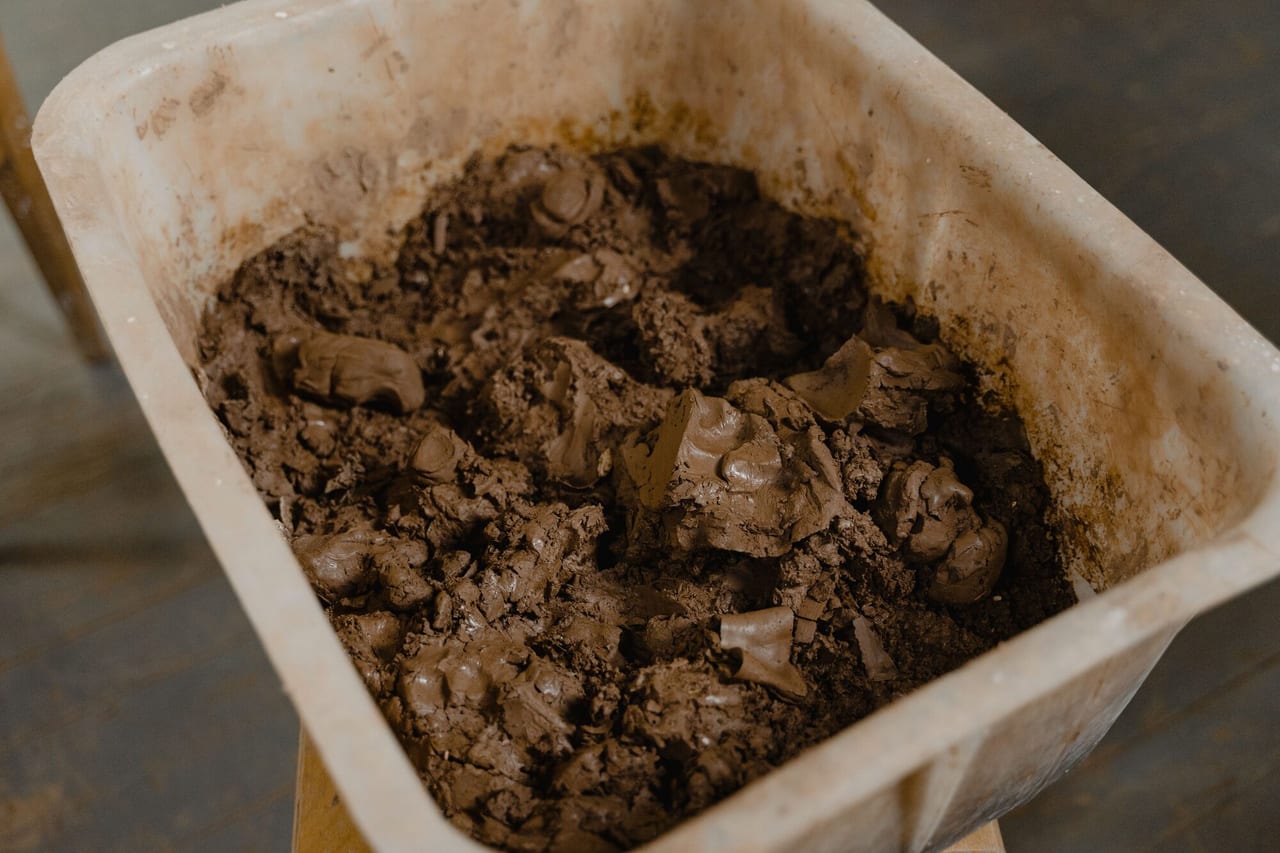
Clay
Drying clay and clayey raw materials (ceramics, building materials, fillers) reduces moisture before grinding, forming and firing; the regime is selected for the initial moisture and particle size.
Suitable dryers: Scolari A series / drum, vibrating LFV (fluid bed)
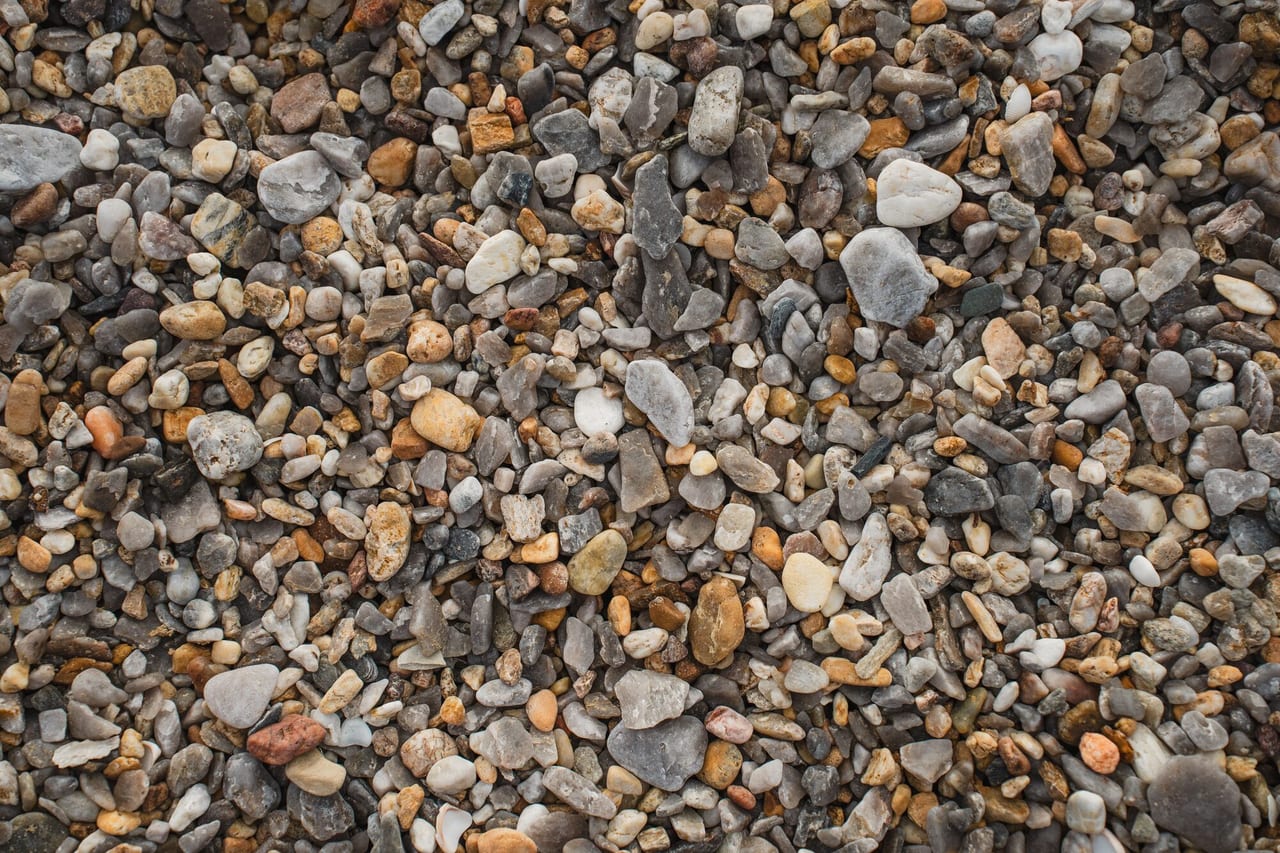
Inert materials (general)
A general direction for free-flowing inorganic materials that do not react: construction and foundry mixes, mineral fillers, ballast. The specific material determines the dryer type.
Suitable dryers: Scolari LFV / A series
Features of drying mineral and inert materials
Mineral and inert materials are mostly free-flowing and abrasive products with relatively low moisture, for which drying uniformity and output flowability are critical. The main task is a stable residual moisture without over-wetted inclusions.
- Moisture: reduction to a low value, stable throughout the volume, for packaging, dosing and mixing.
- Particle size: from fine sand and grit to crushed stone and granulate - the regime is selected for the particle size.
- Abrasiveness: for sand, crushed stone and coke, wear-resistant working components are important.
- Energy recovery: uniform heating and efficient heat exchange over large volumes of free-flowing material.
- Purpose: a dry free-flowing product for construction, casting, mixes and further processing.
- Dryer types: for inert materials, drum dryers and fluidised-bed dryers are most common.
- Input data for selection: material, particle size, initial and target moisture, the required throughput and the operating conditions.
Frequently asked questions
Which mineral materials are dried industrially?
Sand, limestone, coke, granulate, grit and crushed stone, clay and other inert materials.
Which dryers are used for sand and inert materials?
Most often drum dryers and fluidised-bed dryers - they work well with free-flowing and abrasive materials and ensure uniform moisture.
What should be considered when drying abrasive materials?
For sand, crushed stone and coke, the wear resistance of the working components, dust protection and a stable temperature regime are important.
Why dry sand and inert materials?
Dry material with stable moisture is dosed, packaged and mixed better, does not stick and does not lose quality during storage.
Can wet clay be dried?
Yes, clay is dried taking into account its tendency to stick and clump; the regime and dryer type are selected for the initial moisture and particle size.
What is needed to select a dryer?
The material type, particle size, initial and target moisture, the required throughput and the operating conditions.
Contact Us
If you are interested in purchasing any of our products, need a price quotation, or have any questions, comments, or suggestions, please do not hesitate to contact us via our contact form, by phone, or by email.
- WhatsApp: +90 (536) 452-1184
- E-mail: write to us
Our phones:
- Kazakhstan: +7 (747) 095-1626
- Moldova: +373 (22) 011-214
- Romania: +40 (31) 229-8484
- Türkiye: +90 (536) 452-1184 (English)
- Ukraine: +380 (67) 111-6668