
Dryers for manure, poultry litter, digestate and organic fertilisers
Fresh manure, litter and digestate contain 60-85% moisture, store and transport poorly, emit odour and require sanitary treatment. Drying reduces moisture to stable values, reduces weight and volume many times over, and suppresses odour and pathogens.
As a result, a problematic waste becomes a marketable product: a free-flowing organic fertiliser, feedstock for pelletising or dry biofuel. This lowers logistics and storage costs and opens the possibility of selling the processed organic matter.
We select equipment for moist, sticky and odorous organic matter, taking into account throughput, initial and target moisture, sanitary requirements and the further use of the product.
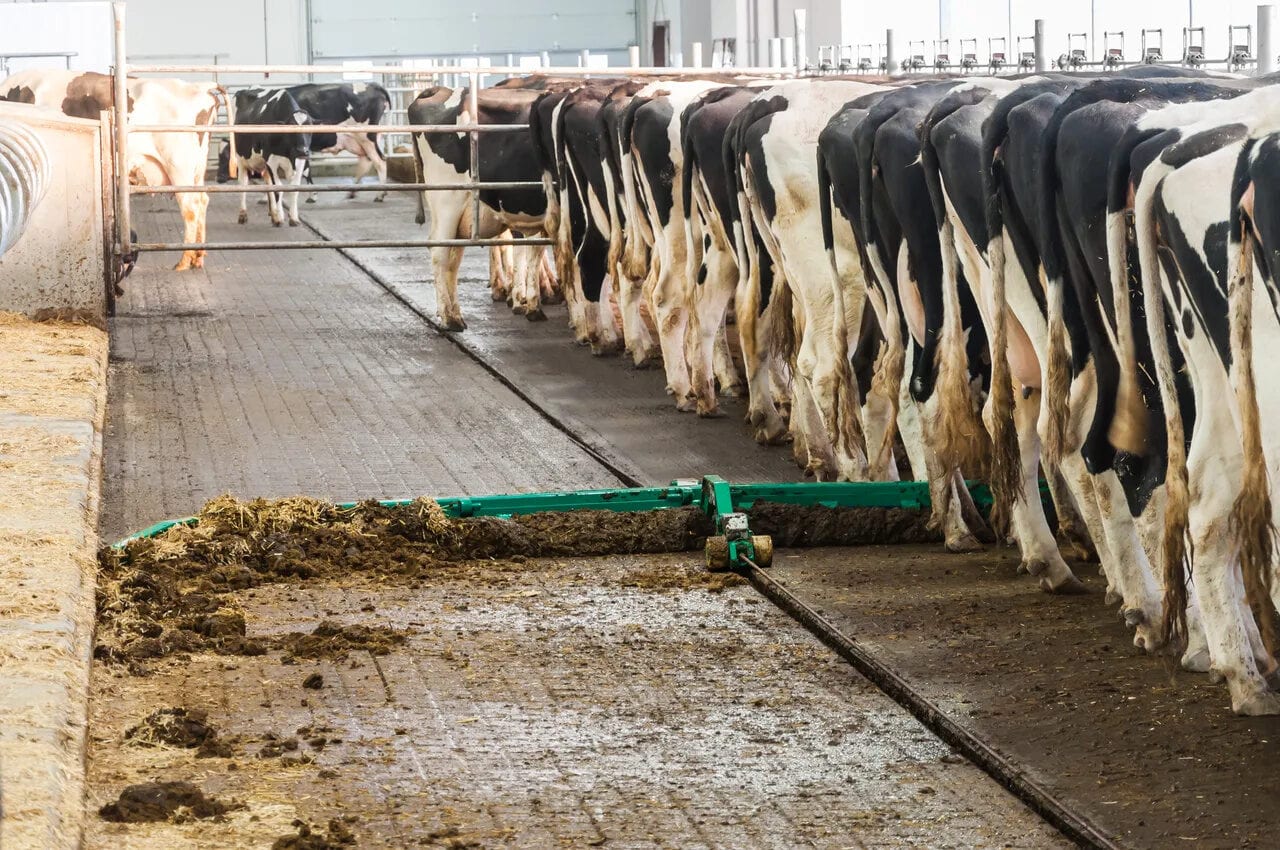
Cattle manure
Linked to dairy farming and biogas; drying for fertilisers and bedding.
Suitable dryers: Scolari MR/MRU composting machines, Alvan Blanch CD
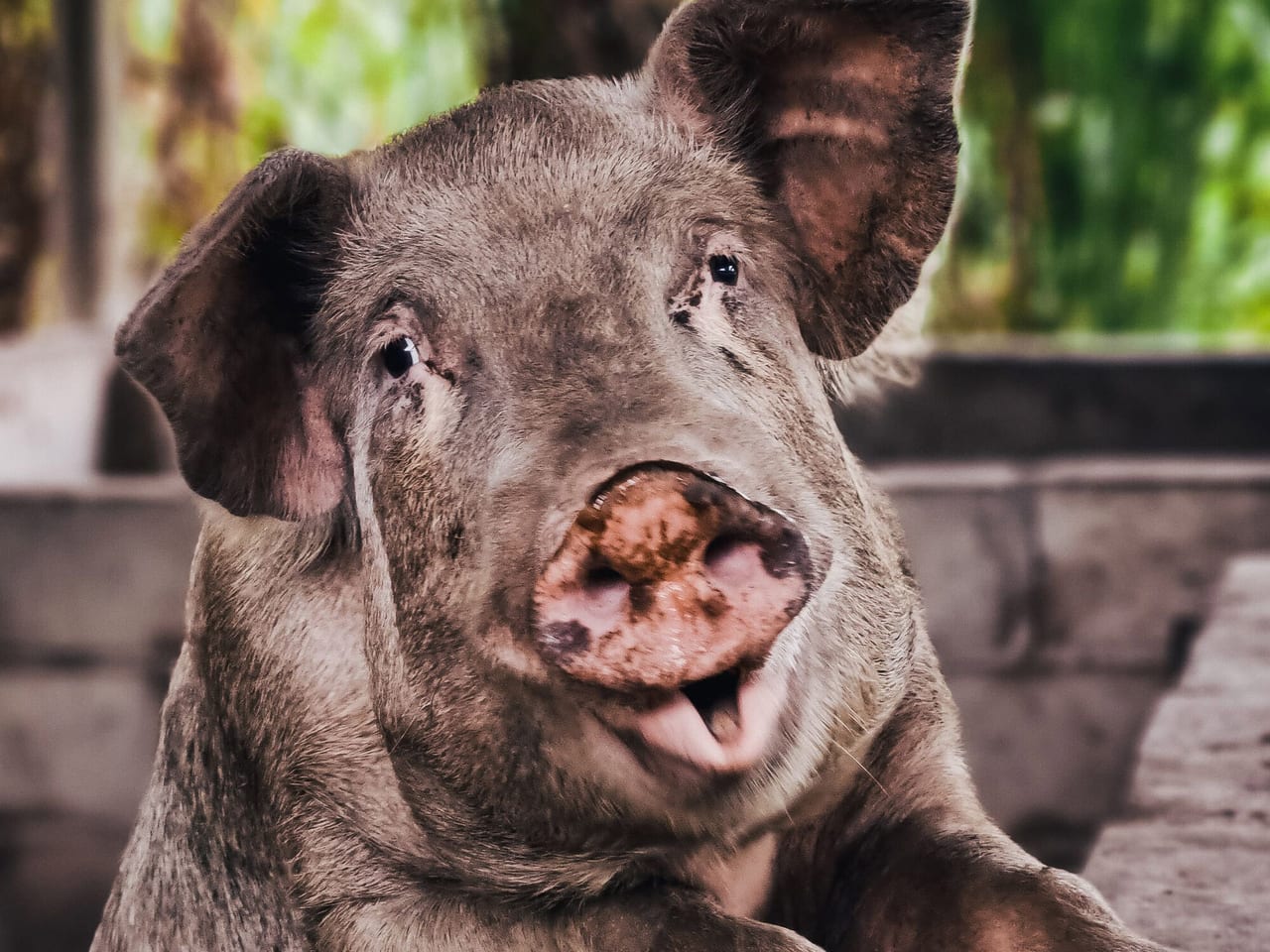
Pig manure
High-moisture pig-farming manure (often in slurry form); drying reduces volume and odour, turning the waste into an organic fertiliser or a substrate for biogas.
Suitable dryers: Scolari MR/MRU composting machines, Alvan Blanch CD
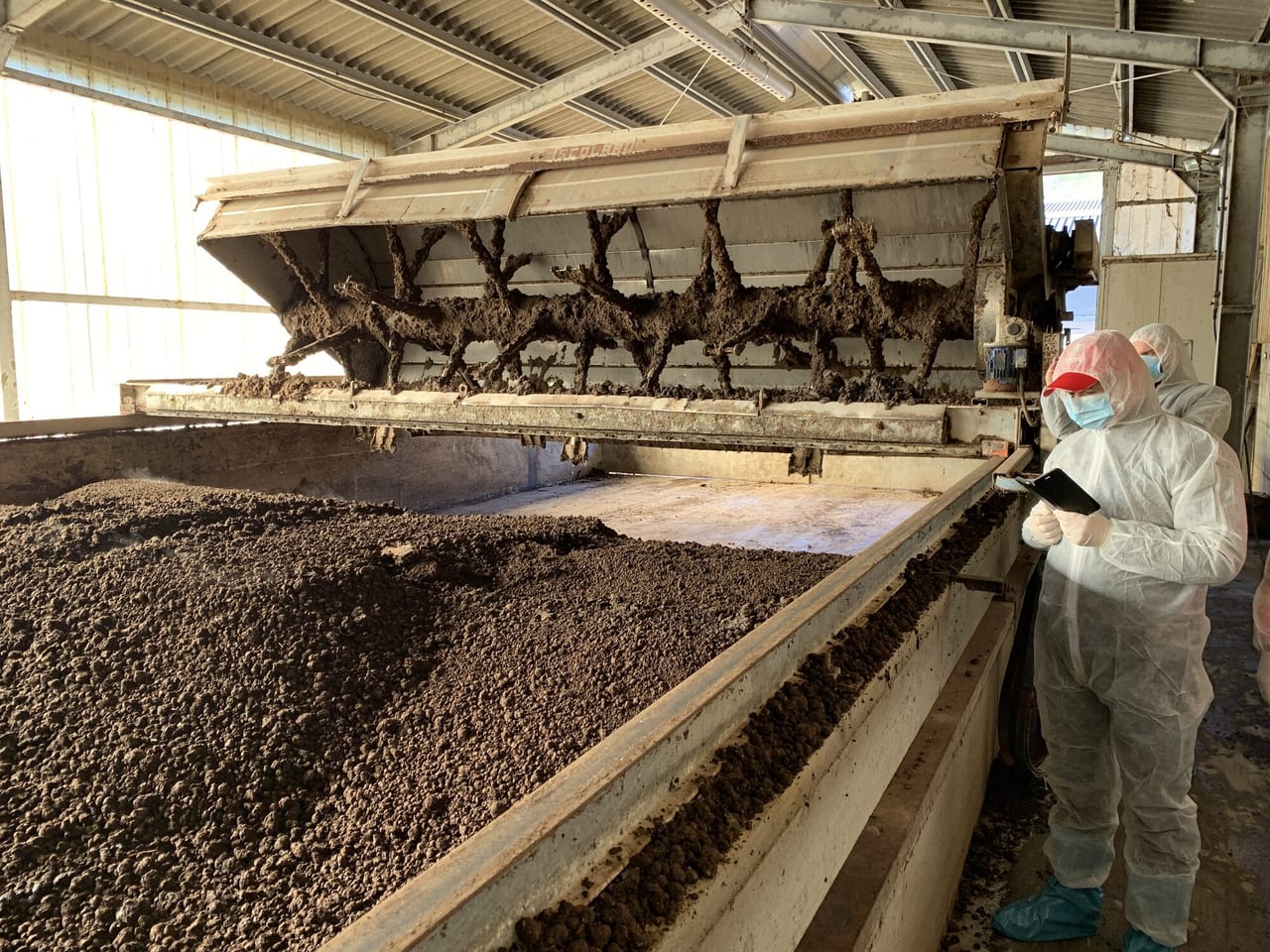
Poultry / chicken litter
Drying litter into a marketable organic fertiliser; odour, sanitation and stability are essential.
Suitable dryers: Scolari MR/MRU composting machines
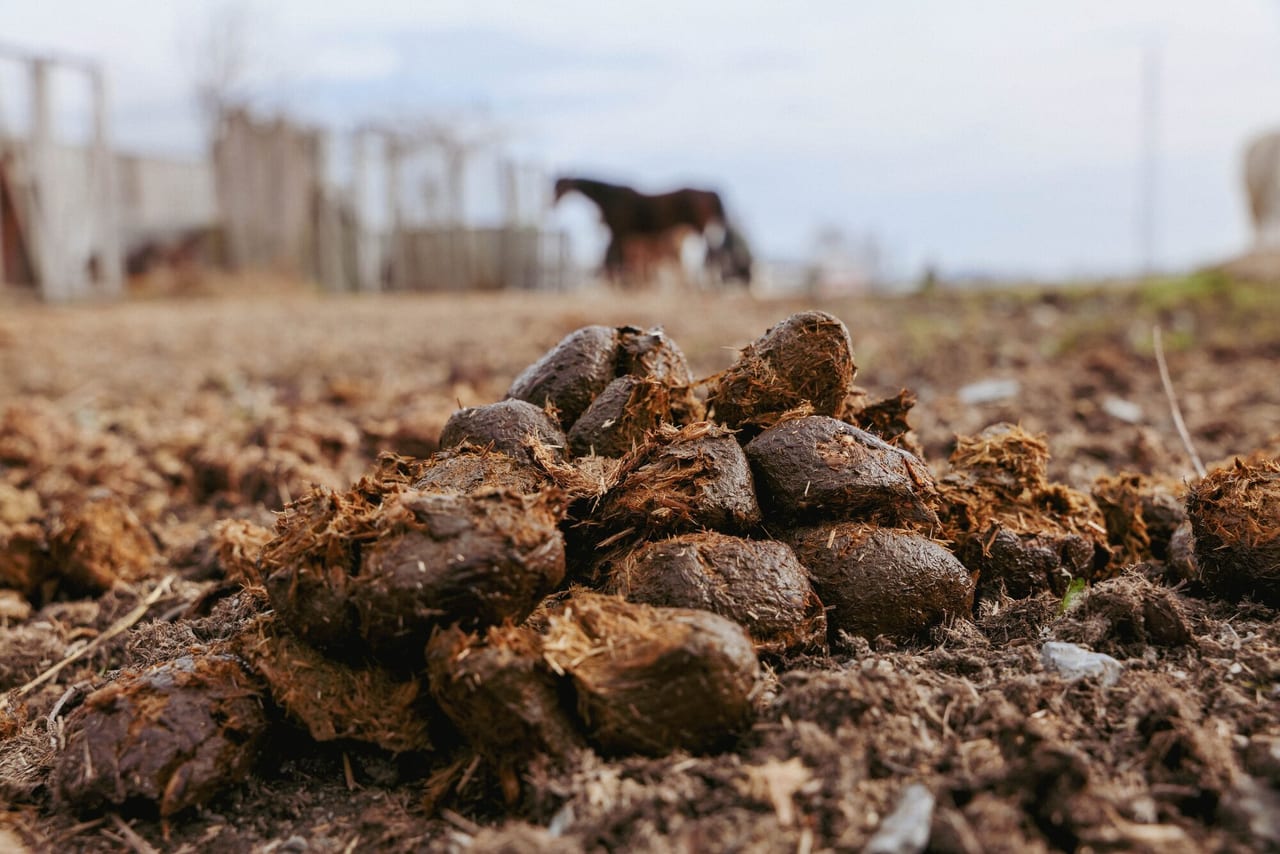
Other types of manure
Horse, sheep, rabbit and other manure: drying for fertiliser, bedding and volume reduction with odour and sanitation control.
Suitable dryers: Scolari MR/MRU composting machines, Alvan Blanch CD
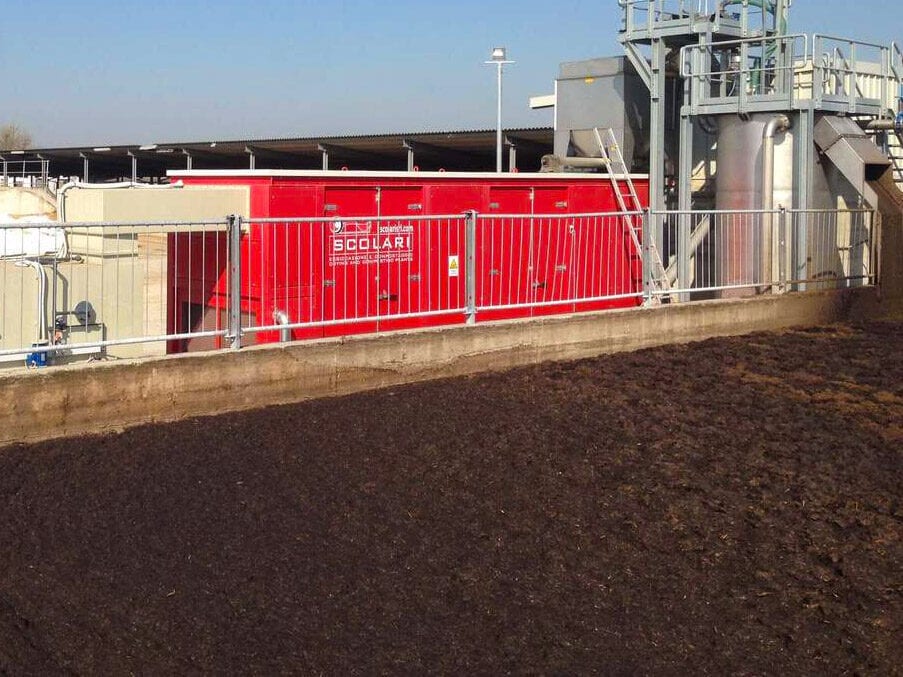
Digestate
The residue of biogas plants; drying reduces volume and turns digestate into a fertiliser.
Suitable dryers: Scolari conveyor T / MR composting machines, Alvan Blanch CD
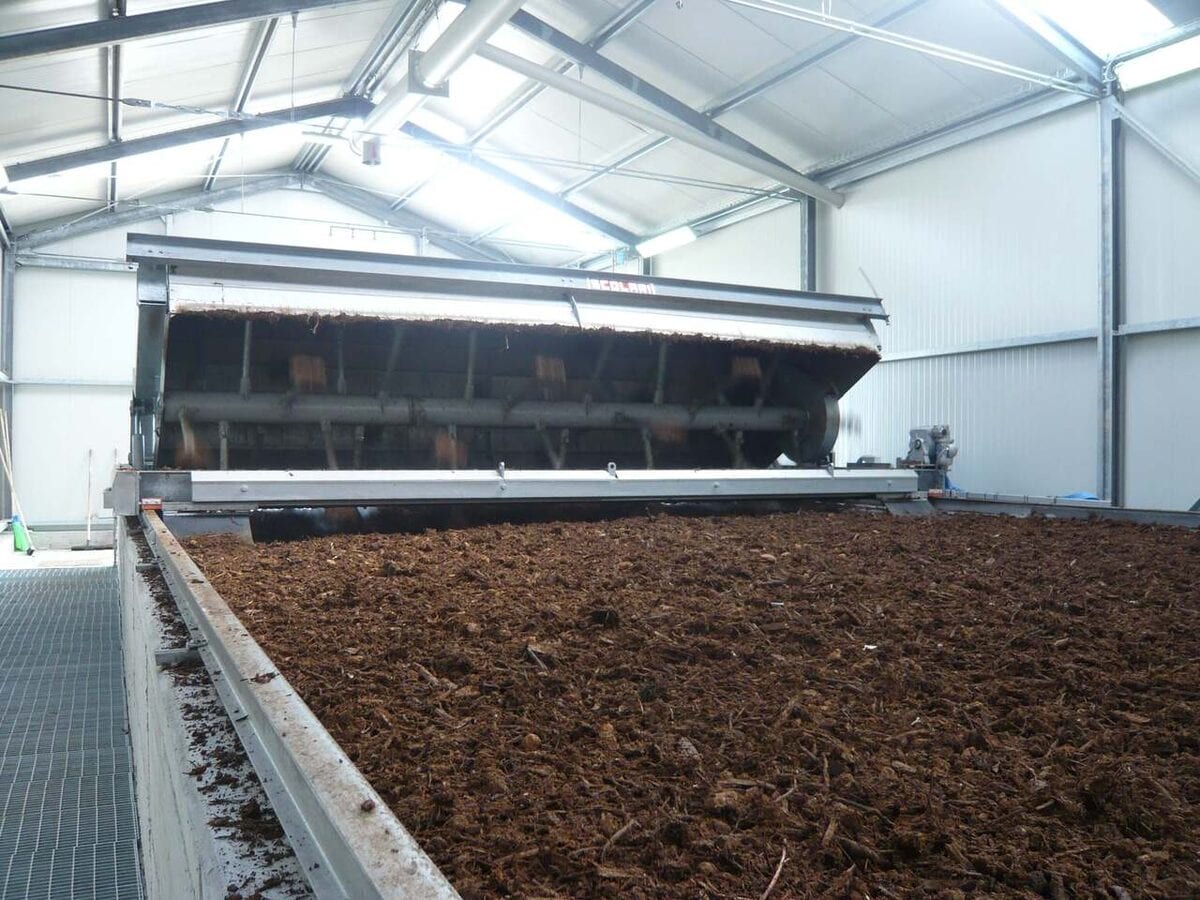
Compost
Drying and stabilising compost before packaging and storage.
Suitable dryers: Scolari MR/MRU composting machines, A series
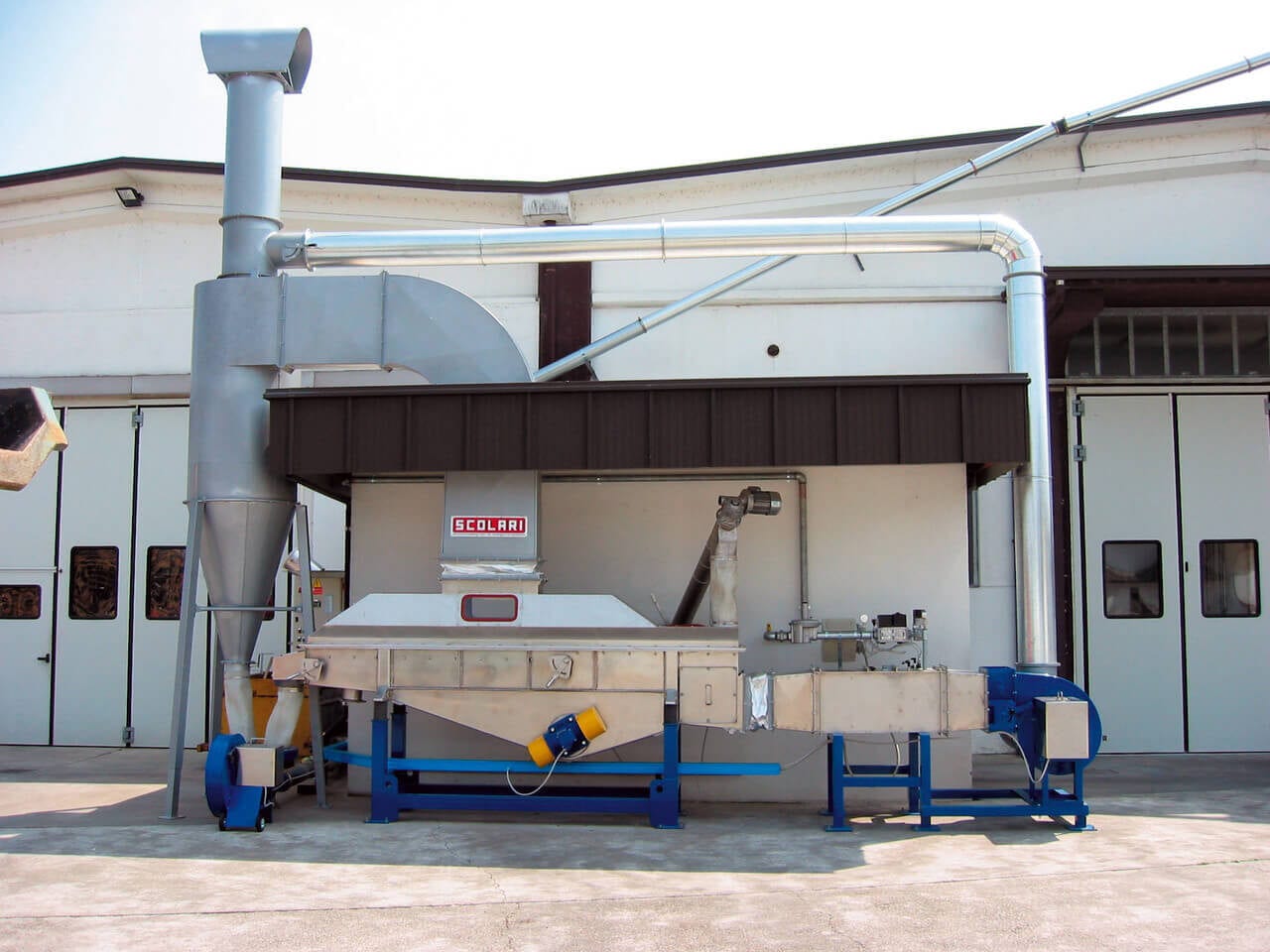
Egg shells
A by-product of egg processing (livestock waste): drying for use as a feed additive / source of calcium carbonate and fertiliser.
Suitable dryers: Scolari vibrating LFV (fluid bed); large volumes — Starmax (drum)
Features of drying organic fertilisers and waste
The organic matter in this group is characterised by high initial moisture, a tendency to stick, an inhomogeneous structure and a pronounced odour. The key drying tasks are to reduce moisture to storage level, stabilise the product and minimise odour emissions.
- Moisture: reduction from 60-85% to a target of 10-25% depending on the purpose (fertiliser, granule, fuel).
- Temperature and sanitation: the regime is chosen to ensure disinfection and preserve value as a fertiliser.
- Odour and ecology: exhaust-air cleaning from odour and dust is provided.
- Purpose: free-flowing or granulated organic fertiliser, a stable dry product, biofuel.
- Dryer types: for moist organic matter, drum and compost/tunnel dryers capable of handling sticky material are most common.
- Input data for selection: raw-material type, initial and target moisture, required throughput, further use, sanitary and environmental requirements.
Frequently asked questions
Why dry manure, litter and digestate?
Drying reduces moisture and cuts weight and volume several times over, suppresses odour and pathogens, and makes the product suitable for storage, transport and sale as a fertiliser or fuel.
Which dryers are suitable for moist organic matter?
For manure, litter and digestate, drum and compost/tunnel dryers designed for high moisture and sticky material are most common.
Can manure be turned into a marketable fertiliser?
Yes. After drying and, if needed, pelletising, you obtain a free-flowing or granulated organic fertiliser with stable moisture and reduced odour.
Can fuel be produced from litter?
Dry litter and digestate with low residual moisture can be used as biofuel; the target moisture is selected according to the combustion method.
How is the odour problem solved?
The line includes exhaust-air cleaning from odour and dust, and the temperature regime is selected to stabilise the product.
What is needed to select a dryer?
The raw-material type, initial and target moisture, required throughput, the further use of the product and the sanitary-environmental requirements.
Contact Us
If you are interested in purchasing any of our products, need a price quotation, or have any questions, comments, or suggestions, please do not hesitate to contact us via our contact form, by phone, or by email.
- WhatsApp: +90 (536) 452-1184
- E-mail: write to us
Our phones:
- Kazakhstan: +7 (747) 095-1626
- Moldova: +373 (22) 011-214
- Romania: +40 (31) 229-8484
- Türkiye: +90 (536) 452-1184 (English)
- Ukraine: +380 (67) 111-6668