
Dryers for legume crops
Legume crops include peas, beans, chickpeas and lentils. These are large-seeded crops with a valuable market appearance: whole, undamaged grain is worth more than split grain, so drying here is aimed not only at moisture but also at preserving the integrity of the seeds.
Legumes are dried to bring them down to a safe storage moisture and prepare them for packing, export or processing. The main difficulty is that the large grain with its dense coat releases moisture unevenly and cracks easily under a forced regime.
The customer's task is to dry the batch gently, minimising breakage, splitting of the cotyledons and microcracks that lower the grade and spoil the market appearance. For this, dryers with a mild, gentle regime are selected.
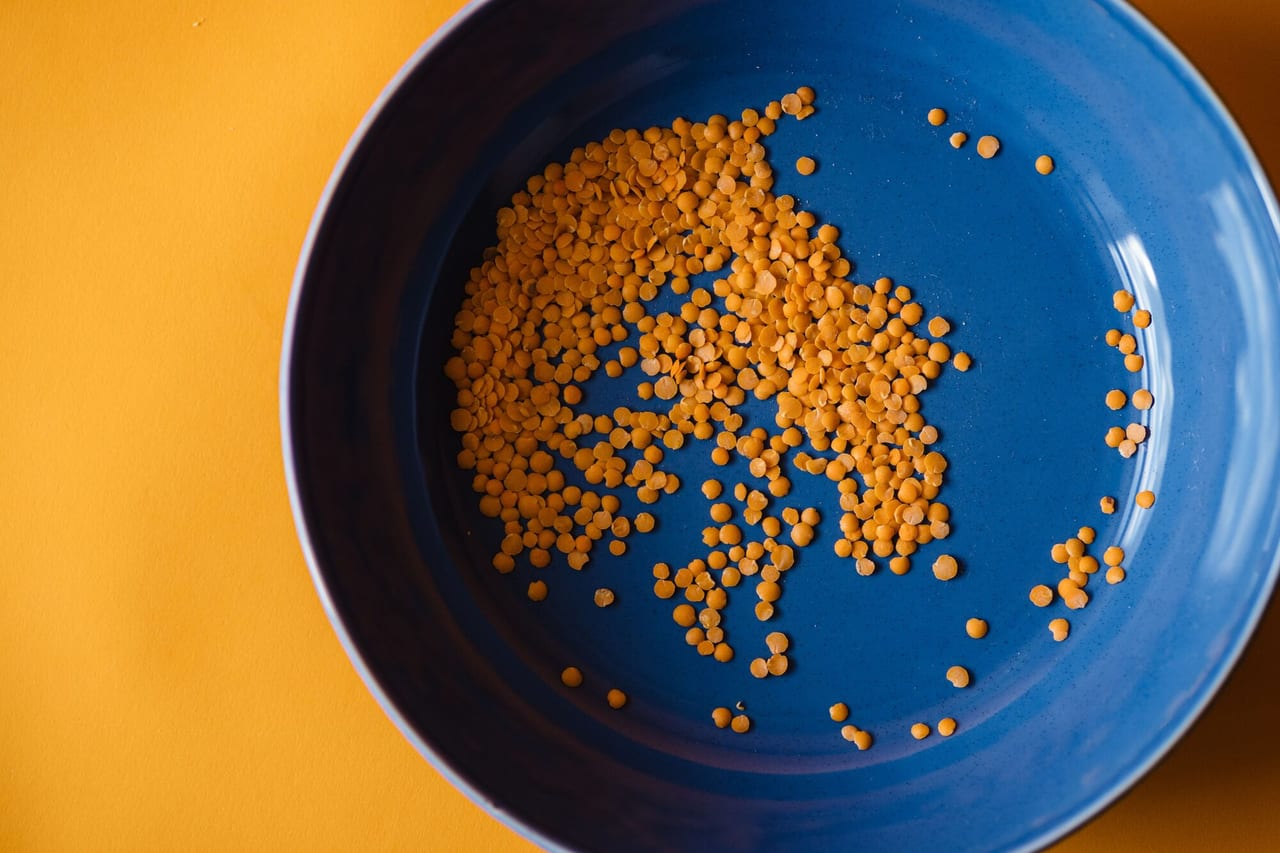
Peas
A large legume; prone to splitting of the cotyledons. A mild regime and smooth cooling are needed.
Suitable dryers: Ravaro RR/RC, Agrex AGD
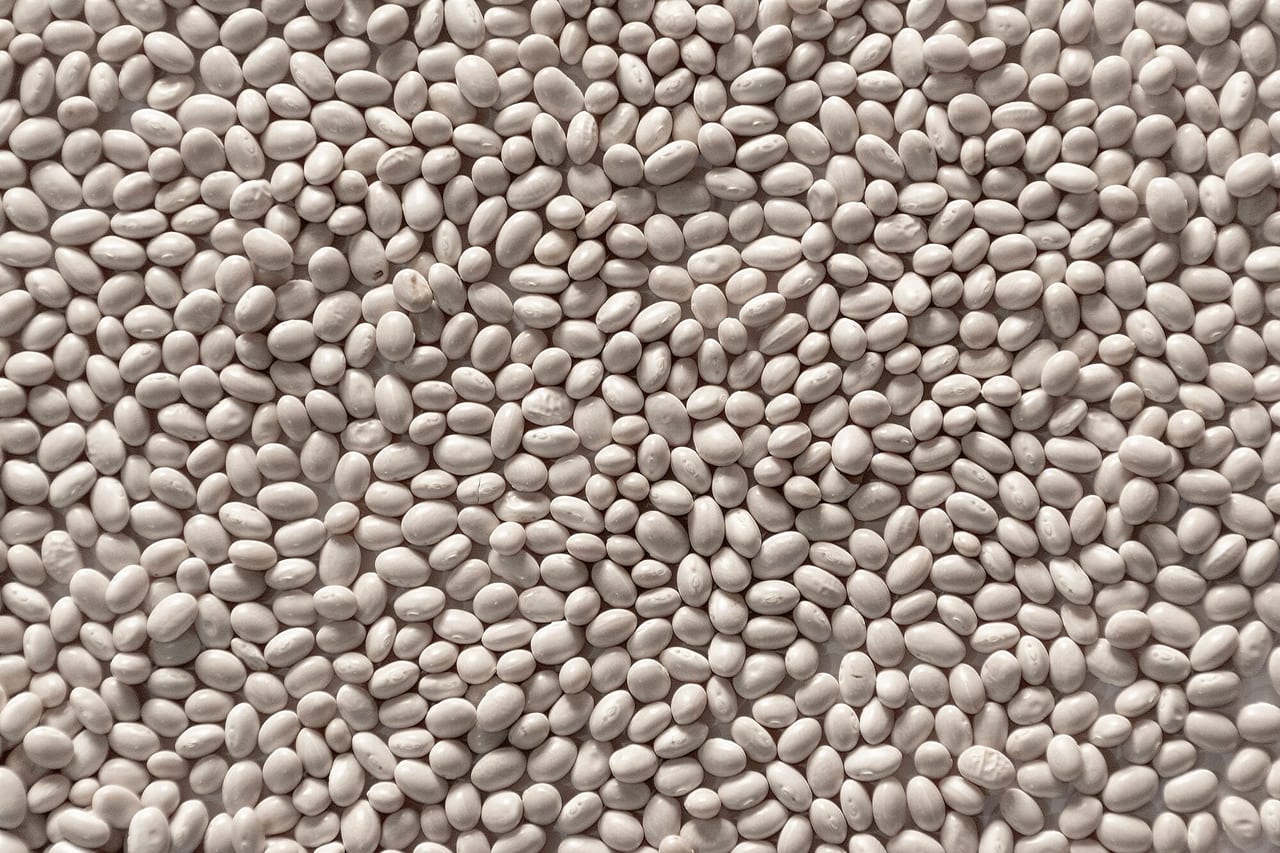
Beans
Sensitive to breakage and chipping of the coat; delicate drying and careful conveying are required.
Suitable dryers: Agrex AGD/AGD-F
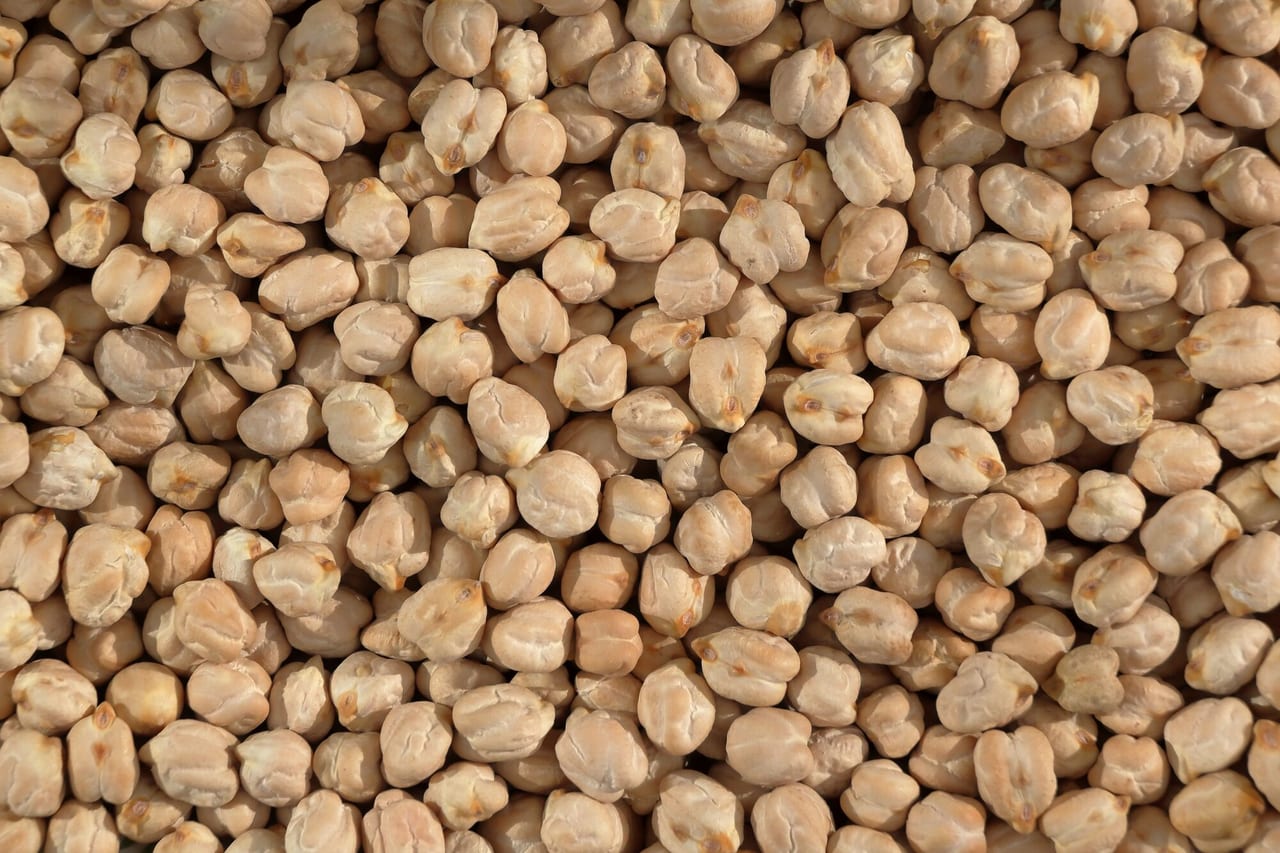
Chickpeas
A large legume; even drying and preservation of grain integrity are important.
Suitable dryers: Agrex AGD (analogous to legumes)
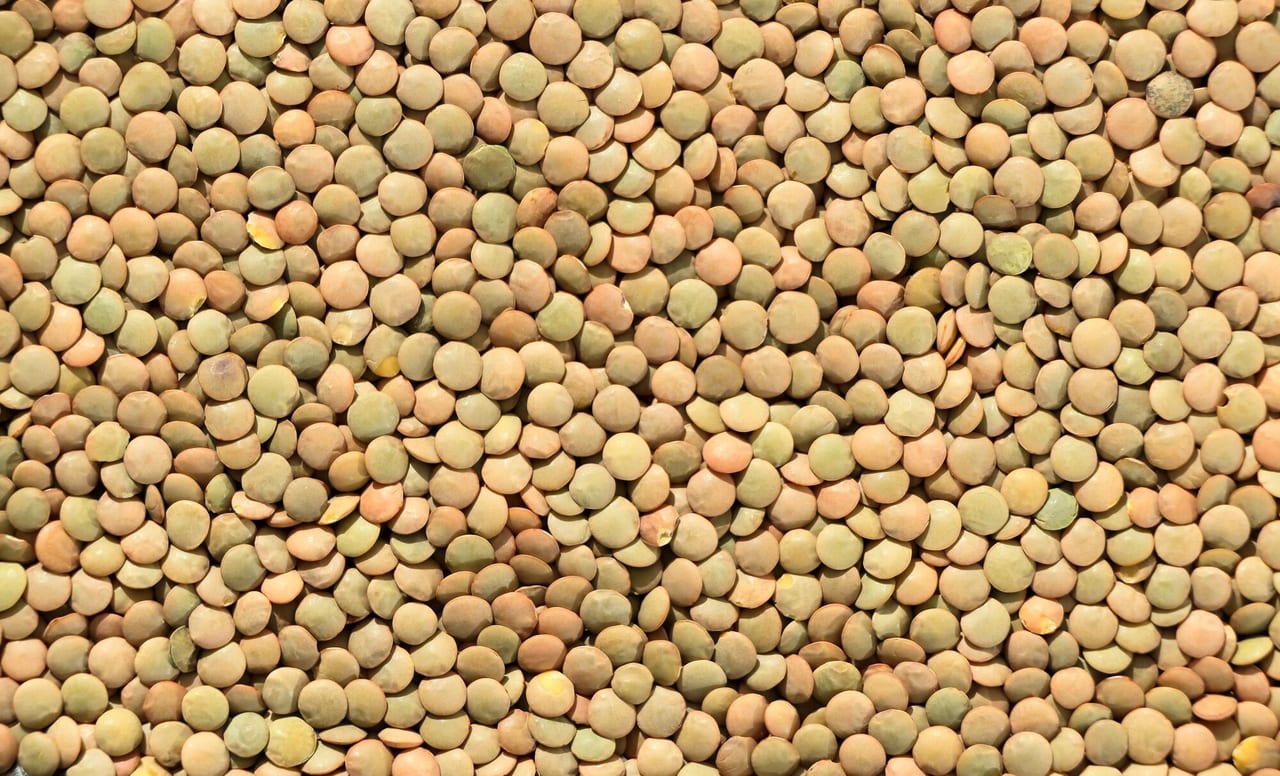
Lentils
A flat legume; a careful regime is needed to avoid splitting and loss of market appearance.
Suitable dryers: Agrex AGD (analogous to legumes)
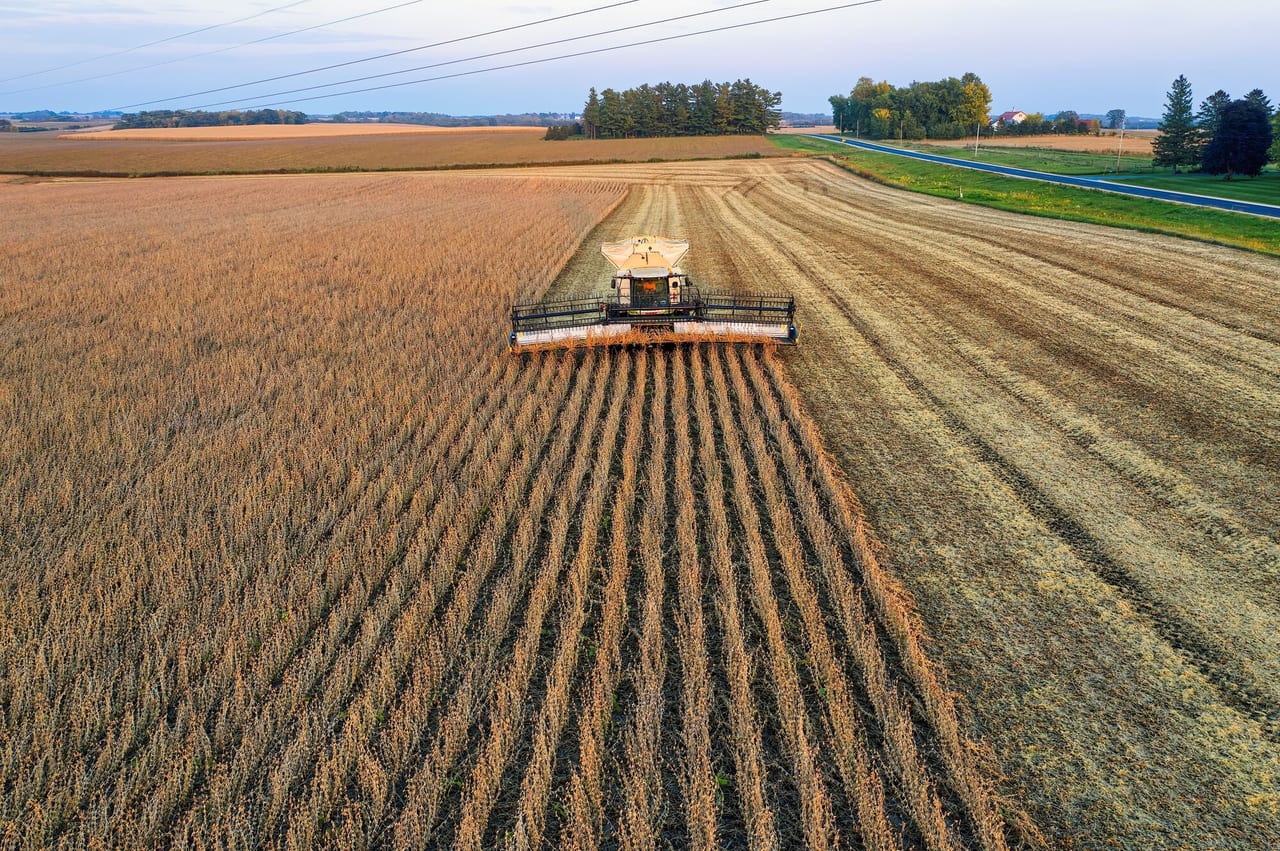
Soybean
Botanically a legume, but in drying it behaves like an oilseed: the decisive factor is the oil content, so the regime is gentle and auger-free. Details in the soybean drying article.
Suitable dryers: Ravaro RR/RC, Alvan Blanch DF/BD, Agrex AGD-F with elevator, FAO AR/ACE/ACEX/SCE
Features of legume crop drying
Legumes are large-seeded crops in which moisture leaves the centre of the grain slowly. If dried quickly and at high temperature, the surface dries out before the core, creating internal stresses - hence splitting of the cotyledons, breakage and microcracks. The key to quality is therefore a mild regime with moderate temperature and gradual moisture removal.
Large chickpeas and beans with a thin coat are especially delicate: for them both temperature and gentle conveying inside the dryer are critical, so as not to add mechanical damage. Grain integrity directly determines the grade and price of the batch.
- Gentleness of regime: low drying speed and moderate temperature against cracking.
- Moisture: initial and target for storage, with a small removal per pass.
- Grain integrity: minimising breakage and microcracks for the sake of market appearance.
- Fraction: the large grain of peas, beans, chickpeas and lentils - requires appropriate louvres and gentle conveying.
- Dryer type: tower and batch dryers with a mild regime; for small batches - batch and mobile models.
Frequently asked questions
Which legume crops are dried industrially?
Peas, beans, chickpeas and lentils. All of them require gentle drying because of their large grain and the risk of damage under a forced regime.
Why do legumes require especially gentle drying?
In large grain, moisture leaves the centre slowly. Under fast drying the surface dries out before the core, internal stresses appear - this leads to splitting of the cotyledons, breakage and microcracks that lower the grade.
Which dryer is suitable for peas, beans, chickpeas and lentils?
Dryers with a mild, gentle regime - most often tower and batch dryers with moderate temperature and careful conveying of the grain. For small batches, batch and mobile models are used.
How can the integrity of legumes be preserved during drying?
Through a low drying speed, a moderate drying-medium temperature, a small moisture removal per pass and gentle movement of the grain inside the dryer. This minimises breakage and microcracks.
What is needed to select a dryer for legumes?
The crop, initial and target moisture, grain fraction, required capacity and the requirements for whole-grain integrity. From these the size and the gentle regime are chosen.
Contact Us
If you are interested in purchasing any of our products, need a price quotation, or have any questions, comments, or suggestions, please do not hesitate to contact us via our contact form, by phone, or by email.
- WhatsApp: +90 (536) 452-1184
- E-mail: write to us
Our phones:
- Kazakhstan: +7 (747) 095-1626
- Moldova: +373 (22) 011-214
- Romania: +40 (31) 229-8484
- Türkiye: +90 (536) 452-1184 (English)
- Ukraine: +380 (67) 111-6668