
Dryers for food products and ingredients
Industrial drying of food products and processed ingredients solves several tasks at once: removing excess moisture, stabilising the product during storage, fixing a defined water activity and preparing raw materials for packaging or further processing. The colour, taste, flowability and microbiological safety depend directly on the precision of the regime.
Most free-flowing food products are sensitive to overheating and require gentle, uniform drying without local overheating or caking. The key factors are therefore not maximum throughput, but control of the product temperature, uniform treatment of every particle and sanitary equipment design.
For sugar, salt, cereal flakes, extrudate and other bulk materials, fluidised-bed technology is often used, combining drying, cooling and conditioning in a single unit. For other products, belt (conveyor) and cabinet solutions are suitable - the choice depends on the shape, moisture and heat sensitivity of the raw material.

Sugar
Drying and cooling of granulated sugar; control of moisture and caking.
Suitable dryers: Scolari vibrating LFV (fluid bed)
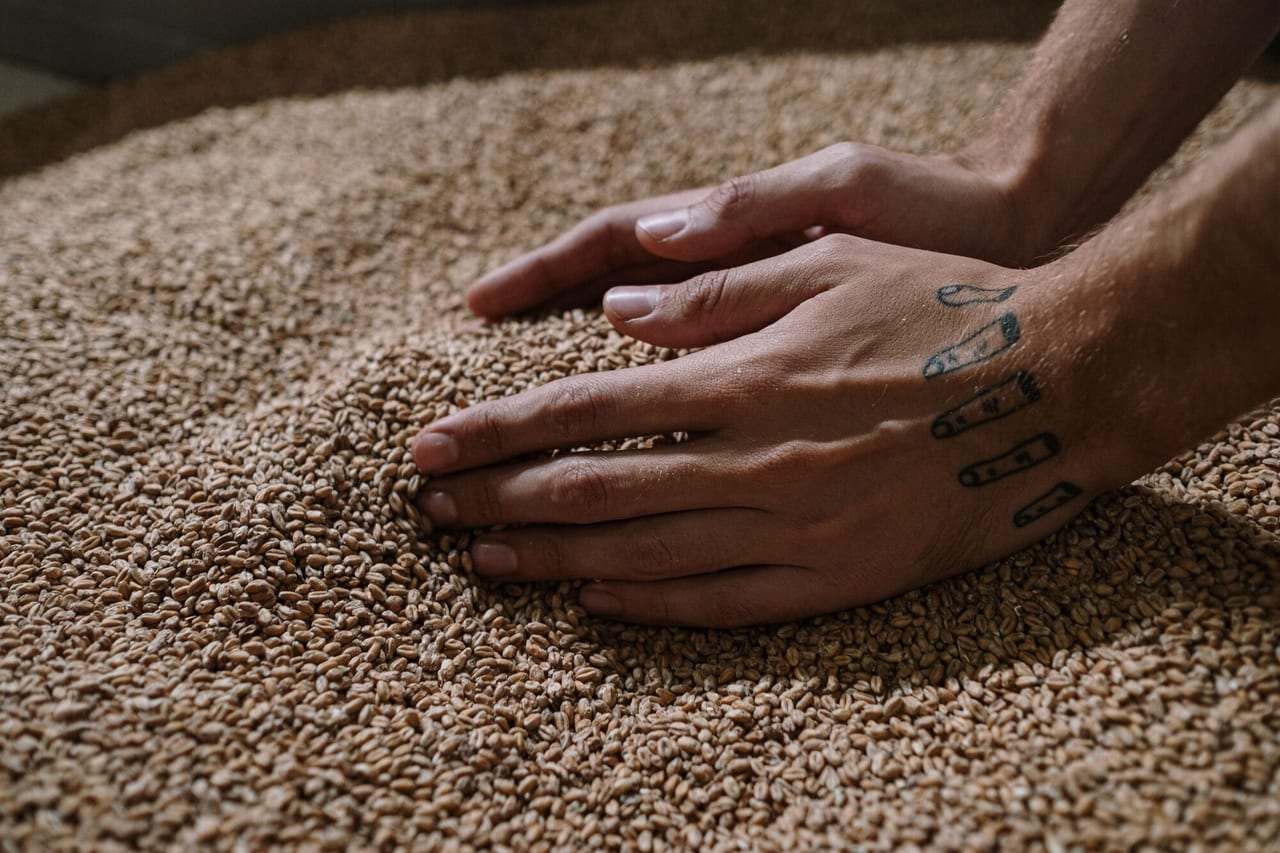
Malt
Malt kilning with control of the germination process and food quality.
Suitable dryers: Alvan Blanch DF

Flour
Drying, cooling and stabilisation of flour; moisture control in a fluidised bed.
Suitable dryers: Scolari vibrating LFV (fluid bed)

Grated cheese
Drying of grated cheese in food production; sanitation and a gentle regime (fat content) are essential.
Suitable dryers: Scolari vibrating LFV / cabinet C

Cut / ground bread
Drying of cut and ground bread, breadcrumbs (breading, feed products).
Suitable dryers: Scolari vibrating LFV / A series
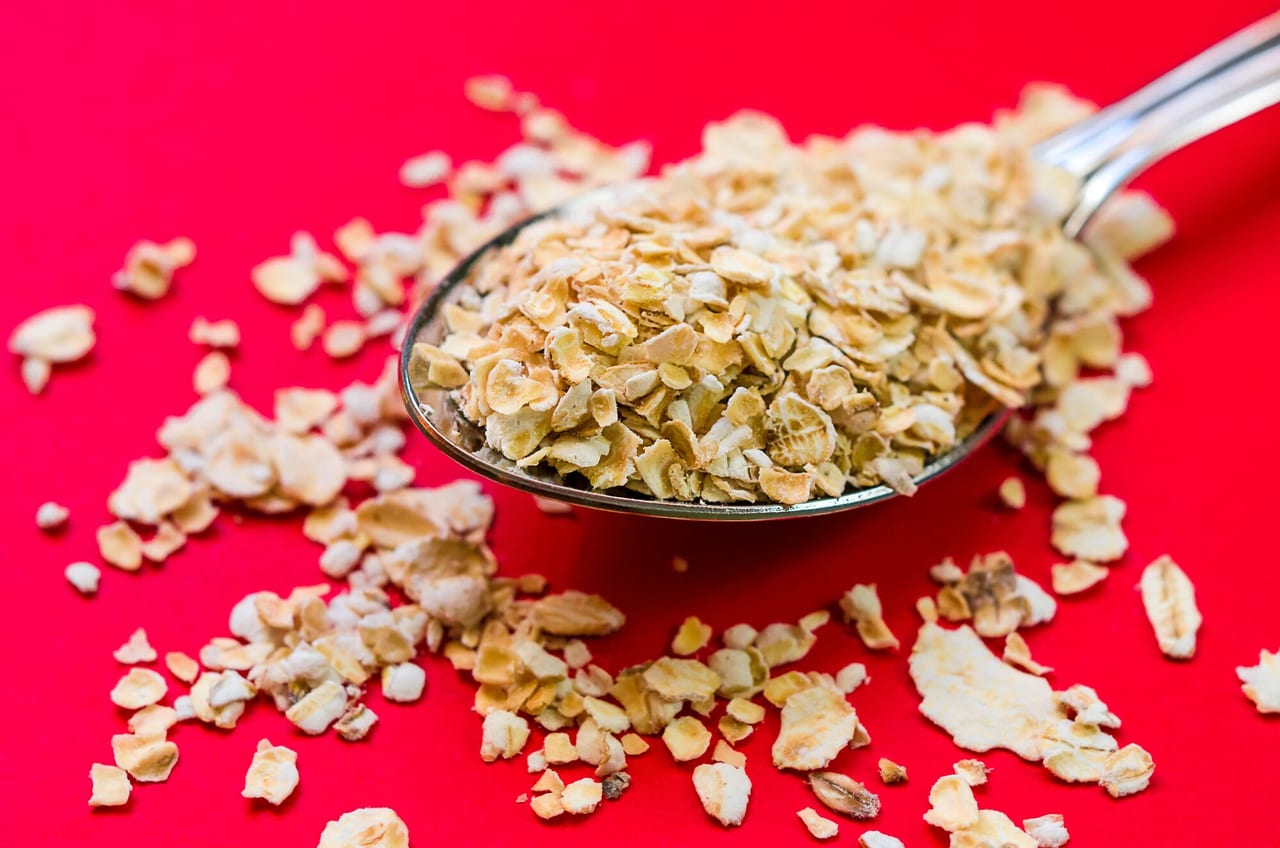
Pressed / flaked cereals
Drying of flakes and instant cereals during grain processing.
Suitable dryers: Scolari A series, Alvan Blanch TDC
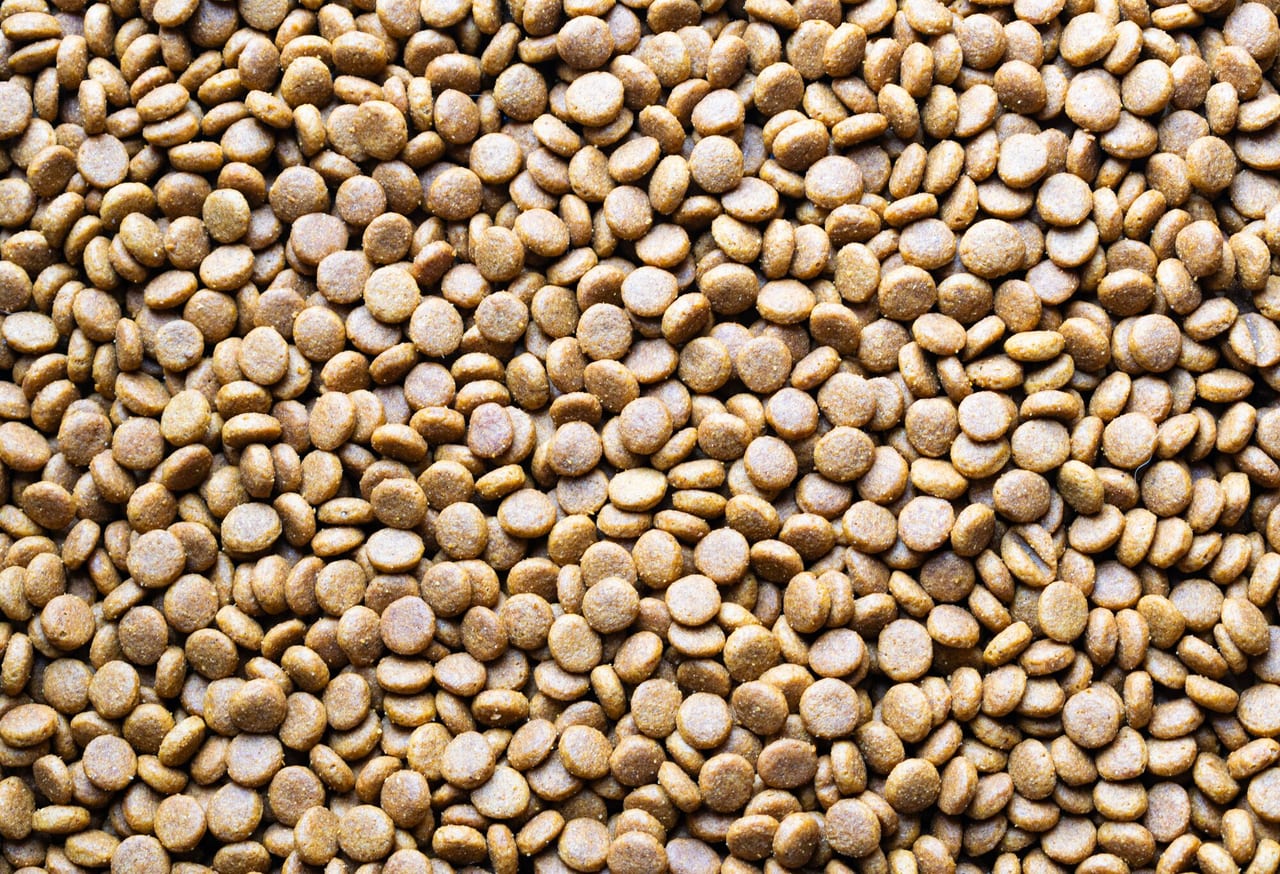
Extrudate and cubed products
Drying of extrudate and cubes (feed and food) after forming.
Suitable dryers: Scolari A series, Alvan Blanch TDC

Sea salt
Drying of salt with moisture control.
Suitable dryers: Scolari vibrating LFV (fluid bed)
Features of drying food products and ingredients
Food products share a high sensitivity to the regime and strict hygiene requirements. Overheating changes colour and taste, while uneven drying leads to caking, clumping and microbial growth in under-dried zones.
Dryer selection is based on the properties of the specific product and the required readiness indicators - above all moisture and water activity.
- Moisture: the dryer type and energy consumption depend on the initial and target moisture; for many products not only the residual moisture but also the water activity matters.
- Temperature: most food products are heat-sensitive - a gentle regime is needed with control of the temperature of the product itself, not just the heat carrier.
- Particle size and shape: bulk products (sugar, salt, flour, flakes), granules and cubes, grated and ground products behave differently and require different designs.
- Sanitation: stainless-steel construction, smooth surfaces, easy cleaning and compliance with food requirements are mandatory.
- Product specifics: tendency to cake, clump, stick and be hygroscopic is considered separately.
- Equipment type: for bulk products, fluidised-bed dryers (drying + cooling + conditioning) are most common; for heat-sensitive and shaped products - belt and cabinet dryers.
- Input data for selection: product type, throughput, initial and target moisture, bulk density, particle size, permissible temperature and sanitary requirements.
Frequently asked questions
Which food products are dried industrially?
Industrially dried products include sugar, malt, flour, grated cheese, cut and ground bread, pressed and flaked cereals, extrudate and cubed products, sea salt and other bulk and shaped ingredients.
Which dryers are suitable for bulk food products?
For bulk products, fluidised-bed dryers are often used, performing drying, cooling and stabilisation in a single unit. For heat-sensitive and shaped products, belt and cabinet solutions are used.
Why are sanitation and a precise regime important for food drying?
Food products are sensitive to overheating and microbiology. A precise regime preserves colour, taste and water activity, uniformity eliminates under-dried zones, and sanitary design and easy cleaning ensure product safety.
How does drying bulk food products differ from other materials?
Bulk food products require a gentle regime, uniform treatment of every particle and protection against caking and clumping. The emphasis is therefore not on maximum temperature, but on uniformity and control of the product temperature itself.
What input data is needed to select a dryer?
You need the product type, the required throughput, initial and target moisture, particle size and shape, bulk density, permissible heating temperature and sanitary design requirements.
Contact Us
If you are interested in purchasing any of our products, need a price quotation, or have any questions, comments, or suggestions, please do not hesitate to contact us via our contact form, by phone, or by email.
- WhatsApp: +90 (536) 452-1184
- E-mail: write to us
Our phones:
- Kazakhstan: +7 (747) 095-1626
- Moldova: +373 (22) 011-214
- Romania: +40 (31) 229-8484
- Türkiye: +90 (536) 452-1184 (English)
- Ukraine: +380 (67) 111-6668