
Dryers for RDF, sludge, plastic and industrial recyclables
Industrial waste and recyclables almost always need to be dried before combustion or recycling. High moisture lowers the calorific value of alternative fuel, makes sludge logistics heavier and hinders the further recycling of polymers and fibre.
Drying reduces the weight and volume of waste, increases the calorific value of RDF/SRF, stabilises sludge and prepares washed plastic, paper and cardboard for pelletising or reuse.
Equipment is selected for the specific waste stream, taking into account moisture, particle-size heterogeneity, abrasiveness and environmental requirements for exhaust-air cleaning.
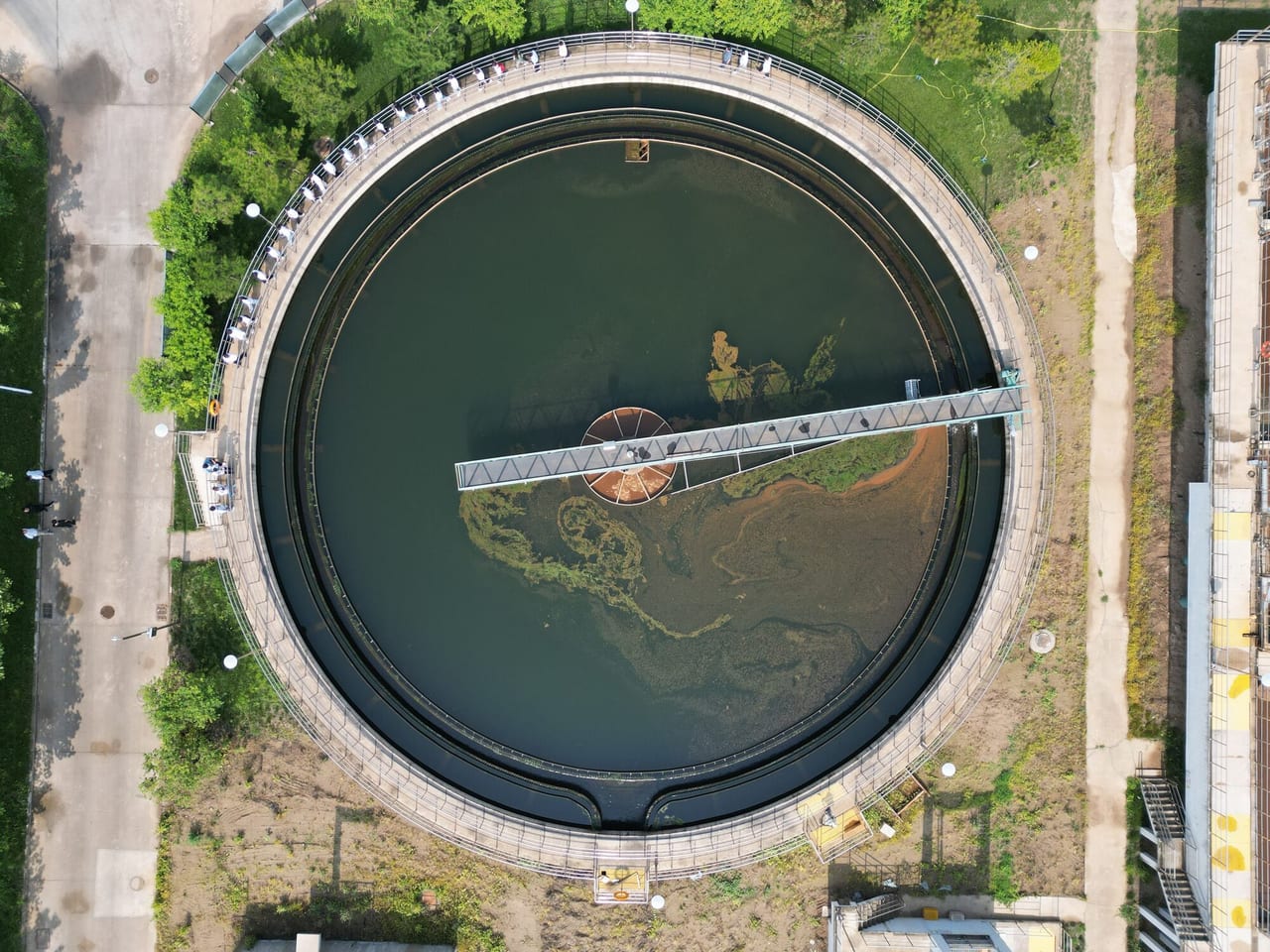
Sludge / silt
Drying of municipal and industrial sludge (sewage / industrial sludge) for volume reduction and disposal.
Suitable dryers: Scolari A CKR (sludge >130 °C) / MR, Errepi NF, Alvan Blanch CD
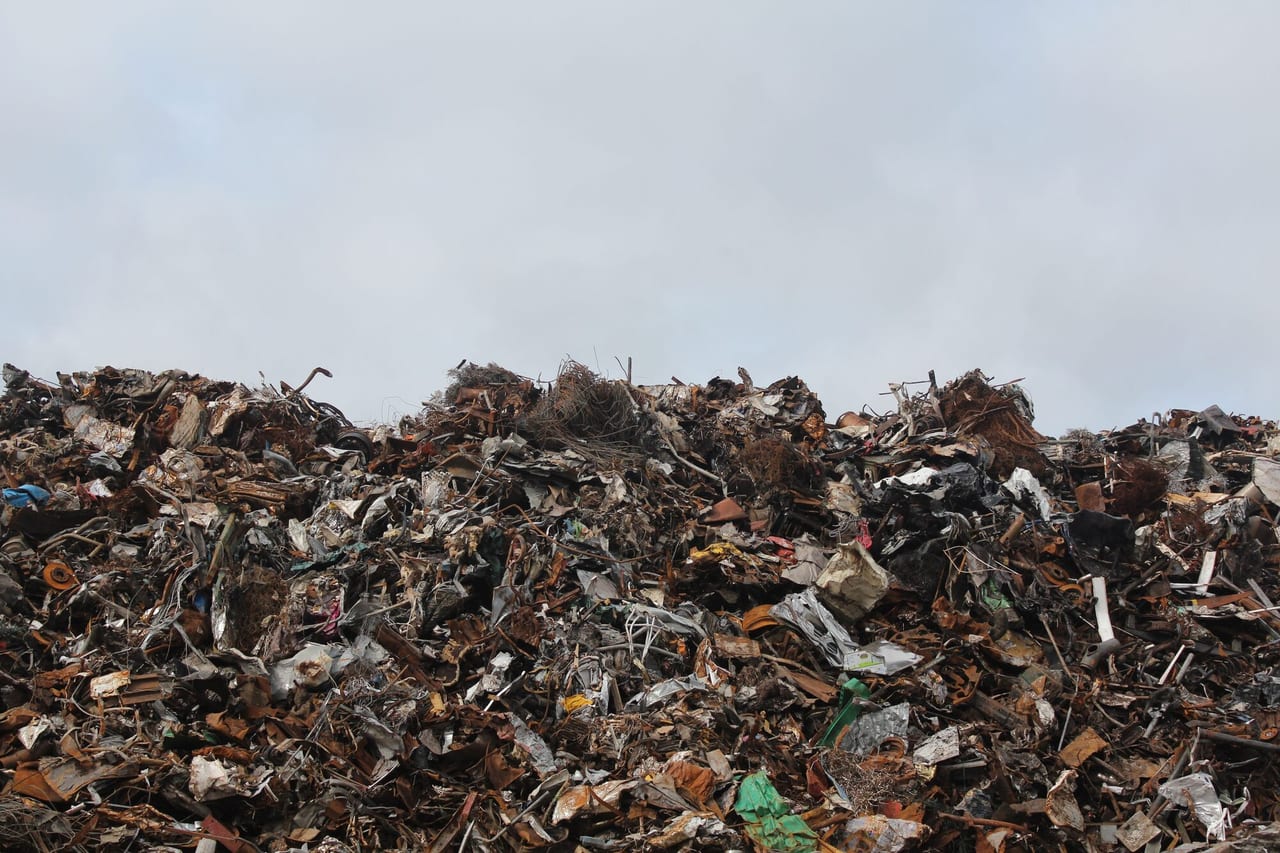
RDF / SRF / CDR
Preparing fuel from waste: drying increases the calorific value and stability of RDF/SRF.
Suitable dryers: Scolari conveyor T (1T-TP), Errepi NF, Alvan Blanch CD
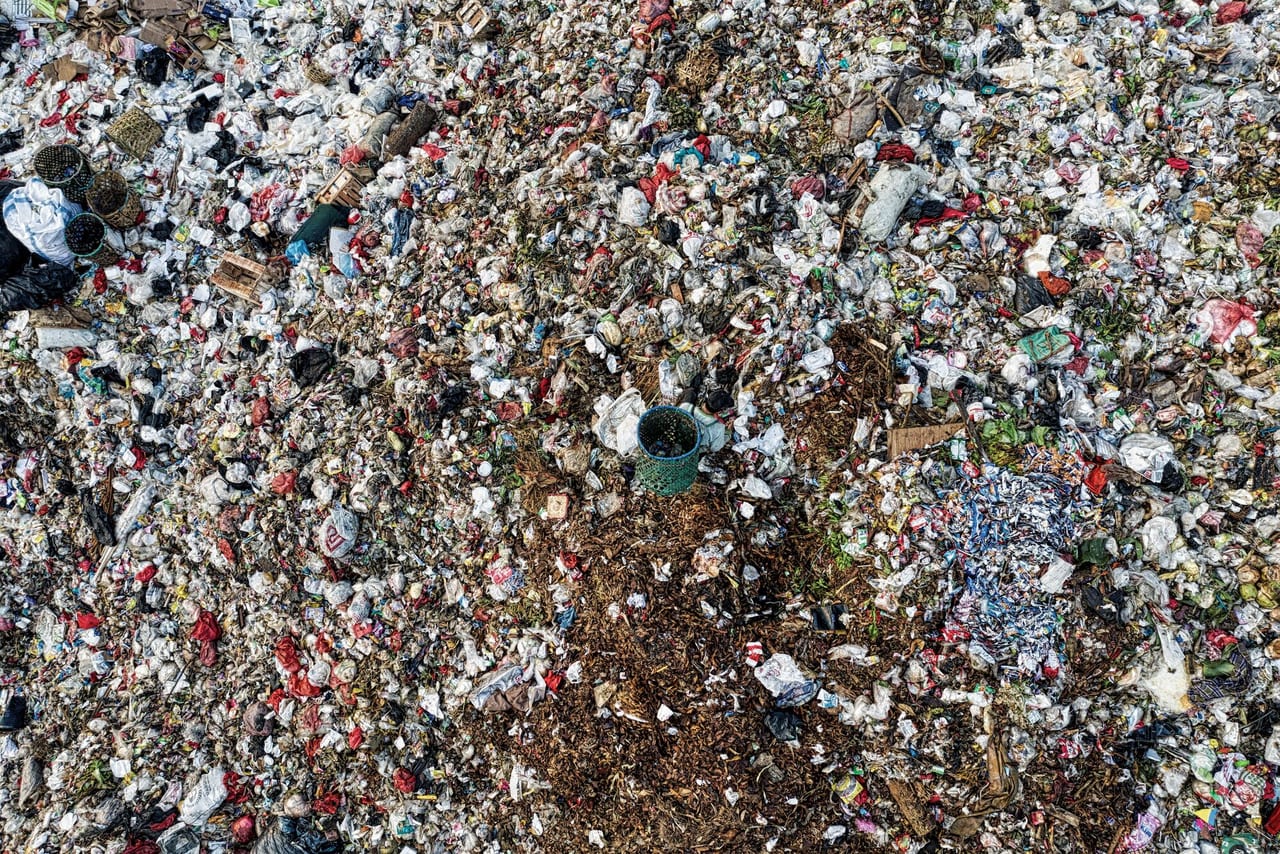
MSW and the wet fraction (FORSU)
Municipal waste and the wet organic fraction (FORSU/OFMSW): drying for RDF fuel, volume reduction and stabilisation.
Suitable dryers: Scolari conveyor T (2T-C / 1T-TP), Errepi NF, Alvan Blanch CD
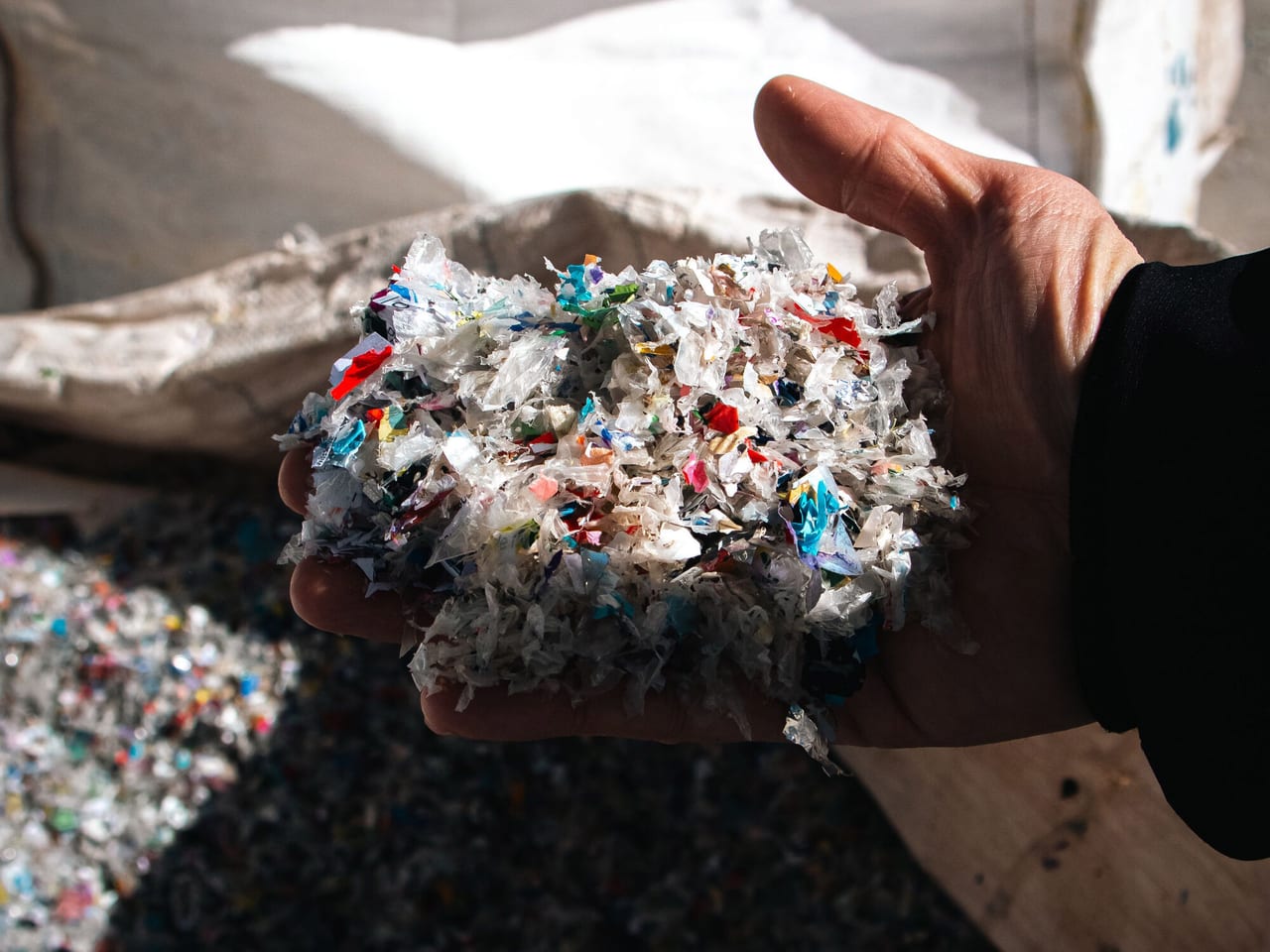
Plastic, polymers, resins (after washing)
Drying of crushed/washed plastic and polymers (PET, HDPE, polyethylene, polymers, resins) on recycling lines; flakes - fluidised bed.
Suitable dryers: Scolari vibrating LFV (PET/HDPE/polymers/resins) / conveyor T, Errepi NF, Alvan Blanch CD
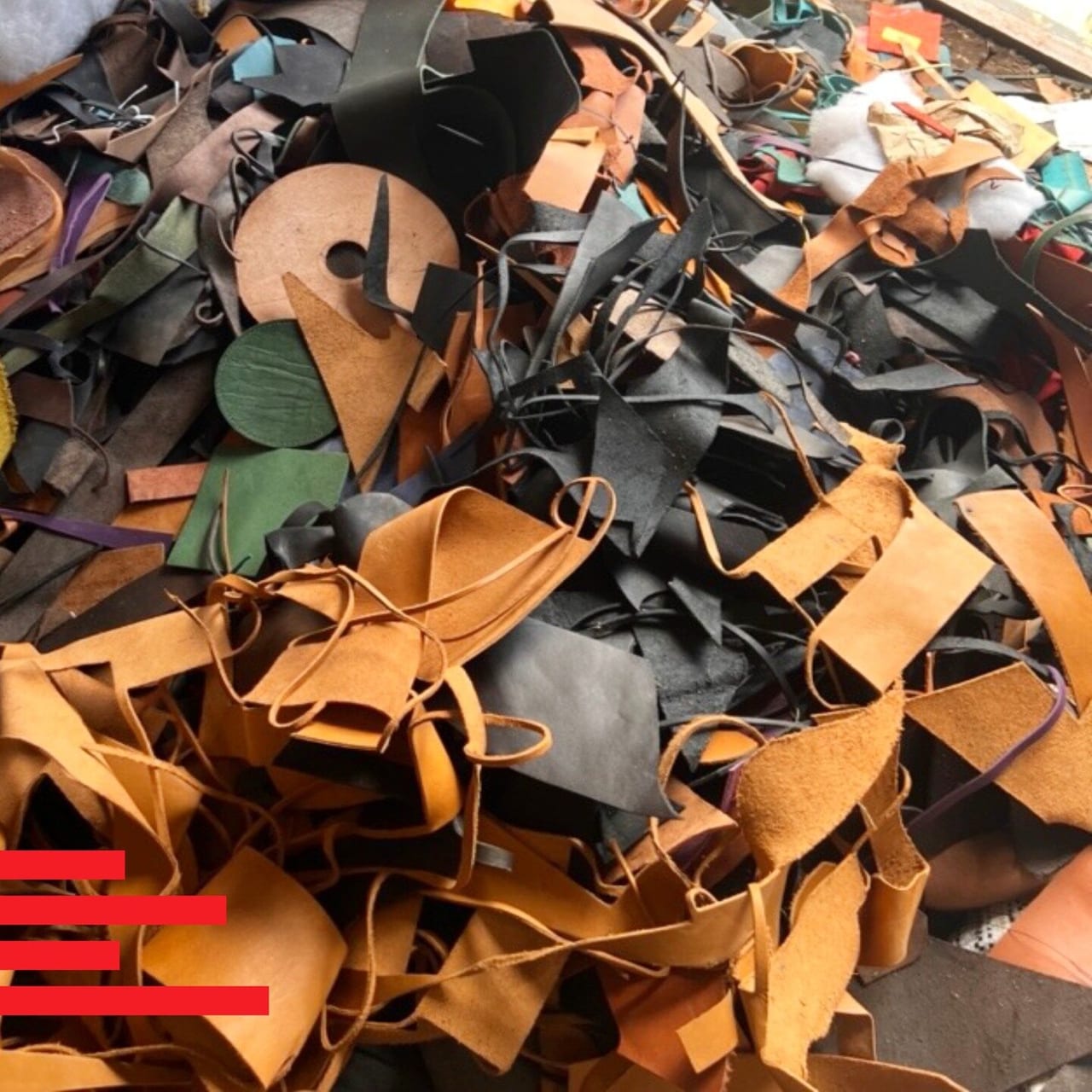
Leather waste
Leather waste from tanning production is dried in an industrial circuit with odour control.
Suitable dryers: Scolari conveyor T
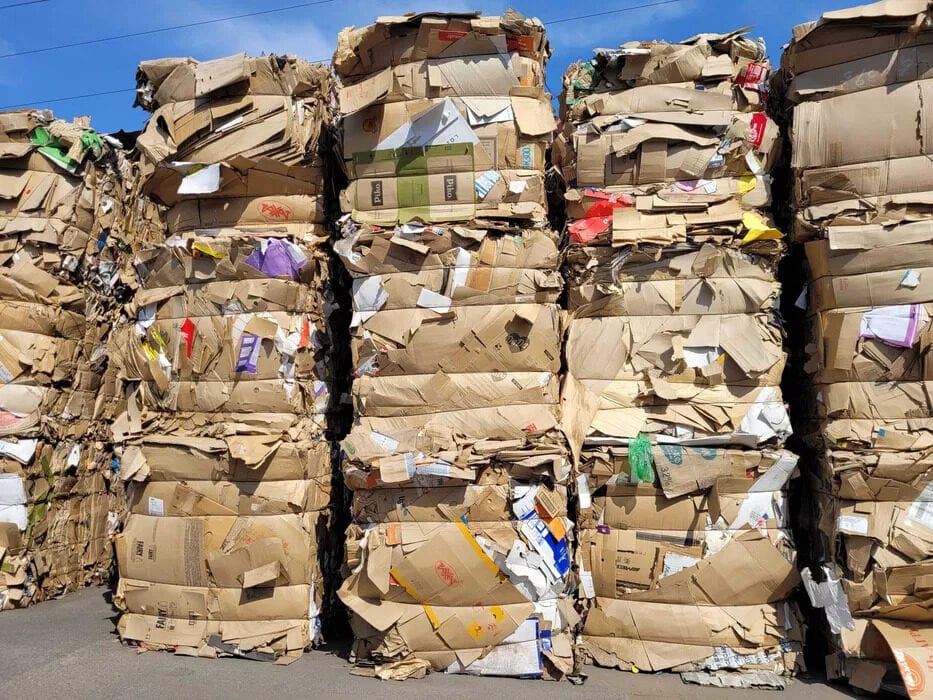
Paper and cardboard
Drying of pulp and recovered paper in secondary recycling.
Suitable dryers: Errepi NF (belt)
Features of drying industrial waste and recyclables
Industrial waste is material that is inhomogeneous in composition and moisture: from flowing sludge to the light RDF fraction and washed plastic. Drying addresses the tasks of reducing weight, raising calorific value and preparing the raw material for recycling.
- Moisture: reduction to a level at which the waste is stable and the fuel has the required calorific value.
- Particle size and composition: heterogeneity, the presence of impurities and light and sticky inclusions are taken into account.
- Energy recovery: for RDF/SRF/CDR, raising the calorific value through moisture removal is important.
- Ecology: cleaning the exhaust air from dust, odour and volatile substances.
- Purpose: alternative fuel, stabilised sludge, recyclables prepared for processing.
- Dryer types: for sludge and the wet fraction, drum and belt dryers are most common; for light and free-flowing materials - belt and vibrating fluidised-bed dryers.
- Input data for selection: waste type, initial and target moisture, particle size, throughput, further purpose and environmental requirements.
Frequently asked questions
Which industrial wastes can be dried?
Sludge and silt, RDF/SRF/CDR, the wet fraction of municipal solid waste (FORSU), washed plastic and polymers, leather waste, paper and cardboard.
Which dryers are used for RDF and the wet waste fraction?
For the wet fraction and sludge, drum and belt dryers are most common; for light free-flowing materials - belt and vibrating fluidised-bed dryers.
Why are sludge and silt dried?
Drying reduces the moisture and volume of sludge, lowers the cost of removal and disposal, stabilises the material and prepares it for utilisation or use as fuel.
Why dry RDF/SRF before combustion?
Moisture removal increases the calorific value of alternative fuel and makes its combustion more stable and efficient.
Can plastic and recyclables be dried before processing?
Yes. Washed plastic, polymers, paper and cardboard are dried to the required residual moisture before pelletising or reprocessing.
What is taken into account when selecting equipment?
The type and composition of the waste, initial and target moisture, particle size, the required throughput, the further purpose and the environmental requirements.
Contact Us
If you are interested in purchasing any of our products, need a price quotation, or have any questions, comments, or suggestions, please do not hesitate to contact us via our contact form, by phone, or by email.
- WhatsApp: +90 (536) 452-1184
- E-mail: write to us
Our phones:
- Kazakhstan: +7 (747) 095-1626
- Moldova: +373 (22) 011-214
- Romania: +40 (31) 229-8484
- Türkiye: +90 (536) 452-1184 (English)
- Ukraine: +380 (67) 111-6668