
Drying Leather Waste: Temperature, Chromium, Odour, and Industrial Safety
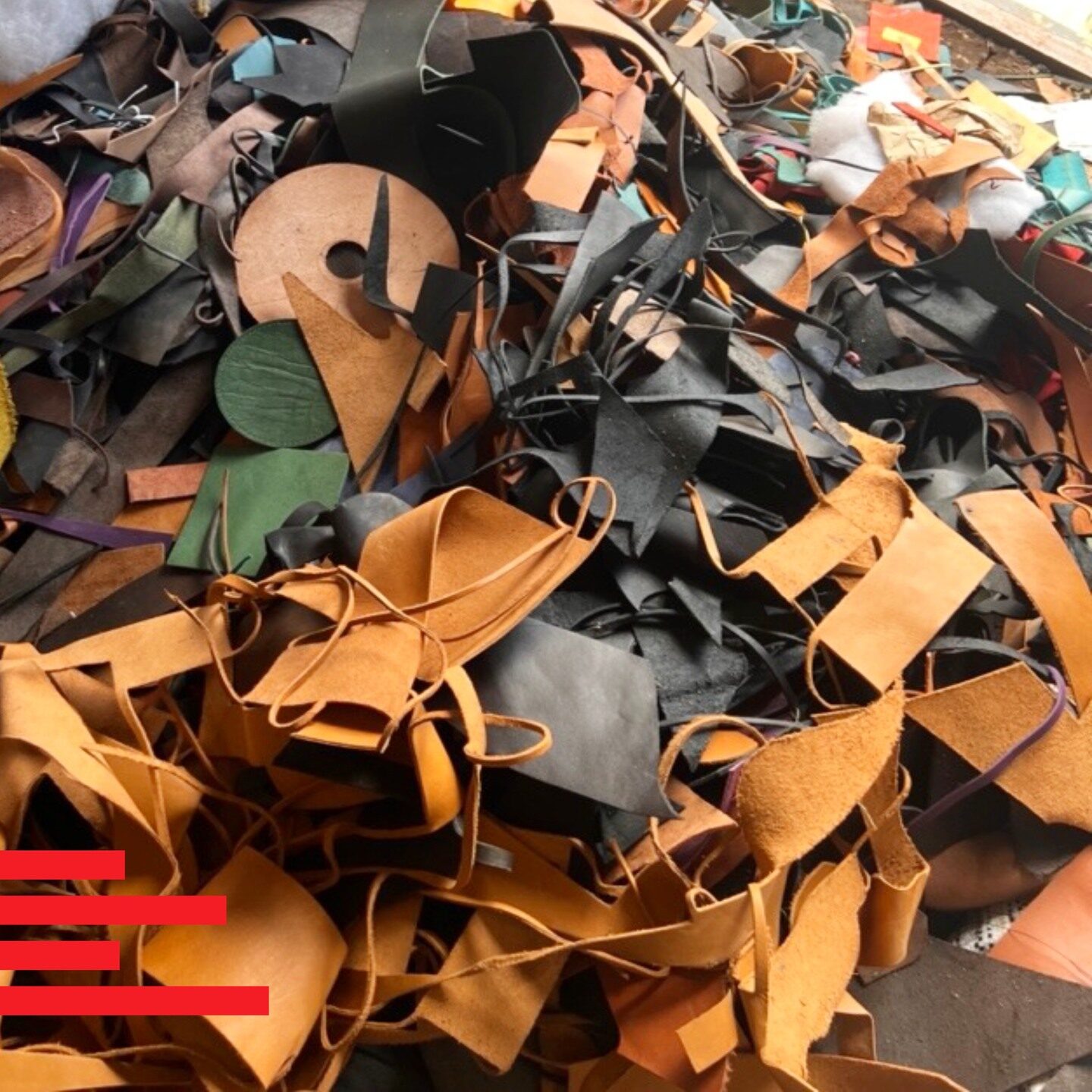
Leather waste from tannery operations is not just wet organic material that needs to be dried quickly. A single waste stream may contain chrome shavings, trimmings, split leather, fleshing, buffing dust, and finished leather offcuts. Each material has its own moisture content, odour, particle size distribution, and hazard classification.
The key difference between leather waste and wood chips, grass, or ordinary biomass is chrome tanning. If the waste contains trivalent chromium compounds, improper heating may increase the risk of hexavalent chromium Cr(VI) formation. This is why drying leather waste is not about maximum temperature or speed at any cost — what matters is a controlled industrial process: moderate heat, uniform drying, aspiration, odour filtration, and dust management.
For these tasks, belt and drum industrial dryers with temperature and airflow control are used. In our product range, the primary solution for the leather industry is the Scolari T belt dryer; for particularly heavy or sticky streams, a paddle-equipped series may be considered, but only after a material analysis.
Quick answer
Leather waste is dried in an industrial belt or drum dryer at moderate temperature, with mandatory odour, dust, and waste-class control. For chrome-tanned leather it is especially important not to overheat the material: at sustained heating around 80 °C and above, studies record an increased risk of Cr(VI) formation, and above the collagen thermal stability range the leather loses value as a raw material for collagen, gelatine, hydrolysates, or bonded leather board.
| Dryer requirement | Why it matters |
|---|---|
| Moderate and controlled heating | reduces risk of Cr(VI) formation and collagen denaturation |
| Uniform drying | stable final moisture content, no wet zones or residual odour |
| Aspiration and cyclones | removal of fine dust, reduced fire and contamination risk |
| Odour filtration | H₂S, ammonia, and organic odours from raw protein material |
| Fire safety | leather buffing dust is fine-grained and combustible |
| Hazardous waste handling | chrome-containing leather waste requires controlled processing |
In brief: the drying regime is selected not only by moisture content but also by the intended use of the dried product (disposal, fuel, collagen, fertiliser, bonded leather board). The baseline equipment is Scolari T belt dryers with temperature control, aspiration, and filtration; for heavy or sticky streams — the paddle series, subject to engineering assessment. High-temperature drums are not used as the primary option.
Finpro Engineering dryers for leather waste
For leather waste we use an industrial dryer lineup. The primary option is the Scolari T belt dryer: the manufacturer explicitly lists it for the leather industry (working air 45–140 °C, cyclones, multiple heat sources, fire safety options). For heavy, sticky, or poorly-mixing streams, the Scolari A / A CKR paddle series is considered on an engineering-assessment basis — by analogy with industrial sludge. As additional belt solutions by analogy, Errepi DX drum dryers and Alvan Blanch CD belt dryers may be considered; direct confirmation for leather is verified separately. Alvan Blanch CD belt dryers can be fitted with turners as required, the number depending on the product. The regime is always selected based on tanning type, moisture content, bed depth, particle size, and intended use of the dried product — we do not promise a "one-size-fits-all regime for all leather waste".
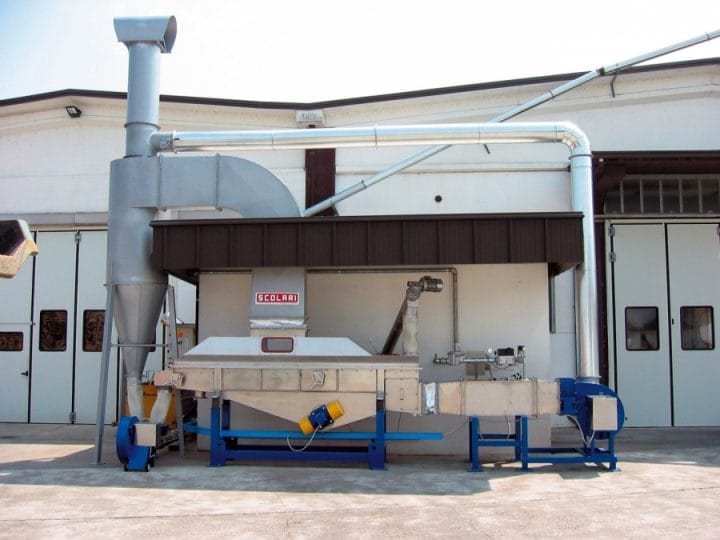
Scolari Vibratory Dryers
Italian Scolari vibratory dryers create an artificial boiling layer of the material being dried, which allows it to be blown through from all sides and effectively remove surface moisture. Suitable for processing materials with surface moisture, granulated products, or flowing powders.
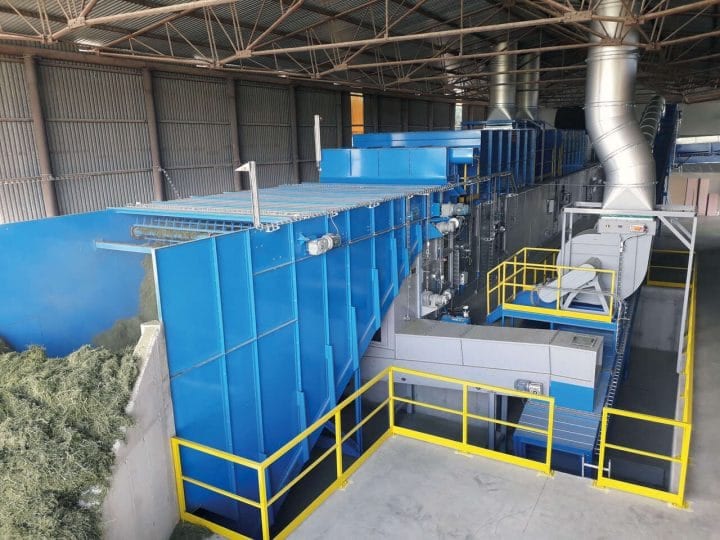
Scolari Dryer With Movable Conveyor Belt
Horizontal dryers feature perforated steel or plastic movable floors designed for drying various materials. Airflow can be configured from top to bottom or vice versa.
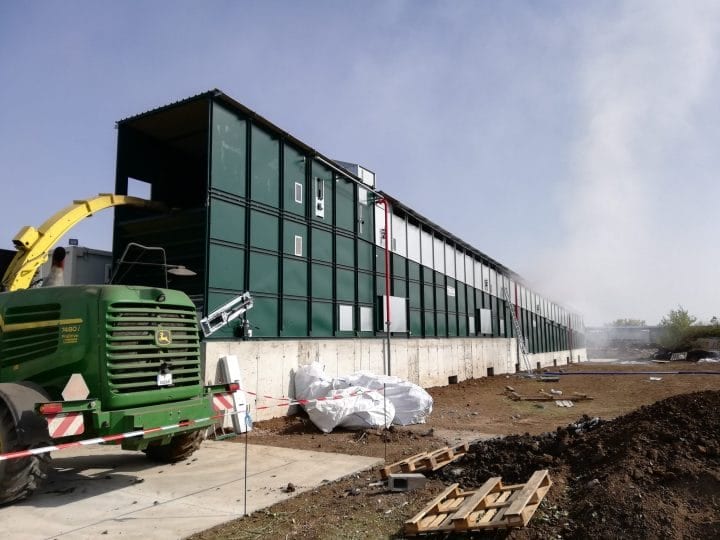
Alvan Blanch Conveyor Dryer
British universal conveyor dryers for non-grain agricultural and industrial products. Thanks to their horizontal design, built-in distribution and stirring systems, they are capable of drying a wide range of materials.
What counts as leather waste
This article deals specifically with tannery production waste, not domestic leather, garments, or goods repair. Leather waste includes:
- chrome shavings (wet-blue);
- trimmings after tanning;
- tanned split leather;
- buffing dust;
- fleshing and raw trimmings;
- finished leather offcuts after cutting;
- mixed leather residues containing coatings, dyes, and fat-liquoring agents.
The most challenging stream is chrome shavings and trimmings. This is a high-volume waste containing chromium and subject to enhanced environmental controls. It defines the core logic of this article: drying must be carried out carefully, avoiding overheating and uncontrolled dust generation.
Why "leather" alone is not a sufficient description
Leather waste varies considerably. Untanned trimmings and fleshing generate more odour and biological decomposition. Chrome shavings carry Cr(VI) risk. Buffing dust is hazardous due to its fine particle size and combustibility. Finished leather offcuts may contain coatings, dyes, and polymer layers. This is why the waste type — not just the name — must be established before selecting a dryer.
Why leather waste is dried
Drying leather waste is not only about reducing mass. In the leather industry it is often a preparation stage for further processing, and the permissible temperature varies with the objective. If the waste is being prepared solely for thermal disposal, the requirements are one thing. If collagen is to be preserved or a higher-value secondary raw material obtained, overheating is unacceptable. Expand the cards below.
Three factors that govern the drying regime
For leather waste, temperature is not chosen on the principle of "higher means faster". The regime is constrained by three simultaneous factors.
Chromium: Cr(III) → Cr(VI)
In chrome-tanned leather, chromium exists in its trivalent form Cr(III). Under adverse conditions — high temperature and prolonged exposure — a portion may convert to toxic hexavalent Cr(VI). This is the primary risk associated with chrome shavings.
Collagen
Leather is a collagen-based material. Collagen is valuable only while it retains its technical properties. The shrinkage temperature of chrome-tanned leather is generally higher than that of untanned hide (approximately 85–100 °C and above), but operating close to this upper limit is unnecessary: overheating reduces raw material value.
Odour and dust
Raw trimmings and fleshing generate H₂S, ammonia, and organic odours. Leather buffing dust is fine-grained and combustible. The dryer must therefore form a closed industrial loop with extraction, aspiration, and filtration — not an open hot belt.
The primary risk: Cr(III) → Cr(VI)
Most industrial leather worldwide is produced using chrome tanning. In normal chrome-tanned leather, chromium is present predominantly in its trivalent form Cr(III). The problem is that under adverse conditions a proportion of Cr(III) can convert to Cr(VI) — the toxic and carcinogenic form. For finished leather in contact with human skin, the EU has set a limit of 3 mg/kg. Even when dealing with waste rather than finished goods, this fact illustrates why chrome-containing material cannot be dried without temperature and process-chemistry control.
Cr(VI) formation is influenced by temperature, heating duration, oxygen, ultraviolet light, fat-liquoring agents, pH, and the presence of antioxidants and vegetable tannins.
A note on figures: it is incorrect to state that "at 80 °C chromium instantly becomes hexavalent". The accurate formulation is: the risk of Cr(VI) formation increases at high temperature and prolonged exposure; studies typically use accelerated ageing conditions of approximately 80 °C for 24 hours. For industrial drying this means: the regime must be controlled, without overheating, without dead zones, and without prolonged residence of material in the hot zone.
Cr(VI) explained in plain terms
Cr(III) is the normal form of chromium in chrome-tanned leather. Cr(VI) is the undesirable, toxic form. Drying must not create conditions under which Cr(III) oxidises more readily to Cr(VI). For chrome shavings this means: moderate temperature, short residence time, a uniform bed, no local hot spots, and controlled airflow.
Drying temperature: how to speak professionally
Leather waste has no single universal drying temperature. Open sources and equipment manufacturers provide a decision framework, not a ready recipe for any given shaving type.
| Parameter | Practical significance |
|---|---|
| 45–140 °C | working air range for Scolari T belt dryers; actual regime depends on material |
| approx. 80 °C × 24 h | typical accelerated-ageing condition in Cr(VI) studies; not an "instant threshold" but a risk indicator |
| 85–100 °C+ | collagen thermal stability / shrinkage zone for chrome-tanned leather; above this range, property loss risk increases |
| 150 °C+ | no longer ordinary drying — chemical/thermal conversion |
| 400–800 °C | pyrolysis/thermo-conversion, not drying |
Important: for a public-facing assessment, it is better not to commit to a precise regime without waste analysis. The reliable formulation is: for chrome-containing leather waste we select a moderately low-temperature regime, control air and material temperature, prevent local overheating, and ensure aspiration and exhaust-air treatment.
Odour, dust, and fire
Wet leather waste has an odour not because "leather inherently smells" but because protein decomposition and residual chemical-treatment reactions are occurring in the material. Raw trimmings, fleshing, and poorly stored wet streams may produce ammonia, hydrogen sulphide H₂S, organic amines, acid and putrid odours, and aerosols and vapours from coatings on finished leather. H₂S is significant not only for its odour: it is a toxic and flammable gas.
A separate risk is leather buffing dust: a fine collagen powder containing chromium, fats, pigments, and chemical residues. Studies of tannery dust show that a significant proportion of particles may be below 5 µm. This fraction poses hazards for breathing, filters, aspiration systems, and fire safety: dust generation during loading/unloading, dust accumulation in ducts and cyclones, local hot spots, sparks, overheating, and fires in dust layers or filters are all credible risks. Cyclones, filters, aspiration, temperature control, and in some cases fire suppression and explosion-proof components are therefore required for leather dust and mixed streams.
Choosing the right technology for each stream
Leather waste is heterogeneous, and each stream has its own logic. Below is a reference guide: material type, primary risk, and preferred approach.
| Material | Primary risk | Preferred approach |
|---|---|---|
| Chrome shavings (wet-blue) | Cr(VI), chromium, moisture | belt dryer at moderate temperature, t° control, aspiration |
| Finished leather offcuts | coatings, VOCs, dust | closed industrial loop, air filtration |
| Fleshing / raw trimmings | odour, H₂S/NH₃, putrefaction | rapid stabilisation, extraction, deodorisation |
| Buffing dust | fine combustible dust | aspiration, filters, fire and dust protection |
| Mixed leather waste | heterogeneity | composition analysis, trial drying, stream separation |
What does not qualify as a baseline recommendation: high-temperature drum dryers, open hot dryers without aspiration, solutions without odour control, without dust collection, and without fire logic for fine buffing dust.
What is needed for dryer sizing
The following information must be obtained before sizing:
- waste type: chrome shavings, trimmings, split leather, fleshing, dust, finished leather;
- tanning type: chrome, vegetable, combination, unknown;
- initial moisture content;
- required final moisture content;
- throughput, kg/h or t/day;
- drying objective: disposal, incineration, collagen, fertiliser, bonded leather board, RDF/SRF;
- particle size distribution and dust propensity;
- presence of odour;
- heat source: gas, steam, hot water, thermal oil, waste heat;
- emission, odour, and filtration requirements;
- local waste classification and environmental constraints.
Based on this data we select the drying configuration — belt, drum, or paddle — and a safe regime matched to your specific leather waste stream.
Sources and primary materials
View source list
Below are the key references on Cr(VI) chemistry, leather dust, odour, and industrial drying of leather waste (external links open in a new tab):
- Leather International — How to avoid Cr(VI) formation in leathers (Cr(III)→Cr(VI) mechanism, influence of heat, UV, and fat-liquoring agents);
- IULTCS — Study on Chromium VI formation in leather after ageing (tests at 40/60/80 °C, 24-hour exposure);
- Hedberg et al., Journal of Leather Science and Engineering — review on Cr(VI) in leather (Cr(VI) chemistry, effect of heating at 80 °C × 24 h, test limitations);
- Parisi et al. — Recycling of Chrome-Tanned Leather (composition of leather waste, volumes of shavings/fleshing/dust, valorisation and energy potential);
- SATRA — update on Chromium VI restrictions / REACH (3 mg/kg Cr(VI) limit for leather in contact with human skin);
- Scolari — T series belt dryers (reference to leather industry, 45–140 °C range, cyclones, heat sources, fire safety options);
- Finpro Engineering — internal materials on leather waste drying: Scolari T belt dryers, Scolari paddle dryers, Errepi DX drum dryers, and Alvan Blanch CD belt dryers as analogy-based solutions.
Frequently asked questions about drying leather waste
Why can't leather waste simply be dried at high temperature?
Because chrome-containing leather is sensitive to overheating. At high temperature and prolonged exposure, the risk of Cr(VI) formation increases and collagen may lose its technical value. In addition, leather dust and odour require industrial aspiration and filtration.
What is Cr(VI) and why does it matter?
Cr(VI) is hexavalent chromium, the toxic and carcinogenic form. In chrome-tanned leather, chromium is primarily in the Cr(III) form, but under adverse conditions a portion can oxidise to Cr(VI). This is why drying chrome shavings requires control of temperature, time, and airflow.
At what temperature is leather waste dried?
There is no single temperature. The Scolari T has a wide working air range — up to 140 °C — but for chrome-containing waste the regime is typically selected in the moderate zone and verified against the material. Quoting a "standard leather temperature" without an engineering assessment is not appropriate.
What makes leather buffing dust hazardous?
It is fine-grained and may contain chromium, fats, pigments, and an organic fraction. Such dust requires aspiration, filters, and fire-safety logic, especially when dried to low moisture content.
How is odour managed when drying leather waste?
A closed or semi-closed system with extraction and filtration is required. For streams containing fleshing and raw trimmings, rapid stabilisation is important because protein material decomposes quickly and generates H₂S, ammonia, and organic odours.
How does chrome-tanned leather differ from vegetable-tanned leather in drying?
Chrome-tanned leather carries Cr(VI) risk. Vegetable-tanned leather has no chromium-related risk, but odour, dust, organic thermal degradation, and downstream processing requirements remain.
Need to dry leather waste from tannery production?
Tell us about your waste type (chrome shavings, trimmings, split leather, fleshing, buffing dust, finished leather), tanning type, initial and required final moisture content, throughput, drying objective (disposal, incineration, collagen, fertiliser, bonded leather board), and available heat source. Describe the particle size, odour, and emission requirements — we will help determine which drying configuration is right: belt, drum, or paddle, on gas, steam, hot water, or waste heat. Contact us in any convenient way.
Still have questions? Get in touch!
By phone
WhatsApp: +90 (536) 452-1184By e-mail
Our address: info@finpro.engineering
Related products
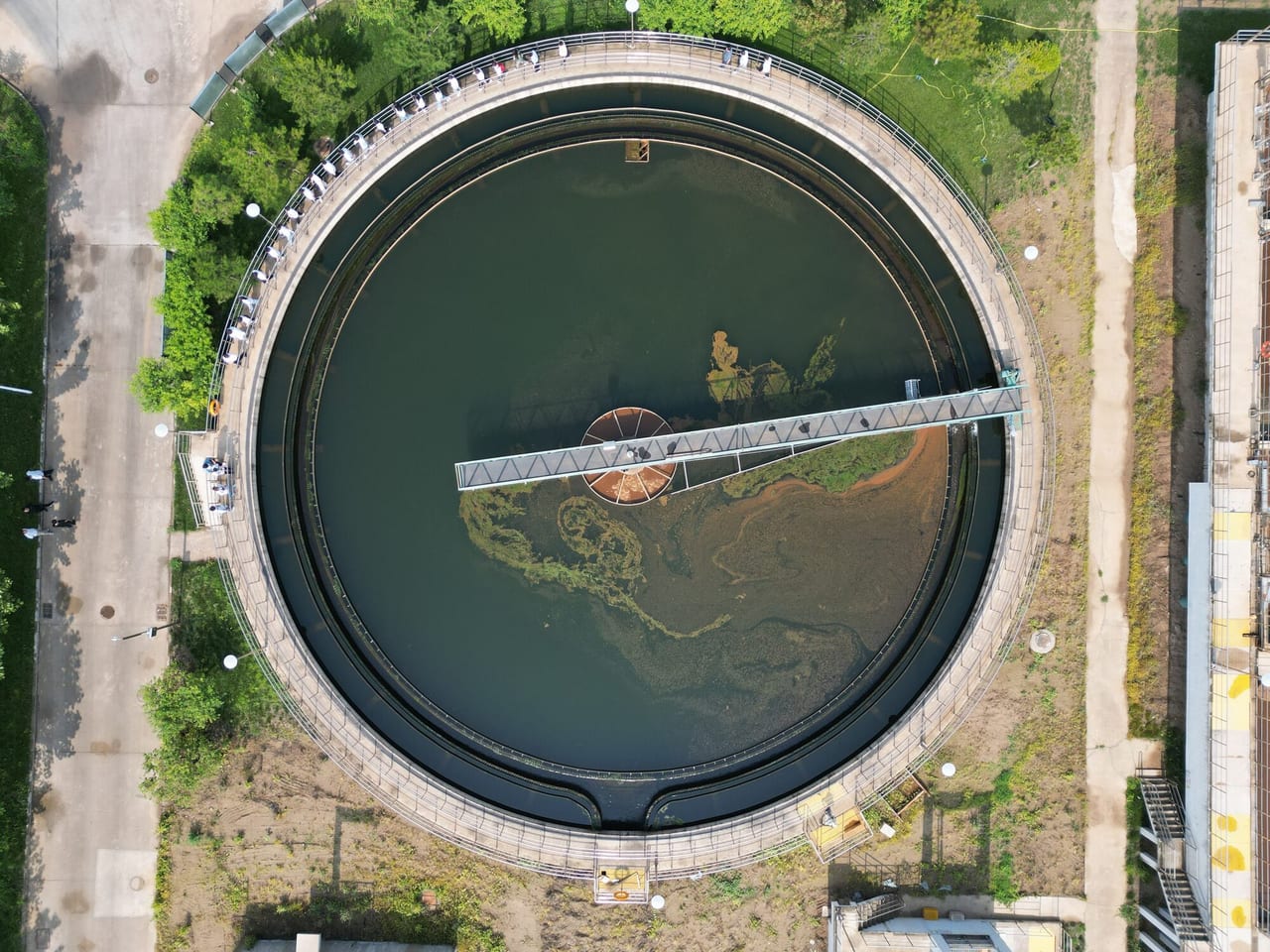
Sludge / silt
Drying of municipal and industrial sludge (sewage / industrial sludge) for volume reduction and disposal.
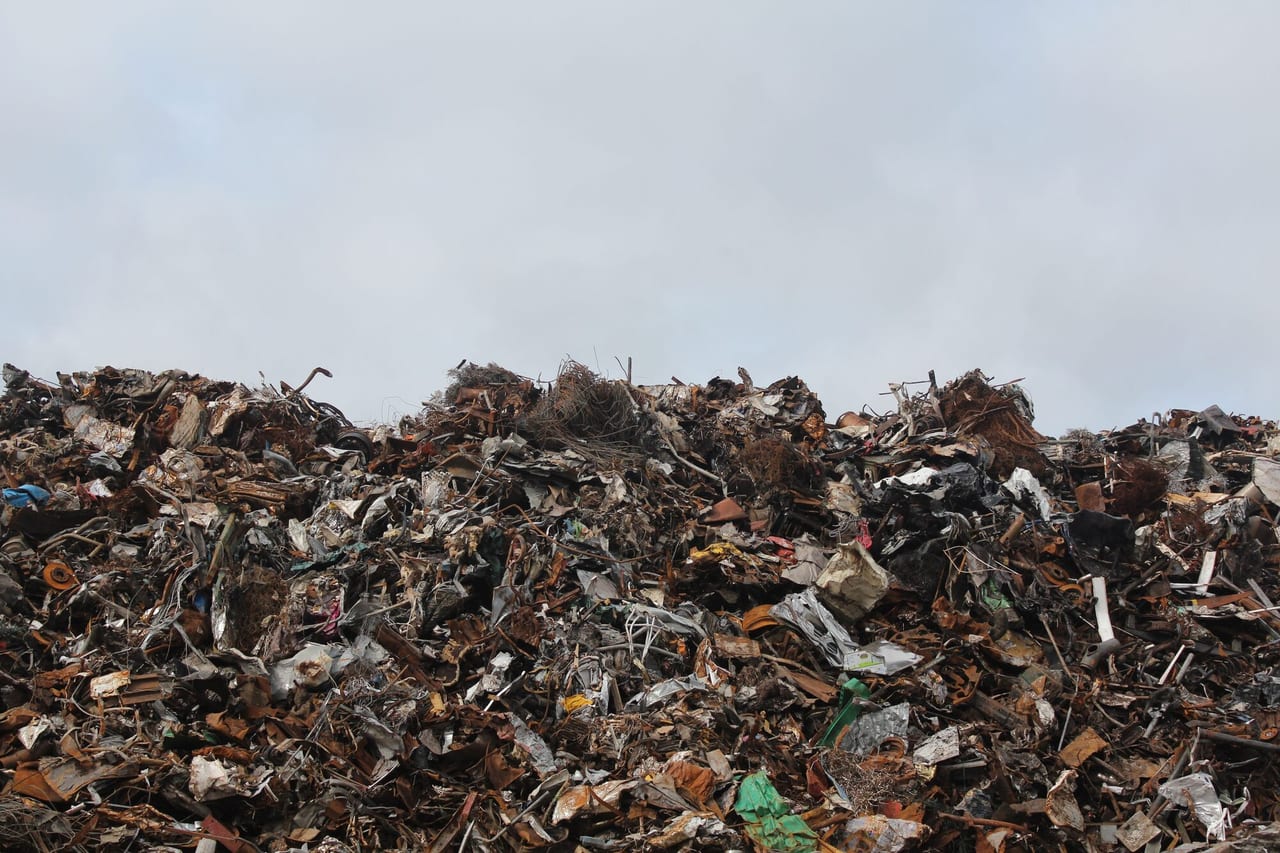
RDF / SRF / CDR
Preparing fuel from waste: drying increases the calorific value and stability of RDF/SRF.
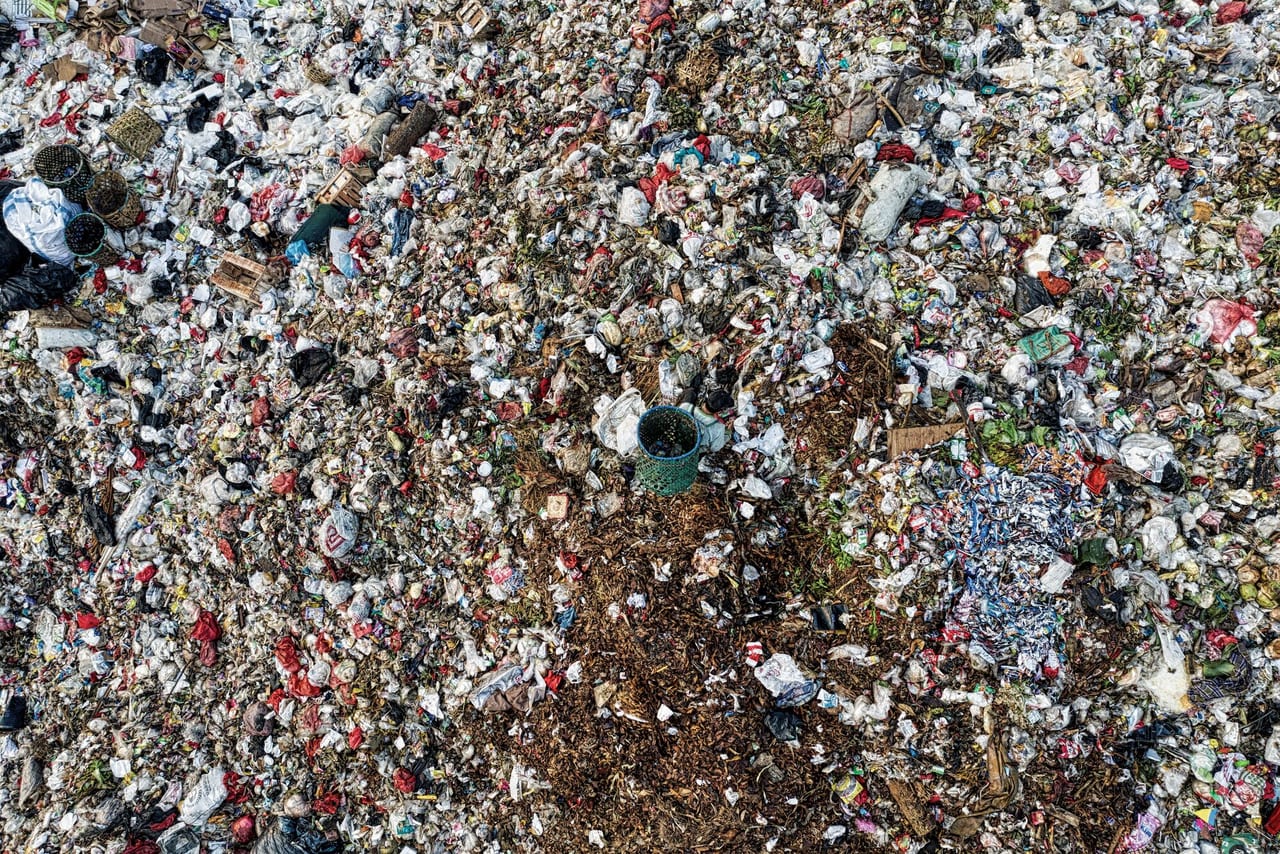
MSW and the wet fraction (FORSU)
Municipal waste and the wet organic fraction (FORSU/OFMSW): drying for RDF fuel, volume reduction and stabilisation.
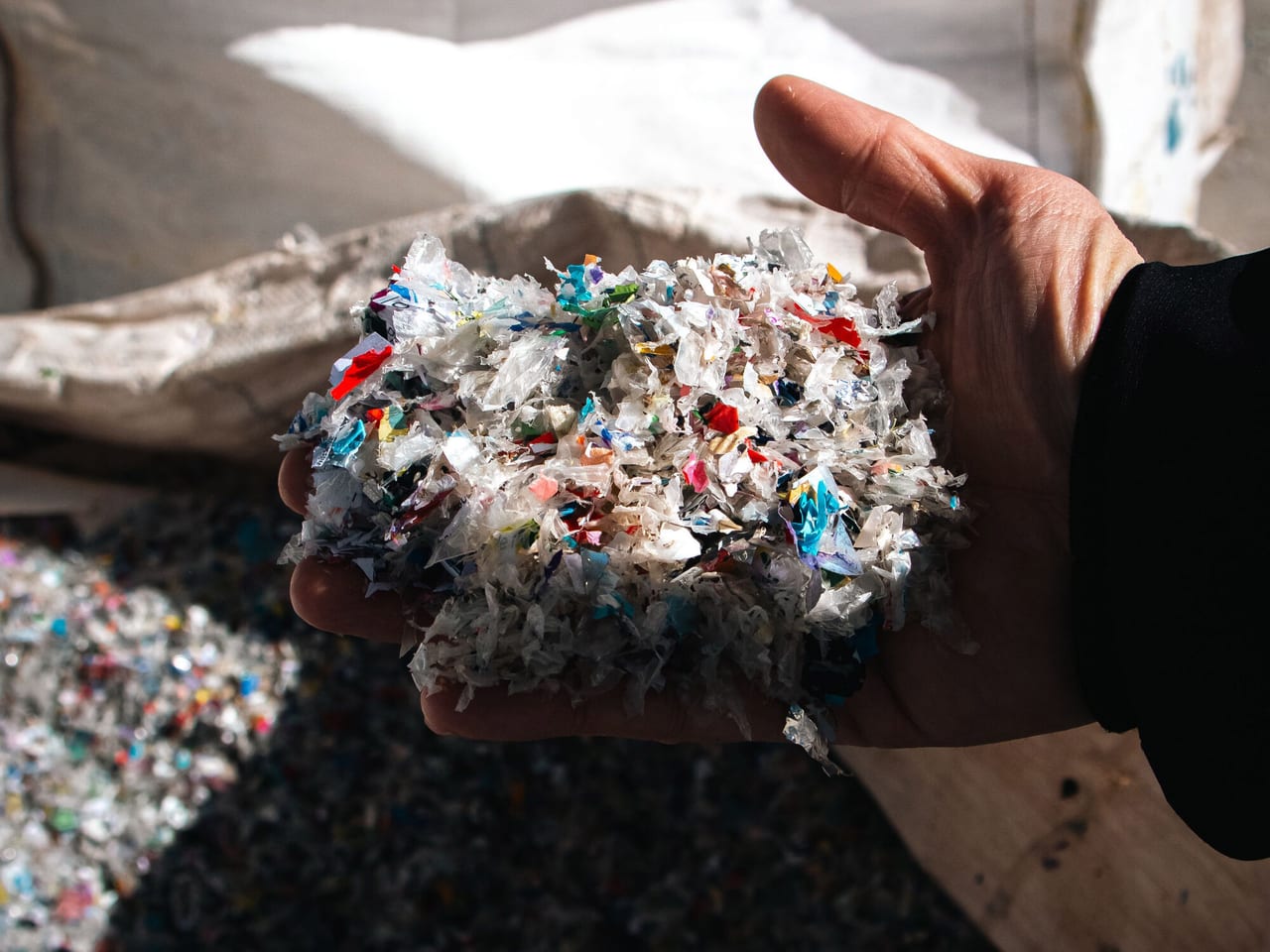
Plastic, polymers, resins (after washing)
Drying of crushed/washed plastic and polymers (PET, HDPE, polyethylene, polymers, resins) on recycling lines; flakes - fluidised bed.
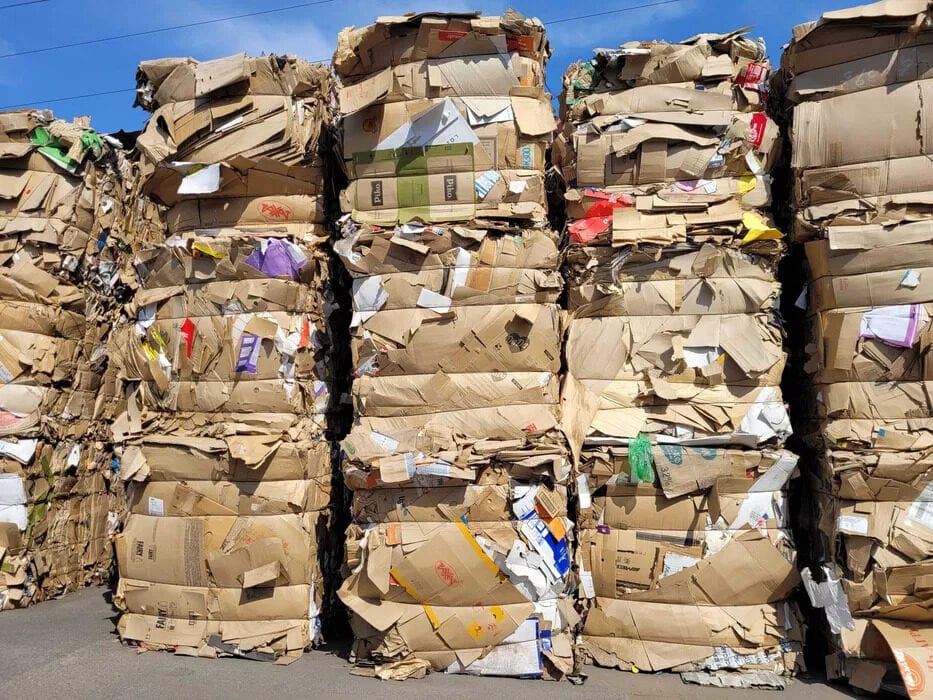
Our Products
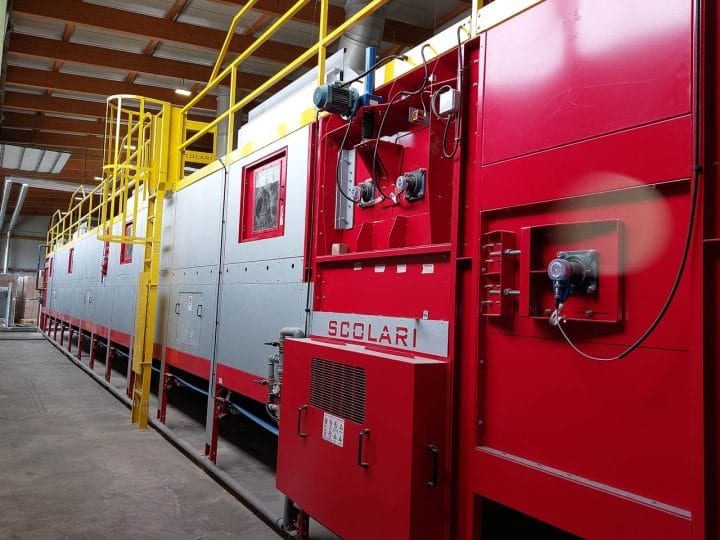
Universal Dryers
These dryers can be customized to dry any industrial or agricultural product you may require. Depending on the specific product and its moisture content, the dryers can be equipped with mixers, movable floors, vibrating floors, and other advanced technologies.
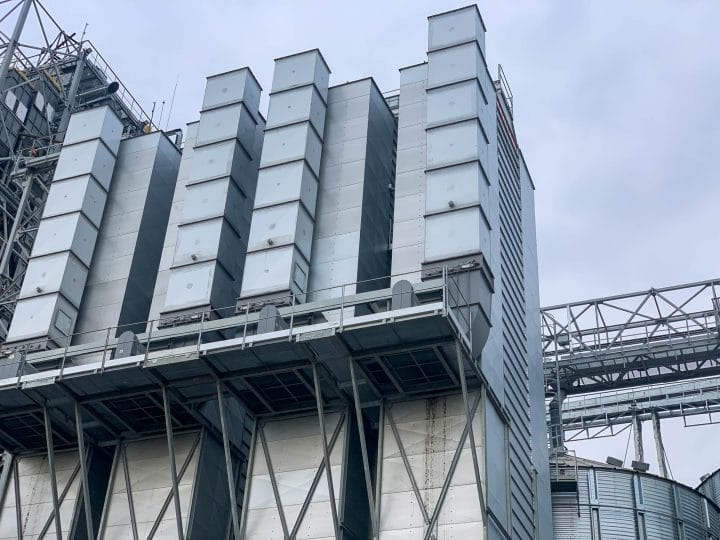
Grain Dryers
Authorized representative for top European grain dryer manufacturers like Alvan Blanch, FAO, and Agrex. Offering a full range of advanced drying solutions for agriculture.
Contact Us
If you are interested in purchasing any of our products, need a price quotation, or have any questions, comments, or suggestions, please do not hesitate to contact us via our contact form, by phone, or by email.
- WhatsApp: +90 (536) 452-1184
- E-mail: write to us
Our phones:
- Kazakhstan: +7 (747) 095-1626
- Moldova: +373 (22) 011-214
- Romania: +40 (31) 229-8484
- Türkiye: +90 (536) 452-1184 (English)
- Ukraine: +380 (67) 111-6668