
Drying Paper, Board and Recovered-Paper Sludge
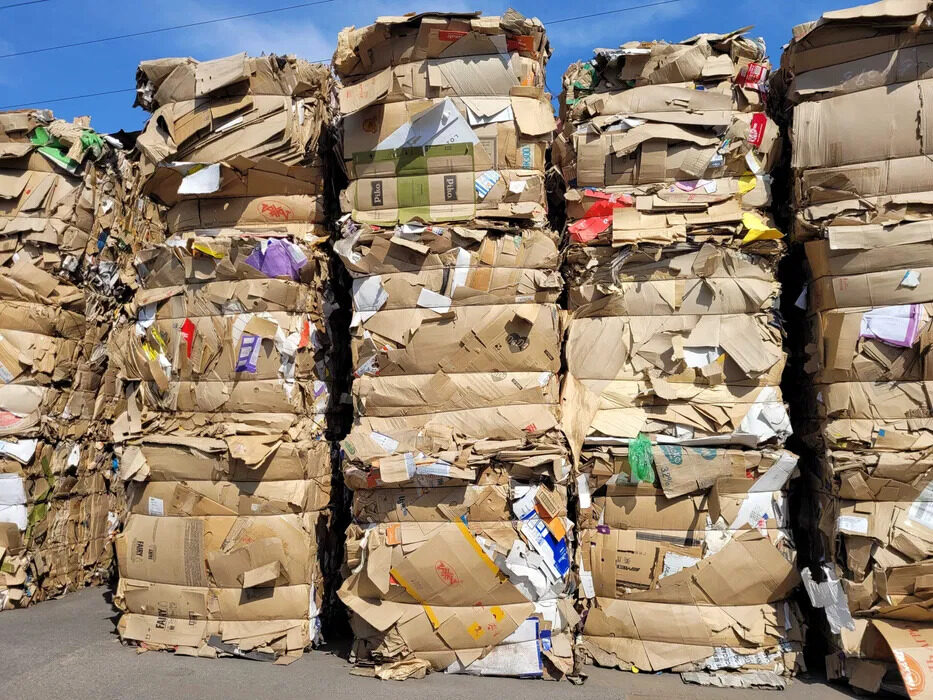
Drying paper and cardboard is a topic where the very first question is easy to get wrong. When it comes to collected recovered paper, it is typically not dried: recovered paper is sorted, cleaned and repulped in water. In other words, the paper first returns to a fibrous pulp state, and only then is new sheet, board or market pulp made from that fibre.
In industry, "drying paper and cardboard" can therefore refer to three distinct tasks: drying the paper web on the paper machine; drying market pulp or secondary fibre into bales; and drying paper-recycling process waste — sludge, deinking sludge and pulper rejects.
For us the most practical scenario is the third: drying pulp and paper mill sludge, paper/board RDF fraction and pulper rejects on low-temperature belt conveyour dryers. This drying reduces waste mass, raises calorific value and enables energy recovery.
Quick Answer
Recovered paper, as collected secondary raw material, is not normally dried: it is sorted, cleaned and pulped in a pulper. Drying in the paper industry starts further down the line — on the paper machine, where steam cylinders remove water from the web, and during waste treatment: pulp mill sludge, deinking sludge, pulper rejects and the paper/board RDF fraction.
In short: our primary practical focus is not selling paper machines, but matching heat and drying solutions for paper and board processing waste: belt dryers, waste-heat operation, sludge and RDF preparation for combustion or recovery.
Equipment for Pulp Mill Sludge, Paper/Board RDF Fraction and Paper-Recycling Waste
We do not sell paper machines, and we do not offer a "recovered-paper dryer" — that would be technically incorrect. Our range covers paper and board processing waste. The primary solutions are low-temperature belt conveyour dryers Scolari T / 1T-TP (working air 45–140 °C, waste-heat operation): they are suitable for RDF/CDR/SRF and paper/board as an RDF fraction. For mixed streams — belt dryers Alvan Blanch CD. Alvan Blanch CD belt dryers are fitted with turners as required, the number depending on the product. For heavy and sticky pulp mill sludges we consider belt dryers Scolari 2T-F and dryers Scolari A / A CKR with a turner. For wetter and denser sludge streams — Errepi DX drum dryers. A separate commercial bridge for pulp and paper mills is heat generation and cogeneration: the mill consumes large amounts of heat, and low-temperature dryers for residues can run on its waste heat.
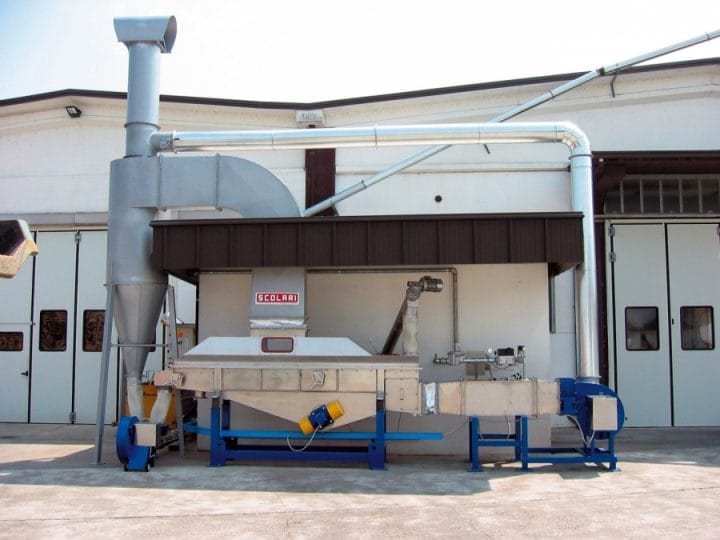
Scolari Vibratory Dryers
Italian Scolari vibratory dryers create an artificial boiling layer of the material being dried, which allows it to be blown through from all sides and effectively remove surface moisture. Suitable for processing materials with surface moisture, granulated products, or flowing powders.
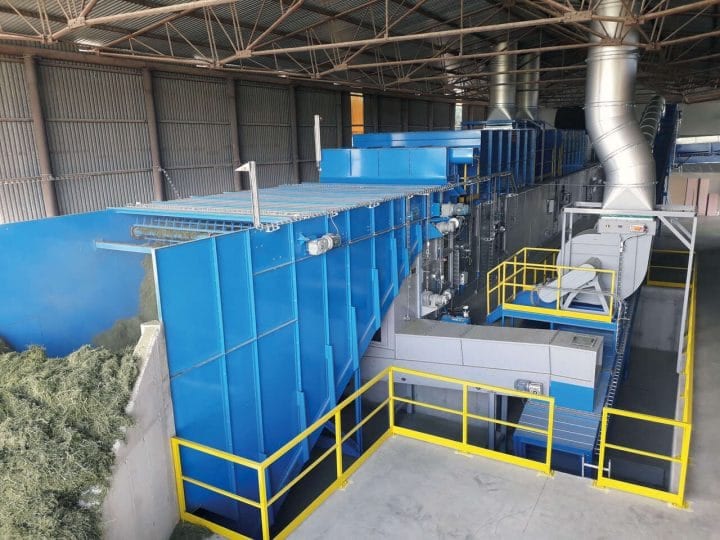
Scolari Dryer With Movable Conveyor Belt
Horizontal dryers feature perforated steel or plastic movable floors designed for drying various materials. Airflow can be configured from top to bottom or vice versa.
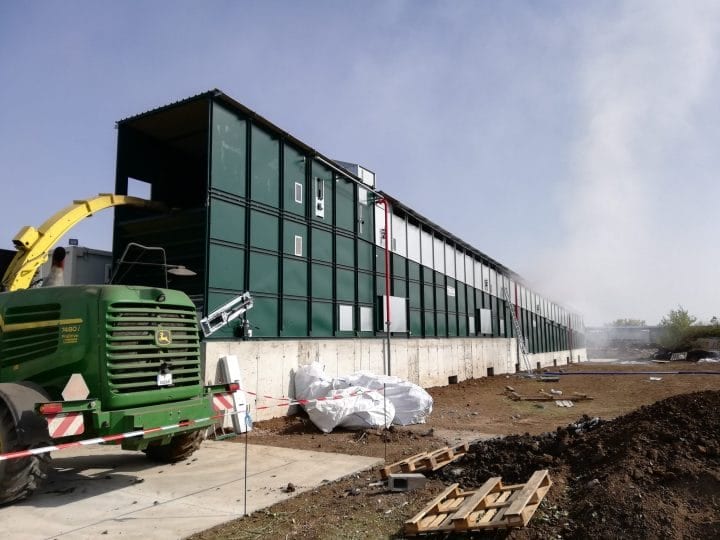
Alvan Blanch Conveyor Dryer
British universal conveyor dryers for non-grain agricultural and industrial products. Thanks to their horizontal design, built-in distribution and stirring systems, they are capable of drying a wide range of materials.
What Is Actually Dried in the Paper Industry
To avoid mixing different processes into one, it is useful to map the streams from the outset: what is dried, what is not dried, and with what equipment.
| Stream | Dried? | Process | Equipment |
|---|---|---|---|
| Recovered paper | No | repulping in water, cleaning, deinking | pulper, cleaning (not a dryer) |
| Paper/board on the paper machine | Yes | web drying after the press section | steam drying cylinders (context) |
| Market pulp / secondary fibre | Yes | drying into bales | flash / airborne (context) |
| Pulp mill sludge / deinking sludge | Yes | dewatering + post-drying | Scolari 2T-F, Alvan Blanch CD, Errepi DX |
| Pulper rejects / paper-RDF | Yes | fuel preparation | Scolari T/1T-TP, Alvan Blanch CD, Errepi DX |
| Board packaging before RDF | Sometimes | shredding, sorting, post-drying | shredders + dryer |
Why Recovered Paper Is Not Dried Before Processing
To recover new fibre from recovered paper, it is not dried but instead mixed with water in a pulper. The pulper breaks the paper sheet down into fibres, after which the pulp is cleaned to remove plastics, metals, adhesives, inks, fillers and other contaminants. Only then does the fibre re-enter the papermaking process.
Important: the phrase "drying recovered paper" is imprecise in itself. It is more accurate to speak of: drying paper/board as a product on the paper machine; drying secondary fibre or market pulp; and drying sludge and paper-recycling process waste.
Drying Paper on the Paper Machine
On the paper machine, water is removed in stages. The web enters the drying section already partially dewatered, but still retaining a large amount of moisture.
Wire Section
The web is formed from an aqueous fibre suspension, and most of the free water drains through the wire.
Press Section
The web is mechanically pressed. The better the press section performs, the less water remains for the costly thermal drying stage.
Drying Section
A series of steam drying cylinders brings the web to its final dryness. For tissue grades, dedicated configurations are used — TAD and the Yankee cylinder.
It is important to understand: this is not the type of equipment we offer as a waste dryer — it is part of the paper machine. However, this section explains why the paper industry is so sensitive to the cost of steam, heat recovery and cogeneration.
Why Drying Is So Energetically Critical in the Paper Industry
Drying is one of the most energy-intensive stages of paper and board production. Evaporating water from the web accounts for the largest share of the mill's thermal energy consumption. Even a modest improvement in pressing, heat recovery or steam management therefore yields significant savings. For a pulp and paper mill this means two practical things: the heat source and its cost are critically important, and any secondary heat stream — steam, hot water, flue gas, cogeneration heat — has value.
Where our commercial bridge lies: we can be most useful not as a supplier of paper machines, but as a supplier of heat generation, cogeneration and drying solutions for paper-production waste — where waste heat would otherwise be discharged to atmosphere.
Three Tasks Hidden Behind "Paper Drying"
A single phrase conceals three distinct engineering tasks, each requiring different equipment. Expand the cards below.
Drying Pulp Mill Sludge and Deinking Sludge
Paper recycling generates sludges: fine fibre, fillers, inks, mineral components, chemical additives, organic and inorganic matter. These streams are particularly abundant during deinking — the removal of printing ink from secondary fibre.
Drying liquid sludge directly is not economical. It is first mechanically dewatered using presses, filters, centrifuges or other equipment, and only then post-dried. The purpose of sludge drying is to reduce mass and volume, raise calorific value, prepare for combustion or RDF, cut transport and disposal costs, and stabilise the stream for further recovery.
Low-temperature belt dryers are suited to these tasks (and drum dryers for wetter streams). They can operate on waste heat, steam, hot water or flue gas, which is particularly attractive for pulp and paper mills.
Pulper Rejects and Paper/Board as an RDF Fraction
During repulping of recovered paper, part of the material does not become quality fibre. Pulper rejects contain plastics, films, wood, adhesives, contaminated fibres, packaging fragments and other impurities. This stream can be a disposal problem, but it can equally become a component of RDF/SRF.
Paper and board within RDF raise the fuel's calorific value, but moisture hinders stable combustion. The paper/board RDF fraction therefore often needs to be partially dried. This is done not with paper-machine drying cylinders but with industrial waste dryers: belt dryers, drum dryers and others. Their task is not to produce a smooth sheet of paper, but to bring the stream to the required moisture content for fuel, storage or transport.
Temperatures and Moisture Content: Do Not Confuse the Processes
Paper and board have no single universal drying regime. Everything depends on the stream, and the temperatures of different processes cannot be placed in the same bracket.
| Stream | Process logic | Heat reference |
|---|---|---|
| Paper web on the paper machine | contact with steam cylinders | steam pressure and temperature, not "air temperature" |
| Tissue | TAD, Yankee cylinder | separate logic of high-temperature configurations |
| Market pulp / fibre | flash / airborne drying | drying to bale-suitable dryness |
| Sludge, deinking sludge, paper-RDF | dewatering + belt/conveyor | agent class ~60–140 °C, matched to composition and purpose |
For sludge, deinking sludge and the paper/board RDF fraction the logic is always the same: mechanical dewatering first, then a low-temperature belt or conveyor dryer. The specific regime depends on composition, inlet moisture, target dryness and the available heat source.
Risks of Incorrect Drying
In the paper industry, risks fall into two categories: energy-related risks at the mill itself, and process risks during waste drying. The key ones are listed below.
Excess steam consumption and heat losses
If the drying section is not optimised, the plant consumes too much steam. If heat recovery is poor, heat is discharged to atmosphere. This is the primary energy risk in paper production.
Wet sludge does not combust efficiently
Insufficiently dried sludge and RDF deliver low net calorific value: energy is spent evaporating water. In addition, wet sludge remains expensive to transport and dispose of.
Fire risk and paper dust
Dry fibre and paper dust are combustible. Aspiration, temperature control, fire safety, antistatic measures and regular cleaning are therefore essential.
Sticking of inclusions
Sticky inclusions, adhesives and fillers in sludge and pulper rejects can cause build-up on working surfaces. Such streams require designs rated for stickiness — turners, thin layer.
Unstable RDF stream
RDF that is inconsistent in moisture content and composition produces unstable combustion at the end user. Uniform feeding, final-moisture control and fraction preparation are therefore important.
What You Need to Know for Equipment Selection
To select a solution for paper and board processing waste, the following information is needed:
- what exactly is being dried: sludge, deinking sludge, pulper rejects, RDF fraction or market fibre;
- initial dryness / moisture content after dewatering;
- target dryness;
- throughput, t/h or t/day;
- end use: RDF, combustion, landfill, fibre sales, internal recovery;
- proportion of mineral fillers and organic matter;
- available heat source: steam, hot water, flue gas, cogeneration;
- requirements for dust, odour, emissions and fire safety.
Based on this data, we select the dryer, thermal configuration and, where necessary, a heat-generation solution specifically matched to your pulp and paper mill waste stream.
Sources and Reference Materials
View source list
Below are reference materials on paper production and recycling, the paper-machine drying section, pulp and paper mill waste and its energy recovery (external links open in a new tab):
- EPA — Paper Making and Recycling (recovered paper is mixed with water in a pulper, not dried as a separate product);
- Voith — Drying concepts (paper machine drying section, steam cylinders in contact with the web);
- Valmet — Cylinder drying (modern cylinder drying solutions, ventilation and heat recovery);
- Kemira — Finding energy savings in the dryer section (steam for paper/board drying can account for up to 80–90 % of mill energy);
- Springer — Evaluating the properties of deinking paper sludge (deinking sludge: up to 150 kg dry solids per tonne of recycled paper);
- SpringerOpen — Pulp and paper mill wastes: utilizations and prospects (overview of pulp mill wastes and recovery pathways);
- MDPI Sustainability — Energy Recovery from Waste Paper and Deinking Sludge (energy recovery from waste paper and deinking sludge);
- Alvan Blanch — Conveyor Dryer / Biomass and waste dryers (belt drying of waste, RDF, digestate and variable streams);
- Finpro Engineering — internal materials on drying of pulp mill sludge and paper/board RDF fraction: belt dryers Scolari T / 1T-TP and 2T-F, Scolari dryers with turner, belt dryers Alvan Blanch CD, drum dryers Errepi DX, heat generation and cogeneration solutions.
Frequently Asked Questions about Drying Paper, Board and Pulp Mill Waste
Is recovered paper dried?
Normally no. Recovered paper is sorted, cleaned and repulped in water in a pulper. Drying comes later — during the production of new web or during recovery of sludge and processing waste.
How is paper and board dried during production?
Paper and board as a product are dried in the drying section of the paper machine. This is typically a series of steam drying cylinders, and for certain paper grades dedicated configurations such as TAD and the Yankee cylinder are used.
Why is paper drying so expensive?
Because a large quantity of water must be evaporated. The drying section is one of the largest heat consumers on a paper mill. Steam, heat recovery, thermal insulation, the press section and cogeneration are therefore all critical.
What is deinking sludge?
It is the sludge generated when printing ink and contaminants are removed from recovered paper fibre. It contains fibres, fillers, mineral components, ink and organic residues.
Why dry pulp mill sludge?
To reduce mass, raise calorific value and prepare the sludge for combustion, RDF or other recovery. Without drying, a significant portion of energy is lost to water evaporation.
Which dryer is suitable for paper sludge?
Typically a low-temperature belt dryer, often running on waste heat. The primary options are belt dryers Scolari (T/2T-F) and Alvan Blanch CD; for wetter streams — drum dryers Errepi DX.
Need to Dry Pulp Mill Sludge or a Paper/Board RDF Fraction?
Tell us about your stream (pulp mill sludge, deinking sludge, pulper rejects, paper/board-RDF or market fibre), the dryness after dewatering and the target dryness at the outlet, throughput, intended use (RDF, combustion, landfill, recovery) and what heat is available — steam, hot water, flue gas, cogeneration. Describe your requirements for dust, odour, emissions and fire safety — we will select a belt or drum dryer, thermal configuration and, where needed, a heat-generation solution. Contact us by any convenient means.
Still Have Questions? Get in Touch!
By Phone
WhatsApp: +90 (536) 452-1184By Email
Our address: info@finpro.engineering
Related products
Sludge / silt
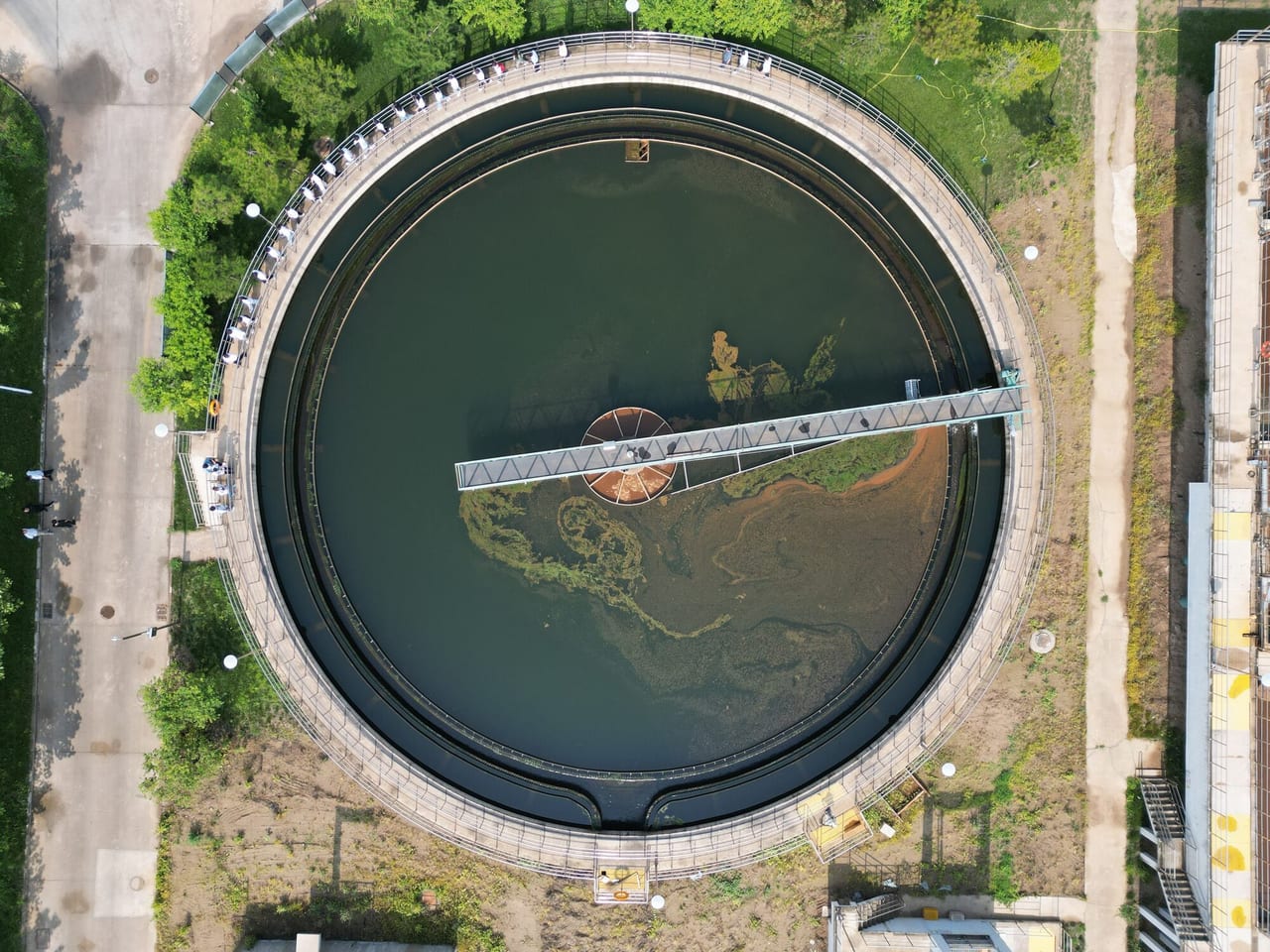
Drying of municipal and industrial sludge (sewage / industrial sludge) for volume reduction and disposal.
RDF / SRF / CDR
Preparing fuel from waste: drying increases the calorific value and stability of RDF/SRF.
MSW and the wet fraction (FORSU)
Municipal waste and the wet organic fraction (FORSU/OFMSW): drying for RDF fuel, volume reduction and stabilisation.
Plastic, polymers, resins (after washing)
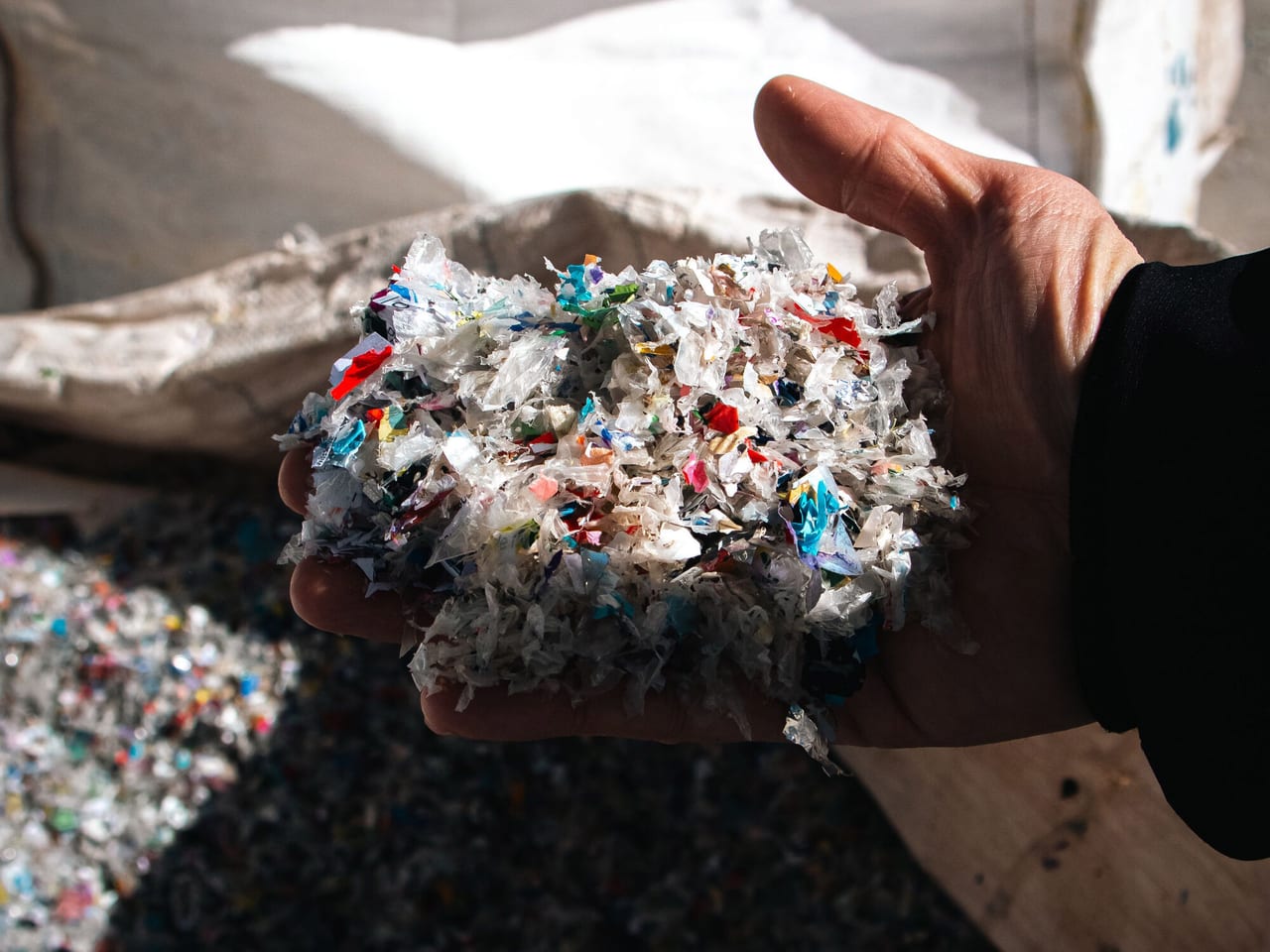
Drying of crushed/washed plastic and polymers (PET, HDPE, polyethylene, polymers, resins) on recycling lines; flakes - fluidised bed.
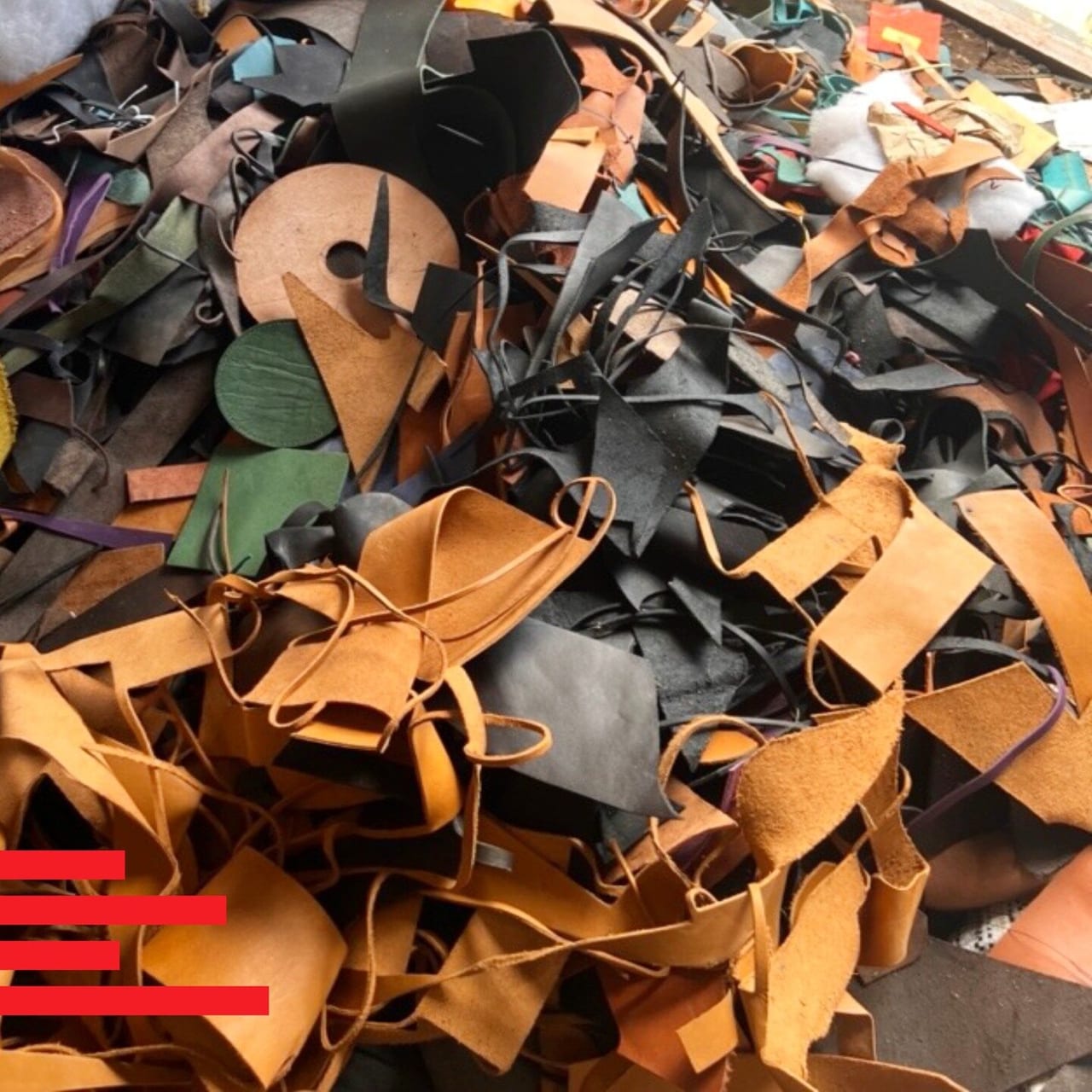
Leather waste
Leather waste from tanning production is dried in an industrial circuit with odour control.
Our Products
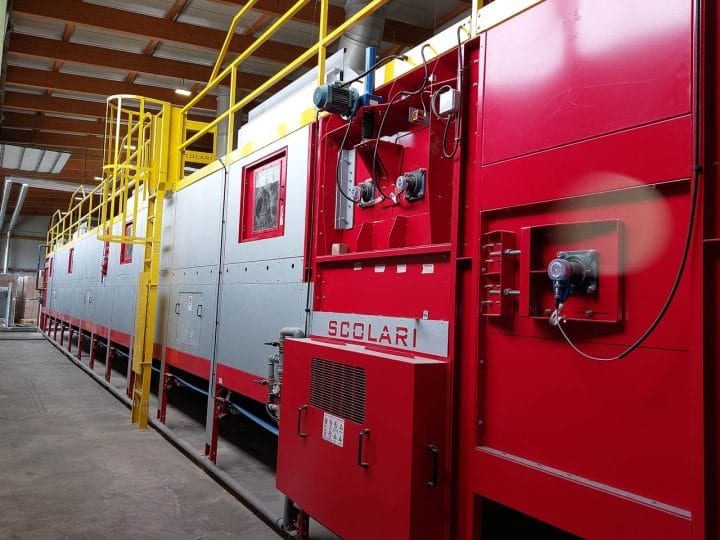
Universal Dryers
These dryers can be customized to dry any industrial or agricultural product you may require. Depending on the specific product and its moisture content, the dryers can be equipped with mixers, movable floors, vibrating floors, and other advanced technologies.
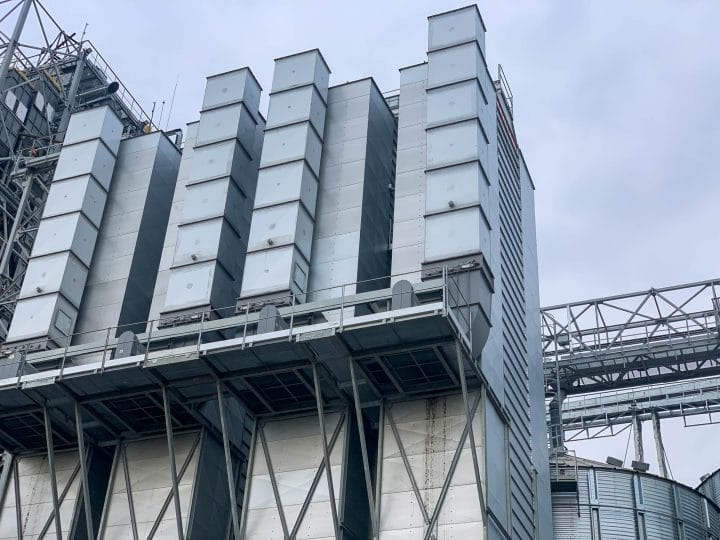
Grain Dryers
Authorized representative for top European grain dryer manufacturers like Alvan Blanch, FAO, and Agrex. Offering a full range of advanced drying solutions for agriculture.
Contact Us
If you are interested in purchasing any of our products, need a price quotation, or have any questions, comments, or suggestions, please do not hesitate to contact us via our contact form, by phone, or by email.
- WhatsApp: +90 (536) 452-1184
- E-mail: write to us
Our phones:
- Kazakhstan: +7 (747) 095-1626
- Moldova: +373 (22) 011-214
- Romania: +40 (31) 229-8484
- Türkiye: +90 (536) 452-1184 (English)
- Ukraine: +380 (67) 111-6668