
Grain dryers for drying cereal crops
Cereal crops make up the bulk of industrial drying. This group includes maize, paddy rice, wheat, barley, oats, rye, sorghum, millet and buckwheat. Each crop arrives for drying with a different initial moisture and requires its own regime: what suits barley is not right for maize or rice.
Drying is needed to bring grain down to a safe storage moisture (usually 13-14%), to stop mould growth and self-heating in the bulk, and to prepare a batch for sale, processing or storage in the seed reserve. The correct regime determines both the keeping quality of the grain and its market value.
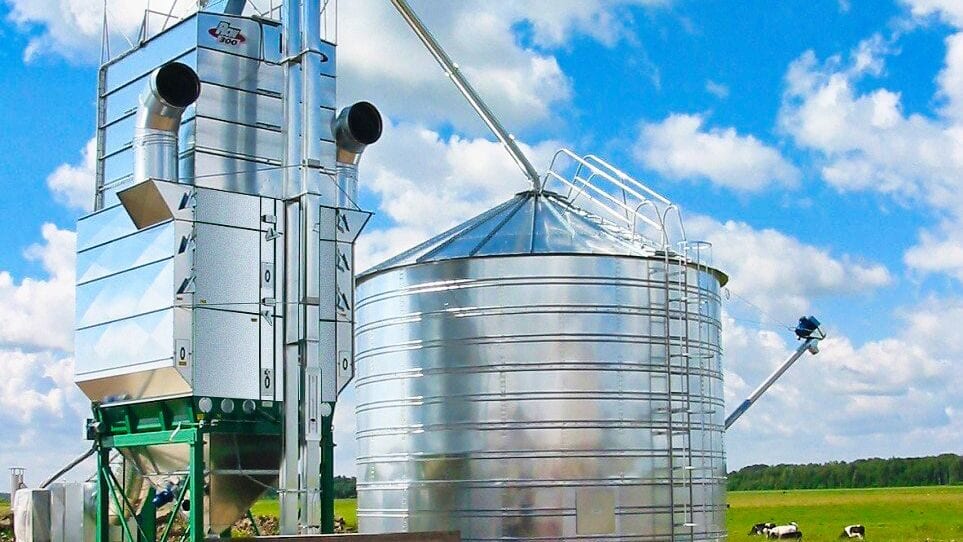
In practice the customer's task is to dry a large harvest flow within the tight window of the harvest without losing quality or over-drying the grain. For this we select tower, continuous-flow, batch or mobile grain dryers of the required capacity.
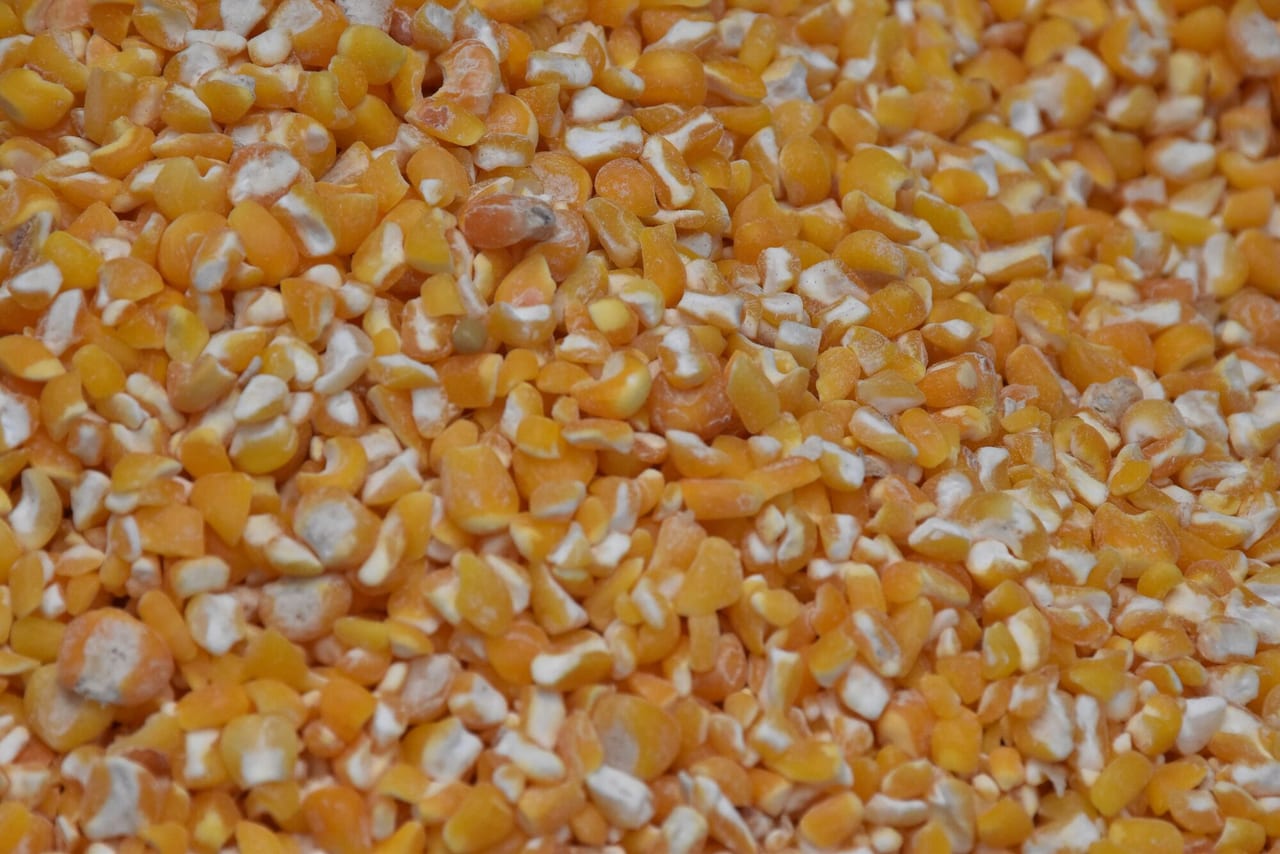
Maize
A fuel-intensive crop with high initial moisture. For commercial maize, even drying, control of grain temperature and fuel economy are essential.
Suitable dryers: Scolari SR, Ravaro RR/RC, Agrex AGD/AGD-F, Alvan Blanch DF (seed maize and cobs — Alvan Blanch BD Twin Cob)
Paddy rice
Rice is prone to fissuring and loss of head rice yield. It needs gentle regimes, tempering and batch drying.
Suitable dryers: Batch Ravaro RR, Alvan Blanch BD, Mepu (on Agrex AGD/AGD-F — with ASP aspirator)
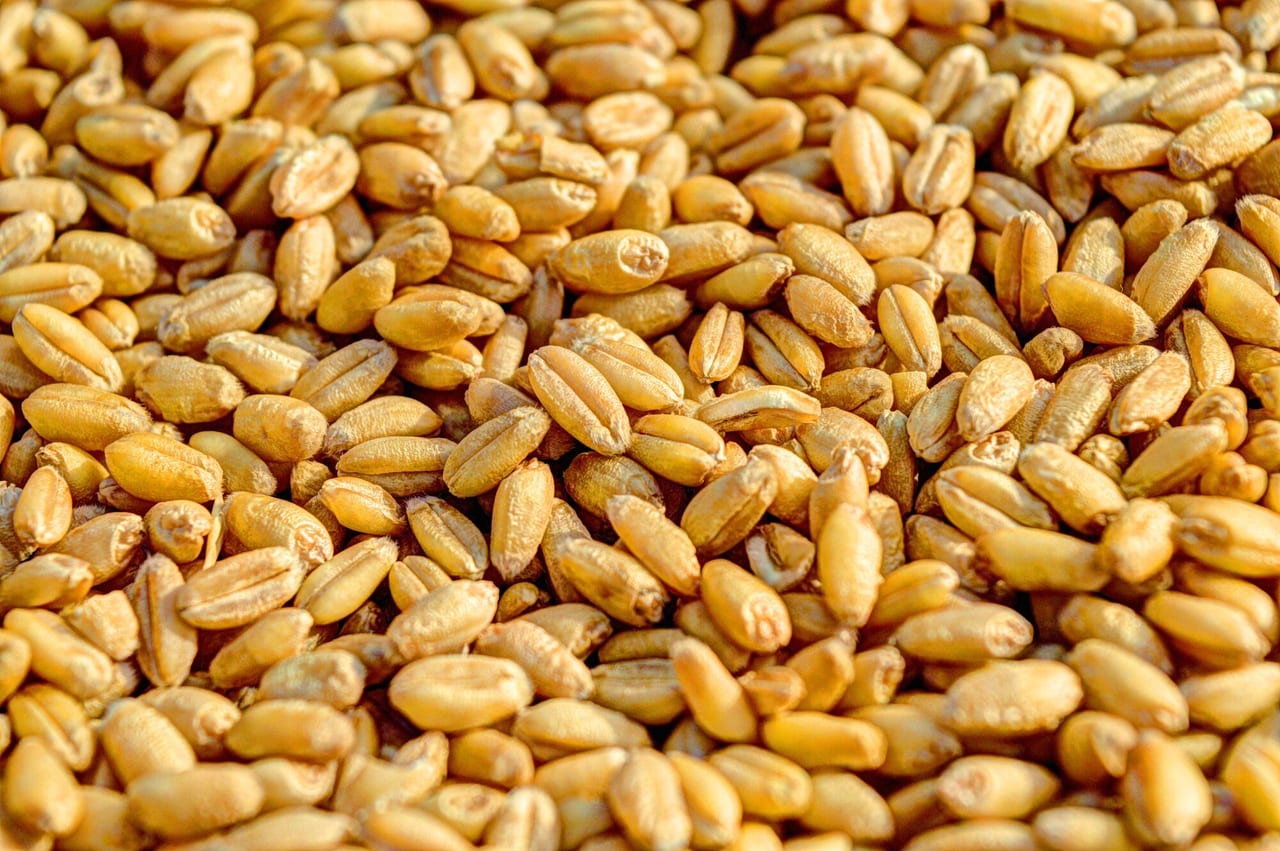
Wheat
A staple cereal crop. The drying regime depends on the end use (food, feed, seed) and the permissible grain temperature.
Suitable dryers: Ravaro RR/RC, Agrex AGD/AGD-F, Alvan Blanch DF
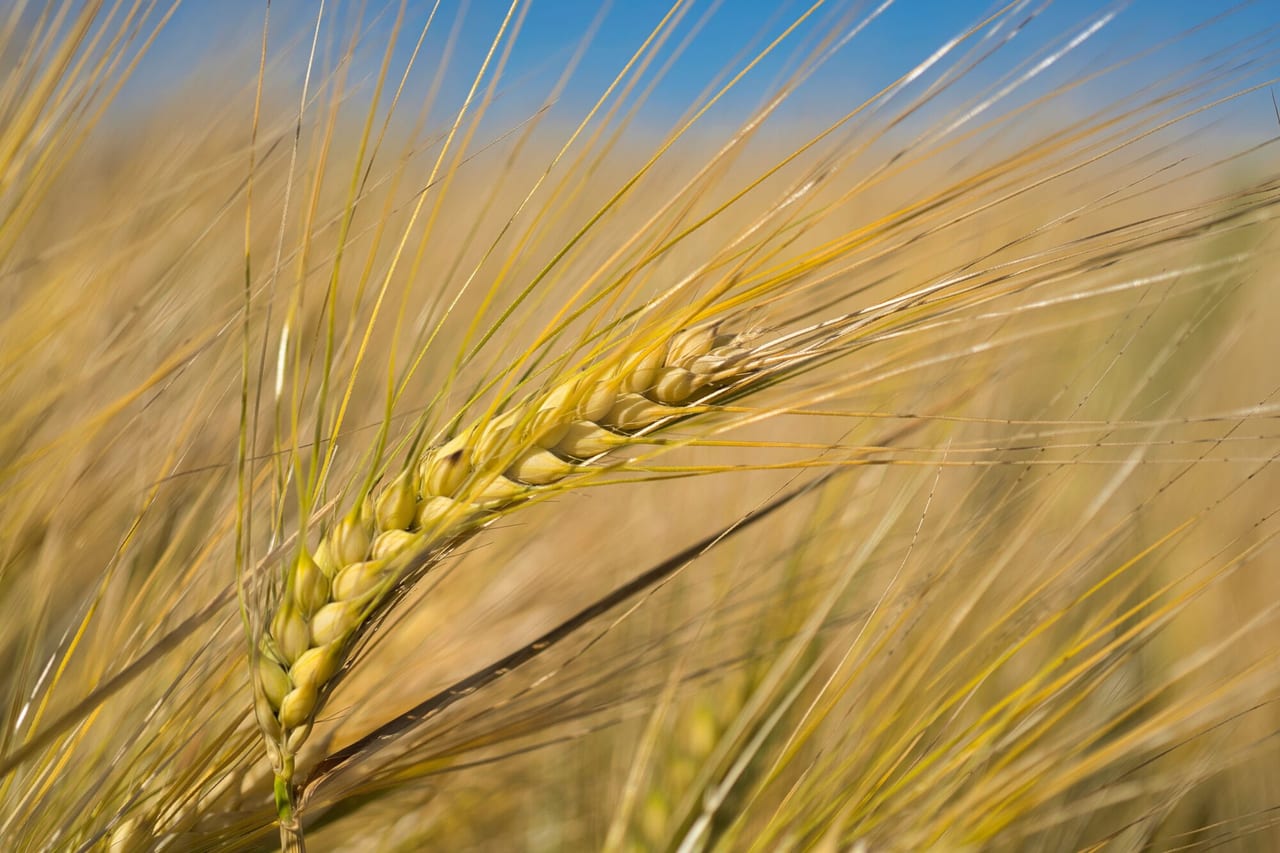
Barley
For malting barley, preserving germination and quality is critical and a gentle regime is required; feed barley is dried more aggressively.
Suitable dryers: Ravaro RR/RC, Agrex AGD/AGD-F, Alvan Blanch DF/BD, FAO
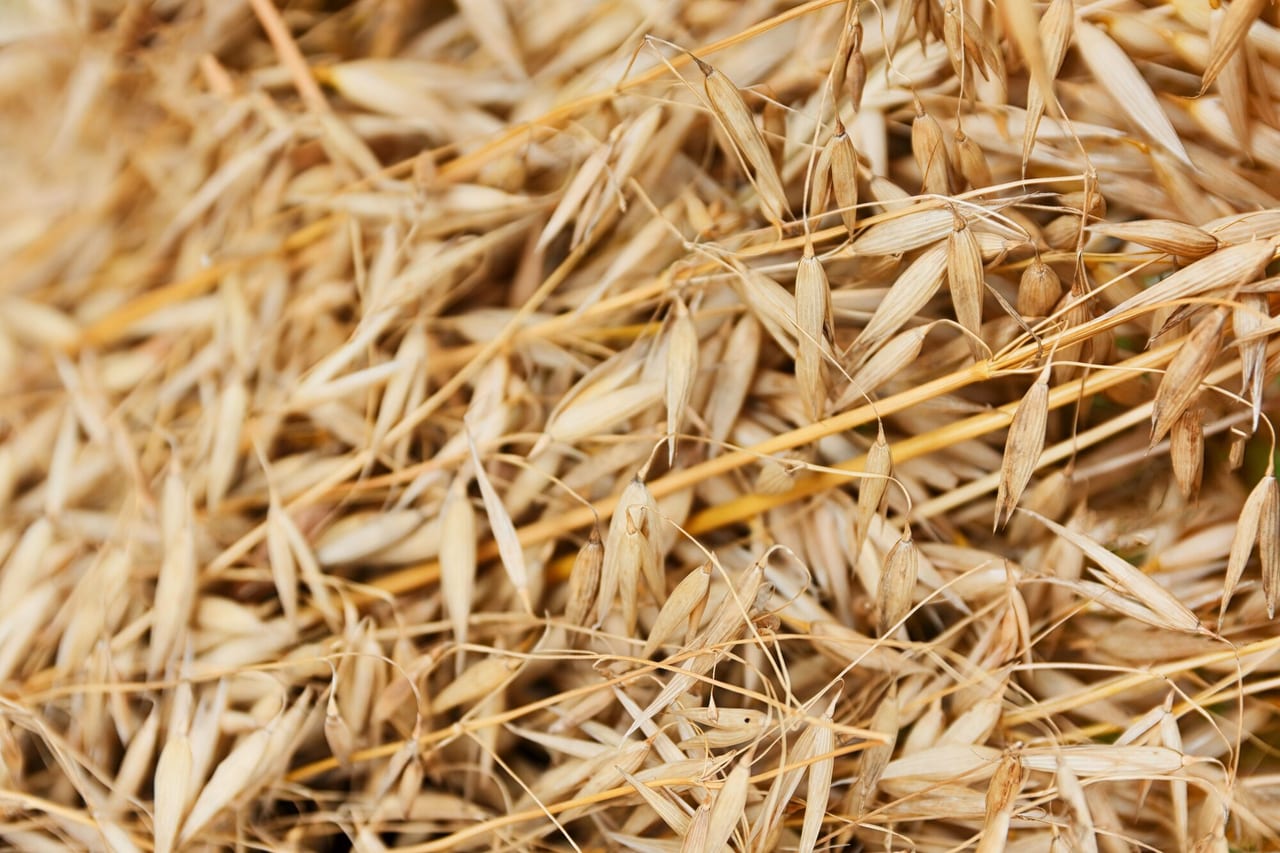
Oats
A light cereal crop; careful airflow and even final moisture are important.
Suitable dryers: Ravaro RR/RC, Alvan Blanch DF/BD
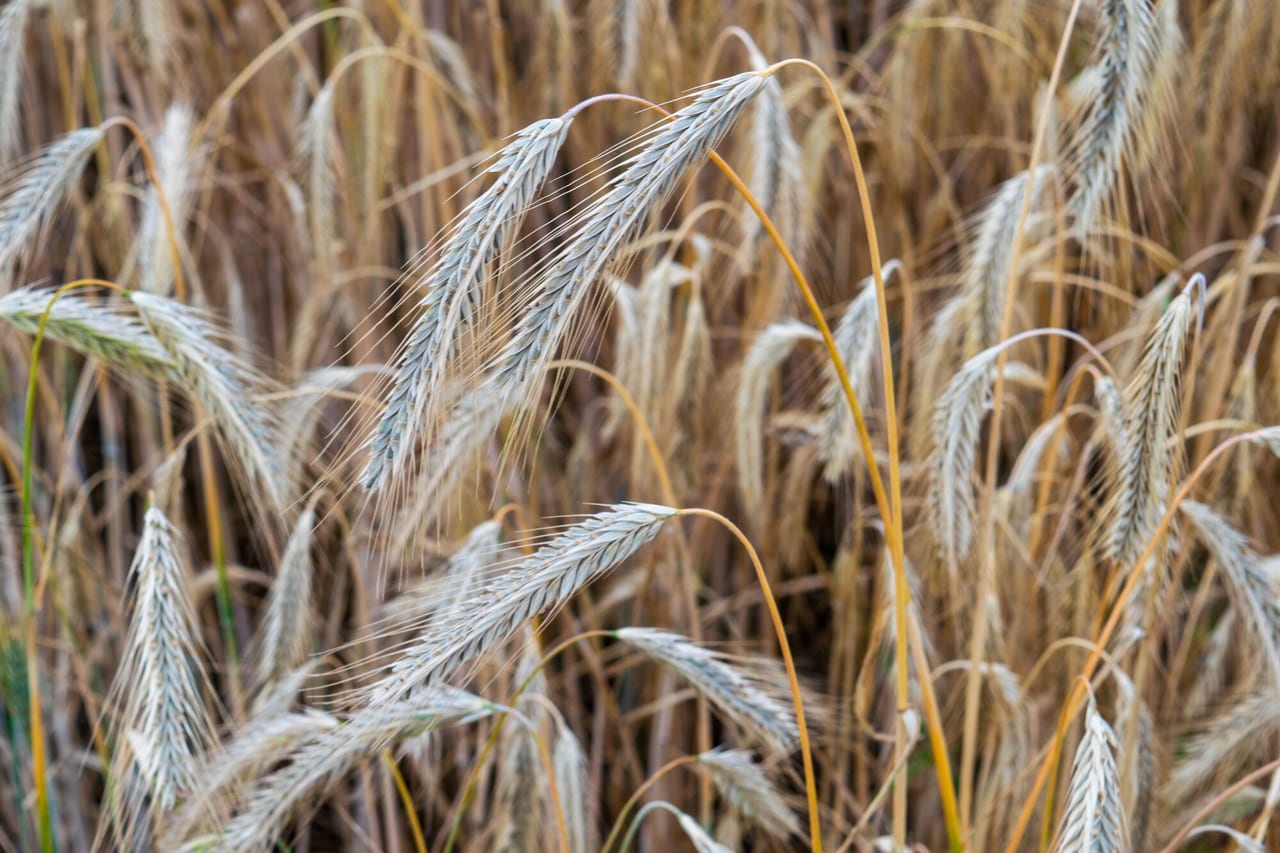
Rye
Dried following the logic of food and feed grain, with control of evenness.
Suitable dryers: Ravaro RR/RC, Agrex AGD/AGD-F, Alvan Blanch DF
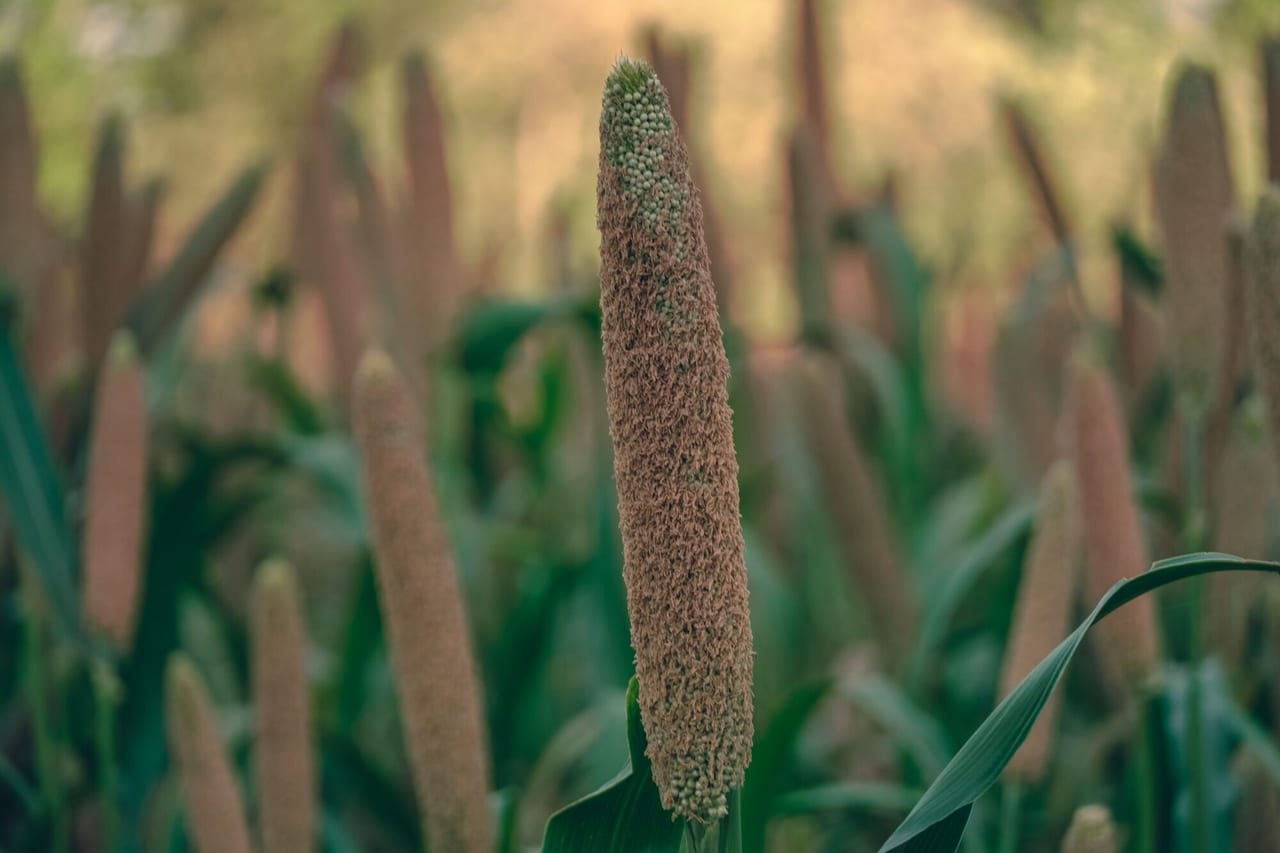
Sorghum
Grain sorghum is dried as a cereal crop; the regime is selected by moisture and end use.
Suitable dryers: Ravaro RR/RC, Agrex AGD, Alvan Blanch DF/BD
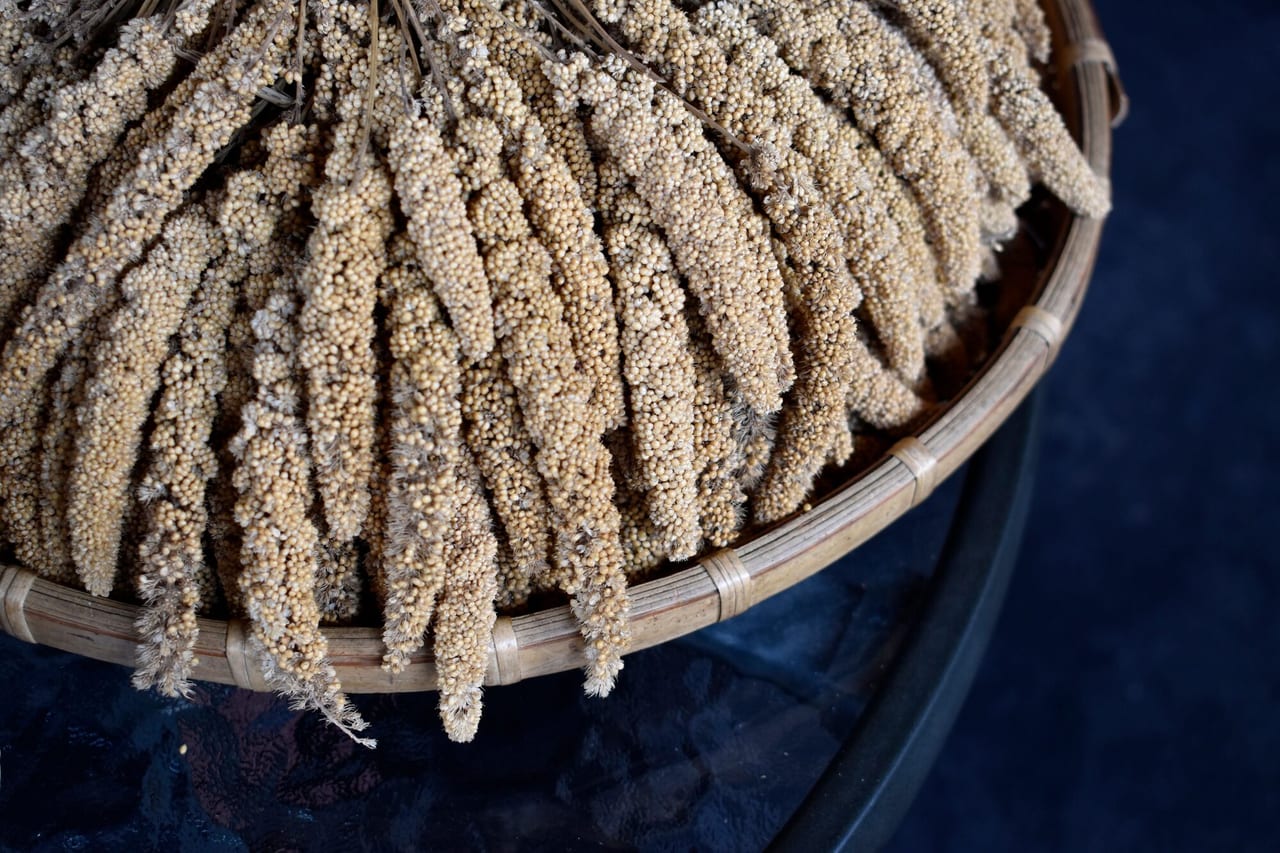
Millet
A small-seeded crop; even airflow and careful conveying are important.
Suitable dryers: Agrex AGD/AGD-F, Ravaro RR/RC, Alvan Blanch DF/BD, FAO
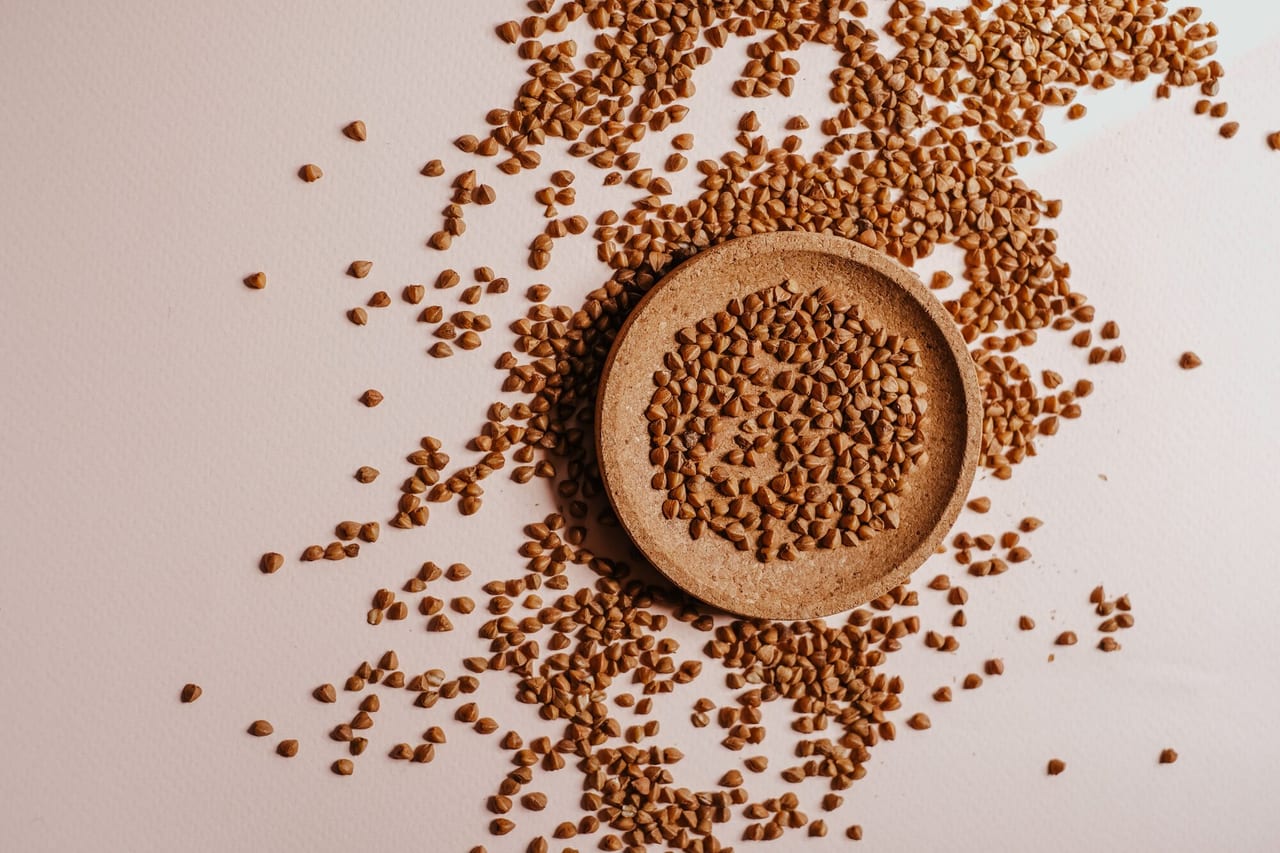
Buckwheat
Requires a gentle regime to preserve kernel quality and appearance.
Suitable dryers: Ravaro RR/RC, Agrex AGD/AGD-F, Alvan Blanch DF, FAO
Features of cereal crop drying
Cereals arrive for drying with moisture ranging from 16-18% (small-grain cereals) to 30-35% and above (maize, wet-harvested rice). The higher the initial moisture and the larger the grain, the slower and gentler moisture release must be: forced heating leads to cracking, loss of germination and a decline in gluten quality in wheat.
The temperature of the drying medium and of the grain is chosen by crop and by the batch's end use. Food and feed grain tolerates higher temperatures than seed material, for which preserving germination is critical. Paddy rice and maize call for an especially careful regime because of the risk of fissuring and breakage.
- Moisture: initial, target (storage ~13-14%, seed lower) and the moisture removal allowed in a single pass.
- Fraction and test weight: from small millet and buckwheat to large maize - these affect the choice of louvre/screen size and airflow speed.
- Batch purpose: storage, processing, export or seed - this sets the maximum grain heating temperature.
- Dryer type: most often tower and continuous-flow for large flows, batch and mobile for farms with variable volumes.
- Capacity: tonnes per hour at a given moisture removal, tied to the pace of the harvest.
Frequently asked questions
Which grains are dried in industrial grain dryers?
Practically all of them: maize, wheat, paddy rice, barley, oats, rye, sorghum, millet and buckwheat. Only the drying regime differs - the temperature, speed and number of passes for the specific crop.
Which grain dryer is needed for maize?
Maize arrives with high moisture (often 30% and above) and large grain, so tower and continuous-flow dryers with a gentle regime and moisture removal over several passes are most often used for it, to avoid fissuring.
How does drying grain for storage differ from drying seed material?
For storage, grain is brought down to 13-14% moisture, allowing higher temperatures. For seed the regime is gentler and the temperature lower - the priority is to preserve germination, so seed material is dried more slowly and carefully.
Can different crops be dried in the same grain dryer?
Yes, a universal grain dryer works with different cereals - it only needs to be re-set (temperature, air flow, discharge speed) for the specific crop and its moisture.
What matters when selecting a grain dryer?
The key inputs are: crop, initial and target moisture, required capacity (t/h), batch purpose and the available fuel type. From these the size and drying regime are calculated.
Contact Us
If you are interested in purchasing any of our products, need a price quotation, or have any questions, comments, or suggestions, please do not hesitate to contact us via our contact form, by phone, or by email.
- WhatsApp: +90 (536) 452-1184
- E-mail: write to us
Our phones:
- Kazakhstan: +7 (747) 095-1626
- Moldova: +373 (22) 011-214
- Romania: +40 (31) 229-8484
- Türkiye: +90 (536) 452-1184 (English)
- Ukraine: +380 (67) 111-6668