
Drying Buckwheat in Industrial Grain Dryers
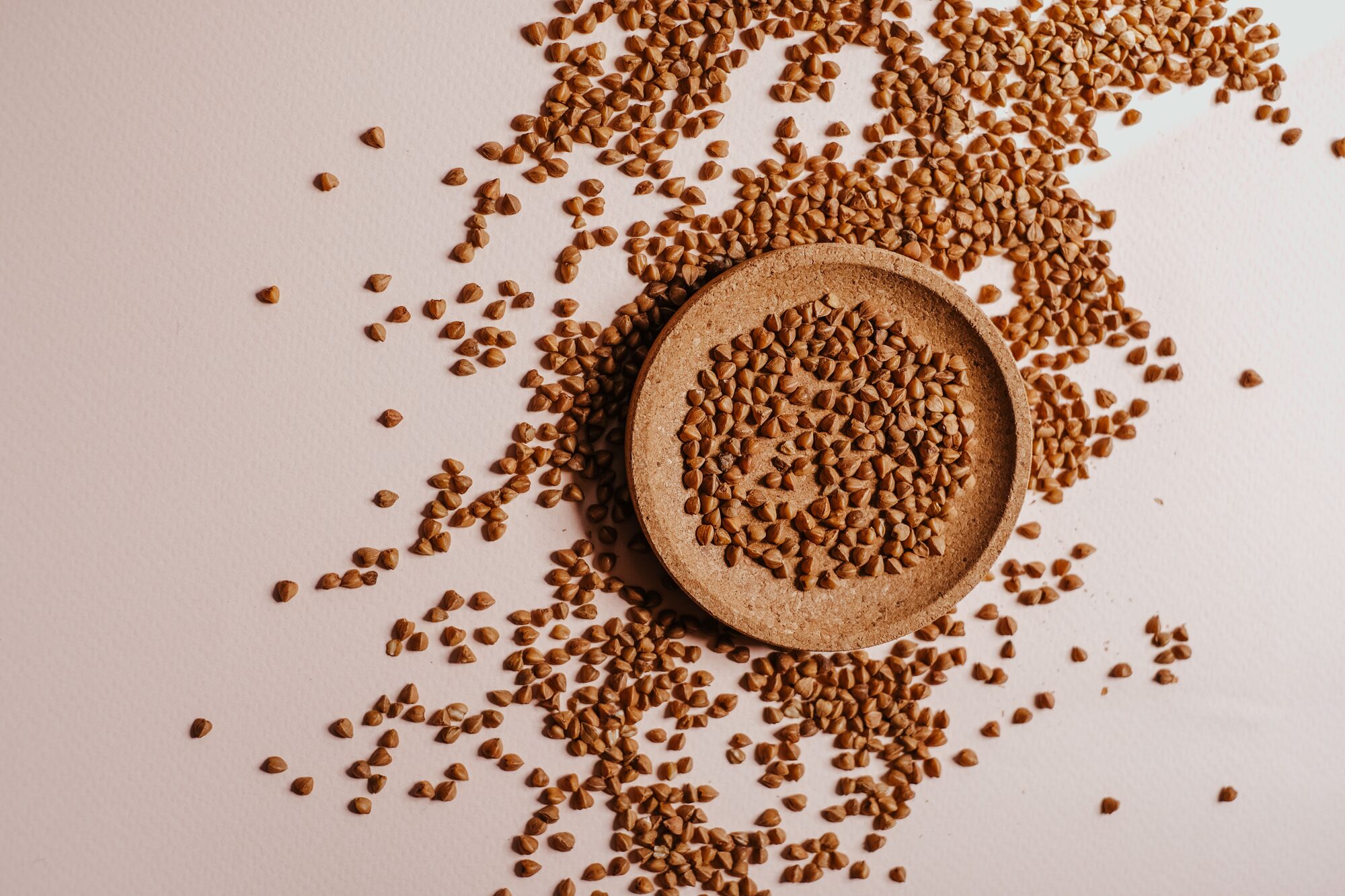
Buckwheat is often grouped with cereal crops: it is harvested, dried, stored, and processed as a bulk grain. Botanically, however, it is a pseudocereal, not wheat or corn. The buckwheat fruit is a three-sided achene with a dense outer hull, and it is precisely that hull which determines how the crop must be dried and processed.
For food-grade buckwheat, kernel colour, flavour, aroma, freedom from rancidity, and good dehulling performance are the key quality indicators. For seed material, the critical parameter is germination, which means grain temperature must be kept especially low. There is therefore no single "universal buckwheat drying temperature": the regime depends on the intended use of the batch and on the equipment being used.
Summary: buckwheat is dried more gently than feed-grade cereals. What matters is not the air temperature as such, but the amount of heat transferred to the grain and the actual temperature of the kernel itself. For groats, colour and dehulling performance are critical; for seed, germination; for flour and soba, aroma and milling stability.
Quick Answer
Buckwheat is dried in batch, continuous-flow, and mobile grain dryers operating under a gentle, well-controlled regime. For storage, buckwheat is typically brought to 13–15 % moisture; the exact target depends on storage duration, temperature, ventilation, and intended use.
The regime is defined not by a single figure but by a combination of parameters: air temperature, airflow rate, dryer type, bed depth, residence time, and cooling mode. Reference points by intended use:
| Scenario | Primary criterion | Regime reference |
|---|---|---|
| Food-grade buckwheat (storage, groats) | colour, flavour, absence of spoilage, dehulling performance | grain temperature approx. 45–50 °C or lower |
| Seed buckwheat | germination and sprouting energy | grain temperature approx. 38–40 °C |
| Buckwheat for flour and soba | aroma and milling quality | very gently, often 30–35 °C air temperature or lower |
| Hydrothermal treatment for groats | kernel hardness, dehulling performance, yield | this is not drying: steaming >100 °C, followed by drying and cooling |
| Feed use | nutritional value and safe storage | regime is gentler, but overheating and mould are still unacceptable |
Our Grain Dryers for Buckwheat
Buckwheat is well suited to our grain dryers, which enable gentle, controlled operation, precise grain-temperature control, and careful product handling. We consider primarily the batch and continuous-flow Ravaro RR/RC series, the mobile and stationary Agrex AGD/AGD-F, the continuous-flow Alvan Blanch DF, and the vertical FAO dryers. The specific series and regime are selected to match the intended use, throughput, and kernel-quality requirements.
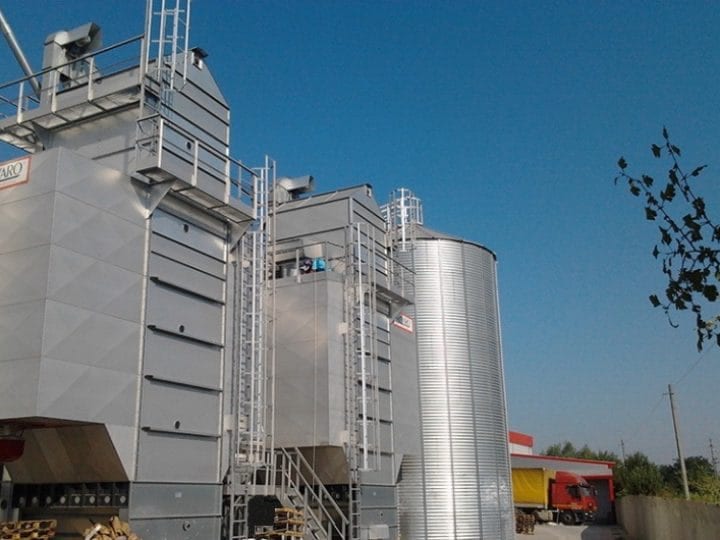
Ravaro Batch Grain Dryers
Italian mixed-flow batch grain dryers, suitable for medium-sized farms or tailored for special products like paddy rice that require a resting period.
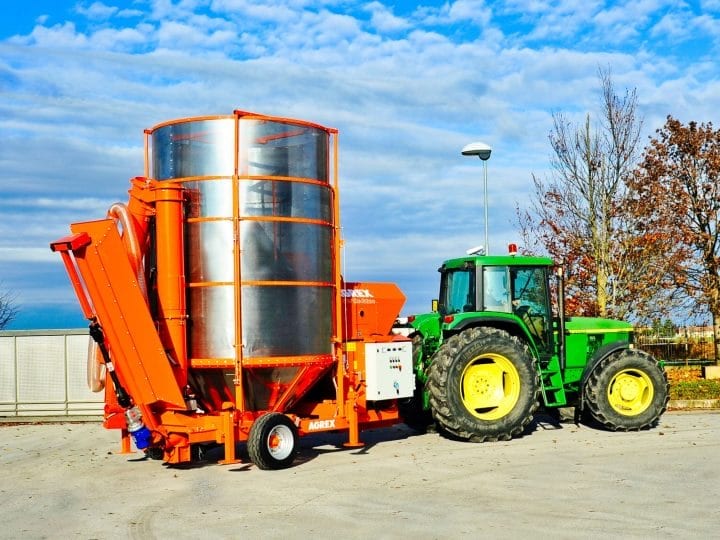
Agrex Mobile Grain Dryers
Italian mobile batch grain dryers for small and medium-sized farmers do not require construction work, are completely autonomous in operation, and can run on any type of fuel.
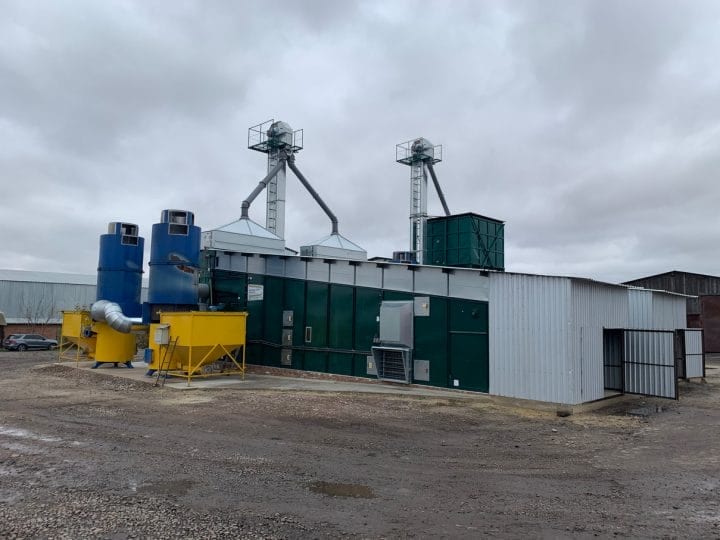
Alvan Blanch Grain Dryers
Horizontal grain dryers from Great Britain. The short height allows to minimize total capital investments. Conveyor belt technology ensures gentle grain drying.
Why Buckwheat Is Not an Ordinary Cereal Crop
From a logistics standpoint, buckwheat is handled as a bulk grain. But the three-sided achene with its dense hull behaves differently from a wheat or corn kernel. The hull both helps and hinders:
- it protects the kernel from some mechanical and thermal stress;
- it complicates dehulling and requires careful fractionation;
- it increases wear in friction and impact zones during conveying;
- it affects the colour, flavour, and yield of the finished groats.
Correct buckwheat drying therefore addresses two objectives simultaneously: bringing the grain to a safe storage moisture level and preserving the raw material for further processing into groats, flour, or seed material.
Why buckwheat cannot be described purely as a grain
For drying purposes, buckwheat is closer to cereals: it is dried in tower/shaft, continuous-flow, and batch dryers. But for processing it is closer to groat crops — the hull, kernel, dehulling, steaming, cracking, and whole-groat yield all matter.
When preparing a batch, we therefore keep both scenarios in mind: safe storage and preservation of raw-material quality for processing. The drying regime is chosen for the final intended use, not as "for grain in general".
Where Buckwheat Is a Staple and Where It Remains a Niche Crop
The geography of buckwheat consumption is diverse, and it determines which drying regime should be considered primary. In its main consumption regions, the main scenario is food-grade buckwheat: it is evaluated by colour, smell, flavour, and suitability for groat processing.
Eastern Europe & Central Asia
In Eastern Europe and Central Asia, buckwheat is a mainstream food product: a side dish, porridge, and dietary staple. Drying in this region is primarily food-grade, with emphasis on colour and kernel quality.
Japan
Buckwheat is the basis of soba noodles. The form of consumption is different (flour rather than porridge), so aroma, milling quality, and stable moisture content take priority. Particularly gentle drying regimes are used.
Europe
The picture is varied: French galettes, Italian pizzoccheri, culinary traditions of Poland, Romania, and Eastern Europe. In Western Europe, buckwheat is more often a niche, organic, and gluten-free product.
North America
Primarily a niche crop: flour, pancakes, gluten-free products, a cover crop and honey plant, as well as a feed ingredient. It is not a mass-market groat product.
Nutritional and feed value of buckwheat
For human consumption, buckwheat is valued as a gluten-free pseudocereal with a good amino-acid profile, rutin content, and dietary fibre. For food-grade applications, the drying objective is therefore not merely to dry the grain, but to preserve the colour, aroma, and suitability of the kernel for processing.
Buckwheat and its processing by-products (hulls, bran) are also used in animal feeding. However, the dense hull and high fibre content limit nutritional availability, so feed applications depend on the species and product form. For food-grade raw material, we do not target aggressive "feed-grade" drying regimes.
Buckwheat Abrasiveness: Are Wear-Resistant Solutions Needed?
Buckwheat is not among the most abrasive crops, such as paddy rice or sunflower. But its dense, rigid hull, three-sided grain shape, and dehulling requirements make it more demanding than ordinary wheat in terms of wear in friction and impact zones. At the same time, the grain and kernel are brittle, so excessively rough mechanical handling causes breakage and reduces whole-groat yield.
The main engineering challenge with buckwheat is not only protecting the metal from wear, but also preserving the grain itself. For industrial lines with high throughput, it makes sense to specify wear-resistant components at points of intensive friction and impact (bucket elevators, augers, discharge units, spout elbows, grain drop zones) while simultaneously ensuring gentle conveying and careful dryer discharge.
What we specifically consider regarding wear and breakage
For small volumes, standard grain-handling equipment and careful regime calibration are usually sufficient. For large lines operating continuously with buckwheat, we specify:
- wear-resistant liners in grain drop zones;
- gentle spout angles;
- minimisation of long screw conveyors;
- bucket elevators and conveyors designed for small, non-perfectly-round grain;
- conveying speed control;
- aspiration and cleaning to reduce dust and abrasive fines;
- gentle dryer discharge to avoid increasing breakage.
Why Buckwheat Is Dried
Safe Storage
Drying reduces moisture to a level at which the risk of mould, self-heating, rancidity, and loss of germination is significantly reduced. The reference target for storage is approximately 13–15 %, depending on duration and conditions.
Preservation of Kernel Quality
For food-grade batches, colour, smell, absence of staleness and rancidity, minimal breakage, and good dehulling performance are essential. Overheating and over-drying reduce commercial value even when moisture is within the normal range.
Preparation for Processing
Buckwheat goes into whole groats, coarse groats, green buckwheat, flour, soba noodles, and functional food products. Each scenario demands its own approach to temperature and moisture.
Preservation of Seed Quality
Seed buckwheat requires the gentlest regime of all. Overheating the germ reduces germination, even if the batch appears normal externally.
Buckwheat Drying Temperature: Why There Is No Single Figure
Very different figures appear in various sources, and they do not contradict each other — they simply refer to different quantities:
- 30–35 °C air temperature — for very gentle drying for flour and soba;
- up to 43 °C air temperature — in bin-drying modes, to prevent kernel darkening and germ damage;
- grain temperature 38–40 °C — for seed buckwheat;
- grain temperature 45–50 °C — for food-grade batches;
- drying agent up to 70 °C — in a tower/shaft straight-flow dryer for seed, provided the grain itself does not exceed 40 °C;
- steam above 100 °C — in hydrothermal treatment for groats, but this is not drying for storage purposes.
The statement "buckwheat is dried at 45 °C" is therefore imprecise without qualification: the 45 °C may refer to grain temperature, not air temperature.
| Scenario | What we control | Reference |
|---|---|---|
| Seed buckwheat | grain temperature | 38–40 °C |
| Food-grade buckwheat | grain temperature | 45–50 °C |
| Bin gentle drying | air temperature | up to 43 °C |
| Flour / soba | air temperature | 30–35 °C |
| Tower/shaft straight-flow for seed | drying agent temperature | up to 70 °C with grain temperature not exceeding 40 °C |
| Storage | grain moisture | 13–15 % |
Why the drying agent temperature can be higher than the grain temperature
When hot air passes through moist grain, part of the energy goes not into heating the grain but into evaporating moisture. The drying agent temperature therefore does not equal the product temperature: while evaporation is active, the kernel heats up more slowly.
The same air temperature produces different thermal loads depending on airflow rate, bed depth, contact time, grain moisture, dryer design, and the mixing and tempering regime. For buckwheat, we therefore focus primarily on the grain temperature itself rather than the air-side figure.
Drying Buckwheat for Storage
For storage, buckwheat is brought to stable moisture and then cooled. For most food-grade batches, a sensible target range is approximately 13–15 %. Wetter grain stores poorly:
- it loses germination more quickly;
- it moulds and self-heats;
- it develops a musty odour;
- it performs worse ahead of processing;
- it increases the risk of oxidative changes and rancidity.
After drying, hot grain must not be placed directly into storage without cooling. The bed must be equalised in both moisture and temperature; otherwise pockets of elevated moisture develop within the silo.
Why buckwheat must not be over-dried
Over-drying does not improve quality — it degrades it. For buckwheat, excessively low moisture means increased kernel brittleness, higher breakage during dehulling, weight loss, and unnecessary fuel consumption. Aroma and the yield of finished groats or flour can also suffer.
For buckwheat destined for flour and soba, the objective is not to make the grain as dry as possible, but to hit the correct moisture range for the process while preserving aroma.
Seed Buckwheat
Seed buckwheat represents the most sensitive scenario. Throughput must not be chased at the expense of quality: preserving germination and sprouting energy is paramount. For seed batches, we:
- avoid overheating the germ and keep grain temperature at approximately 38–40 °C;
- dry gently and uniformly;
- avoid rapid cooling and over-drying;
- monitor moisture before and after drying;
- minimise mechanical breakage during conveying.
For seed buckwheat, bin dryers operating in gentle mode, batch dryers with a tempering phase, and carefully calibrated tower/shaft solutions with limited moisture removal per pass are the most suitable options.
Why seed buckwheat requires a dedicated regime
A seed batch is evaluated neither as groats nor as feed. Grain may appear normal externally yet be physiologically damaged by overheating. For seed buckwheat drying, what matters is the temperature of the grain itself (not just the air), uniformity of heating, moisture removal rate, absence of localised overheating, and careful handling after drying.
Buckwheat for Groats: Drying and Hydrothermal Treatment Are Not the Same Thing
In buckwheat groat processing, hydrothermal treatment (HTT) is commonly applied: the grain is steamed, then dried and cooled. It is important not to confuse HTT with drying for storage — they are different processes with different objectives.
The objectives of hydrothermal treatment are:
- to plasticise and harden the kernel;
- to facilitate hull separation;
- to reduce cracking during dehulling;
- to increase whole-groat yield;
- to develop the characteristic colour and flavour of steamed buckwheat.
Steam above 100 °C may be used during HTT, but this is the temperature of a separate processing stage, not the "buckwheat drying temperature". Drying for storage means bringing the grain to safe moisture without overheating.
Green and steamed buckwheat
Green buckwheat is a product that has not undergone high-temperature steaming or roasting. Natural colour, flavour, and functional properties are essential for it, so drying is carried out particularly gently.
Steamed buckwheat undergoes hydrothermal treatment: it is technologically easier to dehull, has a more pronounced colour, and a different flavour profile. For drying this means different objectives: for green buckwheat — gentle drying and quality preservation; for steamed groats — an integrated stage within the processing line; for ordinary storage — bringing the grain to safe moisture without overheating.
Buckwheat for Flour and Soba
Japanese practice is instructive: for food-grade buckwheat, temperature is critical not only for germination but also for aroma. For flour and soba noodles, the key parameters are:
- aroma;
- colour;
- milling stability;
- absence of bitterness and overheating;
- correct moisture content.
Particularly gentle drying is therefore applied here, sometimes in a stepped regime: initial airflow, then moderate heating, then tempering and finishing. The objective is to hit the correct moisture range for the process, not to over-dry the grain.
Which Grain Dryers Are Suitable for Buckwheat
Buckwheat is suited to dryers that enable gentle, precise temperature control, careful product handling, and regime selection to match the intended use. We consider the Ravaro RR/RC, Agrex AGD/AGD-F, Alvan Blanch DF, and FAO series.
Ravaro RR — Batch Drying with Recirculation and Tempering
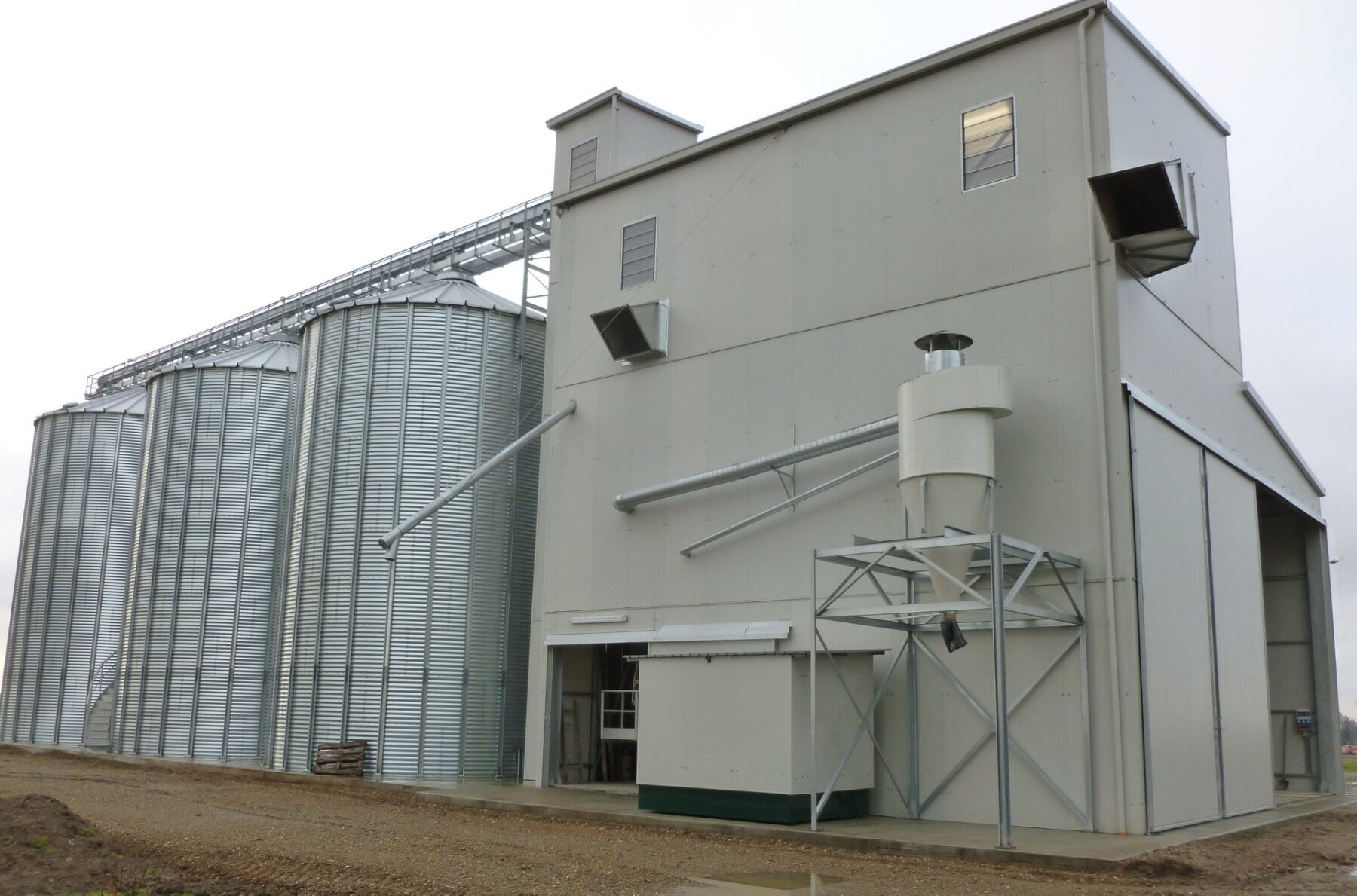
Ravaro RR is the logical choice for farm-scale and medium volumes where gentleness, uniformity, and crop flexibility are priorities. For buckwheat, the gentle regime, recirculation, and tempering phase are especially beneficial: the grain has time to equalise moisture, and heating can be kept lower than in a purely continuous-flow line. This is convenient for both seed and food-grade batches.
Ravaro RC — Continuous-Flow Drying for Large Volumes

Ravaro RC is suited to a more continuous grain flow and large volumes. For buckwheat, correct calibration of temperature, residence time, and discharge is essential to avoid increasing breakage and overheating the kernel. A continuous-flow line makes sense where intake, cleaning, buffer storage, and a defined storage regime are all in place.
Agrex AGD / AGD-F — Mobile and Stationary Solutions
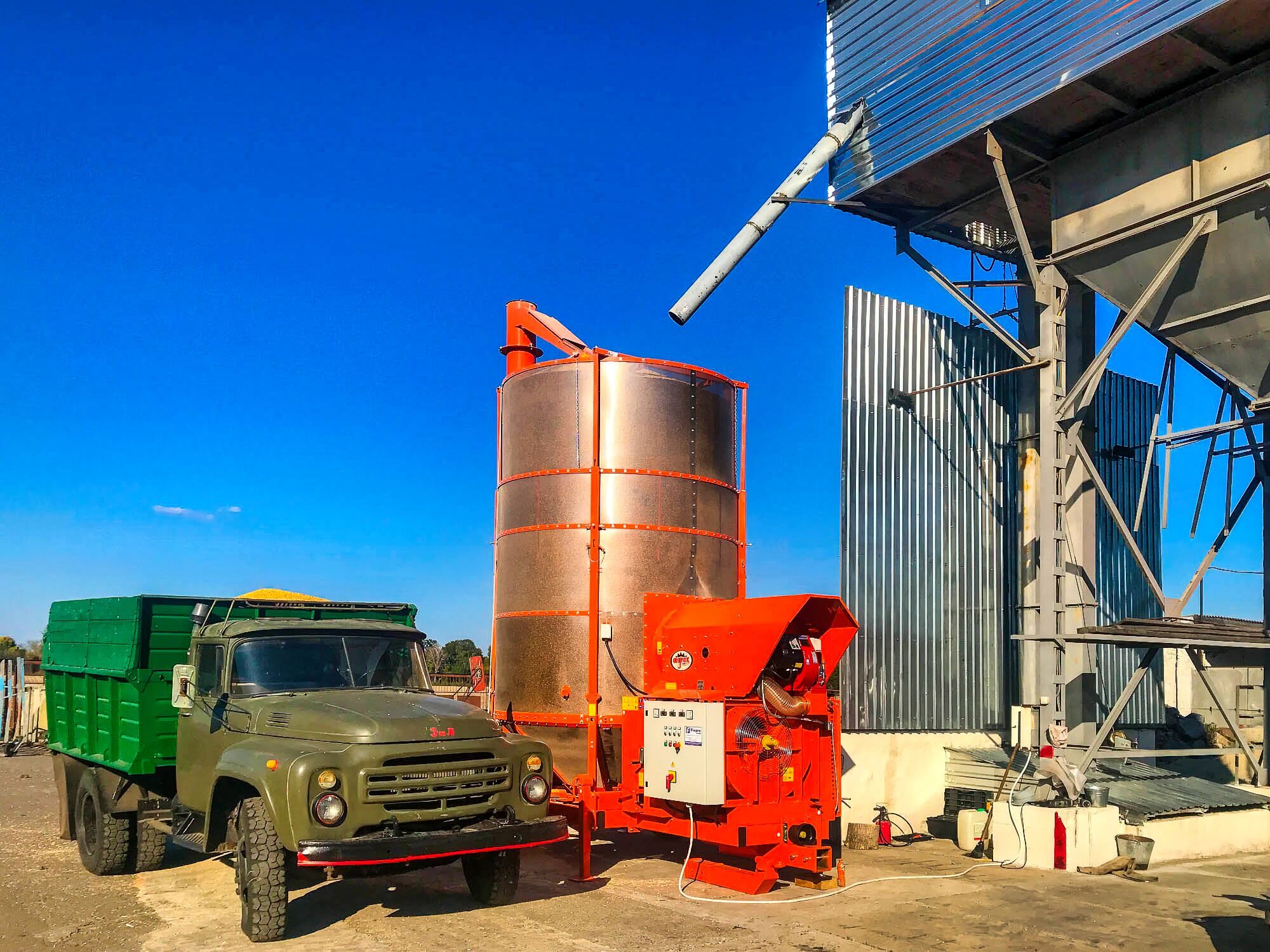
Agrex AGD and AGD-F are suited to farms that need a mobile or compact stationary dryer without a full-scale elevator complex. One important point: most mobile dryers on the market are equipped with grain recirculation augers, and an auger increases breakage and kernel damage — particularly critical for buckwheat with its fragile kernel. For applications where quality is the primary concern, Agrex developed the AGD-F models, which replace augers with bucket elevators — these convey grain more gently and significantly reduce kernel damage. For buckwheat we carefully calibrate the temperature regime and monitor mechanical stress to preserve the kernel. For on-farm buckwheat of various intended uses, this is a practical and quick-to-commission solution.
Alvan Blanch DF — Double-Flow Continuous Dryer
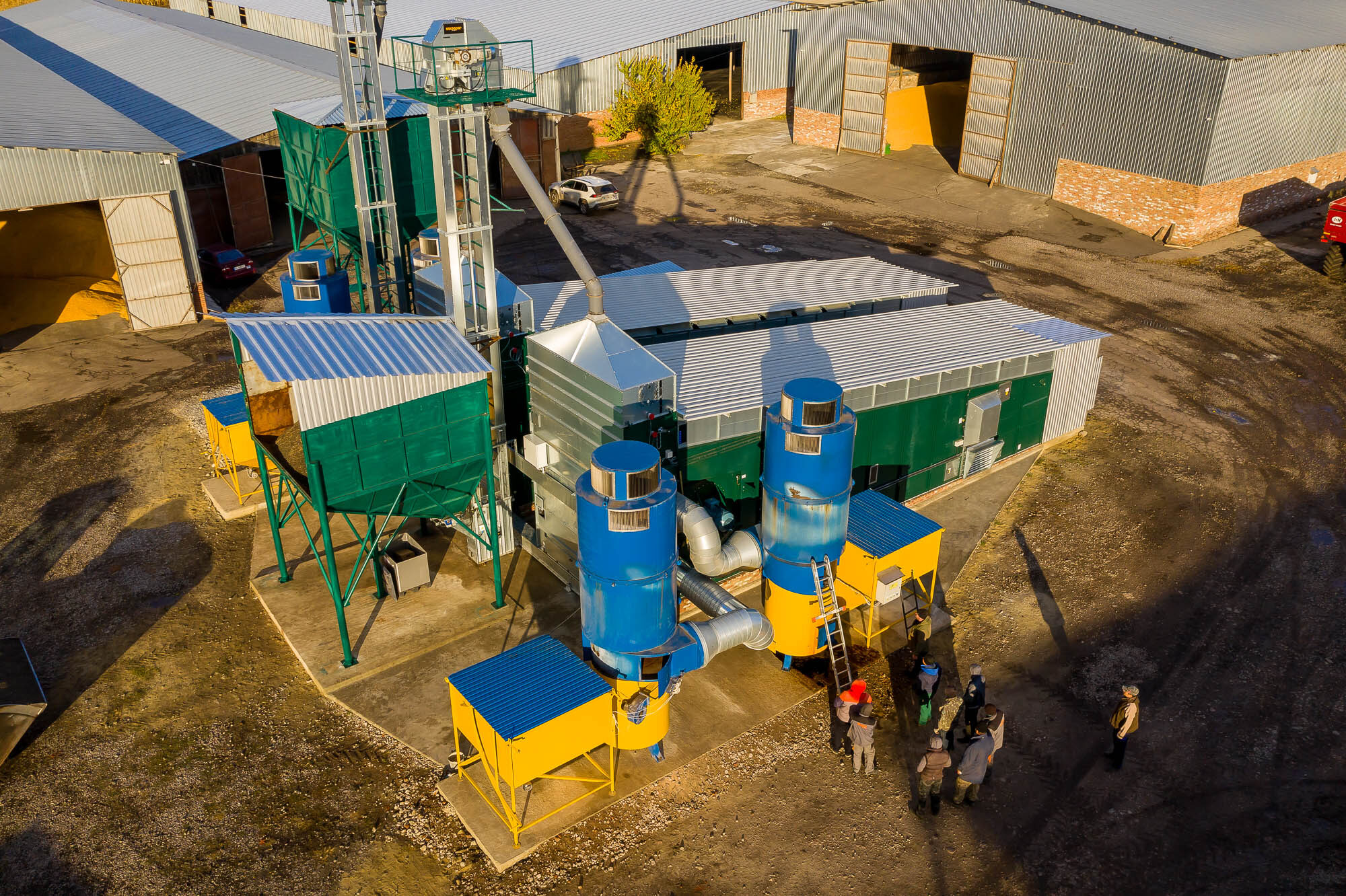
Alvan Blanch DF is a versatile continuous double-flow dryer for bulk crops. For buckwheat we operate it as a grain dryer with a gentle regime, without applying the temperature settings used for corn or wheat. The specific regime is selected to match the intended use and the kernel's sensitivity to overheating.
FAO — Vertical Continuous-Flow and Batch Dryers
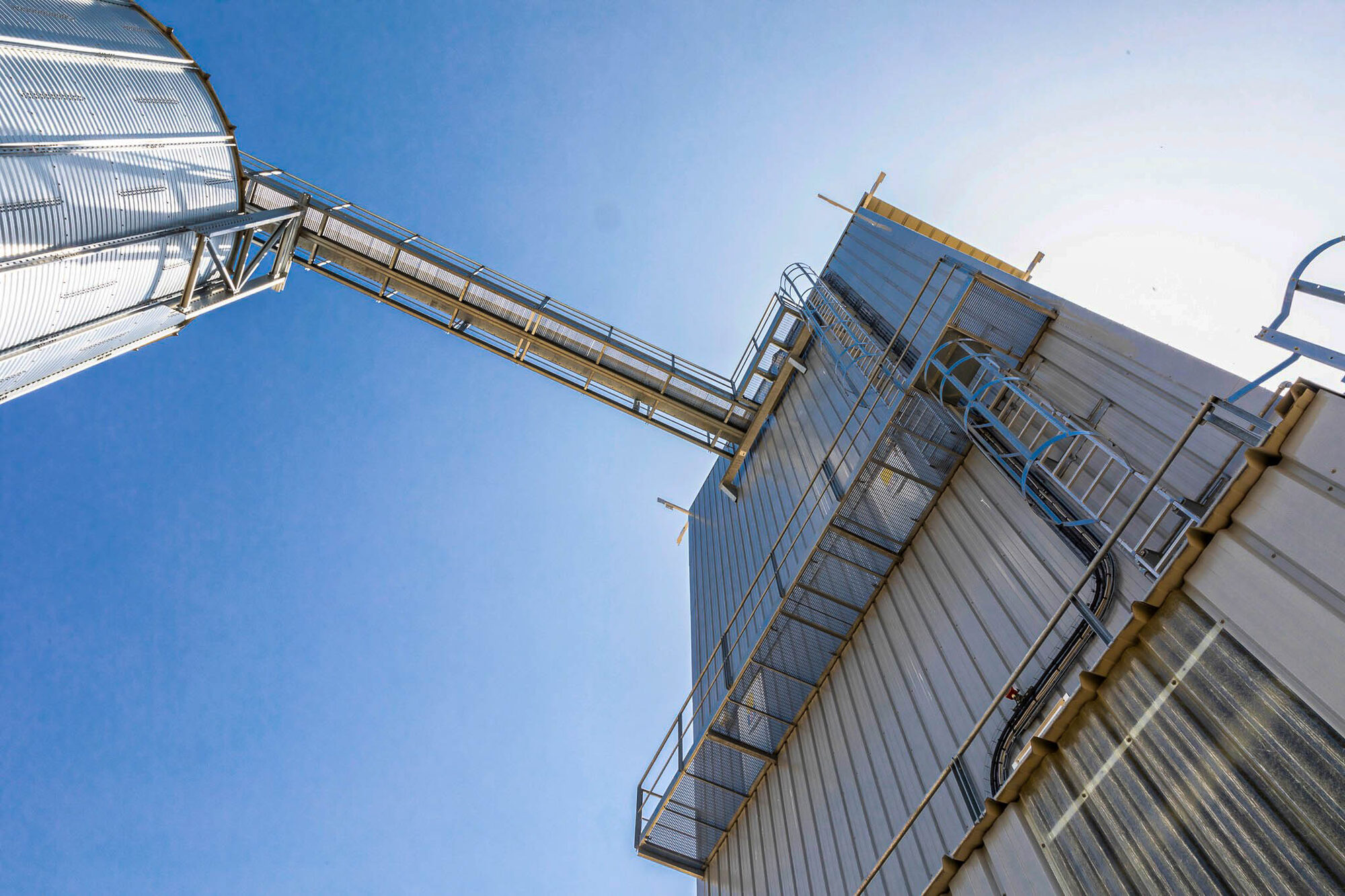
FAO is a French grain dryer manufacturer. For buckwheat, both continuous-flow (series ACE, ACEX, SCE) and batch (series AR) FAO dryers are suitable — when throughput, automation, and regime control are priorities. The process regime for buckwheat is selected for the specific model and intended use, maintaining gentle drying and kernel quality throughout.
Comparison of Suitable Solutions
| Solution | When to choose | Advantages for buckwheat | What to consider |
|---|---|---|---|
| Ravaro RR | batch drying, farm-scale and medium volumes | gentle regime, recirculation, tempering, kernel-friendly handling | lower continuous throughput than continuous-flow lines |
| Ravaro RC | continuous-flow drying of large volumes | steady flow, throughput with temperature control | discharge and residence time must be calibrated to avoid breakage |
| Agrex AGD / AGD-F | mobile or compact stationary drying | autonomous operation, quick commissioning, multi-crop flexibility | regime and mechanical settings must be calibrated for gentle kernel handling |
| Alvan Blanch DF | continuous-flow drying of various grains | uniform double flow, grain mixing | regime must be gentle — not as for corn or wheat |
| FAO | large volumes, automation | high throughput, regime control, uniformity | regime selected for the specific model and intended use |
Key Dryer Properties for Buckwheat
- Precise control of grain and air temperature — especially for seed, green buckwheat, and flour applications.
- Gentle mechanics — fewer impacts and cracking, careful discharge.
- Tempering mode — helps equalise moisture and reduce internal stresses.
- Cooling after drying — hot grain must not be placed directly into storage.
- Cleaning and aspiration — buckwheat is cleaned of dust, light impurities, immature and broken fractions.
- Wear resistance in friction zones — desirable for industrial lines due to the dense hull and grain shape.
- Low-temperature mode capability — critical for seed and food-grade quality.
What We Need to Know to Select a Grain Dryer for Buckwheat
To select equipment precisely, we request the following batch data:
- intended use: food-grade, seed, groats, flour/soba, feed;
- initial moisture after harvest;
- required final moisture;
- throughput, t/h;
- acceptable breakage percentage;
- germination requirements (for seed) and kernel colour requirements (for groats);
- whether HTT / steaming is planned;
- downstream processing method: dehulling, milling, storage, sale;
- available fuel, cleaning and conveying layout, storage regime.
Based on this data, we select the dryer type, regime, and heat scheme specifically for your buckwheat, not "for grain in general".
Risks of Incorrect Buckwheat Drying
| Error | Consequence |
|---|---|
| Grain overheating | kernel darkening, aroma loss, reduced groat quality |
| Seed overheating | loss of germination |
| Over-drying | cracking, breakage, weight loss, degraded milling performance |
| Under-drying | mould, self-heating, rancidity |
| Excessively rough conveying | breakage and reduced whole-groat yield |
| Confusing HTT with drying | incorrect temperature conclusions |
| Feed-grade regime applied to food-grade batch | loss of commercial quality |
Frequently Asked Questions About Drying Buckwheat
At what temperature should buckwheat be dried?
It depends on the intended use. For seed buckwheat, the grain temperature target is approximately 38–40 °C; for food-grade buckwheat, approximately 45–50 °C. The air temperature may be higher if the dryer design and regime do not overheat the grain itself. For flour and soba, particularly gentle regimes are used, often 30–35 °C air temperature.
To what moisture content is buckwheat dried?
Typically to 13–15 % for storage. For certain food-grade scenarios (flour, soba), the target range may need to be refined, because aroma and technological properties matter more than maximum dryness.
Is buckwheat more abrasive than wheat?
There is no direct comparison coefficient. However, due to its dense hull, three-sided shape, and dehulling mechanics, buckwheat is more demanding than ordinary wheat in terms of wear in friction and impact zones. For large lines, it makes sense to specify wear-resistant components and gentle conveying.
Can buckwheat be dried in a standard grain dryer?
Yes, provided the dryer enables gentle temperature control and careful product handling. The regime is selected for the intended use — the corn or wheat regime cannot simply be applied.
How does drying buckwheat differ from drying corn?
Buckwheat is generally less fuel-intensive, but more sensitive to kernel quality, aroma, colour, dehulling performance, and germination. The emphasis therefore shifts from maximum throughput and fuel economy to gentleness and quality preservation.
Why does buckwheat darken?
One factor is overheating during drying or subsequent processing. Colour also changes during hydrothermal treatment. It is therefore important to distinguish between green buckwheat, steamed groats, and ordinary drying for storage.
What is hydrothermal treatment of buckwheat?
It is a processing stage: steaming, drying, and cooling prior to dehulling. It increases kernel hardness and whole-groat yield, but it is not ordinary drying for storage, and steam above 100 °C cannot be called the "buckwheat drying temperature".
Is buckwheat a feed crop in Europe?
Not exactly. In Western Europe it is not widely consumed as porridge, but established food traditions exist: French galettes, Italian pizzoccheri, and the cuisines of Poland and Eastern Europe. In Japan, buckwheat is the basis of soba noodles. In Central and Eastern Europe, it is primarily a food-grade groat crop.
Ready to Discuss Drying Your Buckwheat?
Describe the intended use of the batch, initial and target moisture, volumes, kernel quality and germination requirements, available fuel, and storage layout — we will select the dryer type, temperature regime, heat scheme, and indicative throughput for your specific task. Contact us by whichever method is most convenient.
Still Have Questions? Contact Us!
By Phone
WhatsApp: +90 (536) 452-1184By Email
Our address: info@finpro.engineering
Related products
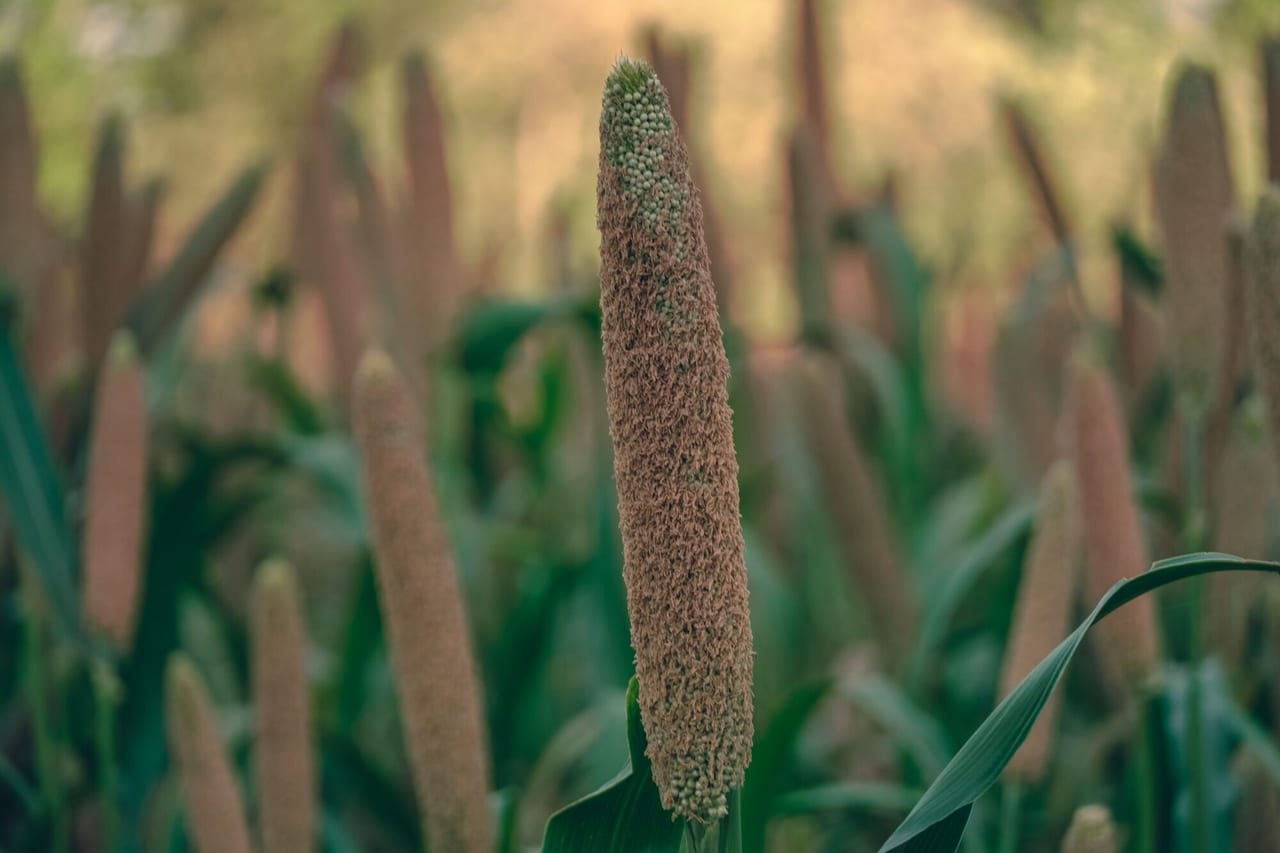
Barley
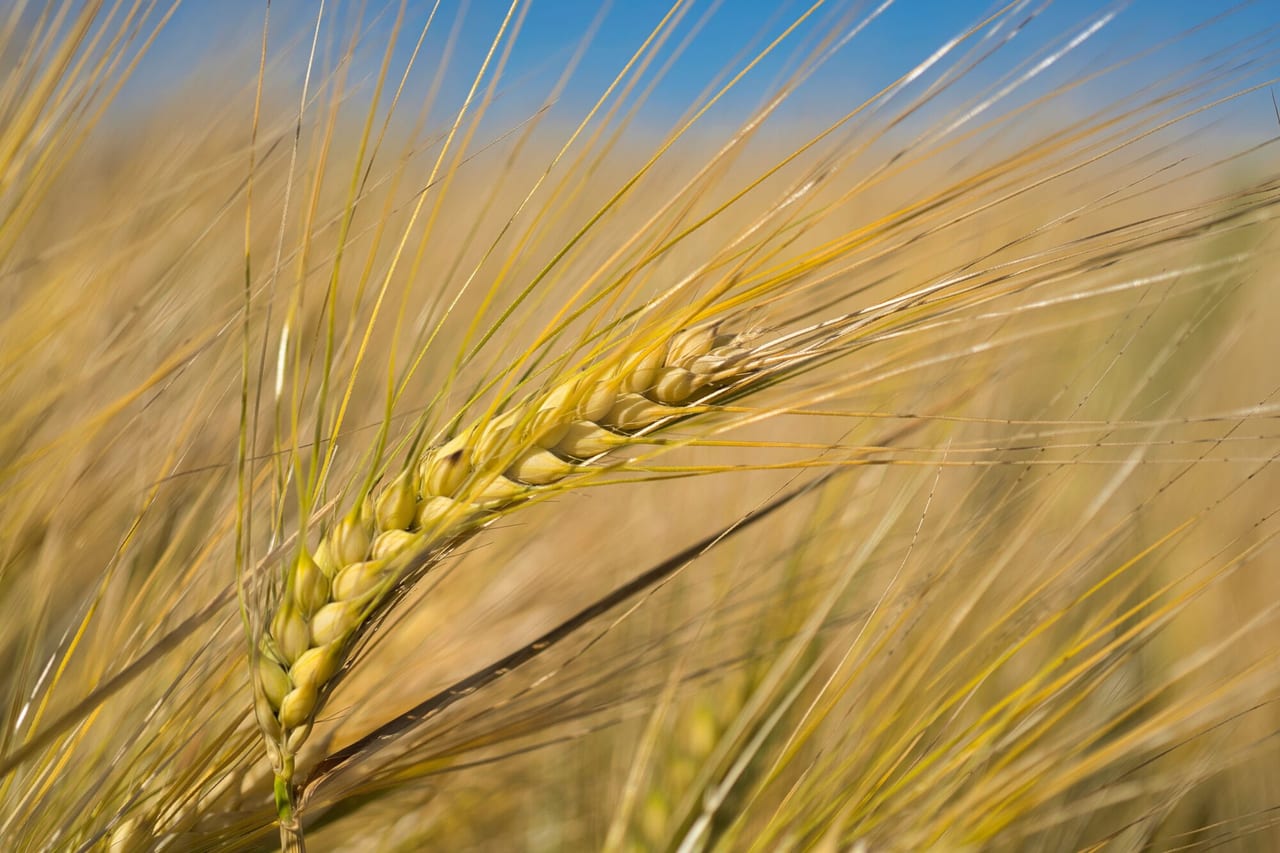
For malting barley, preserving germination and quality is critical and a gentle regime is required; feed barley is dried more aggressively.
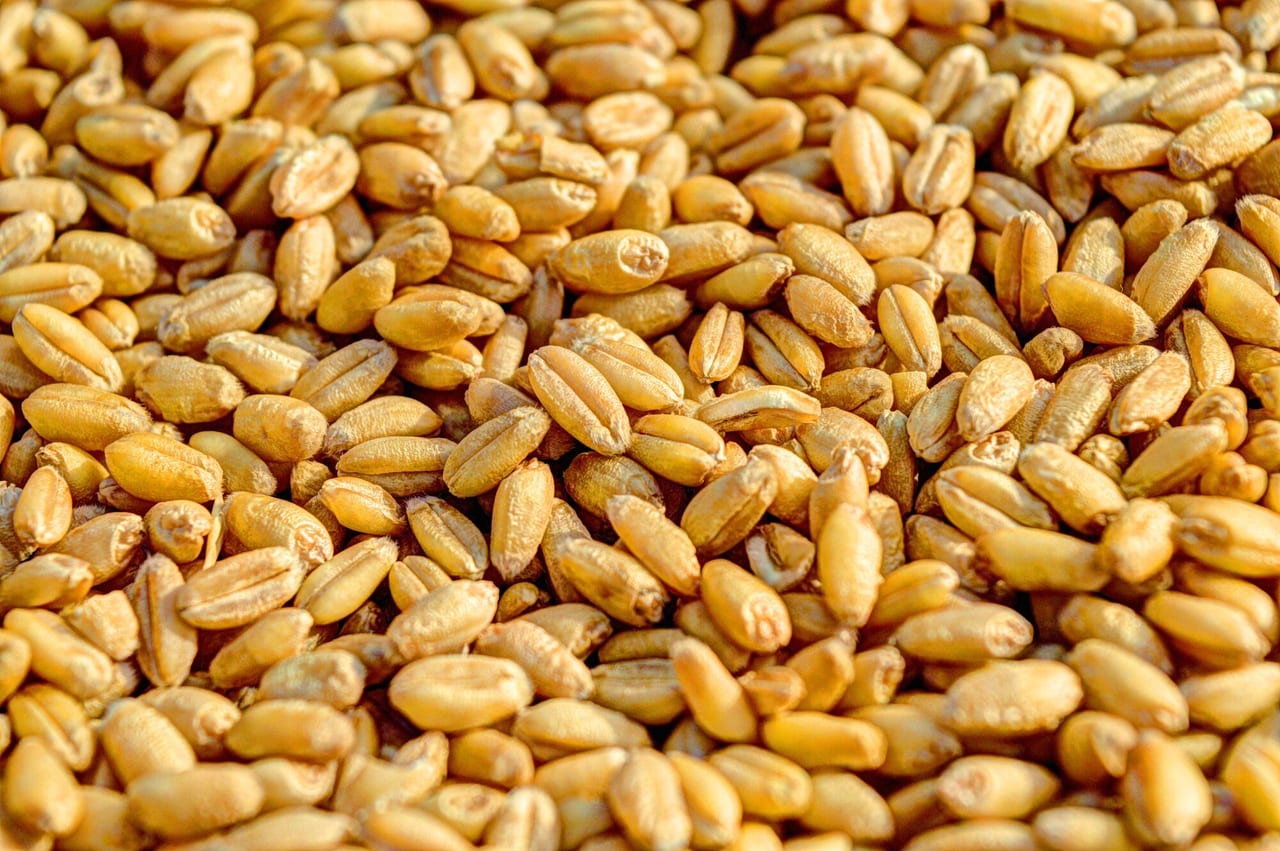
Wheat
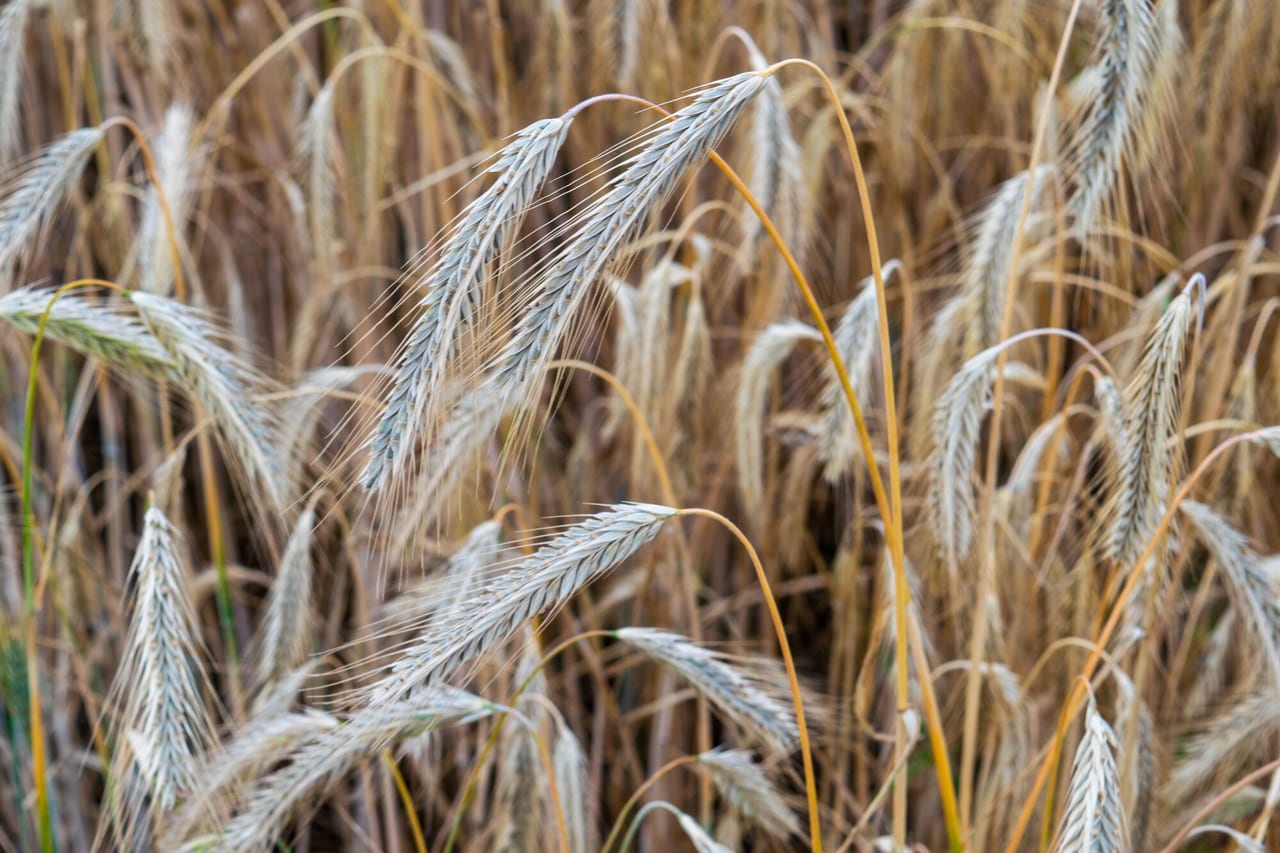
A staple cereal crop. The drying regime depends on the end use (food, feed, seed) and the permissible grain temperature.
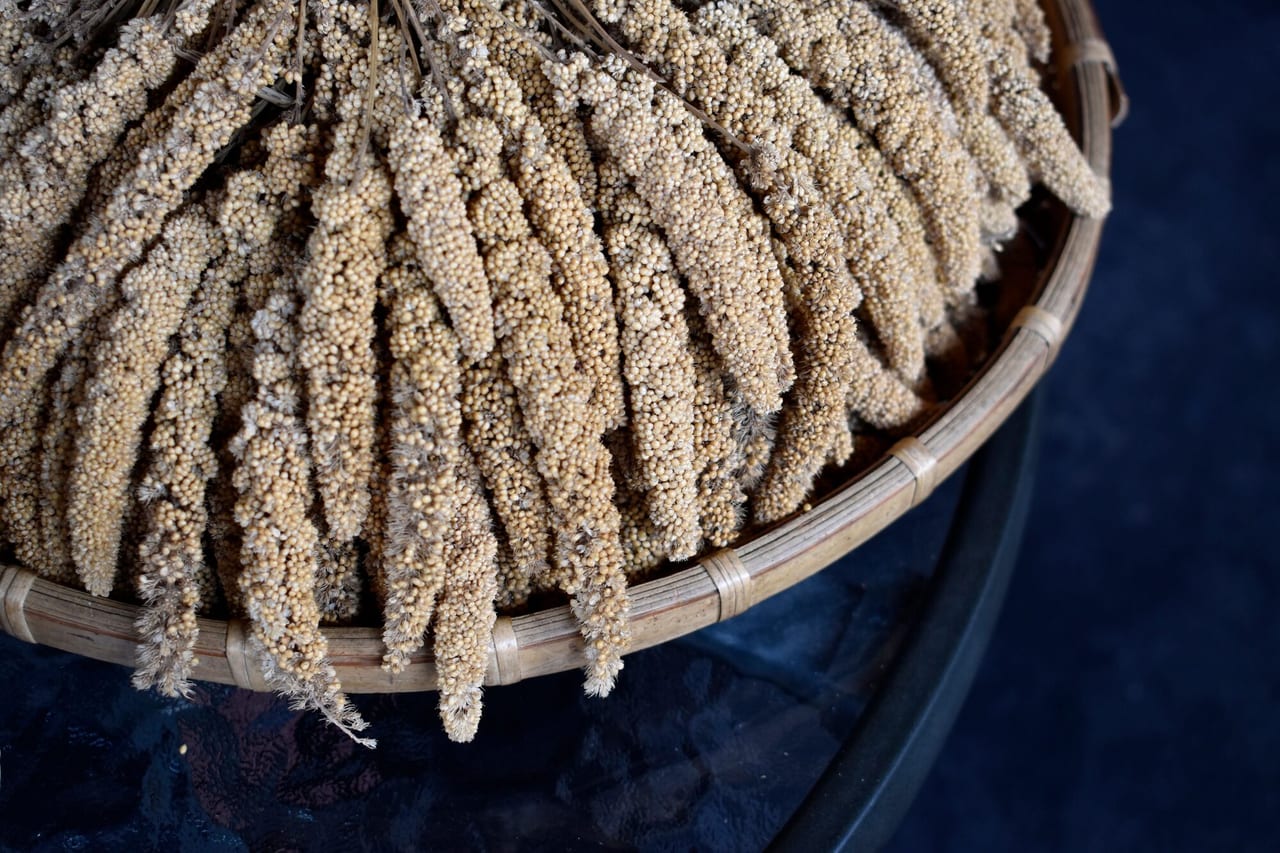
Sorghum
Grain sorghum is dried as a cereal crop; the regime is selected by moisture and end use.
Our Products
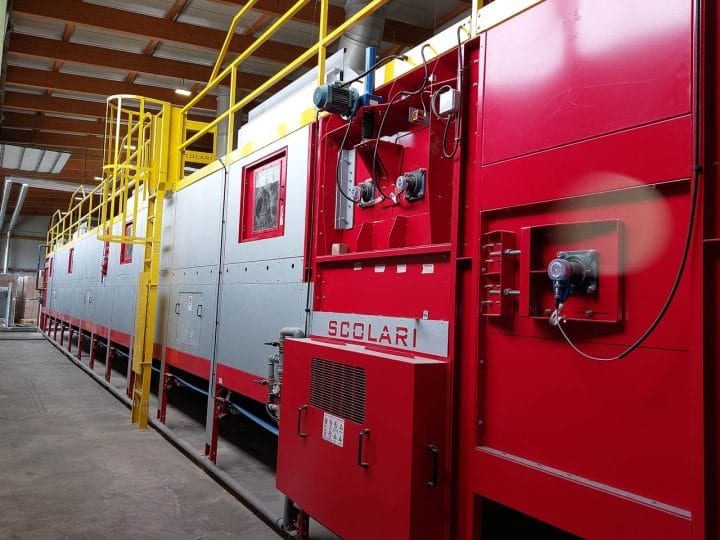
Universal Dryers
These dryers can be customized to dry any industrial or agricultural product you may require. Depending on the specific product and its moisture content, the dryers can be equipped with mixers, movable floors, vibrating floors, and other advanced technologies.
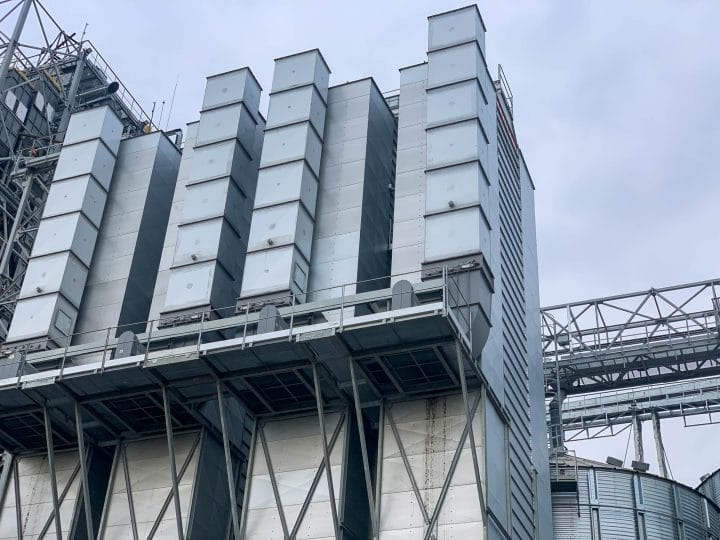
Grain Dryers
Authorized representative for top European grain dryer manufacturers like Alvan Blanch, FAO, and Agrex. Offering a full range of advanced drying solutions for agriculture.
Contact Us
If you are interested in purchasing any of our products, need a price quotation, or have any questions, comments, or suggestions, please do not hesitate to contact us via our contact form, by phone, or by email.
- WhatsApp: +90 (536) 452-1184
- E-mail: write to us
Our phones:
- Kazakhstan: +7 (747) 095-1626
- Moldova: +373 (22) 011-214
- Romania: +40 (31) 229-8484
- Türkiye: +90 (536) 452-1184 (English)
- Ukraine: +380 (67) 111-6668