
Drying Oats in Industrial Grain Dryers
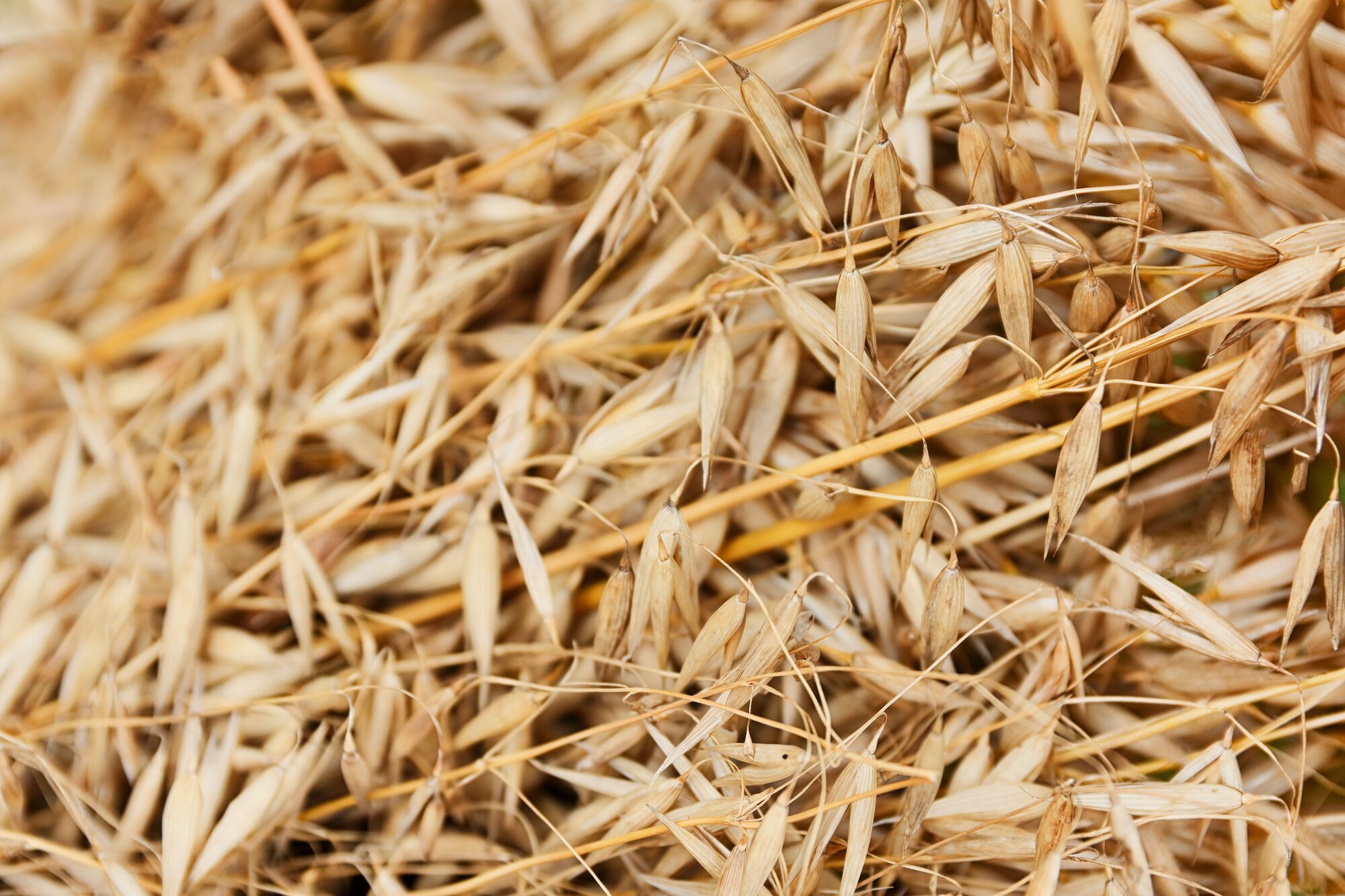
Oats may appear to be a straightforward grain crop, but in the dryer and in storage they behave more unpredictably than wheat or rye: light hulled grain, a high proportion of chaff and light impurities, a rapid risk of self-heating, and elevated fat content.
For this reason, drying oats is not simply a matter of setting the hot-air temperature. You need to understand the intended use of the batch (feed, food/milling, or seed oats), the degree of contamination, the actual grain temperature, and whether separate thermal stabilisation will be required at the processing stage.
Key takeaway: oats are dried not to a "universal temperature" but according to the batch's intended use and the dryer type. Storage moisture is typically maintained at 13–14 % (for long-term storage, closer to 12–13 %), and grain temperature is limited: approximately 50 °C for feed and food oats, and roughly 35–45 °C for seed oats. Drying removes moisture; thermal stabilisation at the processing plant is a separate process against rancidity.
Quick Answer
Oats are dried in batch, mobile, recirculating, and continuous-flow grain dryers. However, oats cannot be treated as ordinary grain: the crop is light, hulled, dusty, frequently contains a high proportion of light impurities, and is prone to self-heating after harvest. Furthermore, oats contain more fat than most cereal crops, so protection against rancidity is important for food-grade oats.
The key principle: drying oats and thermally stabilising oats are two distinct processes.
Drying is needed to reduce grain moisture to a safe storage level. The typical target is 13–14 %, and for long-term storage it is better to keep moisture closer to 12–13 %. It is equally important not to overheat the grain: for food and feed oats, published sources indicate a grain temperature limit of approximately 50 °C, while for seed oats the regime must be gentler — roughly 35–45 °C grain temperature, depending on initial moisture, batch norms, and germination requirements.
Thermal stabilisation is a processing step for oat groats, flakes, or flour. Its purpose is not simply moisture removal but inactivation of the enzymes that cause rancidity. This process is carried out at a processing facility and must not be confused with ordinary post-harvest drying in a grain dryer.
Our Grain Dryers for Oats
Oats belong to the cereal category, so our grain dryers are suitable for drying them — provided the equipment handles light hulled grain correctly, delivers gentle airflow, and ensures effective aspiration. The relevant differences are not in basic applicability but in capacity calculations, air velocity, temperature regime, and cleaning and cooling requirements.
For drying oats we primarily consider the Ravaro RR/RC, Agrex AGD/AGD-F, Alvan Blanch DF/BD, and the batch/continuous FAO series. The specific series and operating regime are selected individually based on intended grain use, throughput, moisture content, and quality requirements.
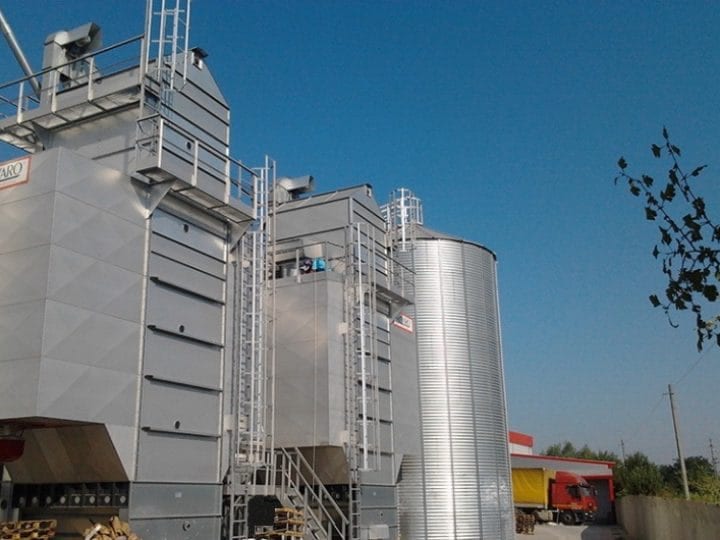
Ravaro Batch Grain Dryers
Italian mixed-flow batch grain dryers, suitable for medium-sized farms or tailored for special products like paddy rice that require a resting period.
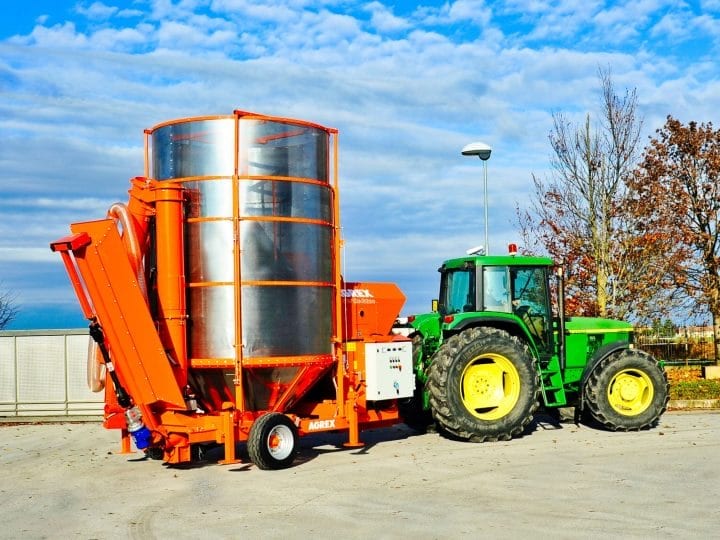
Agrex Mobile Grain Dryers
Italian mobile batch grain dryers for small and medium-sized farmers do not require construction work, are completely autonomous in operation, and can run on any type of fuel.
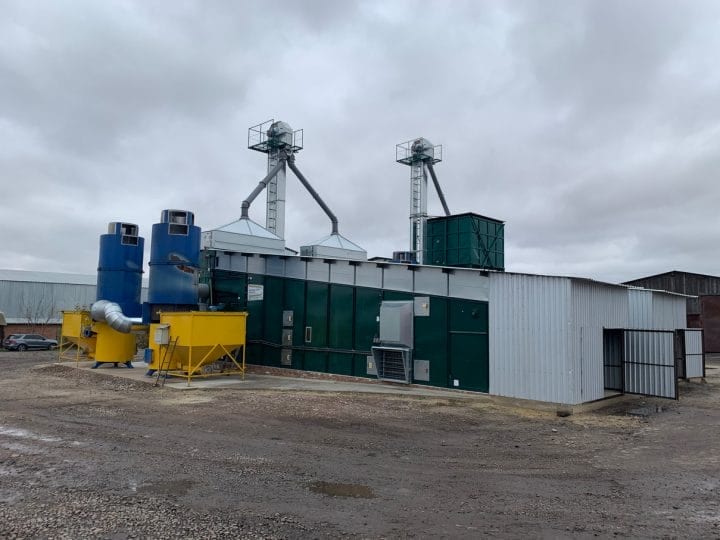
Alvan Blanch Grain Dryers
Horizontal grain dryers from Great Britain. The short height allows to minimize total capital investments. Conveyor belt technology ensures gentle grain drying.
Why Oats Require a Dedicated Approach
Oats can seem like a simple crop: harvest, dry, send to storage or processing. In practice, they are often more demanding than wheat or rye.
Oats have several important characteristics:
- the grain is often retained in its hull, resulting in low test weight and large volume per tonne;
- freshly harvested material contains a high proportion of light impurities: chaff, straw, wild oats, and immature kernels;
- the grain mass can be uneven in maturity and moisture content;
- oats self-heat rapidly, especially if held without cleaning and ventilation;
- food-grade oats are sensitive to breakage, dehulling, and rancidity;
- seed oats require preservation of germination capacity.
It is therefore better to view oats drying not as an isolated operation but as part of a chain: cleaning → drying → cooling → storage → and, where necessary, processing and stabilisation.
Why oats self-heat rapidly
Freshly harvested oats frequently contain kernels of varying maturity and moisture content. The grain mass also includes light impurities, straw, chaff, and weed seeds. This mixture ventilates poorly, respires more actively, and heats up faster.
If moist oats are left in a heap, a trailer, or a silo without active ventilation and cleaning, quality can deteriorate faster than with wheat or rye. The first 24 hours after harvest are therefore especially critical for oats: impurities must be removed, airflow must be ensured, and moisture must be reduced to a safe level as quickly as possible.
Main Oats Drying Scenarios
| Scenario | Primary objective | Main risk | Drying logic |
|---|---|---|---|
| Feed oats | preserve mass and feed value | self-heating, mould, over-drying | higher throughput regime is possible, but grain temperature must be controlled |
| Food oats | preserve test weight, colour, flavour, and processability | breakage, dehulling, rancidity | gentle regime, thorough cleaning, careful handling |
| Seed oats | preserve germination | embryo overheating, hull damage | low grain temperature, careful mechanical handling |
| Hulled oats | dry grain in its hull | dust, low bulk density, fine fraction carry-over | aspiration and correct air velocity required |
| Naked or pre-hulled oats | preserve the kernel and fat | breakage, oxidation, rancidity | gentler, more careful regime, no aggressive overheating |
Oats Moisture: Target Drying Levels
For standard storage, oats are most commonly dried to 13–14 %. For long-term storage and food-grade oats it is advisable to target closer to 12–13 %, particularly if the grain will be stored in warm conditions or awaiting processing for an extended period.
The critical zone for oats begins at approximately 14–15 % moisture: at this level grain respiration intensifies and the risk of self-heating and mould increases. If the grain contains a high proportion of impurities, immature kernels, or damaged hulls, safe storage conditions become even stricter.
| Intended use | Moisture target | Notes |
|---|---|---|
| Feed oats | approx. 13–14 % | baseline level for safe storage |
| Food oats | approx. 12–13.5 % | lower risk of mould, rancidity, and quality loss |
| Seed oats | typically 13–14 % for storage, per batch norms | not only drying but preservation of germination is critical |
| Long-term storage | closer to 12–13 % | especially important in warm warehouses or with long logistics chains |
| Wet freshly harvested material | dry and clean without delay | high risk of self-heating |
Why oats should ideally be cleaned before or simultaneously with drying
Oats frequently arrive from the field with light impurities. Chaff, straw, weed seeds, and immature kernels create a non-uniform mass. This mass ventilates poorly, can block airflow channels, generates more dust, and self-heats faster.
Pre-cleaning reduces the load on the dryer, lowers the risk of uneven drying, and improves storage conditions. For food-grade oats, cleaning is especially important: impurities and broken kernels degrade processability and can accelerate spoilage.
Oats Drying Temperature
There is no single universal temperature for oats. It is essential to distinguish between air temperature and grain temperature.
Air temperature is the dryer setting. It depends on the type of equipment, air velocity, bed depth, grain residence time, and initial moisture content.
Grain temperature is the actual product temperature. This is what determines the risk of damage to germination capacity, milling properties, hull integrity, and fat quality.
| Scenario | Air / drying agent temperature | Grain temperature | Notes |
|---|---|---|---|
| Feed oats | up to 110–115 °C in certain tower/shaft dryer regimes | no higher than approx. 50 °C | higher-throughput regime is possible, but grain must not be overheated |
| Food oats | typically gentler, target below 70 °C air temperature | no higher than approx. 50 °C | test weight, colour, absence of breakage, and subsequent storage are important |
| Seed oats | approx. 70 °C drying agent or lower, depending on dryer type | approx. 35–45 °C | regime is selected based on germination capacity and batch moisture |
| Low-temperature drying | slight elevation above ambient air temperature | gentle warming | used for ventilation-based and gentle finish-drying |
| Thermal stabilisation at processing | above 80 °C | this is no longer standard drying | a separate process against rancidity |
These figures should be treated as reference points, not as a ready-made recipe. For a specific project, what matters more than any single table value is control of the actual grain temperature, drying uniformity, cleaning, aspiration, and cooling.
Why it is important to distinguish air temperature from grain temperature for oats
In a dryer, the air can be considerably hotter than the grain. This is normal: heat is first transferred to the surface, and then consumed by moisture evaporation. However, with an incorrect regime, excessive residence time, or poor circulation, the grain can overheat.
This is particularly important for oats. Overheating feed oats reduces their nutritional value and storability. In food oats, test weight, flavour, colour, fat quality, and processability all suffer. In seed oats, overheating reduces germination capacity.
Food Oats: Why Drying Is Not the Same as Stabilisation
Oats are used for groats, flakes, flour, and other food products. Unlike many cereal crops, oats have a high fat content and active enzymes that can cause rancidity. For this reason, oats at the processing stage frequently undergo a separate thermal stabilisation step.
This is not ordinary post-harvest drying. Drying reduces moisture to a safe storage level. Stabilisation is needed to halt the enzymatic processes that degrade flavour, aroma, and shelf life.
In simple terms:
- at an elevator or farm, oats are dried to prevent self-heating and mould;
- at a processing facility, oats are stabilised to prevent groats, flakes, or flour from going rancid.
These two processes may operate at different temperatures, different product moisture levels, and on different equipment. It is therefore incorrect to take the stabilisation temperature for food oats and apply it as the operating regime for a grain dryer.
Why oats go rancid faster than other cereal crops
Oats contain more fat than most cereal crops. The grain also contains enzymes capable of breaking down fats. If oats are stored while moist, warm, damaged, or insufficiently cleaned, the risk of rancidity increases.
For the end consumer, this manifests as off-odour and off-flavour. For the processor, it means a shorter shelf life and quality issues with the finished product. For this reason, food-grade oats are dried and stored with particular care, and then separately stabilised on the processing line.
Hull, Low Test Weight, and Dust
Oats commonly retain their floral hull. The hull protects the kernel, but simultaneously makes the grain light and bulky. More volume per tonne is required for oats than for heavier crops. The grain mass contains a higher proportion of light fractions, and dust, chaff, and fine particles are more easily lifted by airflow.
This affects drying:
- a bed of oats can behave differently from a bed of wheat or corn;
- air velocity must be set carefully to avoid carrying off the fine fraction;
- effective aspiration is required;
- pre-cleaning before drying is beneficial;
- breakage and dehulling of kernels must be minimised during handling.
For food-grade oats, not only moisture but also test weight, hull integrity, and the absence of broken or dehulled kernels are important. Damaged grain stores less well and may spoil more rapidly.
Are oats more abrasive, or simply more dusty?
Oats should not automatically be ranked among the most abrasive crops. The main challenges with oats are typically not extreme abrasiveness but rather the combination of hull, low bulk density, dust, chaff, and kernel fragility.
This still matters for the dryer. In zones of intensive friction, dropping, and conveying, wear, dust accumulation, and grain damage must be considered. For large-scale lines, gentle elevators, smooth transitions, effective aspiration, and wear-resistant elements in areas of constant contact with grain and impurities are beneficial.
Seed Oats
Seed oats are dried more gently than feed oats. Here it is not only moisture that matters, but also preservation of the embryo. Overheating and mechanical damage can reduce germination capacity.
For seed oats the following are typically applied:
- lower grain temperature;
- more gradual moisture removal;
- careful conveying without aggressive augers where possible;
- tempering or recirculation to equalise moisture;
- thorough cooling before storage.
Oats have one additional characteristic: freshly harvested seed may be in a dormancy period and will not always germinate immediately. This does not eliminate drying requirements. The batch must still be dried in a manner that does not compromise future germination capacity.
Feed Oats
Feed oats allow more productive operating regimes than seed or food oats. Published sources describe a feed oats regime using a drying agent temperature of 110–115 °C with moisture removal from approximately 19 % to 14 %, provided the grain itself does not overheat above approximately 50 °C.
This does not mean that any oats can be dried at maximum temperature. Even for feed oats it is important to avoid:
- grain overheating;
- over-drying;
- mould and self-heating from under-drying;
- dust problems;
- uneven final moisture content.
If a batch is non-uniform in moisture, it is better to work not only with temperature but also with residence time, recirculation, tempering, and grain temperature monitoring.
Food Oats: What to Avoid During Drying
Food-grade oats require more careful drying than feed oats. Test weight, colour, absence of off-odours, kernel integrity, and processability are all important here.
For food oats the following are undesirable:
- overheating;
- breakage and dehulling;
- over-drying;
- contamination with dust and impurities;
- storage at elevated moisture;
- prolonged storage without subsequent stabilisation.
If oats are destined for groats, flakes, or flour, the drying regime must preserve grain quality for subsequent processing. A separate thermal stabilisation step against rancidity may then be carried out at the processing facility.
Which Dryers Are Suitable for Oats
Batch, recirculating, mobile, and continuous-flow grain dryers are all suitable for oats. The choice depends on the intended use of the batch and the scale of the operation. As relevant solutions we consider the Ravaro RR/RC, Agrex AGD/AGD-F, Alvan Blanch DF/BD, and FAO series.
Ravaro RR — Batch Drying with Recirculation and Tempering
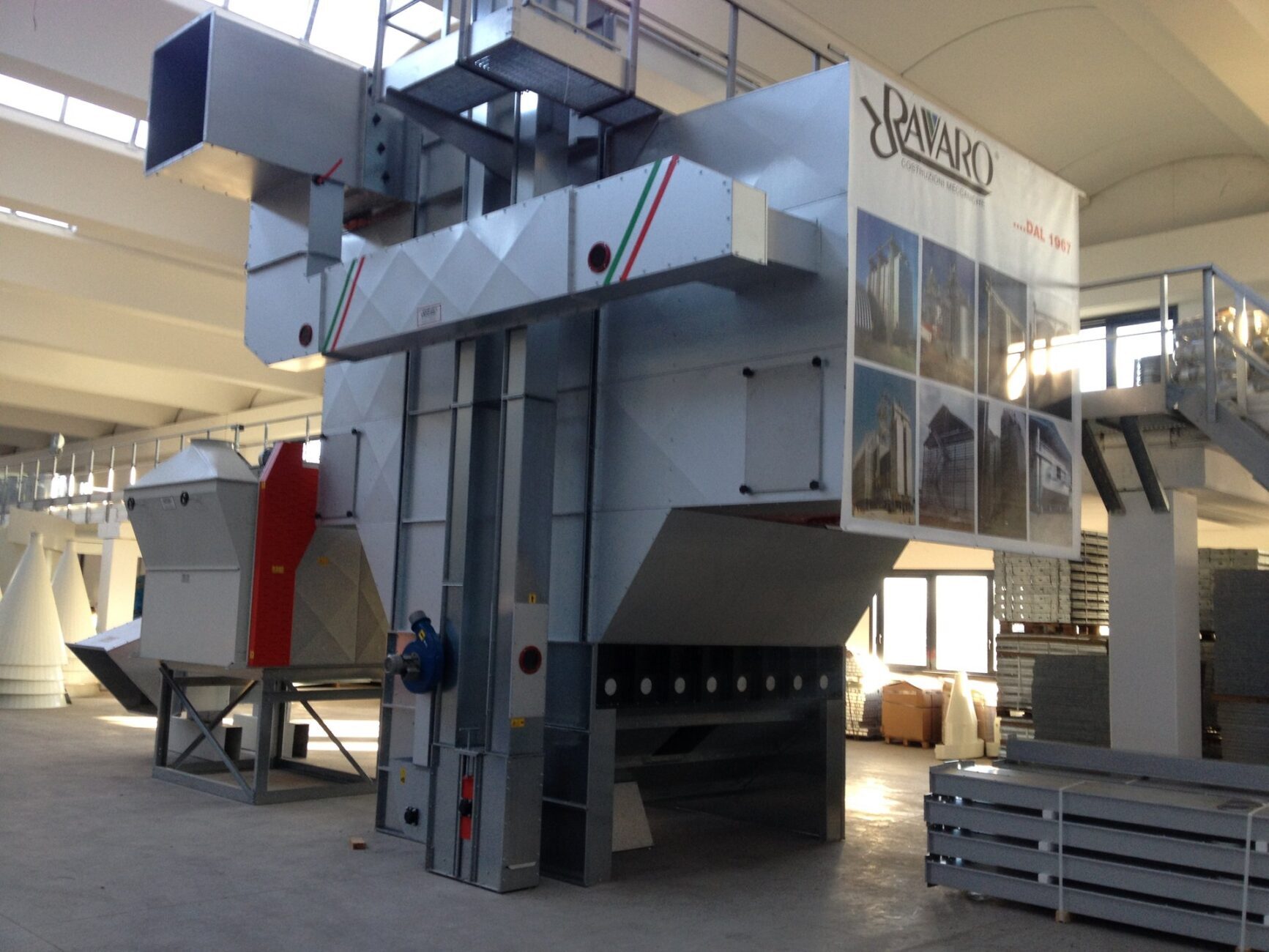
The Ravaro RR batch recirculating grain dryer is well suited to operations where uniformity and gentle handling are priorities. The tempering phase allows moisture to redistribute within the kernel, which reduces the risk of localised overheating and uneven moisture content.
For oats, the Ravaro RR is particularly attractive where the batch is valuable, non-uniform, seed material, or destined for food use.
Ravaro RC — Continuous-Flow Drying for High Throughput
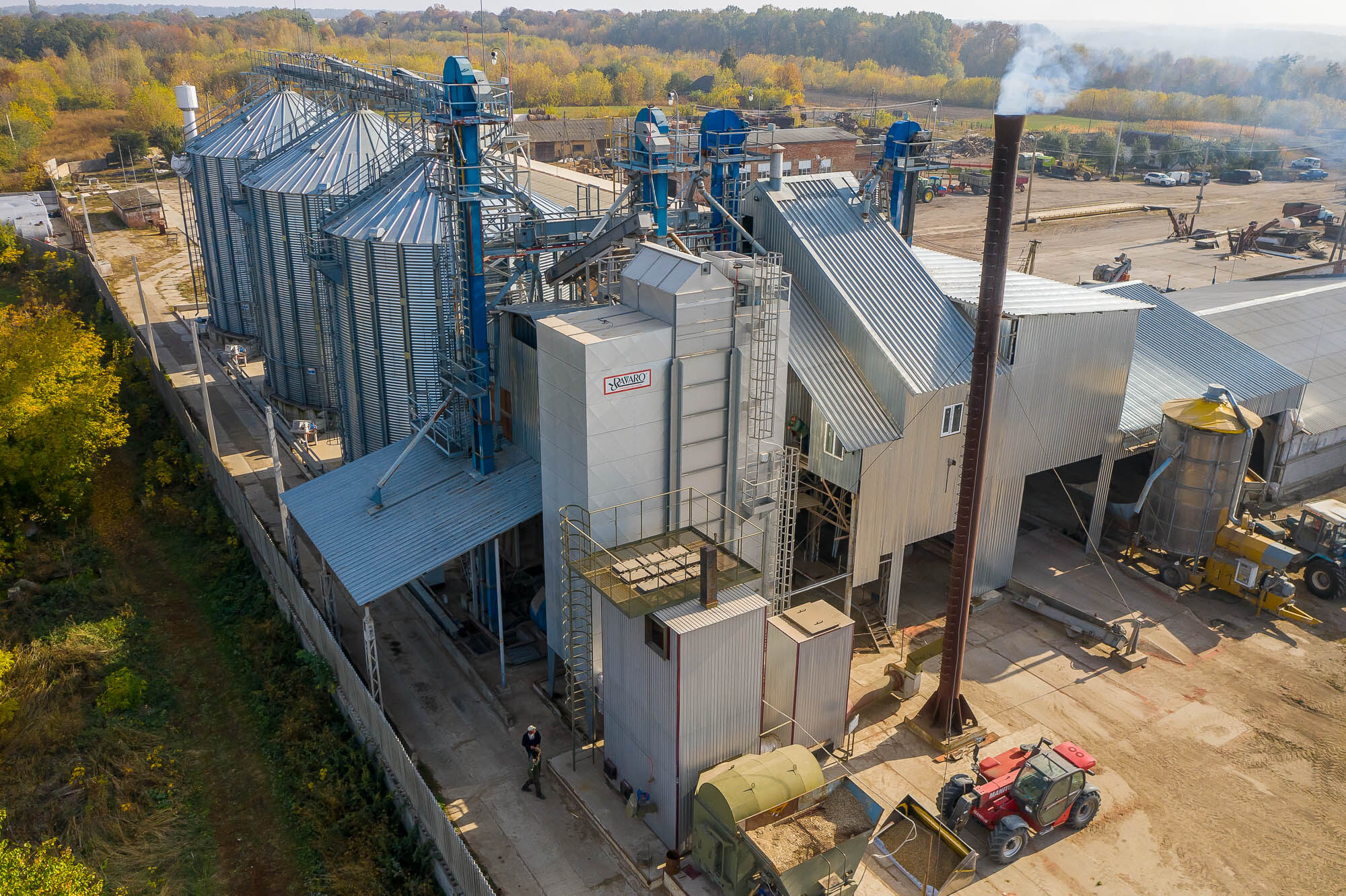
Ravaro RC is a continuous-flow series for higher-throughput drying. It is suitable for commodity and feed oats when a significant volume of grain needs to be processed quickly.
For food-grade oats, the regime must be set more gently, with grain temperature monitoring and mandatory cooling after drying.
Alvan Blanch DF — Continuous Double-Flow Dryer
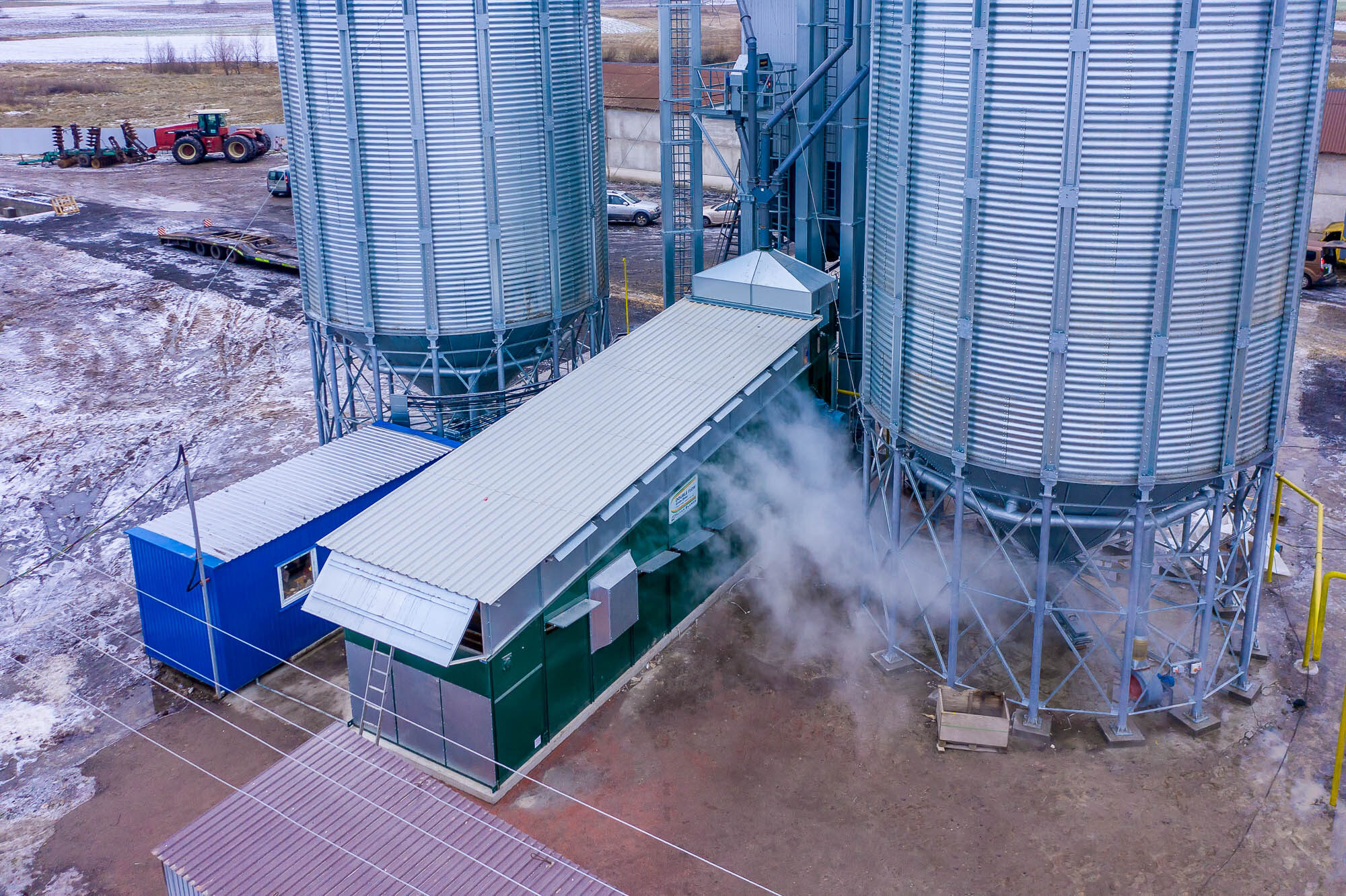
Alvan Blanch DF is a continuous-flow grain dryer for which oats are listed as a specified crop by the manufacturer. No separate temperature row for oats appears on the manufacturer's page, so specific temperatures cannot be taken from an "adjacent crop" without calculation.
The advantage of the DF for oats is flexible parameter adjustment: bed depth, air temperature, grain residence time, air velocity, and maximum grain temperature. This is important for food-grade and seed oats.
Alvan Blanch BD — Batch and Low-Temperature Logic
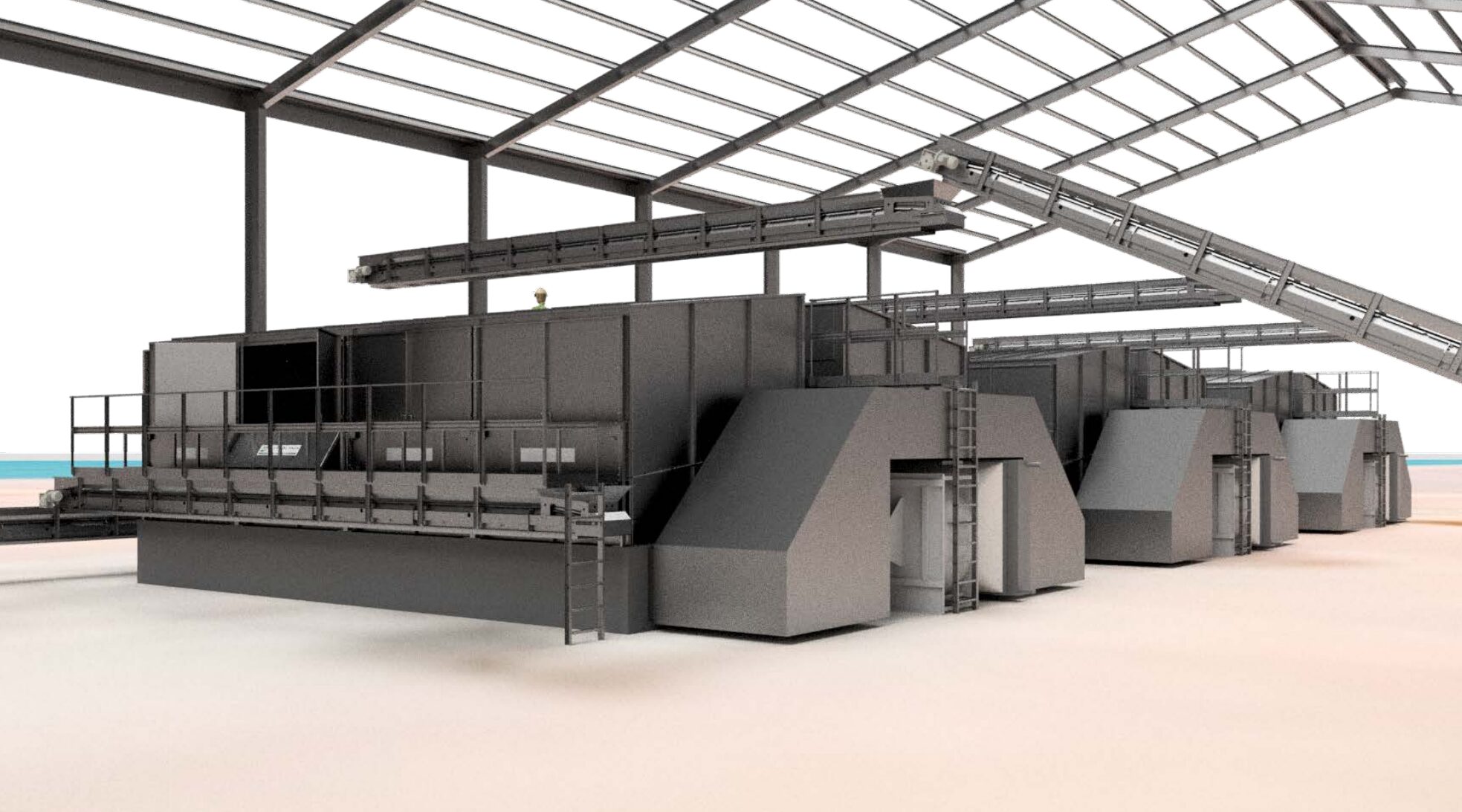
Alvan Blanch BD is a batch dryer. It is suitable for smaller batches, seed material, and crops requiring a gentler regime. For oats, this is useful where quality takes precedence over maximum throughput.
Agrex AGD / AGD-F — Mobile and Stationary Solutions
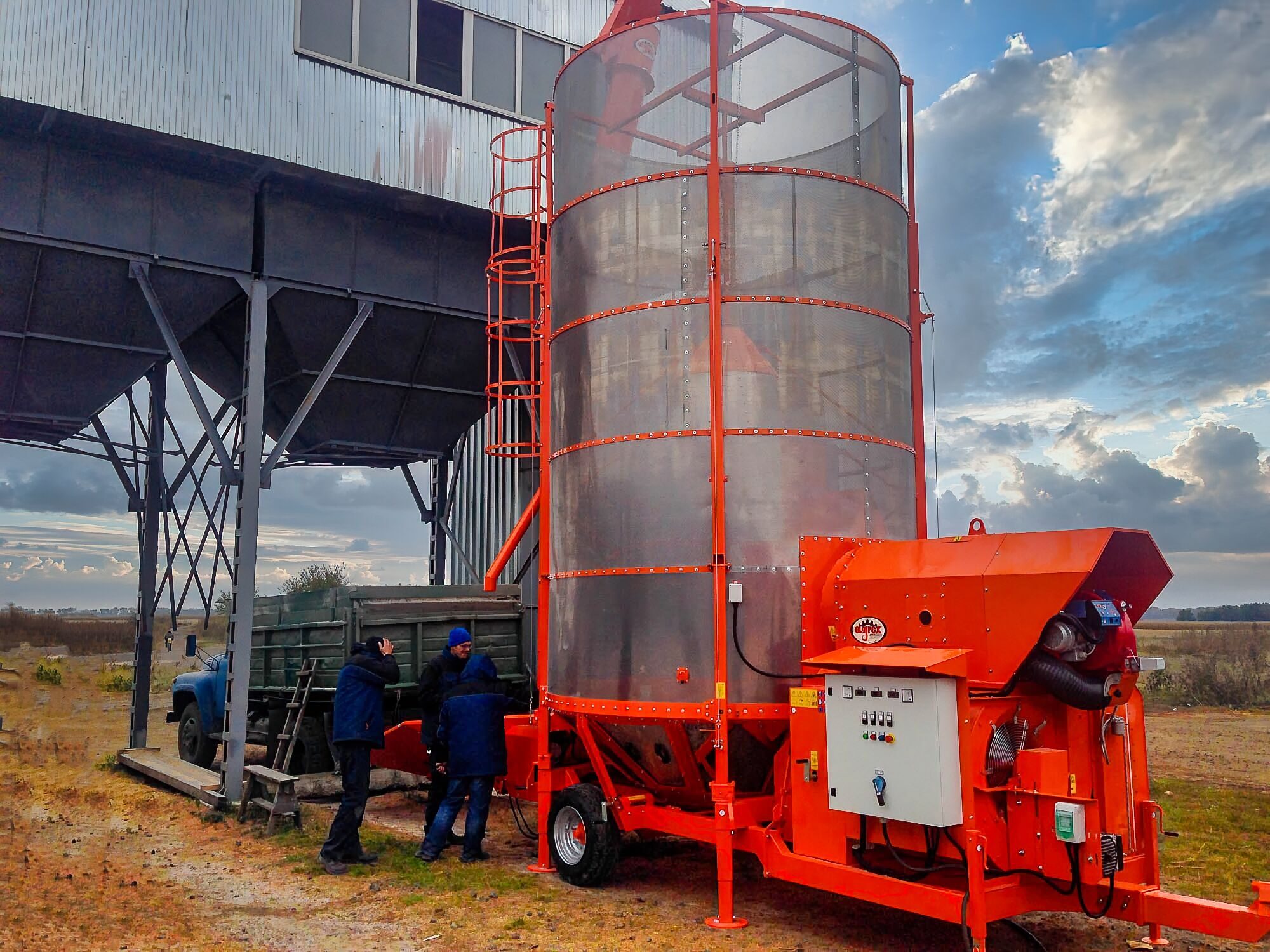
Agrex AGD and AGD-F are mobile and stationary continuous-flow recirculating grain dryers. For oats, their application follows standard cereal grain logic. When selecting settings, the light nature of the grain, screen selection, air velocity, aspiration, and the intended use of the batch must all be considered.
FAO AR — Batch Series
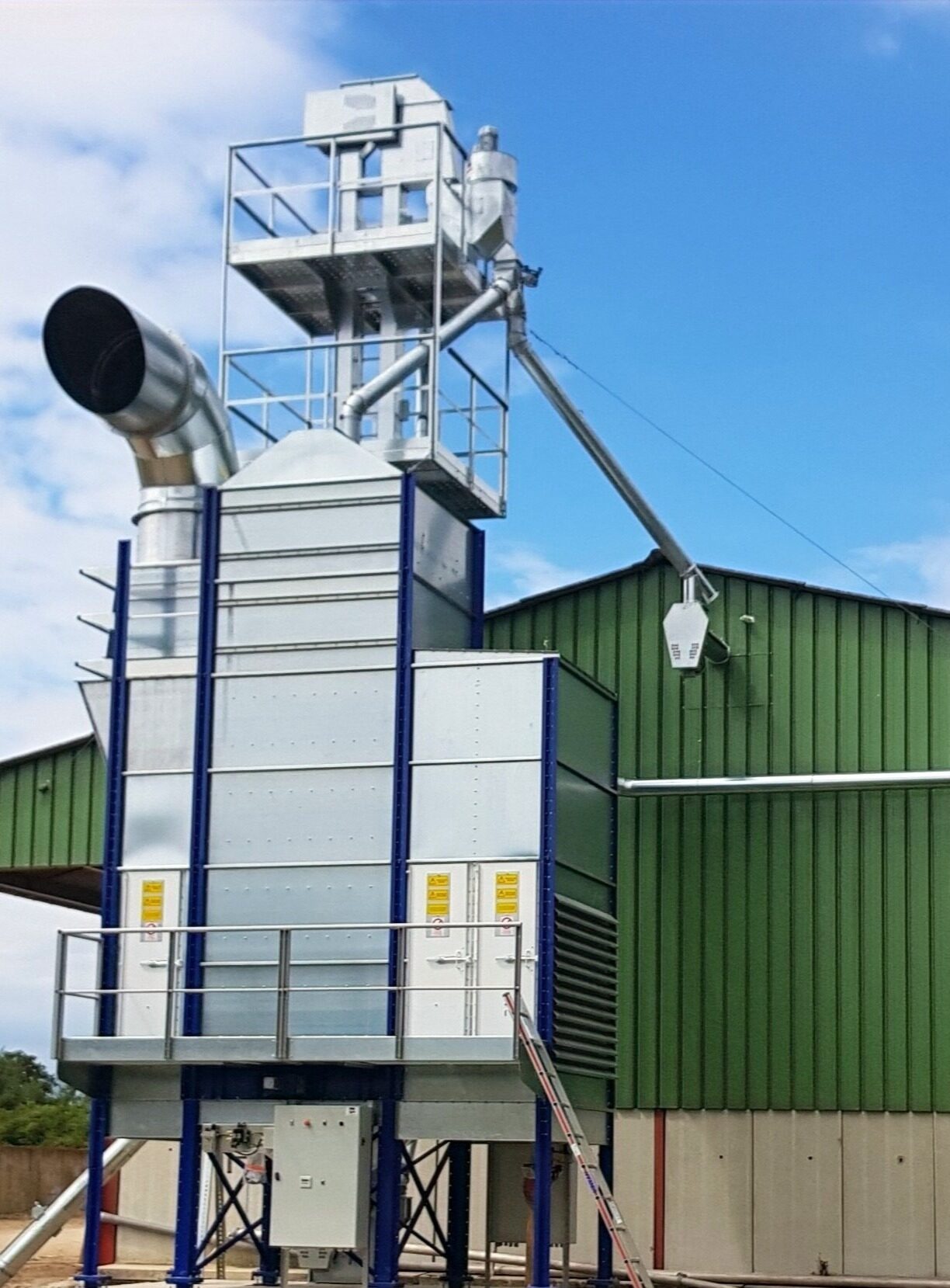
FAO AR is a batch series. For oats it can be attractive where gentle drying of smaller or medium-sized batches is needed, particularly with variable moisture content and a requirement to control grain temperature.
FAO ACE / ACEX / SCE — Continuous-Flow Series
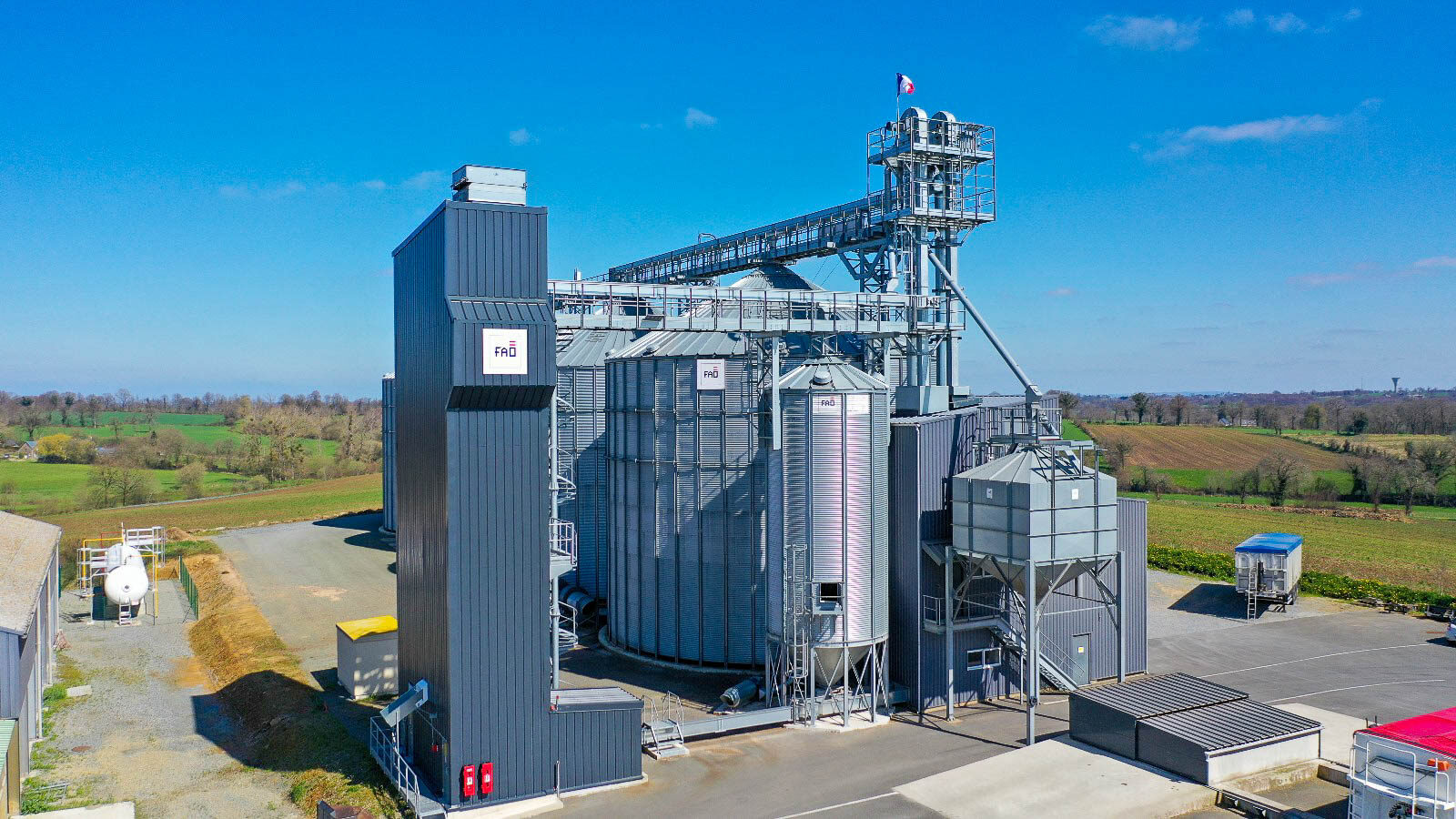
FAO ACE, ACEX, and SCE are continuous-flow series. They are the logical choice for commodity and feed oats where throughput is the priority. For food-grade and seed oats, the regime must be set based on grain temperature and quality requirements, not solely on drying speed.
Why a wheat regime should not simply be applied to oats
Oats are lighter, more hulled, and dustier than wheat. They self-heat faster, contain more fat, and more often require subsequent food-grade stabilisation. The wheat regime can therefore be only a starting point, not a ready-made solution.
For oats, the following must be verified separately: batch moisture content, contamination level, proportion of light impurities, intended grain use, permissible grain temperature, and storage requirements.
What Matters in a Dryer's Design for Oats
For oats, it is not only the burner and throughput that matter. In practice, the following are highly significant:
- Grain temperature control. Especially for food-grade and seed oats.
- Aspiration and pre-cleaning. Oats generate a high proportion of light fractions and dust.
- Gentle handling. Less breakage, fewer dehulled kernels, better preservation of food and seed quality.
- Recirculation or tempering. Helps to equalise moisture content.
- Cooling after drying. Warm oats must not be placed into storage without temperature control.
- Screen and perforation selection. Oats are lighter and bulkier than many other cereal crops.
Cooling After Drying
After drying, oats must be cooled. This is especially important if the grain is to be stored in a silo or warehouse. A warm grain mass in contact with cold air can produce condensation. Condensation represents a risk of mould, self-heating, and quality deterioration.
For long-term storage, the goal should be not only correct moisture content but also low grain temperature. The drier and cooler the oats, the lower the risk of respiration, mould, pests, and rancidity.
What You Need to Know for Dryer Selection
For a preliminary dryer selection for oats, the following information is required:
- intended batch use: feed, food, or seed;
- hulled or naked oats;
- initial moisture content;
- target moisture content;
- throughput in tonnes per hour or per day;
- contamination level, proportion of chaff and light impurities;
- test weight and milling quality requirements;
- germination requirements for seed material;
- available fuel;
- post-drying storage format;
- whether subsequent food-grade stabilisation at the processing facility is required.
The more precise the input data, the easier it is to select the temperature, throughput, dryer type, cooling regime, and cleaning line configuration.
Practical Recommendations
- Do not hold moist oats after harvest without ventilation and cleaning.
- Do not mix feed, food, and seed drying regimes.
- Monitor not only air temperature but also the actual grain temperature.
- Reduce straw, chaff, and light impurities before drying.
- For food oats, avoid breakage, dehulling, and over-drying.
- For seed oats, use a gentle regime and careful handling.
- Always cool the grain after drying.
- Do not confuse ordinary drying with thermal stabilisation at the processing facility.
Frequently Asked Questions About Drying Oats
To what moisture content are oats dried?
Typically to 13–14 %. For long-term storage and food-grade oats, it is better to target closer to 12–13 %, particularly if the grain will be stored for an extended period or at elevated temperature.
At what temperature should oats be dried?
It depends on the intended use. For feed oats, higher-throughput regimes are possible, but grain temperature is typically limited to approximately 50 °C. For food-grade oats, the regime is gentler to preserve test weight, colour, and processability. For seed oats, grain temperature must be even lower — approximately 35–45 °C.
Why should oats not be dried at too high a temperature?
Because it can degrade grain quality: reduce germination capacity, damage the hull, increase breakage, and accelerate fat spoilage. In food-grade oats, overheating can impair flavour, aroma, and subsequent processability.
Why do oats go rancid quickly?
Oats contain more fat than many other cereal crops and have active enzymes. If the grain is moist, warm, damaged, or poorly cleaned, fats deteriorate faster. For this reason, food-grade oats are dried, stored, and then stabilised with particular care.
What is thermal stabilisation of oats?
It is a separate processing step. Its purpose is to halt the enzymes that cause rancidity. It is not the same as ordinary post-harvest drying, where the primary goal is to reduce moisture to a safe storage level.
Which dryer is best for seed oats?
Gentle batch or recirculating solutions with grain temperature control, the ability to operate in a gentle regime, and careful handling are best suited to seed oats. Not only temperature but also the absence of mechanical damage is important.
Why do oats generate a lot of dust?
Because they are light, hulled, and frequently contain a high proportion of chaff, straw, and other light impurities. Cleaning and aspiration are therefore important elements of any oats drying line.
Can oats be dried in the same dryer as wheat or barley?
Yes, but the regime must be adapted. Oats are lighter, dustier, and more sensitive in storage. Temperature, air velocity, cleaning, cooling, and gentle handling must all be configured separately for oats.
Ready to Discuss Drying Your Oats?
Describe the intended batch use (feed, food, or seed oats), initial and target moisture content, throughput, hull type, contamination level, available fuel, and storage arrangement — and we will select the dryer type, temperature regime, cleaning and aspiration line, and estimated throughput for your specific requirements. Contact us in whichever way suits you best.
Still Have Questions? Contact Us!
By Phone
WhatsApp: +90 (536) 452-1184By Email
Our address: info@finpro.engineering
Related products
Barley
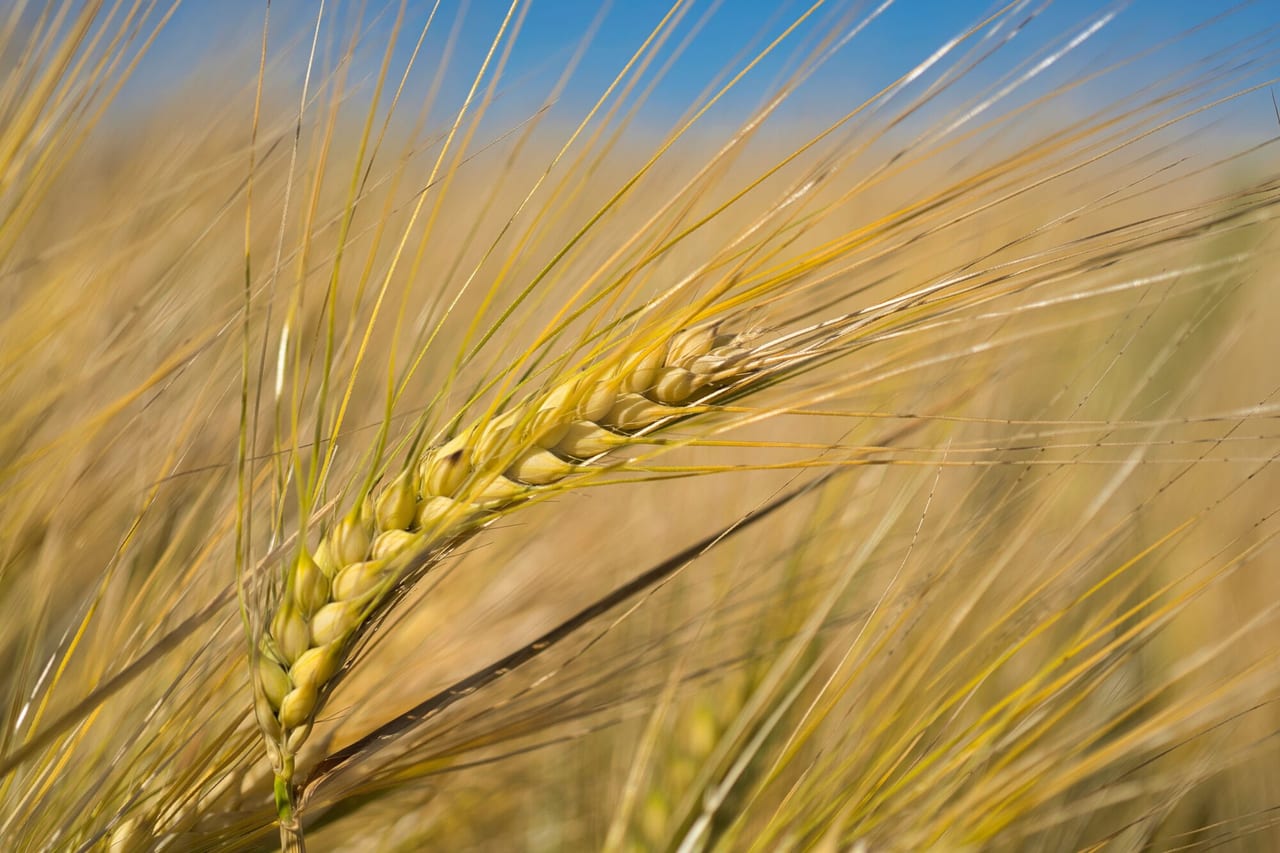
For malting barley, preserving germination and quality is critical and a gentle regime is required; feed barley is dried more aggressively.
Wheat
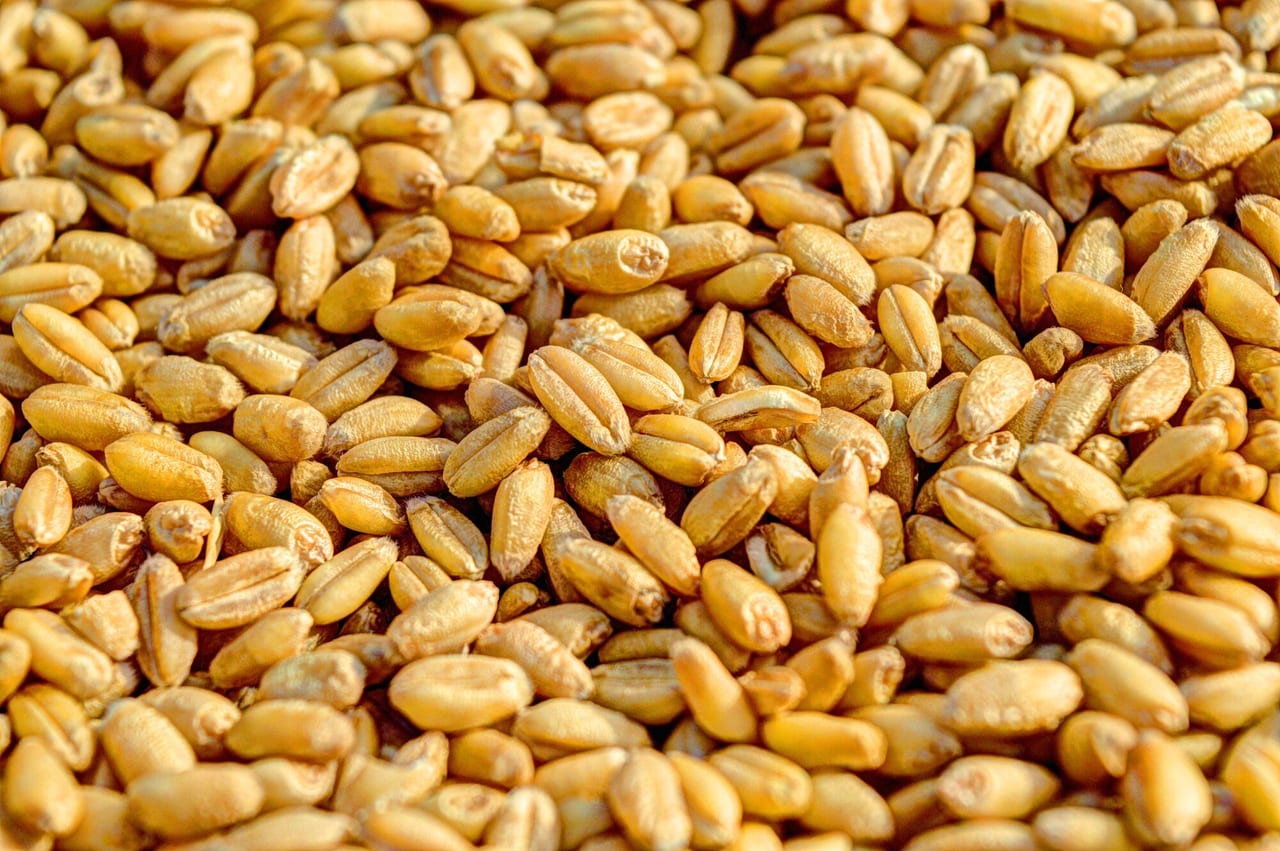
A staple cereal crop. The drying regime depends on the end use (food, feed, seed) and the permissible grain temperature.
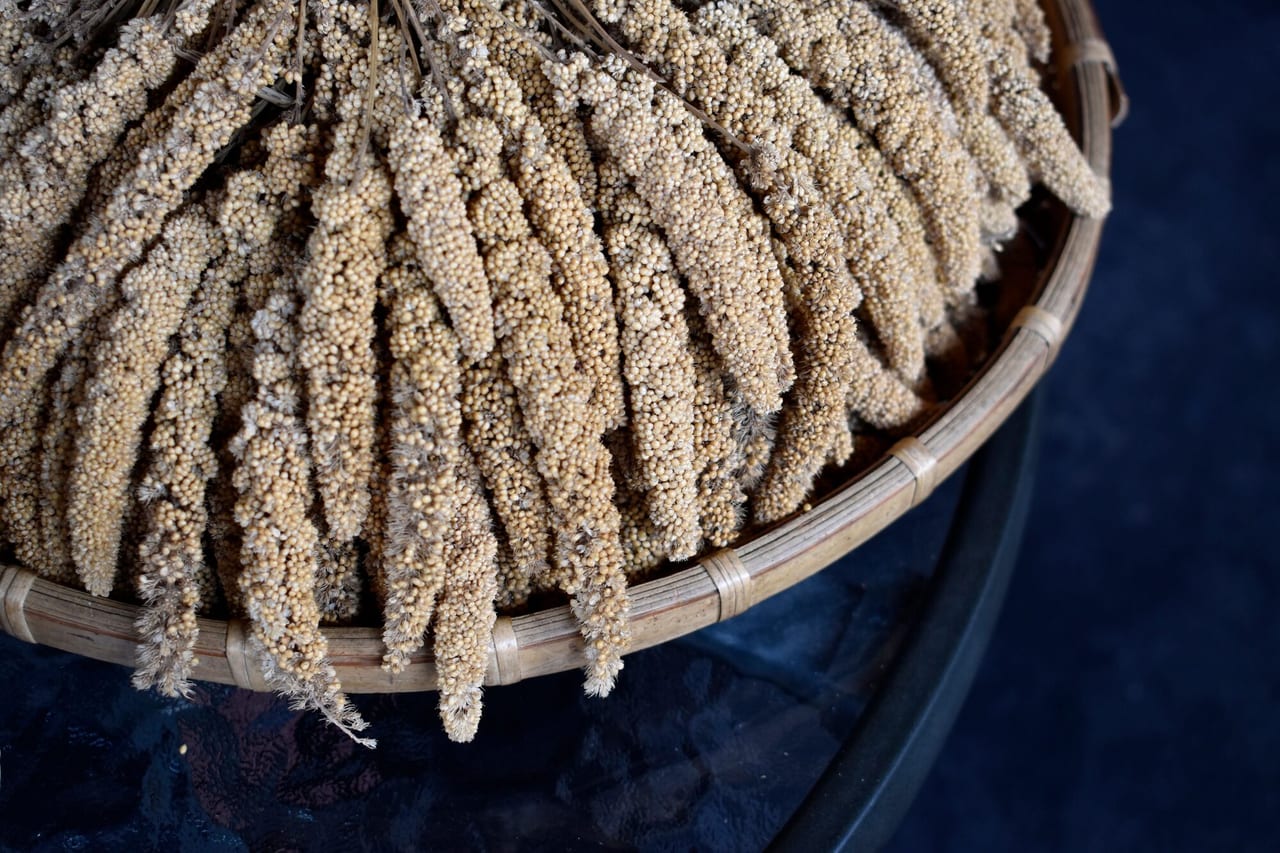
Sorghum
Grain sorghum is dried as a cereal crop; the regime is selected by moisture and end use.
Our Products
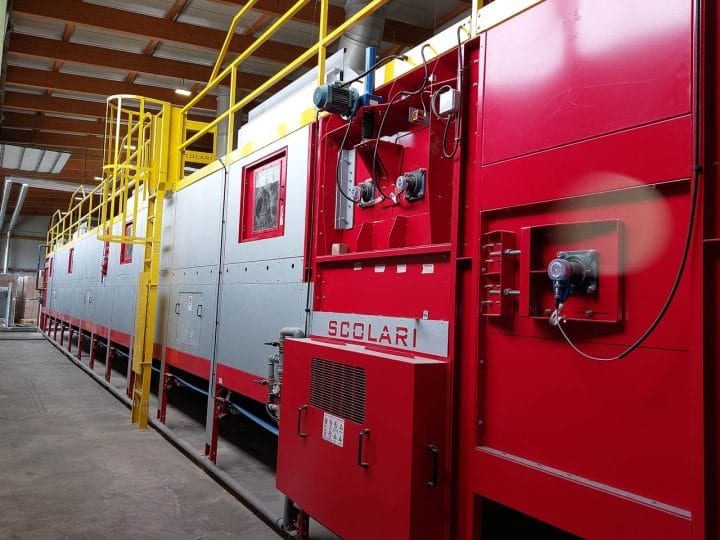
Universal Dryers
These dryers can be customized to dry any industrial or agricultural product you may require. Depending on the specific product and its moisture content, the dryers can be equipped with mixers, movable floors, vibrating floors, and other advanced technologies.
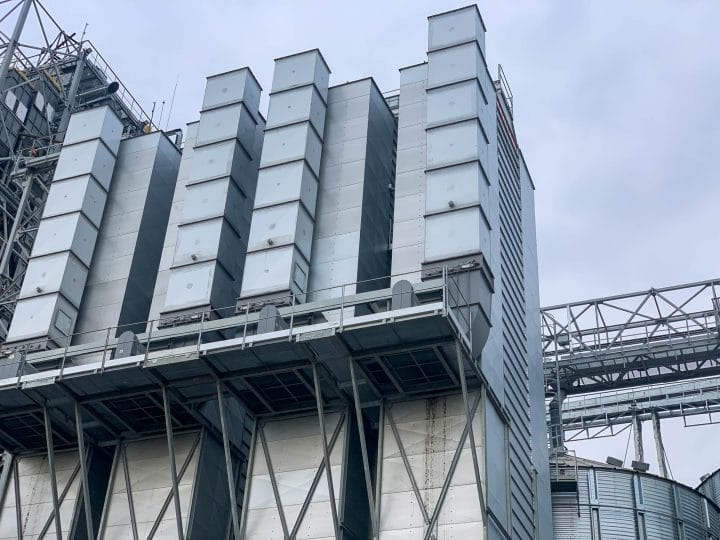
Grain Dryers
Authorized representative for top European grain dryer manufacturers like Alvan Blanch, FAO, and Agrex. Offering a full range of advanced drying solutions for agriculture.
Contact Us
If you are interested in purchasing any of our products, need a price quotation, or have any questions, comments, or suggestions, please do not hesitate to contact us via our contact form, by phone, or by email.
- WhatsApp: +90 (536) 452-1184
- E-mail: write to us
Our phones:
- Kazakhstan: +7 (747) 095-1626
- Moldova: +373 (22) 011-214
- Romania: +40 (31) 229-8484
- Türkiye: +90 (536) 452-1184 (English)
- Ukraine: +380 (67) 111-6668