
Dryers for herbs, hay, forage and medicinal plants
Herbs and plant raw materials are dried gently and at a moderate temperature: it is the drying mode that determines whether colour, aroma, nutritional value and active compounds are preserved. This is a large category with varied requirements, so the dryer is matched to the specific group of crops.
We work across several directions: "Hay and forage grasses" (alfalfa, clover, sainfoin, timothy grass, ryegrass, vetch, sudan grass), "Medicinal herbs" (chamomile, mint, lemon balm, calendula, lavender, sage, thyme, oregano, valerian, echinacea, nettle, St John's wort), "Aromatic herbs and greens" (basil, dill, parsley, coriander/cilantro, rosemary, tea) and "Technical and special crops" (hemp).
Each group has its own particulars: forage grasses need high throughput and the preservation of protein and carotene, while medicinal and aromatic herbs call for gentle low-temperature drying so as not to lose essential oils and biologically active substances.
We select an industrial dryer to match the chosen crop, volume and form of the raw material - from loose leaves and flowers to chopped green mass.
What we dry in this area
Select a subsection to see the products and the suitable dryer types.
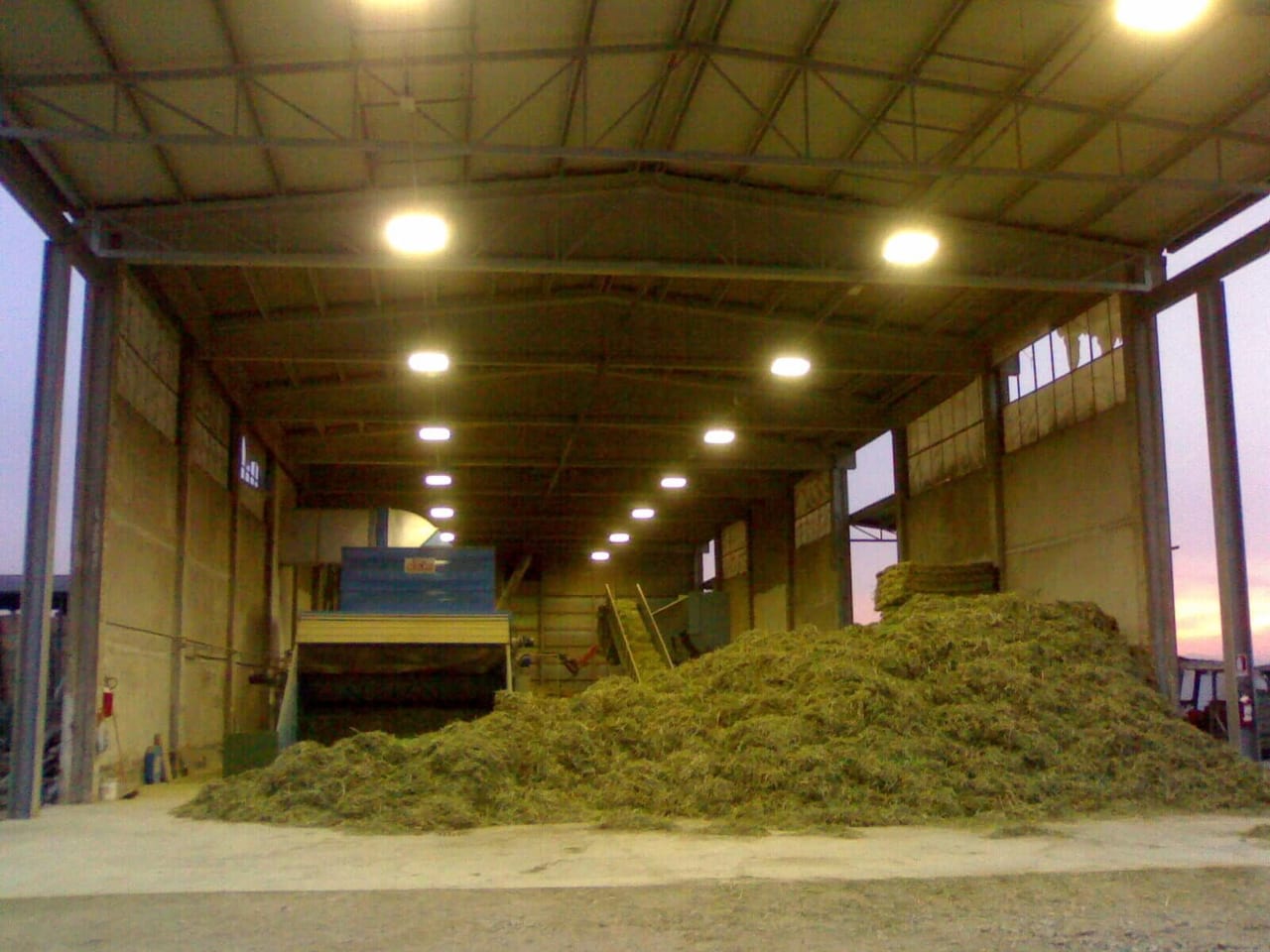
Hay and forage grasses
Alfalfa / lucerne, Clover, Sainfoin, Timothy grass, Ryegrass, Vetch etc.
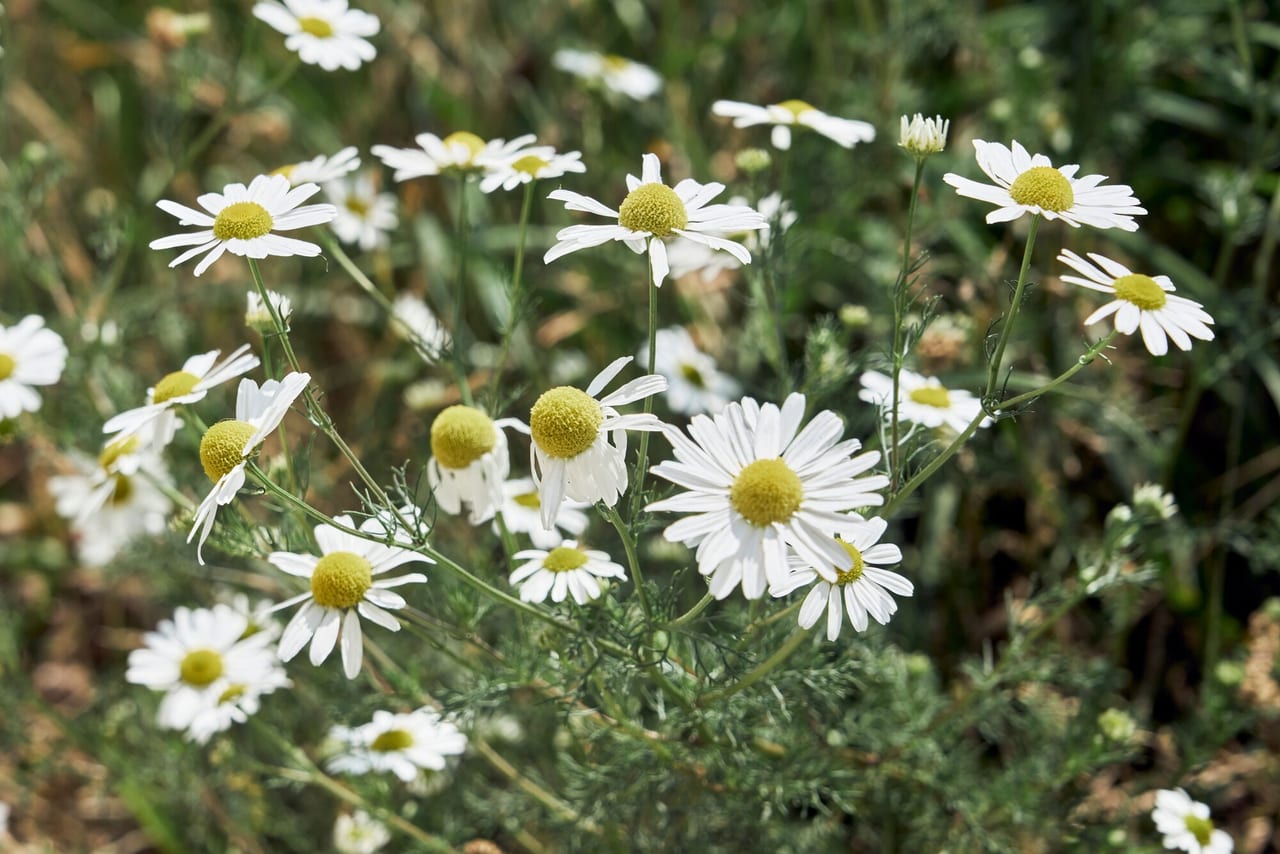
Medicinal herbs
Chamomile, Peppermint, Lemon balm, Calendula, Lavender, Sage etc.
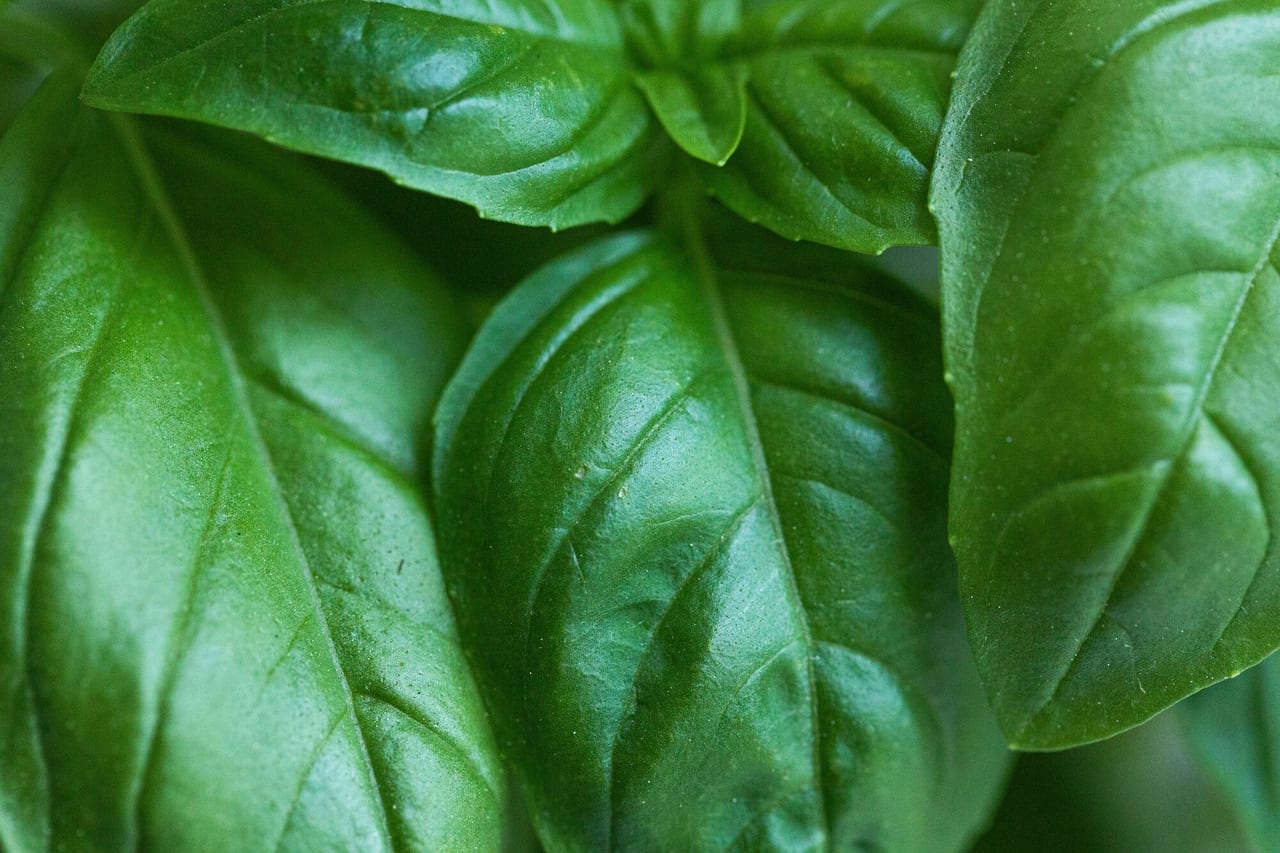
Aromatic herbs and greens
Basil, Dill, Parsley, Coriander / cilantro, Rosemary, Tea (leaf)
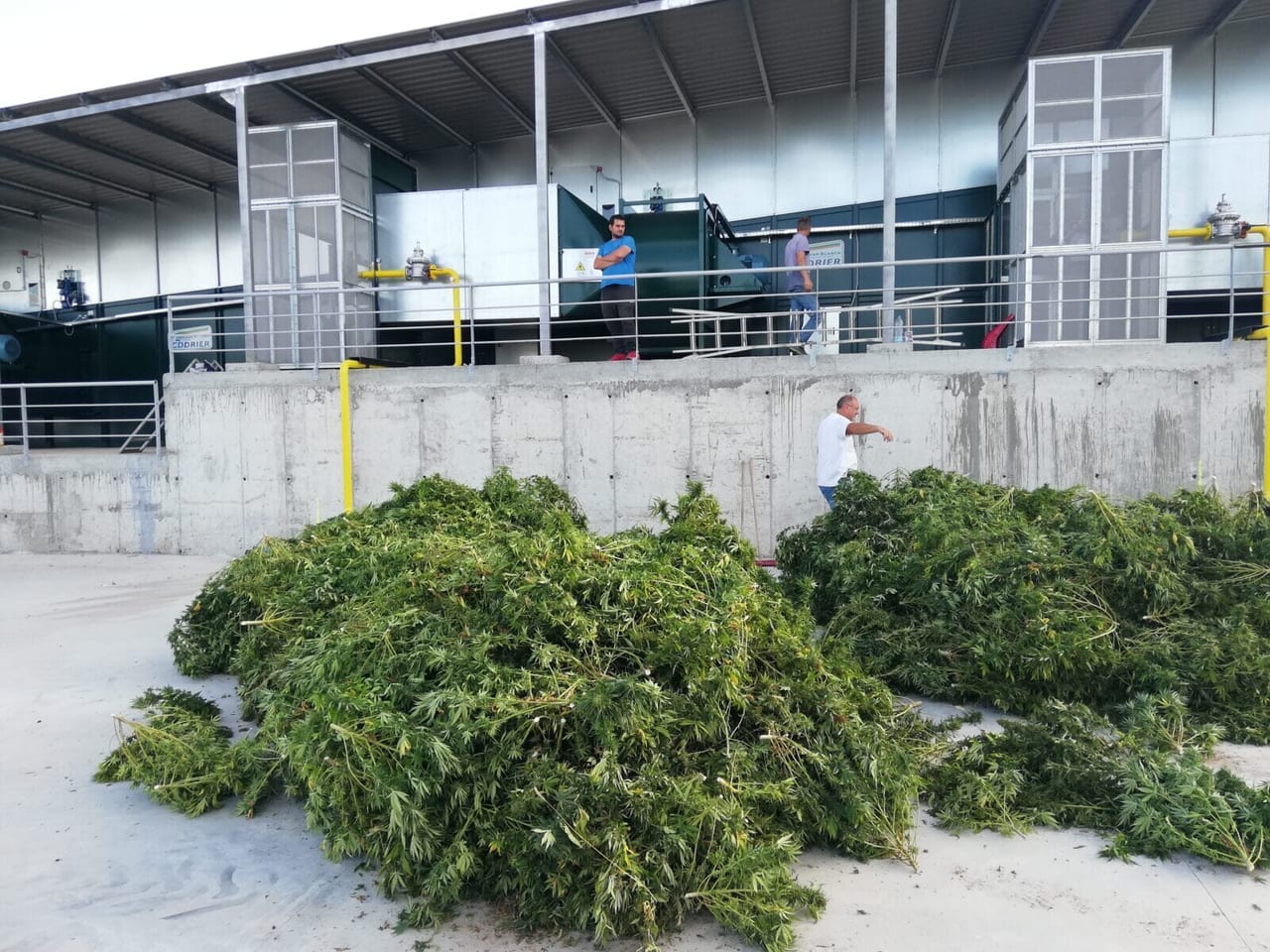
Technical and special crops
Hemp
Particulars of drying herbs, hay and medicinal plants
Herbs are heat-sensitive raw materials with high initial moisture and low bulk density. Overheating destroys colour, aroma and active compounds, so a low-temperature and uniform drying mode is almost always required, and for medicinal and aromatic crops an especially gentle regime is needed.
Industrial drying differs from field finishing in its controllability: you do not depend on the weather, you obtain consistent quality and you reduce nutritional losses.
- Moisture: green mass often arrives at 60-80% moisture and is brought down to storage moisture (typically around 10-14% depending on the crop).
- Temperature: moderate and controlled; for medicinal and aromatic herbs, reduced to preserve essential oils and active compounds.
- Fraction: from fine leaf, flowers and inflorescences to chopped and loose forage mass.
- Specifics: preservation of colour, aroma and active compounds, nutritional value (protein, carotene) in forage, and gentle handling of fragile flowers and leaves.
- Dryer types: for medicinal and aromatic herbs, low-temperature belt/conveyor, cabinet and static dryers are more common; for large flows of hay and forage grasses, high-capacity belt dryers with a turner and drum dryers.
- Data for selection: crop and group (forage/medicinal/aromatic), form of the raw material, initial and target moisture, volume or throughput, and requirements for colour and aroma.
Frequently asked questions
Which herbs are dried on industrial dryers?
Forage grasses and hay (alfalfa, clover, sainfoin and others), medicinal plants (chamomile, mint, calendula, lavender and others), aromatic herbs and greens (basil, dill, parsley, tea), as well as technical crops such as hemp.
Which dryer is needed for alfalfa, hay and forage grasses?
For large volumes of green mass, high-capacity belt dryers with a turner and drum solutions are used. The key is to preserve protein and carotene, so the mode is chosen to avoid over-drying or overheating the mass.
Can medicinal herbs such as chamomile and mint be dried?
Yes. Medicinal herbs use gentle low-temperature drying (belt, cabinet and static dryers), which preserves the colour, aroma and active compounds of the raw material.
Why is gentle low-temperature drying important for herbs?
High temperatures destroy essential oils, biologically active substances and pigments, while the raw material browns and loses its commercial value. A low-temperature, uniform mode preserves colour, aroma and nutritional value.
Why is industrial drying of herbs better than field finishing?
Industrial drying does not depend on the weather, delivers consistent quality and incurs smaller losses of nutritional value and active compounds. Field finishing takes longer and is harder to control, especially for medicinal and forage raw materials.
What data is needed to select a dryer?
The crop and its group, the form of the raw material (leaf, flowers, chopped mass), initial and target moisture, the required volume or throughput, and requirements for preserving colour and aroma.
Contact Us
If you are interested in purchasing any of our products, need a price quotation, or have any questions, comments, or suggestions, please do not hesitate to contact us via our contact form, by phone, or by email.
- WhatsApp: +90 (536) 452-1184
- E-mail: write to us
Our phones:
- Kazakhstan: +7 (747) 095-1626
- Moldova: +373 (22) 011-214
- Romania: +40 (31) 229-8484
- Türkiye: +90 (536) 452-1184 (English)
- Ukraine: +380 (67) 111-6668