
Dryers for fruits, vegetables and mushrooms
Fruits, vegetables and mushrooms are dried for long-term storage and processing: they yield dried fruits, dried vegetables, mushrooms and semi-finished products for the food industry. Drying quality determines the taste, colour, rehydration capacity and shelf life of the finished product.
We select an industrial dryer for the specific product and preparation form - whole fruits, slices, cubes, sheets or chips. We account for the high initial moisture of the raw material and the requirements for sanitation and uniformity throughout the entire load volume.
Unlike household dehydration, industrial drying delivers a stable regime, high throughput and hygiene control, which is critical for a food product and for working with retail chains and processors.
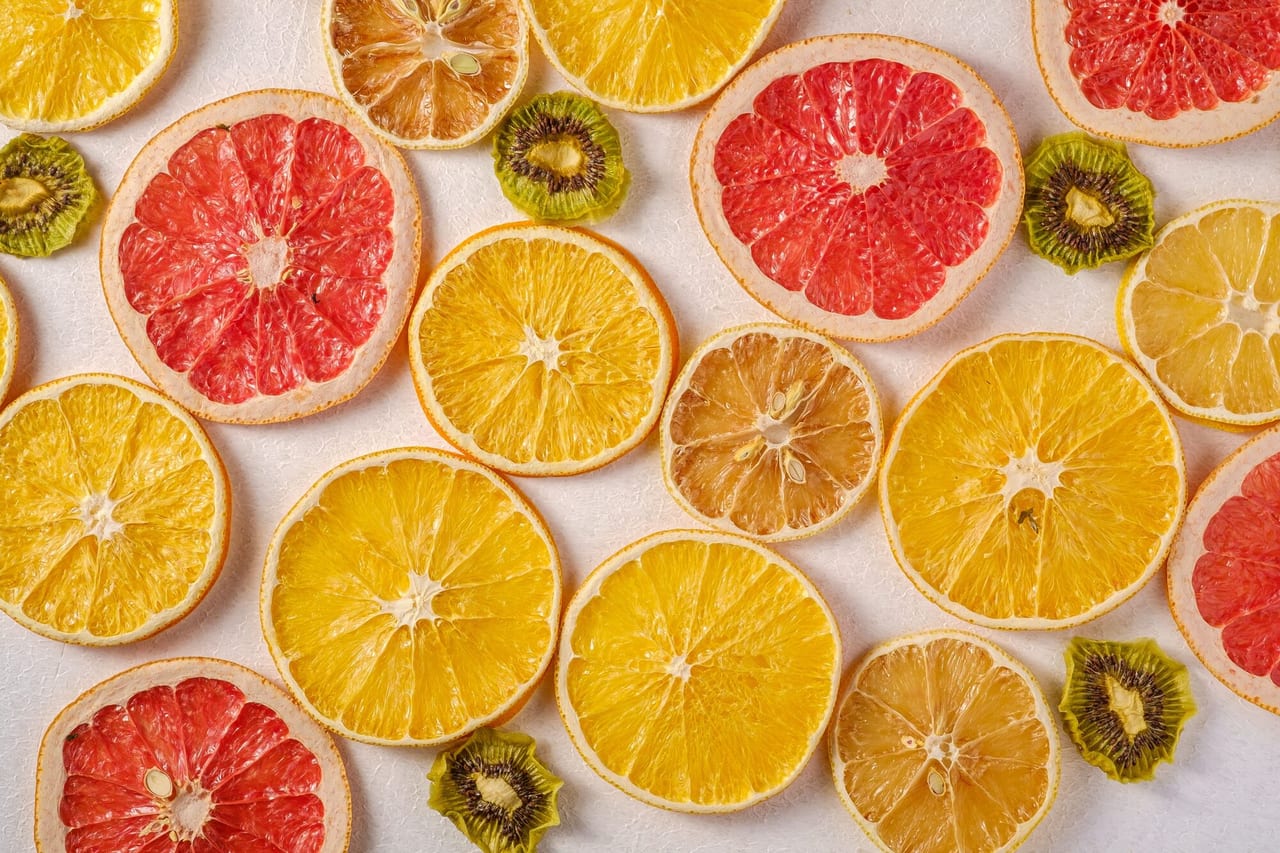
Fruits (general)
Industrial drying of fruits; the specific fruit determines the regime and line type.
Suitable dryers: Scolari cabinet C, Errepi NF (belt)
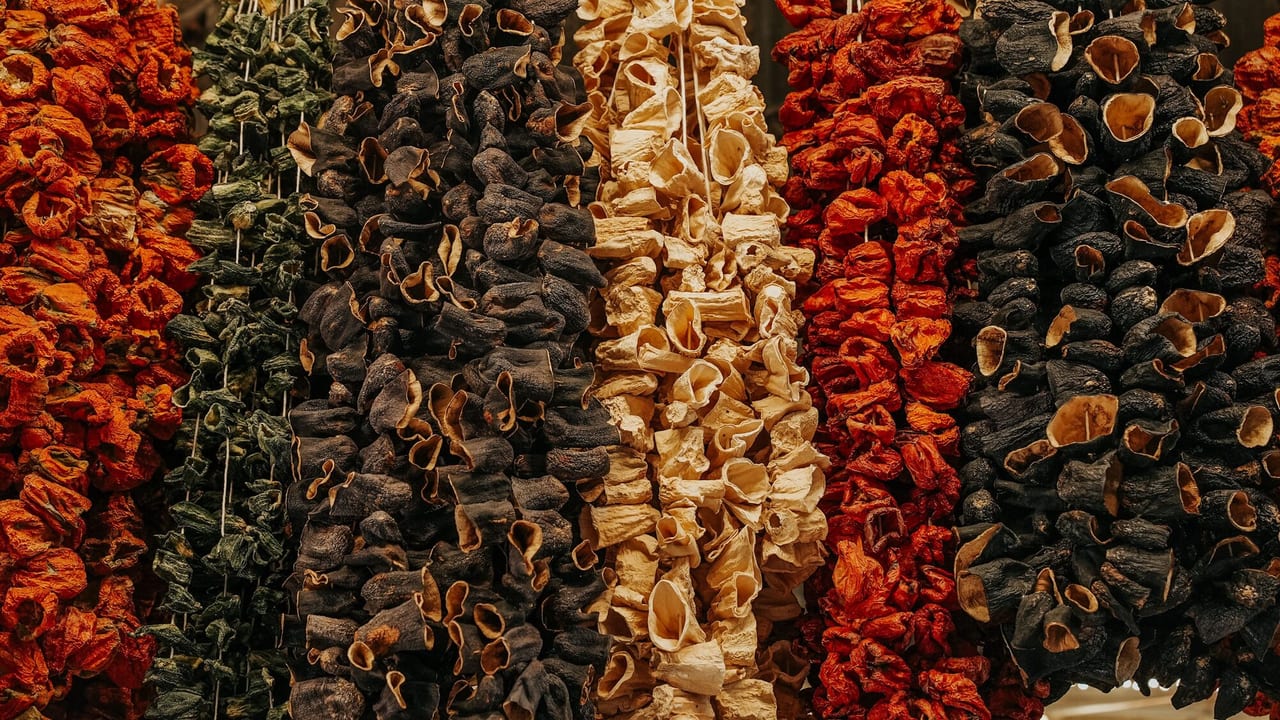
Vegetables (general)
Industrial drying of vegetables with colour and shape control.
Suitable dryers: Scolari cabinet C, Errepi NF (belt)
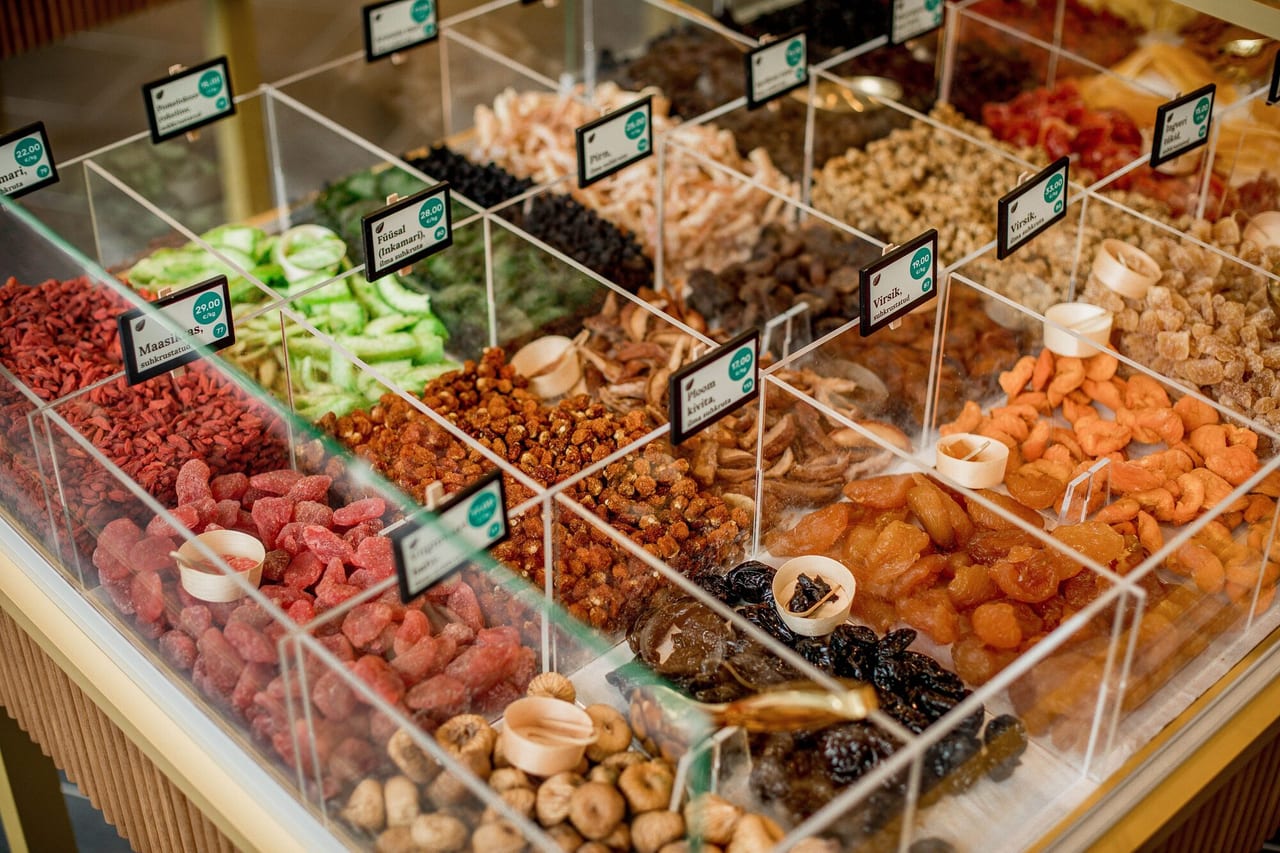
Dried fruits
Industrial drying of dried fruits with a uniform regime and sanitary control.
Suitable dryers: Scolari cabinet C
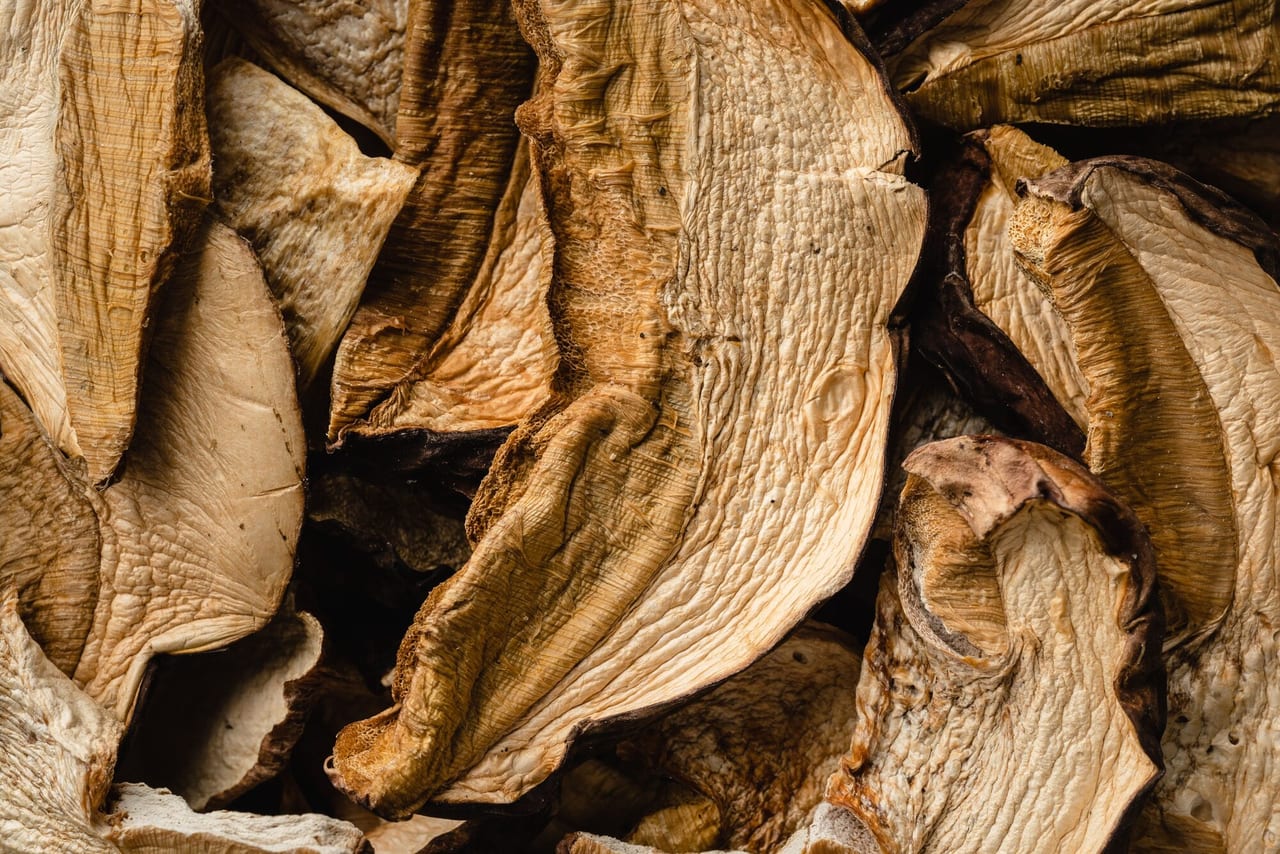
Mushrooms
Industrial drying of mushrooms instead of household dehydration.
Suitable dryers: Scolari cabinet C
Features of drying fruits, vegetables and mushrooms
Fruits, vegetables and mushrooms are juicy raw materials with very high initial moisture, sensitive to temperature and hygiene conditions. Overheating causes browning and loss of vitamins, taste and aroma, while under-drying and poor sanitation lead to spoilage and mould.
The key requirements are therefore controlled temperature, uniformity and food-grade sanitation at every stage of the process.
- Moisture: initial moisture is often 80-90%; the final value depends on the product - dried fruits usually retain some moisture, while dried vegetables and mushrooms are brought down to low values for long storage.
- Temperature: moderate and controlled, to preserve colour, taste and vitamins and avoid baking the surface.
- Particle size: whole fruits and mushrooms, slices, cubes, sheets, chips - the cut shape affects drying speed and uniformity.
- Specifics: preventing browning and colour loss, preserving aroma and nutritional value, strict sanitation and hygiene of contact surfaces.
- Dryer types: conveyor/belt dryers with a stirrer, cabinet and low-temperature solutions are most common; for granules, pieces and powdered raw materials - vibrating fluidised-bed dryers.
- Data for selection: product, cut shape, initial and target moisture, volume or hourly throughput, sanitary requirements and the available heat source.
Frequently asked questions
Which food products are dried industrially?
Fruits and berries, vegetables, mushrooms, as well as finished dried fruits. They yield dried raw materials and semi-finished products for the food industry and retail.
Which dryers are used for fruits, vegetables and mushrooms?
Most often conveyor/belt dryers with a stirrer, cabinet and low-temperature dryers. For small pieces, granules and powders, vibrating fluidised-bed dryers are used. The choice depends on the product and volume.
Why are temperature, sanitation and uniformity important?
Overheating spoils colour, taste and vitamins, while uneven drying leaves raw spots prone to mould. Sanitation is mandatory because this is a food product. Controlling these parameters ensures safety and quality.
How does industrial drying differ from household dehydration?
Industrial dryers deliver high throughput, a stable controlled regime and food-grade hygiene. Household dehydrators are designed for small volumes and do not provide the repeatability and sanitation required for production.
How does the cut shape affect drying?
The thinner and more uniform the cut (slices, sheets, cubes), the faster and more even the drying. Whole fruits and mushrooms dry longer and require a longer, gentler regime.
What data is needed to select a dryer?
The product, preparation form (whole, slices, cubes, sheets), initial and target moisture, the required volume or hourly throughput, and the sanitary requirements of the process.
Contact Us
If you are interested in purchasing any of our products, need a price quotation, or have any questions, comments, or suggestions, please do not hesitate to contact us via our contact form, by phone, or by email.
- WhatsApp: +90 (536) 452-1184
- E-mail: write to us
Our phones:
- Kazakhstan: +7 (747) 095-1626
- Moldova: +373 (22) 011-214
- Romania: +40 (31) 229-8484
- Türkiye: +90 (536) 452-1184 (English)
- Ukraine: +380 (67) 111-6668