
Dryers for wood chips, wood and biomass
In practice, wood drying covers two fundamentally different tasks with different technologies. The first is drying wood biomass and fuel (chips, sawdust, shavings, bark, pellets). The second is kiln drying of lumber and boards. These are different processes, and the equipment for them differs.
Wood biomass and fuel are dried to increase the calorific value before combustion or pelletising. Here a gentle regime matters (usually 60-120 °C): it is efficient and fire-safe. Drum dryers at 250-300 °C are an outdated and fire-hazardous technology, so the modern approach relies on gentle drying of free-flowing wood material.
Drying lumber and boards is a different technology. In drying kilns the temperature, air humidity and circulation are controlled to gradually draw moisture out of the solid wood, avoid cracks and warping and relieve internal stresses in the wood. Here it is not throughput that matters, but the quality and predictability of the final moisture.
Thus, different equipment is used for chips and sawdust and for boards. To propose a solution, you first need to understand exactly what is being dried - free-flowing biomass/fuel or lumber.
Wood biomass and fuel
Chips, sawdust, shavings, bark, pellets - the fuel and biomass direction.
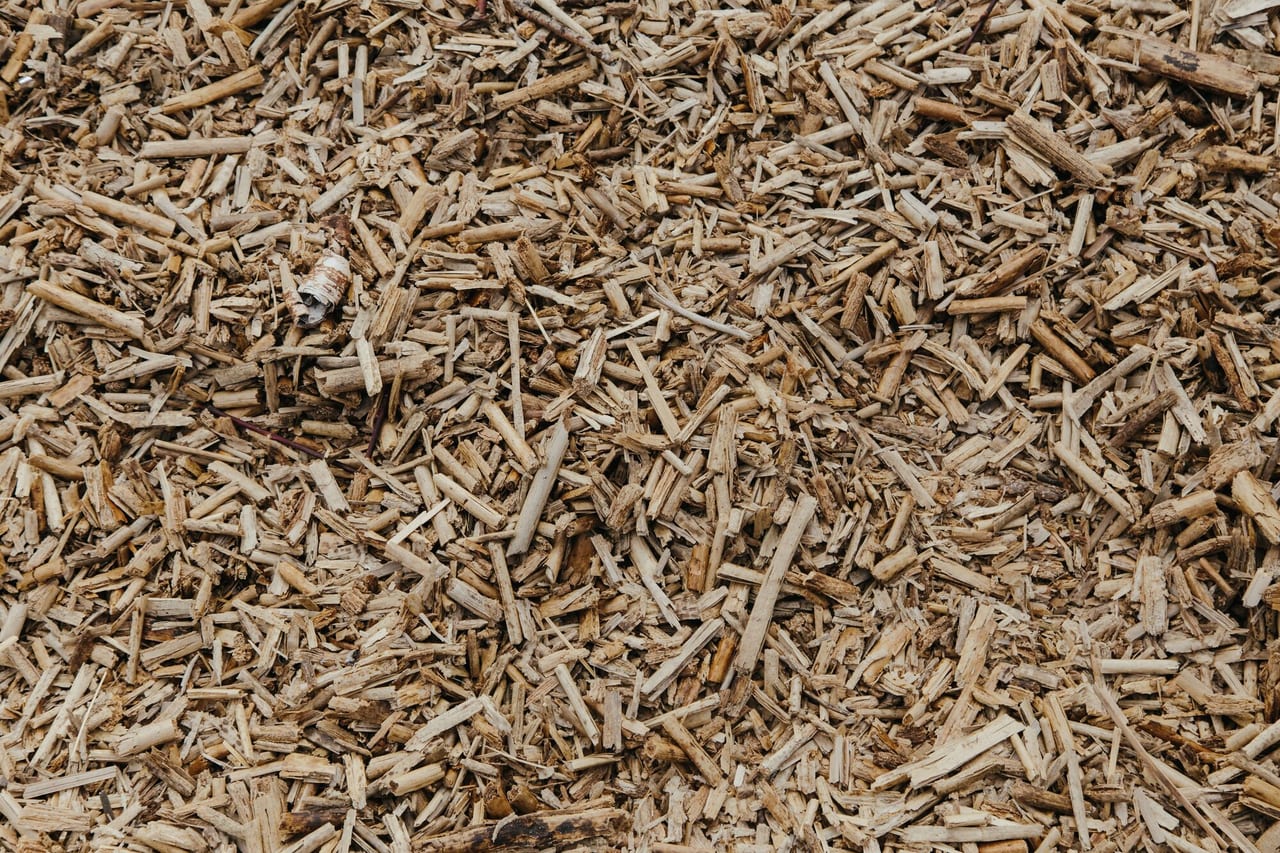
Wood chips, sawdust and shavings
Industrial drying of wood chips, sawdust and shavings for pellets, briquettes, bedding, board materials and boiler fuel. Reducing moisture increases the calorific value of the biomass, improves pressing and storage stability.
Suitable dryers: Scolari 1T-TP, Errepi NF/DX, Alvan Blanch CD
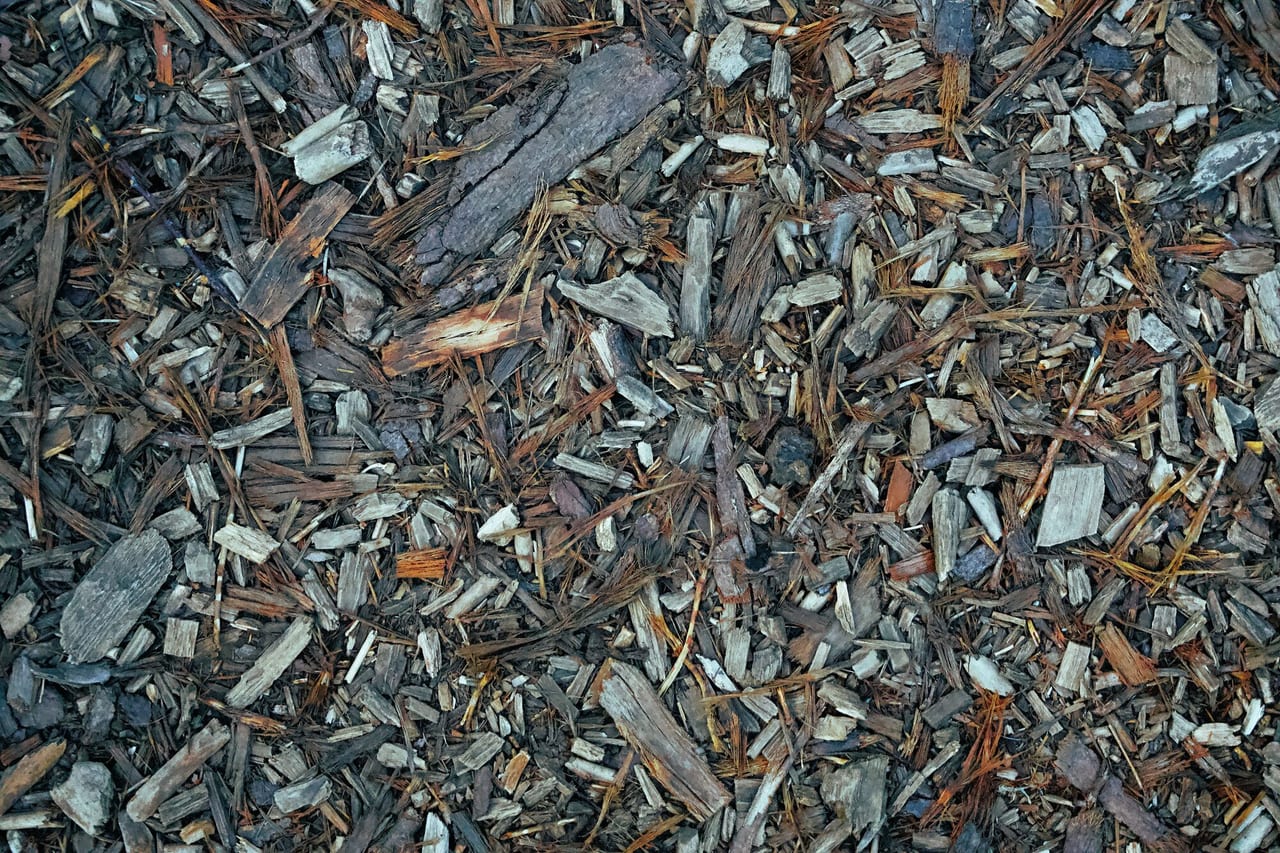
Bark
High-moisture and inhomogeneous biomass; drying for fuel and mulch.
Suitable dryers: Errepi NF (belt)
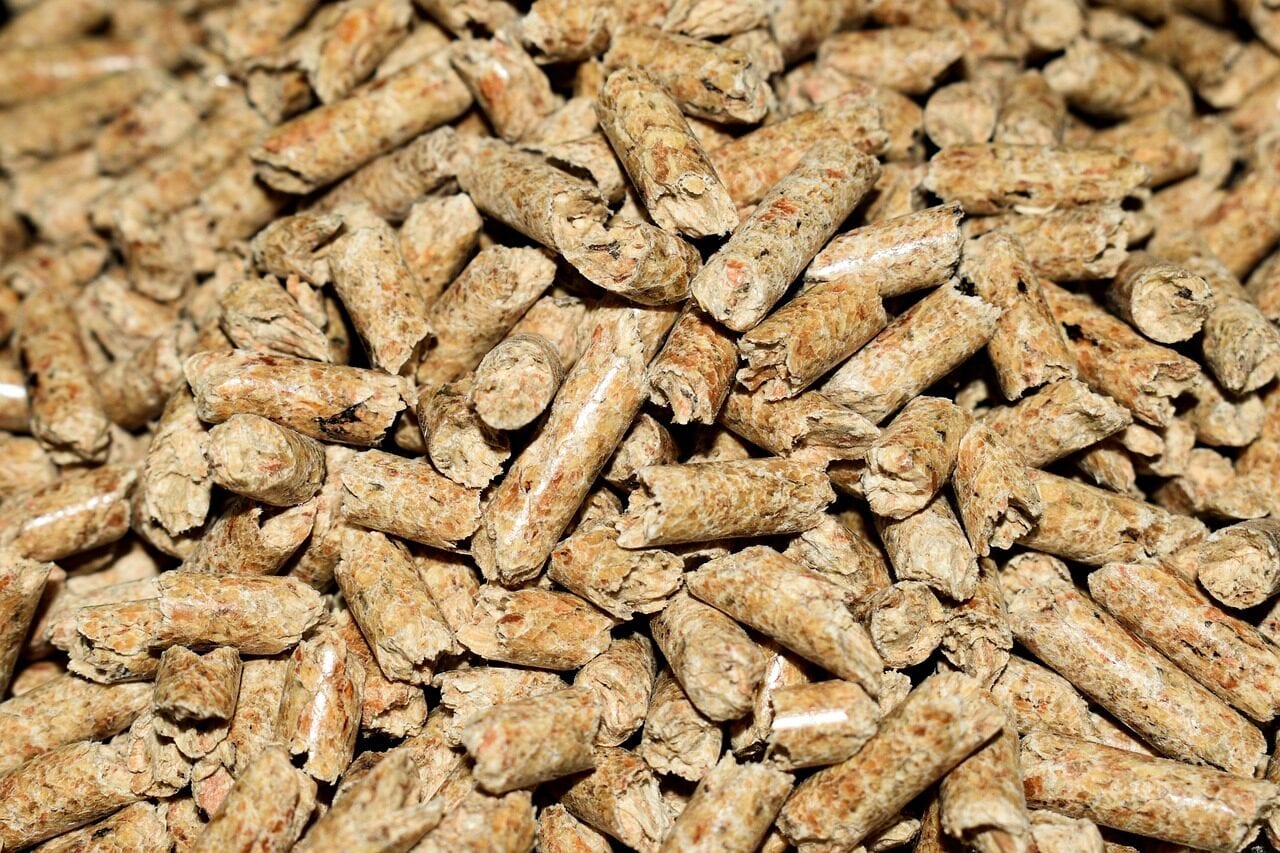
Wood pellets / granules
Before pelletising, the raw material is dried to the required moisture - a key stage of the pellet line.
Suitable dryers: Errepi DX (for pellet line), Scolari T
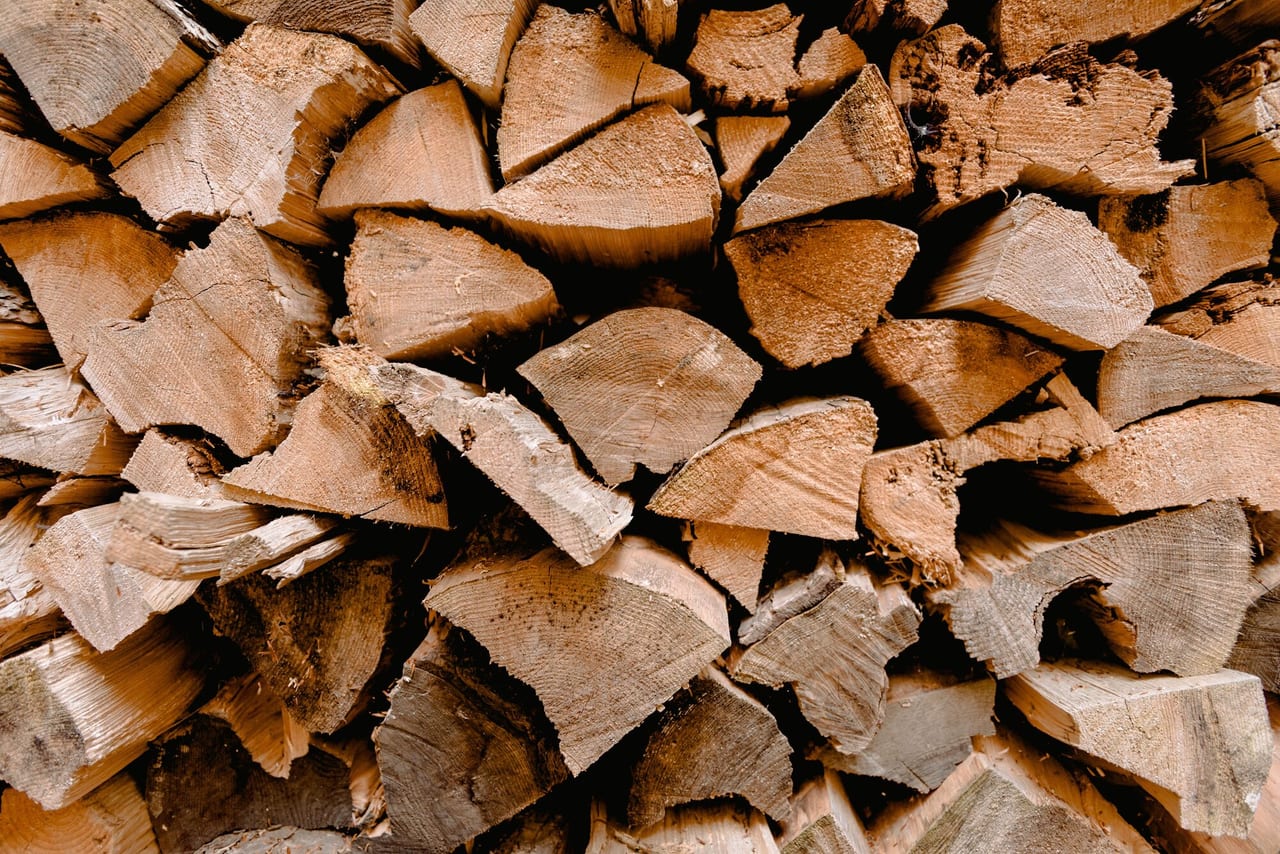
Firewood
Kiln drying of firewood for commercial quality; distinct from household advice.
Suitable dryers: Chamber dryers (series not specified)
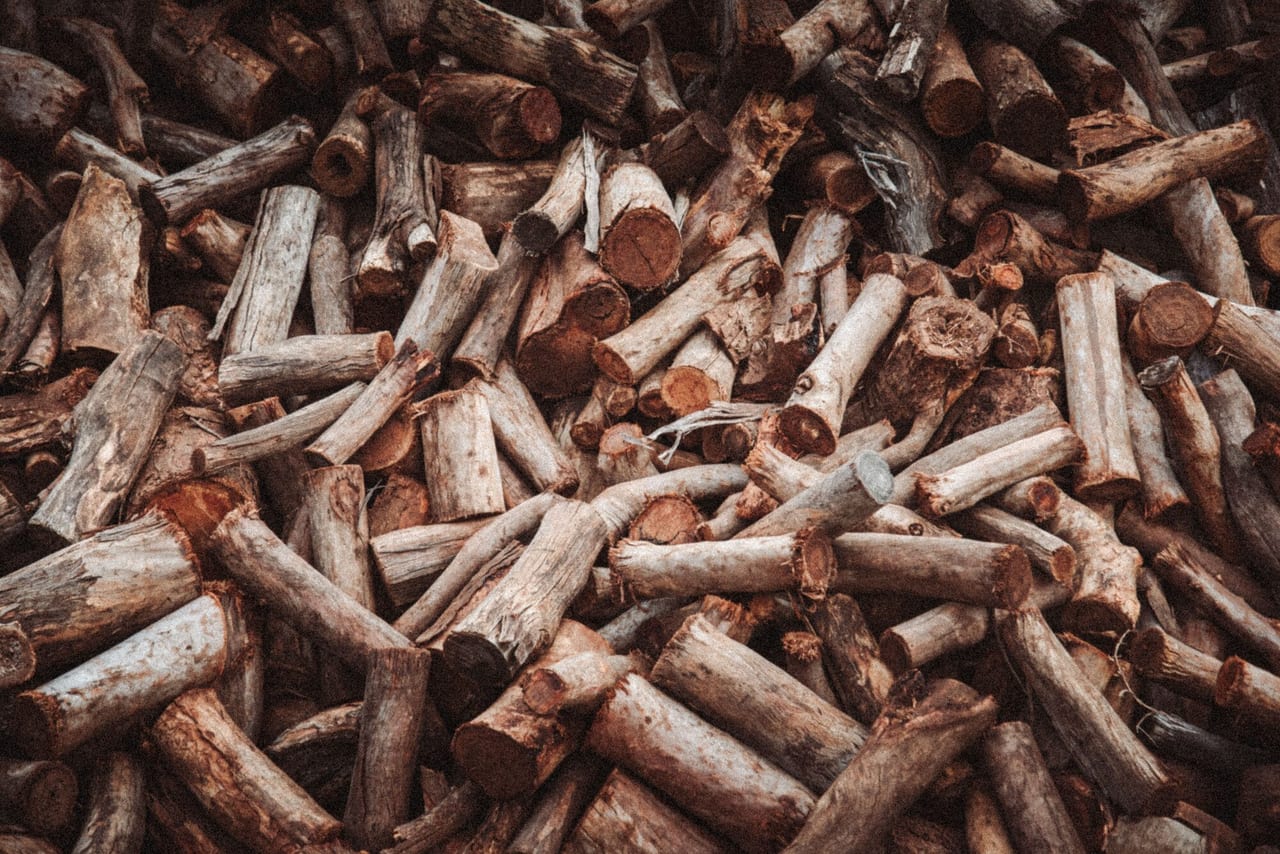
Biomass (general)
A category-level direction; the specific material determines the dryer type and regime.
Suitable dryers: Errepi DX/NF, Alvan Blanch CD, Scolari T
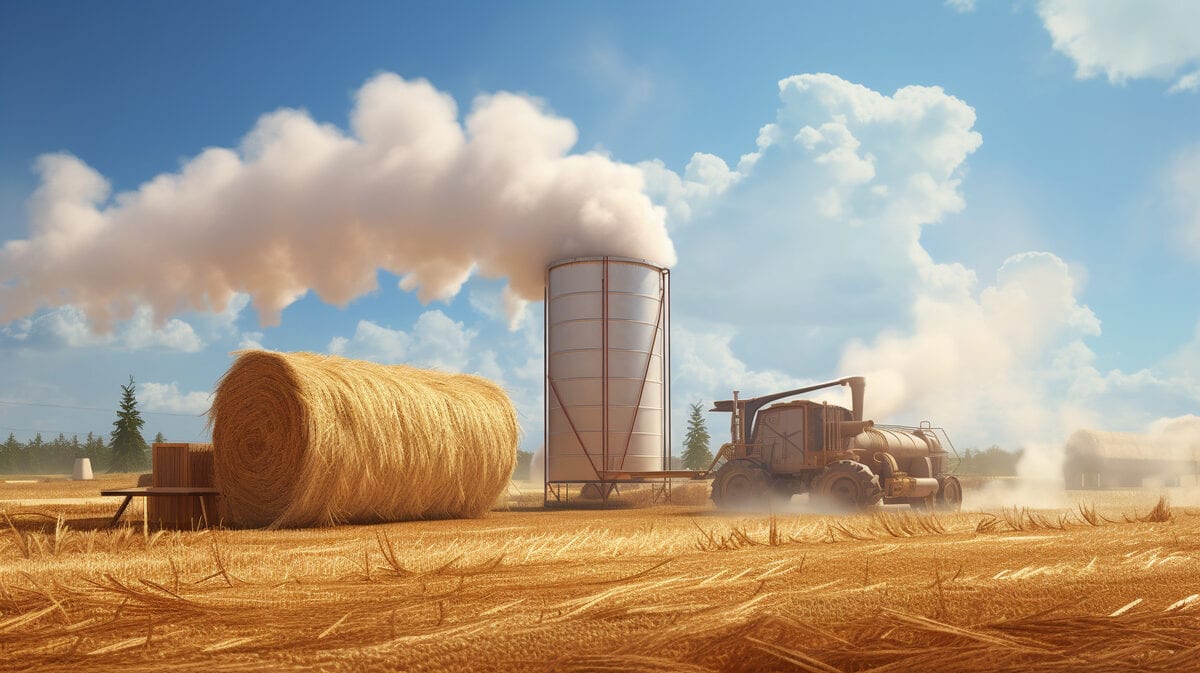
Straw
Drying for bedding, feed, pellets and biomass; often overlaps with biomass.
Suitable dryers: Scolari A series, Alvan Blanch CD
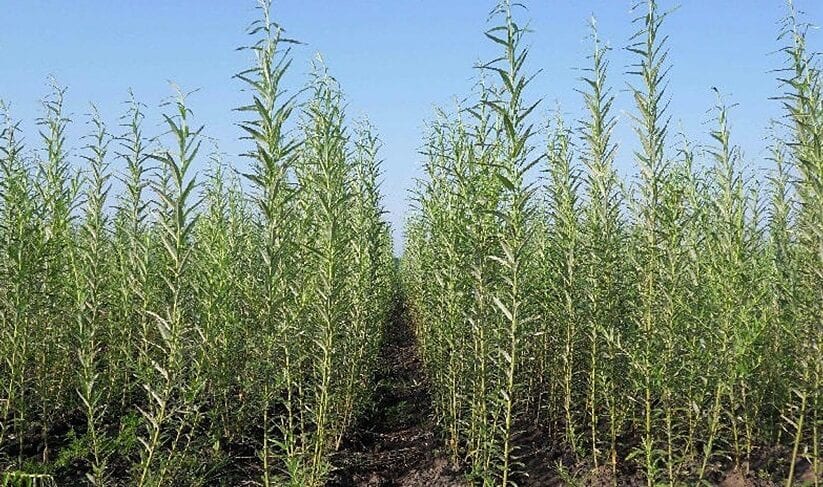
Energy willow
A fast-growing woody energy crop for biofuel. Energy-willow chips are dried to raise the calorific value and stabilise the raw material before combustion in boilers or pelletising into pellets.
Suitable dryers: Errepi DX/NF, Alvan Blanch CD, Scolari T
Wood, boards and lumber
A separate direction: kiln drying of lumber (logs, boards, beams, wood for kiln drying). This is a different technology from chips/sawdust.
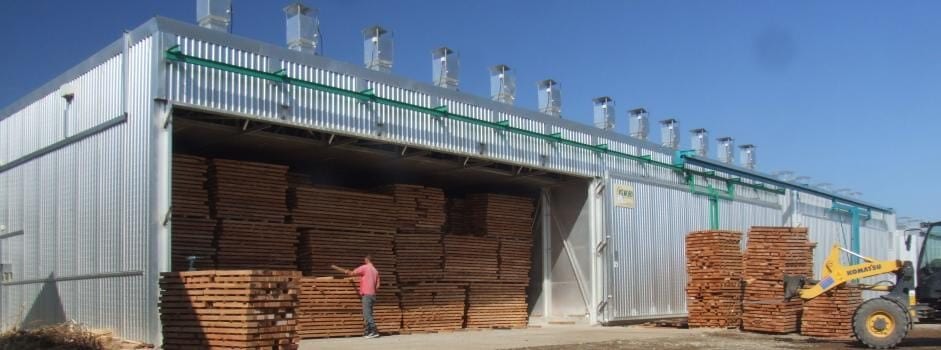
Boards, beams and lumber
Kiln drying of lumber with control of temperature, humidity and air circulation reduces internal stresses and preserves wood quality.
Suitable dryers: Kenobi drying chambers (boards, beams, pallets)
Features of drying wood chips, biomass and lumber
Drying wood raw materials splits into two subgroups with different goals and technologies: free-flowing wood biomass and fuel on one side, and lumber (boards, solid wood) on the other. Their approaches must not be mixed.
For biomass and fuel the priority is calorific value and a fire-safe regime; for lumber it is wood quality and the absence of defects.
- Wood biomass and fuel: chips, fine sawdust, sawdust, shavings, bark, firewood and biomass are dried to increase the calorific value before combustion or pelletising.
- Regime for biomass: gentle drying usually at 60-120 °C; high-temperature drum dryers at 250-300 °C are an outdated and fire-hazardous technology.
- Biomass particle size: the heterogeneity of free-flowing wood material affects the dryer design and drying uniformity.
- Moisture and calorific value: the drier the biomass, the higher its calorific value and the efficiency of combustion or pelletising into pellets.
- Lumber and boards: kiln drying is a different technology with control of temperature, air humidity and circulation.
- Solid-wood quality: the goal of kiln drying is to gradually bring the board moisture to target, avoid cracks and warping and relieve internal stresses.
- Input data for selection: material type (biomass/fuel or lumber), species, initial and target moisture, particle size or cross-section, throughput or load volume and the purpose of the product.
Frequently asked questions
How does drying wood chips differ from drying lumber?
These are different technologies. Chips, sawdust and biomass are dried as free-flowing material to increase the calorific value before combustion or pelletising. Lumber is dried in kilns with control of temperature, humidity and circulation to avoid cracks and relieve internal stresses.
Which dryers are used for chips and sawdust?
For wood biomass and fuel, free-flowing-material dryers with a gentle regime (usually 60-120 °C) are used. High-temperature drum dryers at 250-300 °C are considered an outdated and fire-hazardous technology.
When are drying kilns needed for boards?
Drying kilns are needed for lumber and solid wood when it is important to bring the wood to target moisture without cracks and warping and to relieve internal stresses. This is a separate technology, distinct from drying free-flowing biomass.
How does biomass moisture affect calorific value?
The higher the moisture of wood biomass, the more energy is spent evaporating water during combustion and the lower its useful calorific value. Drying increases combustion efficiency and pellet quality during pelletising.
Why is high-temperature drum drying of biomass considered outdated?
Drying wood raw materials at 250-300 °C is a fire hazard due to the risk of igniting the fine fraction and dust. The modern approach is a gentle regime at 60-120 °C, which is efficient and substantially safer.
What input data is needed to select a dryer?
You need to know what is being dried - free-flowing biomass/fuel or lumber - as well as the species, initial and target moisture, particle size or cross-section, the required throughput or load volume and the purpose of the product.
Contact Us
If you are interested in purchasing any of our products, need a price quotation, or have any questions, comments, or suggestions, please do not hesitate to contact us via our contact form, by phone, or by email.
- WhatsApp: +90 (536) 452-1184
- E-mail: write to us
Our phones:
- Kazakhstan: +7 (747) 095-1626
- Moldova: +373 (22) 011-214
- Romania: +40 (31) 229-8484
- Türkiye: +90 (536) 452-1184 (English)
- Ukraine: +380 (67) 111-6668