
Drying Wood: Boards, Beams and Sawn Timber
Efficient and cost-effective timber drying with Kenobi chamber kilns. A professional solution for sawmills, exporters, and manufacturers of lumber, boards, beams, pallets, and furniture. Over 400 species, automatic control, low energy consumption.
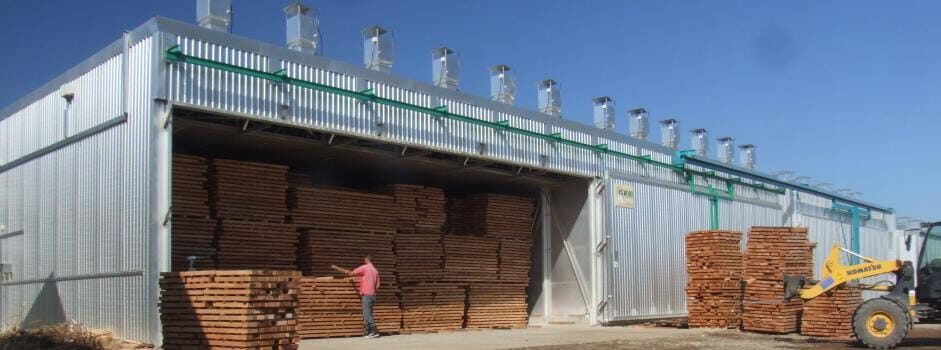
Kenobi (Romania) is a European manufacturer of professional timber drying equipment, known for high quality and an exceptional balance between price and performance. Finpro Engineering supplies Kenobi chamber kilns to woodworking enterprises, sawmills, and pallet and furniture manufacturers worldwide. The Kenobi range covers models from compact kilns for small-scale processors to high-capacity installations for large sawmill operations. Properly dried timber is the foundation of product quality in the wood industry, so choosing a reliable chamber kiln is critical for your business. Below we cover the main modern drying technologies and the key advantages of Kenobi solutions.
1. Timber Drying Technologies and Kiln Types
Several technologies exist for industrial drying of sawn timber: convective, vacuum, and press-vacuum.
Convective Timber Drying (Conventional)
In practice, convective chamber kilns are by far the most widely adopted technology, having dominated the market for decades and regarded as the most reliable and cost-effective solution. The operating principle is forced circulation of hot air through the timber stack: air heated in heat exchangers passes perpendicular to the stacked boards, absorbs moisture, and cools down; the moist air is then expelled through exhaust vents. Reversible fans ensure uniform drying from all sides. The heat carrier is typically hot water or steam generated by a boiler.
Vacuum Timber Drying Methods
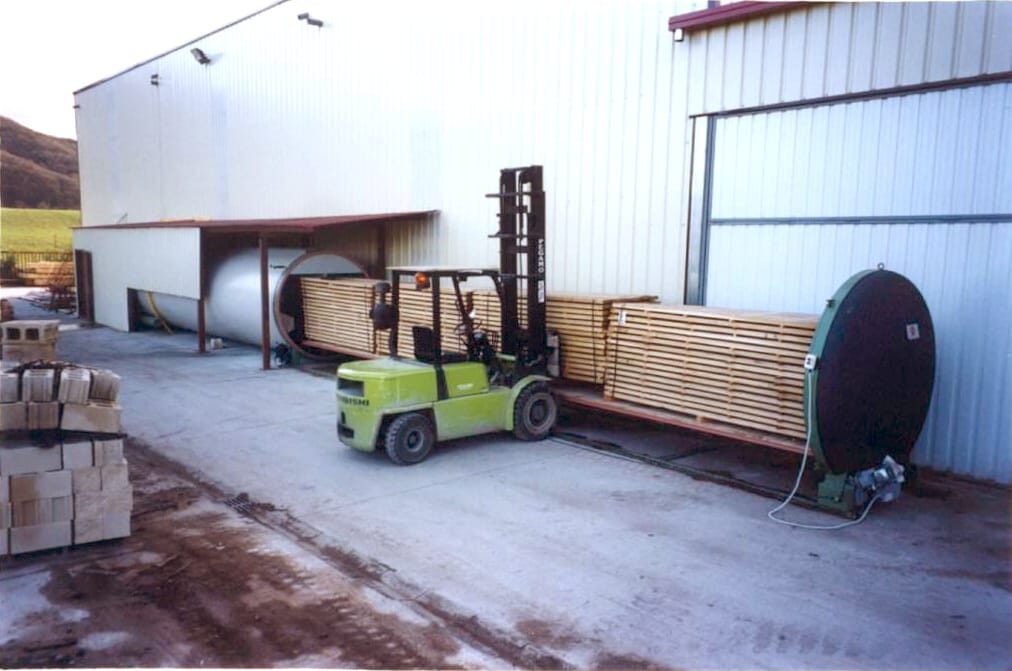
An alternative category is vacuum kilns. Vacuum lumber dryers create negative pressure inside the chamber. At reduced pressure, water begins to evaporate at a lower temperature than in conventional kilns.
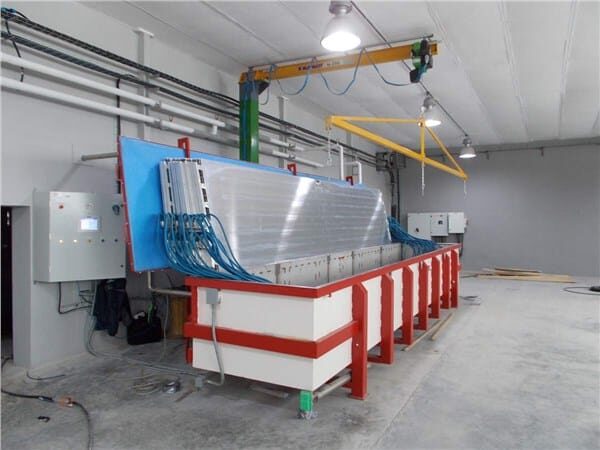
A variant of this alternative technology is the vacuum press kiln, which not only creates negative pressure inside the chamber but also applies mechanical pressure to the boards. The boards are stacked with heating elements (aluminium plates) between them; the mechanical pressure is generated naturally by the vacuum created inside the chamber.
Vacuum kilns are considered to produce faster drying and better preserve timber quality compared to convective units. For thin materials such as lamellas, the additional strong compression by heated platens in press kilns not only accelerates heat transfer but also prevents warping.
However, such kilns cost many times more than conventional convective kilns. Their operation is also more complex and expensive. They are therefore typically applied to narrower tasks or highly specialised wood species.
Notwithstanding the availability of these technologies, conventional convective kilns remain the most sought-after, fastest-payback, and most practical option for large-scale drying of timber of varying thickness and species, owing to their optimal combination of throughput, drying quality, and equipment cost.
Our solution for timber: for chamber drying of sawn lumber, boards, beams, and pallets, we supply Kenobi chamber kilns — the focus of this article. For drying wood chips, shavings, and sawdust, a different equipment category is used — see wood chip and sawdust drying. The full catalogue of materials we dry is available in the «What We Dry» section.
2. Kenobi Chamber Kilns: Range
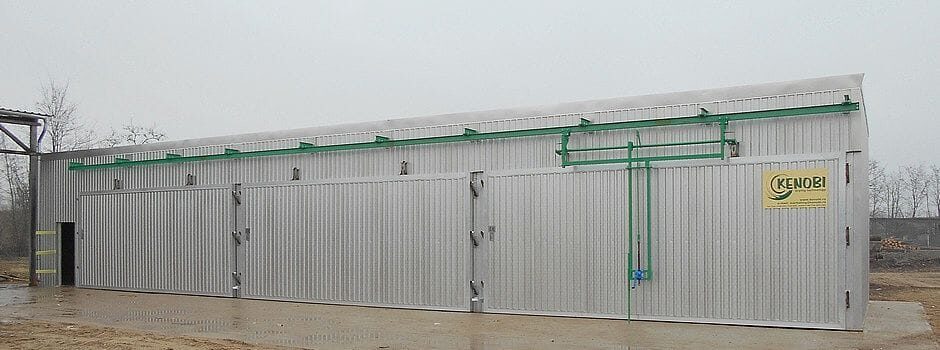
Kenobi specialises in manufacturing high-efficiency convective chamber kilns for timber. The standard range covers models with a capacity of approximately 10 to 170 m³ of sawn timber per cycle. This means the Kenobi portfolio offers solutions for both small operations and large-scale enterprises. Where required, the factory also develops custom kilns to order — with non-standard dimensions, tailored to specific site conditions, and for niche customer requirements.
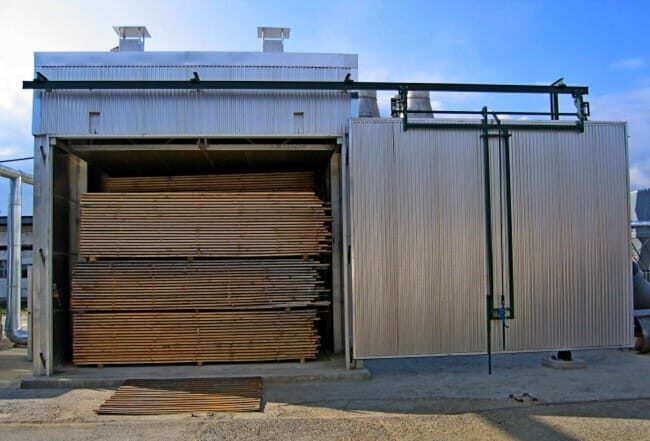
Consider the following standard models as examples. The Kenobi 6.6TH60 and 6.6TH75 kilns are designed for a load of approximately 60 m³ and 75 m³ of sawn timber respectively (nominal, for planed boards). Both models have a width of approximately 6.6 m, which is optimal for front-loading packages of boards 3 or 6 metres in length. The difference lies in depth: the 6.6TH60 accommodates 4 stacks in depth, while the 6.6TH75 holds 5. For drying 4-metre timber, Kenobi offers kilns approximately 8.6 m wide, allowing two 4-metre packages to be loaded side by side. This flexible approach to sizing ensures efficient use of chamber space with minimal dead volume.
3. Advantages and Capabilities of Kenobi Chamber Kilns
Kenobi chamber kilns offer a number of competitive advantages over comparable equipment from other manufacturers. These advantages deliver high drying quality, energy efficiency, and ease of operation:
European Quality and Construction Durability
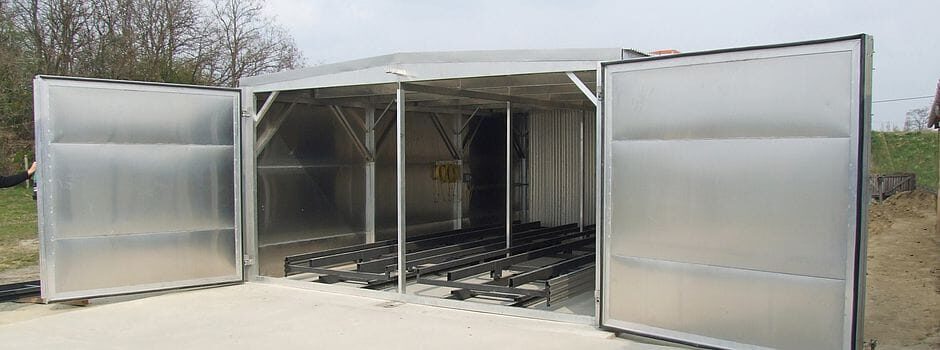
Kenobi kilns are manufactured in the European Union from European components, using high-strength aluminium alloys, stainless steel, and other high-quality, non-combustible materials that guarantee a long service life even under intensive 24/7/365 operation.
Thermal Insulation
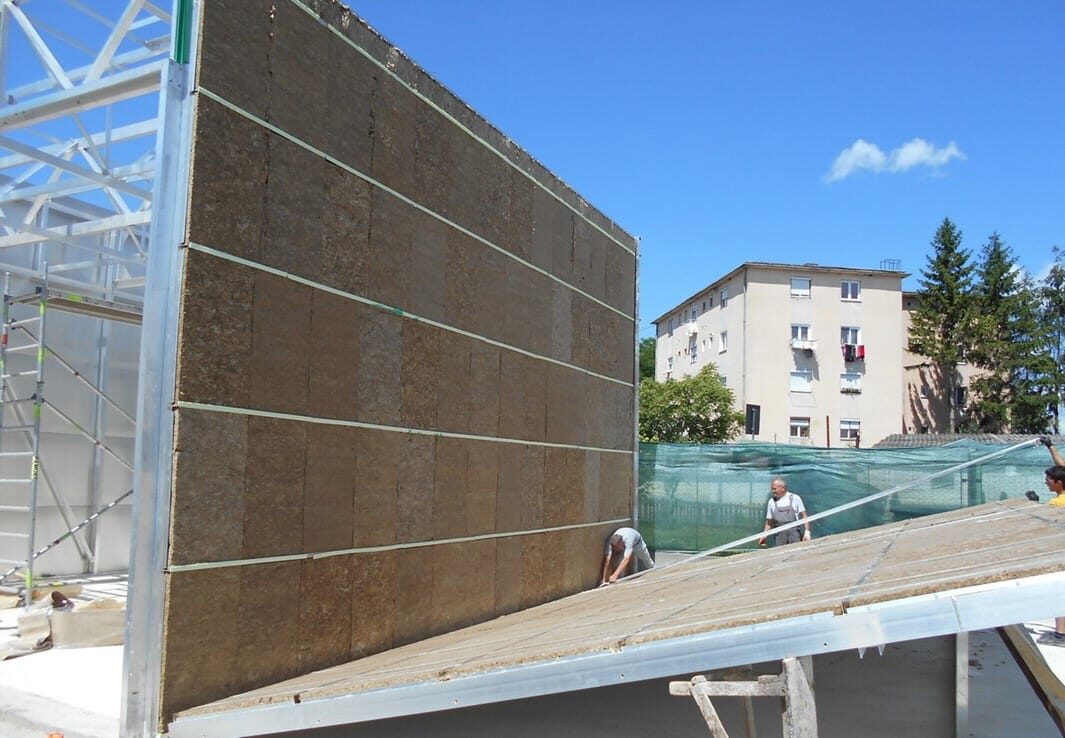
Walls and ceiling feature multi-layer insulation: smooth aluminium on the interior, a thick layer of mineral wool insulation in the middle, and profiled aluminium sheeting on the exterior. The standard insulation thickness is 100 mm of mineral wool, providing excellent heat retention. Compared to the commonly used polyurethane foam sandwich panels, mineral wool does not age and does not lose its insulating properties over time, and is also non-combustible (polyurethane foam can crack over time and supports combustion). High-density mineral wool is used, which offers superior fire safety, mechanical strength, acoustic damping, and vibration resistance compared to standard mineral wool.
As a result, the Kenobi kiln construction combines the lightness and durability of aluminium with effective and fire-safe thermal insulation.
Corrosion Resistance
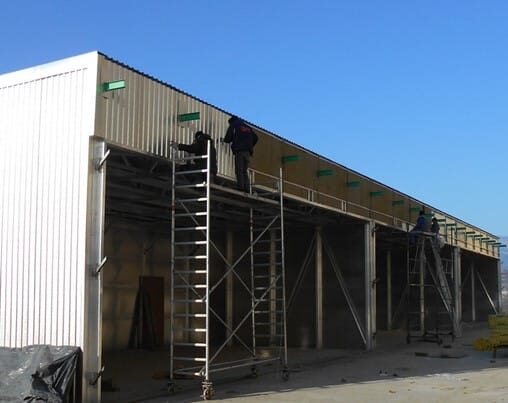
All Kenobi kilns are designed for outdoor installation and are rated for harsh operating conditions. The kiln frame is constructed entirely from corrosion-resistant materials — aluminium alloy and stainless steel. The special wall design prevents insulation settling over time.
Full Airtightness
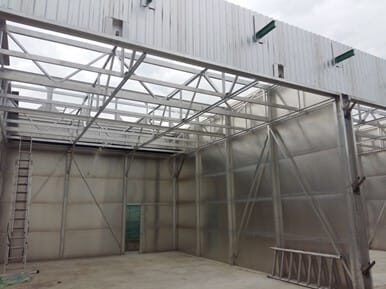
All joints and seals are carefully silicone-sealed during assembly, preventing heat and moisture leakage.
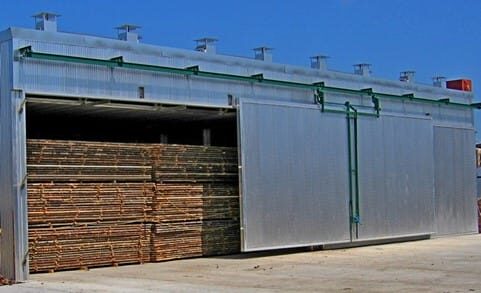
The reliability of the doors deserves special mention. Kenobi uses a mechanical lift-and-slide door mechanism instead of hydraulics, ensuring reliable operation in winter (hydraulic actuators used by other manufacturers frequently fail in freezing temperatures). The doors are fitted with a reliable rack-and-pinion lifting mechanism by Pfaff (Germany), which operates without interruption even in severe cold.
The standard equipment package of every kiln includes all essential components: powerful reversible axial fans (typically Siemens tropical-duty series), heat exchangers with stainless steel tubes and aluminium fins, a humidification system (spray nozzles), and an automated drying control system. Loading is carried out from the front using a forklift (rail-guided trolleys are available as an option for larger kilns). For process monitoring, each kiln is equipped with air temperature and humidity sensors, as well as probes for measuring moisture content within the board cross-section. The customer therefore receives a fully equipped, ready-to-connect Kenobi chamber kiln.
High Energy Efficiency and Cost Savings
Thanks to thoughtful engineering and modern technology, Kenobi kilns achieve economical energy consumption.
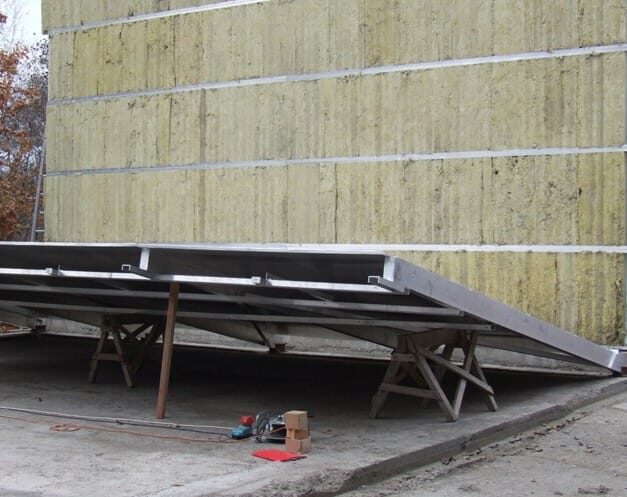
First, effective thermal insulation reduces heat losses, allowing the required temperature to be maintained with lower heating costs.
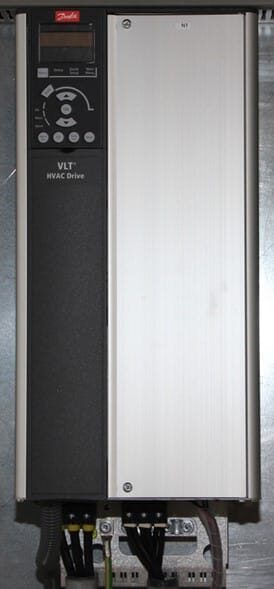
Second, the ventilation system is fitted with a variable frequency drive (VFD/inverter) — this module adjusts fan speed according to the phase of the drying cycle. In practice, using an inverter yields up to 40–50% savings on fan electricity consumption, since the fans do not run at full power continuously. This equipment (Danfoss, Denmark) is included as standard on every Kenobi kiln.
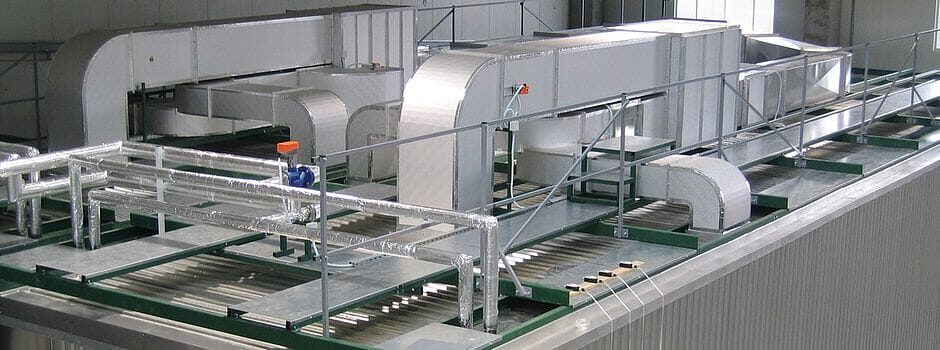
Third, Kenobi offers an optional heat recovery system called REKOTHERM. This technology recaptures a portion of the thermal energy: incoming fresh air is pre-heated by contact with the outgoing hot, moist exhaust air, in which moisture condenses and latent heat is released. As a result, a significant share of the heat that would otherwise be discharged to atmosphere is reused to pre-heat the incoming air. Kilns equipped with the Rekotherm recovery system achieve very high thermal efficiency — particularly advantageous under high utilisation rates and high energy costs.
Together, these features (VFD, heat recovery, insulation) significantly reduce the cost per cycle of timber drying for the equipment owner.
European Control Cabinet
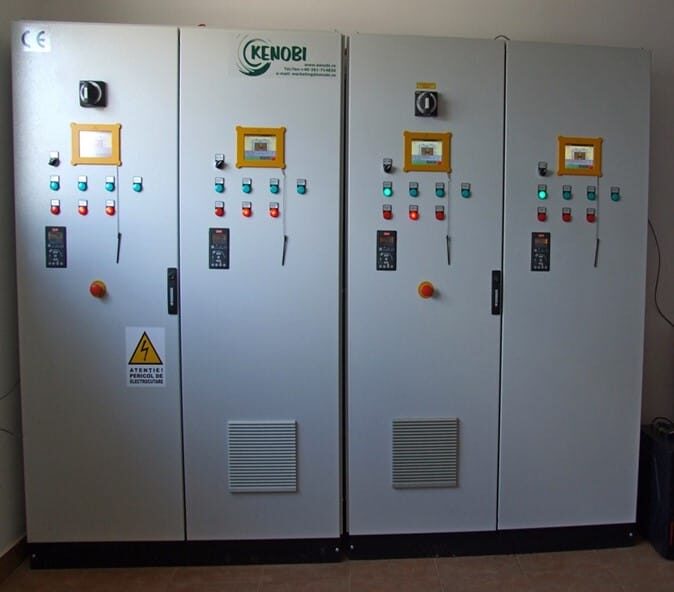
Kenobi kiln control cabinets are built with components from Schneider, Wago, and Eaton — leading European electrical equipment manufacturers. This ensures high reliability, safety, and compliance with European standards.
The control system may also include:
- dTOUCH controllers (Logica H&S, Italy) with a touchscreen interface and remote control support,
- Danfoss variable frequency drives (for fan speed regulation),
- Belimo actuators (for valve and damper control).
Intelligent Drying Process Automation
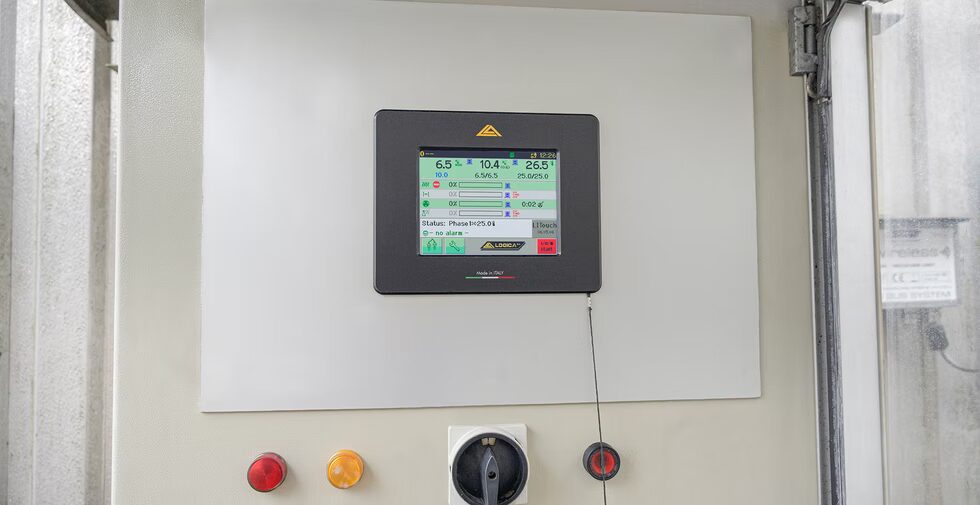
One of Kenobi's key strengths is its advanced kiln control system. In the standard configuration, kilns are equipped with the automatic LITouch touchscreen controller, which manages temperature, humidity, and other drying parameters.
The LiTOUCH software supports up to 30 different drying phases, with configurable parameters for each phase including control methods, actuator management, and moisture content calculations — all embedded in over 80 pre-configured base drying programmes covering different timber species and physical properties. Up to 20 custom user programmes can also be saved for non-standard operating regimes.
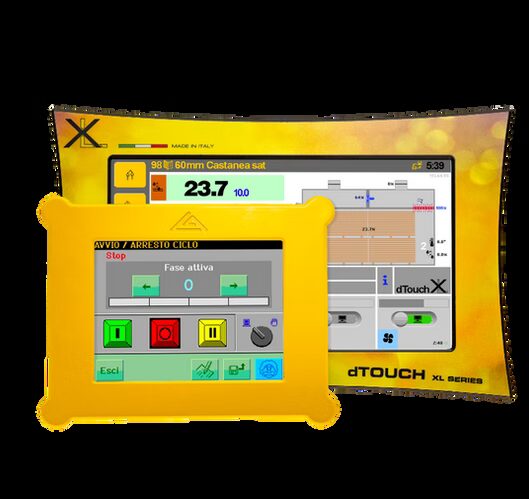
An optional upgrade is the dTOUCH hardware-software complex — the most advanced solution currently available for timber drying control. Developed by experts in timber drying science, the dTOUCH controller combines the flexibility of traditional systems with extended software capabilities. Its memory holds a library of more than 400 drying programmes for different timber species — from softwoods to valuable tropical hardwoods, with species-specific adjustments. Special gentle regimes are available for colour preservation (for example, beech without darkening) and accelerated cycles for rapid final drying; transitions between drying phases occur automatically based on moisture sensor readings. The intuitive interface simplifies operator work: simply select the species and target final moisture content, and the system does the rest. The dTOUCH system also allows remote monitoring and control via computer: the optional dView software module connects to the internet, enabling specialists to monitor the kiln from the office or remotely. The full history of parameters (temperature, humidity, time) is stored in memory, with graphs and reports available for process analysis and cycle optimisation. In this way, Kenobi's automation not only reduces operator workload but also guarantees consistently high quality — no over-drying or under-drying. Target moisture levels as low as 6% — required for furniture-grade timber — can be achieved with minimal risk of board cracking, thanks to precise regime control.
Tailored Approach and Customer Support
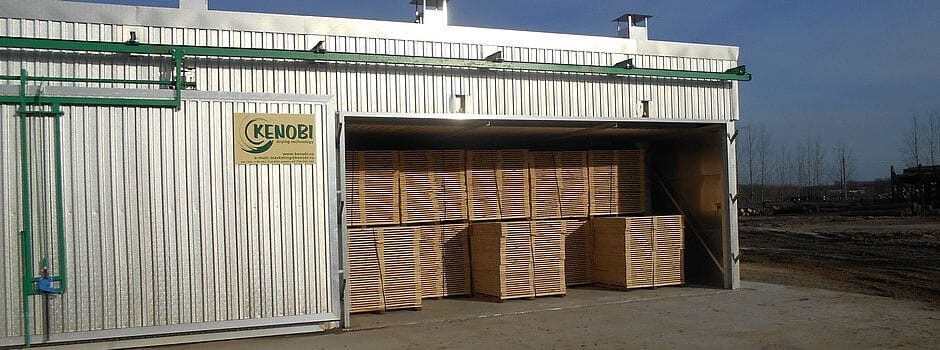
Kenobi attends carefully to customer requirements. Each chamber kiln can be adapted to the client's specifications — from dimensions and loading method to optional extras (for example, a heat treatment system for ISPM 15 phytosanitary compliance for pallet decontamination). European product quality is confirmed by all necessary certifications, and Finpro Engineering as the authorised distributor provides full-cycle support.
Detailed installation manuals and drawings are supplied with every kiln; on request, Finpro Engineering can provide installation supervision and commissioning.
Kenobi provides its customers and distributors with free remote support (tele-service) during the warranty period — engineers can connect to the dTOUCH system via the internet and assist with configuration or diagnostics. After commissioning, spare parts supply and on-demand servicing are available. Where site constraints exist or non-standard solutions are required, Kenobi engineers will design a kiln to match the specified parameters. These factors make the Kenobi partnership advantageous and dependable: the customer receives not simply equipment, but a complete solution backed by professional expertise.
4. Kenobi Chamber Kilns — Your Choice for Business Success
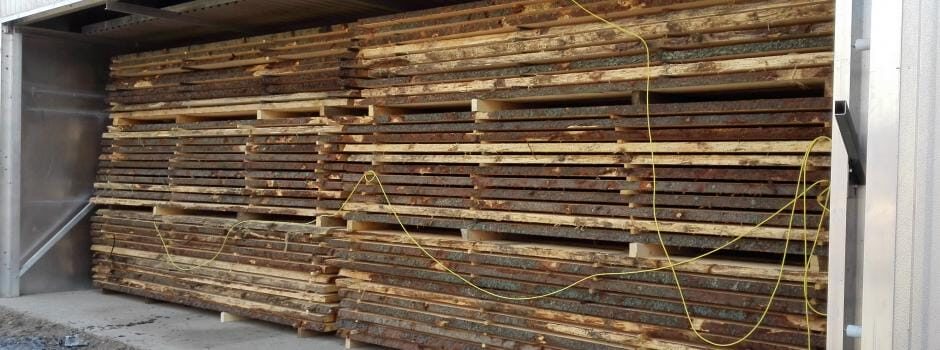
Investing in a Kenobi chamber kiln means confidence in quality and efficiency. European technology helps accelerate timber turnover and improve end-product quality. Kenobi kilns help avoid drying defects, reduce energy costs, and automate the process — ultimately improving enterprise profitability. If you are looking to procure a timber drying kiln, contact Finpro Engineering — our specialists will select the optimal Kenobi model, provide detailed consultation, and support you at every stage. Leverage the advantages of modern Kenobi chamber kilns to take your woodworking operation to the next level: reduce drying time, improve lumber quality, and reliably meet the demands of your customers. Contact us today to learn more and receive a personalised offer: WhatsApp: +90 (536) 452-1184.
5. Drying Wood Chips, Sawdust, and Shavings
Unlike boards, beams, and pallets, drying wood chips and sawdust is best carried out using a different category of dryer capable of handling higher airflows.
Whatever material you need to dry, simply contact us and we will help you select the most appropriate and optimal solution: WhatsApp: +90 (536) 452-1184.
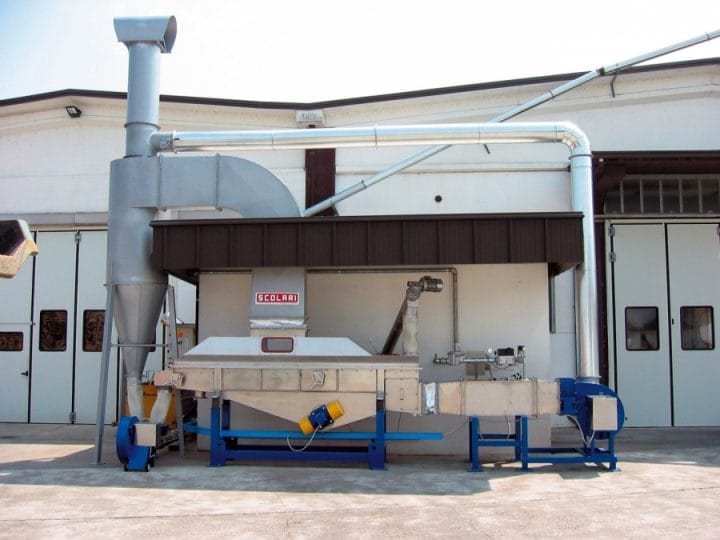
Scolari Vibratory Dryers
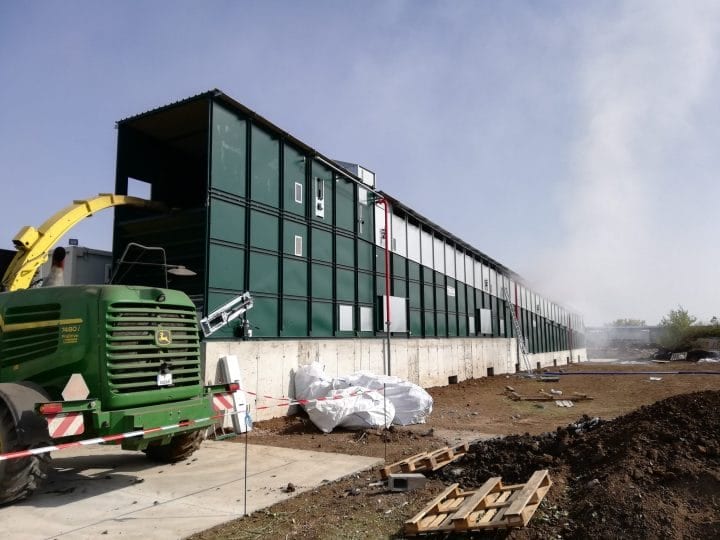
Italian Scolari vibratory dryers create an artificial boiling layer of the material being dried, which allows it to be blown through from all sides and effectively remove surface moisture. Suitable for materials with surface moisture, granulated products, or flowing powders.
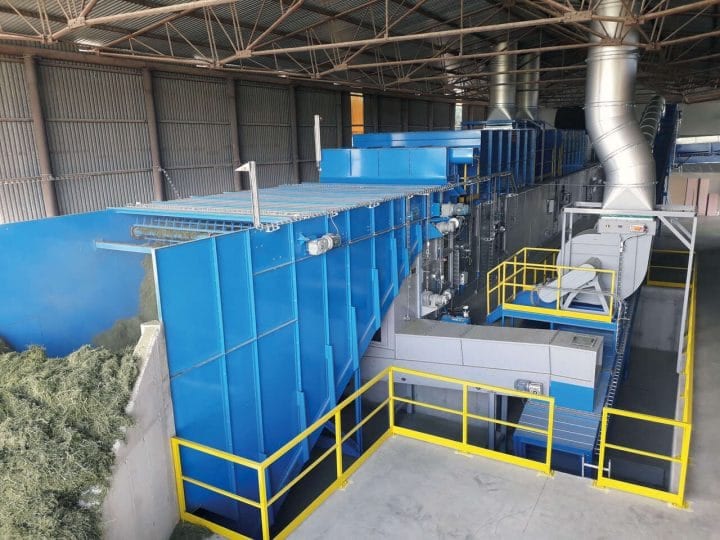
Scolari Dryer With Movable Conveyor Belt
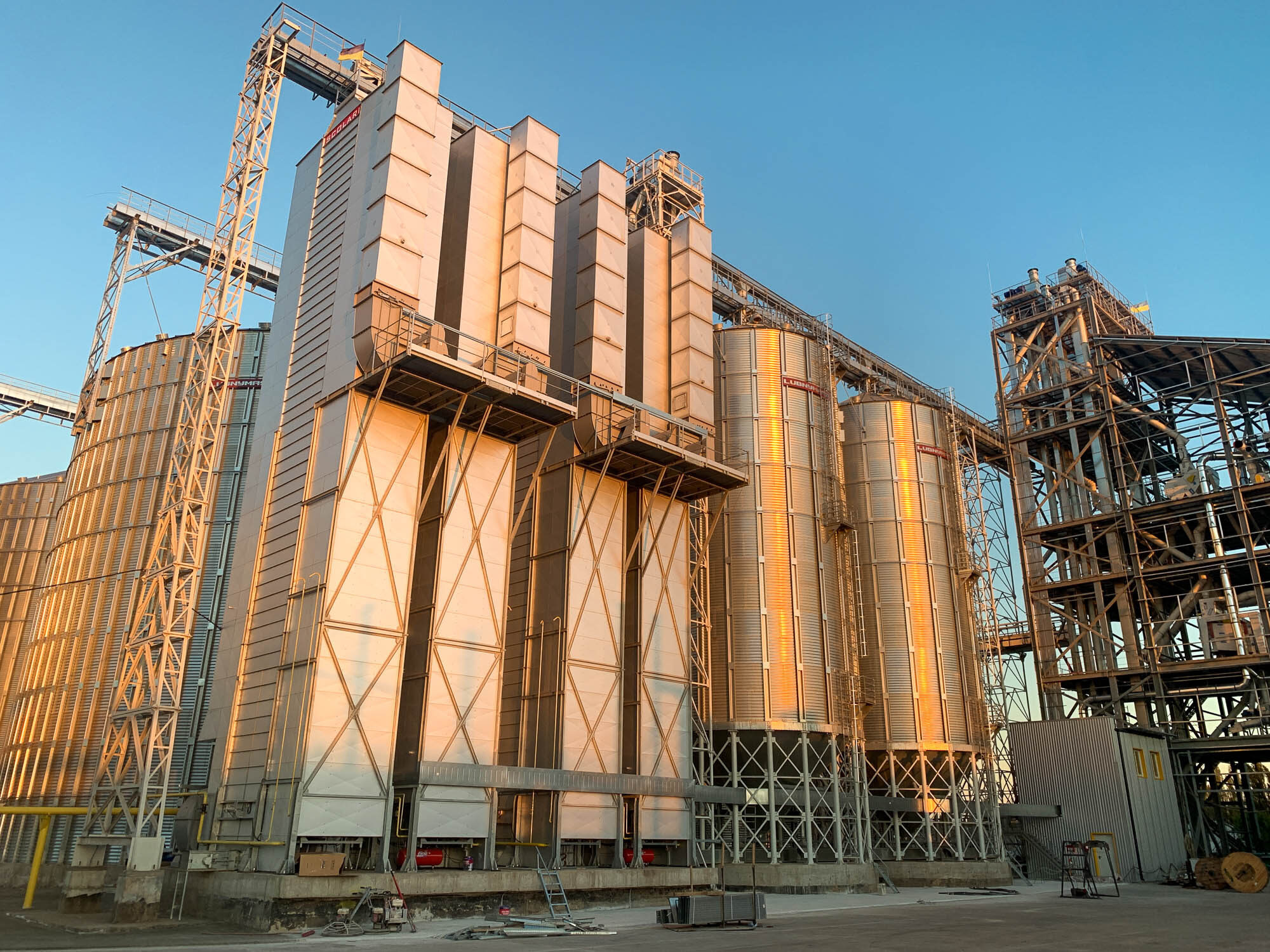
Horizontal dryers feature perforated steel or plastic movable floors designed for drying various materials. Airflow can be configured from top to bottom or vice versa.
Alvan Blanch Conveyor Dryer
British universal conveyor dryers for non-grain agricultural and industrial products. Thanks to their horizontal design, built-in distribution and stirring systems, they can dry a wide range of materials.
Related article
Still have questions? Get in touch!
By phone
WhatsApp: +90 (536) 452-1184By e-mail
Our address: info@finpro.engineering
Related products

Wood chips, sawdust and shavings
Industrial drying of wood chips, sawdust and shavings for pellets, briquettes, bedding, board materials and boiler fuel. Reducing moisture increases the calorific value of the biomass, improves pressing and storage stability.
Our Products
Universal Dryers
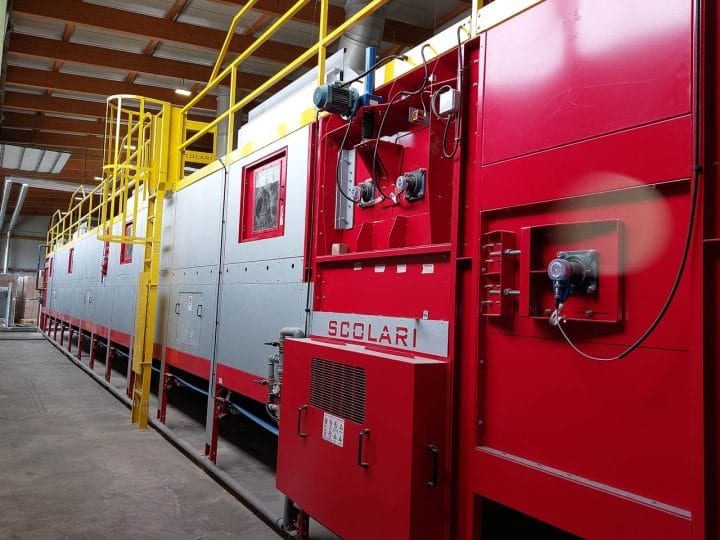
These dryers can be customized to dry any industrial or agricultural product you may require. Depending on the specific product and its moisture content, the dryers can be equipped with mixers, movable floors, vibrating floors, and other advanced technologies.
Grain Dryers
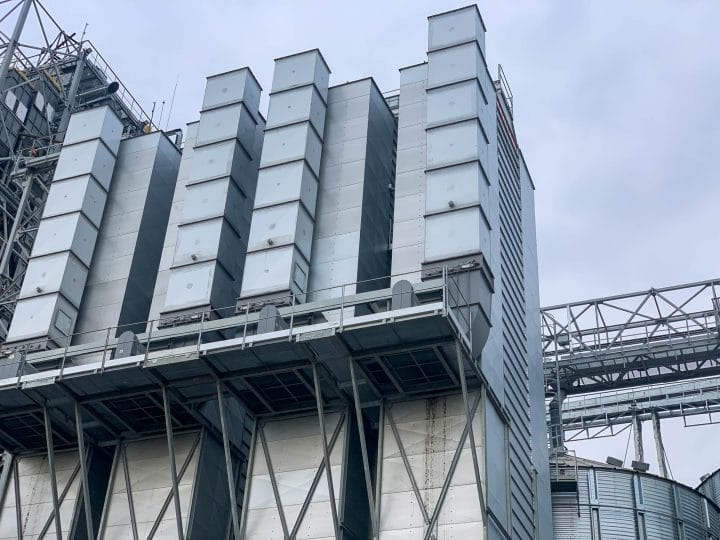
Authorized representative for top European grain dryer manufacturers like Alvan Blanch, FAO, and Agrex. Offering a full range of advanced drying solutions for agriculture.
Contact Us
If you are interested in purchasing any of our products, need a price quotation, or have any questions, comments, or suggestions, please do not hesitate to contact us via our contact form, by phone, or by email.
- WhatsApp: +90 (536) 452-1184
- E-mail: write to us
Our phones:
- Kazakhstan: +7 (747) 095-1626
- Moldova: +373 (22) 011-214
- Romania: +40 (31) 229-8484
- Türkiye: +90 (536) 452-1184 (English)
- Ukraine: +380 (67) 111-6668