
Drying Wood Chips, Sawdust and Shavings
1. The Role and Importance of Drying Wood Waste
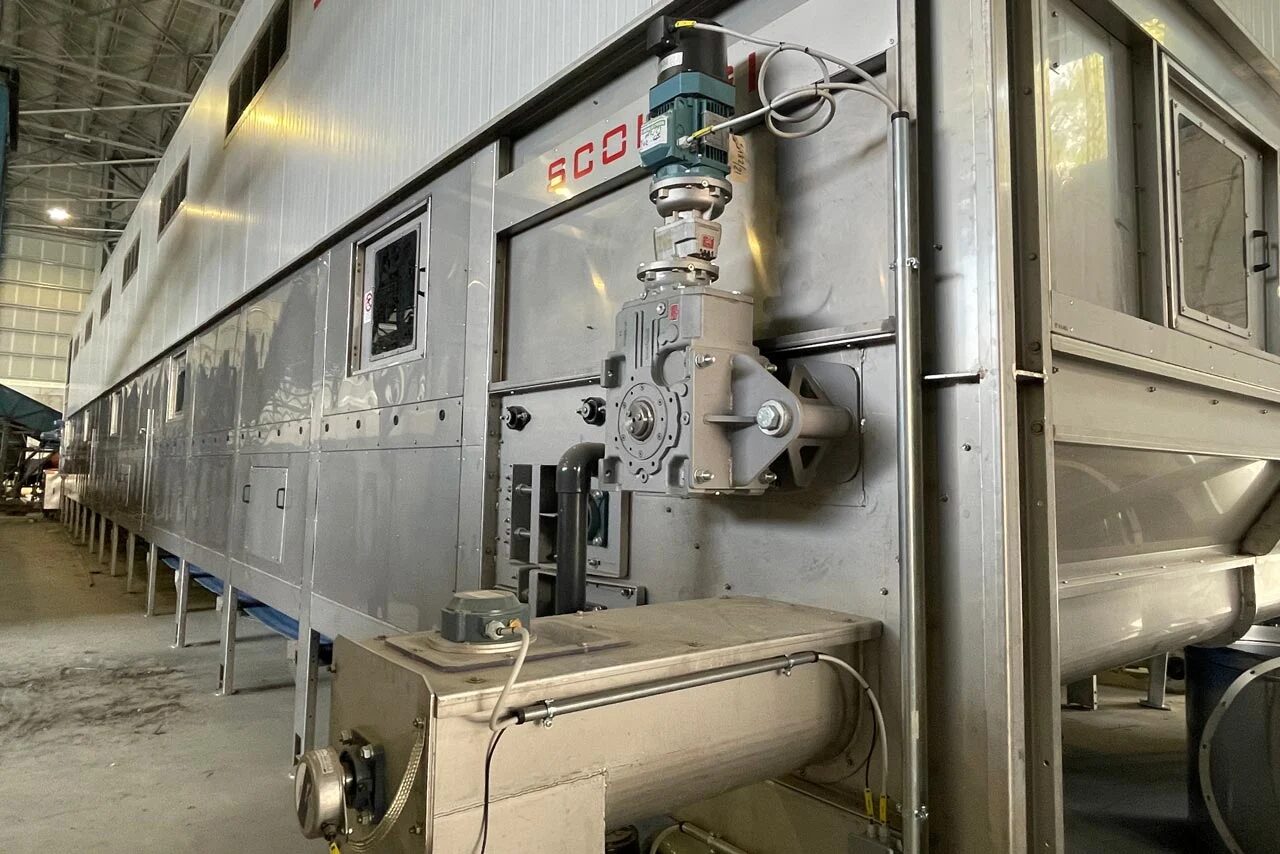
Wood chips, sawdust and shavings are a prevalent form of biomass used for various applications — from energy production to material processing. These by-products arise from sawmilling, chipping, and wood-processing operations. Drying wood waste plays a key role in bioenergy and woodworking: it is an essential preparatory step for the production of pellets, briquettes, and boards (OSB, MDF), as well as for applications in construction and animal husbandry. Achieving stable, low moisture content improves the technological properties of the material and enhances its value as an energy resource.
Moisture content in wood waste has a decisive effect on the calorific value of the resulting biofuel (solid fuel) and on combustion efficiency. At high moisture levels, a significant portion of energy is spent on evaporating water rather than generating heat. This leads to excess fuel consumption and higher operating costs. Conversely, biofuel with minimal moisture ignites more readily, burns more steadily, and produces fewer emissions — which is particularly important for industrial boiler installations. Moreover, many systems (mini combined heat-and-power units, steam and hot-water boilers, hot-air generators) have technical limits on the maximum moisture content they can accept.
In addition, moisture control is critical at the stage of pressing wood waste into pellets or briquettes. Optimal moisture levels ensure better compaction, reduce the risk of equipment damage, and simplify and reduce the cost of storage and transport. To produce high-quality biofuel, the raw wood material must be dried first and only then pelleted — otherwise the biofuel will be brittle and of poor quality.
Well-organised drying is therefore the foundation of a profitable and sustainable biofuel operation. It improves the performance characteristics of the fuel, reduces the environmental impact, and contributes to the rational use of wood resources.
Our Dryers for Wood Chips, Sawdust and Shavings
To find the most suitable solution for your requirements, please contact us: WhatsApp: +90 (536) 452-1184.
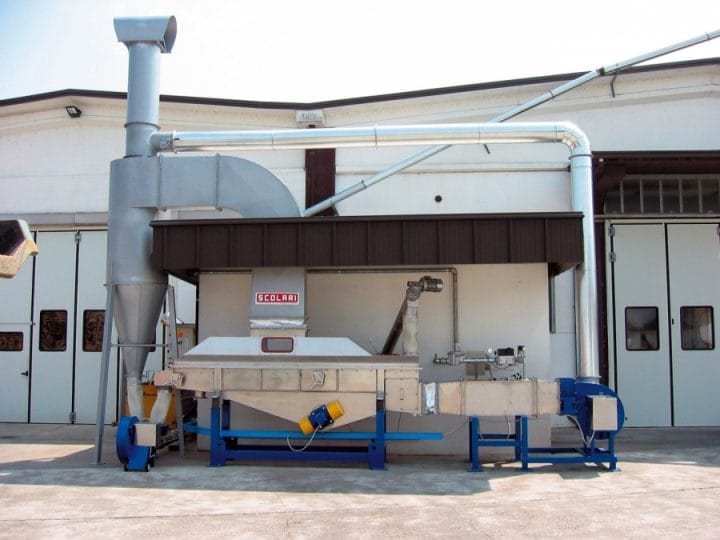
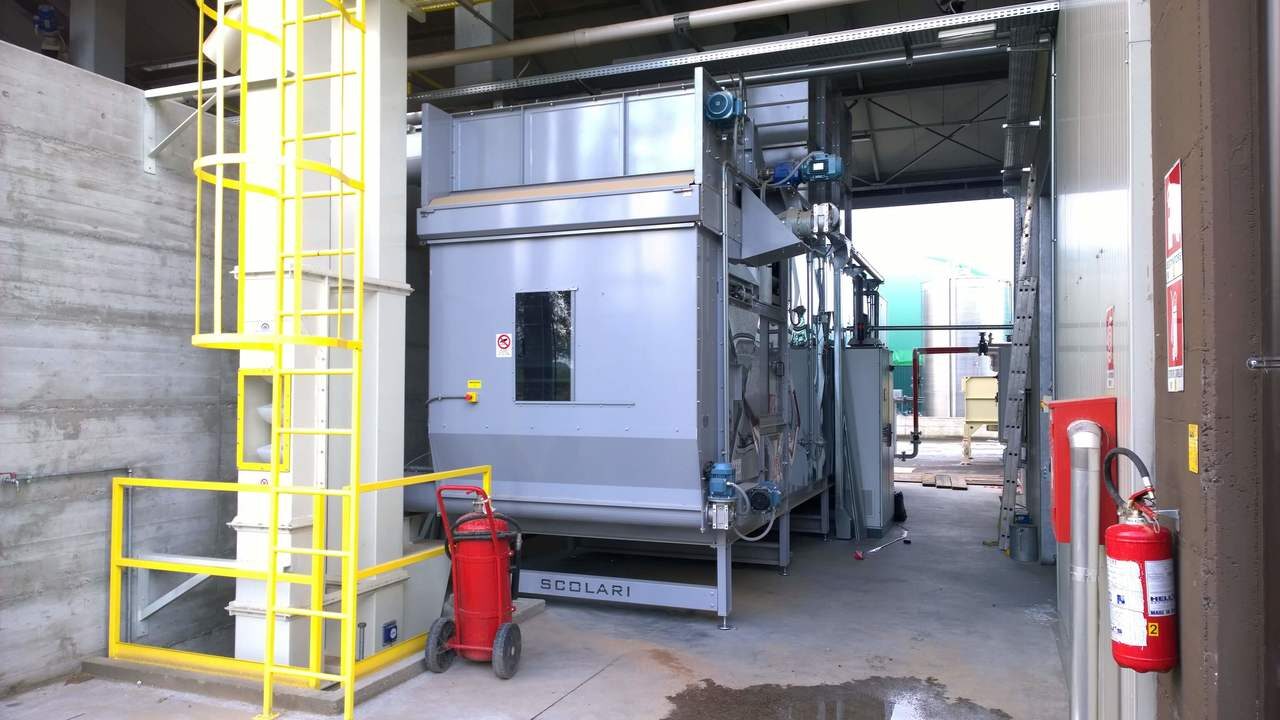
Scolari Vibratory Dryers
Italian Scolari vibratory dryers create an artificial boiling layer of the material being dried, which allows it to be blown through from all sides and effectively remove surface moisture. Suitable for materials with surface moisture, granulated products, or flowing powders.
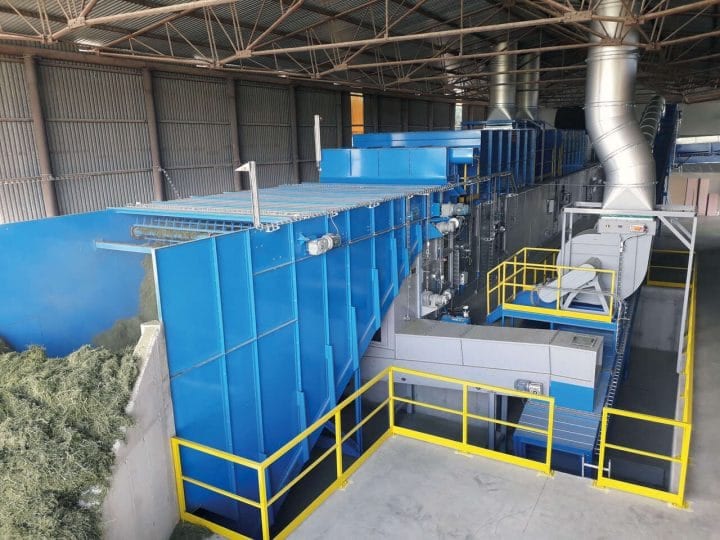
Scolari Dryer With Movable Conveyor Belt
Horizontal dryers feature perforated steel or plastic movable floors designed for drying various materials. Airflow can be configured from top to bottom or vice versa.
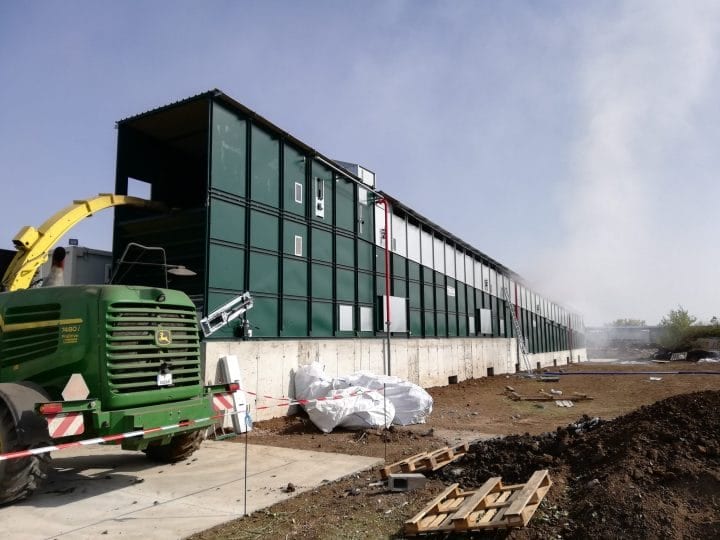
Alvan Blanch Conveyor Dryer
British universal conveyor dryers for non-grain agricultural and industrial products. Thanks to their horizontal design, built-in distribution and stirring systems, they can dry a wide range of materials.
2. Key Requirements for Wood Chip and Sawdust Dryers
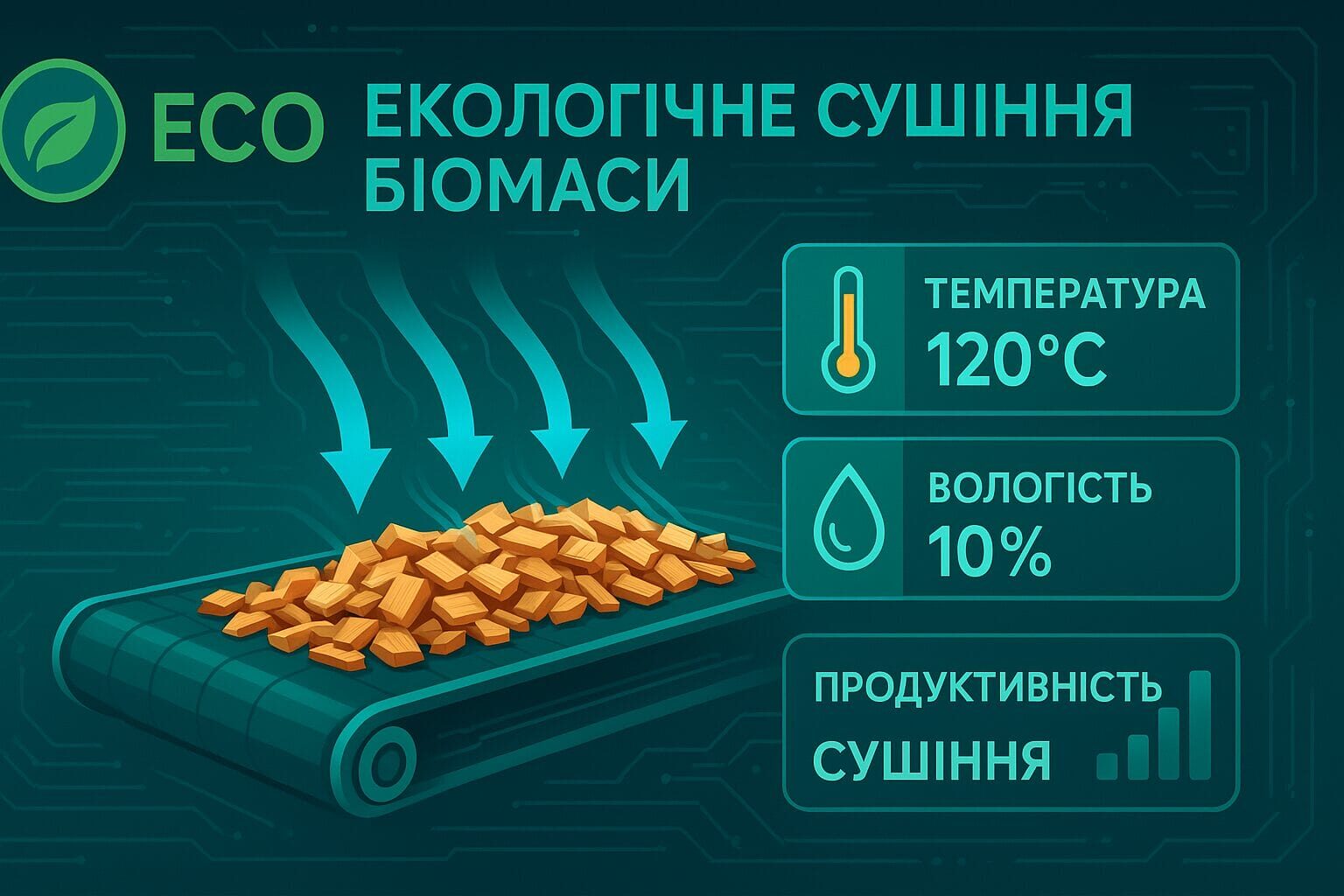
Equipment for drying wood waste must ensure uniform moisture removal from chips and sawdust while preserving material quality. The key parameter is throughput capacity, which determines the required thermal output and airflow efficiency. Equally important is the heat source type (gas, diesel, steam, solid fuel, or waste heat from cogeneration), as it directly affects the working temperature range — from 60–120 °C up to 300 °C.
No less critical is precise moisture control: sensors monitor residual moisture levels and automatic heat supply prevents both under-drying and overheating, reducing energy consumption. Particle size uniformity also plays an important role: the more consistent the particle size, the more efficiently the heated airflow is distributed.
Correct equipment selection and configuration improves the quality of the finished biofuel, ensuring stable calorific value and reducing environmental impact. Additional dust suppression and heat recovery systems help contain emissions and optimise energy use — especially important at industrial drying scale.
3. Overview of Dryer Types for Wood Chips, Sawdust and Shavings
Type 1: Drum Dryers
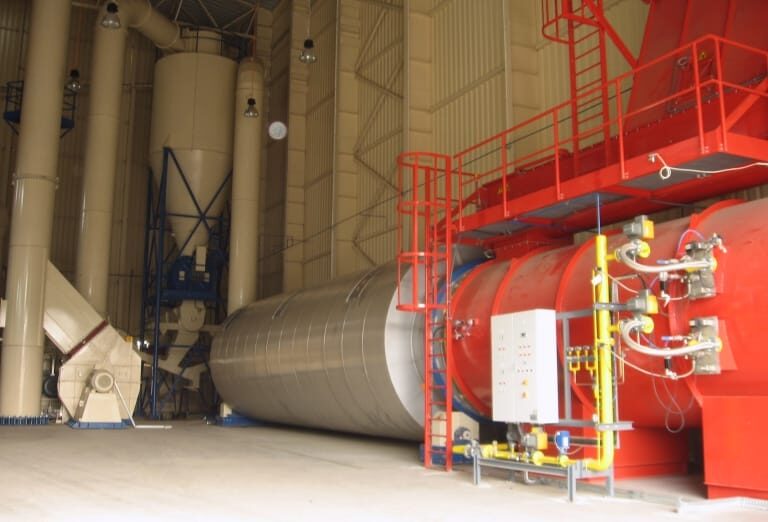
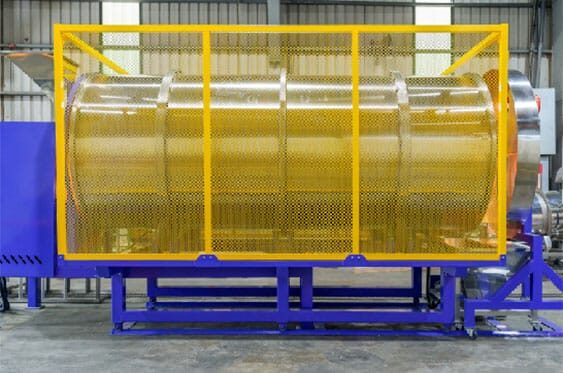
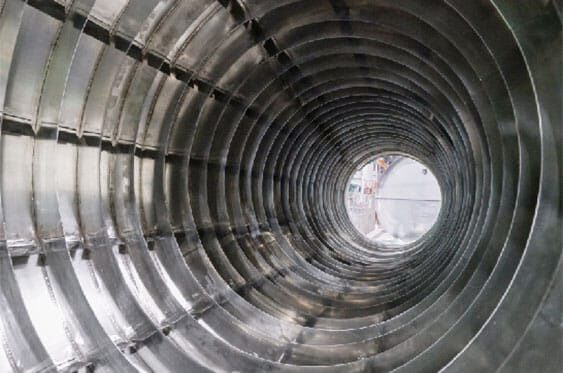
Historically one of the most common dryer types for chips and sawdust, a drum dryer consists of a rotating cylinder in which the material is dried by hot air. Drum dryers offer high throughput and a simple construction, but very high temperatures (up to 300 °C) can cause material overheating and reduce the uniformity of the final product. Energy efficiency is lower than in more modern solutions due to the absence of heat recovery or recirculation systems that conserve fuel in other dryer types.
Type 2: Conveyor (Belt) Dryers
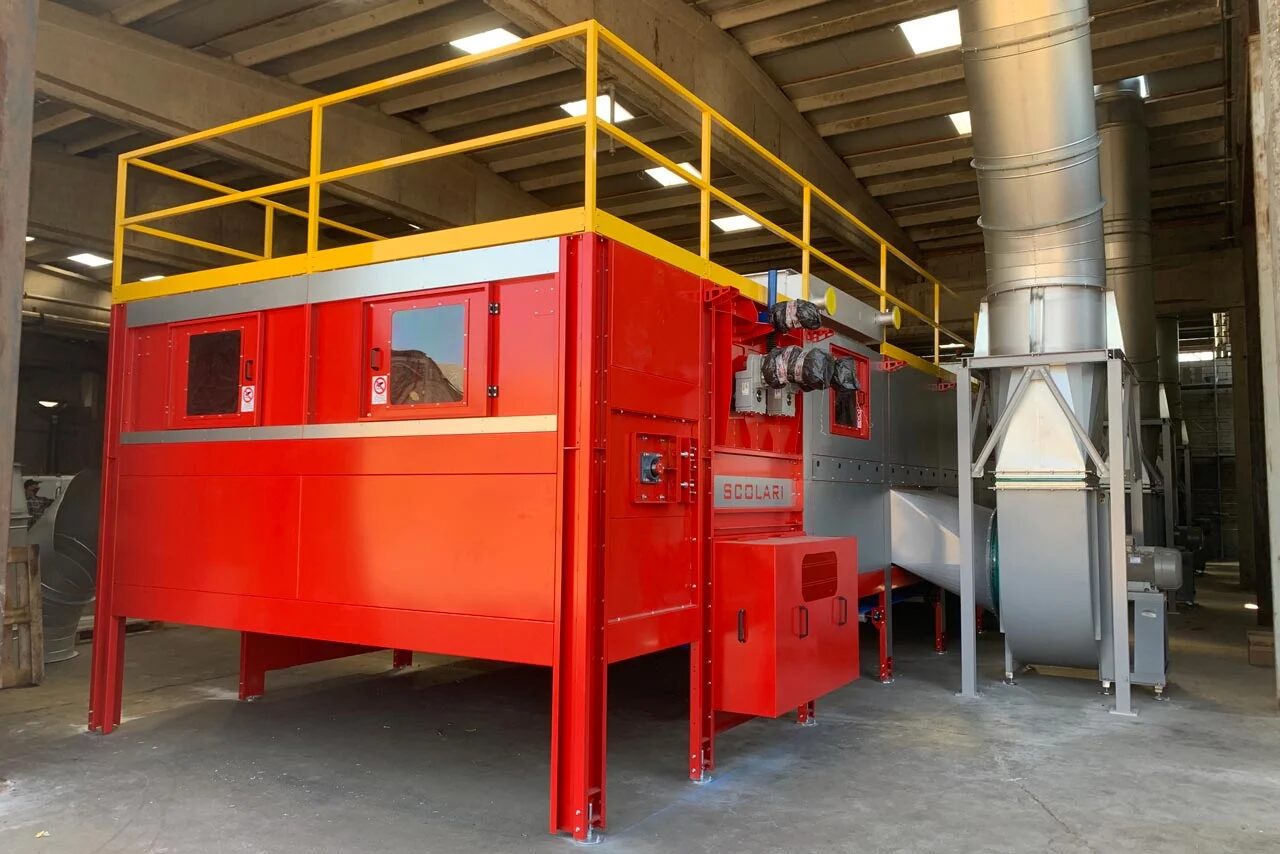
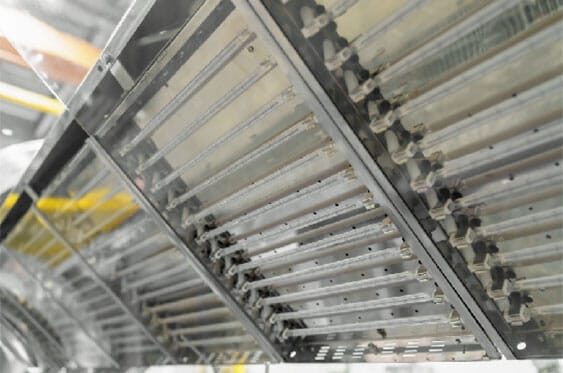
These dryers operate gently at 60–120 °C. Material is spread in a layer on a moving perforated belt through which heated air passes. This design ensures uniform, precisely controlled drying, energy savings, and the ability to recover heat. Modern systems, such as Italian Scolari dryers, are equipped with automatic moisture control and support continuous operation.
Type 3: Other Dryer Types for Wood Waste
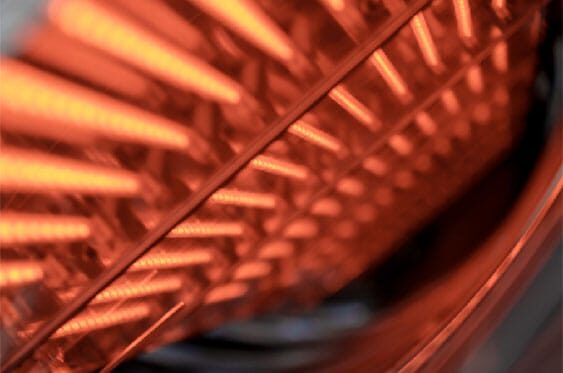
Among alternative solutions for drying chips and sawdust, infrared and microwave installations are occasionally used. They are rarely applied due to high energy consumption and difficulties with scaling. As a result, their use is very limited — more often for experimental purposes or for drying small quantities of high-value wood species.
| Dryer type | Best suited for | Advantages | Limitations |
|---|---|---|---|
| Belt / conveyor | Chips, sawdust, shavings, bark; pellets, briquettes, boards; projects with waste heat | Low-temperature operation, top-to-bottom airflow, lower fines carry-over, heat recovery, improved fire safety | Larger footprint; even feed and correct belt and aspiration selection are important |
| Drum | Very wet biomass, large volumes, coarse fraction, pellet lines | High throughput, simple and widely available technology, large moisture removal | High gas temperatures, higher fire risk, no heat recovery, stricter gas-cleaning requirements |
| Low-temperature / chamber | Small volumes, local heat utilisation, gentle drying regime | Low total installation cost, convenient for small quantities | Limited throughput, not always suitable for industrial lines, high specific cost per unit of capacity |
4. Advantages of Conveyor (Belt) Dryers for Wood Chips and Sawdust
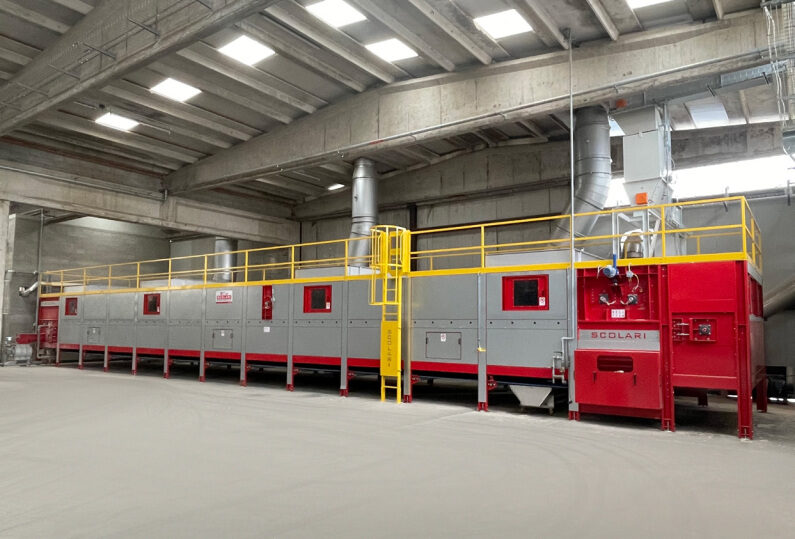
Conveyor (belt) dryers differ from drum dryers in their more uniform drying process. The material moves along a perforated conveyor at a constant speed, so each portion of material receives identical time and conditions for moisture evaporation. The temperature range is typically lower than in drum units (approximately 60–120 °C), providing a gentler effect on the wood structure and significantly reducing the risk of overheating and fire.
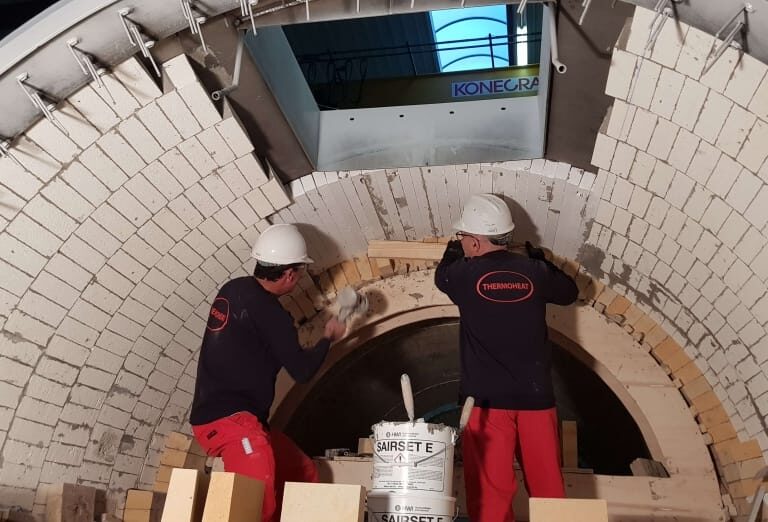
Another advantage is the smaller number of moving parts.
The heart of a drum dryer is a large drum with heavy refractory elements. Rotating it requires considerable force, and in operation, the costly mechanical components that drive the rotation gradually wear out.
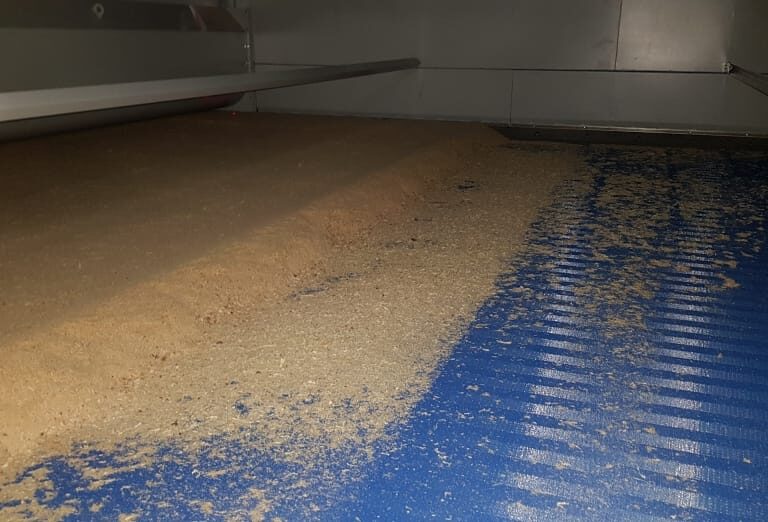
By contrast, a conveyor dryer uses a conveyor or belt driven by low-power motors (since horizontal movement requires little effort). This simplifies maintenance, reduces the risk of breakdowns, and lowers the volume and cost of periodic servicing and potential repair.
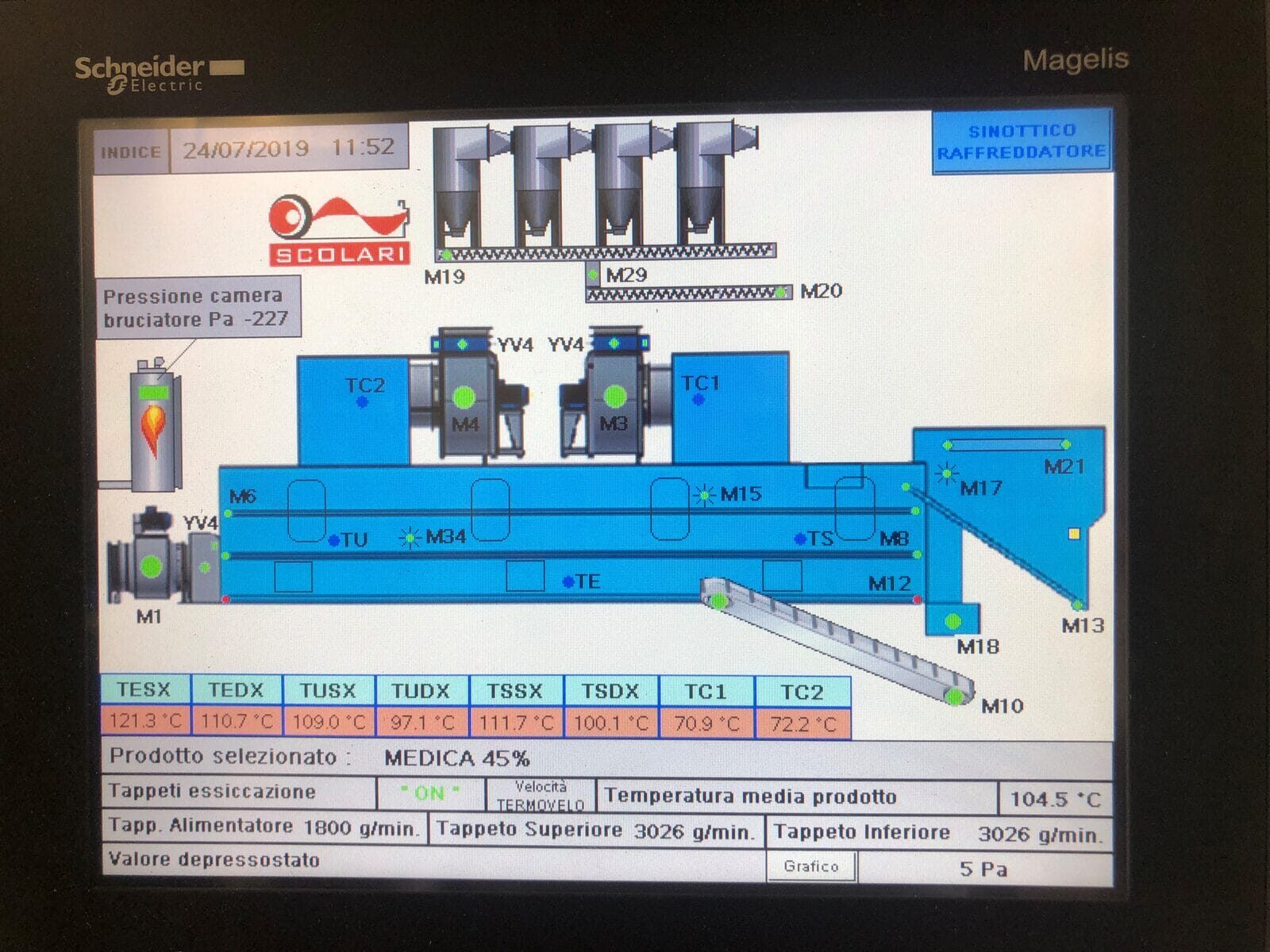
Conveyor dryers also offer greater flexibility in settings (belt speed, heat intensity, airflow), allowing the drying regime to be adjusted for different moisture levels and particle sizes of sawdust and chips.
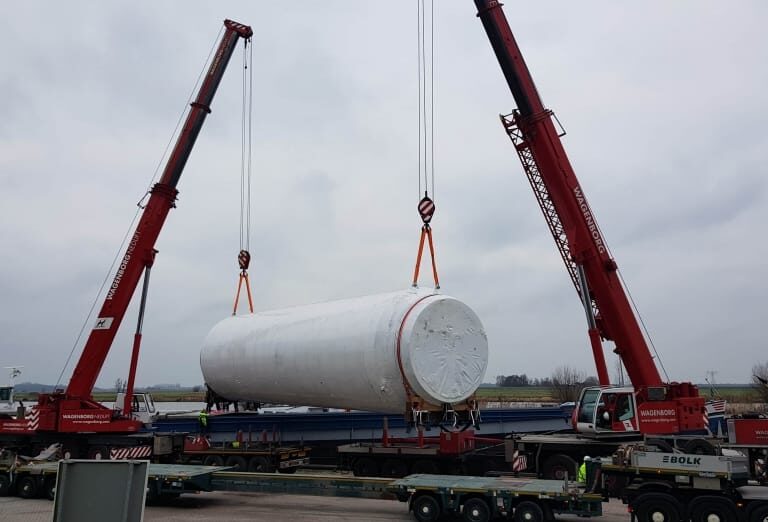
Finally, the absence of a large rotating cylinder means more compact dimensions for transport and installation. Assembly is typically faster and less costly, and transportation does not require special oversized permits. These features make conveyor (belt) dryers the preferred choice for many enterprises in bioenergy and wood processing.
5. Scolari Srl Italian Dryers for Wood Chips and Sawdust
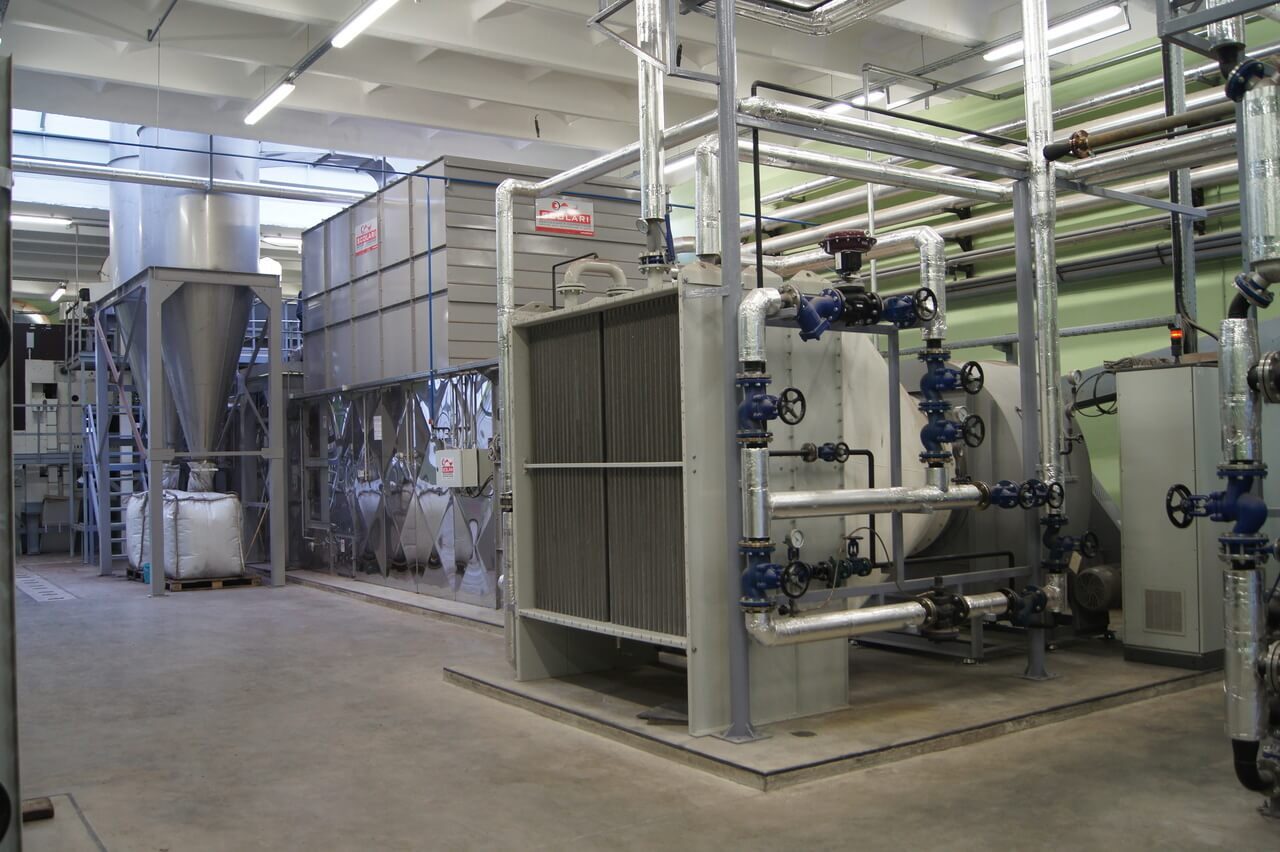
Dryers from Scolari Srl work with a wide variety of heat sources, including low-temperature options (steam, biofuel, hot water, waste heat from cogeneration units, ORC cycles), which makes them highly versatile and economical. Combinations of low-temperature and high-temperature heat sources are also straightforward to implement. For example, air can be pre-heated through a hot-water heat exchanger before passing over a gas burner, reducing gas consumption by utilising residual heat from other industrial processes.
The relatively low drying temperatures inherently produce highly uniform final moisture content. However, depending on the project and the characteristics of the wood waste feedstock, the dryer can be fitted with special mixers to make the final moisture content even more consistent.
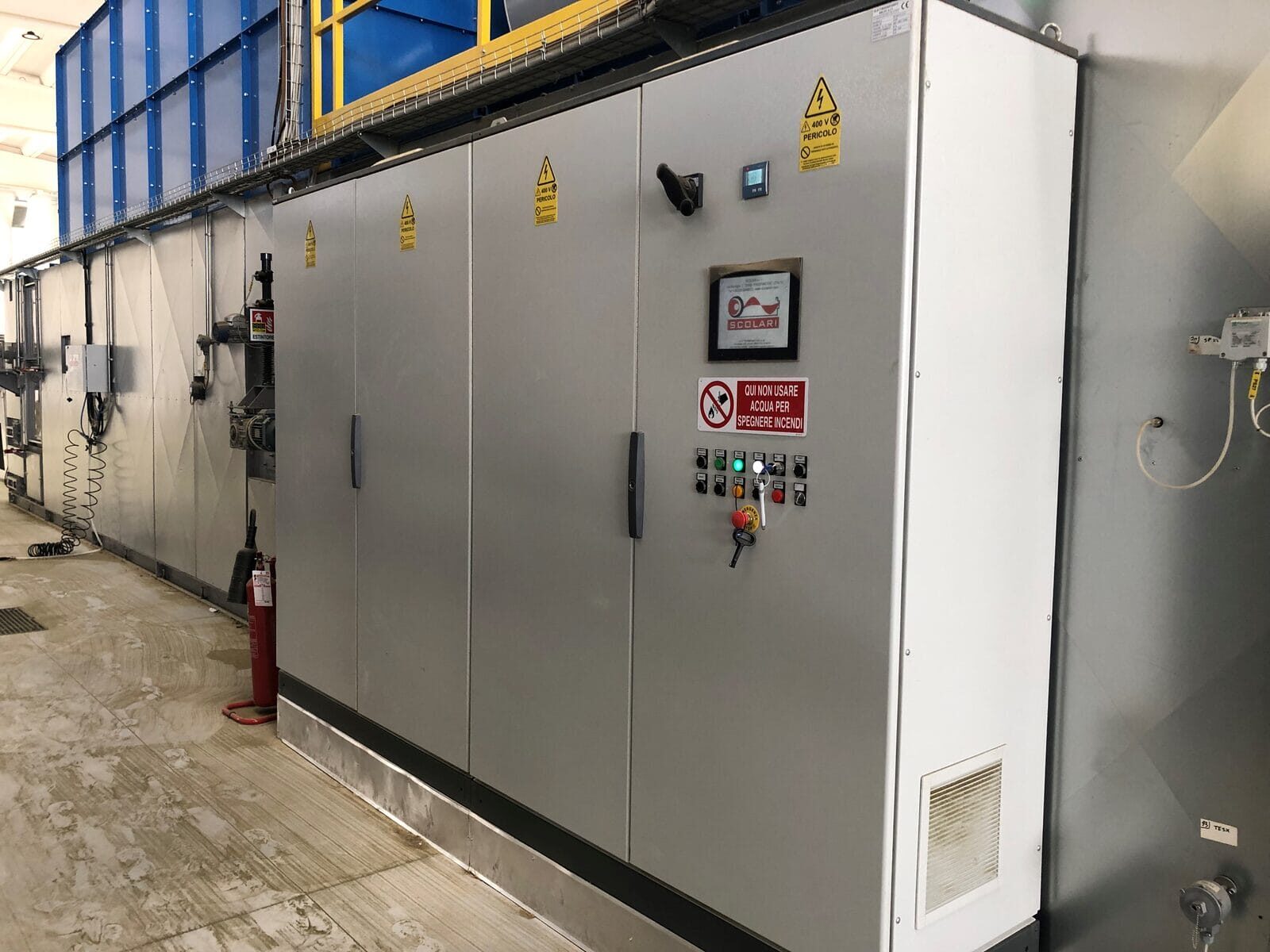
Full automation of all stages allows the drying process to be flexibly configured for different types of wood feedstock. Drying parameters are managed via a professional large-format colour touchscreen control panel or a computer.
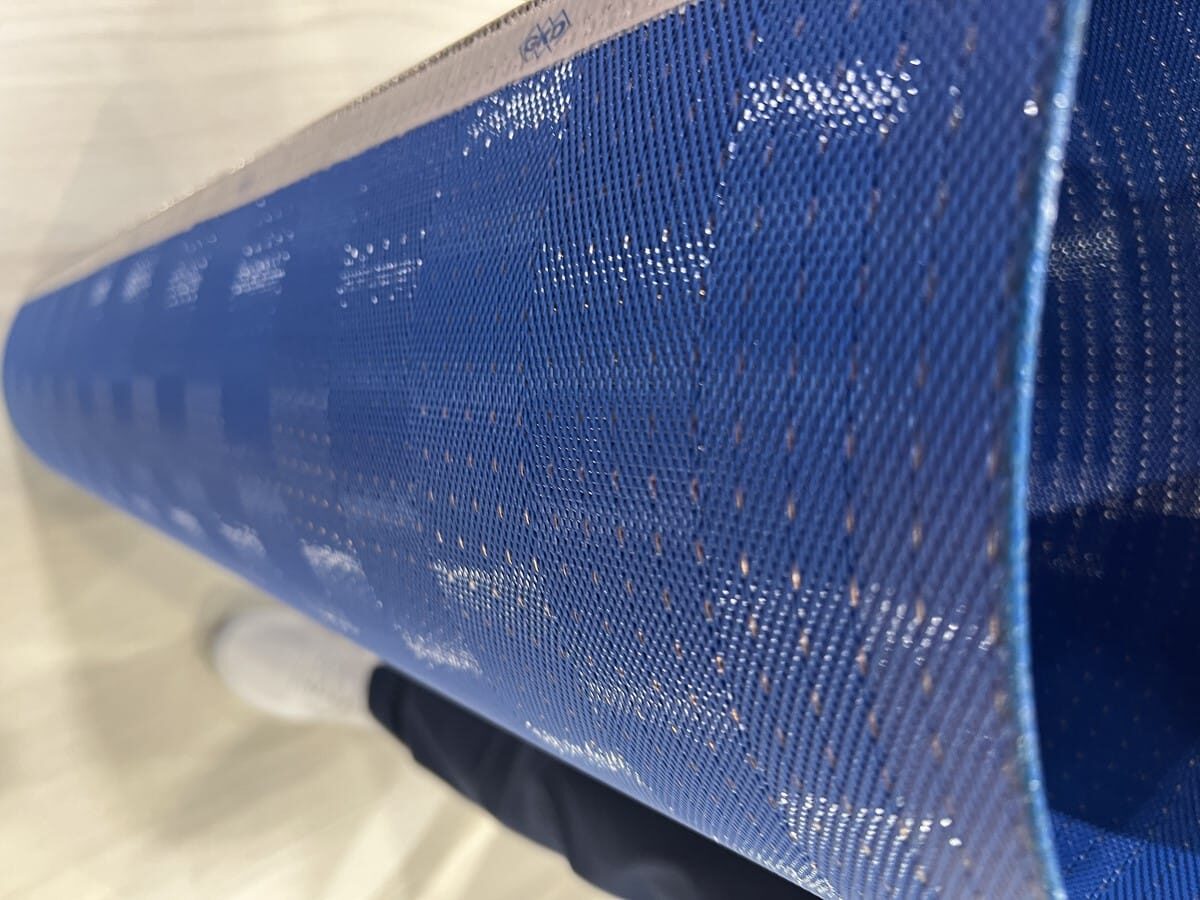
The belt construction deserves particular attention: the units use a wear-resistant, high-temperature belt made of a special antistatic material with conductive thread that prevents the build-up of static electricity. This belt, mounted on a robust industrial frame and equipped with an automatic centring system, guarantees uninterrupted operation and high fire safety.
As mentioned, airflow moves from top to bottom. This means the belt simultaneously acts as a dust filter and as a barrier for fine particles — which is especially important for maintaining high airflow. (In drum dryers, and also in belt dryers with conventional bottom-to-top airflow, manufacturers are forced to limit air velocity to prevent fine particles from being blown out of the drum or off the belt. This restriction reduces throughput and increases the size of the drying and cooling equipment.)
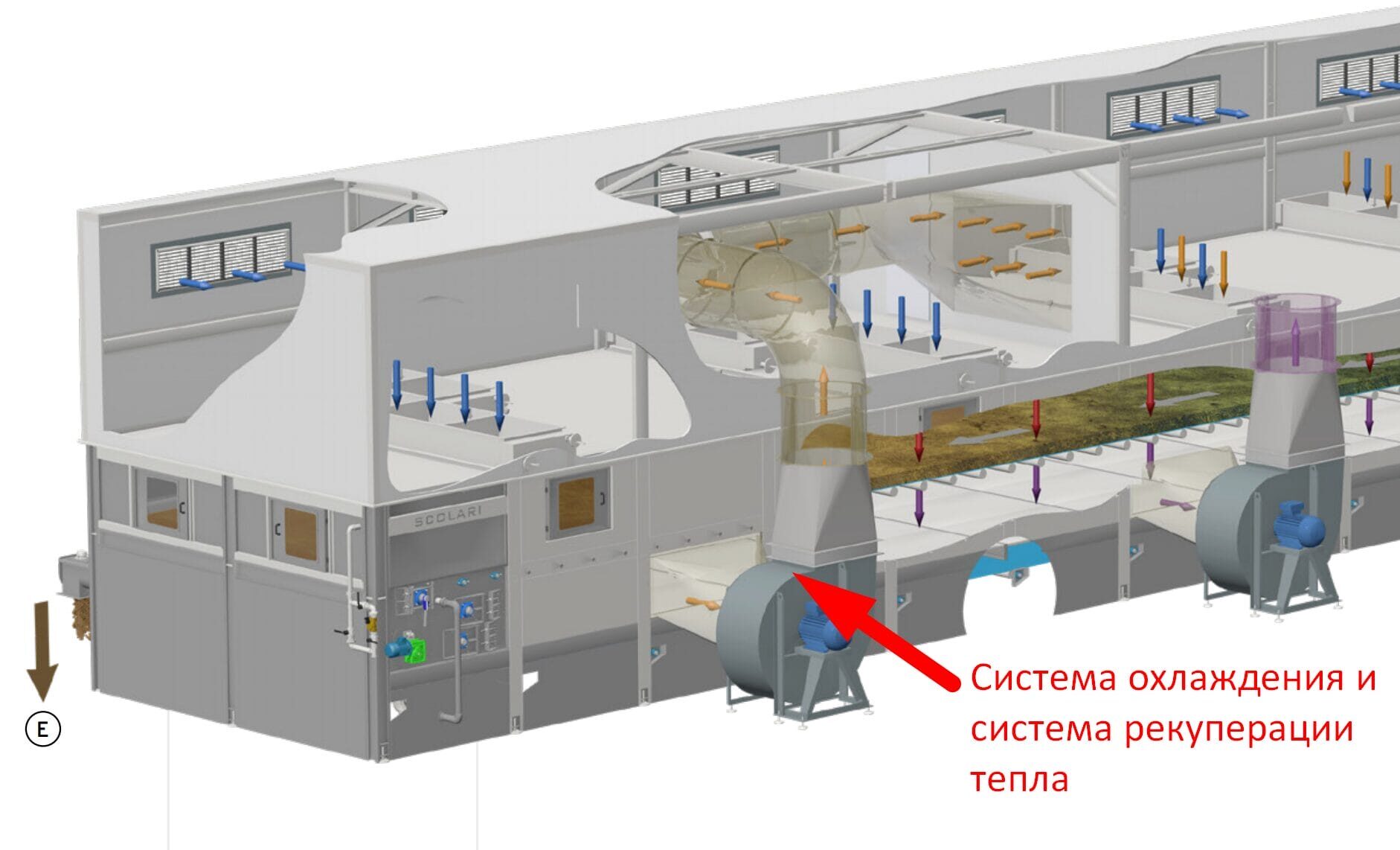
When product cooling is required (for example, if the dried material is not going directly to pelleting), Scolari dryers do not need a separate cooler — a cooling zone can be integrated into the dryer itself. Drum installations, by contrast, typically require a separate cooler and an additional conveyor to transfer the dried material, complicating the system and increasing equipment costs.
Scolari dryers with cooling zones are equipped with heat recovery systems, while those without a cooling zone can be equipped with a heat recirculation system (two-level design). These systems significantly reduce fuel consumption. The combination of moderate temperature with uniform hot-airflow distribution further improves energy efficiency and reduces operating costs.
6. Dust Emissions When Drying Wood Chips, Sawdust and Shavings
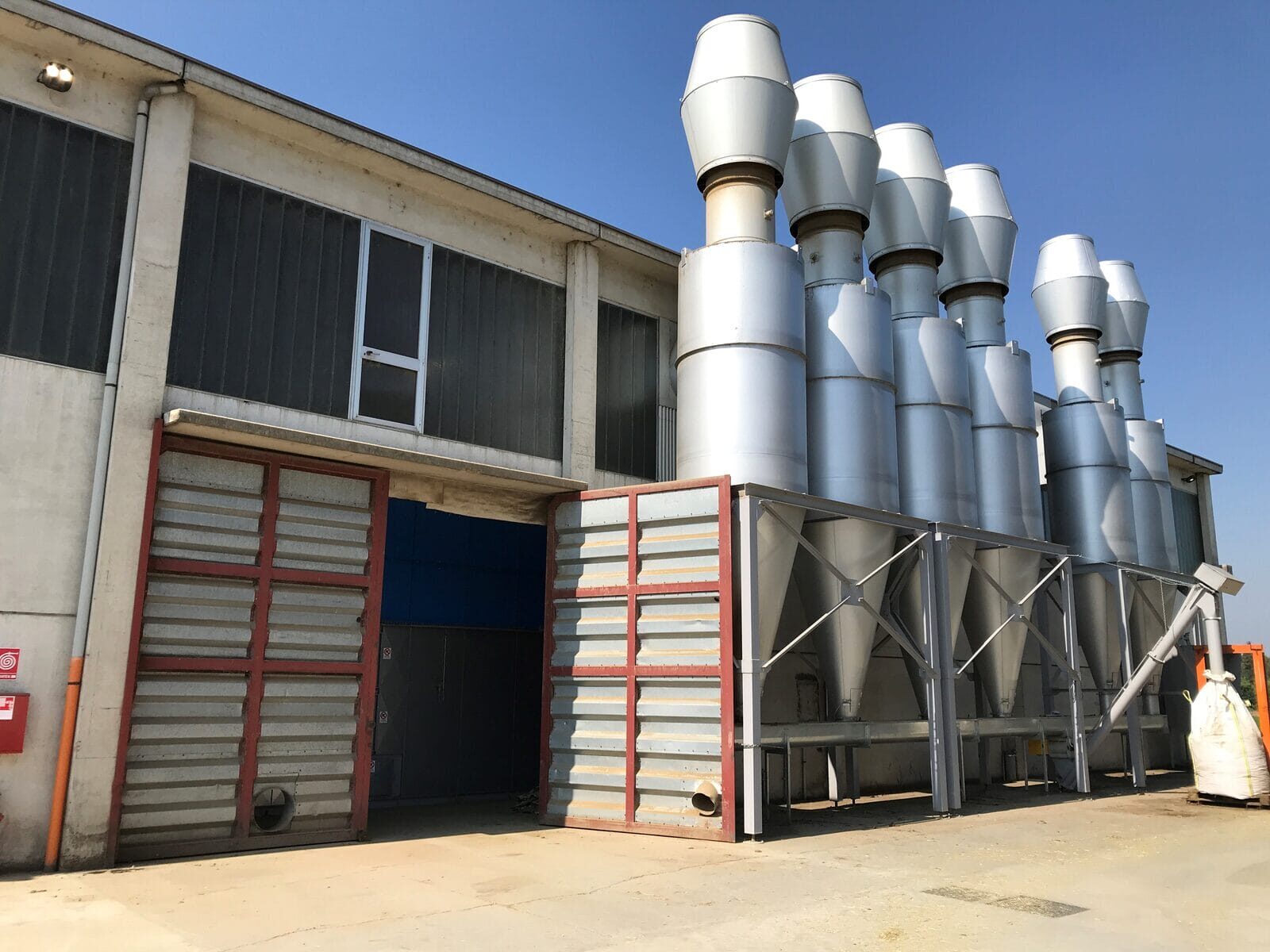
Steadily tightening environmental standards require close attention to dust emission levels, especially when drying wood shavings, chips and sawdust, which contain a very high proportion of fine particles.
In drum dryers for wood waste equipped with cyclones and costly filters, dust levels are broadly comparable to those of conveyor (belt) systems without additional air-cleaning systems. However, Scolari dryers equipped with cyclones achieve even lower dust emission levels.
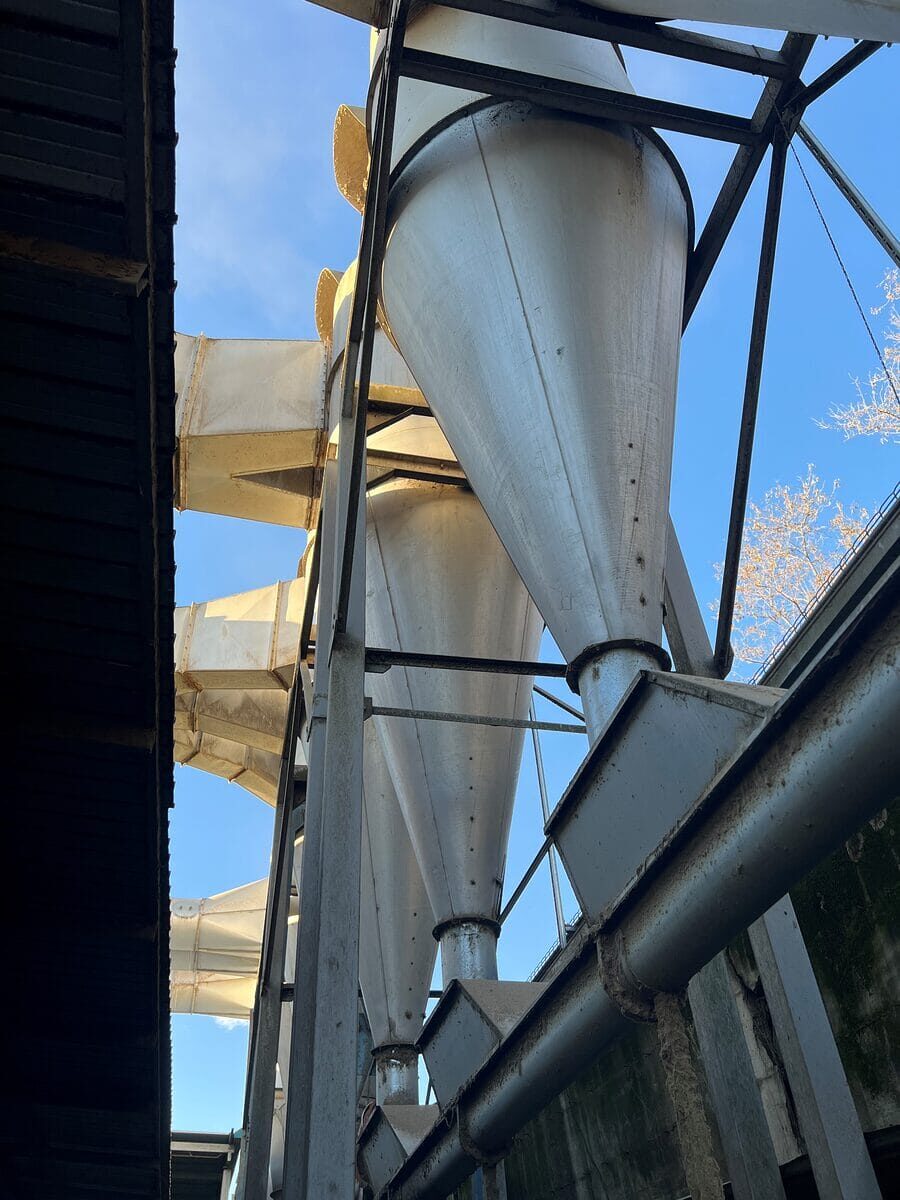
Dust collected by the cyclones is fed to a screw conveyor and can be returned to the dryer for further drying, reducing losses of valuable wood material.
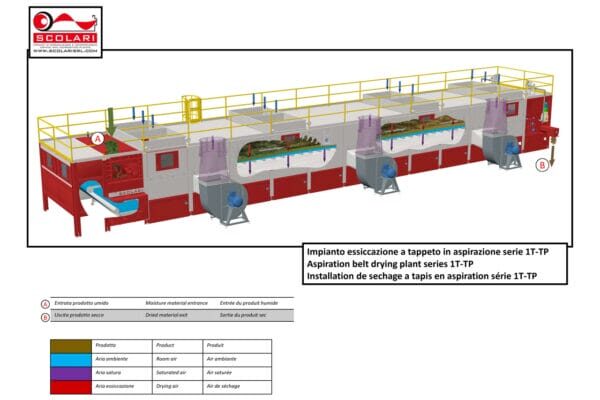
Furthermore, in addition to cyclones, the airflow in Scolari dryers moves from top to bottom. This means the belt itself acts as a kind of air filter.
With these wood-waste drying technologies, Scolari Srl not only meets international environmental safety standards but substantially exceeds them.
Temperature, Moisture and Drying Regimes
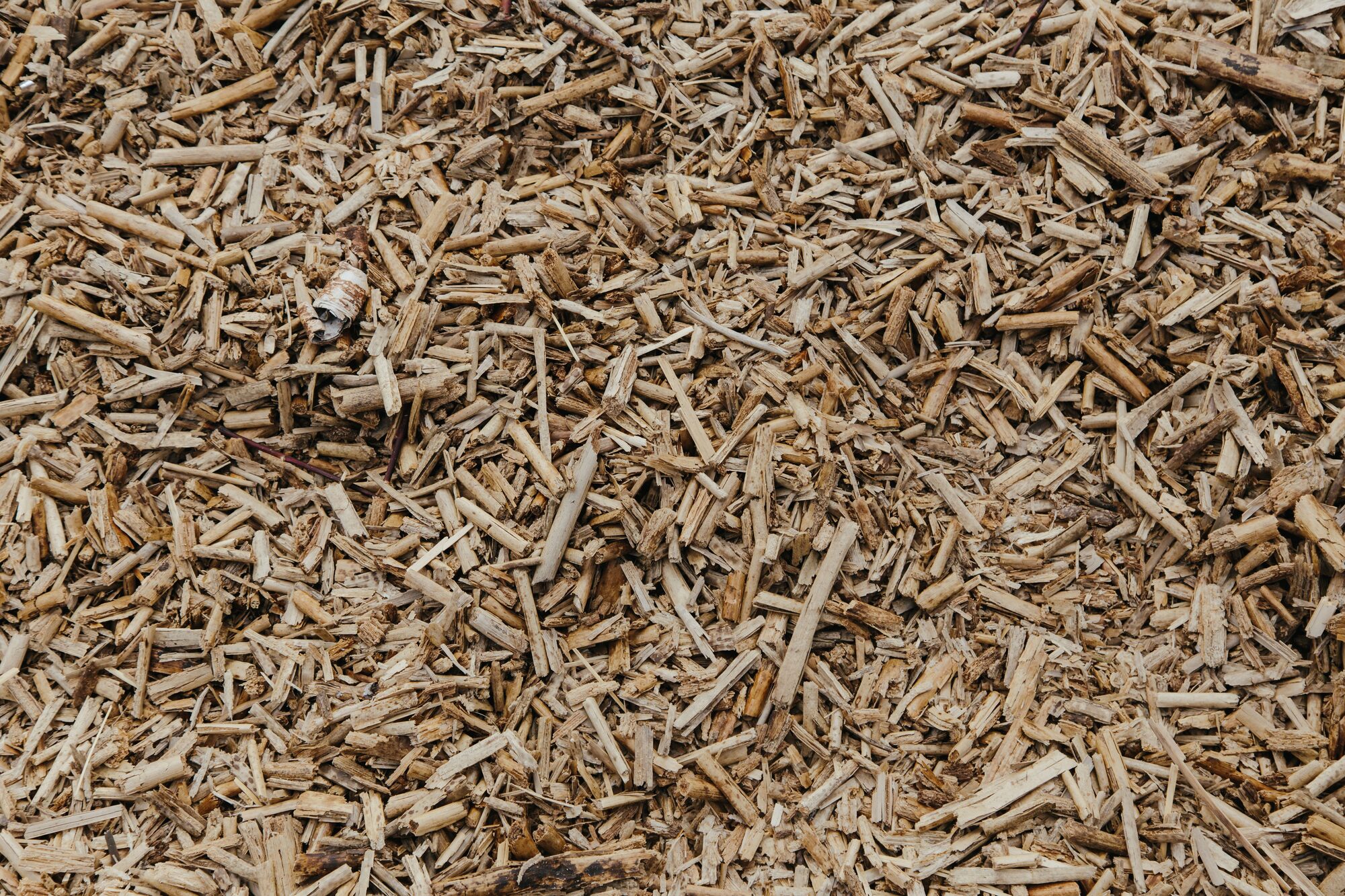
For wood chips, the working temperature range is wider than for grain — different dryers use different heat sources and transfer energy to the material in different ways. It is important to distinguish between the temperature of the heat carrier, the temperature of air inside the drying chamber, and the temperature of the material itself: in a drum dryer the gases may be very hot, but that does not mean all chips reach the same temperature.
| Parameter | Value / range | Context |
|---|---|---|
| Air temperature in belt dryer | 60–120 °C | gentle regime for chips, sawdust, shavings and bark |
| Flue gas temperature in drum dryer | 200–600 °C | high-temperature technology; fire safety control required |
| Typical inlet moisture of chips | 30–60 % | depends on storage conditions, wood species, season and particle size |
| Very wet sawdust | up to 90 % | possible for certain drum and intensive solutions; project verification required |
| Target moisture for pellets / briquettes | approx. 10–15 % | exact value depends on the press, feedstock, and final product requirements |
Conclusion
Choosing the right drying technology for wood waste plays a decisive role in bioenergy and woodworking: it determines operating costs, the quality of the finished product (or biofuel), and the environmental safety of the operation. Traditional drum dryers remain in widespread use, but a growing number of enterprises are turning to more modern conveyor (belt) systems that offer more uniform, gentler, and above all more energy-efficient drying.
Scolari Srl demonstrates particularly impressive results in this field. Equipment reliability is backed by 75 years of experience and conformity to international quality standards. Thanks to durable materials, well-engineered construction, and advanced automation, these dryers operate for decades, delivering stable throughput at low operating costs. This is why Scolari Srl solutions are valued by enterprises engaged in solid biofuel production and other wood-waste processing operations.
Frequently Asked Questions
At what temperature are wood chips dried?
The temperature depends on the dryer type. Belt and conveyor dryers typically operate in a gentle range of around 60–120 °C. In drum dryers the heat carrier can be considerably hotter: flue gases may reach temperatures of several hundred degrees (200–600 °C). Temperature therefore cannot be evaluated without knowing the dryer type and heat source; it is also important to distinguish between the air temperature and the temperature of the material itself.
To what moisture level should wood chips be dried for pellets?
A target moisture content of approximately 10–15 % is commonly used, but the exact value depends on the pellet press, wood species, formulation, particle size, and the requirements of the finished product.
What are the advantages of a belt dryer over a drum dryer?
A belt dryer generally operates more gently, is better suited to waste and low-temperature heat, allows top-to-bottom airflow, reduces carry-over of fine particles, and offers more heat recovery options. Belt/conveyor dryers are the type of choice for producing high-quality "white" pellets for export to demanding markets. Drum dryers, by contrast, are simpler and can be higher-throughput in certain scenarios, but operate at higher temperatures and require stricter fire safety controls.
Why are sawdust and fine chips blown out of a dryer?
Because of their low bulk density and small particle size. When air flows upward at high velocity, it lifts light particles. For this type of biomass, top-to-bottom airflow is therefore preferred: the material is pressed against the belt rather than lifted by the airstream.
In dryers where the belt does not hold the product against blow-out (e.g. bottom-to-top airflow), airflow must be restricted. The manufacturer is then forced to offer a larger unit to achieve the same throughput — resulting in a higher equipment price and still significant dust problems.
Can wood chips be dried using waste heat?
Yes. This is one of the main arguments in favour of belt dryers: they can utilise hot water, steam, air, heat from cogeneration, ORC units, biomass boilers, or other low-temperature sources.
What poses the greater fire hazard when drying chips: temperature or dust?
The hazard comes from the combination of factors: hot air, dry wood, dust, static electricity, sparks, blockages, and improper aspiration. Fire safety must therefore be treated as a system, not as a single sensor or a single temperature limit. Beyond standard fire detection and suppression, it is essential that the conveyor belt be manufactured in an antistatic execution to prevent self-ignition.
Are aspiration and cyclones necessary?
Yes — in industrial drying of wood biomass, they are a near-mandatory element. Dust must be captured, emissions controlled, and the collected fine fraction can be returned to the process if the plant layout provides for it.
Still have questions? Contact us!
By phone
WhatsApp: +90 (536) 452-1184By e-mail
Our address: info@finpro.engineering
Related products
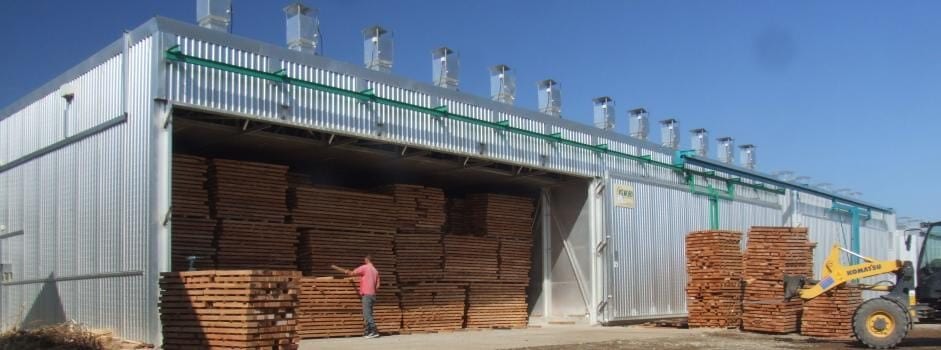
Boards, beams and lumber
Kiln drying of lumber with control of temperature, humidity and air circulation reduces internal stresses and preserves wood quality.
Our Products
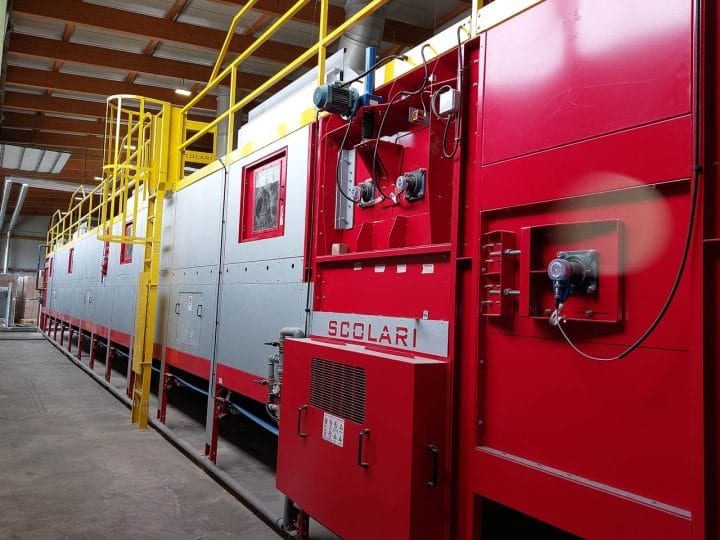
Universal Dryers
These dryers can be customized to dry any industrial or agricultural product you may require. Depending on the specific product and its moisture content, the dryers can be equipped with mixers, movable floors, vibrating floors, and other advanced technologies.
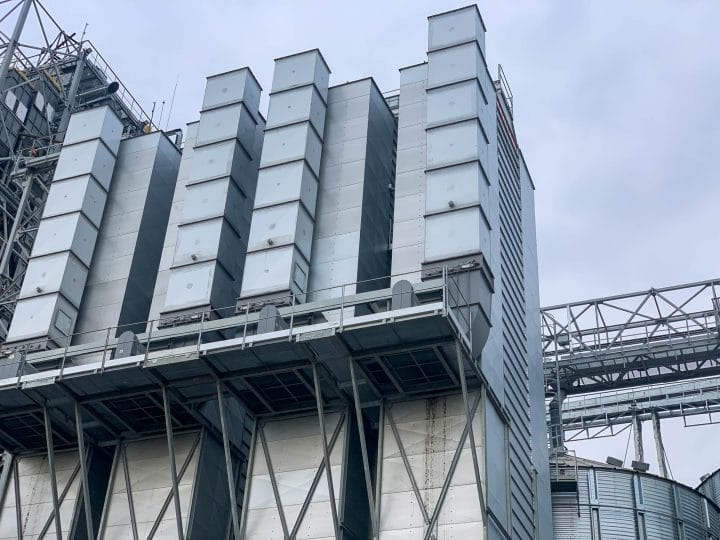
Grain Dryers
Authorized representative for top European grain dryer manufacturers like Alvan Blanch, FAO, and Agrex. Offering a full range of advanced drying solutions for agriculture.
Contact Us
If you are interested in purchasing any of our products, need a price quotation, or have any questions, comments, or suggestions, please do not hesitate to contact us via our contact form, by phone, or by email.
- WhatsApp: +90 (536) 452-1184
- E-mail: write to us
Our phones:
- Kazakhstan: +7 (747) 095-1626
- Moldova: +373 (22) 011-214
- Romania: +40 (31) 229-8484
- Türkiye: +90 (536) 452-1184 (English)
- Ukraine: +380 (67) 111-6668