
Drying Sludge and Wastewater Biosolids: Dry Solids, Sticky Phase, and Safety
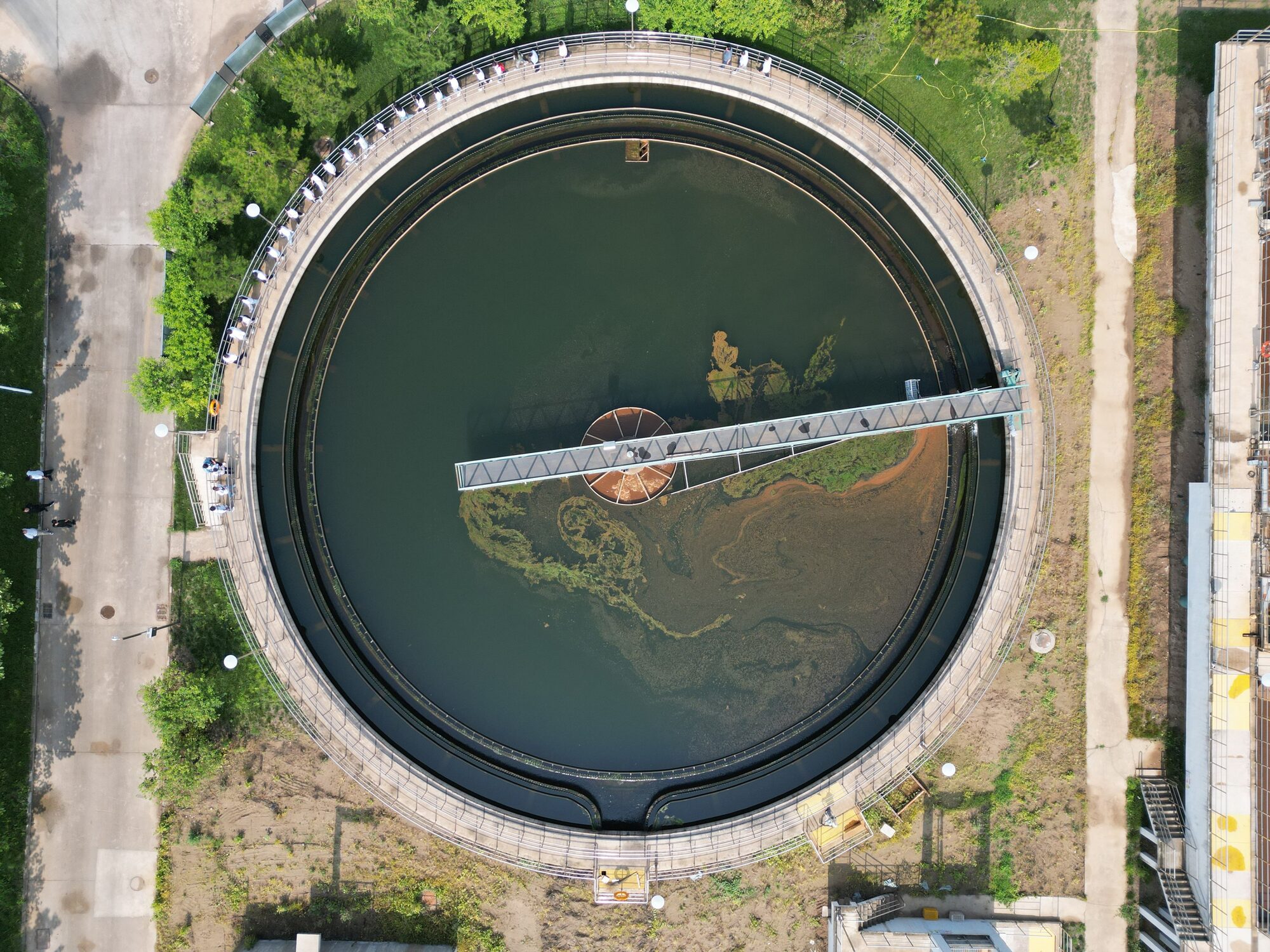
Sludge and wastewater biosolids are dried not for "product quality" but for water removal. After mechanical dewatering, the cake can still retain 70–80 % water. That water drives transport costs, storage volumes, disposal fees, and the feasibility of further use of the biosolids.
Industrial drying converts sludge from a heavy, wet paste into a more stable material: granules, pellets, or dry crumble. The resulting product is easier to transport, store, incinerate, use in mono-incineration, or — where sanitary and chemical requirements are met — return to agricultural use.
But sludge is one of the most demanding materials to dry. Midway through the process it passes through a sticky phase: it becomes viscous, adheres to surfaces, forms lumps, and can stall unsuitable equipment. Once deep drying is achieved, a different risk emerges — dust and dry granules can be fire and explosion hazards. Drying sludge correctly is therefore not simply "apply heat" but a matter of matching technology to composition, dry-solids content, heat source, odour requirements, safety constraints, and intended end-use.
Quick answer
Sludge is normally dried after mechanical dewatering, but this is not a hard rule: when waste heat is cheap, wetter sludge can be dried directly by blending it with dry product (back-mixing). A typical dewatered cake contains roughly 18–30 % dry solids (DS); after full thermal drying it is brought to approximately 90 % DS. Where the target is mono-incineration, partial drying to around 40 % DS is sometimes sufficient.
The key engineering challenge is the sticky phase at roughly 45–65 % dry solids. In this zone the sludge adheres to surfaces and requires dedicated solutions: a paddle/agitator, back-mixing of dry material, a thin layer, or a two-stage scheme.
| Stage / target | Dry-solids (DS) guideline | What we control |
|---|---|---|
| Liquid sludge at inlet | 2–8 % DS | thermal drying at this stage is uneconomical — mechanical dewatering first |
| Cake after dewatering | 18–30 % DS | decanter, centrifuge, filter press, or belt press |
| Partial drying for mono-incineration | approx. 40 % DS | furnace energy balance; avoid over-drying |
| Full drying (granule, storage, transport) | approx. 90 % DS | dust, self-heating, fire safety |
In brief: normally mechanical dewatering first (usually cheaper than evaporating water with heat), though drying of wetter sludge via back-mixing is viable — especially on waste heat. Then thermal drying to target: ~40 % DS for mono-incineration or ~90 % DS for granules and storage. Percentages are expressed as dry solids (DS/TS). The main risks are the sticky phase, odour, and fire/explosion hazard of the dried product.
Our dryers for sludge and wastewater biosolids
For sludge we select belt and drum dryers that operate at moderate temperatures, maintain a closed loop, treat exhaust air, and pass through the sticky phase without build-up. The main solutions are Scolari belt dryers (including the 2T-F / 2T-FCR versions with condensation and air recirculation), Scolari paddle dryers (A / A CKR) for difficult-to-dry and sticky materials, and Alvan Blanch CD belt dryers. Alvan Blanch CD units are fitted with agitators as required, the number depending on the product. For stabilisation and composting of organic streams we consider Scolari MR / MRU composting machines separately. For high-moisture sludge we offer Errepi DX drum dryers — a rotary drum designed for heavy, wet material. The specific configuration is selected based on sludge composition, dry-solids content, heat source, and odour and safety requirements.
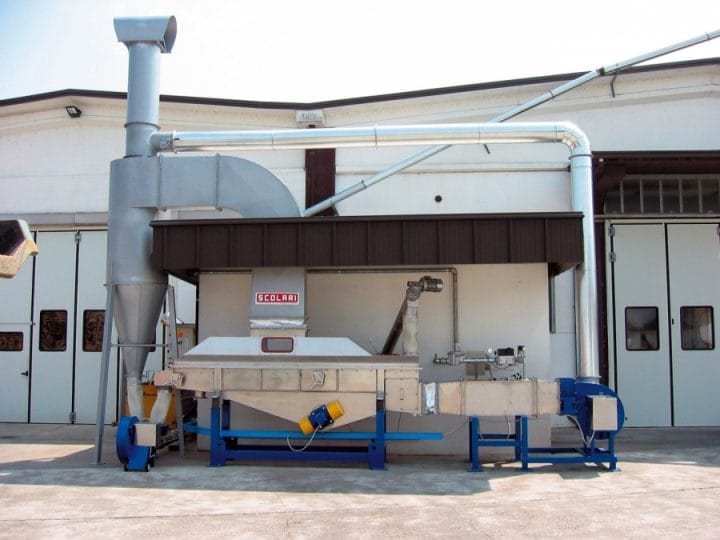
Scolari Vibratory Dryers
Italian Scolari vibratory dryers create an artificial boiling layer of the material being dried, which allows it to be blown through from all sides and effectively remove surface moisture. Suitable for processing materials with surface moisture, granulated products, or flowing powders.
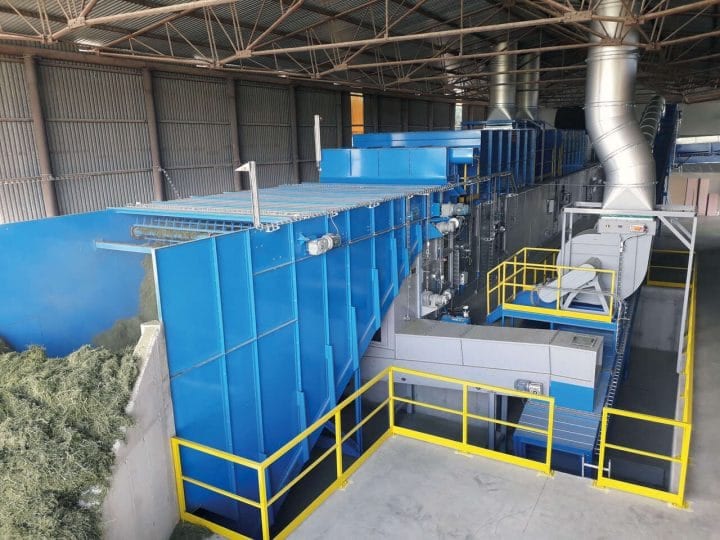
Scolari Dryer With Movable Conveyor Belt
Horizontal dryers feature perforated steel or plastic movable floors designed for drying various materials. Airflow can be configured from top to bottom or vice versa.
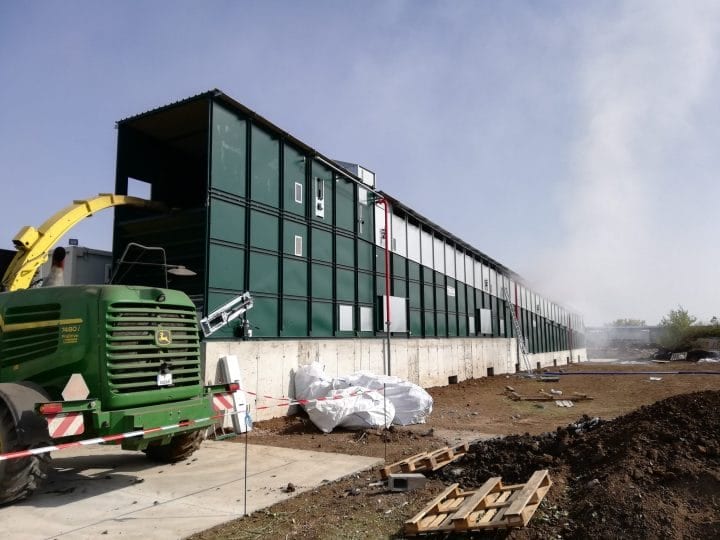
Alvan Blanch Conveyor Dryer
British universal conveyor dryers for non-grain agricultural and industrial products. Thanks to their horizontal design, built-in distribution and stirring systems, they are capable of drying a wide range of materials.
What sludge is and why it is dried
Sludge is a water-saturated sediment produced at wastewater treatment plants or in industrial processes. In the municipal sector it is the biosolids residue from biological wastewater treatment. In industry it can include sludge from paper mills, food processing, chemical plants, water treatment, electroplating, and other processes.
The defining characteristic of sludge is its very high water content. Even after mechanical dewatering the material remains a heavy paste. It is therefore dried for practical purposes:
- to reduce mass and volume before transport;
- to cut storage and landfill costs;
- to prepare the material for incineration or mono-incineration;
- to increase the calorific value of the dry residue;
- to sanitise municipal biosolids;
- to reduce odour and biological activity;
- to prepare the material for further processing.
Drying sludge must always begin with clarification: what type of sludge is it, what is its dry-solids content, what contaminants are present in the composition, and what is planned for the dried product.
Dry solids: how sludge moisture is measured
Moisture can be expressed in different ways. In sludge technology the preferred metric is not the water fraction but its inverse — dry solids (DS, or TS, total solids). If sludge is 20 % dry solids, the remaining 80 % is water. If the dried product reaches 90 % DS, approximately 10 % moisture remains.
Drying liquid sludge directly is generally uneconomical: too much energy is spent evaporating water that is usually cheaper to remove mechanically first. The typical process chain therefore follows a sequence of steps. But this is not a hard rule: when waste heat is cheap, wetter sludge can be dried by blending it with dry product (back-mixing).
Liquid sludge
Raw sludge at 2–8 % dry solids is almost entirely water. Thermal drying at this stage makes no sense.
Mechanical dewatering
A decanter, centrifuge, filter press, or belt press removes free water without heat. This is the cheapest way to reduce moisture, though when waste heat is available it can be partially replaced by blending dry product back into wetter sludge.
Cake at 18–30 % DS
The dewatered cake is no longer a liquid, but it is still a wet paste that may retain 70–80 % water.
Thermal drying
Brings the material to the target dry-solids content: approximately 40 % DS for incineration or approximately 90 % DS for a granulated dry product, storage, and transport.
The sticky phase: the main challenge of sludge drying
The most problematic part of the process begins neither at the start nor at the end, but roughly in the middle. As sludge dries it passes through a sticky, plastic, or adhesive phase. In this zone the material becomes viscous: it clings to walls, shafts, belts, mixing elements, and internal dryer surfaces.
This zone lies approximately in the range of 45–65 % dry solids, but the exact boundary depends on sludge composition, organic fraction, coagulants, polymers, ash content, and the dewatering method used.
Important: a sludge dryer is not simply a heat source — it is a piece of equipment designed to pass through the sticky phase. If the equipment is not rated for stickiness, the result is build-up, lumps, drive-load spikes, reduced throughput, uneven final moisture, and shutdowns for cleaning.
Good sludge dryers therefore distinguish themselves not only by heat source but by how they handle the sticky zone. Industrial solutions include back-mixing of dry material, paddle/agitator mechanisms, thin-layer distribution, thin-film dryers, two-stage schemes, and specialised material-spreading modes on the belt.
Municipal and industrial sludge: why they must not be conflated
The word "sludge" covers very different materials. Municipal wastewater biosolids and industrial sludge differ in composition, risks, and disposal pathway.
| Criterion | Municipal biosolids | Industrial sludge |
|---|---|---|
| Primary composition | organics, pathogens, nitrogen, phosphorus, mineral fraction | depends on the process: fibres, fillers, metals, chemicals |
| Key concerns | sanitisation, odour, hygienic safety | heavy metals, chemical contamination, hazard class |
| Typical disposal route | land application, incineration, mono-incineration, landfill | disposal, incineration, processing with separate assessment |
| Selection logic | odour and pathogen control | composition analysis and material compatibility |
Important: drying reduces mass and volume but does not change the chemical nature of contaminants. If heavy metals or hazardous substances are present in the sludge, they become more concentrated in the dry residue or ash after drying. Drying removes water — it does not remove heavy metals.
Sludge drying temperature
There is no single universal drying temperature for sludge. The operating regime depends on the dryer type, inlet dry-solids content, stickiness, required outlet specification, and available heat source.
For belt dryers the working range commonly falls around 70–150 °C air temperature. Low-temperature belt dryers can operate on hot water or waste heat at around 50–70 °C if the design and air recirculation allow effective heat transfer. Paddle dryers and specialised high-temperature configurations can run harder, while thin-film and contact dryers use higher surface temperatures to solve a different problem — passing through the sticky phase rapidly.
Not to be confused with self-ignition: the temperatures of 160–186 °C cited in sludge literature refer to the self-ignition risk of dust and granules during storage and testing, not to a recommended drying regime. This is the risk temperature of the dried product, not the operating temperature of the drying medium.
Drying on waste heat
Sludge drying is energy-intensive: tonnes of water must be evaporated. Project economics therefore often depend not on the dryer itself but on the available heat source. The most attractive sites are those where heat already exists and would otherwise be wasted:
- cogeneration and gas-engine units;
- biogas plants;
- waste-to-energy (WTE) facilities;
- industrial waste heat;
- boilers, steam, or hot water;
- heat from combined heat and power (CHP) plants.
Low-temperature belt dryers are valuable precisely because they can utilise heat that would otherwise be vented to atmosphere. In that case drying is transformed from an expensive gas-fired operation into part of the plant's overall energy scheme.
What happens after drying
Further use of the dried biosolids depends on composition and project objective. Expand the cards below — each route has its own logic and constraints.
Risks of incorrect drying
Sludge is almost unforgiving of equipment selection errors. Below are the key risks that are built into a project as early as the equipment selection stage.
Sticky phase and equipment stoppages
If the wrong dryer is chosen, the sludge will start adhering, forming lumps, and blocking the working zone. This is not a cosmetic issue — it is a risk of downtime and drive failure.
Odour and emissions
Municipal biosolids and organic industrial sludge can release odour-causing compounds, VOCs, ammonia, and sulphur compounds. A closed loop, condensation, recirculation, gas treatment, and emissions monitoring are therefore especially important for sludge.
Fire and dust explosion
Dried biosolids are no longer a wet paste — they are a dry organic-mineral product that can generate dust, self-heat, and burn. Dried sludge dust can form an explosive mixture with air. Projects involving deep drying therefore require ATEX/HAZOP logic, monitoring of oxygen, CO, temperature, and dust levels, control of ignition sources, and storage protocols.
Sanitary risks
When the objective is land application, under-drying or an incorrect regime may fail to achieve the required sanitisation. Even when the sole objective is mass reduction, sanitary requirements must still be observed during transport and storage.
Heavy metals
Drying does not remove heavy metals. In industrial sludge they remain in the dry residue and may concentrate in ash during incineration. For such streams the "fertiliser" route is generally unacceptable without a separate assessment.
What you need to know for equipment selection
Selecting a dryer for sludge requires more than "tonnes per hour". Minimum questionnaire:
- sludge type: municipal, industrial, paper mill, food processing, electroplating, water treatment;
- dry-solids content after mechanical dewatering;
- target dry-solids content at outlet;
- throughput in terms of dry sludge and water evaporation rate;
- composition: organics, ash, polymers, heavy metals, salts;
- stickiness and behaviour in the 45–65 % DS range;
- downstream route: incineration, mono-incineration, land application, landfill, disposal;
- available heat: gas, steam, hot water, biogas, CHP, waste heat;
- odour and emissions constraints;
- ATEX / fire safety requirements;
- whether sanitisation to a specific hygienic class is required.
Based on this information we select the dryer type, operating regime, and thermal scheme specifically for your sludge — not "for waste in general".
Sources and reference material
View source list
Reference literature on drying, dewatering, and safe handling of sludge and wastewater biosolids (external links open in a new tab):
- Chemical Engineering — Challenges of Drying Sticky Wastewater Sludge (sticky phase, back-mixing, practical schemes for passing through the sticky zone);
- Huber Technology — Sludge drying (belt and contact drying of biosolids, dry-solids content, partial drying for incineration);
- LCI Corporation — Drying Sewage Sludge: Belt Dryer vs Thin-Film Dryer (comparison of belt and thin-film drying, DS ranges, dewatering requirements);
- MDPI Energies — Determination of the Self-Ignition Behaviour of dried sewage sludge (self-ignition of dry granules and dust, 160 and 186 °C);
- IChemE — The Fire and Explosion Hazards of Dried Sewage Sludge (classic study on fire and explosion hazards of dried sludge);
- US EPA Method 1681 / Part 503 — pathogen reduction in biosolids (fecal coliform, Class A/B for land application);
- STOWA — sludge drying on waste heat (low-temperature drying, dry solids approx. 90 %, air 80–130 °C);
- Frontiers — mono-incineration of wastewater biosolids and phosphorus recovery (partial drying, phosphorus and heavy metals in ash);
- Suez Water Handbook — safety in biosolids drying (self-heating, inerting, O₂/CO monitoring, storage);
- Finpro Engineering — internal materials on sludge drying and dewatering, Scolari belt dryers (2T-F / 2T-FCR), Scolari paddle dryers and composting machines, Alvan Blanch belt dryers, Errepi DX drum dryers.
Frequently asked questions about sludge drying
At what temperature is sludge dried?
It depends on the dryer type. Belt dryers commonly operate in the range of approximately 70–150 °C air temperature. Low-temperature versions can use a heat carrier at around 50–70 °C. Paddle dryers and contact thin-film systems can operate at higher temperatures. A single figure cannot therefore be given without specifying the dryer type and drying objective.
To what dry-solids content is sludge dried?
For a fully dried product the typical target is approximately 90 % dry solids, meaning around 10 % residual moisture. For incineration or mono-incineration, partial drying to approximately 40 % DS is sometimes sufficient — this depends on the furnace, fuel, and energy balance.
What is the sticky phase?
It is the zone in which sludge is no longer liquid but not yet dry. It becomes viscous and sticky, adheres to surfaces, and forms lumps. It is commonly associated with roughly the 45–65 % dry-solids range, but the exact position depends on sludge composition.
Why is sludge mechanically dewatered first?
Removing water mechanically is generally cheaper than evaporating it with heat, so a decanter, centrifuge, or filter/belt press is usually the first step. However, when cheap waste heat is available, wetter sludge can be dried by blending it with dry product (back-mixing).
Can sludge be dried on waste heat?
Yes, this is one of the most cost-effective options. Low-temperature belt dryers can operate on hot water, steam, cogeneration heat, biogas heat, CHP heat, or heat from a waste-to-energy plant.
Is dried sludge a fire hazard?
Yes. Dry sludge, and especially its dust, can self-heat, combust, and form explosive dust-air mixtures. ATEX/HAZOP measures are therefore required, along with monitoring of temperature, oxygen, CO, and dust, control of ignition sources, and storage protocols.
Can dried sludge be used as a fertiliser?
Only if composition and hygienic class permit it. Municipal biosolids may be suitable for land application after sanitisation and contaminant monitoring. Industrial and especially electroplating sludge is generally unsuitable due to heavy metals and chemical contamination.
Need to dry sludge or wastewater biosolids?
Tell us what type of sludge you have (municipal, industrial, paper mill, food processing, electroplating), the dry-solids content after dewatering and the target at outlet, the required throughput, the available heat source, and where the dried product is going — incineration, land application, landfill, or disposal. Describe your odour, emissions, and fire-safety requirements and we will select the dryer type, safe operating regime, thermal scheme, and indicative throughput for your specific stream. Contact us at your convenience.
Still have questions? Get in touch!
By phone
WhatsApp: +90 (536) 452-1184By e-mail
Our address: info@finpro.engineering
Related products
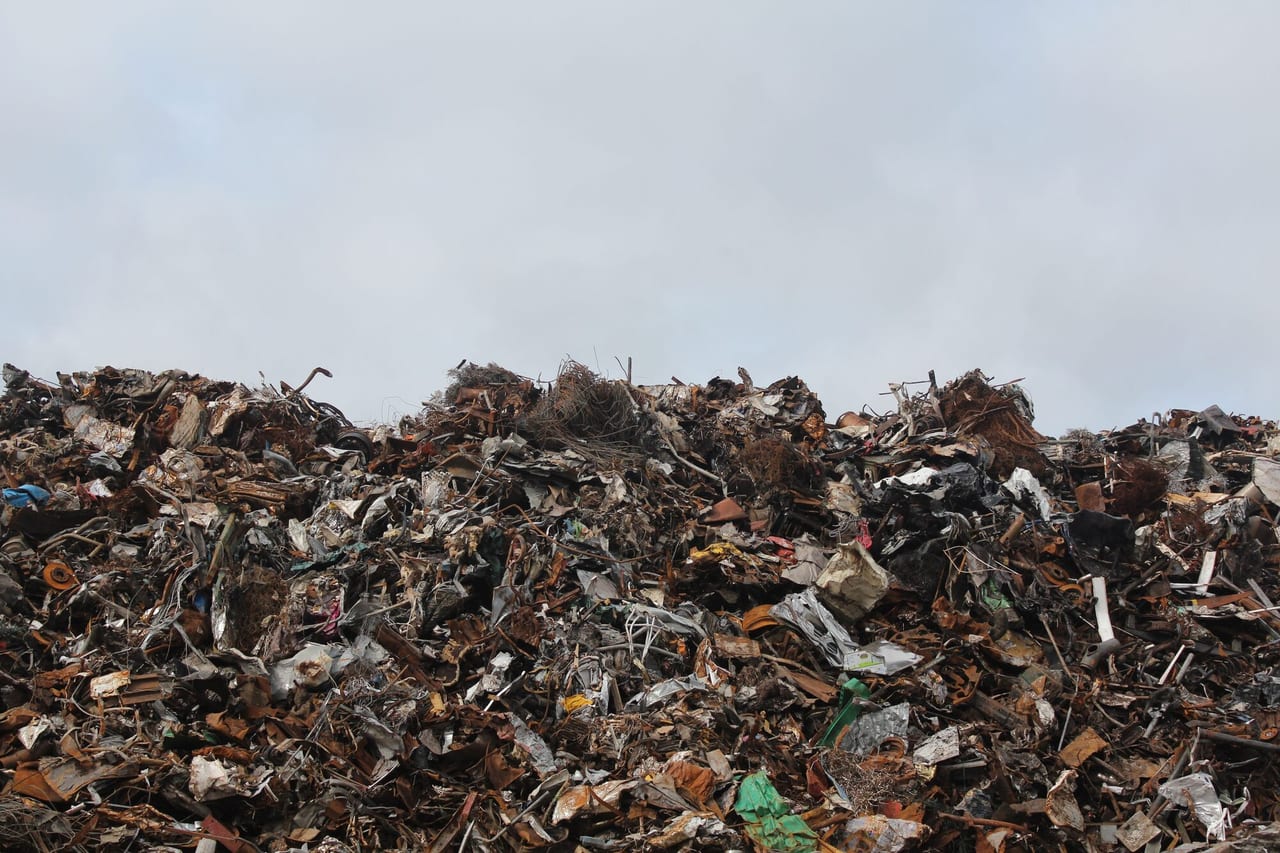
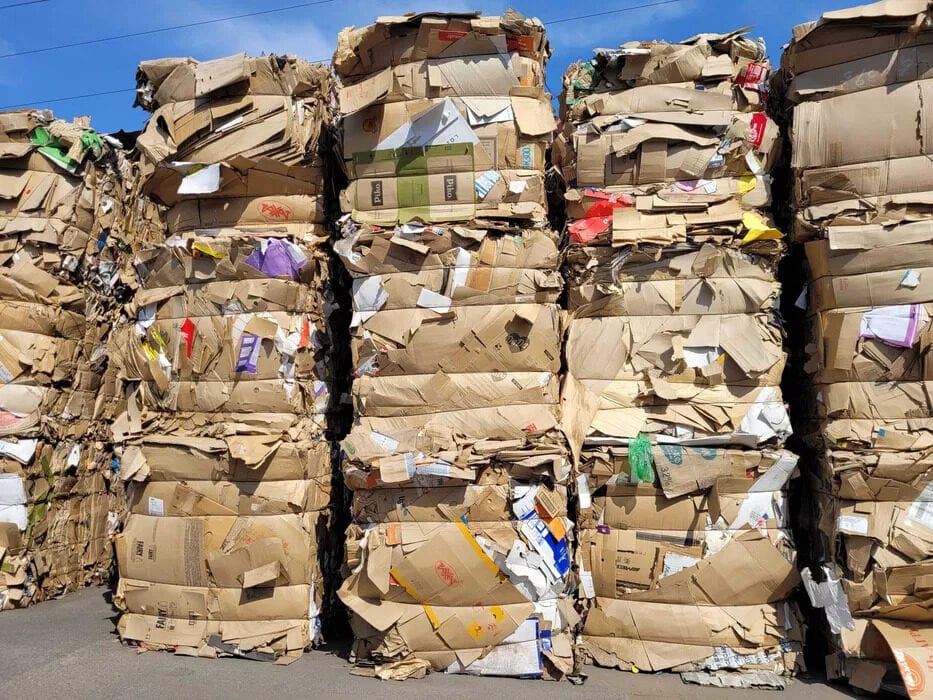
RDF / SRF / CDR
Preparing fuel from waste: drying increases the calorific value and stability of RDF/SRF.
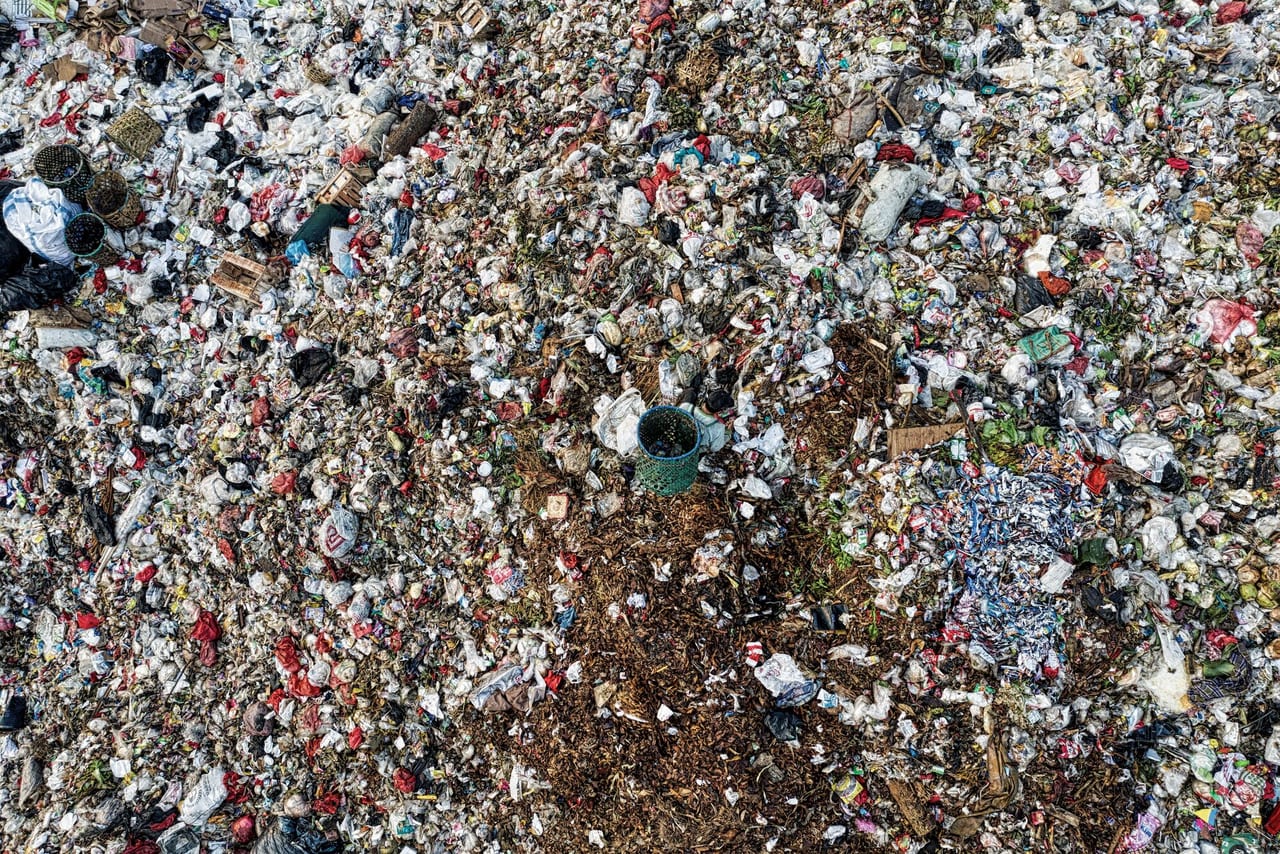
MSW and the wet fraction (FORSU)
Municipal waste and the wet organic fraction (FORSU/OFMSW): drying for RDF fuel, volume reduction and stabilisation.
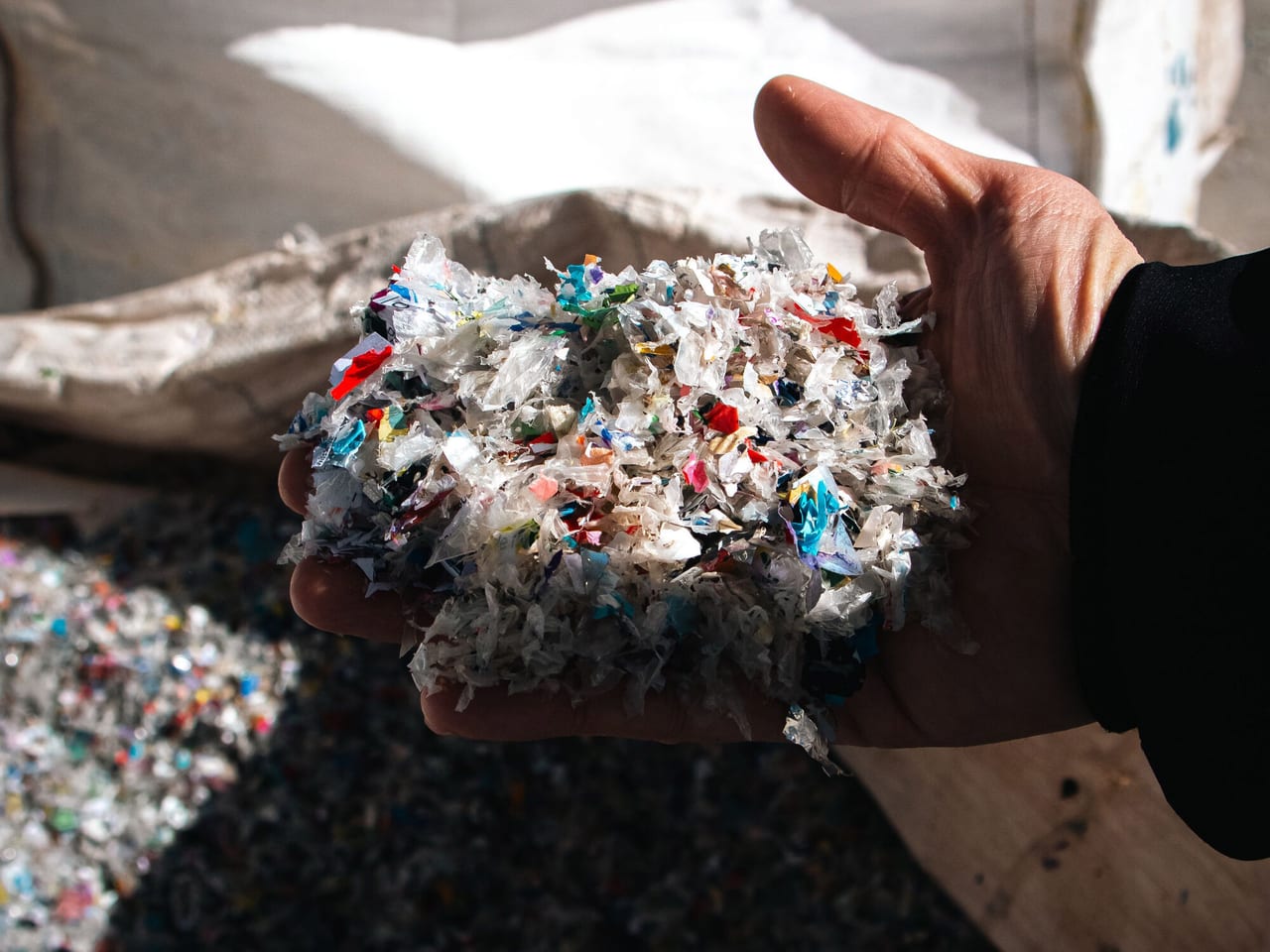
Plastic, polymers, resins (after washing)
Drying of crushed/washed plastic and polymers (PET, HDPE, polyethylene, polymers, resins) on recycling lines; flakes - fluidised bed.
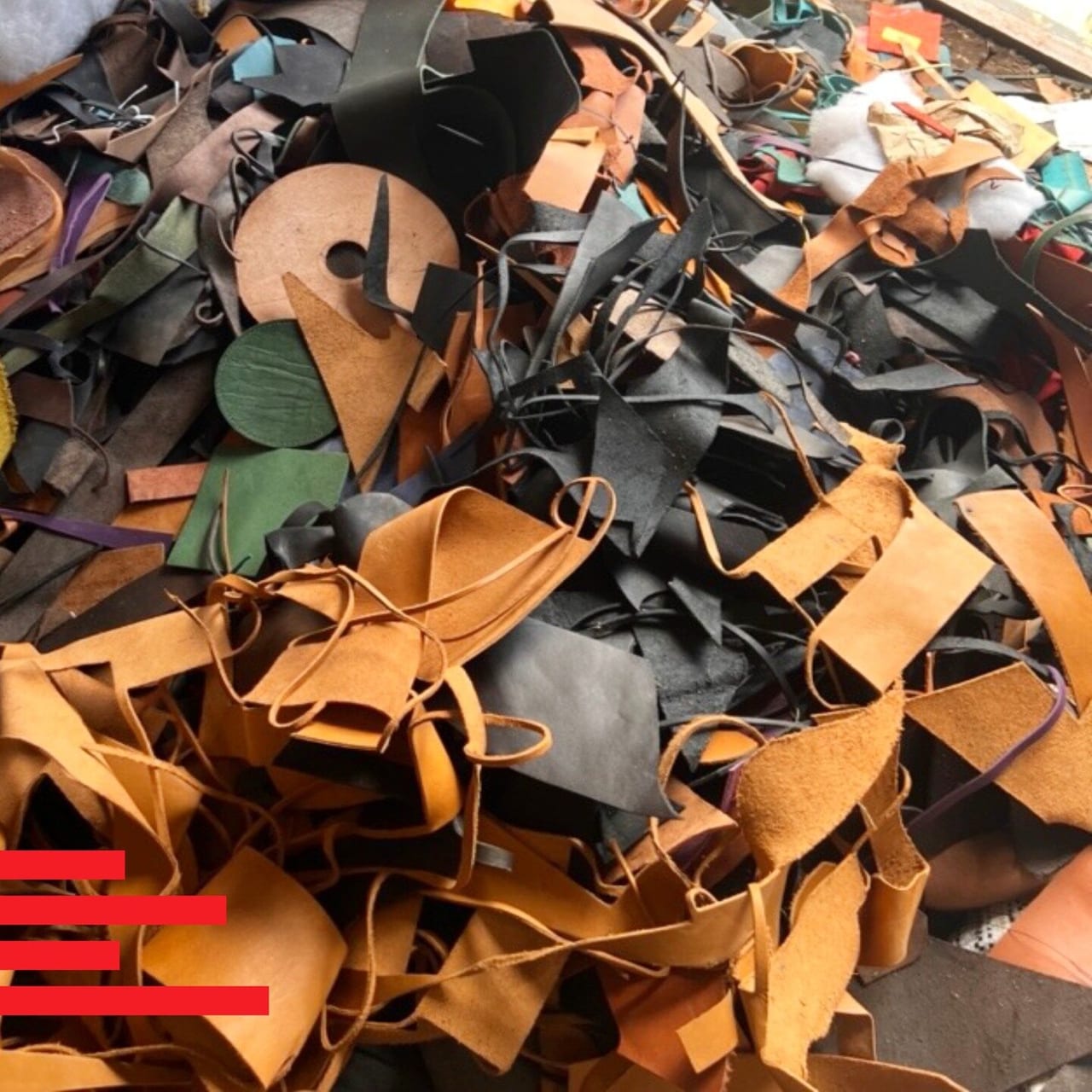
Leather waste
Leather waste from tanning production is dried in an industrial circuit with odour control.
Our Products
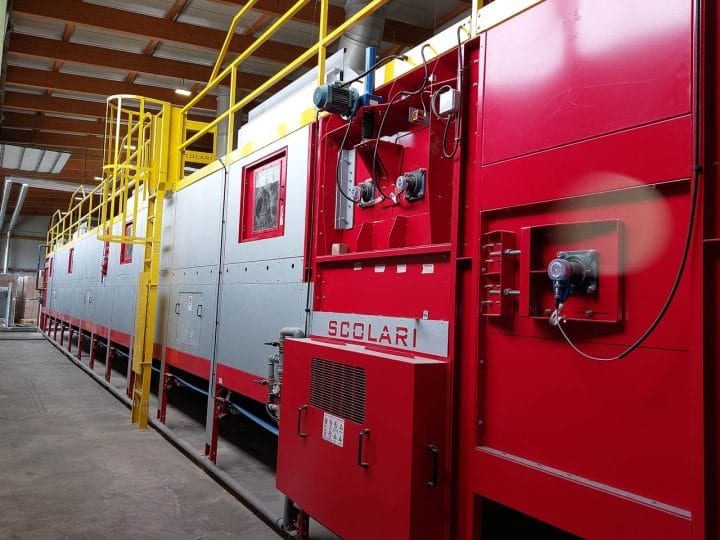
Universal Dryers
These dryers can be customized to dry any industrial or agricultural product you may require. Depending on the specific product and its moisture content, the dryers can be equipped with mixers, movable floors, vibrating floors, and other advanced technologies.
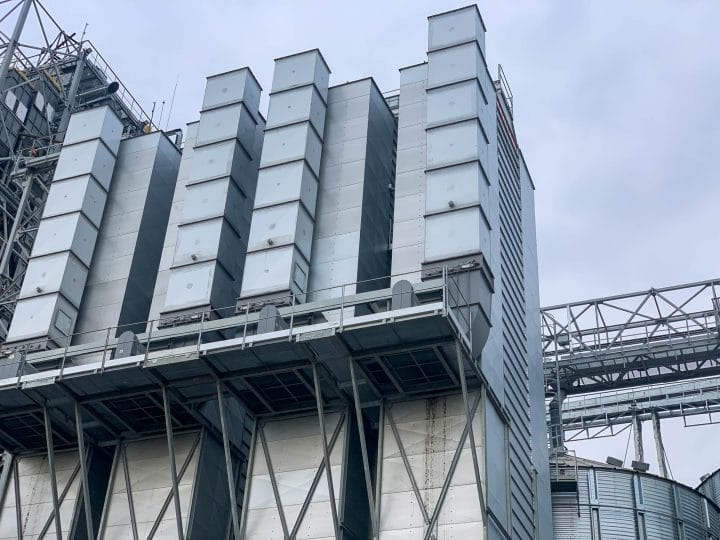
Grain Dryers
Authorized representative for top European grain dryer manufacturers like Alvan Blanch, FAO, and Agrex. Offering a full range of advanced drying solutions for agriculture.
Contact Us
If you are interested in purchasing any of our products, need a price quotation, or have any questions, comments, or suggestions, please do not hesitate to contact us via our contact form, by phone, or by email.
- WhatsApp: +90 (536) 452-1184
- E-mail: write to us
Our phones:
- Kazakhstan: +7 (747) 095-1626
- Moldova: +373 (22) 011-214
- Romania: +40 (31) 229-8484
- Türkiye: +90 (536) 452-1184 (English)
- Ukraine: +380 (67) 111-6668