
Drying Post-Wash Plastic: PET, HDPE, PP, Film and Polymer Resins
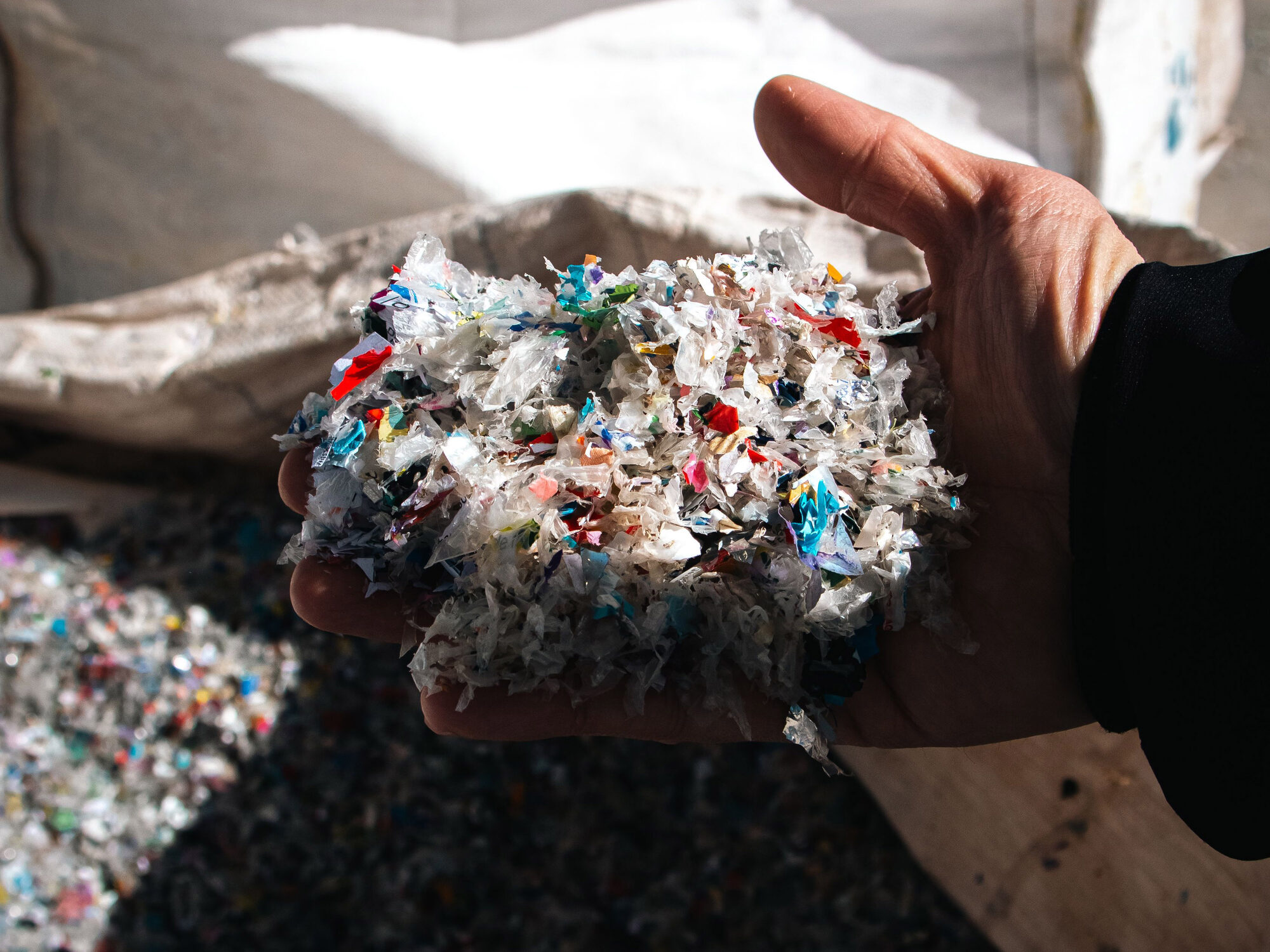
Drying post-wash plastic starts not with choosing a temperature but with answering two questions: what polymer is it and what kind of moisture remains in the material.
After washing, flakes, regrind and film carry surface water. It is more cost-effective to remove the bulk of it mechanically first — by centrifuge, press or another dewatering unit. This is cheaper, faster and safer than trying to evaporate all the moisture with hot air alone.
For some polymers, however, the problem goes deeper. PET, nylon, polycarbonate and certain engineering resins absorb moisture into the bulk of the material. For these, surface drying alone is not enough: desiccant drying with dew-point control is required. Without it, moisture causes hydrolysis during extrusion, a drop in viscosity and defects in the pellet or finished article. That is why we do not give "one temperature for plastic" below — instead we treat PET, polyethylene, polypropylene, film and engineering resins as separate drying tasks.
Short answer
Post-wash recycled plastic is dried in stages. First, a centrifuge or mechanical press removes the bulk of the surface water. Then a thermal dryer brings the material to a moisture level suitable for extrusion or pelletising.
For HDPE, LDPE and PP removing surface water is usually sufficient: these are non-hygroscopic polymers. For PET and engineering resins a deeper drying process is needed: PET is often crystallised before drying, then dried with desiccant air to moisture levels in the tens of ppm. For film, the key considerations are low bulk density, the risk of material being blown off by airflow, and the frequent need for agglomeration or densification.
In brief: first mechanical dewatering (centrifuge), then thermal drying matched to the specific polymer. PE/PP — gentle drying of surface moisture. PET and engineering resins — crystallisation and deep desiccant drying to ppm levels. Film — gentle regime with controlled airflow. Our core solutions for surface drying and material preparation: vibratory Scolari LFV, conveyor Scolari T / 1T-TP and rotary drum dryers Errepi DX.
Equipment for drying plastic and recyclable materials
For post-wash recycled plastic we select equipment to match the material form and moisture type. Vibratory dryers Scolari LFV (fluidised / fluid bed) are suited to pellets, flakes, powders and materials with surface moisture. Conveyor dryers Scolari T / 1T-TP are a low-temperature class for film and light heat-sensitive fractions where airflow must be arranged so that the material is not blown off the belt. Rotary drum dryers Errepi DX (for wetter and denser streams) cover post-wash plastic, RDF, paper/cardboard and sludge. Deep desiccant drying of PET and hygroscopic resins to ppm levels is handled by a dedicated desiccant system with dew-point control — selected separately for each specific application.
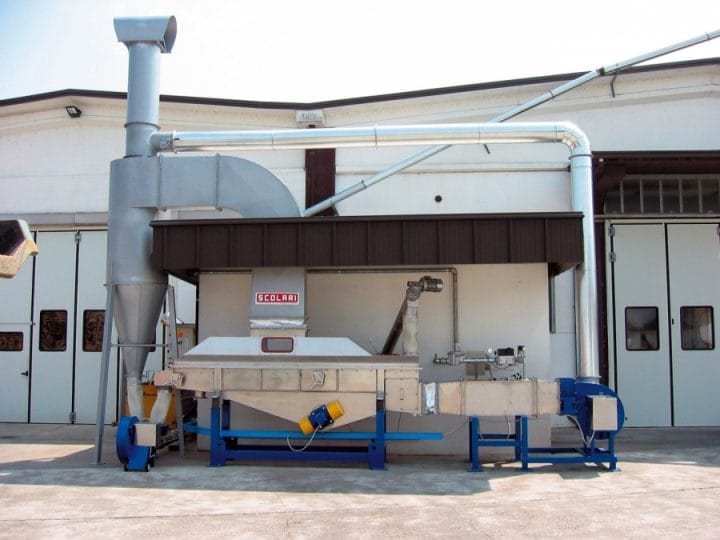
Scolari Vibratory Dryers
Italian Scolari vibratory dryers create an artificial boiling layer of the material being dried, which allows it to be blown through from all sides and effectively remove surface moisture. Suitable for processing materials with surface moisture, granulated products, or flowing powders.
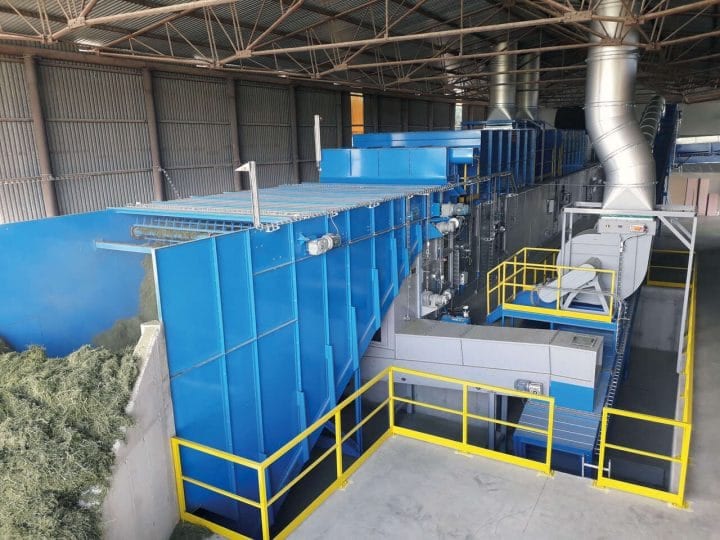
Scolari Dryer With Movable Conveyor Belt
Horizontal dryers feature perforated steel or plastic movable floors designed for drying various materials. Airflow can be configured from top to bottom or vice versa.
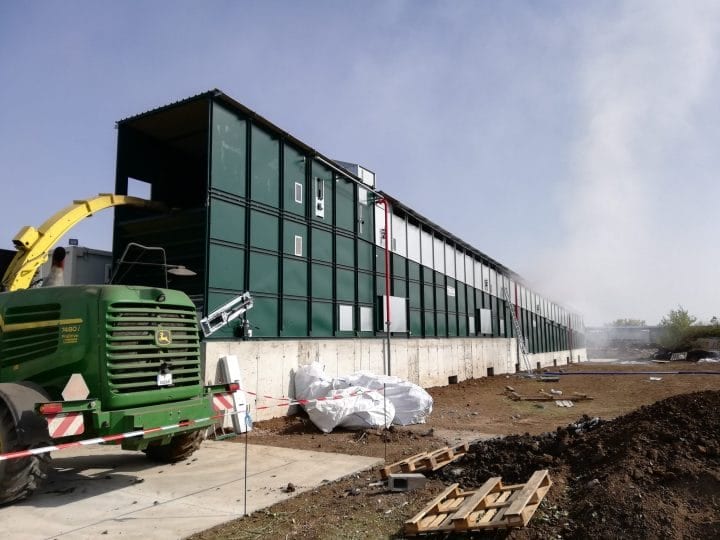
Alvan Blanch Conveyor Dryer
British universal conveyor dryers for non-grain agricultural and industrial products. Thanks to their horizontal design, built-in distribution and stirring systems, they are capable of drying a wide range of materials.
Why plastic cannot be dried at "one temperature"
The word "plastic" covers a wide range of very different materials. Polyethylene, polypropylene, PET, nylon and polycarbonate behave differently: they retain moisture differently, soften at different temperatures and respond differently to moisture in the extruder. Post-wash recycled plastic carries two types of moisture — and they must not be confused.
First stage: mechanical dewatering after washing
For most washing lines the correct sequence begins not with a burner but with mechanical dewatering. Every extra percent of moisture that is not removed mechanically has to be evaporated with heat — and that sharply increases energy consumption.
Washing
Flakes, regrind and film leave the wash line carrying large amounts of surface water. At this stage, thermal drying is not yet the right tool.
Centrifuge / press
The mechanical dewatering unit removes the bulk of the water without heat. For rigid flakes and regrind, a centrifuge often reduces moisture to around 1–3 %.
Thermal drying
A conveyor, vibratory or rotary drum dryer does not "fight moisture" — it brings the material to the required process level. For PET and resins, this is followed by deep desiccant drying.
Extrusion / pelletising
Material prepared to a consistent moisture level produces fewer defects, a stable feed and predictable pellet or product quality.
Mechanical dewatering does not replace thermal drying where very low residual moisture is required, but it must come first: it reduces the thermal dryer's load, lowers the risk of overheating, saves energy and stabilises extruder operation.
PET: crystallisation, desiccant air and ppm
PET is a special case. It is hygroscopic: moisture penetrates not only the surface but also the interior of the material. For simple tasks, removing surface water may be sufficient, but for quality extrusion, sheet, fibre or bottle-to-bottle recycling, PET must be dried far more thoroughly. PET presents two key challenges.
The first is amorphous PET sticking together. In the glass-transition temperature range, amorphous PET softens, becomes tacky and can form clumps in the drying hopper. This is why reclaim PET with a high amorphous fraction is first crystallised under agitation, and only then dried at a higher temperature.
The second is hydrolysis in the melt. If PET moisture content is too high before extrusion, moisture at melt temperature degrades polymer chains. This reduces intrinsic viscosity (IV), impairs strength and renders the material unsuitable for demanding applications.
| PET application | Moisture target |
|---|---|
| Bottle-to-bottle / food-contact recycling | tens of ppm, often ≤50 ppm |
| Sheet / thermoforming | approximately ≤100 ppm |
| Fibre | higher values acceptable, but controlled desiccant drying still required |
| Export washed flake without immediate extrusion | less stringent — this is not the final pre-melt drying step |
Important: a vibratory Scolari LFV or conveyor Scolari T does not replace a dedicated desiccant PET dryer. These units are useful for removing surface moisture and preparing the material, but deep drying of PET to ppm levels requires a separate desiccant system with dew-point control (typically around −40 °C).
Engineering resins: not to be confused with PE/PP
Nylon, polycarbonate, PBT, PMMA, ABS and other engineering resins require their own approach. Many are hygroscopic and must be dried with desiccant air at a low dew point. The task here is not simply to remove droplets left over from washing but to extract moisture that has been absorbed into the material, reducing it to a level safe for processing. For hydrolysis-sensitive polymers (PET, PC, PBT, PEEK), desiccant units with a dew point around −40 °C are commonly used. Temperature and dwell time are selected for the specific polymer in accordance with the raw material supplier's recommendations.
Different polymers — different drying regimes
To avoid reducing everything to "drying plastic in general," it is useful to keep a map at hand: which polymer, which moisture type, what the primary task is and what equipment logic applies.
| Material | Moisture type | Primary task | Typical equipment logic |
|---|---|---|---|
| HDPE / LDPE / PP | surface | remove post-wash water without overheating | centrifuge → hot air / LFV / conveyor |
| LDPE / PP film | surface, many folds | avoid blowing material away, reduce moisture before agglomeration | press → conveyor / belt / agglomerator |
| PET bottle flakes | surface + bound | remove water, then crystallise and dry to ppm | centrifuge → crystalliser → desiccant dryer |
| PET film / APET | bound + risk of bridging | prevent bridging and hydrolysis | crystallisation with agitation → desiccant drying |
| PA / PC / PBT / PMMA | bound | remove moisture from the polymer bulk | desiccant drying with dew-point control |
| Rubber crumb | surface | fast drying of fine fraction | vibratory / fluid bed; separate dust check required |
Risks of incorrect drying
Drying errors with plastic are costly because some are irreversible. Below are the key risks.
Hydrolysis and property loss
For PET and engineering resins the primary risk is hydrolysis during melt processing. Moisture degrades polymer chains — an irreversible process: once extruded, the material cannot be "re-dried" to restore its properties.
Sticking and bridging
Amorphous PET and heat-sensitive plastics can soften, stick together and form bridges in the hopper. This leads to feed interruptions, uneven drying and a risk of localised overheating.
Surface defects
Residual moisture causes bubbles, silver streaks, foaming, surface instability and defects in the pellet or finished product.
Fire, dust and static
Dry plastic fines and powders can create dust hazards. In plastic recycling operations, aspiration, cyclones, anti-static measures, temperature monitoring and the absence of overheating are essential — particularly for light film, regrind and dusty streams.
Excessive energy consumption
The most expensive water to remove is the water you try to evaporate with hot air that could have been taken off by a centrifuge. This is why a well-designed drying line starts not with a burner but with proper mechanical dewatering.
What we need to know to select equipment
Selecting a dryer for post-wash recycled plastic requires more than just "kg/h." Minimum checklist:
- polymer: PET, HDPE, LDPE, PP, PA, PC, ABS, PBT, PMMA, rubber;
- material form: flake, regrind, film, pellet, powder;
- whether a wash line is present and what moisture level is reached after the centrifuge;
- whether only surface water needs to be removed or deep desiccant drying to ppm is required;
- end use: extrusion, pelletising, sheet, fibre, bottle-to-bottle, film;
- throughput, kg/h;
- maximum permissible material temperature;
- available heat source: gas, steam, hot water, ORC, cogeneration, waste heat;
- requirements regarding dust, static, odour and fire safety;
- presence of PVC, labels, adhesive, organic contamination or other impurities in the stream.
Based on this information we select the dryer type and thermal scheme specifically for your polymer and line — not a generic "plastic drying" solution.
Sources and reference materials
View source list
Below are the reference materials on post-wash plastic drying, mechanical dewatering and desiccant drying of hygroscopic polymers (external links open in a new tab):
- Plastics Technology — Resin Drying Basics (hygroscopic materials, desiccant drying, surface and absorbed moisture);
- Plastics Technology — Why & When Should You Re-Crystallize PET Scrap? (PET crystallisation, amorphous fraction sticking, Tg risk zone);
- Plastics Technology — Why Drying Polyolefins Might Be Right for Your Process (PE/PP as non-hygroscopic, surface moisture, gentle drying);
- Herbold Meckesheim — Mechanical Dryer TM / Thermal Dryer (centrifuge after washing, residual moisture 1–2 %, thermal drying as the next stage);
- BPF Plastipedia — Drying of Polymer (engineering plastics, hygroscopicity, the need for desiccant drying);
- Finpro Engineering — internal materials on post-wash plastic drying: vibratory Scolari LFV (PET/HDPE/polymers/resins, cyclones, dust suppression), conveyor Scolari T / 1T-TP for film and light fractions, rotary drum dryers Errepi DX.
Frequently asked questions about drying plastic
At what temperature should plastic be dried?
There is no single temperature that applies to all plastics. PE and PP are dried gently because they typically carry only surface moisture. PET and engineering resins follow a different logic: crystallisation, desiccant air and dew-point control. Temperature is selected based on the polymer, material form and end use.
Why can't PET be dried the same way as polyethylene?
Polyethylene and polypropylene absorb very little moisture into their bulk. PET is hygroscopic. If PET is insufficiently dried, moisture will cause hydrolysis in the melt and a drop in viscosity (IV). If amorphous PET is heated incorrectly, it can clump together in the dryer.
Why is a centrifuge needed before thermal drying?
A centrifuge removes the bulk of the surface water mechanically, without unnecessary heat. This sharply reduces energy consumption and the risk of overheating the material. The thermal dryer's job is to finish the material, not to evaporate all the wash water from scratch.
What is dew point in plastic drying?
Dew point indicates how dry the air supplied to the desiccant unit is. For hygroscopic polymers what matters is not just hot air but specifically dry air. For PET and certain engineering resins, desiccant units with a low dew point — often around −40 °C — are used.
Does PET need to be crystallised?
If the stream contains a significant proportion of amorphous PET, crystallisation is required before deep drying. Otherwise PET may soften, stick together and form clumps in the hopper.
Can a conveyor dryer be used for film?
Yes, but the aerodynamics must be right. Film is light and easily blown away. Low air velocity, correct airflow direction, anti-static measures and even feeding are therefore important. For light materials, solutions where air flows from top to bottom — holding the material against the belt — work well.
What makes plastic dust hazardous?
Fine plastic fraction can be a fire hazard and create emissions problems. Dryer installations require aspiration, cyclones, filtration, anti-static solutions and temperature monitoring.
Need to dry post-wash recycled plastic?
Tell us your polymer (PET, HDPE, LDPE, PP, nylon, polycarbonate, engineering resins or rubber), the material form (flake, regrind, film, pellet), whether you have a wash line and a centrifuge, whether you need only surface moisture removed or deep desiccant drying to ppm, what the end use is and what throughput you require. Describe the available heat source and any requirements regarding dust, static and fire safety — we will select the dryer type, drying regime and thermal scheme for your specific material. Contact us in whichever way is most convenient.
Still have questions? Get in touch!
By phone
WhatsApp: +90 (536) 452-1184By e-mail
Our address: info@finpro.engineering
Related products
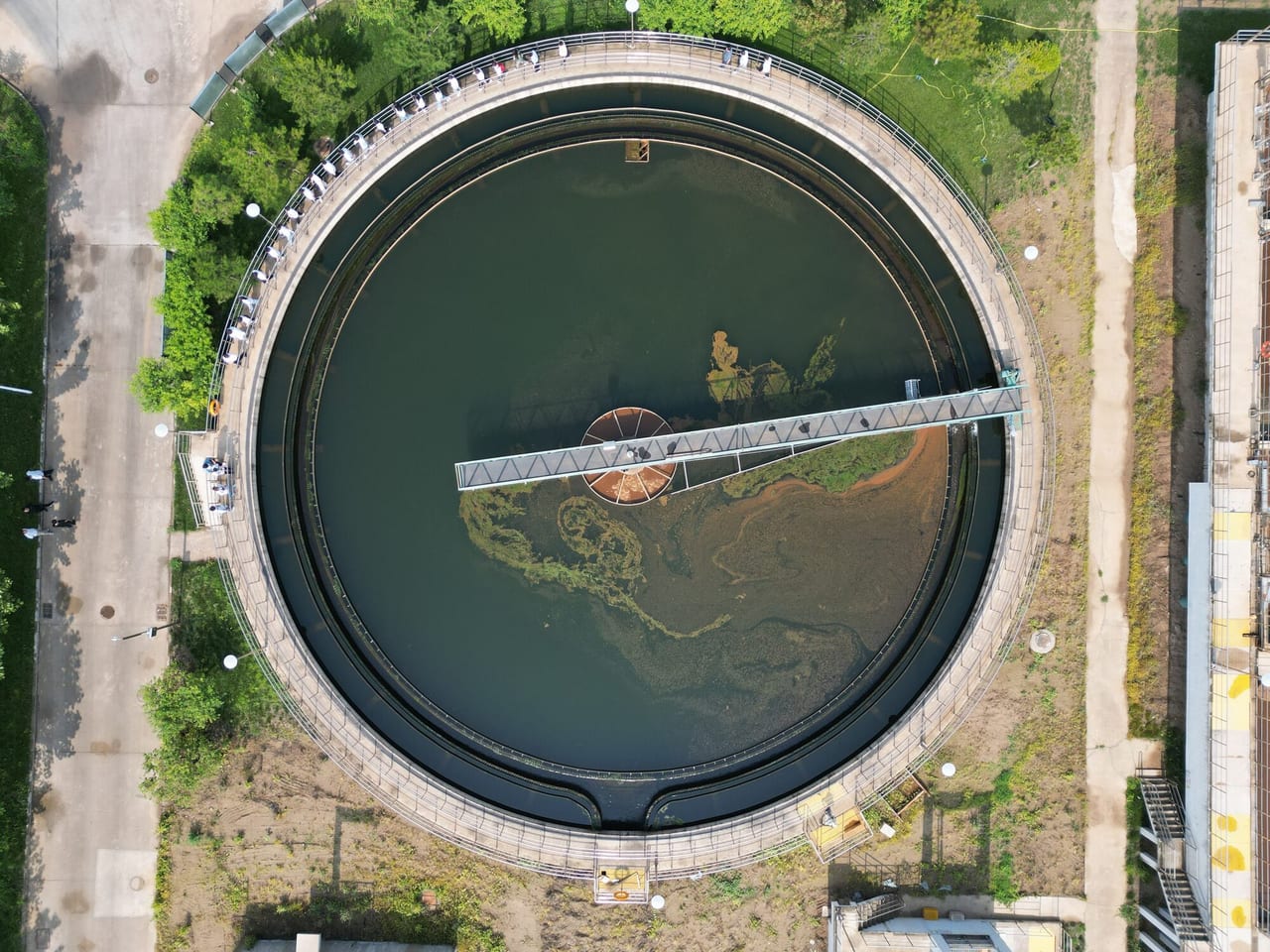
Sludge / silt
Drying of municipal and industrial sludge (sewage / industrial sludge) for volume reduction and disposal.
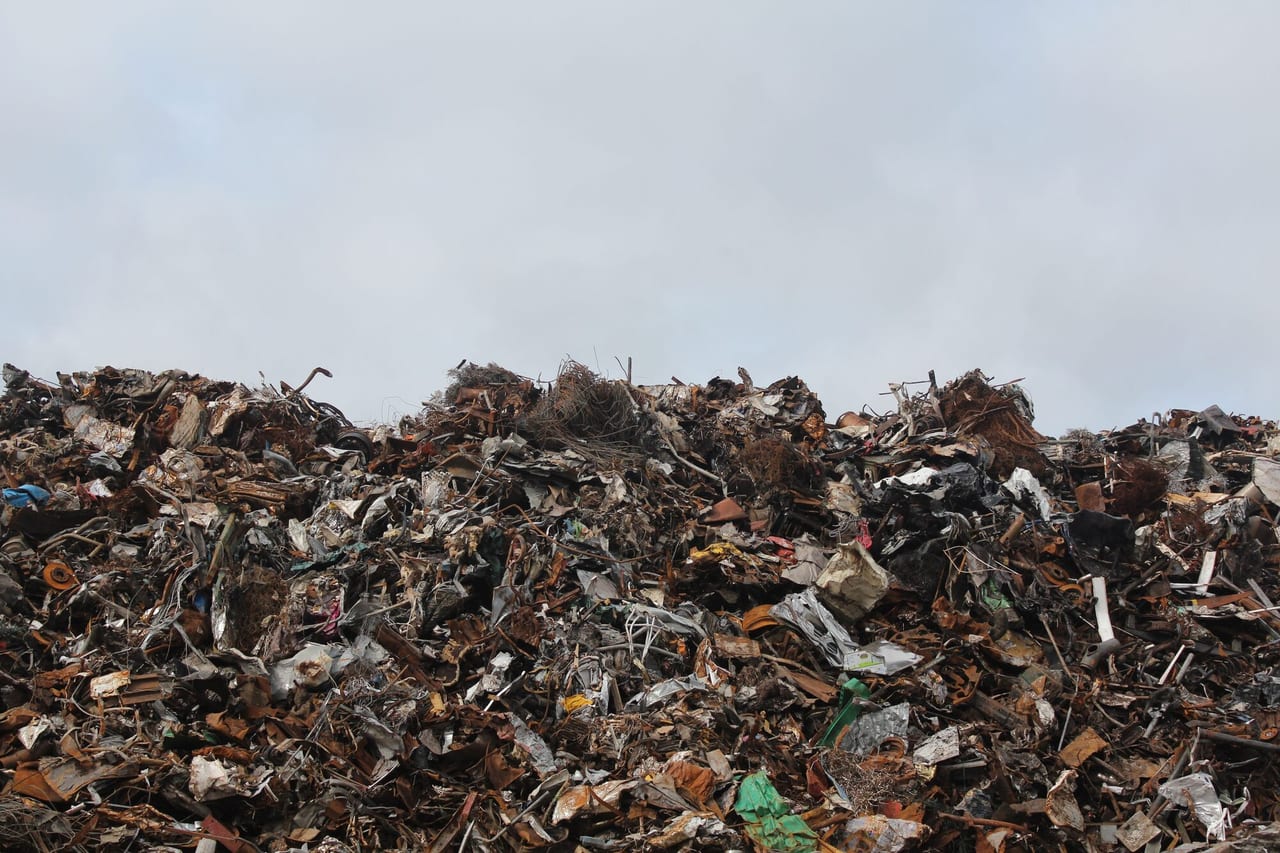
RDF / SRF / CDR
Preparing fuel from waste: drying increases the calorific value and stability of RDF/SRF.
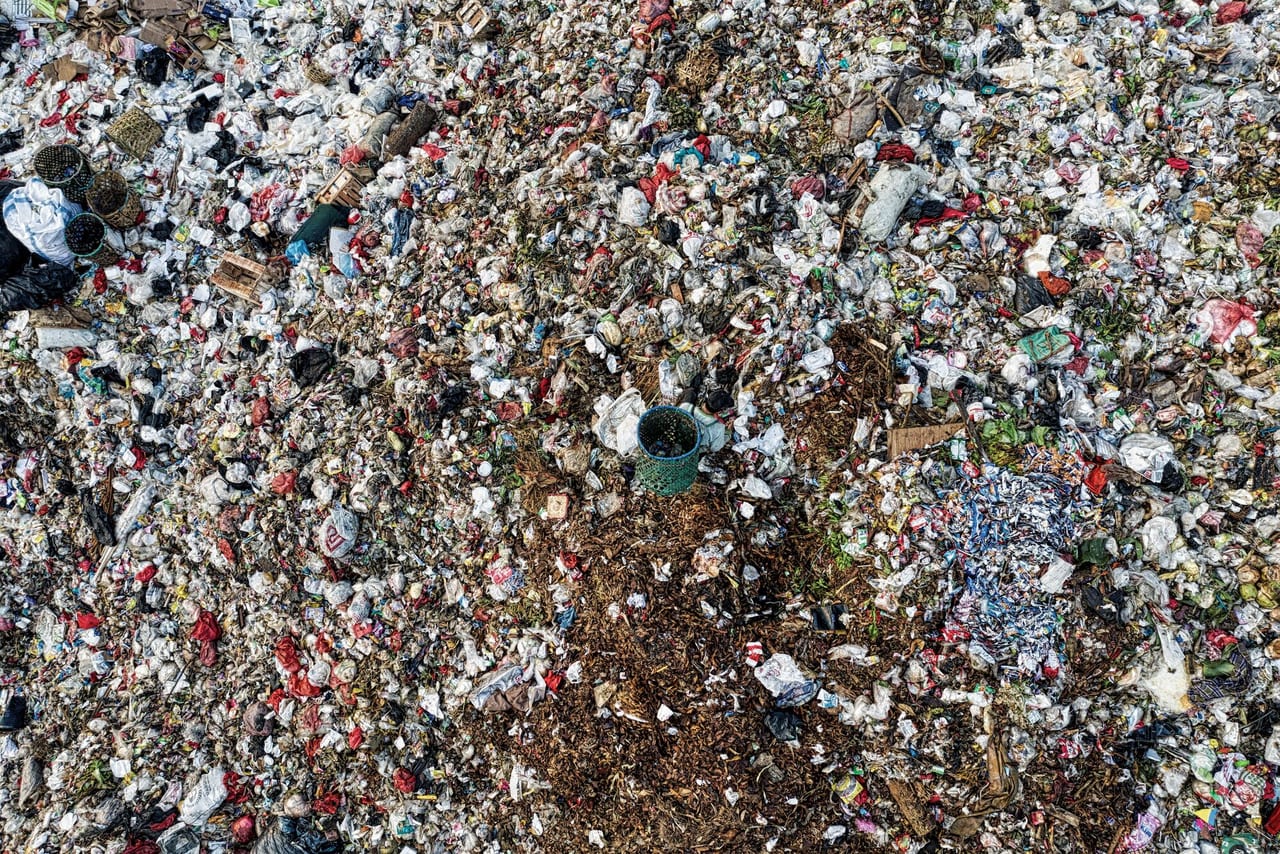
MSW and the wet fraction (FORSU)
Municipal waste and the wet organic fraction (FORSU/OFMSW): drying for RDF fuel, volume reduction and stabilisation.
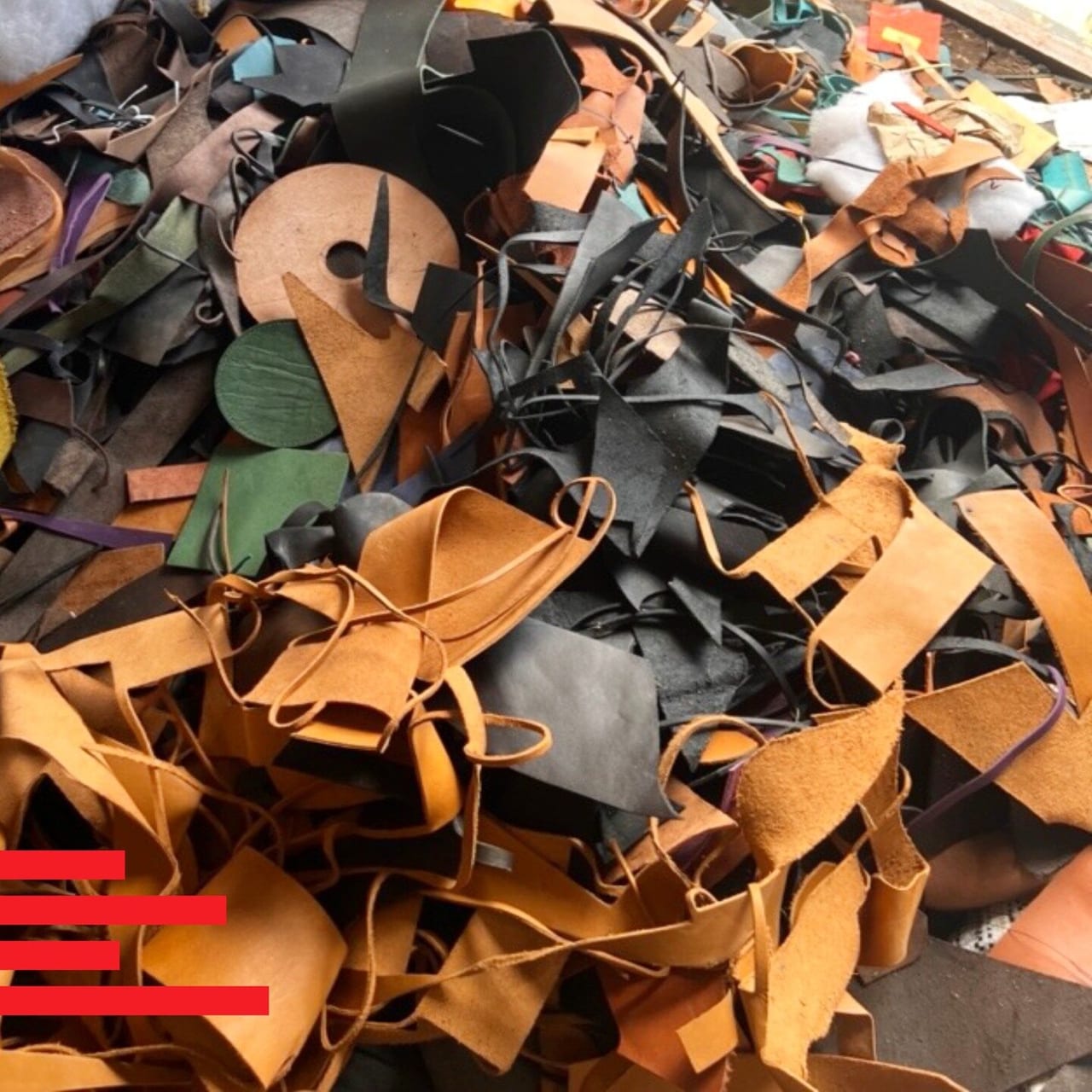
Leather waste
Leather waste from tanning production is dried in an industrial circuit with odour control.
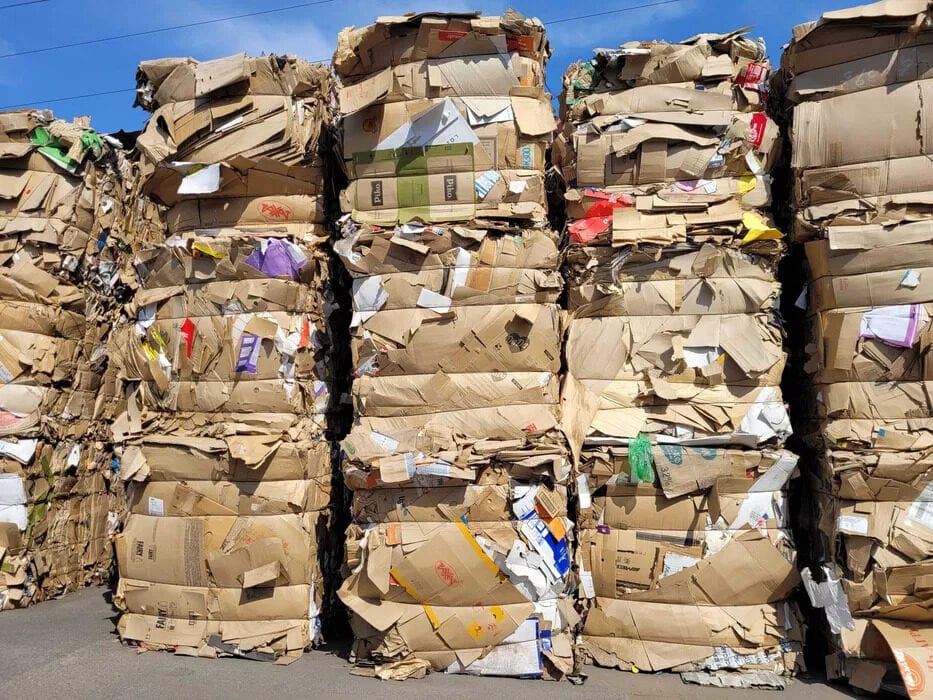
Our Products
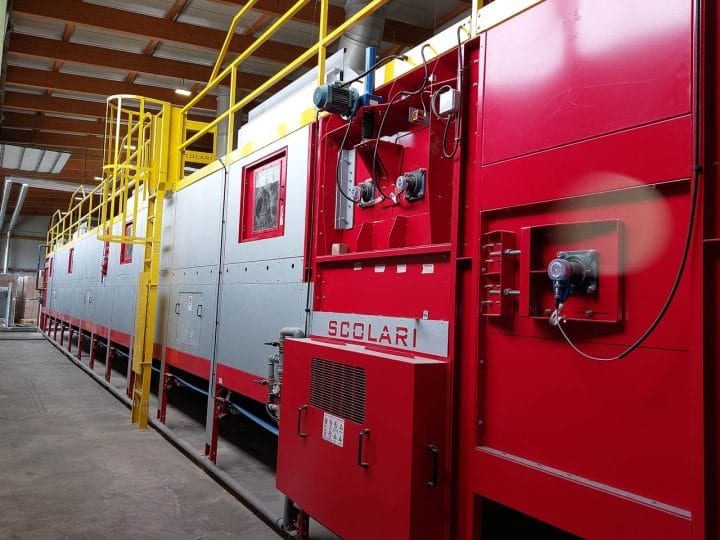
Universal Dryers
These dryers can be customized to dry any industrial or agricultural product you may require. Depending on the specific product and its moisture content, the dryers can be equipped with mixers, movable floors, vibrating floors, and other advanced technologies.
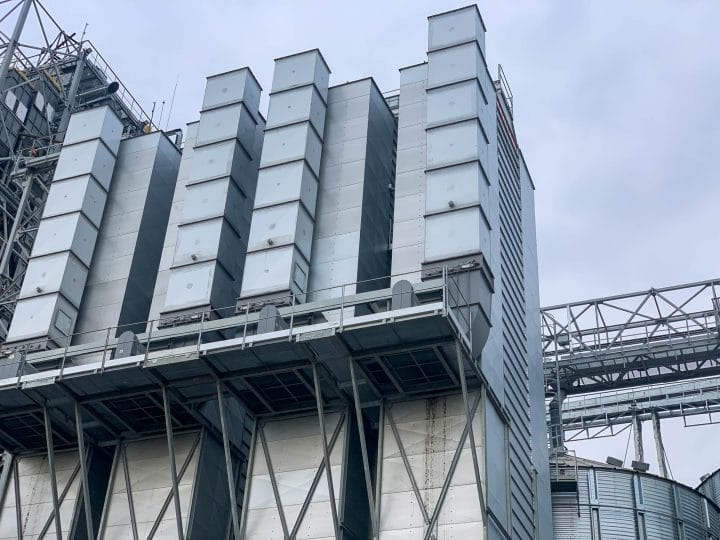
Grain Dryers
Authorized representative for top European grain dryer manufacturers like Alvan Blanch, FAO, and Agrex. Offering a full range of advanced drying solutions for agriculture.
Contact Us
If you are interested in purchasing any of our products, need a price quotation, or have any questions, comments, or suggestions, please do not hesitate to contact us via our contact form, by phone, or by email.
- WhatsApp: +90 (536) 452-1184
- E-mail: write to us
Our phones:
- Kazakhstan: +7 (747) 095-1626
- Moldova: +373 (22) 011-214
- Romania: +40 (31) 229-8484
- Türkiye: +90 (536) 452-1184 (English)
- Ukraine: +380 (67) 111-6668