
Drying Municipal Solid Waste and the Wet Organic Fraction
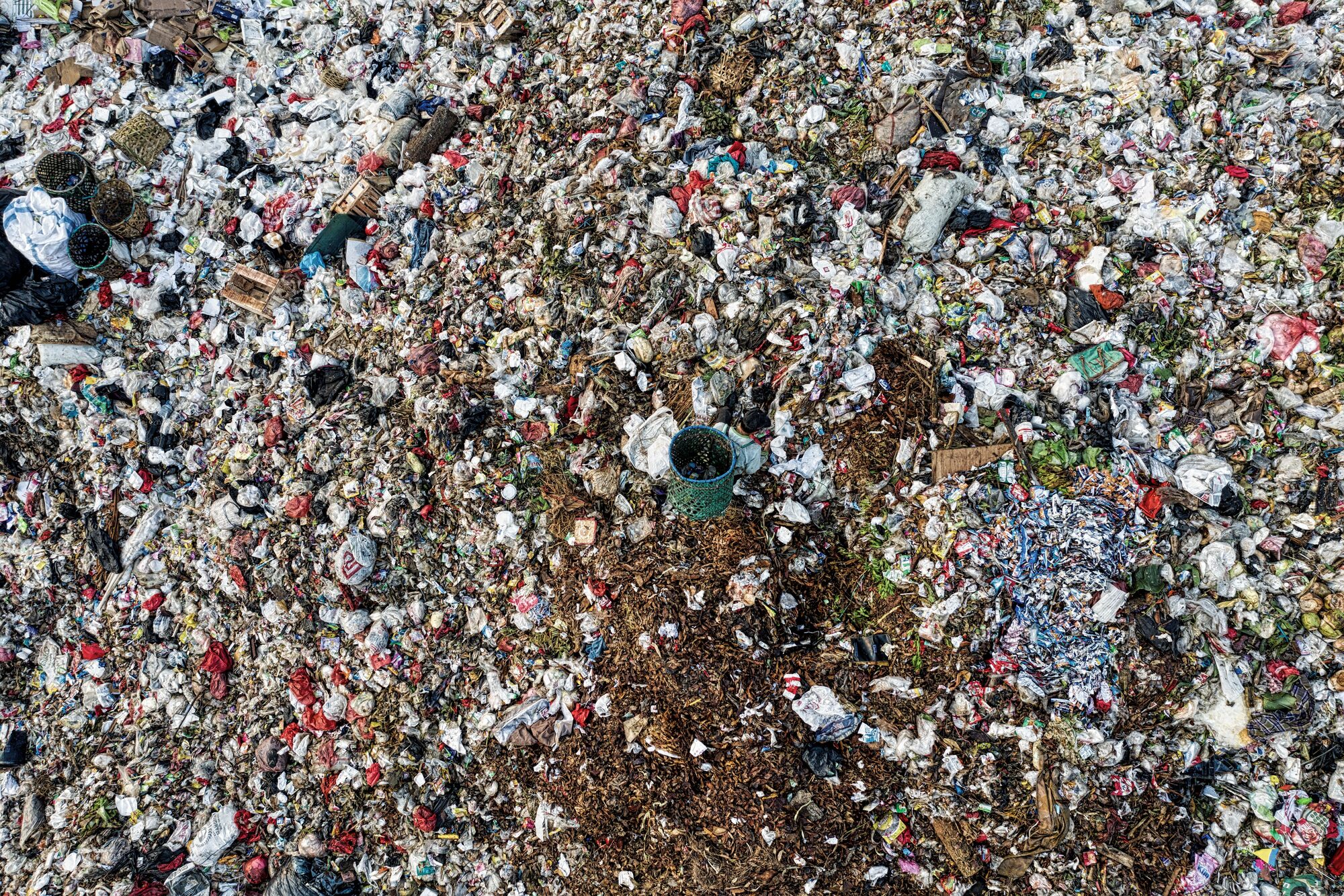
Drying MSW is not a single universal process. Waste contains a mixed bulk, organic fraction, plastics, paper, inert contaminants, sludge, digestate, and future RDF/SRF. That is why the first question is not "at what temperature should we dry the waste" but rather which stream is being processed and what the desired output is.
For mixed residual MSW the key technology is mechanical-biological treatment: mechanical separation followed by a biological stage. Where the goal is RDF/SRF fuel, biodrying is applied: the organic matter within the bulk generates heat through microbial activity, and forced aeration carries the moisture away. Where the goal is landfill disposal, what matters most is not simply drying but biostabilising the waste — reducing its capacity to putrefy and emit methane.
The wet organic fraction of MSW is a different scenario. It is more commonly processed by composting or anaerobic digestion to yield biogas and digestate. Thermal belt and drum dryers are applied to discrete streams: RDF/CDR/SRF, sludge, digestate, the wet fraction, secondary plastics, paper, and cardboard.
Short answer
There is no single universal method for drying MSW and the wet organic fraction. For mixed MSW the principal industrial approach is biodrying as part of MBT: the waste mass self-heats through aerobic decomposition of organics to approximately 45–70 °C, and ventilation removes the moisture. The result is lower moisture content, higher calorific value, and easier separation of RDF/SRF.
For wet organics, composting or anaerobic digestion is the more common route, followed by separate drying of the digestate or stabilised mass. For RDF, sludge, digestate, secondary plastics, paper, and cardboard, belt and drum thermal dryers are appropriate.
In brief: define the stream and the objective first, then choose the technology. Biodrying ≠ composting ≠ biostabilisation ≠ thermal drying. The bulk temperature during biodrying (45–70 °C) must not be confused with the drying-agent temperature in a thermal dryer (45–150 °C). For RDF/CDR/SRF and industrial streams — Scolari T, Alvan Blanch CD, drum dryers Errepi DX; for the organic fraction and stabilisation — Scolari MR / MRU composting machines.
Equipment for MSW, RDF/SRF, and wet waste streams
We select different equipment for different MSW streams. For the wet organic fraction, compost, digestate, and organic stabilisation — Scolari MR / MRU composting machines and bio-tunnels (controlled turning, aeration, fermentation, disinfection). For RDF/CDR/SRF, industrial streams, plastics, and paper — belt dryers Scolari T / 1T-TP (low- and medium-temperature modes, anti-static belt, fire-suppression options), and for sludge and digestate — Scolari 2T-F and 2T-AS / 2T-ASLQ versions. For wet waste streams, sludge, and digestate — Errepi DX drum dryers. Versatile belt drying of digestate, biomass, and variable streams — Alvan Blanch CD. Alvan Blanch CD belt dryers are fitted with turners as required; the number depends on the product. Biodrying and biostabilisation of mixed MSW form part of an MBT process line (sorting, bio-reactor/tunnel, aeration, gas treatment), which we engineer separately.
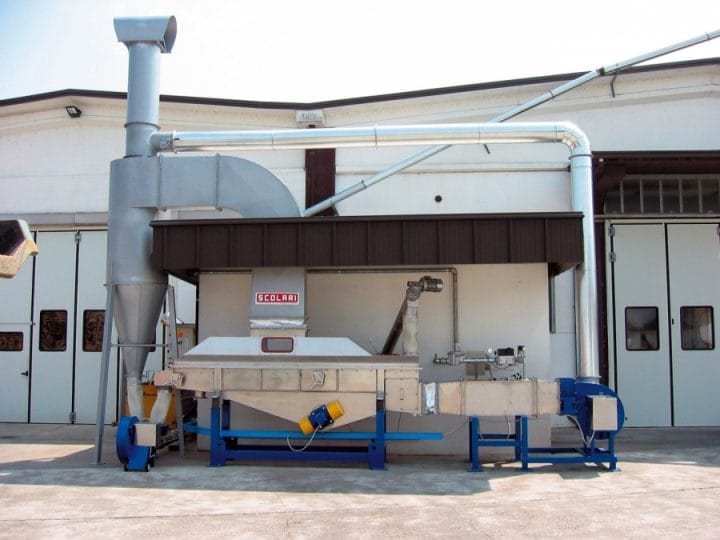
Scolari Vibratory Dryers
Italian Scolari vibratory dryers create an artificial boiling layer of the material being dried, which allows it to be blown through from all sides and effectively remove surface moisture. Suitable for processing materials with surface moisture, granulated products, or flowing powders.
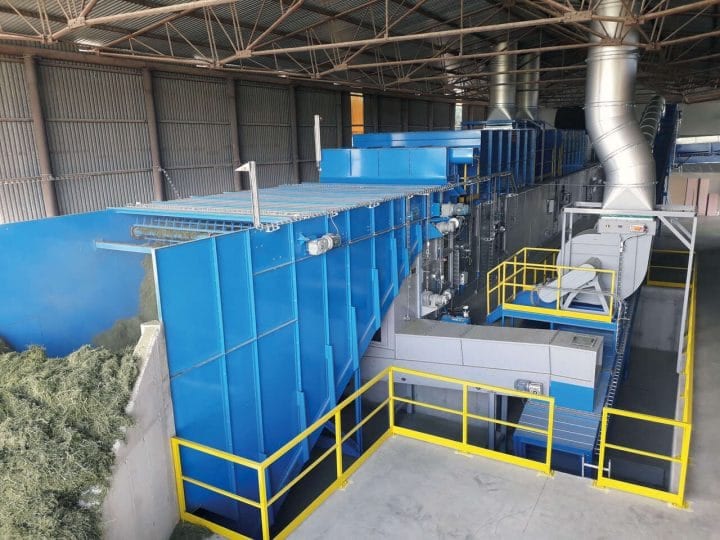
Scolari Dryer With Movable Conveyor Belt
Horizontal dryers feature perforated steel or plastic movable floors designed for drying various materials. Airflow can be configured from top to bottom or vice versa.
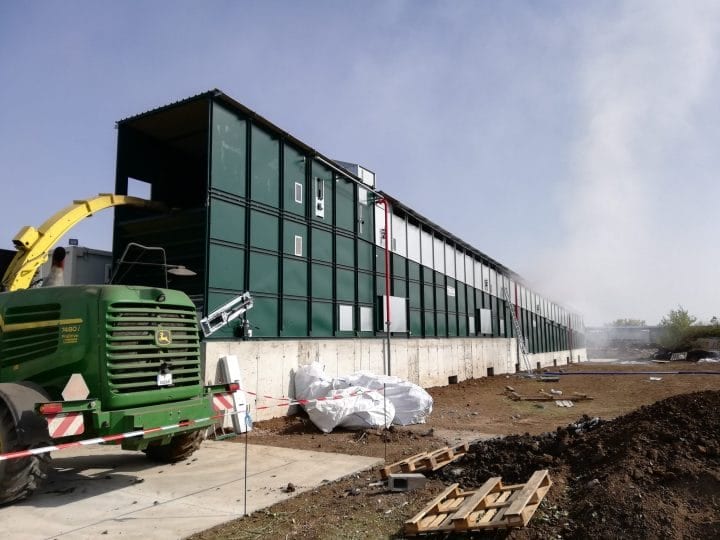
Alvan Blanch Conveyor Dryer
British universal conveyor dryers for non-grain agricultural and industrial products. Thanks to their horizontal design, built-in distribution and stirring systems, they are capable of drying a wide range of materials.
What we are drying: four distinct scenarios
The most common design error is to conflate the streams. Mixed MSW, the organic fraction, and RDF each require different process conditions, different aeration logic, different air treatment, and different output criteria.
| Stream | What it is | Primary technology | Objective |
|---|---|---|---|
| Mixed residual MSW | waste after recyclables have been removed | MBT: sorting + biodrying or biostabilisation | RDF/SRF, mass reduction, landfill preparation |
| Wet organic fraction | food and green waste (FORSU/OFMSW) | composting or anaerobic digestion | compost, biogas, digestate |
| RDF/CDR/SRF | refuse-derived fuel | biodrying and/or thermal post-drying | increased calorific value, fuel stability |
| Sludge, digestate, plastics, paper/cardboard | ancillary processing streams | belt/drum thermal drying | moisture and mass reduction, preparation for further processing |
Biodrying: when waste dries itself
Biodrying is an aerobic process. The MSW bulk contains organics: food residues, paper, a portion of biomass. Micro-organisms decompose the readily degradable organic fraction, releasing heat. This heat evaporates moisture, and the ventilation system removes the humid air from the reactor.
Organics in the bulk
Mixed MSW retains readily degradable organics — the "fuel" for micro-organisms. They are what initiates the process.
Micro-organisms heat the bulk
Aerobic decomposition releases heat, and the bulk self-heats to approximately 45–70 °C. The process is sometimes described as autothermal: an external fuel source is not the primary energy input.
Aeration carries away moisture
Forced ventilation removes the humid air. Industrial biodrying takes days, not hours: a cycle can run for 7–18 days.
Calorific value rises
Moisture content falls substantially. In one industrial study, MSW moisture dropped from approximately 55 % to 30 %, and the calorific value rose from 6.3 to 9.6 MJ/kg. The operator's task is to remove water without consuming too much of the organic fraction: the fuel must remain fuel.
Do not confuse the temperatures: in biodrying, 45–70 °C is the temperature of the waste bulk, generated by micro-organisms — not the burner air temperature. The heat originates inside the layer. This is a different scale and different physics from the drying-agent temperature in a thermal dryer.
Biodrying, composting, and biostabilisation are not the same thing
These processes share aerobic biology, but their objectives differ — and a dried waste is not the same as a stabilised one. Expand the cards below.
Important: simply drying MSW and sending it to landfill is not acceptable. For landfilling, biological stability matters as much as moisture content. If the waste continues to decompose actively it will generate methane, odour, and leachate. Landfill disposal therefore requires biostabilisation and respiration-index monitoring.
When a thermal dryer is needed
A thermal dryer is not a universal substitute for biodrying; it is used for specific streams: post-drying of RDF/CDR/SRF, drying of sludge and sewage, drying of digestate after anaerobic digestion, drying of secondary plastics after washing, and drying of paper, cardboard, and mixed secondary fractions. Its advantage lies in running on waste heat, hot water, steam, or flue gases.
| Process | What the temperature refers to | Typical range |
|---|---|---|
| Biodrying in MBT | temperature of the waste bulk (self-heating) | approx. 45–70 °C |
| Thermal drying | temperature of the drying agent (air/heat carrier) | approx. 45–150 °C depending on series and stream |
| Drum drying of wet streams (Errepi DX) | temperature of the drying agent | subject to stream and process mode |
Specific examples: Scolari T operates in low- and medium-temperature ranges for RDF, sludge, digestate, films, and plastics; Scolari 2T-F handles municipal and industrial sludge; Scolari 2T-AS / 2T-ASLQ handles solid and liquid digestate fractions; Errepi DX is a drum dryer for wet waste streams, sludge, and digestate; Alvan Blanch CD provides versatile belt drying of biomass, waste, and digestate.
Wet organic fraction: compost, biogas, and digestate
The wet organic fraction of MSW is not the same as mixed residual MSW. Where food and green waste are collected separately, they are not normally routed directly to RDF production. It makes more sense to exploit their biological potential through composting or anaerobic digestion.
Anaerobic digestion yields biogas and digestate. Digestate is often wet and heavy, so it is subsequently dried to reduce volume, improve logistics, and prepare it for use as fertiliser or further processing. For composting and stabilisation, moisture content is critical: the working range for aerobic biology is typically around 50–65 %. Too little moisture slows the process; too much drives the mass into anaerobic mode, increasing odour and leachate risk.
RDF/SRF: why refuse-derived fuel needs drying
RDF/SRF must be not merely "dry waste" but a manageable fuel. Moisture reduces calorific value, impairs combustion, and increases transport costs. At the same time, an overly active organic fraction can cause self-heating during storage.
Biodrying addresses two tasks simultaneously: it reduces moisture and raises calorific value, and it lowers the risk of fuel self-heating in storage. Where precise moisture fine-tuning is required after biodrying, belt or drum thermal dryers are used. For RDF, fire safety, anti-static belting, temperature monitoring, aspiration, and dust extraction are particularly important.
Risks in MSW drying and processing
MSW is the most heterogeneous material of all, and the risks are not only technological but also environmental and occupational. The key risks are listed below.
Odour
Odour is an obligatory engineering topic for any MSW and organics processing line. Sources include wet organics, anaerobic zones, leachate, uneven aeration, and prolonged material stagnation. Lines are therefore designed with extraction systems, biofilters, enclosed zones, and air monitoring.
Bioaerosols
Handling organic waste, compost, and MBT lines generates bioaerosols. This is not merely a comfort issue but an occupational health matter: aspiration, filtration, defined service zones, and personal protective equipment are required.
Leachate
If the wet fraction is not stabilised and is poorly aerated, leachate forms — a separate stream of contaminated liquid that must be collected and treated.
Fire and RDF self-heating
RDF/SRF contains paper, plastics, textiles, dust, and organic matter. If stored improperly, the fuel can self-heat. Studies have shown that before biodrying, RDF could reach temperatures above 60 °C, whereas after biodrying the self-heating risk was substantially reduced.
Heterogeneity and wear
MSW may contain film, metal, glass, sand, textiles, organics, paper, wood, and plastics. The dryer must be designed not only for moisture content but also for abrasiveness, contamination, variable feed rates, and the risk of wrapping and build-up.
What you need to know for equipment selection
Before selecting a dryer or process line, the following questions must be answered:
- what exactly is being dried: mixed MSW, organic fraction, RDF/SRF, sludge, digestate, plastics, paper;
- what is the objective: fuel production, compost, biogas, pre-landfill stabilisation, mass reduction, recycling;
- what are the initial and target moisture levels;
- is a respiration-index stability criterion required;
- is mechanical sorting carried out before drying;
- what contaminants remain: metal, glass, sand, film, textiles;
- what heat source is available: gas, steam, hot water, cogeneration, waste heat;
- what are the requirements regarding odour, bioaerosols, leachate, and emissions;
- is fire protection for RDF/SRF required;
- what is the end product: RDF/SRF, compost, digestate, dry fraction, landfill material.
Based on this information, we help determine whether biodrying, biostabilisation, composting, anaerobic digestion, or thermal post-drying is needed — and select equipment matched to the specific stream.
Sources and primary references
View source list
Reference materials on MBT, biodrying, biostabilisation, and thermal treatment of MSW and the organic fraction (external links open in a new tab):
- Velis et al. (2009) — Biodrying for mechanical-biological treatment of wastes: a review (distinction between biodrying and composting; process science and engineering);
- Latosińska et al. (2022) — The Biological Drying of Municipal Waste in an Industrial Reactor (industrial biodrying case study);
- Umweltbundesamt — Mechanical-biological treatment (MBT context and biological drying);
- EU Landfill Directive 1999/31/EC (restriction on landfilling biodegradable MSW; biostabilisation context);
- Alvan Blanch — Biomass & Waste Dryers / Continuous Dryers CD Range (MSW/RDF/digestate/waste streams);
- Finpro Engineering — internal materials on MSW, RDF/SRF, FORSU/OFMSW, biodrying, and thermal drying of waste: Scolari T, 2T-F, 2T-AS/ASLQ belt dryers and Scolari MR/MRU composting machines, Errepi DX drum dryers, Alvan Blanch CD belt dryers.
Frequently asked questions about MSW and organic fraction drying
What is MSW biodrying?
Biodrying is a process in which waste loses moisture through the heat generated by micro-organisms during aerobic decomposition of organics. Forced aeration removes the humid air from the bulk. It is not conventional burner-based drying.
How does biodrying differ from composting?
Composting aims to decompose and stabilise organics. Biodrying aims to remove moisture while retaining as much of the calorific organic fraction as possible in order to produce RDF/SRF. Biodrying and composting therefore share similar biology but differ in objective.
Can MSW simply be dried and sent to landfill?
No. For landfilling, biological stability matters as much as moisture content. If the waste continues to decompose actively it will generate methane, odour, and leachate. Landfill disposal therefore requires biostabilisation and respiration-index monitoring.
At what temperature does biodrying take place?
In biodrying, the waste bulk typically self-heats to approximately 45–70 °C. This is the product temperature, not the temperature of the drying air from a burner.
To what moisture level is MSW dried for RDF/SRF?
This depends on the waste composition and fuel specification. In practical examples, biodrying reduces moisture from approximately 55 % to 30 %, and in certain configurations the target moisture may be around 20–22 %. The final figure is determined by the project design and the RDF/SRF specification.
What should be done with the wet organic fraction of MSW?
Where organics are collected separately, they are normally routed to composting or anaerobic digestion. After anaerobic digestion, digestate remains, which can be dried separately.
Which dryers are suitable for RDF and waste streams?
For RDF/CDR/SRF and industrial streams, belt and drum dryers are appropriate: Scolari T, Alvan Blanch CD, drum dryers Errepi DX. For sludge and digestate — dedicated Scolari versions and belt dryers.
Planning a line for MSW, RDF, or the organic fraction?
Tell us about your stream (mixed MSW, wet organic fraction, RDF/SRF, sludge, digestate, plastics, paper), the processing objective (fuel, compost, biogas, pre-landfill stabilisation, mass reduction), initial and target moisture levels, required throughput, and available heat source. Describe your requirements regarding odour, bioaerosols, leachate, and fire safety — and we will help you determine whether biodrying, biostabilisation, composting, anaerobic digestion, or thermal post-drying is needed, and select the right equipment. Contact us through whichever channel suits you best.
Still have questions? Get in touch!
By phone
WhatsApp: +90 (536) 452-1184By e-mail
Our address: info@finpro.engineering
Related products
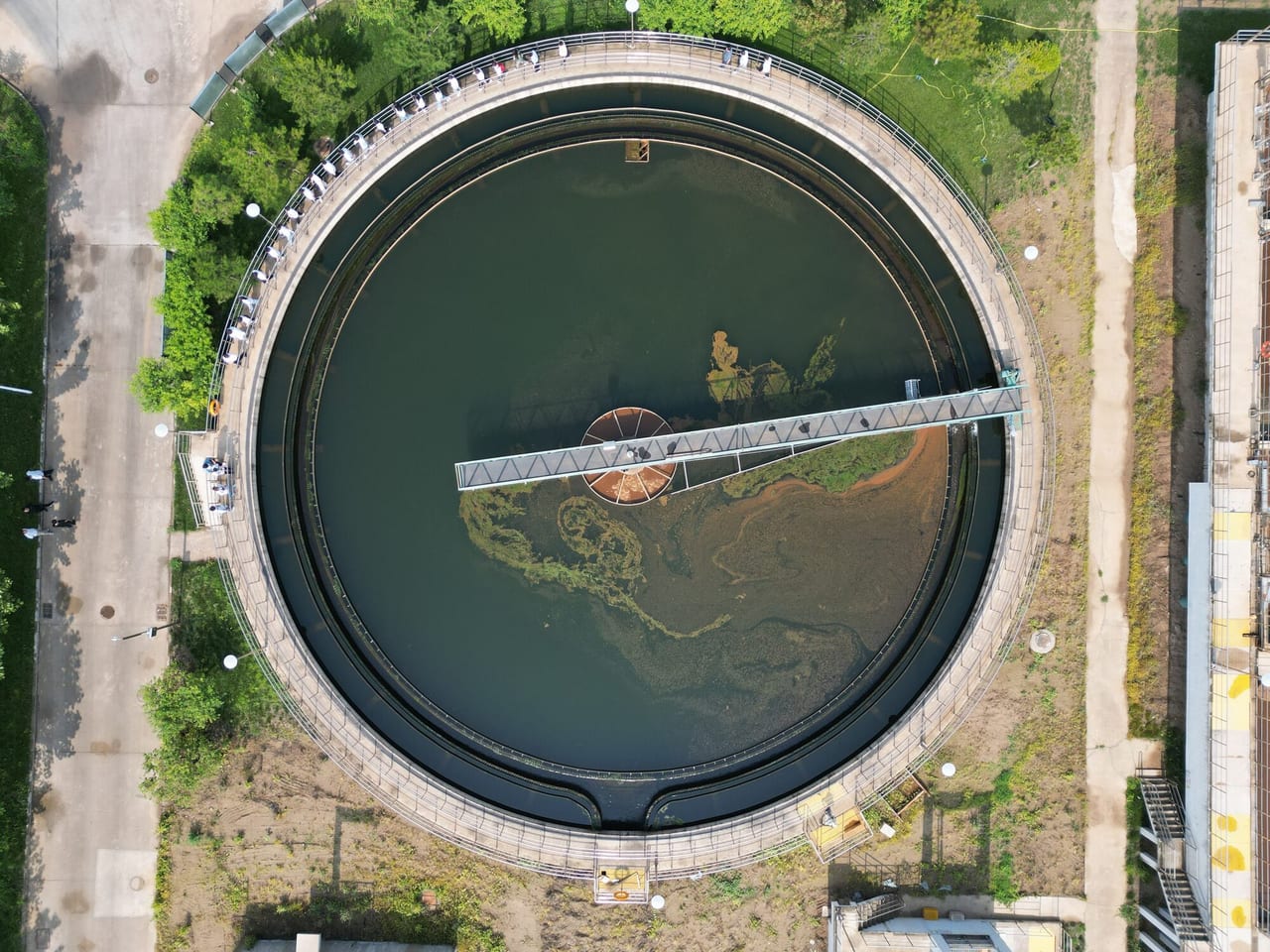
Sludge / silt
Drying of municipal and industrial sludge (sewage / industrial sludge) for volume reduction and disposal.
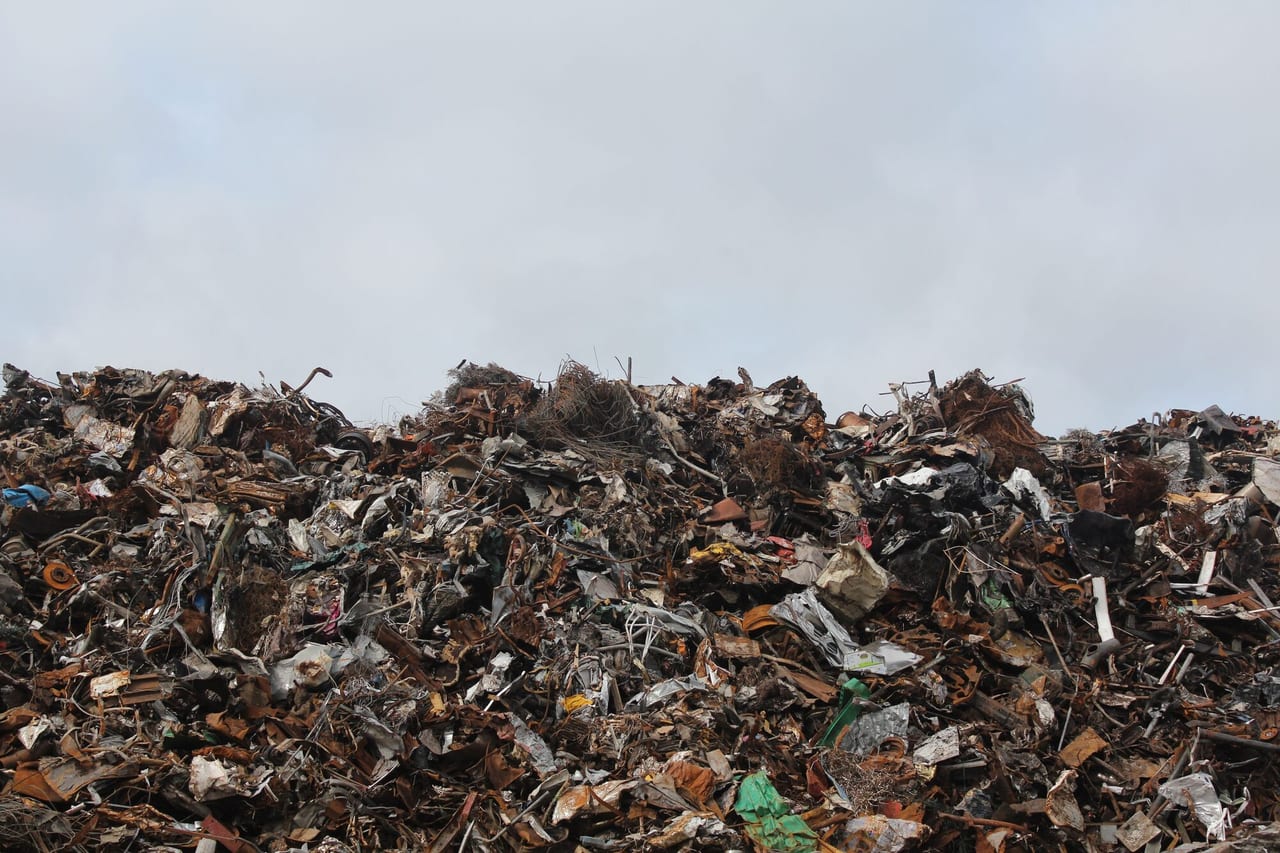
RDF / SRF / CDR
Preparing fuel from waste: drying increases the calorific value and stability of RDF/SRF.
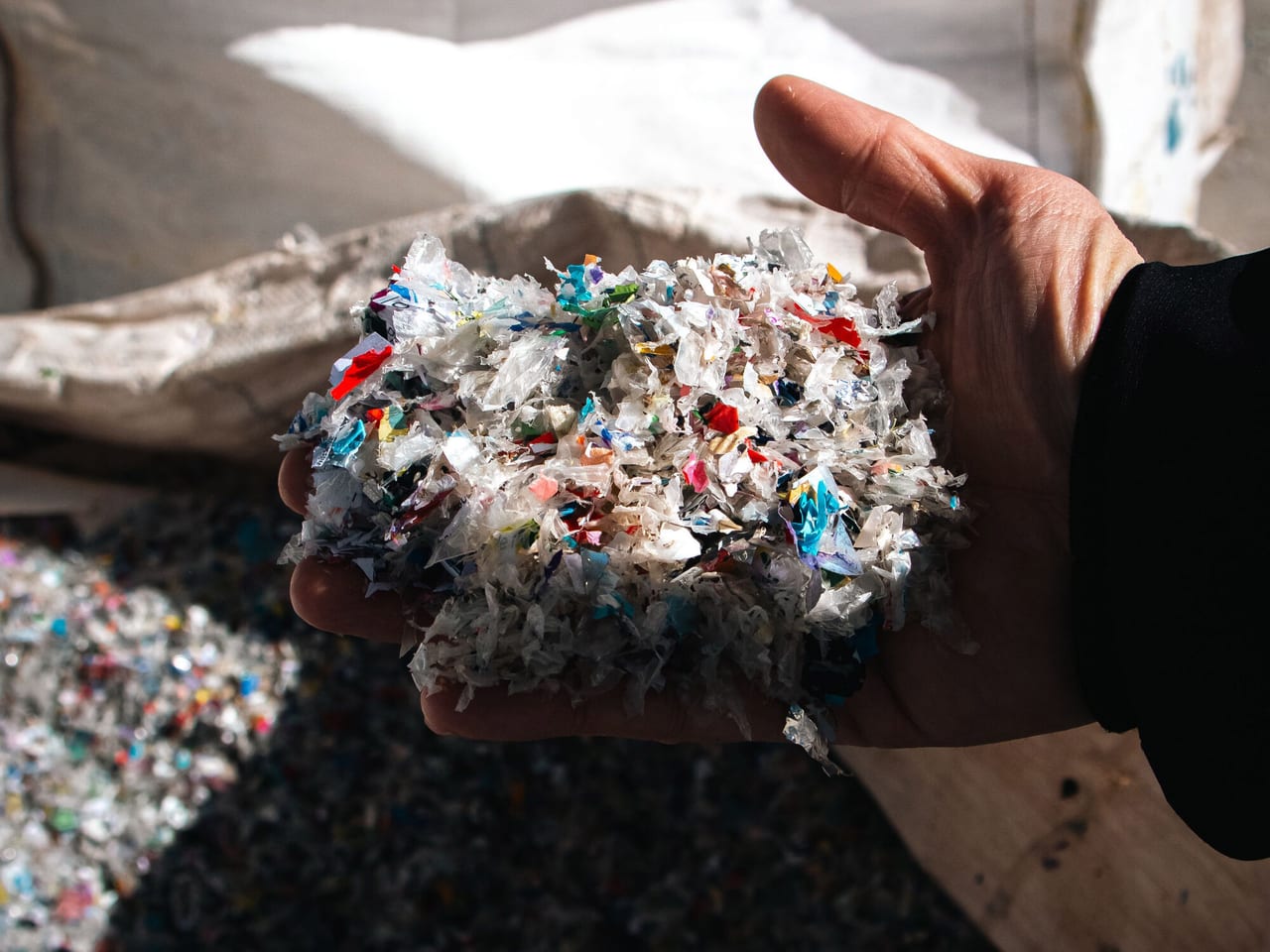
Plastic, polymers, resins (after washing)
Drying of crushed/washed plastic and polymers (PET, HDPE, polyethylene, polymers, resins) on recycling lines; flakes - fluidised bed.
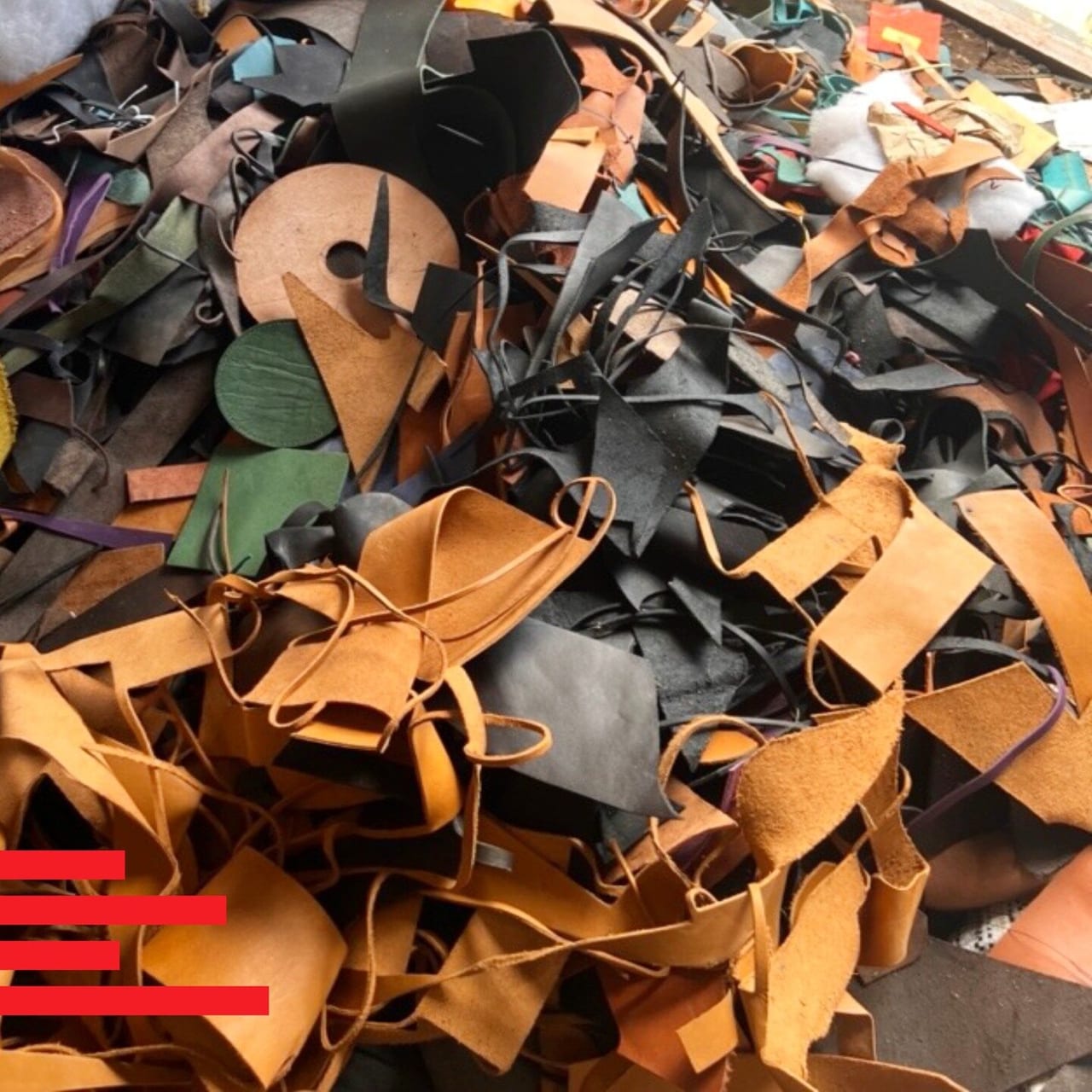
Leather waste
Leather waste from tanning production is dried in an industrial circuit with odour control.
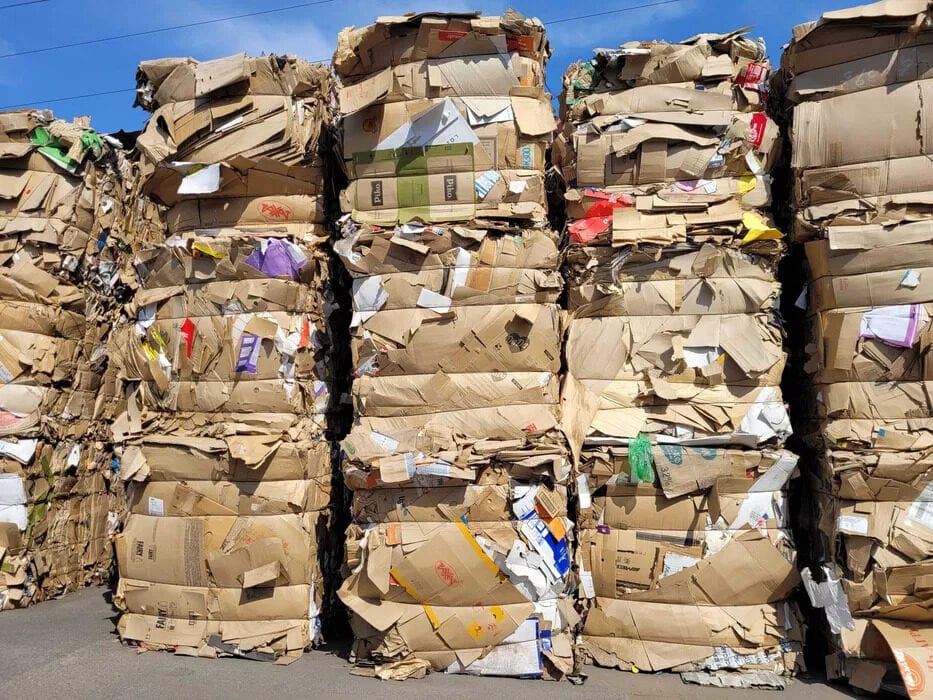
Our Products
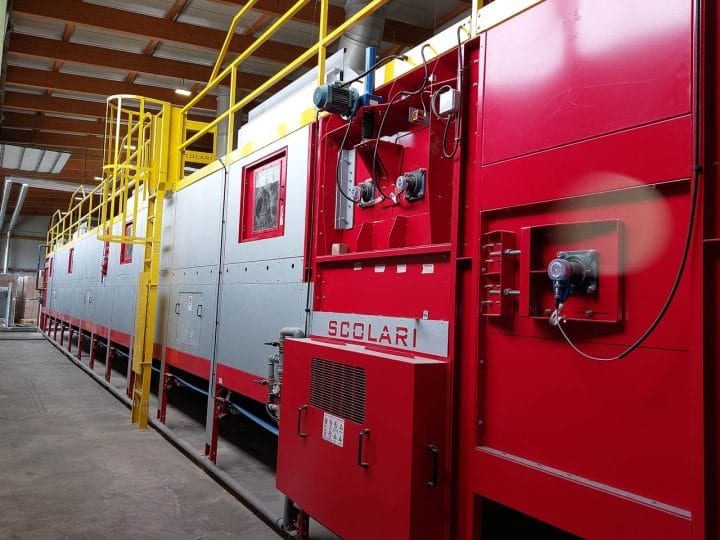
Universal Dryers
These dryers can be customized to dry any industrial or agricultural product you may require. Depending on the specific product and its moisture content, the dryers can be equipped with mixers, movable floors, vibrating floors, and other advanced technologies.
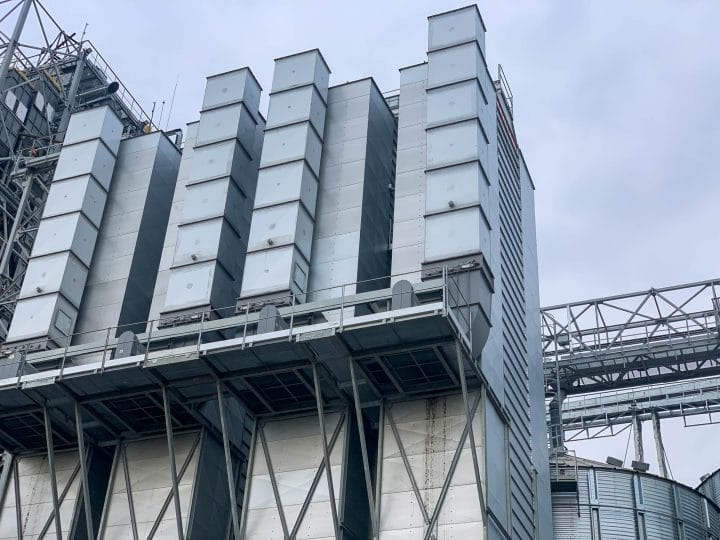
Grain Dryers
Authorized representative for top European grain dryer manufacturers like Alvan Blanch, FAO, and Agrex. Offering a full range of advanced drying solutions for agriculture.
Contact Us
If you are interested in purchasing any of our products, need a price quotation, or have any questions, comments, or suggestions, please do not hesitate to contact us via our contact form, by phone, or by email.
- WhatsApp: +90 (536) 452-1184
- E-mail: write to us
Our phones:
- Kazakhstan: +7 (747) 095-1626
- Moldova: +373 (22) 011-214
- Romania: +40 (31) 229-8484
- Türkiye: +90 (536) 452-1184 (English)
- Ukraine: +380 (67) 111-6668