
Drying RDF, SRF and CDR: Waste-Derived Fuel, Moisture and Calorific Value
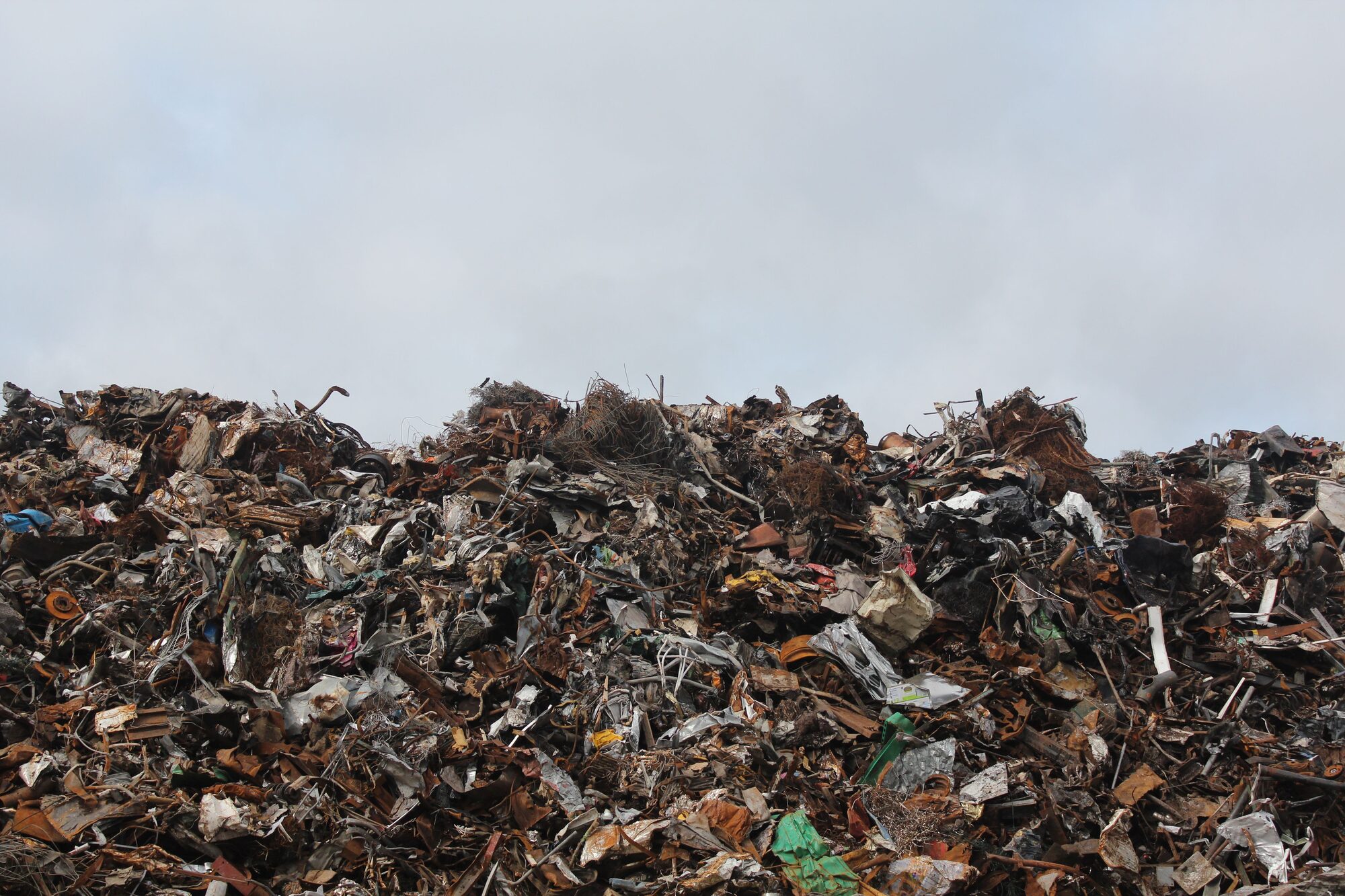
RDF, SRF and CDR/CSS are not dried simply to obtain a "nicely dry material". This is waste-derived fuel, and its key performance indicator is net calorific value. The more water remains in the fuel, the more energy during combustion is lost to evaporation rather than delivering useful heat.
Drying RDF therefore serves three primary purposes: raising NCV/PCI/LHV, reducing transport weight, and bringing the fuel into compliance with the requirements of a cement plant, waste incineration facility, or industrial boiler.
RDF has one critical characteristic, however: dry fuel becomes more valuable, but also more hazardous. The loose fraction of film, paper, textile, plastic and fine organics generates dust, builds up static charge and can self-heat in storage. Correct RDF drying is therefore not a matter of "as hot and as fast as possible" — it is a controlled process with careful management of temperature, humidity, dust, fire safety and fuel composition.
NCV, PCI and LHV are all the same thing. All three abbreviations denote the net (lower) calorific value of a fuel: NCV — Net Calorific Value (English), LHV — Lower Heating Value (English), PCI — Pouvoir Calorifique Inférieur (French). This is the heat of combustion minus the energy consumed by evaporating the fuel's moisture — and it is precisely this figure that drying improves.
Quick Answer
RDF/SRF/CDR is dried to reduce moisture content and raise the net calorific value of waste-derived fuel. The typical target is to move from a wet fraction at 30–40 % moisture down to below 20 %, and for higher-grade fuel — below 10–15 % if the end-user requires it.
| Scenario | Moisture target | Notes |
|---|---|---|
| Wet fraction before processing | 30–40 % and above | typically requires pre-drying or bio-drying |
| Standard RDF after processing | approx. 15–25 % | depends on composition and season |
| RDF/SRF for end-user acceptance | below 20 %, often 10–20 % | depends on cement plant or boiler requirements |
| High-grade fuel | below 10–15 % | higher value, but dustier and more fire-prone |
In brief: the technology that makes most sense for us is low-temperature conveyor drying on waste heat: Scolari 1T-TP / T, Alvan Blanch CD, Errepi DX drum dryers. Material travels in a thin layer, air passes through the bed, and the system can include cyclones, anti-static belting, temperature control and fire suppression. Bio-drying is a separate MBT process: it uses the heat of microbial self-heating rather than externally supplied dryer heat.
Equipment for Drying RDF, SRF and Waste-Derived Fuel
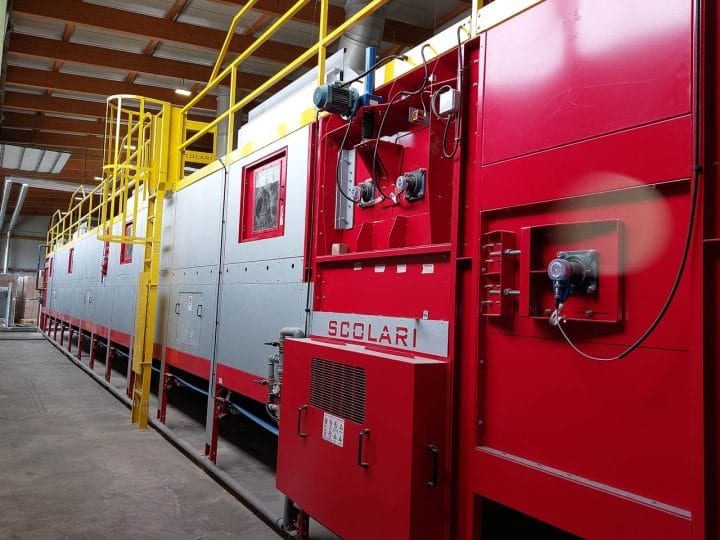
For RDF and waste-derived fuel we focus on low-temperature conveyor drying, which handles the light, dusty fraction gently and works well with waste heat. The primary option is the conveyor-based Scolari 1T-TP / T (operating air temperature 45–140 °C across the range, cyclones, temperature control, fire suppression as configured). As a multi-material conveyor solution for waste streams we consider the Alvan Blanch CD. Alvan Blanch CD conveyor dryers are equipped with bed agitators as required, with the number depending on the product. For wet and highly moisture-laden RDF as a rotary drum option we offer Errepi DX drum dryers.
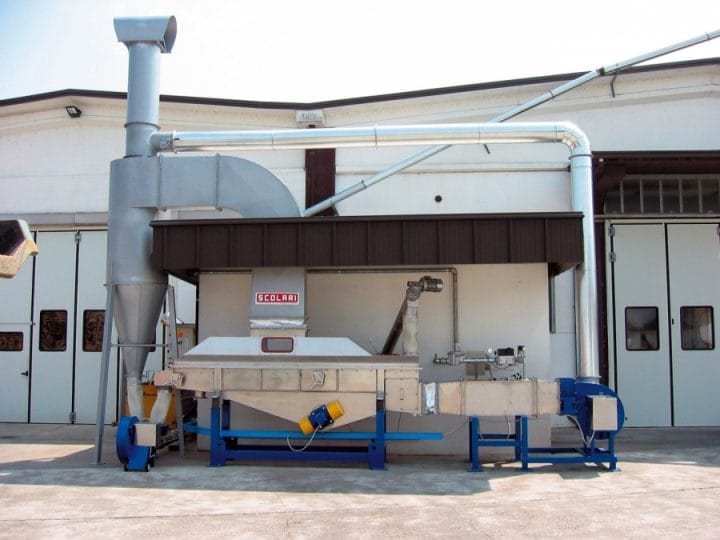
Scolari Vibratory Dryers
Italian Scolari vibratory dryers create an artificial boiling layer of the material being dried, which allows it to be blown through from all sides and effectively remove surface moisture. Suitable for processing materials with surface moisture, granulated products, or flowing powders.
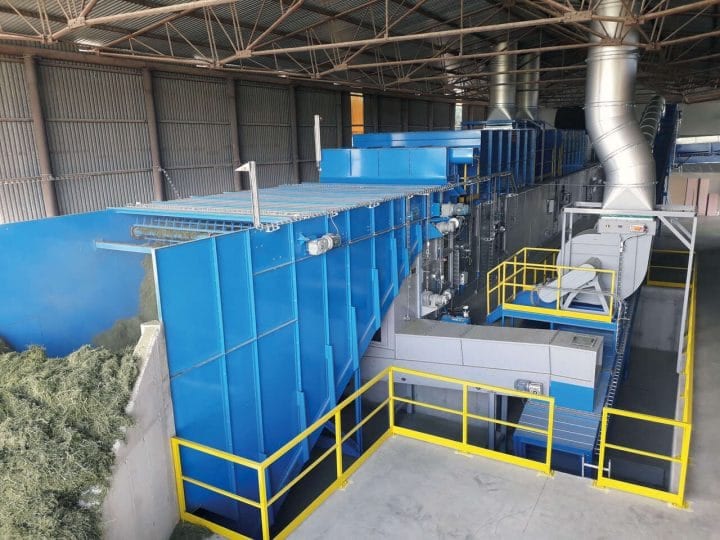
Scolari Dryer With Movable Conveyor Belt
Horizontal dryers feature perforated steel or plastic movable floors designed for drying various materials. Airflow can be configured from top to bottom or vice versa.
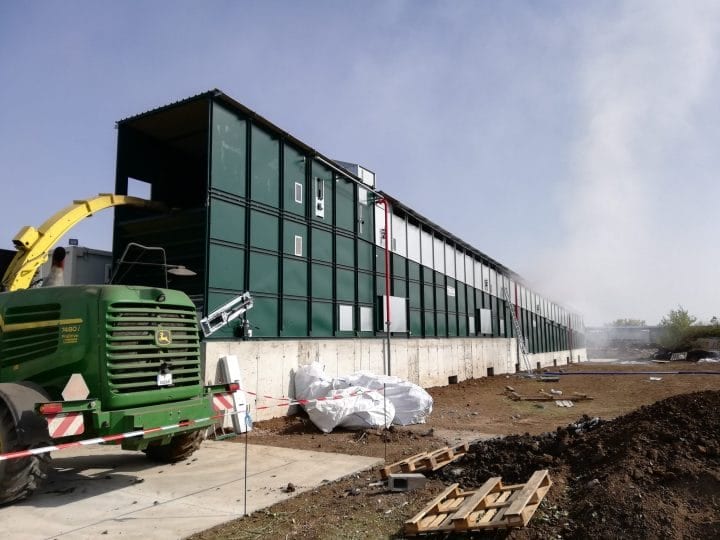
Alvan Blanch Conveyor Dryer
British universal conveyor dryers for non-grain agricultural and industrial products. Thanks to their horizontal design, built-in distribution and stirring systems, they are capable of drying a wide range of materials.
What Are RDF, SRF and CDR/CSS
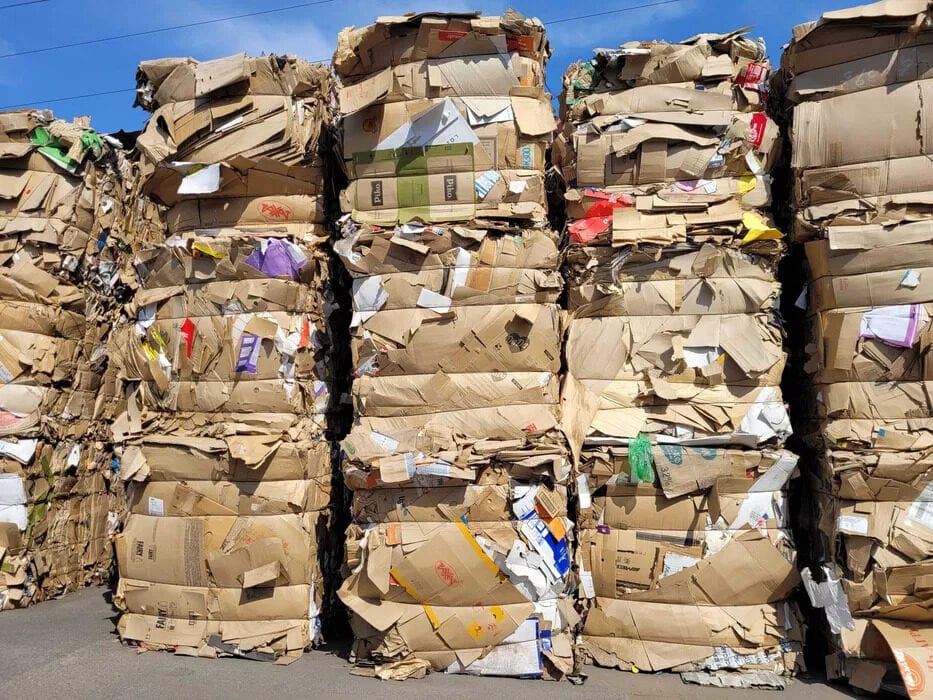
RDF is the generic term for fuel produced from the non-recyclable fraction of waste. This fraction typically includes paper, cardboard, film, plastic, textile, wood, rubber and other high-calorific components that can no longer be — or are not economically viable to — return to conventional recycling.
SRF is a more precise term. It is solid recovered fuel produced from non-hazardous waste and classified to defined standards. In the European framework, SRF is assessed against three key parameters: calorific value, chlorine content and mercury content.
CDR, CSS, CSR, EBS and ATY are national terms used in Italy, France, Germany, Turkey and other countries. For practical purposes it is sufficient to understand them as market-specific names for waste-derived fuel.
Important: RDF and SRF should not be treated as full synonyms. RDF is the broad term for waste-derived fuel. SRF/CSS/CSR refers to fuel that has been prepared and classified to the requirements of the end-user or applicable standard.
Why RDF and SRF Are Dried
The primary reason is that water reduces net calorific value. When wet RDF is combusted, a portion of the energy is consumed evaporating moisture rather than delivering useful heat. As a result, the same material in dry and wet form can have very different commercial value. Drying RDF helps to:
- raise the net calorific value NCV / PCI / LHV;
- reduce mass during transport;
- bring fuel into compliance with acceptance requirements at a cement plant, CHP station or WtE facility;
- stabilise the material before storage;
- reduce the risk of biological self-heating in wet fractions;
- produce more homogeneous fuel for metering and feeding.
For the cement industry, chlorine content matters as much as moisture and calorific value. High chlorine — often associated with PVC and other contaminants — increases corrosion risk and degrades the commercial quality of the fuel. Drying removes water, but not chlorine. A good RDF line therefore always starts with sorting and composition control.
RDF Drying Temperature: Why There Is No Single Answer
RDF involves two distinct "temperatures" that must not be confused.
Drying agent temperature
This is the operating condition inside the dryer. For low-temperature conveyor dryers, the typical air temperature range is around 45–140 °C for the Scolari T series. The specific operating point depends on bed depth, fraction size, moisture content, available heat and target moisture.
Self-heating temperature in storage
This is not a dryer operating parameter — it is a storage risk. Wet or biologically active RDF can self-heat, while dry, loose RDF generates dust and is combustible. The self-heating temperature must therefore not be placed in the same table as the dryer air temperature.
Do not confuse the two processes: when it is stated that RDF can self-ignite at 60–75 °C, this does not mean it cannot be dried with air above that temperature. That figure relates to temperatures developing inside a stockpile during storage — a different process entirely. Inside a dryer, the material travels in a thin layer, is continuously ventilated by air, and is monitored by controls. That said, the fire risk itself means that an RDF dryer must be designed as a fire-safe installation, not as a standard dryer for an inert material.
Bio-Drying and Thermal Drying: Two Different Processes
For RDF it is essential to distinguish bio-drying from thermal drying. These are not two names for the same thing — they are two different technologies with different physics and different economics. Expand the cards below.
Why Low-Temperature Conveyor Drying Is Suited to RDF
RDF is a light, loose and heterogeneous material. It may contain pieces of film, paper, textile, fine fraction, plastic, dust and organic particles. Such material is poorly suited to aggressive high-temperature processing without robust control. For RDF the following are essential:
- a thin, controllable material bed;
- uniform air passage through the bed;
- ability to operate on low-temperature heat;
- belt speed control and adjustable residence time;
- anti-static provisions;
- cyclones and dust extraction;
- fire suppression system and temperature monitoring;
- adaptability to varying fraction sizes.
Drum dryers and fluidised-bed dryers are also used in the market, particularly for large volumes of wet feedstock, but for RDF they demand especially rigorous fire, overheating and dust control. We therefore present Scolari conveyor dryers as the primary direction and do not treat high-temperature drums as a universal answer (Errepi DX drum dryers are appropriate for wetter and denser streams).
Risks of Incorrect RDF/SRF Drying
RDF is a material that penalises oversimplification. Below are the key risks that should be addressed at the equipment selection stage.
Under-drying and loss of calorific value
Under-dried RDF has low net calorific value. The end-user is effectively buying water, which will evaporate in the kiln or boiler at the expense of useful heat. Wet fuel may therefore fail acceptance testing or command a lower price.
Fire and self-heating
RDF can self-heat in storage, particularly where wet and biologically active organic matter remains. At the same time, dry RDF is also hazardous: it is lighter, dustier and can accumulate static charge. Safety with RDF is therefore not about "getting it as dry as possible" — it requires control of moisture, temperature, dust, fraction, storage conditions and fire protection.
Dust explosion
Loose RDF fluff contains fine fractions of paper, textile, plastic and organics. Dust is generated during transfer, drying and feeding operations. Conveyor and drum dryers require cyclones, aspiration and fire control automation.
Chlorine and PVC
Drying does not reduce chlorine content. If the feedstock contains significant PVC, the problem persists after drying. High chlorine reduces fuel price, increases corrosion risk and complicates combustion. PVC and chlorine control is therefore a sorting and incoming inspection task, not a dryer function.
Mercury and heavy metals
SRF is classified not only by calorific value but also by environmental parameters. Mercury and heavy metals are not "moisture" that can be dried out. They are controlled through feedstock analysis and fuel preparation quality.
What You Need to Know for Equipment Selection
Selecting a dryer for RDF/SRF/CDR requires more than a "tonnes per hour" figure. Minimum questionnaire:
- material type: RDF, SRF, CSS, CSR, EBS, ATY or simply "waste-derived fuel";
- feedstock source: MSW, industrial waste, paper/cardboard, plastic, textile, mixed fraction;
- fraction form: fluff, chips, pellets, briquettes, shredded film, paper-plastic mix;
- initial moisture content and seasonal variation range;
- target moisture content and end-user requirements;
- required NCV / PCI / LHV;
- chlorine, ash, mercury and other regulated parameter levels;
- throughput: t/h, t/day, t/year;
- available heat source: hot water, steam, flue gas, cement plant waste heat, CHP, boiler;
- fire safety, emissions and dust requirements;
- post-drying storage conditions.
Using these inputs we select the dryer type, operating regime and thermal configuration specifically for your RDF stream — not generically "for waste".
Sources and Reference Materials
View source list
Below are the reference materials on classification, moisture, calorific value and safe drying of waste-derived fuel (external links open in a new tab):
- ISO 21640:2021 — Solid recovered fuels: Specifications and classes (SRF classification logic: NCV, chlorine, mercury);
- EN 15359 / EN ISO 21640 — Solid Recovered Fuels: Specifications and classes (three SRF parameters);
- Alvan Blanch — Biomass and waste dryers / Conveyor dryer (mass/volume reduction, calorific value gain, RDF/MSW/digestate);
- Velis et al. — Biodrying for mechanical-biological treatment of wastes: a review (bio-drying in MBT, distinction from composting);
- The Use of Biodrying to Prevent Self-Heating of Alternative Fuel (bio-drying raises NCV and reduces RDF self-heating);
- Sustainable Environment Research — Refuse-derived fuel / RDF overview (relationship between moisture, composition and calorific value);
- Finpro Engineering — internal materials on drying RDF/SRF/CDR, Scolari 1T-TP / T conveyor dryers (45–140 °C, cyclones, temperature control, fire suppression), Errepi DX drum dryers and Alvan Blanch CD conveyor dryers.
Frequently Asked Questions about Drying RDF and SRF
Why is RDF/SRF dried?
To raise the net calorific value and reduce fuel mass. Wet RDF burns poorly, delivers less useful heat, and may not meet end-user acceptance requirements.
What is the difference between RDF and SRF?
RDF is the generic term for waste-derived fuel. SRF is a more rigorously prepared and classified fuel produced from non-hazardous waste. For SRF, classification by calorific value, chlorine content and mercury content is required.
To what moisture level is RDF dried?
It depends on the end-user. RDF is commonly dried from 30–40 % moisture to below 20 %. For higher-grade fuel or cement industry applications, the target moisture may be below 10–15 %.
Can RDF be dried in a drum dryer?
Such solutions exist on the market, particularly for large volumes and wet feedstock. However, for RDF a drum dryer requires especially rigorous fire, overheating and dust control. In our approach, low-temperature conveyor drying on waste heat is preferred.
What is RDF bio-drying?
It is a biological process within MBT: the organic portion of the waste heats up through microbial activity, and forced aeration removes the moisture. This is not the same as conveyor thermal drying.
Does drying reduce chlorine in RDF?
No. Drying removes water but does not address PVC, chlorine, mercury or ash. These parameters are controlled through sorting, feedstock preparation and laboratory analysis.
Which dryer is suitable for RDF?
Our primary class is low-temperature conveyor dryers: Scolari 1T-TP / T, Alvan Blanch CD, and Errepi DX drum dryers. Anti-static provisions, cyclones, fire suppression, temperature monitoring and waste-heat operation are all key considerations.
Need to Dry RDF, SRF or Waste-Derived Fuel?
Tell us about your material (RDF, SRF, CSS, CDR or simply waste-derived fuel): what it is made from, its fraction form, initial and target moisture content, calorific value and chlorine/mercury requirements, required throughput and available heat source. Describe your dust, emissions and fire safety requirements — and we will select the dryer type, safe operating regime, thermal configuration and indicative throughput for your specific stream. Contact us by any convenient method.
Still Have Questions? Contact Us!
By Phone
WhatsApp: +90 (536) 452-1184By Email
Our address: info@finpro.engineering
Related products
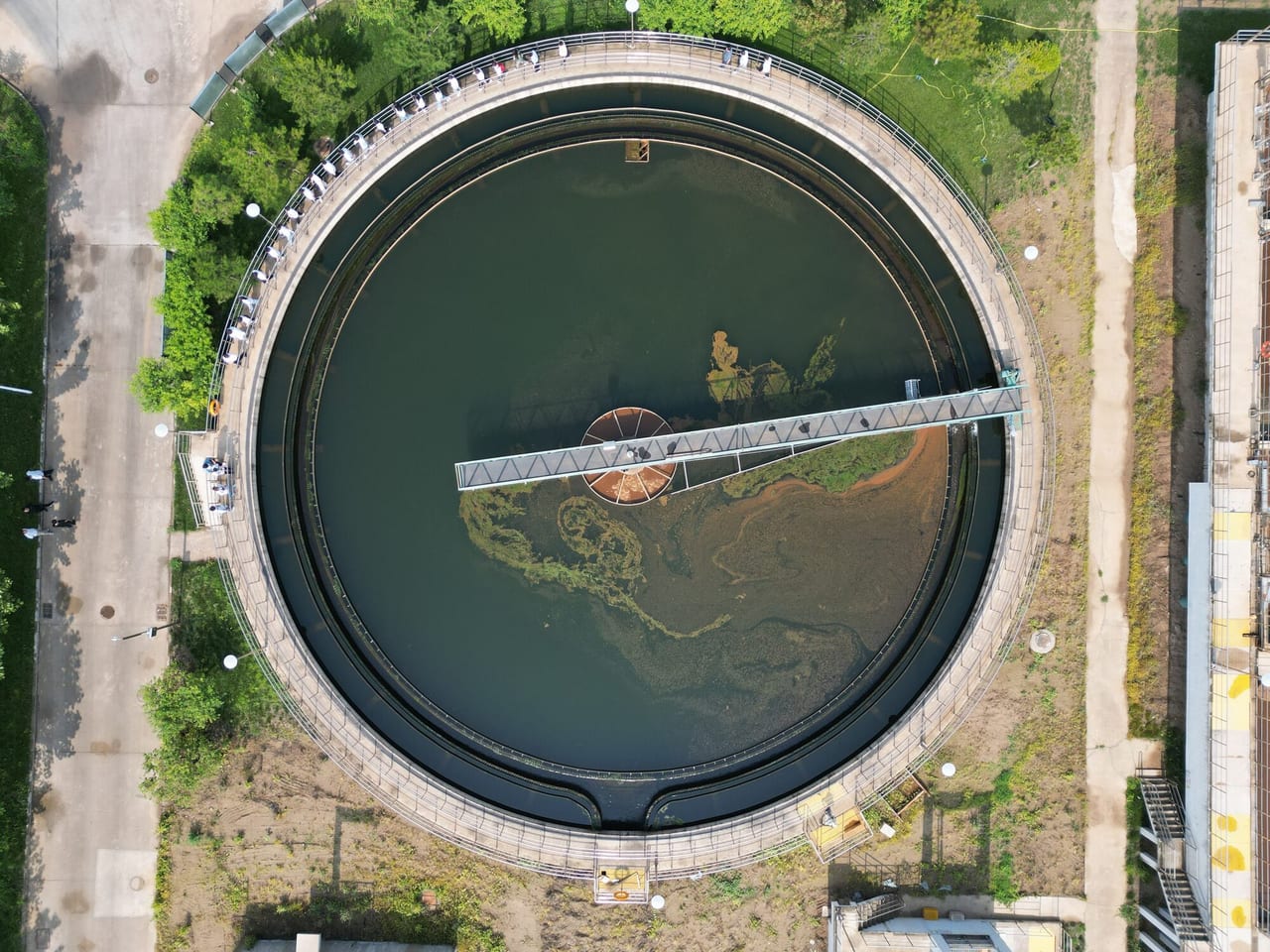
Sludge / silt
Drying of municipal and industrial sludge (sewage / industrial sludge) for volume reduction and disposal.
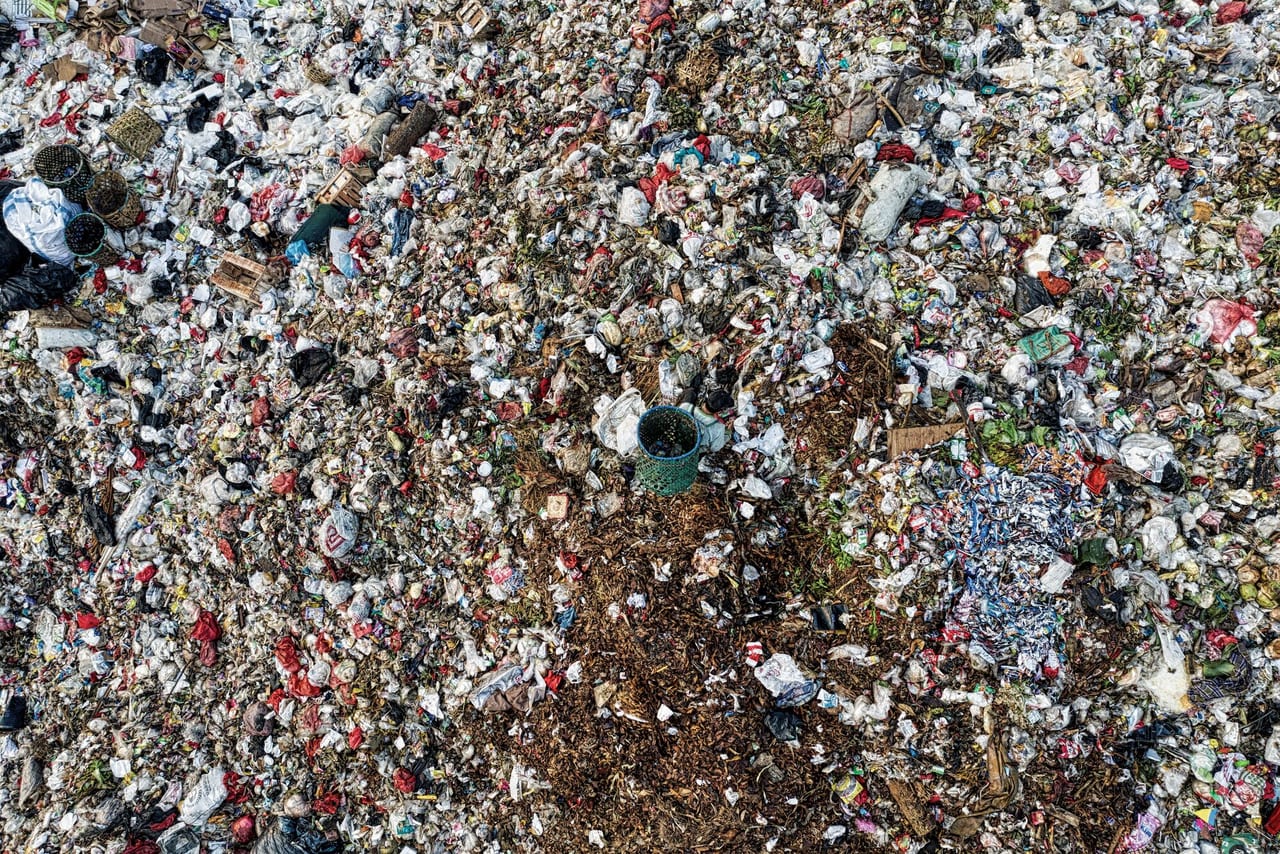
MSW and the wet fraction (FORSU)
Municipal waste and the wet organic fraction (FORSU/OFMSW): drying for RDF fuel, volume reduction and stabilisation.
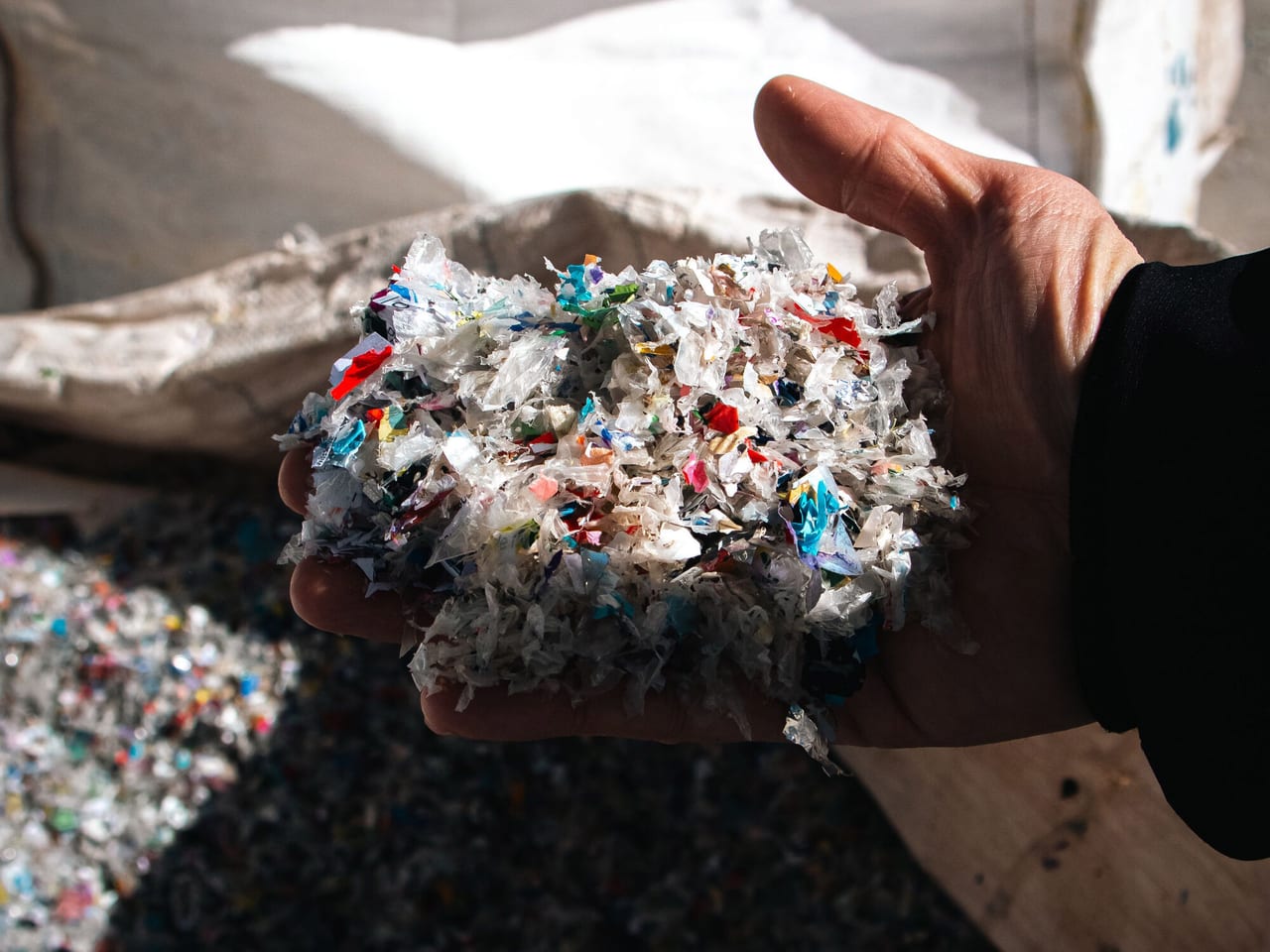
Plastic, polymers, resins (after washing)
Drying of crushed/washed plastic and polymers (PET, HDPE, polyethylene, polymers, resins) on recycling lines; flakes - fluidised bed.
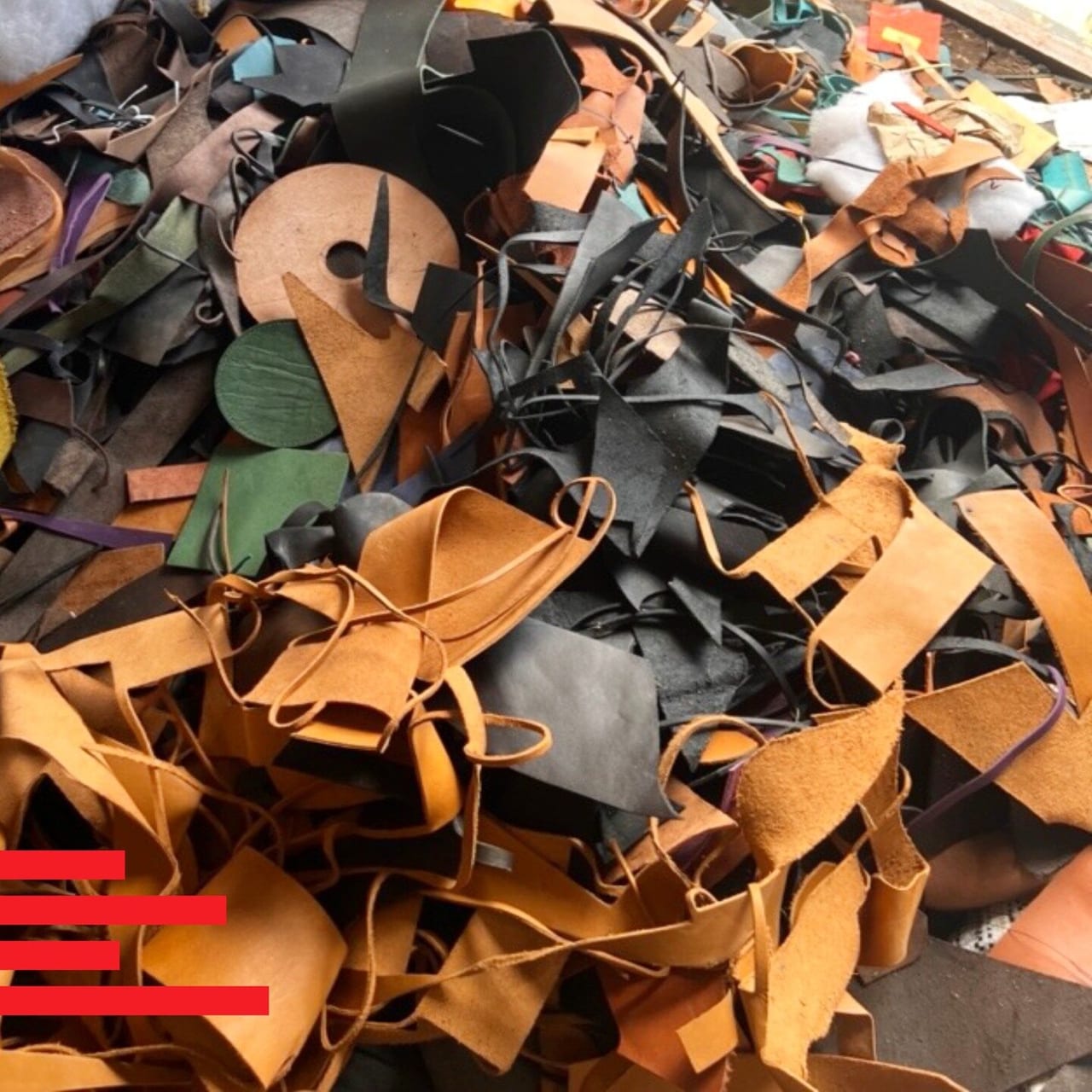
Leather waste
Leather waste from tanning production is dried in an industrial circuit with odour control.
Our Products
Universal Dryers
These dryers can be customized to dry any industrial or agricultural product you may require. Depending on the specific product and its moisture content, the dryers can be equipped with mixers, movable floors, vibrating floors, and other advanced technologies.
Grain Dryers
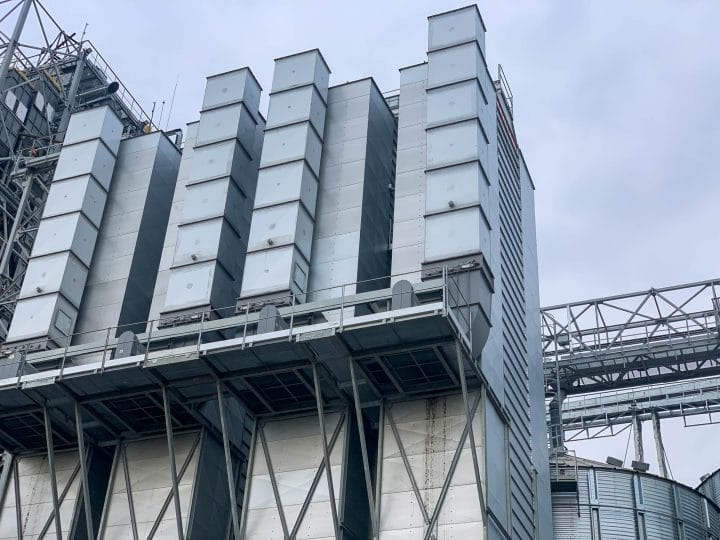
Authorized representative for top European grain dryer manufacturers like Alvan Blanch, FAO, and Agrex. Offering a full range of advanced drying solutions for agriculture.
Contact Us
If you are interested in purchasing any of our products, need a price quotation, or have any questions, comments, or suggestions, please do not hesitate to contact us via our contact form, by phone, or by email.
- WhatsApp: +90 (536) 452-1184
- E-mail: write to us
Our phones:
- Kazakhstan: +7 (747) 095-1626
- Moldova: +373 (22) 011-214
- Romania: +40 (31) 229-8484
- Türkiye: +90 (536) 452-1184 (English)
- Ukraine: +380 (67) 111-6668