
Drying Soybeans: Gentle Regimes, Cracking and Equipment
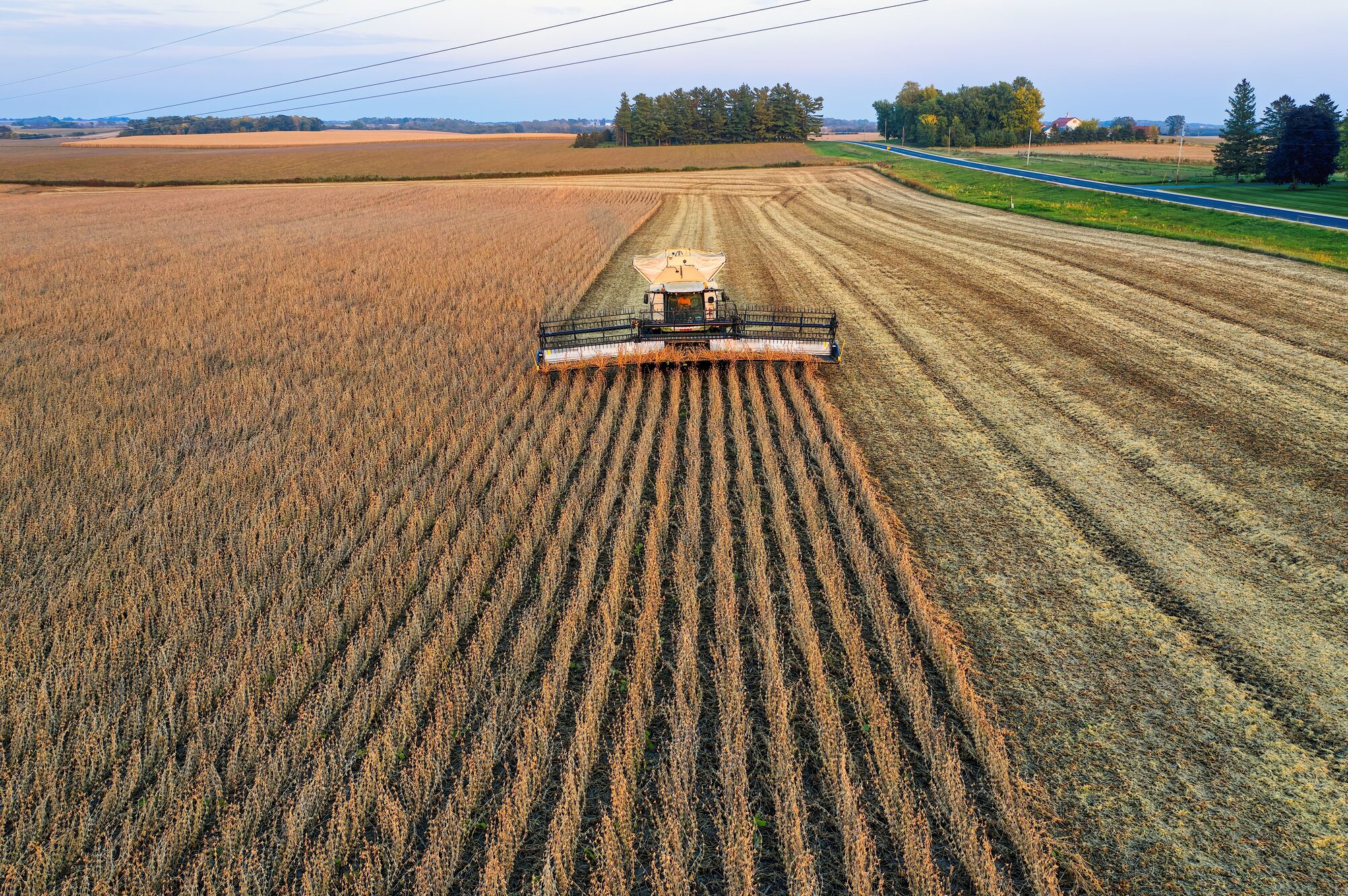
Soybean is one of the most important oilseed crops grown and dried in many markets around the world. Large commercial volumes are produced across diverse climates and regions. Most commodity soybeans go to export and processing — oil pressing and soybean meal, which is the primary protein feed for livestock — while seed-grade and food-grade lots constitute separate, more demanding categories. But soybeans cannot be dried the same way as maize or wheat.
The soybean is a large, oil- and protein-rich seed with a sensitive coat. Excessive heat, over-drying, rough agitation, or repeated wet–dry cycles cause the seed coat to crack, increasing splits and broken beans, damaging marketable quality, seed viability, and suitability for food processing. For soybeans, the key parameters are not maximum temperatures but rather uniformity, gentle drying conditions, tempering, careful handling, and the absence of auger wear.
Quick answer
Soybeans are dried in batch and continuous-flow grain dryers, and at oil extraction plants — often using steam in a low-temperature regime. There is no single universal "soybean drying temperature": the regime depends on the intended use of the batch (commodity, seed, food-grade, oil mill), initial moisture, dryer type, air temperature, and grain mass temperature.
Reference points by scenario:
| Scenario | Temperature reference | What to monitor |
|---|---|---|
| Commodity soybeans for feed and processing | up to ~80–85 °C air temperature (continuous-flow mixed-flow dryer) | monitor coat cracks and splits; grain temperature is substantially below air temperature |
| Seed soybeans | approximately 38–43 °C air temperature | germination and vigour |
| Food-grade soybeans (natto, tofu, edamame) | approximately 38–43 °C air temperature | seed coat integrity and appearance |
| Soybeans for oil extraction / solvent extraction plant | approximately 55–65 °C agent temperature | low-temperature oilseed regime, steam heating |
| Storage moisture (commodity) | 12–13 % | for long-term storage — closer to 11–12 % |
In brief: for commodity soybeans destined for feed and processing, a hot drying agent is acceptable — up to 80–85 °C in a continuous-flow mixed-flow dryer; for seed and food-grade soybeans the regime is significantly gentler — 38–43 °C. Safe storage moisture for commodity soybeans is 12–13 % (lower for long-term storage). The primary risk is not under-drying, but seed coat cracking and splits — soybeans therefore require gentle mechanics and operation without auger recirculation.
Our dryers for soybeans
Soybeans are well served by grain dryers that provide gentle drying, uniformity, careful product movement, and operation without auger recirculation. We consider the batch Ravaro RR and continuous-flow Ravaro RC, the continuous-flow Alvan Blanch DF and batch BD, the Agrex AGD-F with elevator leg, and the vertical dryers from FAO (continuous-flow ACE/ACEX/SCE and batch AR). For oil extraction plants we select dedicated steam-heated dryers separately. The specific series and regime are chosen according to the intended use, throughput requirements, heat source, and permitted levels of splits and cracks.
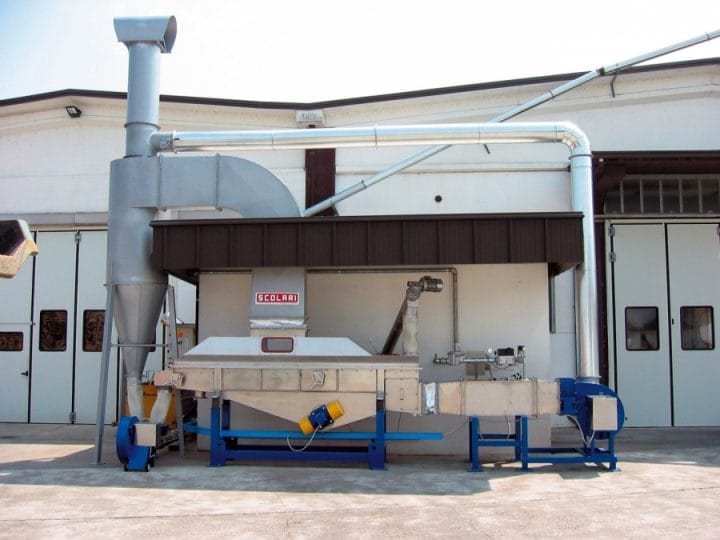
Scolari Vibratory Dryers
Italian Scolari vibratory dryers create an artificial boiling layer of the material being dried, which allows it to be blown through from all sides and effectively remove surface moisture. Suitable for materials with surface moisture, granulated products, or flowing powders.
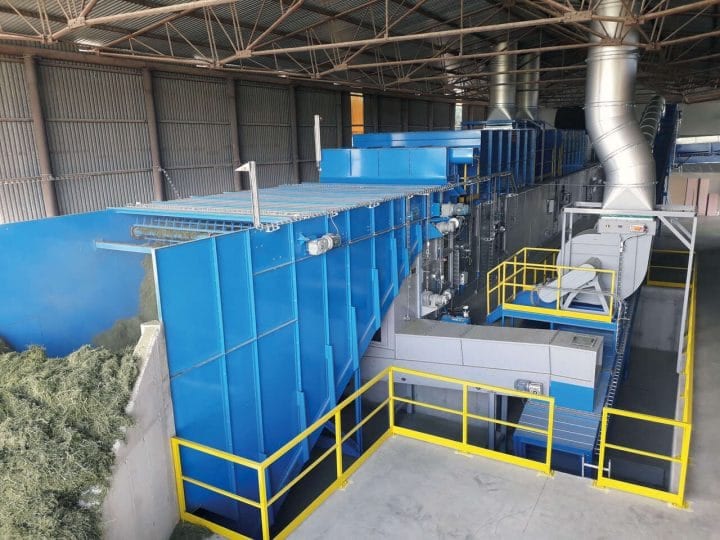
Scolari Dryer With Movable Conveyor Belt
Horizontal dryers feature perforated steel or plastic movable floors designed for drying various materials. Airflow can be configured from top to bottom or vice versa.
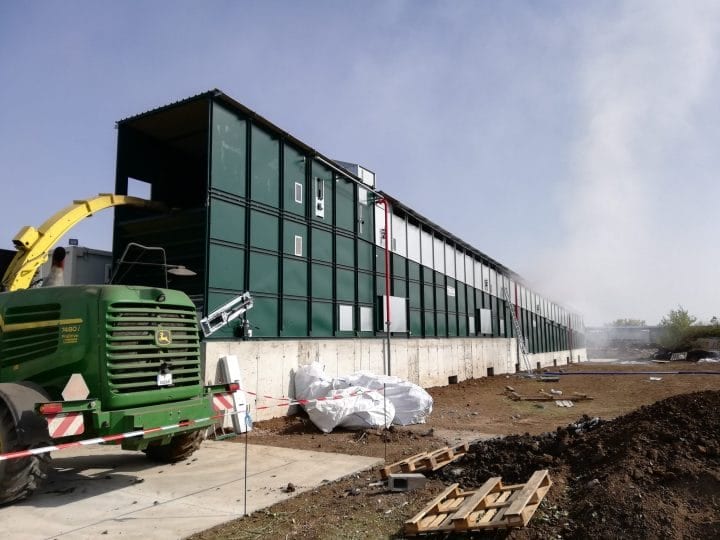
Alvan Blanch Conveyor Dryer
British universal conveyor dryers for non-grain agricultural and industrial products. Thanks to their horizontal design, built-in distribution and stirring systems, they can dry a wide range of materials.
Why drying soybeans is more demanding than it appears
Soybeans look tougher than rapeseed or mustard because the seed is larger. But the large seed creates a different problem: during aggressive drying, the outer layers and seed coat lose moisture faster than the interior of the bean. Internal stresses build up, the coat cracks, and during subsequent handling the beans split further.
Four situations are particularly dangerous:
- Drying air too hot — the seed coat dries out and cracks before moisture has migrated from the centre.
- Air too dry — low relative humidity of the drying agent makes the seed coat brittle.
- Over-dried soybeans — below approximately 11 % moisture, soybeans become fragile and the incidence of splits rises sharply.
- Re-hydration — after over-drying the beans reabsorb moisture and then dry again; such cycles are particularly destructive to the seed coat.
For this reason, soybeans cannot be dried on the principle of "remove moisture as fast as possible." The correct regime is a balance between speed, quality, coat preservation, and fire safety.
Three distinct scenarios: commodity, seed, and food-grade soybeans
In soybean drying it is important not to conflate three distinct products. They have different priorities and different temperature logic.
| Scenario | What matters | Temperature logic |
|---|---|---|
| Commodity soybeans for processing and feed | safe storage, oil, meal; minor splitting commercially acceptable | continuous-flow mixed-flow dryer: agent up to ~80–85 °C; the soybean itself heats to a substantially lower temperature |
| Seed soybeans | germination, germination energy, vigour | even gentler: approximately 38–43 °C air; grain mass temperature monitored separately |
| Food-grade soybeans | intact coat, appearance, soaking quality, natto/tofu/edamame | same regime as seed or close to it; coat damage is not acceptable |
For commodity soybeans a small proportion of cracks may be commercially acceptable. But for seed and food-grade batches this is already a critical defect. If a customer is drying soybeans not simply as a commodity but for seed production or food processing, the dryer and regime must be selected specifically for that purpose.
The primary risk: seed coat cracking and splits
Soybeans are sensitive to seed coat cracking. This is not a cosmetic defect.
A damaged seed coat means:
- more bean splits during subsequent handling;
- higher risk of spoilage in storage;
- reduced seed quality;
- reduced suitability for food processing;
- more dust and fine fractions;
- lower market value of the batch.
One of the key practical benchmarks is the relative humidity of the drying air. To reduce seed coat cracking, the relative humidity of the drying agent should be kept above 40 %. If the air is too dry, the seed coat becomes brittle and damage appears very quickly.
During high-temperature drying it is also necessary to limit the time soybeans spend in the heated zone. Short exposure, uniformity, and subsequent tempering are what matter for soybeans — not prolonged time in a hot airstream.
Soybean drying temperature
There is no single universal temperature for soybeans. The professionally correct question is:
What type of soybean — commodity, seed, or food-grade? What is the initial moisture? What dryer? What is the air temperature, and what is the grain mass temperature?
Practical regime reference table:
| Intended use | Temperature reference | Notes |
|---|---|---|
| Commodity soybeans for feed and processing | up to ~80–85 °C air temperature in a continuous-flow mixed-flow dryer | monitor coat cracks and splits; grain temperature is noticeably below air temperature |
| Seed soybeans | approximately 38–43 °C air temperature | germination and vigour are critical |
| Food-grade soybeans | approximately 38–43 °C air temperature | seed coat integrity is critical |
| Soybeans for oil extraction / solvent extraction plant | approximately 55–65 °C agent temperature | typical low-temperature oilseed regime |
| Low-temperature in-bin drying | a few degrees above ambient air | slow, but maximally gentle |
A common question arises here: why do some international recommendations cite lower figures for soybeans? North American agricultural guidelines are conservative and oriented primarily towards quality and seed property preservation: for commodity soybeans they restrict air temperature to approximately 54–60 °C (130–140 °F), and for seed soybeans to approximately 38 °C (100 °F), with relative humidity of the agent above 40 %.
In practice, commodity (feed and oil) soybeans are dried in industrial continuous-flow mixed-flow dryers (also called shaft dryers) using a hotter drying agent — up to 80–85 °C. This is how the majority of European manufacturers operate. It does not contradict gentle treatment: in a mixed-flow dryer the grain is continuously mixed and passes through alternating heating zones, so there is no overheating at a hot inner wall, and the specific airflow is lower than in column-type (cross-flow) dryers. This is precisely why mixed-flow dryers dry more gently and permit a higher agent temperature than cross-flow dryers — even though the grain spends more time inside the dryer. At the same time, the soybeans themselves heat to a noticeably lower temperature than the air, and most commodity soybeans go to processing (oil pressing and meal) and feed, where minor splitting and cracking are commercially acceptable.
The practical guideline is therefore: seed and food-grade soybeans should be dried gently (approximately 38–43 °C, relative humidity of agent above 40 %), while commodity soybeans for feed and processing can be dried with a hotter agent in a continuous-flow mixed-flow dryer — up to 80–85 °C — with monitoring of cracks, splits, and air relative humidity.
Temperature cannot be considered in isolation from humidity and the rate of moisture removal. The wetter the soybeans and the higher the quality requirements, the gentler the regime must be. For seed and food-grade soybeans, grain mass temperature is monitored separately — it is more important than the figure on the control panel.
Soybean storage moisture
Soybeans must be stored drier than maize. This is due to their high oil content and greater susceptibility to spoilage at elevated moisture. The reference point: soybeans need to be approximately 2 percentage points drier than maize — soybeans at 11 % store in roughly the same way as maize or wheat at 13.5 %.
| Intended use | Moisture reference |
|---|---|
| Commodity soybeans for standard storage | up to 13 % |
| Commodity soybeans for long-term storage / warm season | closer to 11–12 % |
| Seed soybeans for one season | up to 12 % |
| Carry-over seed stock | up to 10 % |
At the same time, soybeans must not be over-dried. Below approximately 11 % moisture, brittleness increases, leading to more cracking, shattering, and transport losses. Both extremes are dangerous for soybeans: under-drying leads to spoilage, over-drying leads to splits.
Why we do not recommend augers for soybeans
For soybeans we do not recommend mobile grain dryers with auger recirculation or auger feed.
Soybeans are abrasive. Under intensive auger operation they abrade the metal, wearing the flights and housing, and grey soybean dust with metallic particles can accumulate around the dryer. This is not only a question of dryer service life: the metallic dust also wears downstream equipment — conveyors, bucket elevators, and especially oil extraction lines, where abrasive particles affect all contact mechanisms and surfaces. It is also a matter of product purity, dust around the dryer, and customer confidence in the technology.
For soybeans, solutions with bucket elevator legs and gentler conveying are preferable: they transfer the grain more carefully, cause fewer splits, and do not generate metallic dust from auger abrasion.
Which dryers are suitable for soybeans
Suitable soybean dryers provide gentle drying, uniformity, careful product movement, and the ability to operate without auger recirculation. We consider the Ravaro RR/RC, Alvan Blanch DF/BD, Agrex AGD-F with elevator leg, and FAO (continuous-flow ACE/ACEX/SCE and batch AR) series.
Ravaro RR — batch drying with recirculation and tempering
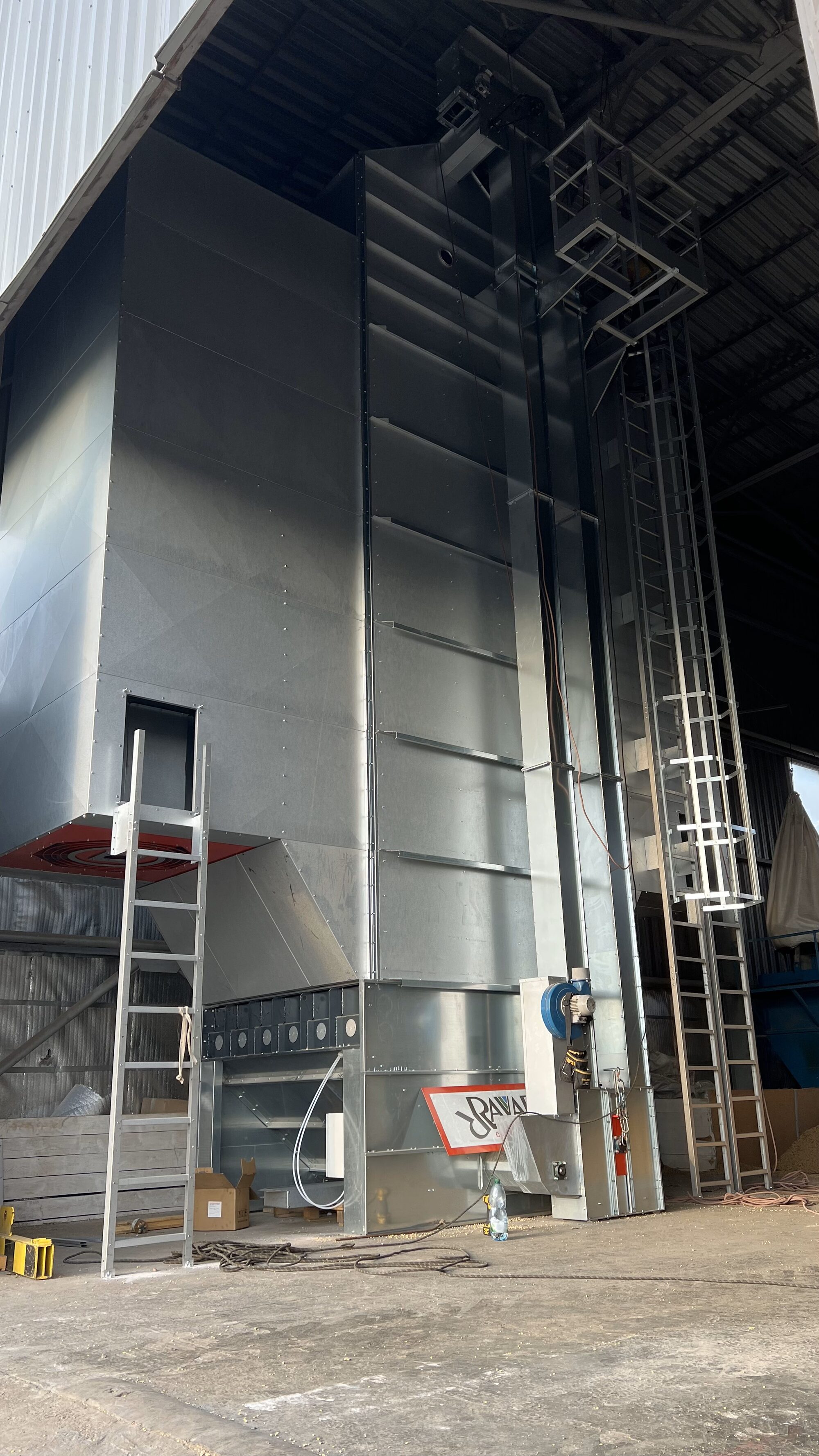
The Ravaro RR is attractive for soybeans precisely because of its tempering phase: it helps equalise moisture within the bean and reduces the sharp moisture gradients that cause coat cracking. It is a convenient option for farms and operations with medium throughputs and high batch quality requirements.
Ravaro RC — continuous-flow drying for high volumes
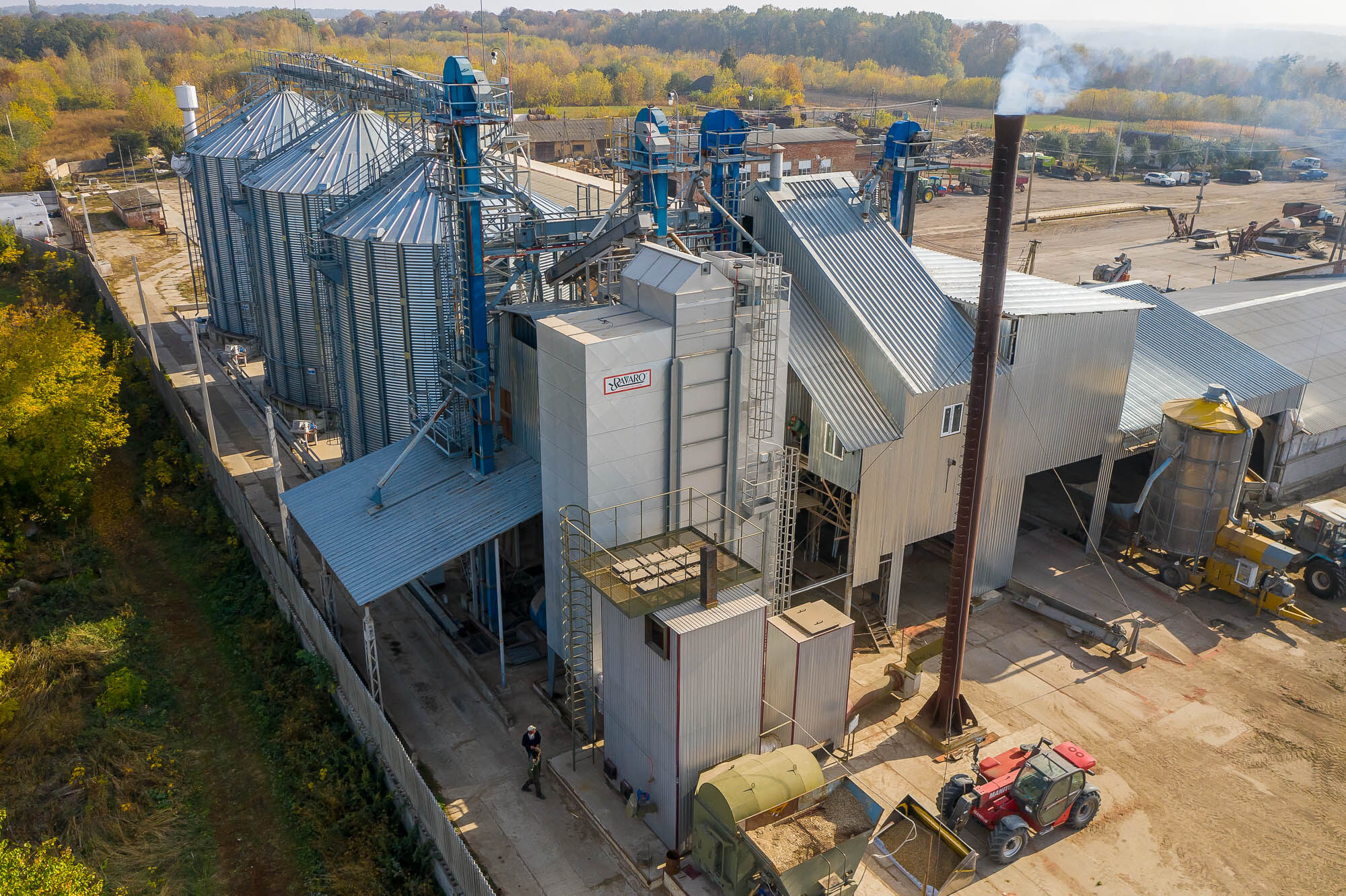
The Ravaro RC is designed for steady throughput and large volumes of commodity soybeans. It suits elevators and processors where throughput is the priority. For soybeans, the gentle regime, agent relative humidity, and careful conveying are engineered individually to avoid accumulating splits and cracks.
Alvan Blanch DF — continuous-flow double-pass dryer
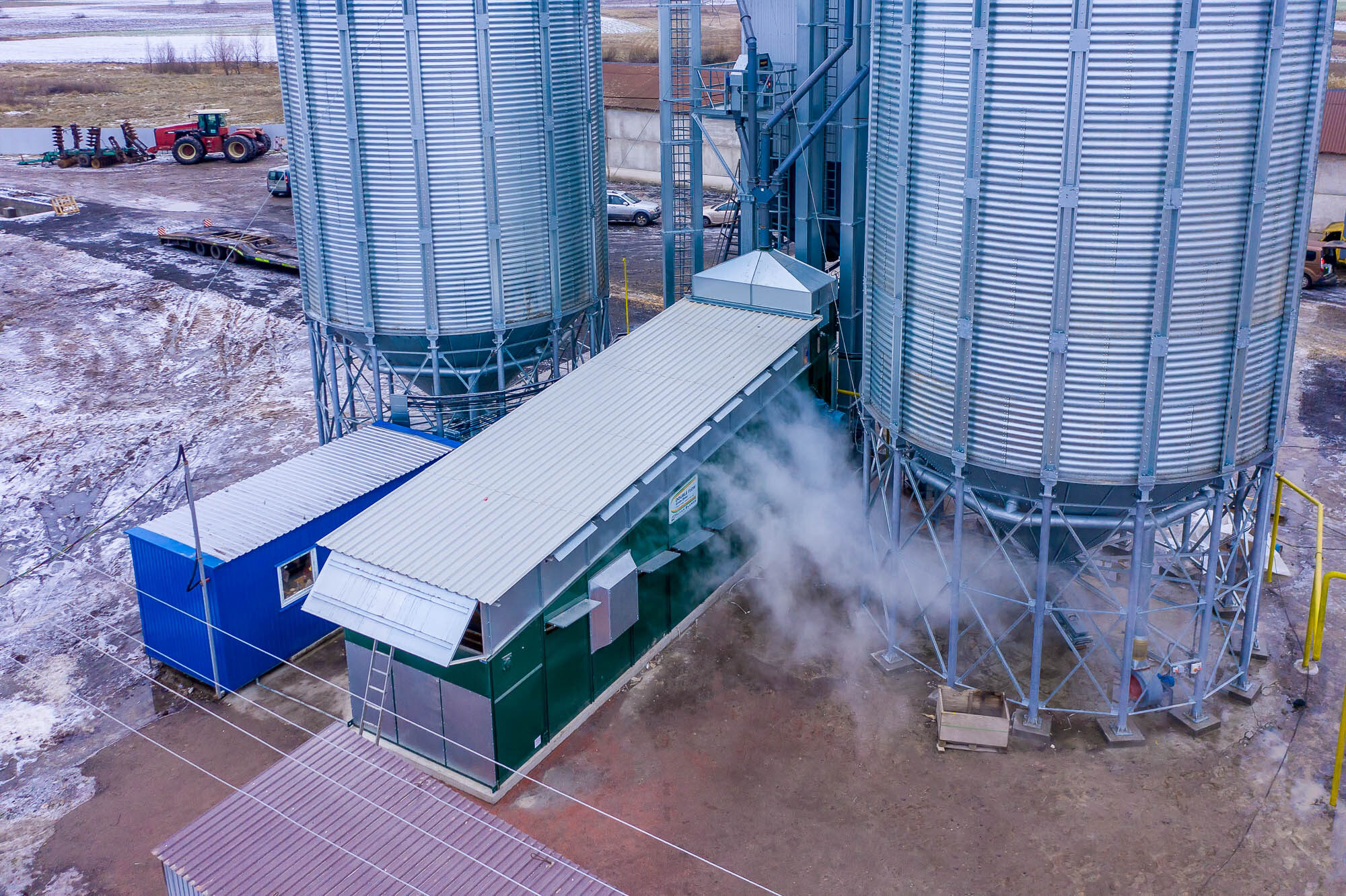
The Alvan Blanch DF is a versatile continuous-flow double-pass dryer. The double-pass flow and layer inversion produce more uniform drying, which is especially important for soybeans: less localised over-drying and fewer cracks. The precise regime for a specific soybean batch is set individually, with emphasis on gentleness and uniformity.
Alvan Blanch BD — batch dryer
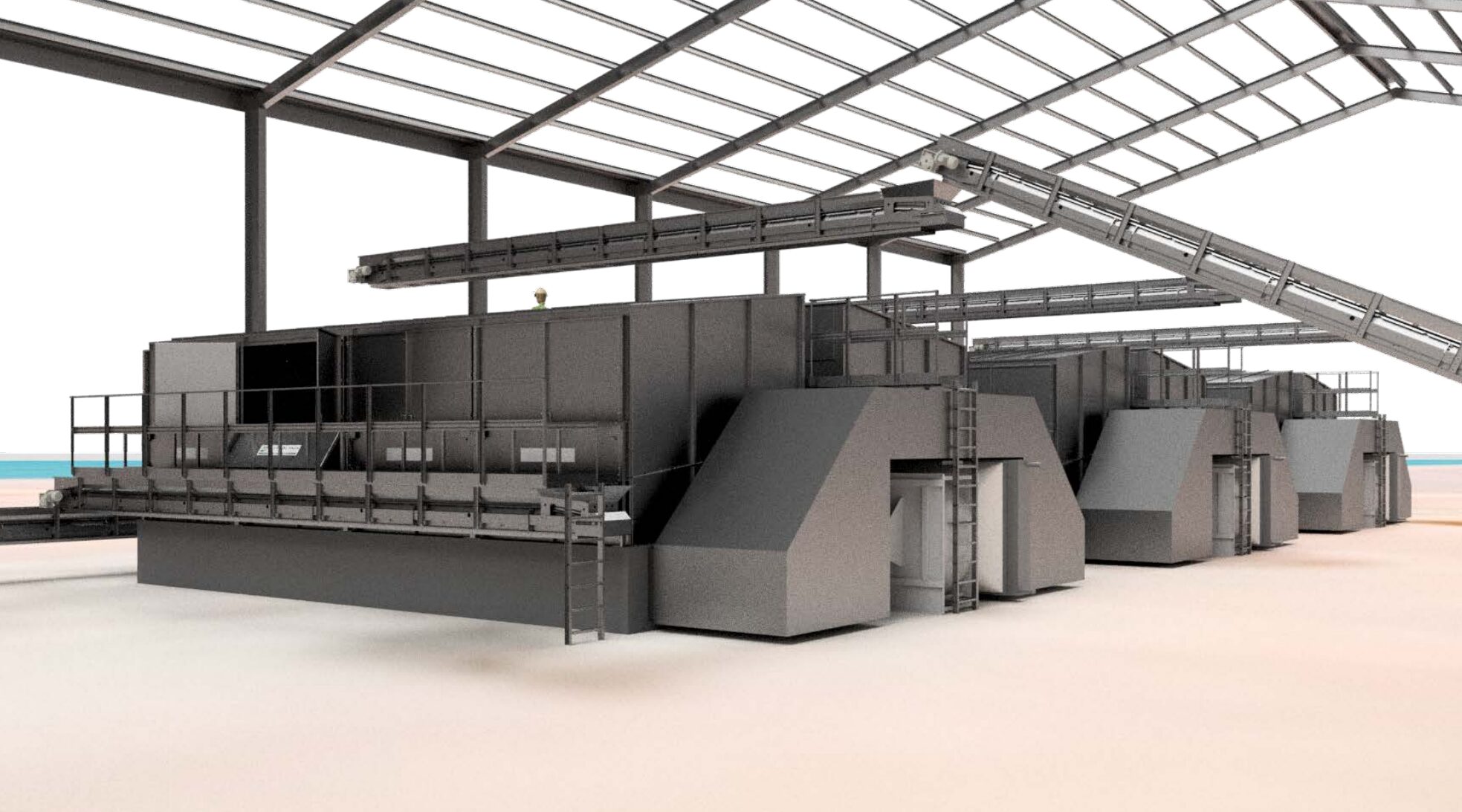
The Alvan Blanch BD is a batch dryer, including low-temperature configurations. It should be considered for seed and food-grade soybean batches: limited moisture removal per pass, gentle heating, and uniformity make it easier to control temperature, residence time, and seed coat integrity.
Agrex AGD-F with elevator leg
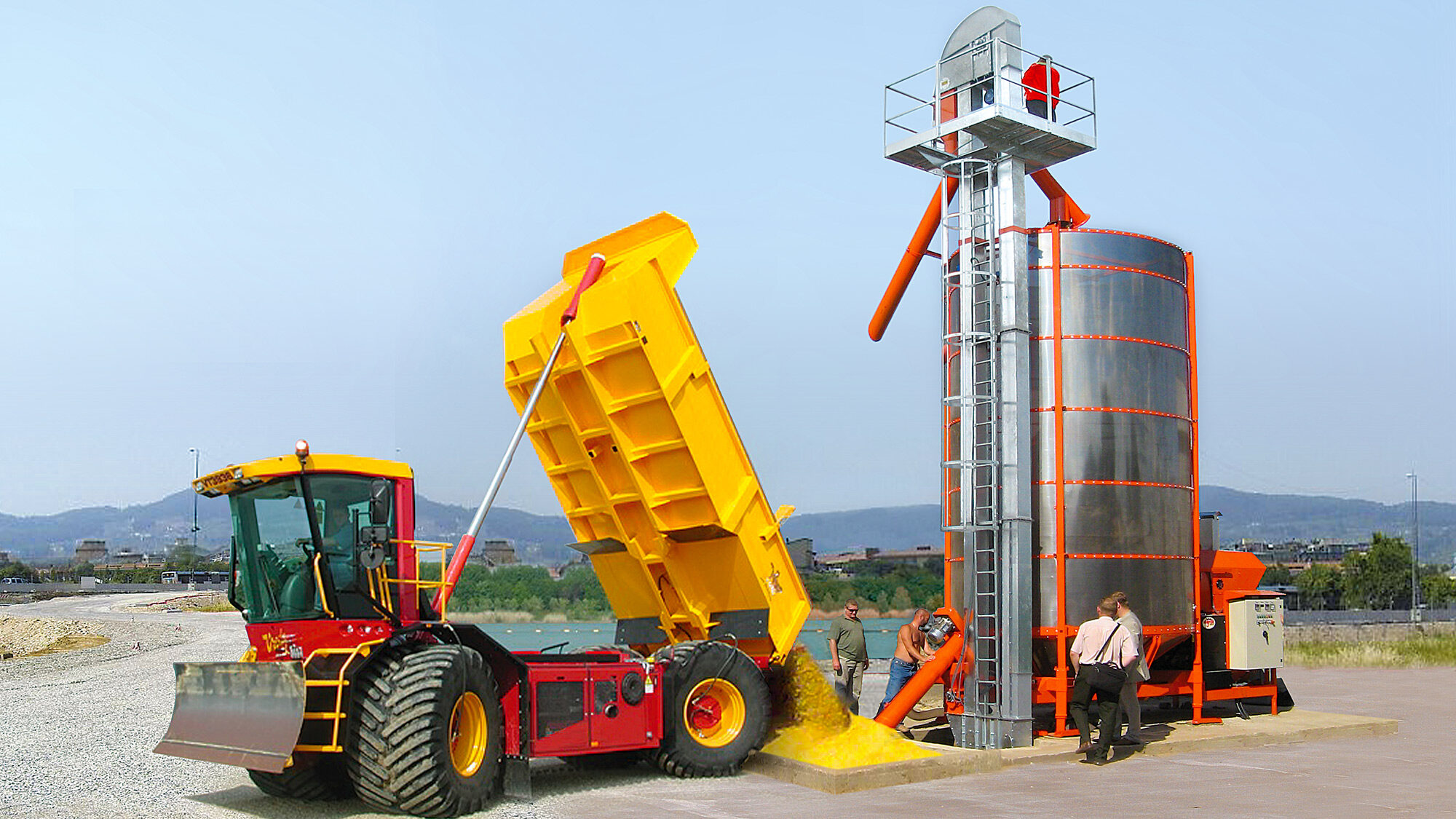
Agrex suits farms and operations that need a mobile or compact stationary dryer. For soybeans, however, we consider Agrex only in the bucket elevator configuration — for example, the AGD-F. Most mobile dryers on the market are equipped with auger recirculation, and for abrasive soybeans an auger increases splits, wear, and the risk of metallic dust. We therefore do not recommend mobile auger Agrex configurations for soybeans.
FAO — vertical continuous-flow and batch dryers
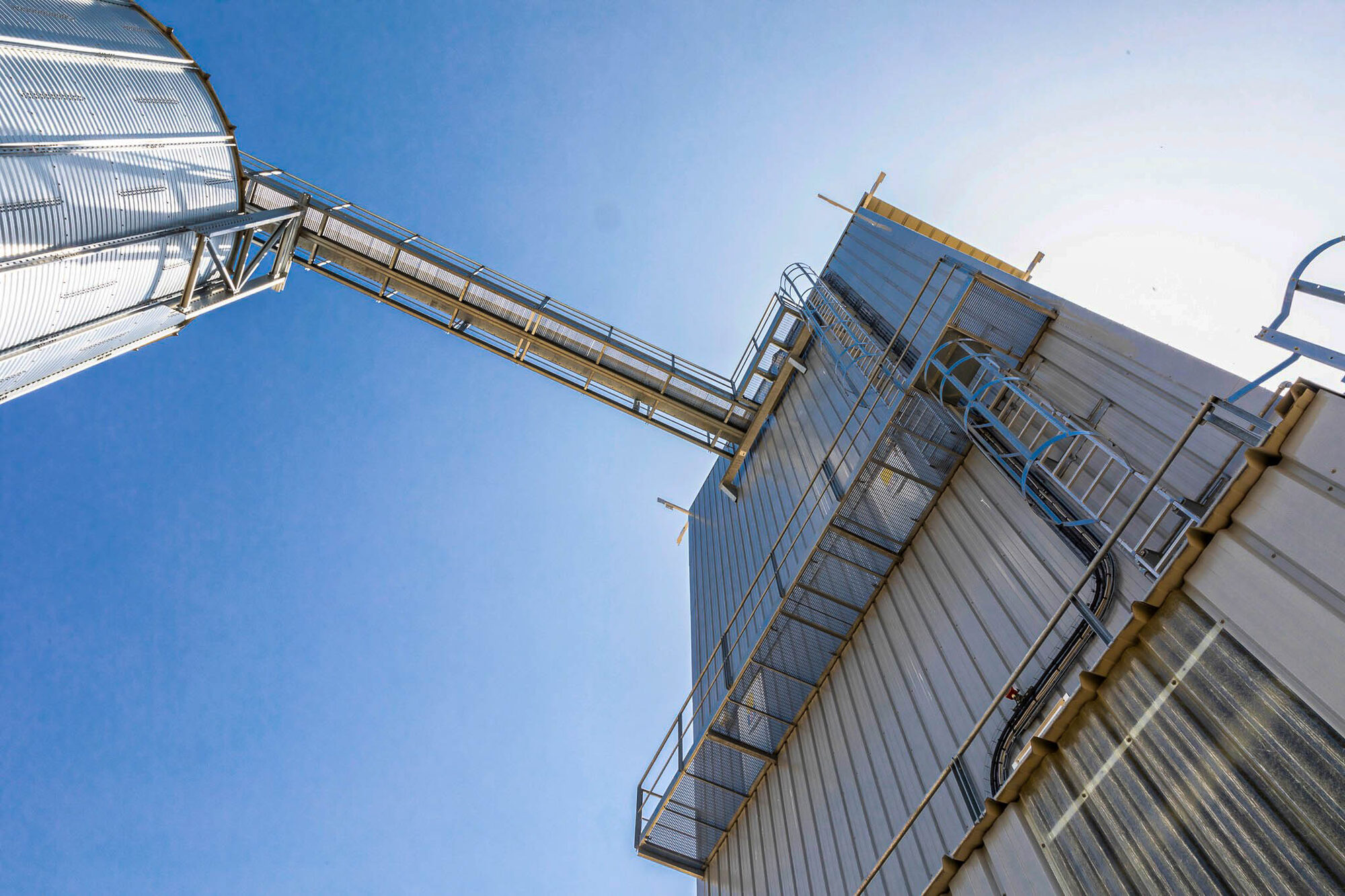
FAO is a French grain dryer manufacturer. Continuous-flow (series ACE, ACEX, SCE) and batch (series AR) FAO dryers are suitable for soybeans when correctly set to a gentle regime. Two-zone dryers such as FAO E6/E7, Bonfanti CE, Scolari SR, Stela Bi-Turbo and similar follow maize-drying logic: they will dry soybeans, but at lower efficiency and throughput, and are much harder to convert to a steam or heat-exchanger heat source.
Herbas and low-temperature solutions
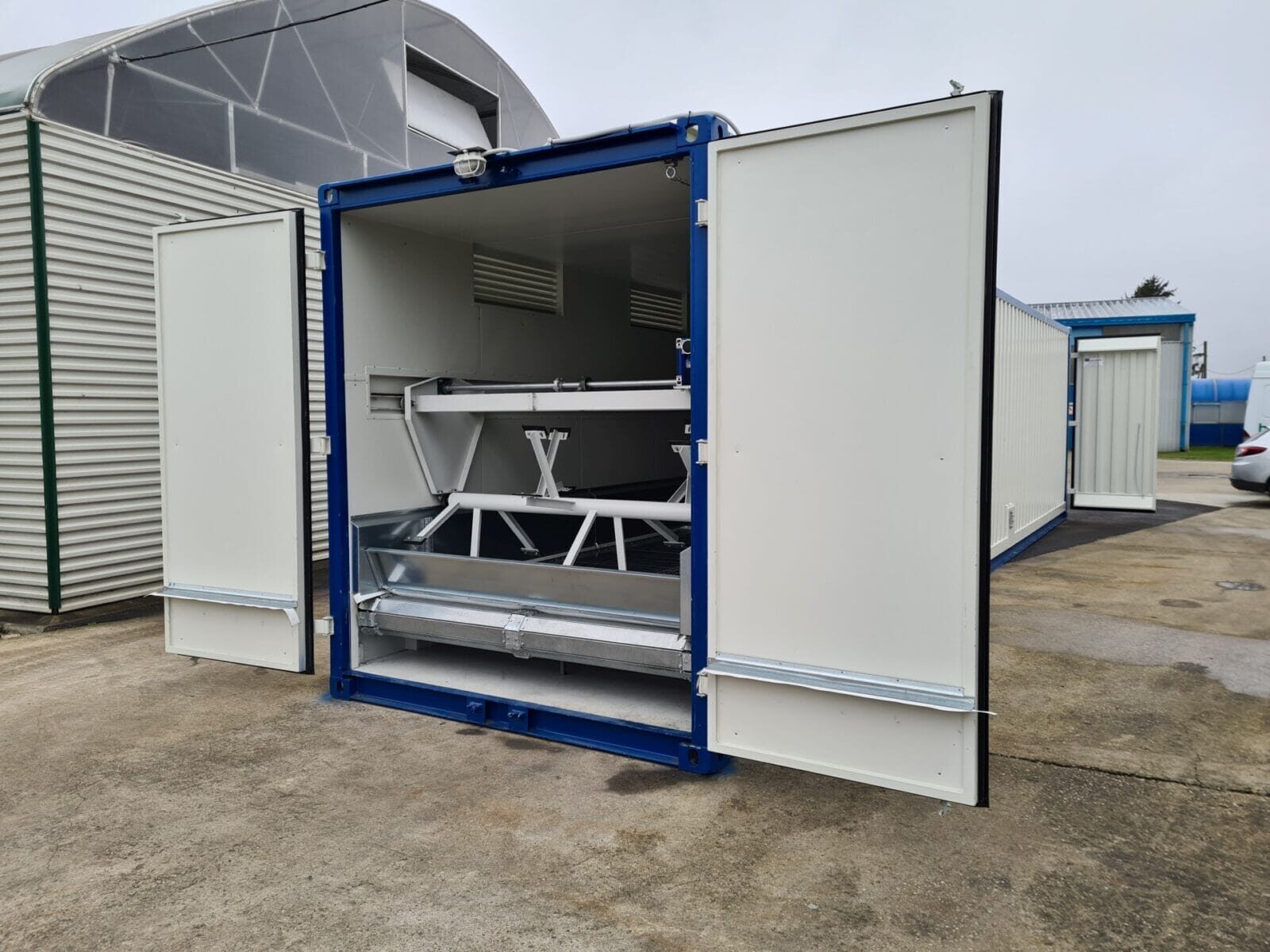
For seed, food-grade, or particularly sensitive batches, low-temperature drying in a bin or container can be considered as a way to condition soybeans with maximum gentleness. This is not always fast, but works well when quality matters more than speed and when germination and seed coat integrity must be reliably preserved.
What we do not recommend for soybeans
For soybeans we do not recommend:
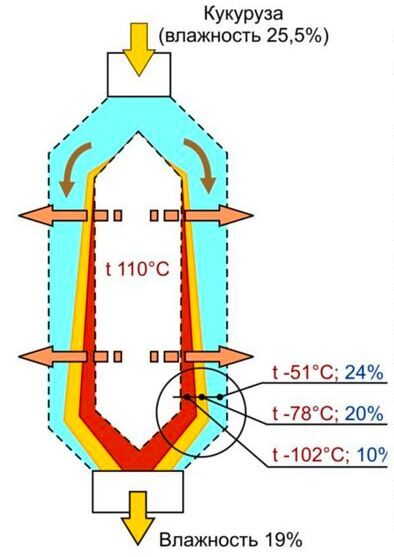
- cross-flow column dryers — grain at the hot inner wall overheats and over-dries, which for abrasive and crack-prone soybeans creates elevated risk of splits, uneven drying, and localised overheating (see diagram);
- mobile dryers with auger recirculation;
- any configuration where soybeans are visually or technically fed through an auger;
- two-zone grain dryers such as Bonfanti CE, Scolari SR, Stela Bi-Turbo, FAO E6/E7 and similar — these follow maize-drying logic. They can dry soybeans, but at lower efficiency and throughput, and are much harder to convert to a steam or heat-exchanger heat source;
- dryers where heat recovery or recirculation of dusty air cannot be disabled when drying oilseeds (for example, Bonfanti — both the two-zone CE series and the farmer ECOS models);
- dryers without adequate aspiration and cleaning where the product stream contains significant soybean dust, hulls, stems, and trash.
Soybeans at the oil extraction plant: steam and low-temperature drying
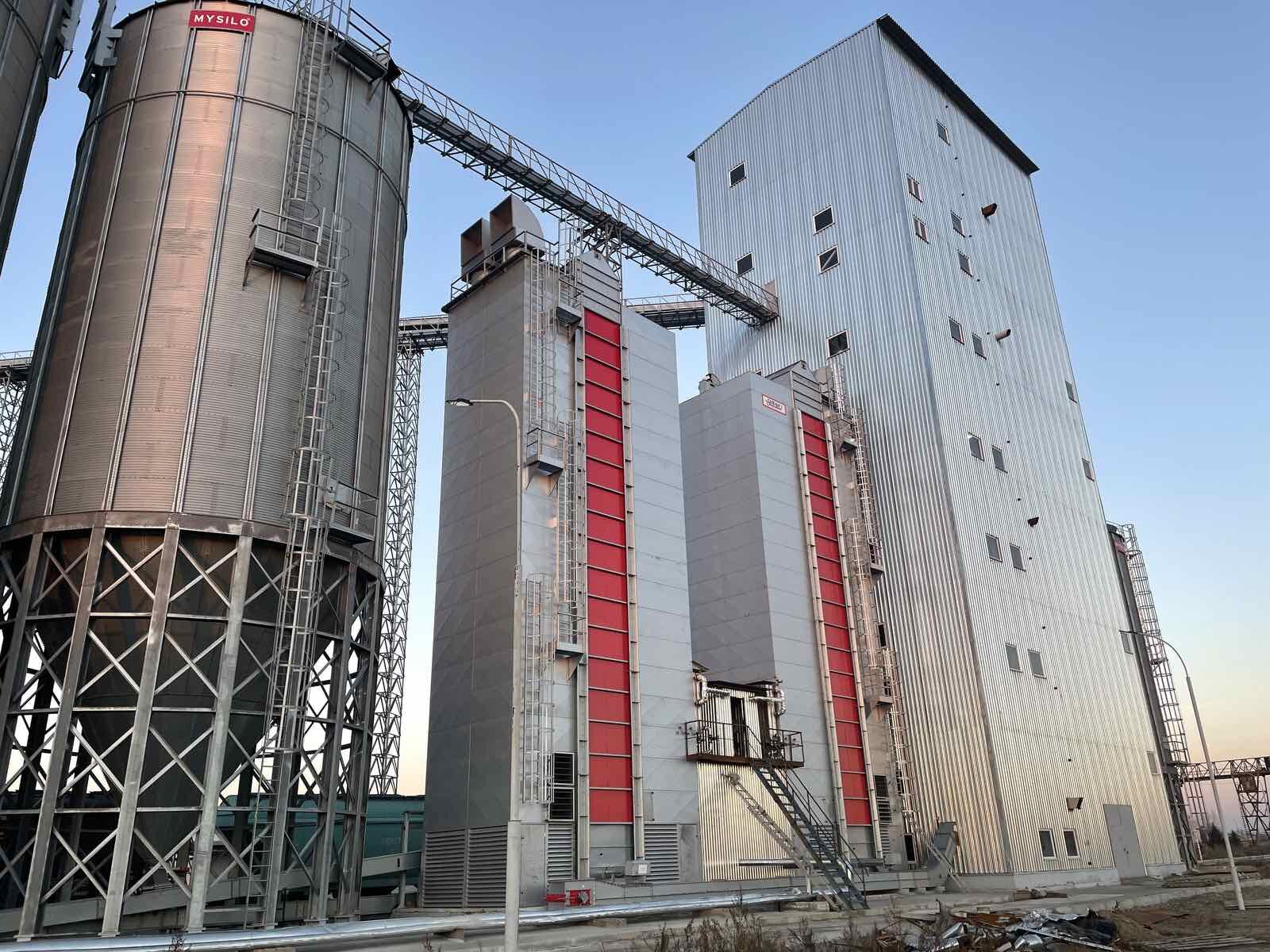
For oil extraction plants soybeans are a typical product where heat exchanger and steam drying is the logical choice. Steam is already part of the processing line at oil mills, so steam-heated drying offers several advantages:
- only clean heated air enters the drying shaft — no sparks or combustion products;
- it is easier to maintain a low temperature regime;
- reduced fire risk when handling an oilseed crop;
- the heat exchanger can be positioned close to the shaft to minimise temperature loss.
For oilseeds including soybeans, heat recovery and recirculation through the burner must be disabled if the product stream contains dust and organic residues. Oilseed dust in the burner zone is a direct fire hazard. Further details on system configurations are given in the articles on steam grain drying and fires in grain dryers.
Roasting and toasting soybeans — this is not drying
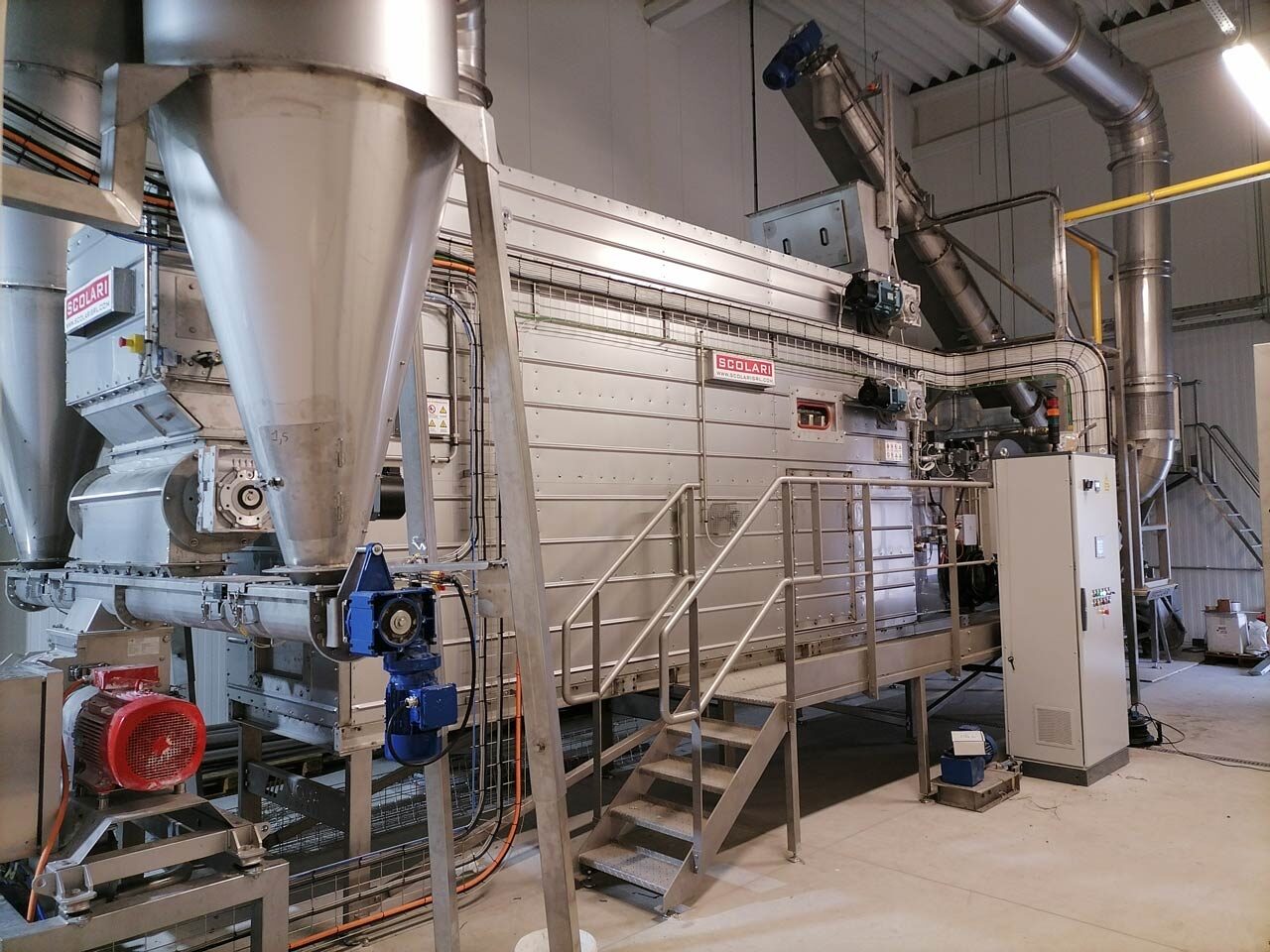
Soybean drying is sometimes confused with roasting or toasting. These are different processes and require different equipment.
Soybean drying solves the problem of achieving a safe moisture level for storage. Toasting solves a different problem: heat treatment of soybeans for feed or food use, including control of anti-nutritional factors and protein quality.
For example, Scolari toasters are dedicated roasting lines (impianti di tostatura) for soybeans, lupins, peas, cereals, and other oilseeds and legumes. The product passes through sequential stages of roasting and cooling; heat is provided by linear burners in a large airstream, while heat recovery from exhaust air and insulated housings reduce energy consumption. The process temperature is in the order of 150–280 °C — far above any drying regime — and line throughput is approximately 3–20 t/h. This heat treatment reduces urease activity and anti-nutritional factors in soybeans, gelatinises starch, and improves protein digestibility — it serves a feed and food purpose, not a storage purpose.
If the goal is not to dry but specifically to heat-treat or roast soybeans, that is a different process and different equipment. Scolari toasters TC / LFV are solutions for toasting and roasting, not for soybean drying, and are not included in our dryer offering for soybeans.
What we need to know to select a dryer for your soybeans
To select equipment accurately, we ask for the following information about the batch:
- intended use: commodity, seed, food-grade, or oil extraction plant;
- initial moisture after harvest;
- required final moisture;
- throughput, t/h;
- acceptable percentage of splits and cracked coats;
- whether the product will go to seed, tofu, natto, feed, or oil;
- fuel type;
- whether steam is available on site;
- requirement for auger-free handling;
- method of product intake and discharge;
- availability of pre-cleaning;
- dust and fire safety constraints.
With this information we select the dryer type, regime, and heat system specifically for your soybean batch — not "for grain in general."
Sources and primary references
View source list
Below are the reference publications on soybean drying and storage that underpin this article (external links open in a new tab):
- University of Arkansas System Division of Agriculture — On-Farm Drying and Storage of Soybeans (air humidity above 40 % against coat cracking; commodity soybeans up to 130 °F, seed soybeans not above 100 °F; sensitivity to mechanical damage);
- North Dakota State University Extension — Soybean Drying, Storage Could Be Challenging (maximum approximately 130 °F for non-food; seed below 110 °F; RH above 40 %; fire risk from chaff and plant debris; soybeans at 11 % ≈ maize at 13.5 %);
- Iowa State University Extension — Storing soybean (commodity for winter storage up to 13 %, seed for one season up to 12 %, carry-over stock up to 10 %; soybeans approximately 2 points drier than maize; time in heated zone less than 30 minutes);
- Michigan State University Extension — Drying and storing wet soybeans (continuous-flow below 130 °F, batch below 110 °F; RH above 40 %; increased cracked seed coats and split beans at 100/130/160 °F; food-grade and seed soybeans not to be dried aggressively);
- Embrapa — Influência da temperatura de secagem sobre as propriedades físicas dos grãos de soja (trials at 40–80 °C; increasing air temperature degrades physical properties of soybean grain);
- MDPI Seeds (2025) — Hot-Air Drying Temperature Affects Physiological Performance in Soybean Seeds (40–50 °C safer for physiological seed quality; 60–70 °C impairs vigour and membrane integrity);
- Embrapa — Tecnologia da produção de semente de soja de alta qualidade (soybean seed quality depends on harvest, drying, processing, storage, and transport; seed soybeans require a gentler technology chain);
- Finpro Engineering — internal materials on fires in grain dryers and steam grain drying, as well as the practical magnet-and-soybean-dust video demonstrating auger wear (internal Finpro engineering materials).
Frequently asked questions about drying soybeans
At what temperature should soybeans be dried?
It depends on the intended use and dryer type. Seed and food-grade soybeans are dried gently — approximately 38–43 °C. Commodity (feed) soybeans in continuous-flow mixed-flow dryers can be dried with a hotter agent — up to 80–85 °C (as used by most European manufacturers) — because in a mixed-flow dryer the grain is continuously agitated and does not overheat at a wall, and the soybeans themselves heat to a noticeably lower temperature than the air. The relative humidity of the air (above 40 %) and monitoring of coat cracking are also important.
Why do soybeans crack during drying?
Soybeans crack because of a sharp moisture and temperature gradient between the seed coat and the interior of the bean. Cracking is amplified by excessively dry air, aggressive heating, over-drying, and repeated re-hydration cycles. To reduce cracking, the relative humidity of the drying air should be kept above 40 %.
What moisture content should soybeans be dried to?
For standard storage, commodity soybeans are dried to approximately 13 %. For long-term storage and warm seasons — closer to 11–12 %. Seed soybeans are generally stored drier: up to 12 % for one season and up to 10 % for carry-over stock.
Can soybeans be over-dried?
Yes. Below approximately 11 % moisture, soybeans become brittle, with greater splitting and mass losses during transport and handling. Over-drying soybeans is not a safety margin — it is a direct loss.
Why are auger mobile dryers not recommended for soybeans?
Soybeans are abrasive and under intensive auger movement wear the metal. This leads to metallic dust, increased wear of dryer components, and downstream equipment up to and including the oil extraction line. Dryers with bucket elevator legs and gentler conveying are preferred for soybeans.
Can soybeans be dried in an Agrex dryer?
Yes, but for soybeans we use and specify only the elevator leg configuration, such as the AGD-F. We do not recommend mobile auger Agrex configurations for soybeans.
Are two-zone dryers suitable for soybeans?
Two-zone grain dryers — such as Bonfanti CE, Scolari SR, Stela Bi-Turbo and FAO E6/E7 — follow maize-drying logic. They can dry soybeans, but efficiency and throughput drop and they are much harder to convert to a steam or heat-exchanger heat source, so for soybeans we lead with single-zone continuous-flow and batch series instead.
Is roasting the same as drying soybeans?
No. Drying reduces moisture to a safe level for storage. Roasting or toasting is a separate heat treatment process used for feed or food applications. It requires different equipment and is not included in our soybean dryer offering.
Ready to discuss drying your soybeans?
Tell us what you have: commodity, seed, food-grade, or oil mill soybeans; initial and target moisture; required throughput; available fuel; and whether steam is on site. Describe the acceptable split percentage and any requirement for auger-free handling — and we will select the dryer type, a safe gentle regime, the heat system configuration, and indicative throughput for your specific soybean batch. Contact us in whichever way is most convenient.
Still have questions? Get in touch!
By phone
WhatsApp: +90 (536) 452-1184By e-mail
Our address: info@finpro.engineering
Related products
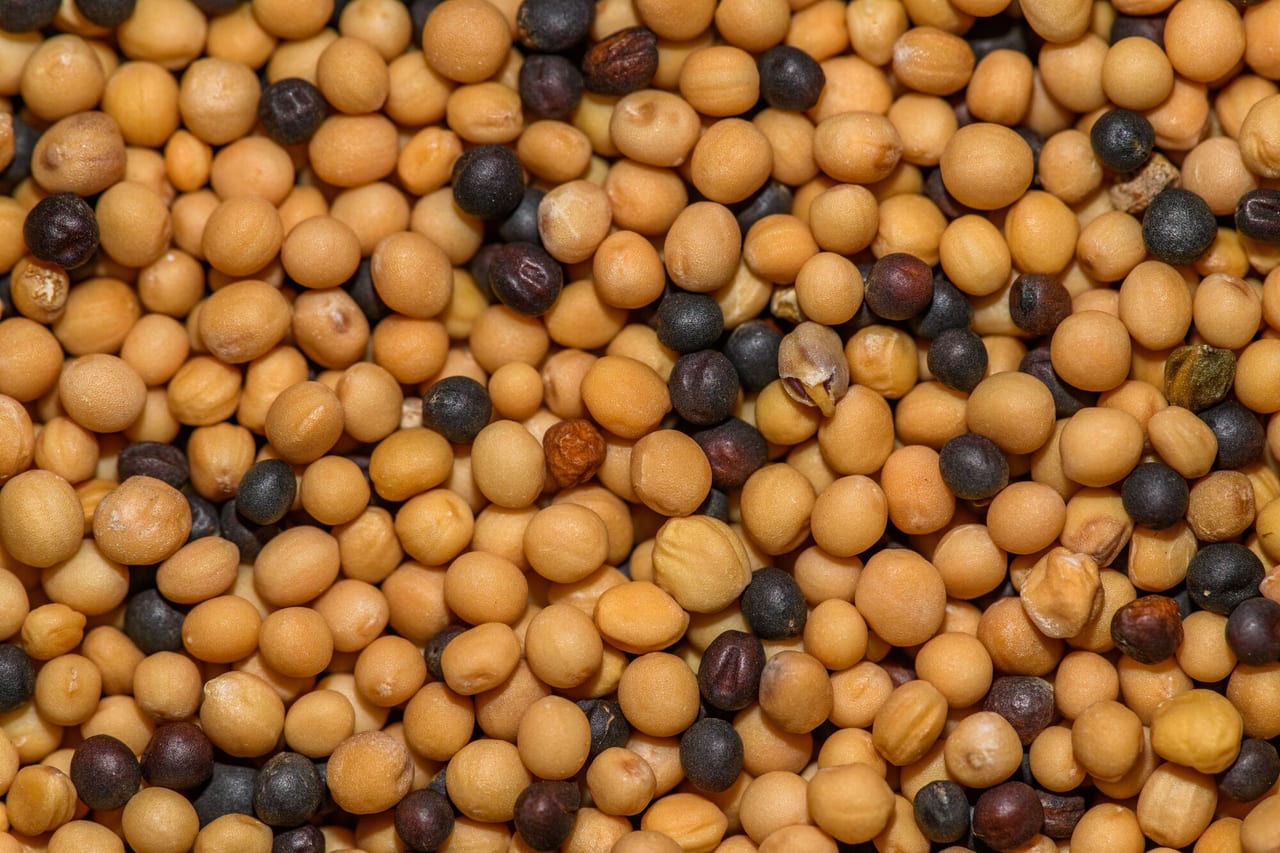
Mustard
A small-seeded oilseed crop of major importance (white, brown and black mustard). It is dried gently with temperature control to preserve oil quality, pungency and germination; the small seed requires a sealed flow path and a precise screen.
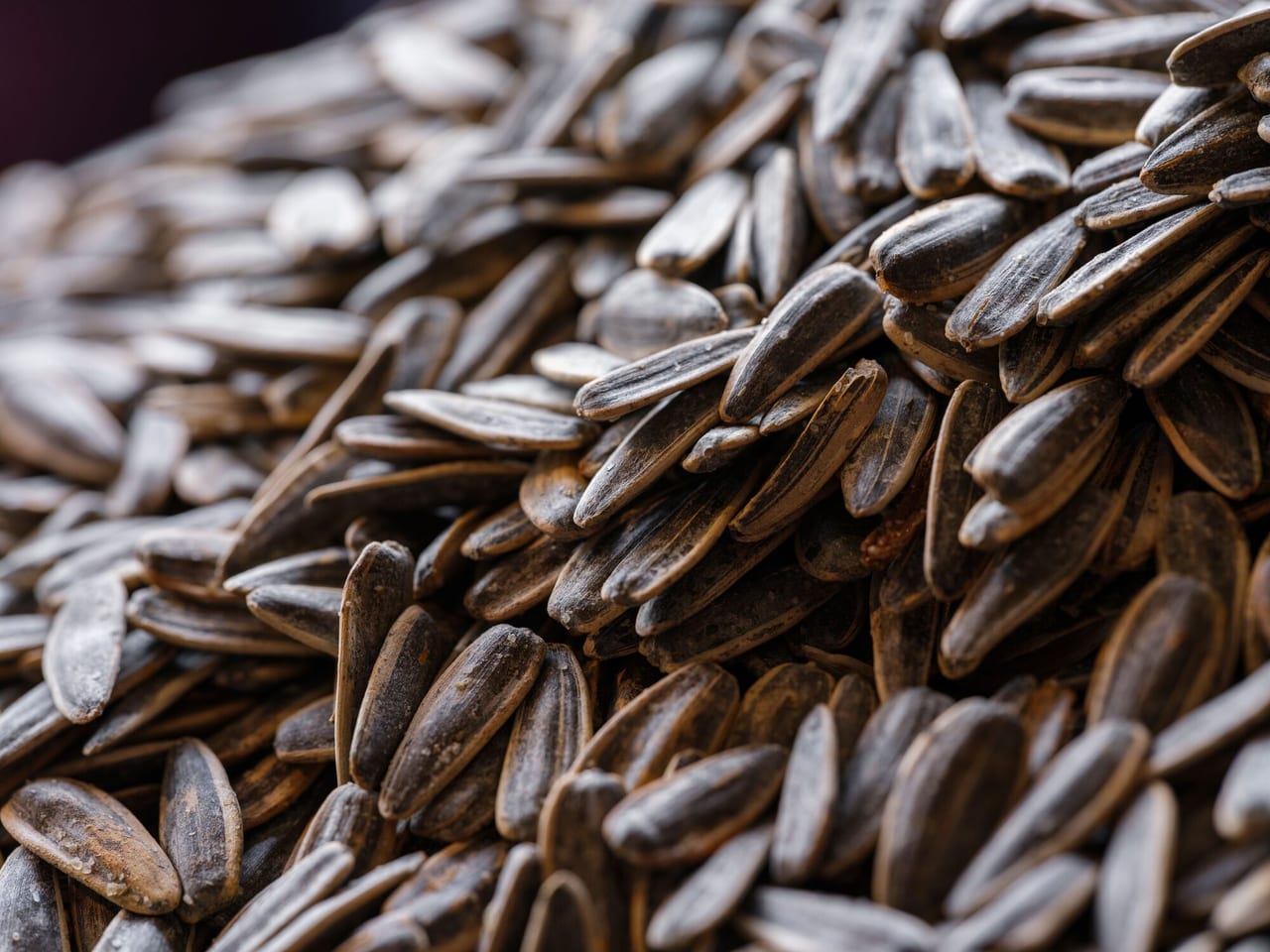
Sunflower
Sunflower is a fire hazard and prone to self-heating. It needs temperature control, cleaning of husk and dust, and a careful thermal scheme.
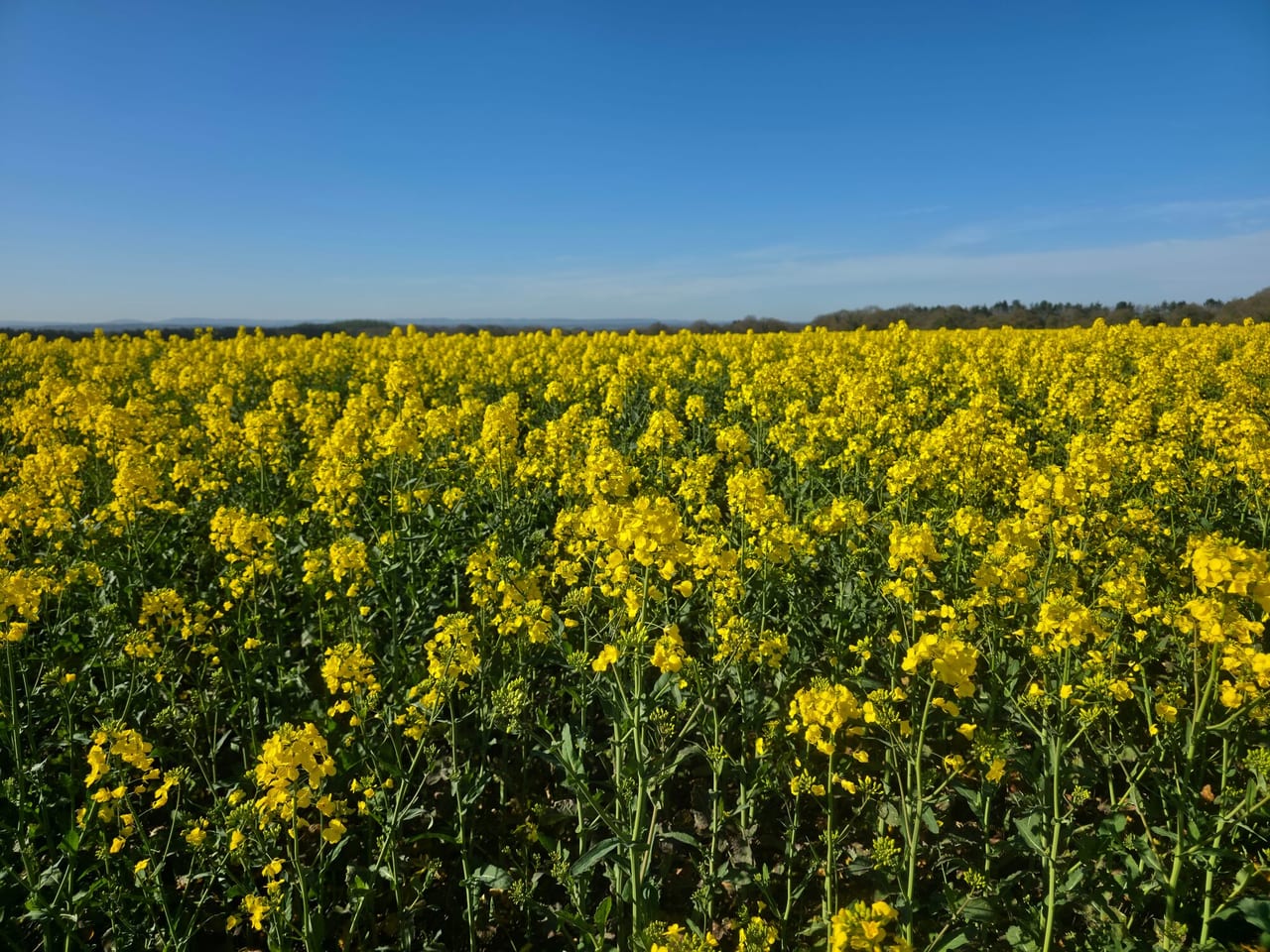
Rapeseed / canola
A small seed with high oil content; evenness and protection against the fine fraction spilling through are important.
Our Products
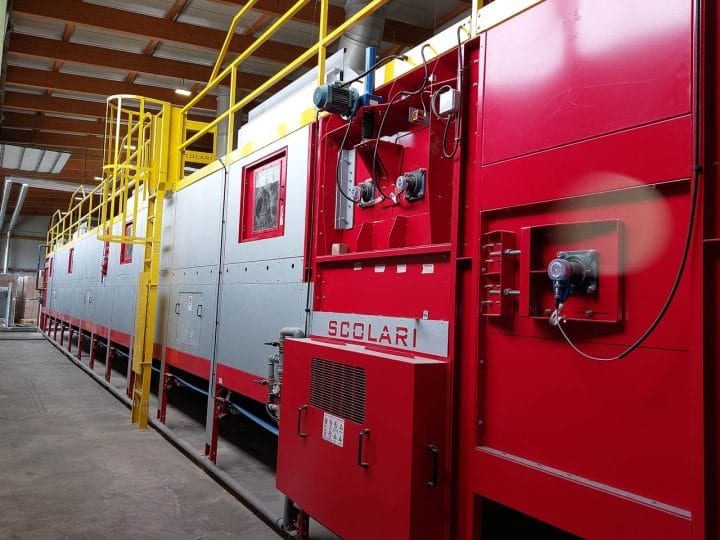
Universal Dryers
These dryers can be customized to dry any industrial or agricultural product you may require. Depending on the specific product and its moisture content, the dryers can be equipped with mixers, movable floors, vibrating floors, and other advanced technologies.
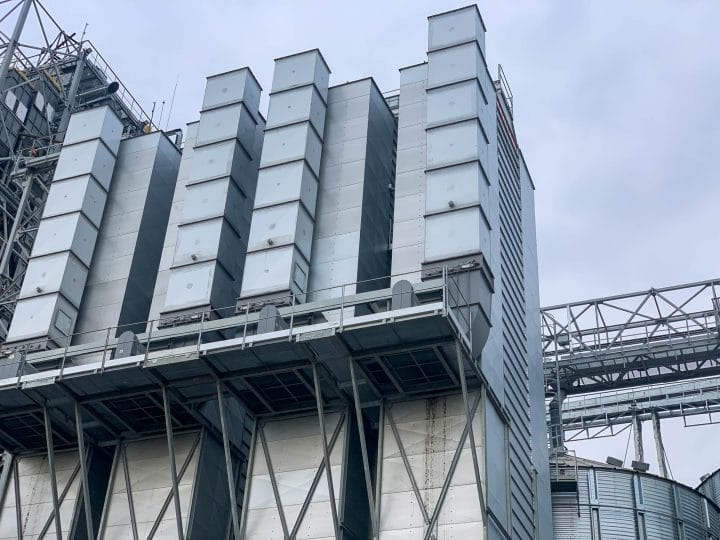
Grain Dryers
Authorized representative for top European grain dryer manufacturers like Alvan Blanch, FAO, and Agrex. Offering a full range of advanced drying solutions for agriculture.
Contact Us
If you are interested in purchasing any of our products, need a price quotation, or have any questions, comments, or suggestions, please do not hesitate to contact us via our contact form, by phone, or by email.
- WhatsApp: +90 (536) 452-1184
- E-mail: write to us
Our phones:
- Kazakhstan: +7 (747) 095-1626
- Moldova: +373 (22) 011-214
- Romania: +40 (31) 229-8484
- Türkiye: +90 (536) 452-1184 (English)
- Ukraine: +380 (67) 111-6668