
Drying Mustard: Temperature, Moisture, and Equipment Selection
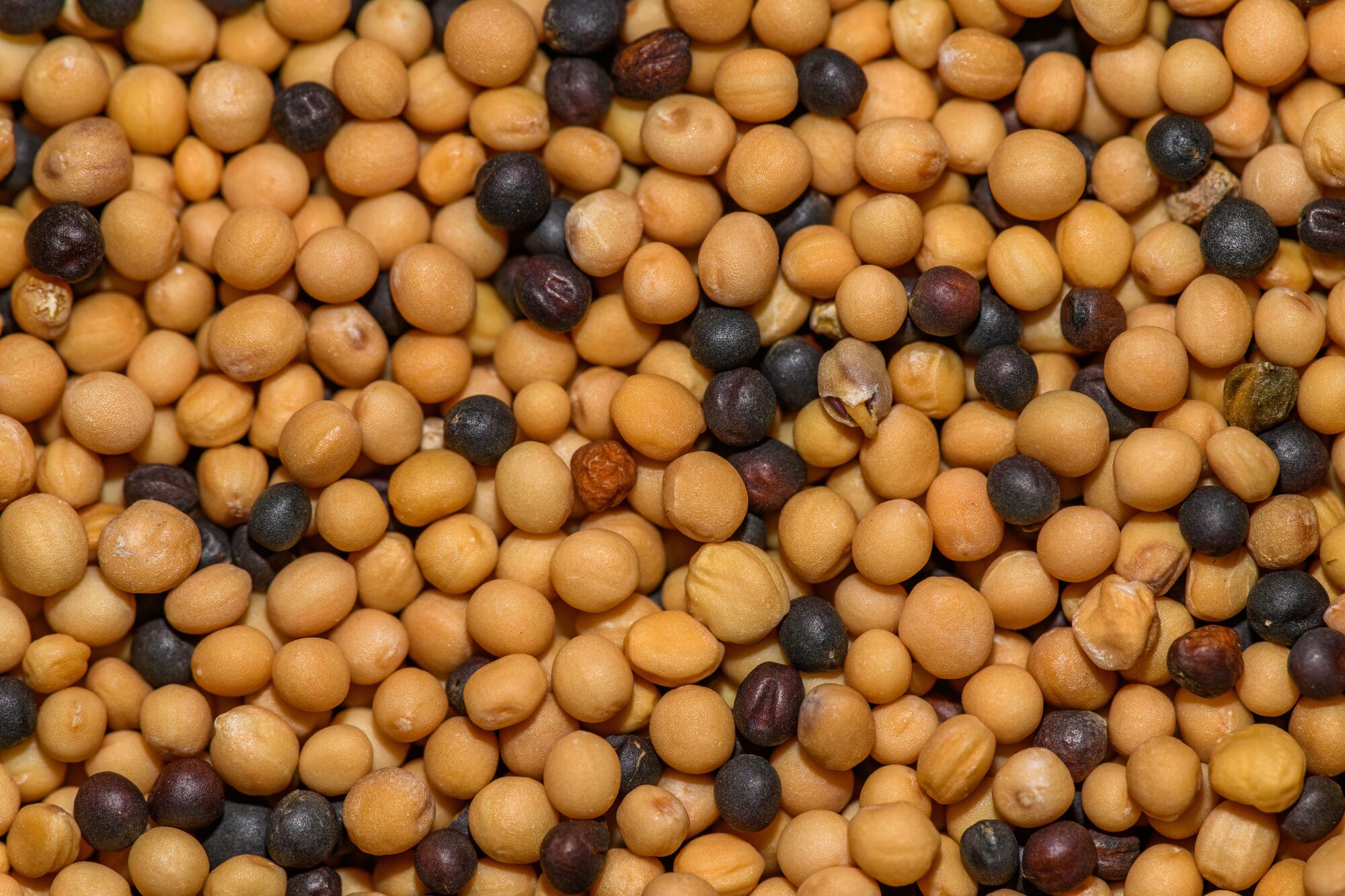
Mustard is not ordinary grain. It is a small oilseed: it must be stored at lower moisture levels, overheats more easily, can sift through standard grain-dryer perforations, and requires especially careful temperature control. The question of what temperature to dry mustard at cannot be answered using the same logic as wheat, barley, or maize.
Three things matter for mustard: bringing the seed down to a safe moisture level, avoiding overheating the seed itself, and physically retaining it inside the dryer. For condiment-grade mustard there is a fourth consideration — preserving pungency and the processing properties of the raw material. For seed mustard the primary criterion is different: germination capacity.
In brief: mustard is typically dried to around 9 % moisture, keeping the seed temperature within safe limits (a practical reference for commodity mustard: up to 45 °C at the seed, up to 65 °C for the drying air). Batches with very high initial moisture are best dried in two passes with intermediate cooling. The key engineering challenge is the very small seed size: fine-mesh screens or perforations, correct aspiration, precise temperature control, and mandatory post-drying cooling are all essential.
Quick Answer
Mustard is typically dried to around 9 % moisture for safe storage. It is important not to exceed the safe seed temperature during drying: a practical reference for commodity mustard is up to 45 °C at the seed and up to 65 °C for the drying air. If mustard arrives from the field at very high moisture, it is better to dry it in two passes with intermediate cooling rather than trying to remove all the moisture in a single run.
The primary engineering challenge of mustard is its very small seed size. Standard perforations designed for grain crops may not retain mustard. The dryer must therefore have fine-mesh screens or perforations, correct aspiration, precise temperature control, and mandatory post-drying cooling.
Our Dryers for Mustard and Small-Seeded Crops
Mustard is a small-seeded oilseed crop — and when it is seed-grade material, it is also a planting crop: suitable dryers are those that can be adapted for small seeds with a gentle regime, fine-mesh screens or perforations, and careful aspiration. What will differ is not simply whether a machine can be used, but the precision of the setup: screen aperture, mechanical gentleness, seed-temperature regime, and fire safety. Two-zone grain dryers are not listed for mustard.
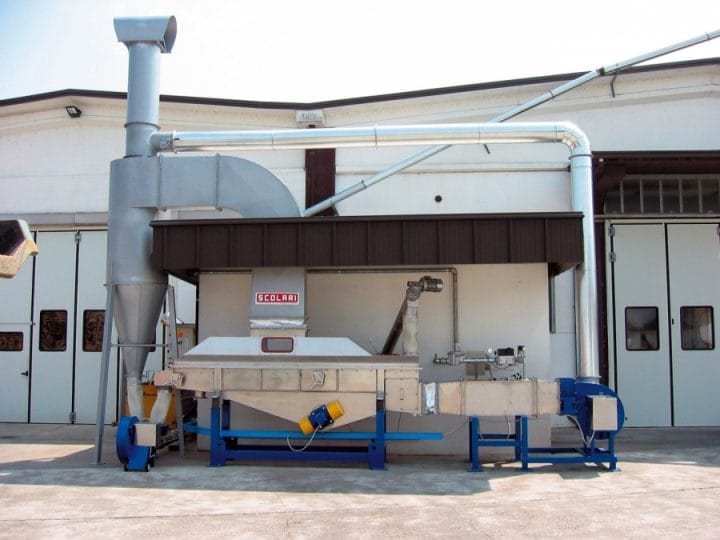
Scolari Vibratory Dryers
Italian Scolari vibratory dryers create an artificial boiling layer of the material being dried, which allows it to be blown through from all sides and effectively remove surface moisture. Suitable for materials with surface moisture, granulated products, or flowing powders.
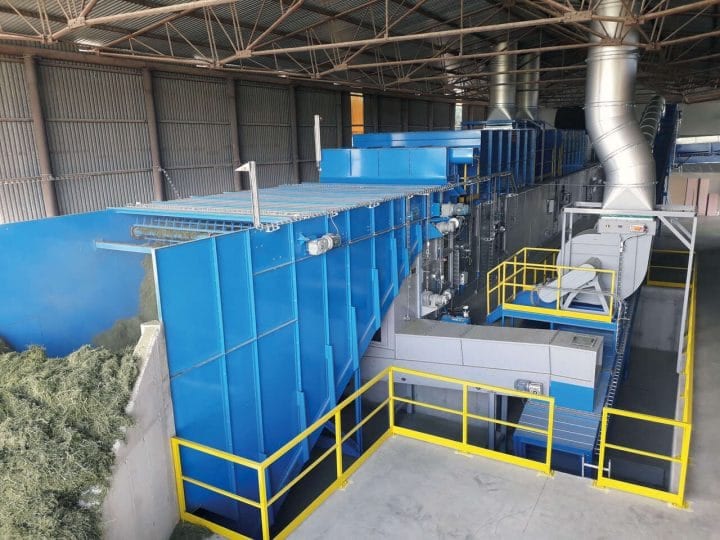
Scolari Dryer With Movable Conveyor Belt
Horizontal dryers feature perforated steel or plastic movable floors designed for drying various materials. Airflow can be configured from top to bottom or vice versa.
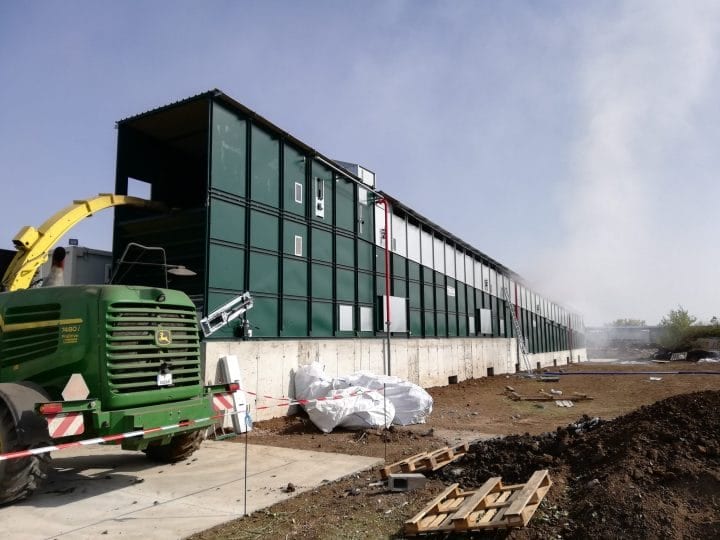
Alvan Blanch Conveyor Dryer
British universal conveyor dryers for non-grain agricultural and industrial products. Thanks to their horizontal design, built-in distribution and stirring systems, they can dry a wide range of materials.
What We Are Drying: Condiment, Oil-Extraction, or Seed Mustard
Before selecting a drying regime, the intended use of the batch must be understood.
Condiment mustard goes to milling, mustard powder, table mustard, and other food products. Here, not only storage moisture matters but also flavour quality: pungency, aroma, and the raw material's ability to develop the characteristic mustard profile.
Oil-extraction mustard goes to oil pressing. The main risk here is overheating the oil within the seed: oxidation, rising acid value, and deterioration of oil and meal quality.
Seed mustard is planting material. It is dried more gently because overheating can reduce germination rate and germination energy.
Green-manure or forage mustard is not typically a subject of industrial seed drying. If the seeds are intended for sowing a green-manure crop, the seed-mustard logic applies. If the subject is the green mass itself, this article on seed drying does not apply.
Why you cannot simply use the rapeseed regime
Rapeseed and canola are useful reference points because they too are small-seeded oilseed crops. But mustard is not a straight substitute for rapeseed. Condiment mustard requires preserved pungency and enzymatic activity; seed mustard requires germination capacity; oil-extraction mustard requires oil quality. Rapeseed regimes can be used as an engineering analogy, but not as an unconditional certified regime for mustard.
Key Characteristics of Mustard in Drying
Mustard presents several technological challenges simultaneously.
First — low safe storage moisture. Wheat and barley are routinely stored at higher moisture levels, whereas mustard must be brought down to around 9 %. This is because oilseeds with excess moisture self-heat more rapidly and store less reliably.
Second — small seed size. Mustard can sift through standard apertures that work perfectly well for grain crops. Overlooking this in advance leads to seed losses, blockages, and uneven airflow.
Third — risk of overheating. During drying it is important to monitor not only the air temperature but the actual seed temperature. The air can be hotter, but the seed must not overheat.
Fourth — fire safety. Small oilseeds and their dust require a clean dryer, good aspiration, and a cautious regime. Overheating at the burner zone, around the screens, or in dust accumulations is a real hazard.
Fifth — quality of condiment mustard. The pungency of mustard is linked to enzymatic processes. With excessive heat treatment, some of the raw material's processing properties can deteriorate.
Mustard Storage Moisture
For safe long-term storage of commodity mustard, a target of around 9 % moisture is standard. The threshold for "dry" mustard is often cited at around 9.5 %, but for long-term storage it is preferable to go lower — to approximately 9 %.
If the moisture is slightly above the safe level, drying or active ventilation may be applied depending on the actual moisture level, temperature, and available equipment. If the moisture is high, simple ventilation will not solve the problem: a dryer is needed.
| Batch condition | Practical implication |
|---|---|
| Around 9 % | target for safe long-term storage |
| Around 9.5 % | often considered the "dry" mustard threshold, but drier is better for long-term storage |
| 9.5–15 % | drying is usually required for stable storage |
| Above 15 % | better to dry in two passes with intermediate cooling |
| Below 6–7 % | risk of breakage and cracking during handling, by analogy with other small oilseeds |
It is important not only to dry the seed but also to cool it before placing it in storage. Warm mustard in a silo or warehouse can continue to "breathe," create pockets of moisture, and self-heat. The first weeks of storage are especially important for temperature monitoring.
Two-Pass Drying of Wet Mustard
If mustard arrives from the field very wet, there is no benefit in trying to remove all the moisture rapidly in a single pass. For moisture above 15 %, a two-stage approach is more logical:
- First, reduce moisture to approximately 13 %.
- Cool the seed to ambient air temperature.
- Then complete the drying to approximately 9 %.
- Cool again before placing the batch in storage.
This approach reduces the risk of overheating, over-drying of the outer layer, and quality damage. For a small oilseed this is especially important: aggressive moisture removal can compromise both storability and the processing value of the batch.
Why intermediate cooling matters
After the first pass the seed remains warm. Continuing with aggressive drying immediately increases the risk of overheating and uneven drying. Cooling equalises the condition of the batch and reduces the thermal load. For an oilseed crop this matters more than it does for most grain crops.
Drying Temperature: Air and Seed Are Not the Same Thing
For mustard it is not sufficient to say "drying temperature 65 °C" or "temperature 45 °C" without specifying which is meant.
Air temperature is the temperature of the drying agent delivered into the seed bed.
Seed temperature is the actual product temperature. This is what is most directly linked to the risk of quality loss.
For commodity mustard the practical reference is: do not exceed approximately 65 °C for the air and approximately 45 °C for the seed itself. For seed mustard the regime must be gentler still. In European seed production practice, stricter air-temperature limits are commonly applied for oilseeds, because the objective is to preserve germination capacity rather than merely to prepare a commodity batch for storage.
| Intended use | Regime reference | What matters |
|---|---|---|
| Commodity condiment mustard | air up to 65 °C, seed up to 45 °C | storage moisture, pungency, food quality |
| Oil-extraction mustard | close to rapeseed/canola logic, but without overheating the seed | oil quality, acid value, fire safety |
| Seed mustard | gentler than commodity mustard | germination rate and germination energy |
| Very wet batch | two-pass with intermediate cooling | reduce overheating and uneven drying |
Condiment Mustard: Why Pungency Matters
For condiment mustard, value is tied not only to oil content and moisture level. Pungency develops through the transformation of glucosinolates by the enzyme myrosinase. With excessively harsh heat treatment, enzymatic activity can decrease, and the raw material loses part of its characteristic flavour potential.
For mustard destined for powder, table mustard, and food processing, drying should therefore not be viewed purely as technical water removal. It is important to recognise that overheating can alter the properties of the product even if the seed looks visually normal.
What myrosinase is in plain terms
Myrosinase is an enzyme that participates in the development of mustard's characteristic pungency. While the seed is whole and dry, the reaction barely proceeds. When the seed is ground and water is added, the enzyme becomes active. If the raw material is overheated, enzymatic activity can decline, and the flavour becomes less pronounced.
Oil-Extraction Mustard: Overheating and Fire Safety
If mustard is destined for oil pressing, the main risks are overheating, oxidation, and fire. Oilseeds are high in fat, and fine fractions and dust increase the risk of localised overheating. The dryer must therefore be clean, properly aspirated, and free of accumulated plant residues near hot zones.
For oilseed crops the logic is straightforward: the higher the initial moisture, the more cautious the regime must be. A very wet batch is better dried gently and, if necessary, in multiple passes. After drying the seed must be cooled; otherwise a warm mass in storage can again create self-heating pockets.
Seed Mustard: A Separate Gentle Regime
Seed mustard is not dried for oil extraction or milling — it is dried to preserve future germination. The commodity mustard regime cannot therefore be applied mechanically. Air temperature must be lower, moisture removal per pass must be more conservative, and the mechanical handling must be gentler.
For seed material, batch, chamber, or other gentle solutions are appropriate — those that allow temperature control without damaging the seed. Maximum throughput is not the priority; preserving germination rate, germination energy, and batch uniformity is.
Screens and Perforations: The Key Engineering Question
Even if a dryer is suitable in terms of temperature, it may not be physically suitable. Mustard is a small seed, and standard grain perforations may be too coarse. The seed will sift through, block sections of the dryer, reach places where it should not be, and cause losses.
For rapeseed and linseed, finer screens are commonly used than for grain crops. For mustard, even finer perforations may be required — approximately 1.0 mm or 0.8 mm, but the exact solution needs to be confirmed against the actual seed size, variety, batch cleanliness, and dryer design.
This is not a minor detail — it is one of the key questions in equipment selection. A dryer without the correct screen may formally be described as "an oilseed grain dryer," yet in practice perform poorly with mustard.
Which Dryers Are Suitable for Mustard
Mustard is not suited to "any grain dryer" — only to dryers that can be configured for a small oilseed.
Agrex AGD / AGD-F
Suitable for mobile and stationary drying, provided the correct screen or perforation is fitted together with a careful regime and temperature control.
Alvan Blanch DF / BD
Can be considered for small-seeded and sensitive crops, especially where gentle regime adjustment is required.
Ravaro RR / RC
Applicable as grain/oilseed solutions when correctly configured for small seeds and a safe temperature regime.
FAO AR / ACE / ACEX / SCE
Can be considered as batch and continuous-flow solutions for commodity lots, provided the design and perforations retain mustard seed.
Scolari C and Alvan Blanch BD-RA
More appropriate in the context of seed mustard or particularly sensitive small batches.
Two-zone grain dryers are not listed for this article. For mustard the key questions are not two-zone design but small seed size, oilseed nature, gentle regime, and fire safety.
What Matters in a Dryer for Mustard
Fine screens or perforations
Without these, seed can sift through and be lost.
Seed temperature monitoring
Air temperature can be set on the control panel, but quality depends on the actual product temperature.
Gentle recirculation or mixing
Moisture must be equalised without damaging the seed.
Post-drying cooling
Warm mustard in a silo is a self-heating risk.
Aspiration and cleanliness
Dust and fine oilseed fractions increase the fire risk.
Two-pass capability
Especially important when moisture exceeds 15 %.
Common Mistakes When Drying Mustard
First mistake — drying mustard as if it were ordinary grain. Its storage moisture target is lower, and its temperature risks are higher.
Second mistake — not checking the perforations. Even a correctly chosen regime will not help if the seed physically falls through the screen.
Third mistake — focusing only on air temperature. The actual seed temperature must be understood and monitored.
Fourth mistake — placing a warm batch into storage without cooling first. This creates pockets of moisture and self-heating.
Fifth mistake — treating commodity, seed, and condiment mustard as interchangeable. Seed mustard needs a gentler regime; for condiment mustard, preserving the processing pungency is equally important.
What We Need to Select the Right Equipment
To calculate a dryer for mustard, the following data are needed:
- Crop type and intended use: condiment, oil-extraction, or seed.
- Initial moisture.
- Target storage moisture.
- Throughput, t/h or t/day.
- Seed fraction and size.
- Batch cleanliness: proportion of dust and fine impurities.
- Quality requirements: germination rate, pungency, oil quality, colour.
- Available fuel and fire-safety requirements.
- Availability of cooling and subsequent aeration in the silo.
Frequently Asked Questions About Drying Mustard
What moisture level should mustard be dried to?
For long-term storage of commodity mustard, the target is around 9 %. The "dry" seed threshold is often cited at around 9.5 %, but for safe long-term storage it is better to keep moisture below that figure.
What drying temperature is safe for mustard?
For commodity mustard the practical reference is no more than 65 °C for the drying air and no more than 45 °C for the seed itself. For seed mustard the regime must be gentler.
Why does mustard need a special screen?
Mustard is much smaller than most grain crops. Standard perforations may not retain the seed. Before drying, the screen, perforation, and any potential sifting zones must be checked.
Can mustard be dried like rapeseed?
Rapeseed and canola are a useful reference but not a direct replacement. Mustard may be smaller, and for condiment use pungency and enzymatic properties matter. The regime must therefore be adapted accordingly.
What should be done if mustard moisture exceeds 15 %?
A two-pass drying approach is preferable: first reduce moisture to approximately 13 %, cool the seed, then complete drying to around 9 % and cool again before storage.
Why is oil-extraction mustard more hazardous to dry than grain crops?
Oilseeds contain fat, and fine dust and impurities can overheat and ignite. This makes aspiration, dryer cleanliness, temperature control, and the absence of overheating critical.
How does drying seed mustard differ?
Seed mustard is dried to preserve germination capacity. It requires a gentler temperature regime, more conservative moisture removal per pass, and careful mechanical handling. The commodity mustard regime should not be applied automatically to planting material.
Why must condiment mustard not be overheated?
The value of condiment mustard is linked to pungency. Harsh heating can reduce enzymatic activity and alter the processing properties of the raw material. For food processing applications it is therefore especially important not to overheat the seed.
Conclusion
Mustard is a technically demanding small-seeded oilseed crop to dry. It must be stored drier than grain crops, dried more gently than air temperature figures alone might suggest, and the physical seed size must always be taken into account. The key parameters are: storage moisture around 9 %, seed temperature control, correct screen specification, and fire safety.
For commodity and oil-extraction mustard, continuous-flow and recirculating-batch dryers are suitable when adapted for small seeds. For seed mustard, even gentler solutions are required. For condiment mustard, the objective is not only to dry the seed but also to preserve the quality on which pungency and product value depend.
Select a Dryer for Mustard
Tell us the initial moisture, intended use of the batch, required throughput, and seed size. We will recommend a dryer, screen specification, and safe drying regime for mustard.
Still have questions? Get in touch!
By phone
WhatsApp: +90 (536) 452-1184By e-mail
Our address: info@finpro.engineering
Related products
Sunflower
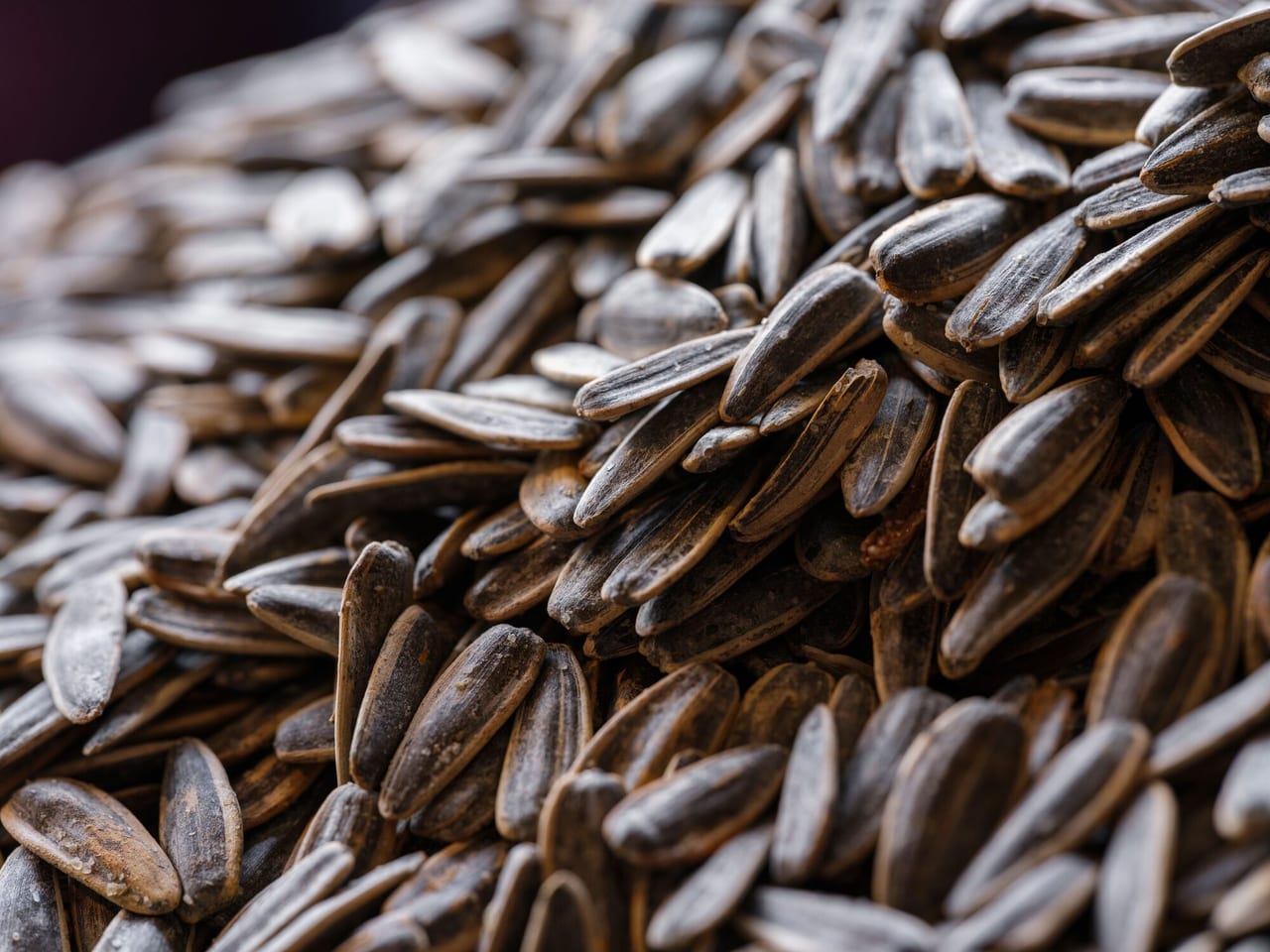
Sunflower is a fire hazard and prone to self-heating. It needs temperature control, cleaning of husk and dust, and a careful thermal scheme.
Soybean
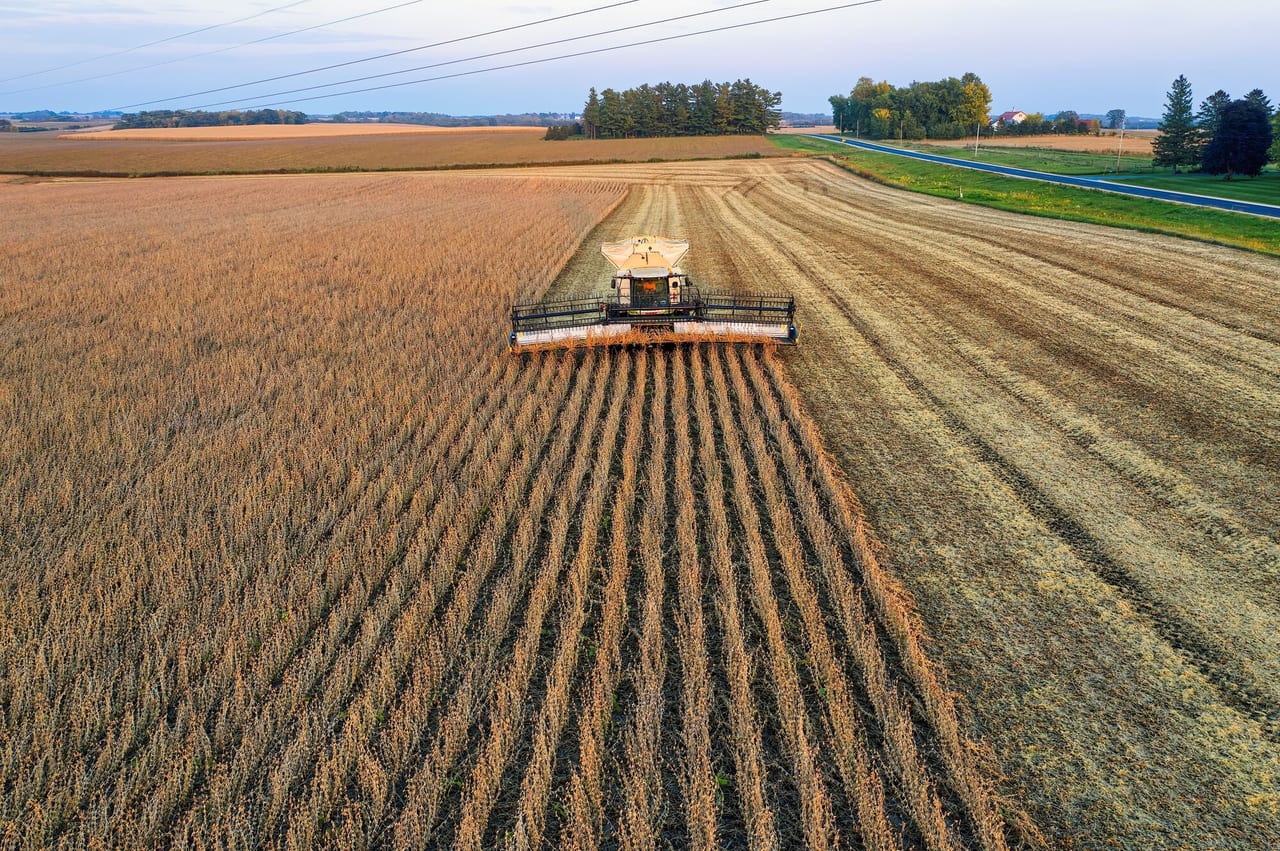
Soybean is prone to coat cracking and breakage under an aggressive regime; gentle drying without augers is needed.
Rapeseed / canola
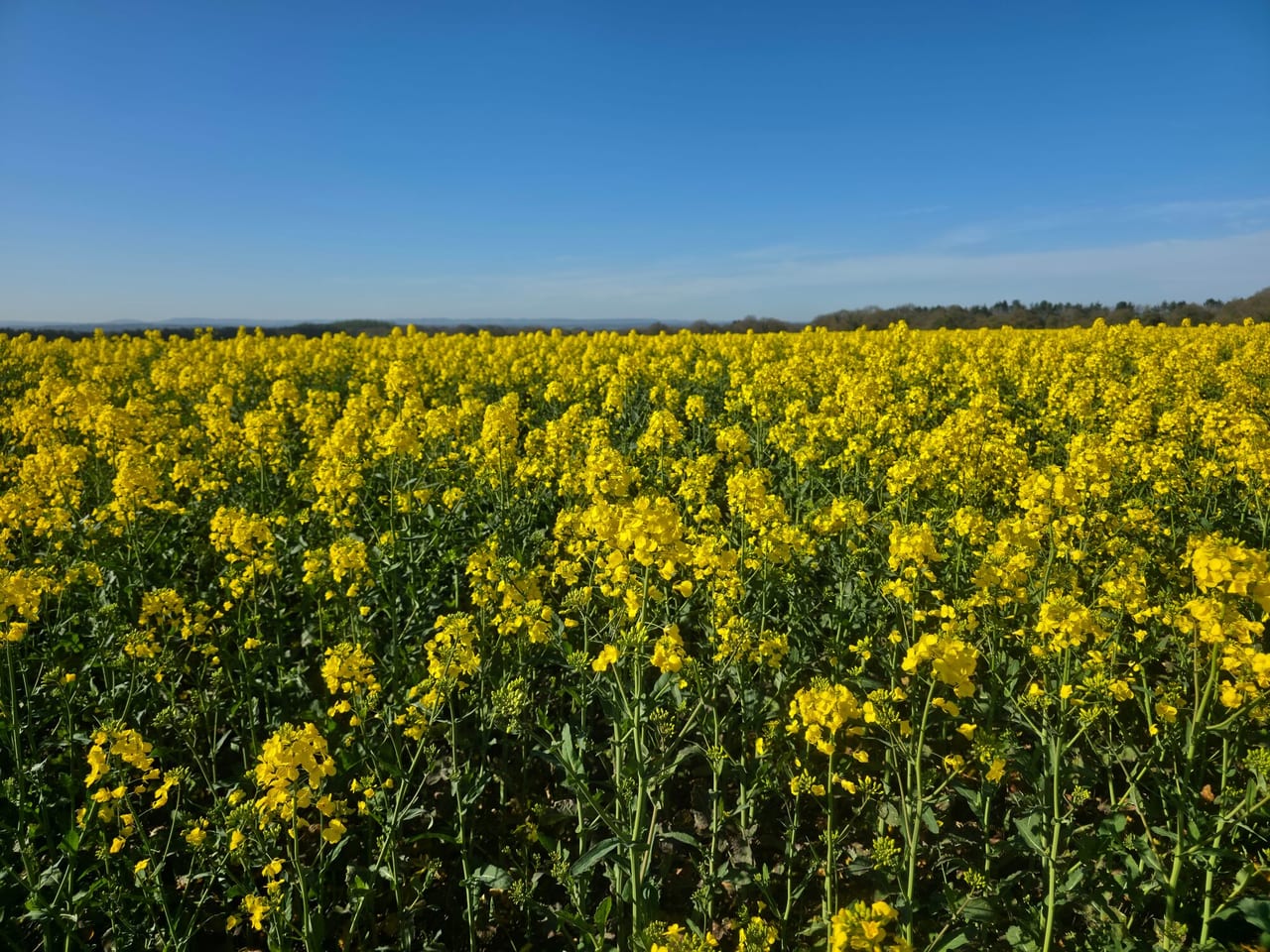
A small seed with high oil content; evenness and protection against the fine fraction spilling through are important.
Our Products
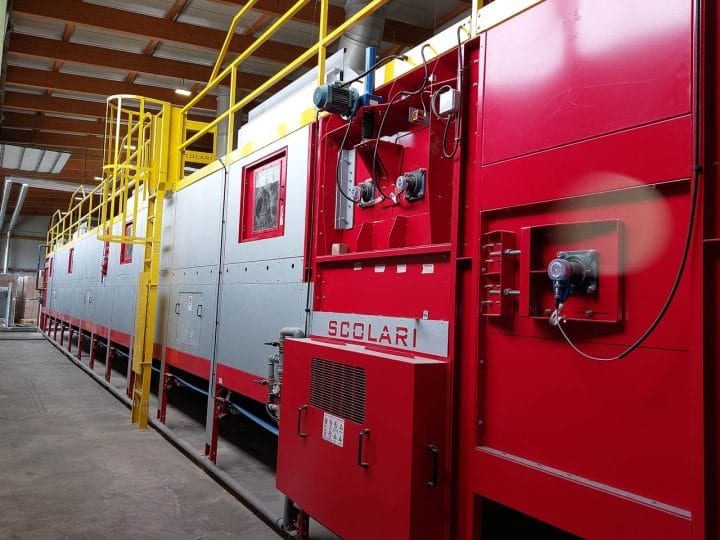
Universal Dryers
These dryers can be customized to dry any industrial or agricultural product you may require. Depending on the specific product and its moisture content, the dryers can be equipped with mixers, movable floors, vibrating floors, and other advanced technologies.
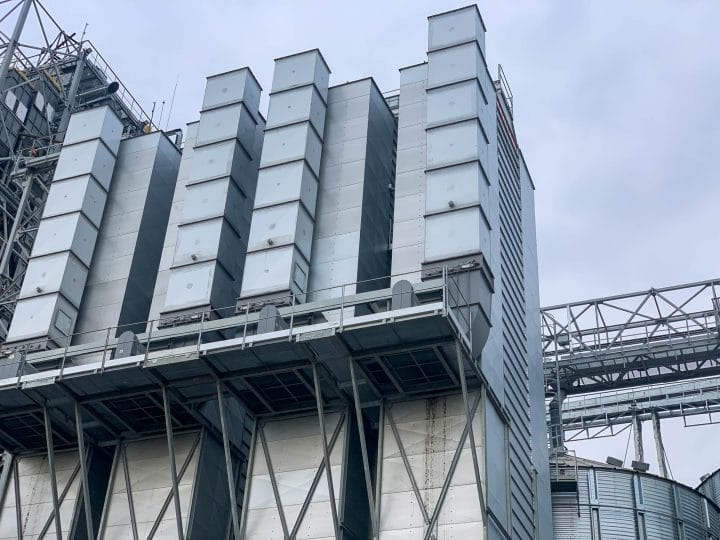
Grain Dryers
Authorized representative for top European grain dryer manufacturers like Alvan Blanch, FAO, and Agrex. Offering a full range of advanced drying solutions for agriculture.
Contact Us
If you are interested in purchasing any of our products, need a price quotation, or have any questions, comments, or suggestions, please do not hesitate to contact us via our contact form, by phone, or by email.
- WhatsApp: +90 (536) 452-1184
- E-mail: write to us
Our phones:
- Kazakhstan: +7 (747) 095-1626
- Moldova: +373 (22) 011-214
- Romania: +40 (31) 229-8484
- Türkiye: +90 (536) 452-1184 (English)
- Ukraine: +380 (67) 111-6668