
Drying Sunflower Seed: Temperature, Moisture and Fire Safety
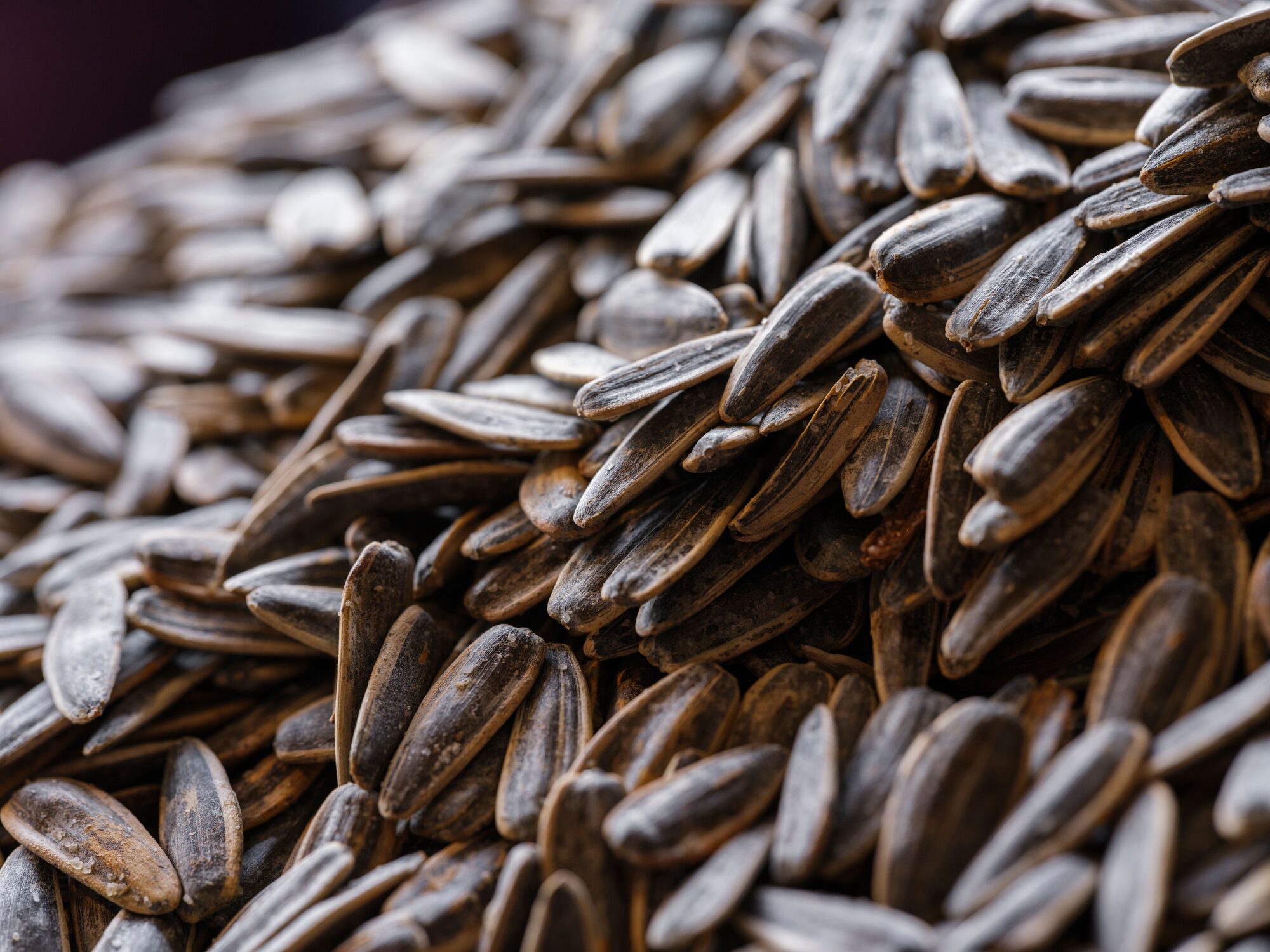
Sunflower is a primary oilseed crop across many of the regions we serve. But it is not dried like wheat, maize or barley. It is an oilseed crop: the achene contains a high proportion of oil, hulls, fine dust and plant fibres. That is why drying sunflower requires attention not only to moisture content and dryer capacity, but also to oil quality, acid value, batch purity, self-heating and fire safety.
The most common mistake is looking for a single universal drying temperature for sunflower. You will find references to 40 °C, 65–70 °C, 80 °C, 100 °C and even higher figures. This is not necessarily a contradiction: in some cases the figure refers to the seed temperature itself, in others to the drying agent temperature, and in others to a brief peak in a recirculation system. The correct operating regime depends on the dryer type, heat source, incoming moisture content and the intended use of the batch.
Quick summary: oilseed sunflower is dried to safe storage moisture content (typically 6–9 %, and closer to 6–7 % for long-term storage). Temperature cannot be defined by a single figure: on direct-fired shaft dryers without a heat exchanger, the practical ceiling is around 65–75 °C air temperature; on dryers with a heat exchanger or steam calorifier, higher agent temperatures are possible provided seed temperature is monitored. For sunflower, the key limiting factor is not oil quality but the risk of fire and self-heating.
Quick answer
Sunflower is dried in batch, continuous-flow, recirculating and mobile grain dryers, and at oil extraction plants — often with steam. For most commercial batches the target storage moisture is around 6–9 %. The operating regime is defined not by a single number but by a combination of parameters: dryer type and heat source, agent temperature, seed temperature, incoming moisture content, batch cleanliness and intended use of the product.
Reference values by dryer type and scenario:
| Scenario | What we monitor | Practical reference |
|---|---|---|
| Direct-fired shaft dryer without heat exchanger | air temperature | approximately 65–75 °C air temperature |
| Dryer with heat exchanger (including steam) | air temperature + seed temperature | 100–110 °C possible; we recommend ≤ 100 °C; reliably safe at 65–70 °C |
| Steam drying at oil extraction plant (for solvent extraction) | agent temperature | often around 55–65 °C agent temperature |
| Storage moisture (commercial batch) | seed moisture content | 6–9 %; long-term storage 6–7 %; high-oil varieties drier |
| Moisture above 12 % | urgency | dry immediately; do not hold in bulk |
Our grain dryers for sunflower
For sunflower we supply grain dryers that allow an oilseed flow to be processed without overheating and with fire safety controls in place. We consider the batch and continuous-flow series Ravaro RR/RC, mobile and stationary Agrex AGD/AGD-F, the continuous-flow Alvan Blanch DF and batch BD, and the vertical dryers FAO (continuous-flow series ACE/ACEX/SCE and batch AR). For oil extraction plants we source specialist dryers configured for steam drying. The specific series and operating regime are matched to your throughput, heat source and fire safety requirements.
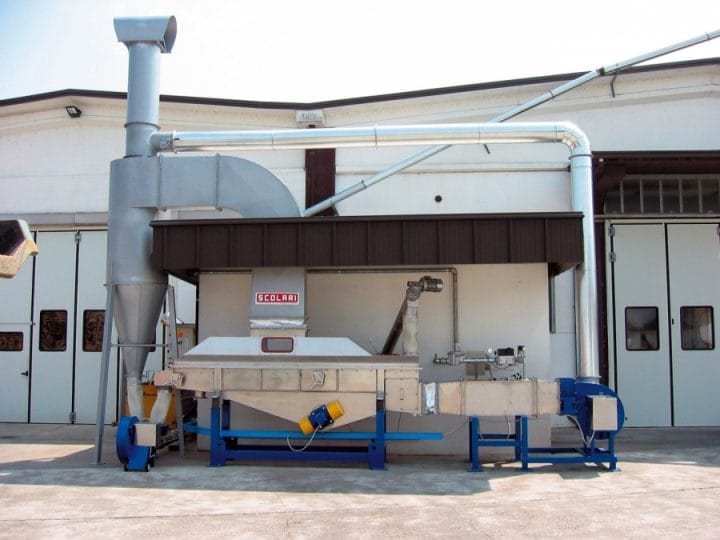
Scolari Vibratory Dryers
Italian Scolari vibratory dryers create an artificial boiling layer of the material being dried, which allows it to be blown through from all sides and effectively remove surface moisture. Suitable for materials with surface moisture, granulated products, or flowing powders.
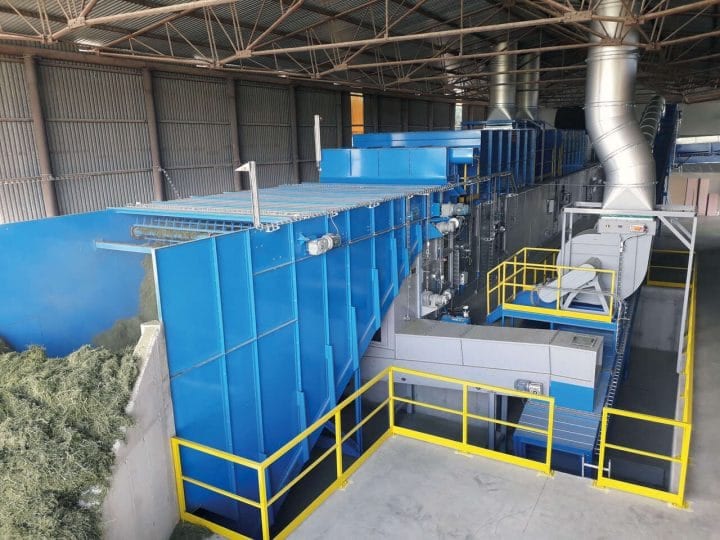
Scolari Dryer With Movable Conveyor Belt
Horizontal dryers feature perforated steel or plastic movable floors designed for drying various materials. Airflow can be configured from top to bottom or vice versa.
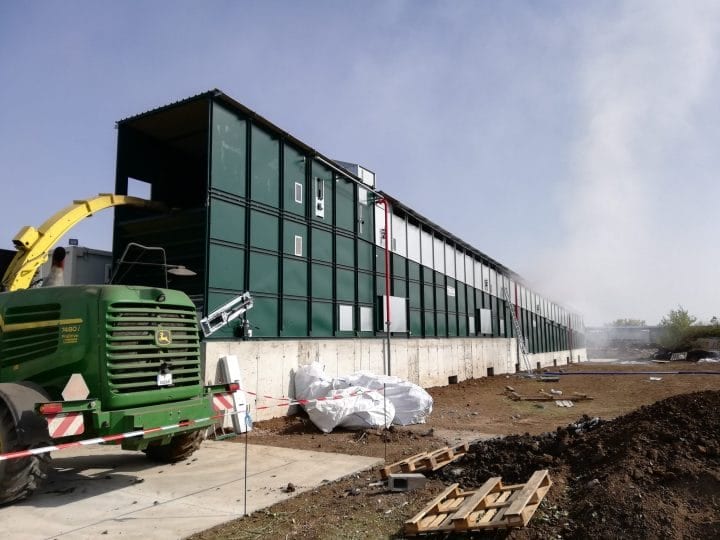
Alvan Blanch Conveyor Dryer
British universal conveyor dryers for non-grain agricultural and industrial products. Thanks to their horizontal design, built-in distribution and stirring systems, they can dry a wide range of materials.
Why sunflower is a special crop for drying
Sunflower has several characteristics that set it apart from cereal grains and determine the entire drying logic.
High oil content
The higher the oil content of the achene, the lower the safe storage moisture level needs to be. If wet sunflower is stored in bulk for any length of time, it self-heats rapidly. This damages oil quality: the acid value rises, rancidity develops and microbial activity increases. For high-oil batches the target moisture is therefore lower than for ordinary grain.
Hulls, fibre and oil dust
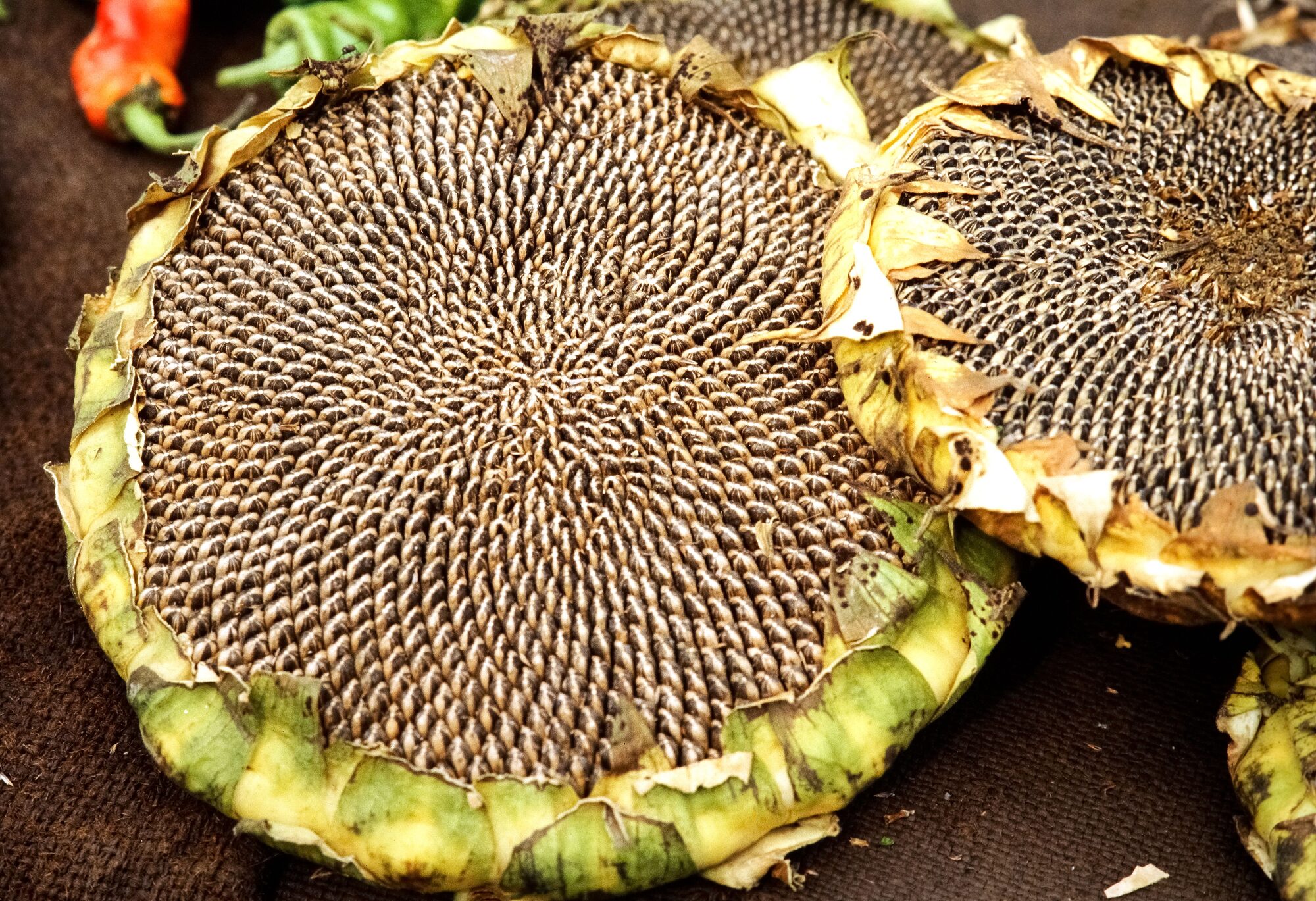
Sunflower is one of the most fire-prone crops in a grain dryer. The hazard comes not only from the seed itself but from everything that accompanies it: hulls, fine surface fibres, oil dust, small organic debris, head remnants and stem fragments. Sunflower dust has a very low ignition energy: it ignites more readily than cereal dust and can flash on any sufficiently hot surface or near the burner.
Low bulk density and ease of over-drying
The sunflower achene is large and light. Compared with maize it removes less moisture per unit volume. An operator used to cereals can easily over-dry sunflower. Over-drying below approximately 6 % results in broken seeds, cracking, weight loss and wasted fuel. For this reason sunflower is often dried at lower temperatures with higher airflow.
However, increasing airflow has its own limits. Light hulls, and sometimes the seeds themselves, may begin to be blown out of the drying chamber. Some dryers therefore provide for reduced airflow when processing low-density products — by switching off the recirculation fan or controlling it via variable-frequency drives. This allows sunflower to be processed without entraining the light fraction.
Oilseed, seed-grade and confectionery sunflower — different regimes
Oilseed sunflower is dried for stable oil quality and safe storage. Seed-grade sunflower is dried for germination capacity, and requires a far gentler regime. Confectionery (food-grade) sunflower is dried for appearance, flavour and kernel integrity. These are different objectives and must not be conflated. This article deals primarily with oilseed sunflower — commercial raw material for pressing and solvent extraction. Seed-grade and confectionery sunflower represent a separate, gentler scenario: for more on drying planting material, see the section on seeds and planting material.
Why seed-grade sunflower cannot be dried like oilseed sunflower
For oilseed sunflower the decisive factors are oil quality and safe storage, and the oil is fairly resistant to moderately elevated drying temperatures. For seed-grade sunflower the decisive factor is embryo viability. Overheating destroys germination capacity even when the seed looks normal externally.
The commercial oilseed regime must therefore never be applied to planting material. Seed-grade sunflower is dried gently, at low seed temperature and with careful handling.
Target moisture content for sunflower drying
For oilseed sunflower the working target for storage is 6–9 % moisture content. For long-term storage and high-oil batches the lower end of the range is used — around 6–7 %. At moisture levels above 11–12 % sunflower must not be held in bulk without monitoring: self-heating sets in, the oil acid value rises, and the risk of spoilage and fire increases.
| Situation | Practical reference |
|---|---|
| Short-term storage with adequate ventilation and monitoring | closer to 8–9 % |
| Long-term storage | 6–7 % |
| High-oil batches | closer to 6–7 % |
| Batch above 11–12 % moisture | do not hold without drying or ventilation |
| Very wet sunflower | dry urgently and gently, often in multiple passes |
It is equally important to cool sunflower after drying. Warm dry seed must not simply be tipped into a silo and left unattended. After drying, aeration, temperature and moisture monitoring, and close observation of the batch during the first weeks of storage are all necessary.
Why wet sunflower must not be held in bulk for long
Wet oilseed breathes actively and self-heats rapidly. As self-heating progresses, oil hydrolysis accelerates, the acid value rises and the quality of the raw material for processing deteriorates. Once the process takes hold, the batch may become unsuitable for normal pressing, and in severe cases there is a risk of spontaneous ignition.
For sunflower, therefore, delayed drying of a wet batch is just as dangerous as excessively high drying temperatures.
Drying temperature: how to interpret the figures correctly
Sunflower literature and technical manuals frequently confuse three distinct parameters. To set the regime correctly, these must be distinguished:
- Drying agent temperature — the hot air or air–combustion-gas mixture, which is what is set on the dryer.
- Seed temperature — how hot the oilseed mass actually becomes. This is what limits quality and germination capacity.
- Exhaust air temperature — an indirect indicator of how heat exchange is proceeding and how much heat is being absorbed by moisture evaporation.
For sunflower, what matters is not the "display reading" in isolation but how it relates to the actual seed temperature and fire risk. In a continuous-flow dryer, wet product evaporates moisture continuously, travels through the shaft and contacts hot air for a limited time. As a result, the seed mass temperature can be substantially lower than the agent temperature.
Practical regime reference table
| Scenario | Temperature / logic |
|---|---|
| Direct-fired shaft dryer without heat exchanger | typically 65–75 °C air temperature |
| Default safe regime for oilseeds | 65–70 °C air temperature |
| Dryer with heat exchanger / steam calorifier | higher agent temperatures are possible but require monitoring of seed temperature and fire risk; we recommend ≤ 100 °C |
| Oil extraction plant / steam drying for solvent extraction | often 55–65 °C agent temperature; even a few degrees of loss is critical |
| Seed mass temperature in a gentle regime | typically well below the air temperature (approximately 35–40 °C) |
| Seed-grade sunflower | separate gentle regime focused on germination capacity |
| Confectionery sunflower | separate regime to protect kernel quality |
The key professional principle: air temperature can only be discussed together with dryer type, heat source, incoming moisture content, product flow rate, batch cleanliness and seed temperature monitoring.
Video: why 100 °C air does not mean 100 °C seed
This footage clearly illustrates the key principle: agent temperature and seed temperature are two different things. In the video, sunflower is dried with an agent temperature of approximately 98–100 °C, yet the seed in the shaft heats to only around 38 °C, because the exhaust air leaving the shaft is also around 38 °C, and the average seed temperature is actually lower still.
Important: we do not recommend replicating this regime without appropriate experience. The video is not a demonstration that sunflower "can be dried at 100 °C"; it shows that the air temperature figure alone is not the determining factor. To run sunflower safely on a hot agent, the following conditions are necessary:
- Continuous monitoring of inlet and outlet moisture content — in this case performed with a rapid moisture meter.
- Understanding of product flow rate — the seed's contact time with hot air is limited.
- Clean batch — free of excess hulls, foreign material and oil dust.
- Functioning aspiration and protected air intake.
- Correct dryer calibration and trained operating staff.
For everyday practical purposes, more conservative operating regimes are safer — especially where the dryer operates on direct gas firing without a heat exchanger.
Does high temperature affect the oil?
Here it is important not to confuse oilseed sunflower with seed-grade sunflower. For oilseed sunflower, the oil itself is fairly resistant to moderately elevated drying temperatures: under a correct operating regime, a wide range of air temperatures does not reduce oil yield or alter the fatty acid composition. But this does not mean sunflower can be dried "as hot as desired".
In practice the limiting factor is more often:
- fire safety;
- dryer cleanliness;
- presence of hulls and dust;
- flow uniformity;
- incoming batch moisture content;
- risk of localised overheating;
- intended use of the batch.
For seed-grade sunflower the situation is different: there the primary criterion is germination capacity, and the regime must be far gentler. Confectionery seed is also more sensitive: high temperatures can damage kernel appearance, flavour and commercial quality.
Why we don't simply say: "oil tolerates 100 °C — so we dry at 100 °C"
Because our goal is a practical recommendation for industrial drying, not a laboratory report. In a laboratory it is possible to demonstrate that oil does not degrade at a given temperature. But on a real dryer there are hulls, dust, non-uniform flow, product stoppages, contaminated zones, a burner, a fan, aspiration, human error and the risk of fire.
The operating regime is therefore chosen not on the basis of a single oil quality indicator but by assessing the full system of risks. For sunflower, fire risk is often more important than oil thermal sensitivity.
Fire safety: the most important section of this article
Sunflower is a crop that demands particularly careful dryer operation. Dryer fires during sunflower processing occur not because "sunflower cannot be dried" but because several factors coincide in the system: combustible dust and hulls, contamination, high temperature, product blockages and incorrect air intake positioning.
1. Blockages and product stoppages
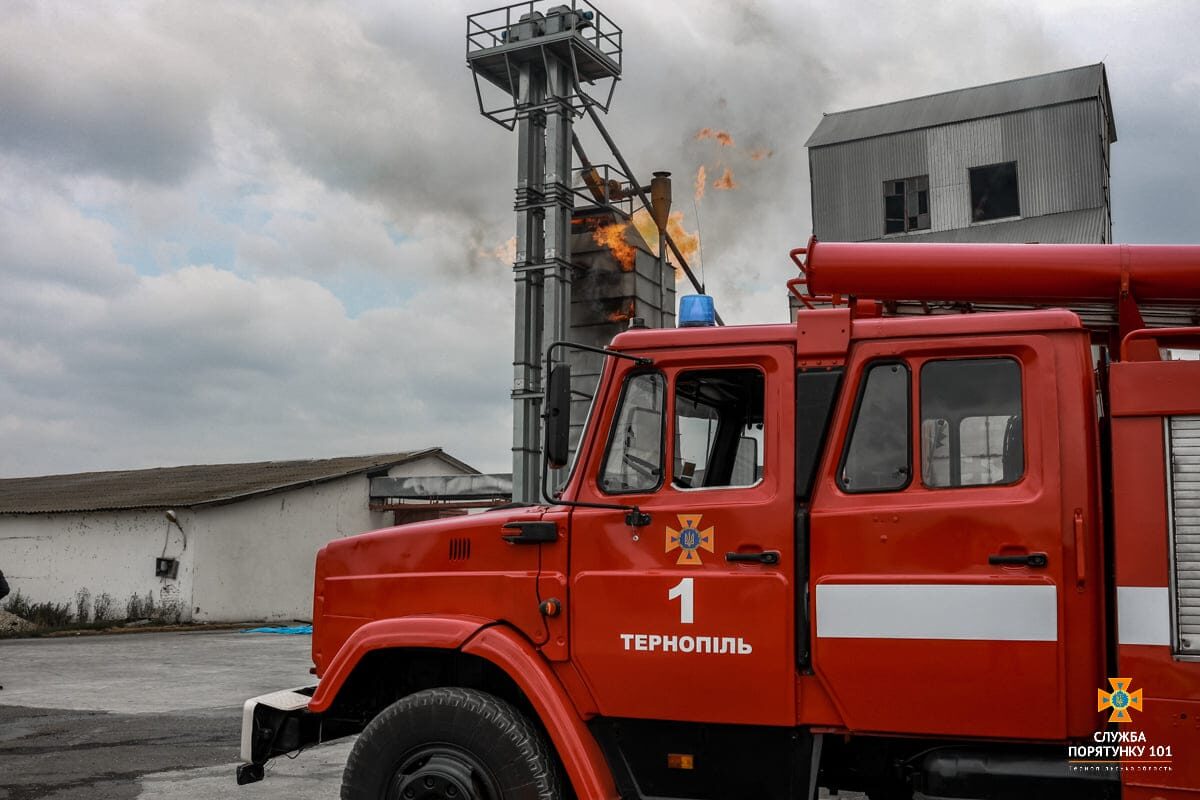
If the batch is poorly cleaned, head remnants, stem fragments, hulls and coarse debris enter the dryer and form zones where product stops moving. In these spots the seed over-dries, overheats and can ignite. Pre-cleaning before drying is not a formality for sunflower — it is an element of fire safety. Continuous-flow dryers are more demanding in this respect than batch dryers: debris can accumulate in them over several days.
2. Wet and poorly cleaned sunflower
Moisture level must also be kept in mind. Paradoxically, the wetter the sunflower, the greater the fire risk. Here is why. Wetter and poorly cleaned sunflower is more likely to block in the dryer shaft, and a blockage leads to localised overheating and over-drying — and, as a consequence, to fire.
In short: the wetter and dirtier the sunflower, the more thoroughly it must be cleaned before drying.
Sunflower in the condition shown in this video should not be loaded into a grain dryer at all. If the mass flows poorly from a truck or blocks in the receiving pit, the probability of a dryer fire rises sharply. Before feeding such material into the dryer it must be passed through a good grain cleaner with a powerful aspiration system.
3. Fine oil dust and surface fibres
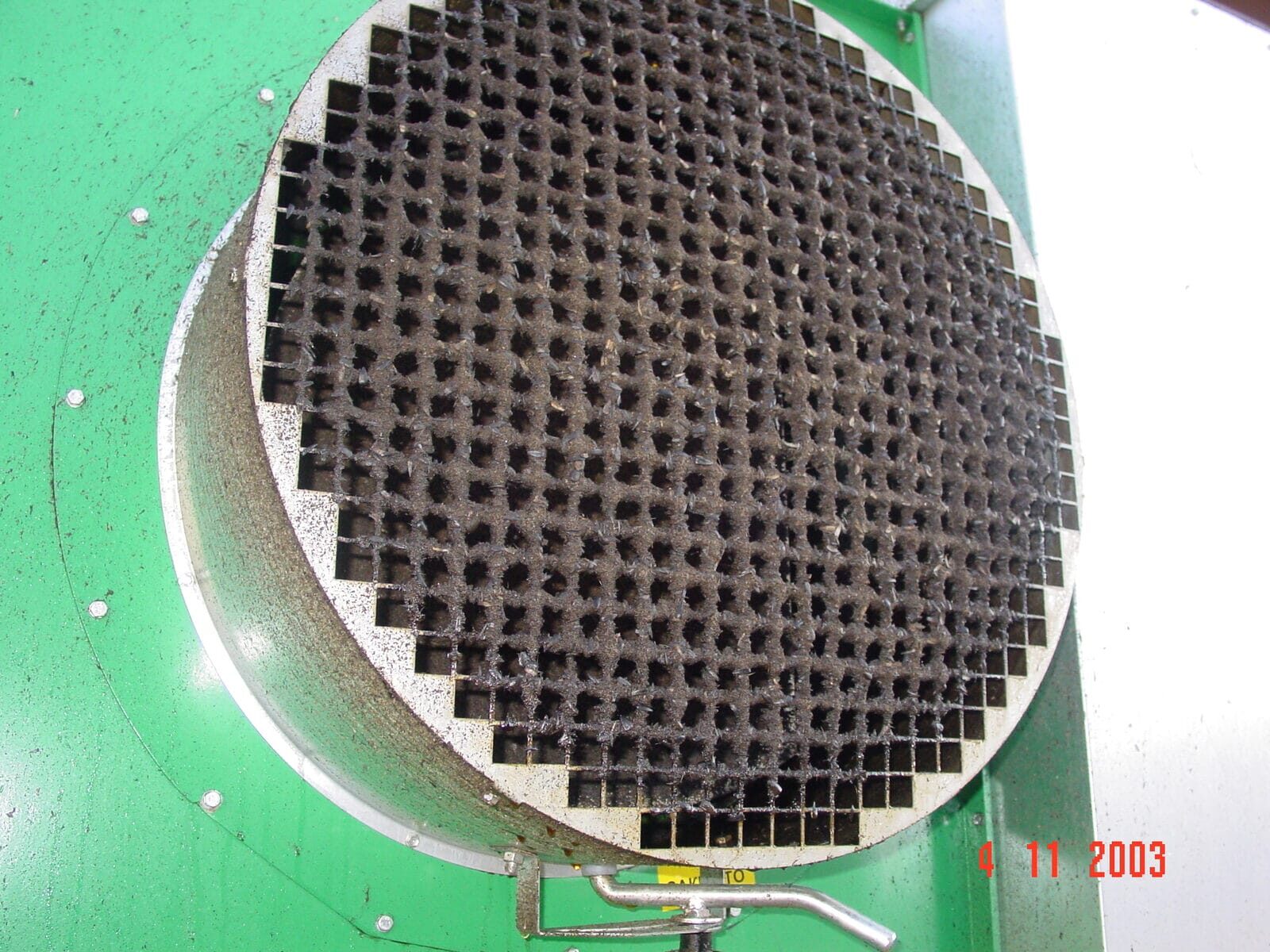
As sunflower is conveyed, fine fibres and dust detach from the achene. If the fan draws this dust into the heating zone or toward the burner, it can ignite. The dryer air intake must therefore be protected from hulls and dust, particularly if a cleaning unit, conveyors, separators or grain cleaners are operating nearby.
4. Heat generator without a heat exchanger
With direct firing, combustion products, sparks and ash may enter the airstream together with hot air. This is a risk with cereals too, but it is especially hazardous with oilseed sunflower. For this reason, oil extraction plants commonly use steam calorifiers: air is heated through a heat exchanger, with no direct contact with flame.
5. Recirculation of dusty air through the burner
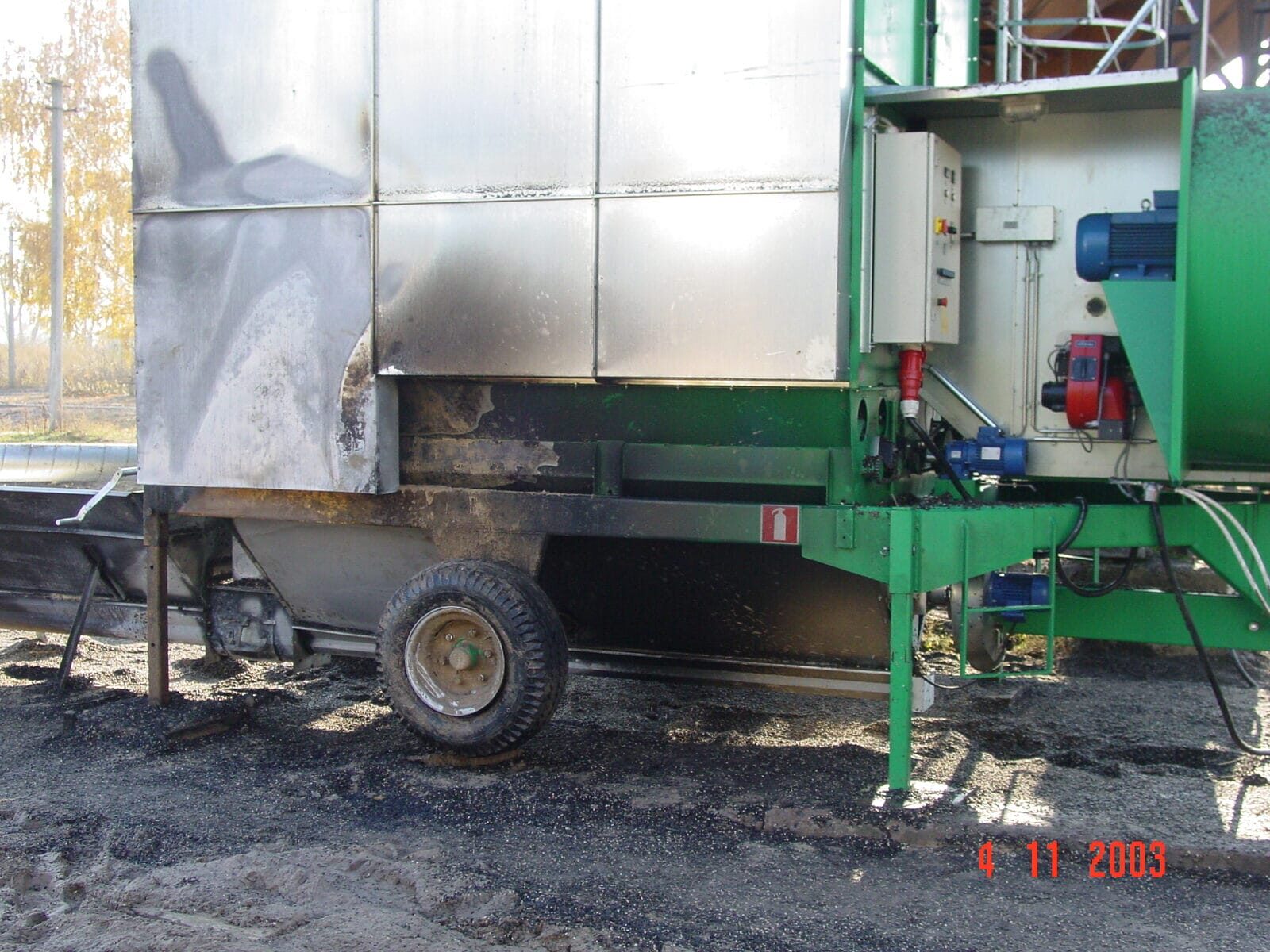
For oilseeds, any configuration in which dusty air passes through the burner zone again is hazardous. Dust from sunflower, soybean and rapeseed can ignite in such a system. When drying oilseeds, heat recovery and recirculation must therefore be disabled. If the dryer design does not allow recirculation to be switched off, that dryer should not be used for sunflower. This is an important criterion when selecting equipment.
6. Switching crops without cleaning the dryer
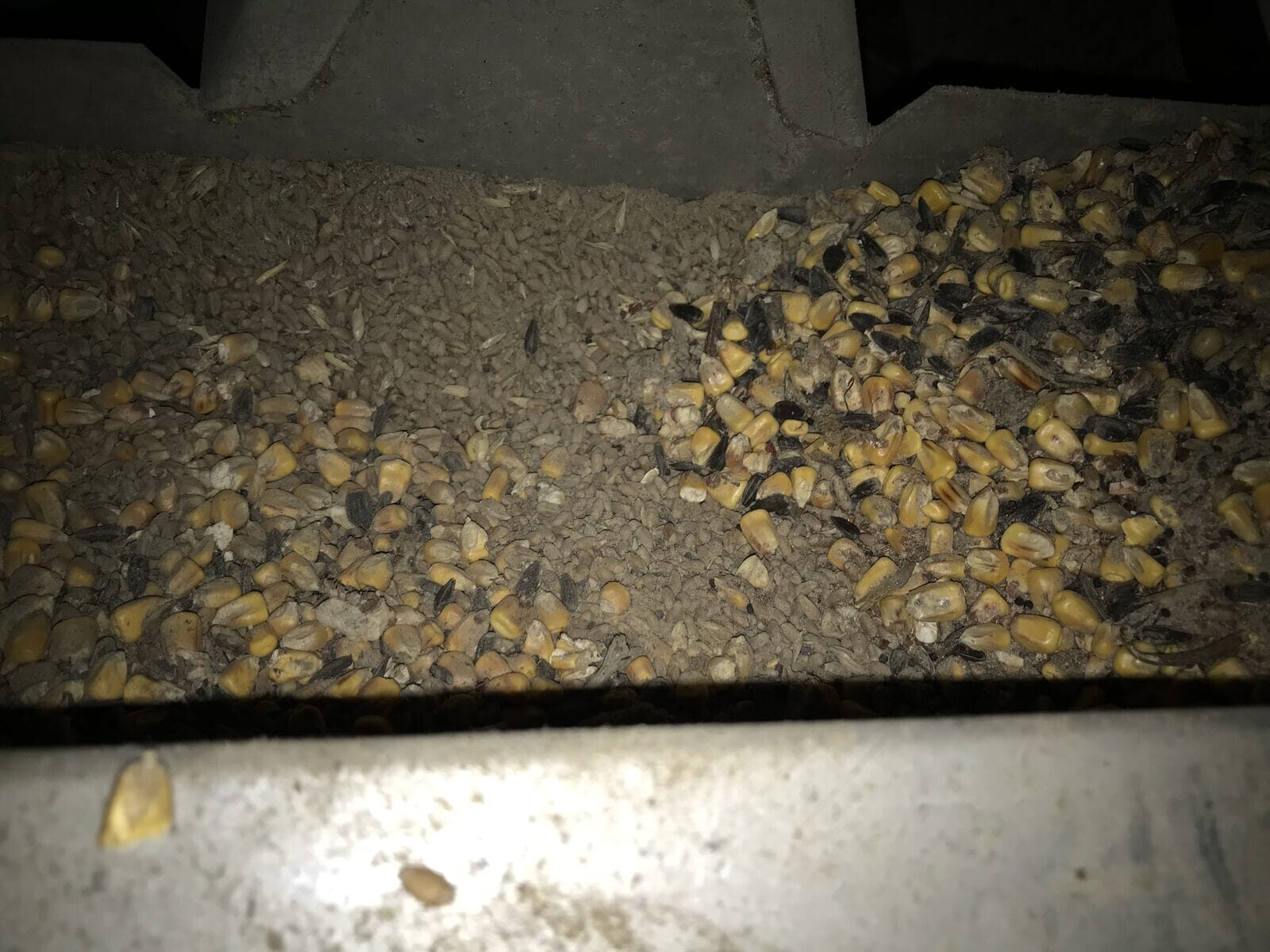
A hazardous scenario: sunflower is dried first, oil dust and seeds remain in the shaft, and then maize is loaded at 120–140 °C. Sunflower residues in that situation can ignite. After sunflower, the dryer must be thoroughly cleaned before switching to another crop that requires a higher temperature.
Sunflower is the case where fire safety, pre-cleaning and flow control matter more than trying to "dry faster at any cost". For oilseeds our baseline is to disable heat recovery and keep the dryer clean.
For more on the causes of dryer fires and how to prevent them, see the separate article on grain dryer fires.
Steam drying of sunflower at oil extraction plants
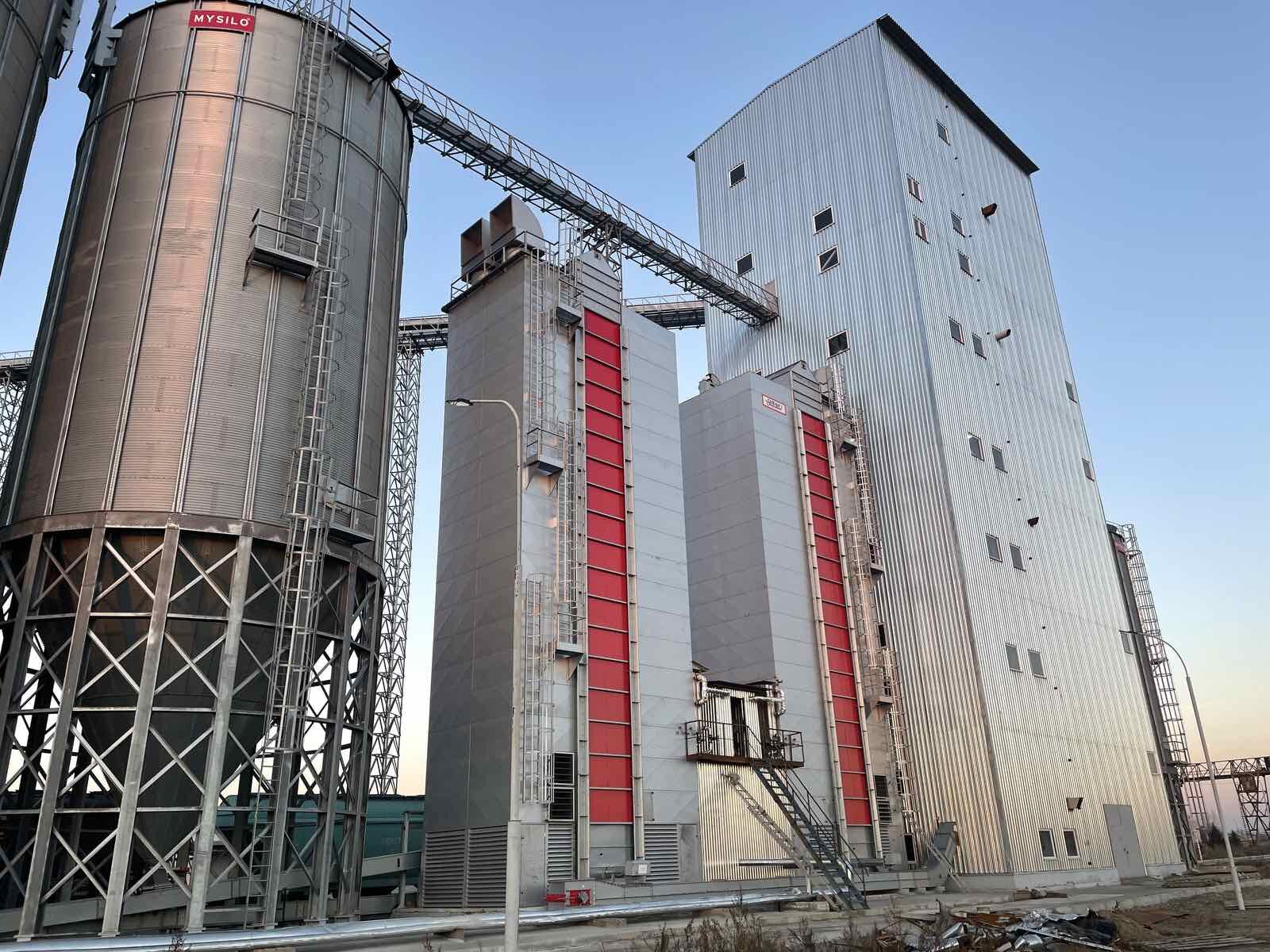
At oil extraction plants, steam drying of sunflower fits naturally into the process. The reason is straightforward: the plant already has steam in its process chain, and sunflower hulls serve as fuel for the boiler. This creates a closed energy cycle: hulls fire the boiler, the boiler generates steam, steam heats the air in the calorifier, and the dryer receives clean hot air with no direct flame.
Steam drying is particularly well suited to sunflower for two reasons.
First — fire safety. Air is heated through a heat exchanger, without sparks or direct contact with flame. For a fire-prone oilseed this is the safest method available.
Second — process stability. Oilseeds do not require the high temperatures needed for maize. Steam calorifiers are therefore well matched to the temperature range used for sunflower. The easiest dryers to convert to steam are vacuum-type grain dryers, where the heat exchanger is integrated directly into the shaft wall and heat losses are minimal.
For more on system configurations, see the article on steam grain drying.
Why the heat exchanger at an oil extraction plant must be easy to clean
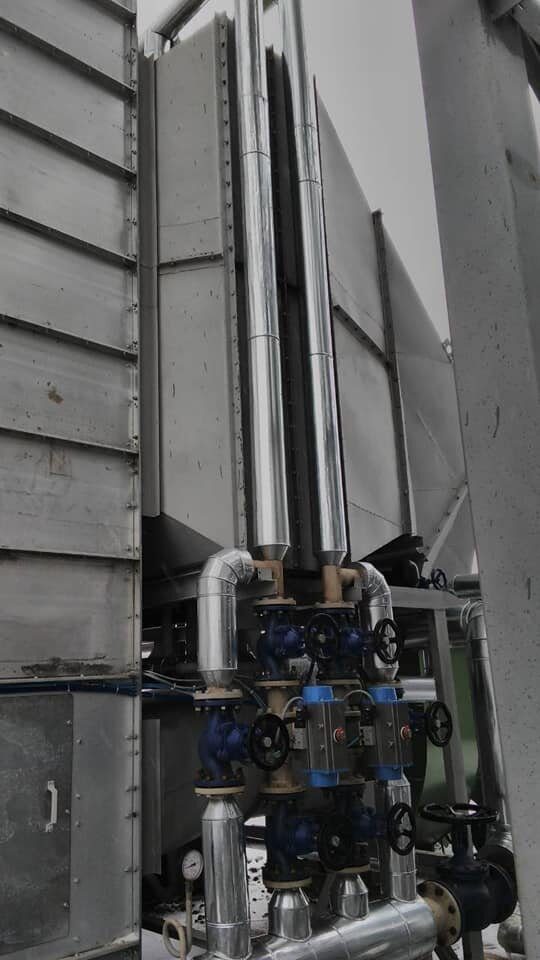
Air at an oil extraction plant almost always contains dust and fine particles. If the heat exchanger has gaps that are too narrow between tubes or plates, it will block up quickly. This reduces heat transfer, increases resistance and creates an additional overheating risk in contaminated zones.
For sunflower, therefore, what matters is not just the fact of having a "steam dryer", but the heat exchanger design, ease of cleaning and correct positioning within the dryer.
Which grain dryers are suitable for sunflower
Different dryer types are suitable for sunflower, but the choice depends on throughput, heat source and fire safety requirements. We work with the series Ravaro RR/RC, Agrex AGD/AGD-F, Alvan Blanch DF/BD and FAO (continuous-flow ACE/ACEX/SCE and batch AR), and for oil extraction plants — vacuum-type grain dryers configured for steam.
Ravaro RR — batch drying with recirculation and tempering
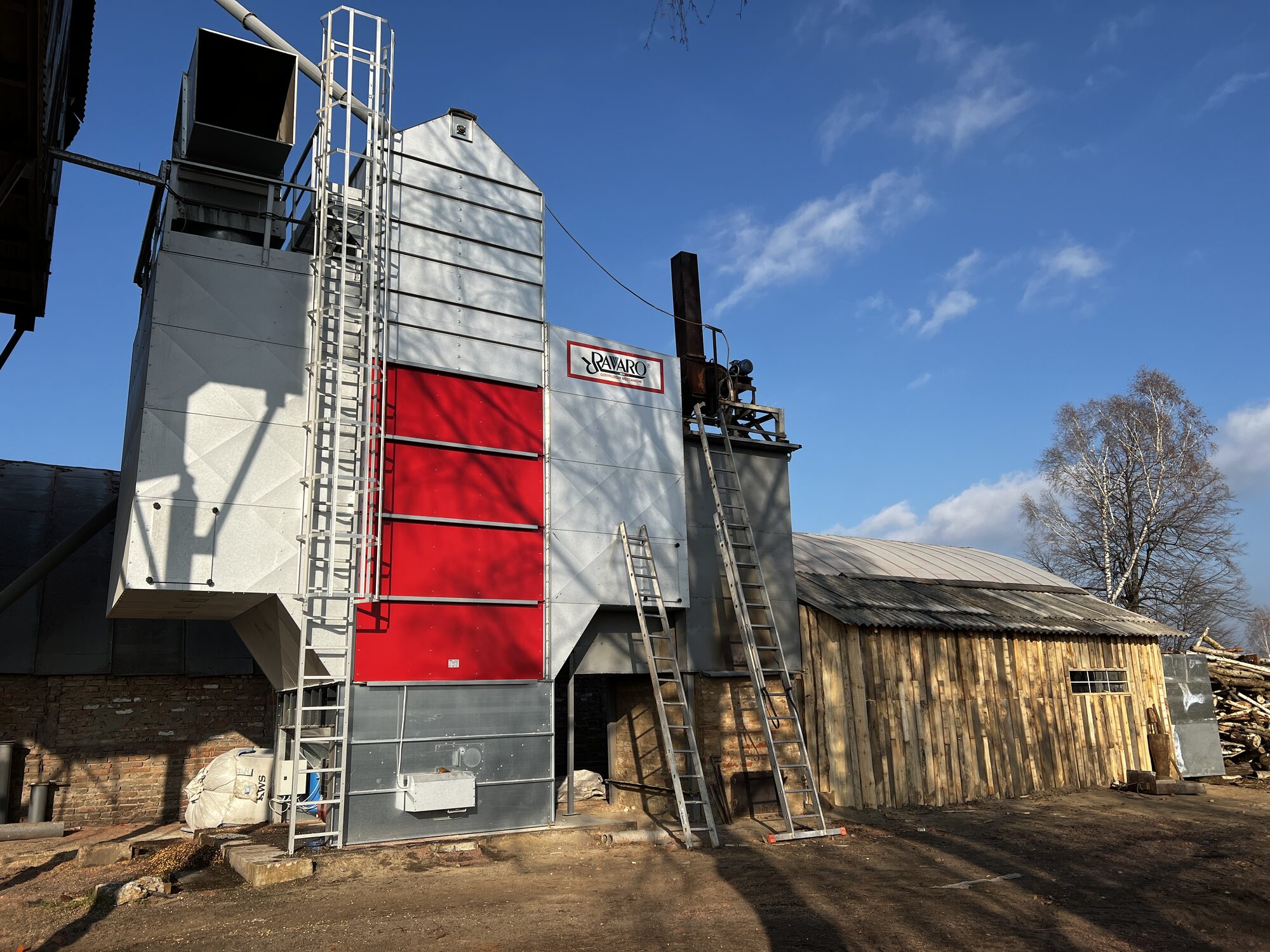
Ravaro RR is suited where more uniform and gentle batch processing is needed. Tempering helps equalise moisture within the seed and reduces the risk of sharp gradients. It is a convenient option for farms and enterprises requiring flexibility across different crops and batch sizes. For sunflower we pay particular attention to pre-cleaning, aspiration and fire safety.
Ravaro RC — continuous-flow drying for high volumes
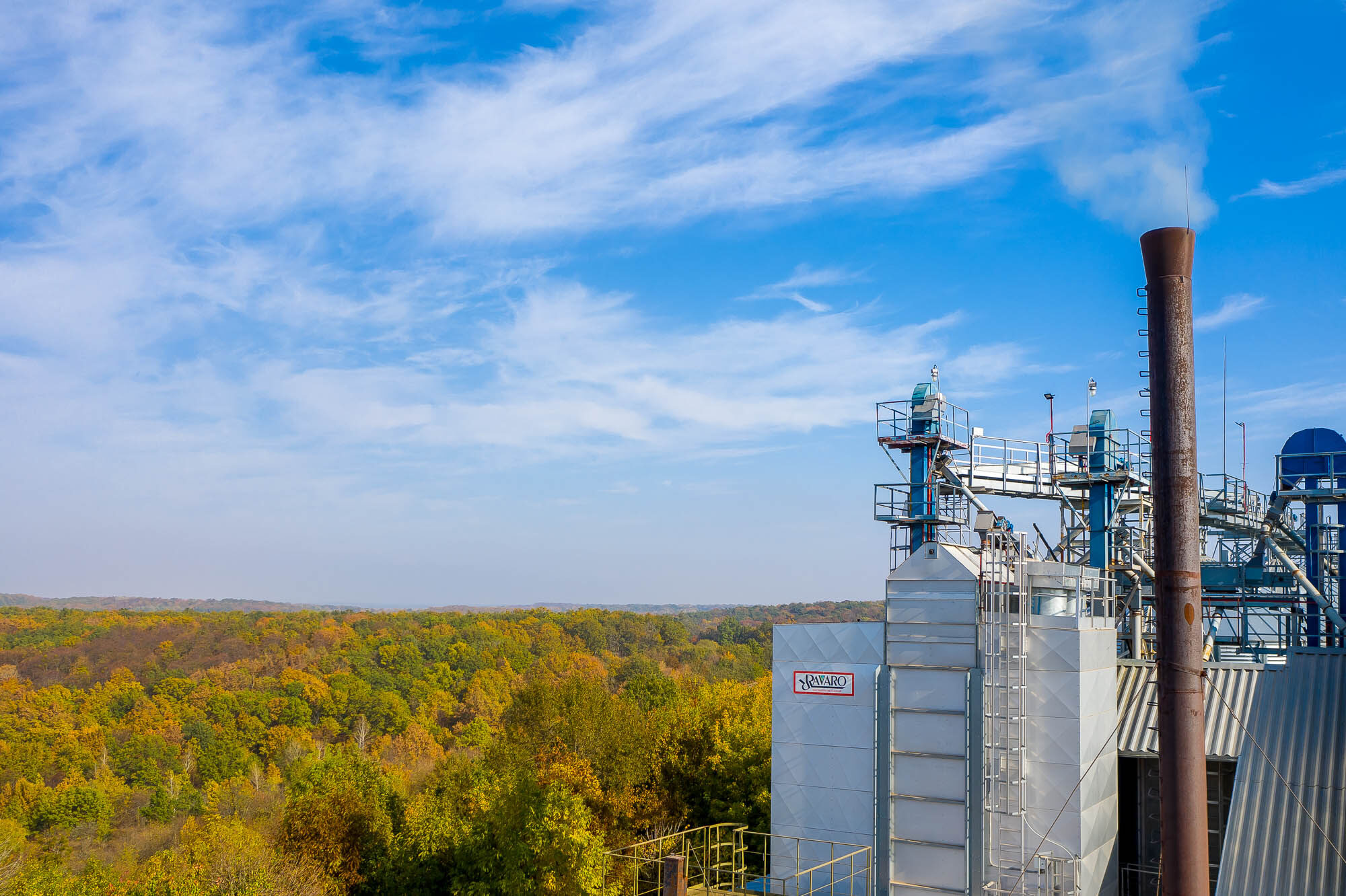
Ravaro RC is designed for a steady product stream and high volumes of oilseed sunflower. It is suited to grain storage operators and processors where raw material flow is continuous and throughput is critical. When configuring for sunflower, pre-cleaning, aspiration, fire safety and the regime are addressed separately to avoid over-drying the light seed. Vacuum-type Ravaro models are the easiest to convert to steam for oil extraction plants.
Agrex AGD / AGD-F — mobile and stationary solutions
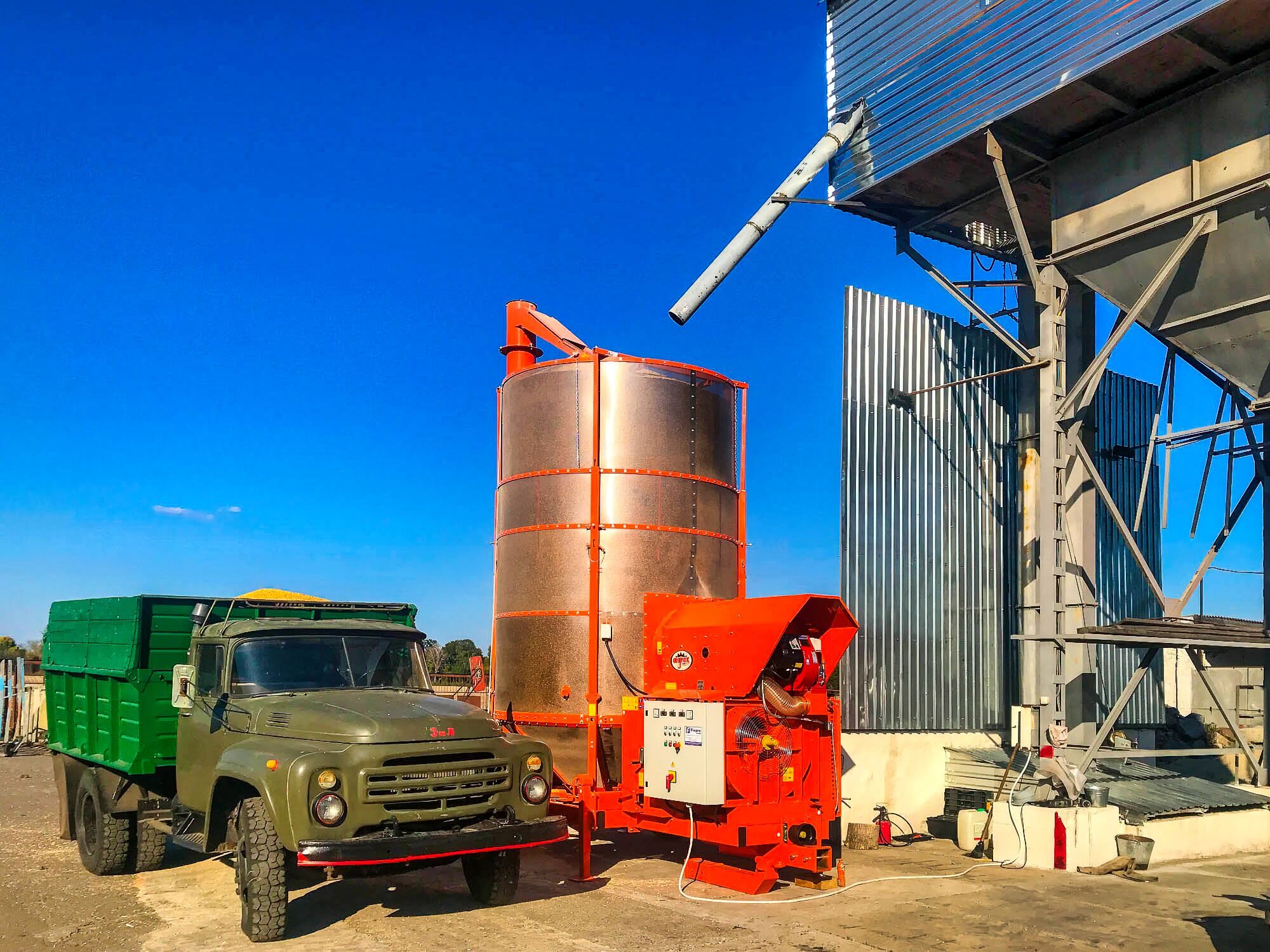
Agrex AGD and AGD-F are suited to farms that need a mobile or compact stationary dryer. For sunflower, the oilseed operating regime, temperature control and careful handling of hulls and dust are essential. Most mobile dryers on the market use auger recirculation, and augers increase seed breakage and mechanical damage — a critical factor for valuable or sensitive batches. Agrex therefore produces the AGD-F models, in which augers are replaced with bucket elevators for gentler seed handling.
Alvan Blanch DF — double-flow continuous dryer
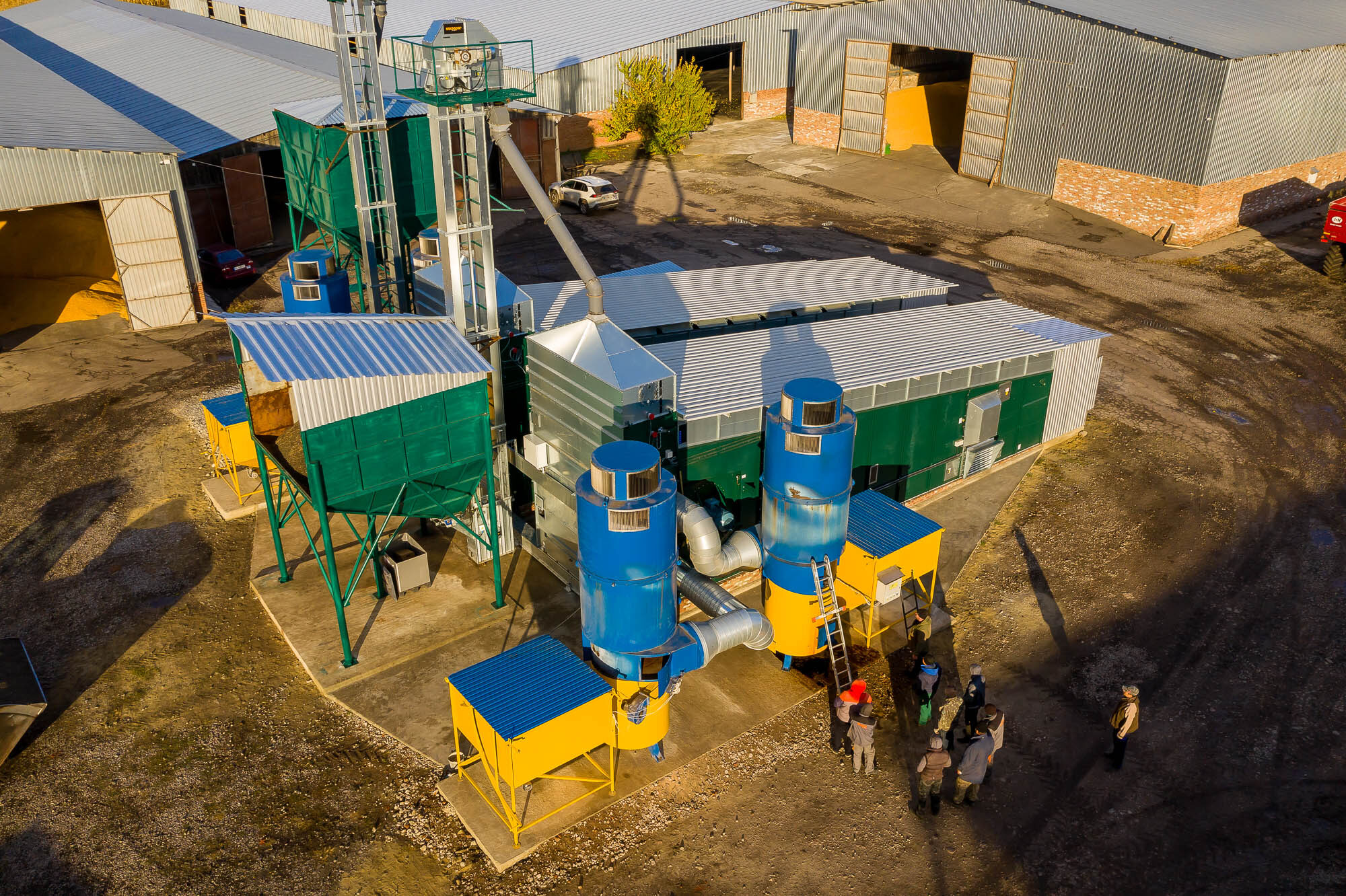
Alvan Blanch DF is a versatile double-flow continuous dryer for free-flowing crops. The double-flow design and layer inversion provide more uniform drying, which is important for sunflower. The combined heating arrangement makes the DF straightforward to convert to steam. The precise temperature regime for a specific sunflower batch is set individually, with emphasis on seed temperature monitoring and fire safety.
Alvan Blanch BD — batch dryer
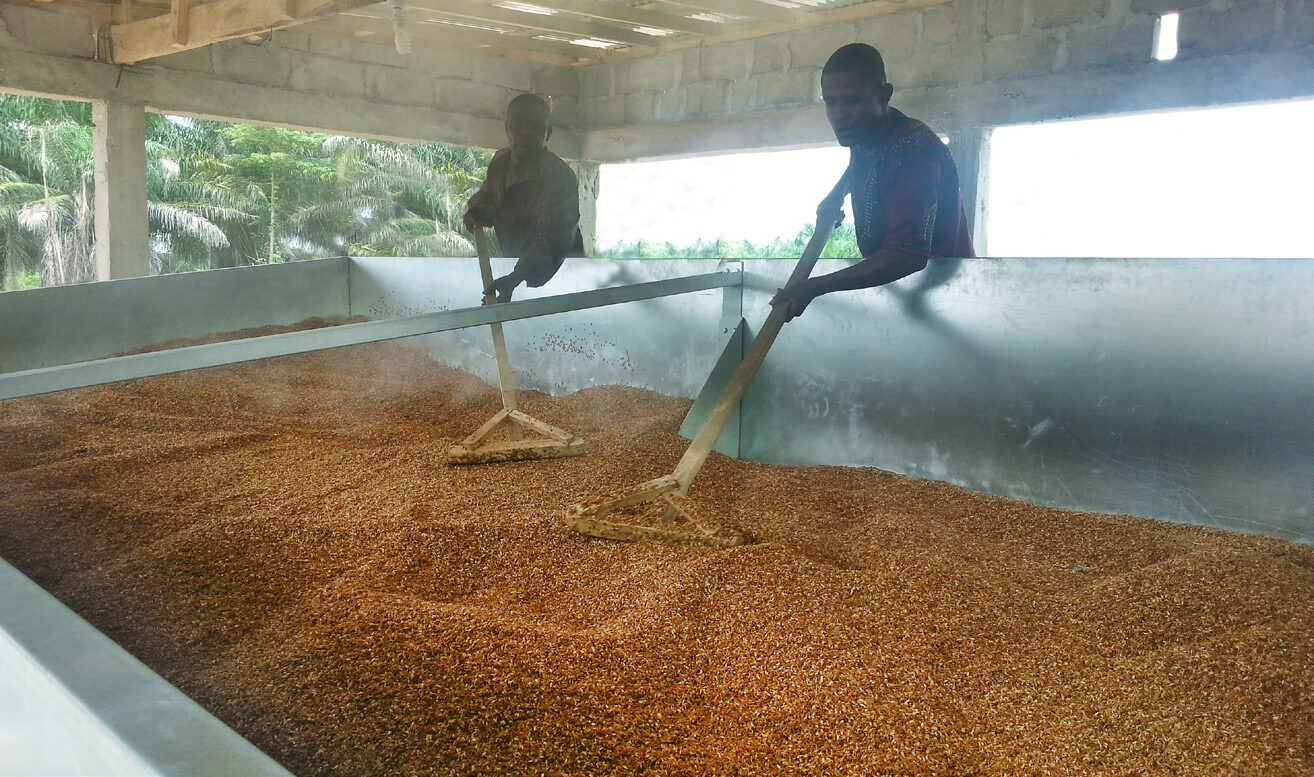
Alvan Blanch BD is a batch dryer, including low-temperature variants. It is worth considering for batches where gentleness and quality control are priorities: limited moisture removal per pass, mild heating and uniformity.
FAO — vertical continuous-flow and batch dryers
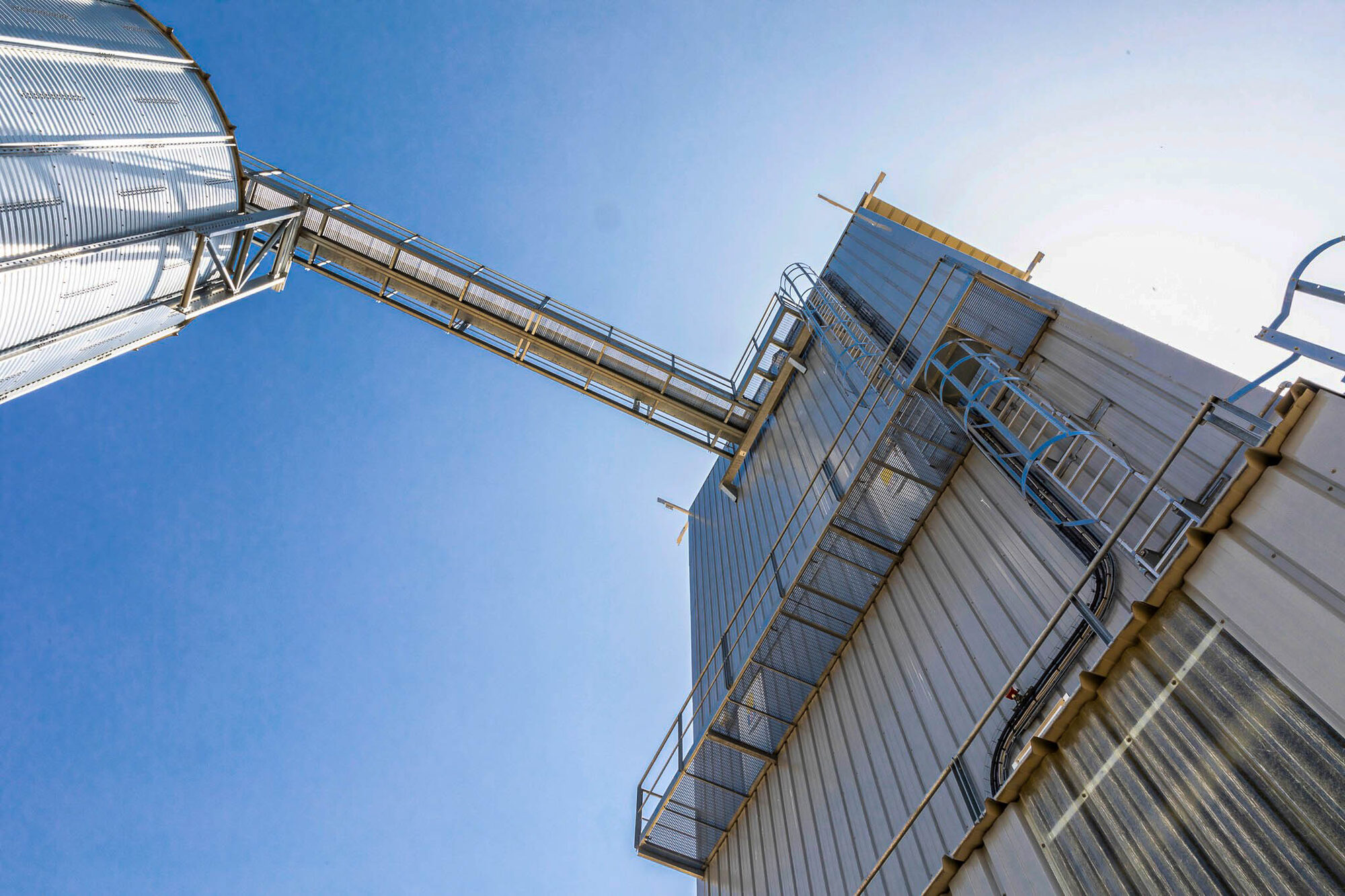
FAO is a French grain dryer manufacturer. For oilseed sunflower the continuous-flow (series ACE, ACEX, SCE) and batch (series AR) FAO dryers are suitable — when the regime is set correctly, pre-cleaning is in place and fire safety requirements are met. Two-zone dryers — FAO's dual-zone series, Bonfanti CE, Scolari SR, Stela Bi-Turbo and similar — follow maize-drying logic: they will dry sunflower, but at lower efficiency and throughput, and are much harder to convert to a steam or heat-exchanger heat source.
What we do not recommend for sunflower
For sunflower, soybean and rapeseed we do not recommend dryers where heat recovery or recirculation of dusty air cannot be disabled (for example, Bonfanti — both the two-zone CE series and the farmer ECOS models): oilseed dust passes through the burner and can ignite. Equally unsuitable are heat generators without a heat exchanger when direct-firing a fire-prone oilseed. On the market these sometimes appear under veiled names: "semi-heat exchanger", "convective heat exchanger" and so on — none of these is acceptable. Dual-zone dryers are reserved for high-temperature maize and are not offered as a sunflower solution.
Comparison of suitable solutions
| Solution | When to choose | Advantages for sunflower | What to consider |
|---|---|---|---|
| Ravaro RR | gentle batch drying; farm and mid-scale volumes | recirculation, tempering, uniformity | lower throughput than continuous-flow lines |
| Ravaro RC | continuous-flow drying of high volumes; grain storage operators and processors | throughput; vacuum models convert to steam | pre-cleaning, aspiration and over-drying prevention are required |
| Agrex AGD / AGD-F | mobile or compact stationary drying | crop flexibility; AGD-F with elevators is gentler | careful handling of hulls and dust |
| Alvan Blanch DF / BD | continuous-flow (DF) or batch (BD) drying | uniform double flow; DF easy to convert to steam | regime set for oilseed crop, with temperature monitoring |
| FAO (ACE/ACEX/SCE, AR) | high volumes and automation (continuous-flow) or farm-scale batches (AR) | throughput and regime control | two-zone series follow maize logic — lower efficiency on sunflower |
Key dryer features for sunflower
- Ability to disable heat recovery and recirculation — mandatory for oilseeds.
- Fire safety — aspiration of fibres and dust, air intake protection from hulls, early fire detection.
- Precise agent temperature control linked to actual seed temperature, not air temperature alone.
- Heat exchanger (steam or thermal oil) — clean air without sparks; tube spacing must allow cleaning.
- Easy and regular cleaning — especially important when switching crops.
- Gentle handling and bucket elevators — less seed breakage and mechanical damage.
- Cooling zone and aeration — to prevent self-heating after drying.
What we need to select the right dryer for sunflower
To specify the equipment accurately, we ask for baseline data on the batch:
- intended use: oilseed, seed-grade or confectionery sunflower;
- oil content of the batch (affects safe storage moisture);
- initial moisture content after harvest;
- required final moisture content;
- required throughput, t/h;
- available fuel: gas, steam at oil extraction plant, hulls/woodchip/pellet with heat exchanger;
- minimum ambient air temperature and agent temperature in your process;
- fire safety measures in place and whether pre-cleaning equipment is available;
- how cooling, aeration and storage are arranged;
- for steam — steam pressure and quantity (a heat exchanger thermal calculation is required).
On the basis of this information we select the dryer type, operating regime and thermal configuration specifically for your sunflower flow — not "for grain in general".
Common mistakes when drying sunflower
| Mistake | Consequence |
|---|---|
| Looking for a single universal drying temperature | wrong regime: agent temperature and seed temperature are confused |
| Drying sunflower without pre-cleaning | blockages, overheating, dust accumulation and fire risk |
| Not disabling recirculation of dusty air | oilseed dust passes through the burner and can ignite |
| Not protecting the air intake from hulls | ignition of drawn-in hulls and seed in the heating zone |
| Starting maize at 120–140 °C immediately after sunflower | residual oil dust and seeds ignite |
| Over-drying the light seed below 6 % | breakage, cracking, weight loss and wasted fuel |
| Delaying drying of a wet batch | self-heating and rising oil acid value |
| Not cooling sunflower after drying | self-heating in storage |
Sources and primary references
View source list
External primary sources on which this article draws (open in a new tab):
- NDSU Extension — guidance on harvesting and drying sunflower (160–220 °F air temperature does not harm oil; storage moisture);
- KSU / National Sunflower Association — "Drying and Storing Sunflowers" (temperature: oil vs confectionery/seed; fire risk from fibres and dust);
- Terres Inovia — "Le séchage du tournesol" (70 °C air → seed mass 35–40 °C; storage moisture; fire);
- JAOCS, Morrison (1978) — effect of drying on sunflower oil quality and germination capacity;
- Frontiers in Plant Science (2021) — high drying temperature and sunflower seed deterioration;
- SciELO Chile (2020) — effect of drying temperature on sunflower oil quality (up to 105 °C without adverse effect);
- INTA Informa — safe sunflower storage (self-heating and oil acidity);
- Industrial Crops & Products (2013) — fire hazard properties of sunflower dust.
Frequently asked questions about drying sunflower
At what temperature should sunflower be dried?
It depends on the dryer type. On direct-fired shaft dryers without a heat exchanger, 65–75 °C air temperature is the usual reference. On dryers with a heat exchanger or steam calorifier, higher agent temperatures are possible, but we recommend ≤ 100 °C for fire safety reasons. And this is the agent temperature, not the seed temperature: the seed mass heats up substantially less.
If the oil tolerates high temperatures, why can't sunflower still be dried at high heat?
Sunflower oil itself is fairly resistant to moderately elevated drying temperatures. But sunflower is fire-prone: hulls, surface fibres and oil dust ignite readily. In practice, the limiting factor is therefore fire safety and the dryer type — not the thermal sensitivity of the oil.
Can sunflower be dried with steam?
Yes, and at oil extraction plants this is particularly logical: hulls fire the boiler, steam goes to the calorifier, and the dryer receives clean hot air with no direct flame. The dryer is operated without heat recovery. Indirect heating is the safest method for oilseeds.
Why is sunflower so fire-prone in a dryer?
Because of the hulls, surface fibres, fine oil dust and its tendency to self-heat. Sunflower dust has a very low ignition energy and can ignite near a fan or burner. For oilseeds we therefore disable heat recovery, protect the air intake and clean the dryer regularly — especially when switching crops.
To what moisture content is sunflower dried?
Typically to 6–9 %. For long-term storage and high-oil batches — closer to 6–7 %. Sunflower above 11–12 % moisture must not be held in bulk without drying or aeration.
What is the risk of delayed drying for sunflower?
Wet sunflower self-heats rapidly. This raises the oil acid value, reduces the quality of the raw material for processing, and in severe cases creates a fire risk. Timely drying is therefore critical.
Can sunflower be over-dried?
Yes, easily. The large, light achene removes little moisture per unit volume, and an operator used to cereals may over-dry the batch. Over-drying below approximately 6 % causes seed breakage, cracking and weight loss.
What is the seed temperature when the agent is at 100 °C?
Substantially lower. In a gentle regime the seed mass typically heats to around 35–40 °C. In our demonstration video, with an agent temperature of approximately 98 °C, the sunflower temperature was around 38 °C.
Ready to discuss drying your sunflower?
Tell us the incoming moisture content, required throughput, available fuel and whether steam drying is planned. Describe the batch type (oilseed, seed-grade or confectionery sunflower) — and we will select the appropriate dryer type, a safe temperature regime, the thermal configuration and an indicative throughput figure for your raw material flow. Contact us in whichever way suits you best.
Still have questions? Get in touch!
By phone
WhatsApp: +90 (536) 452-1184By email
Our address: info@finpro.engineering
Related products
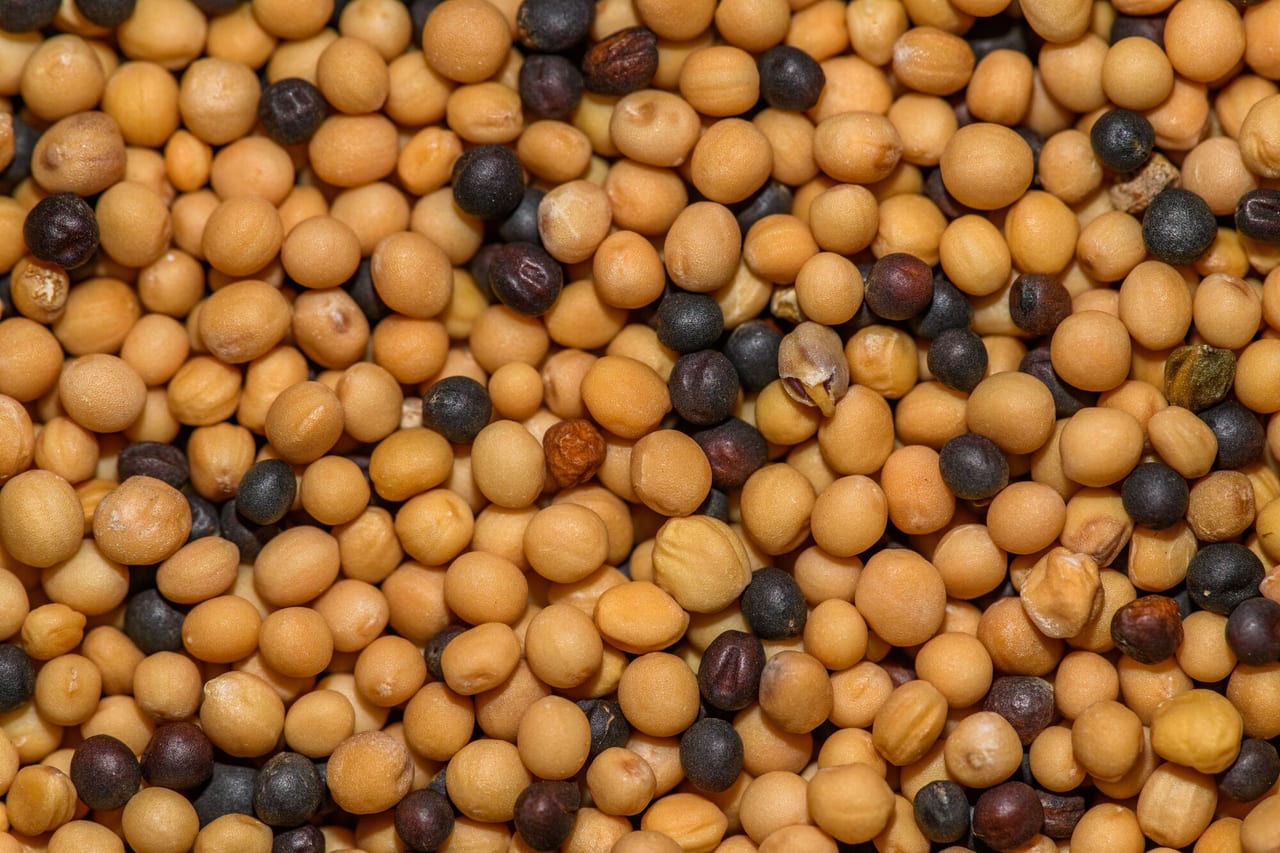
Mustard
A small-seeded oilseed crop of major importance (white, brown and black mustard). It is dried gently with temperature control to preserve oil quality, pungency and germination; the small seed requires a sealed flow path and a precise screen.
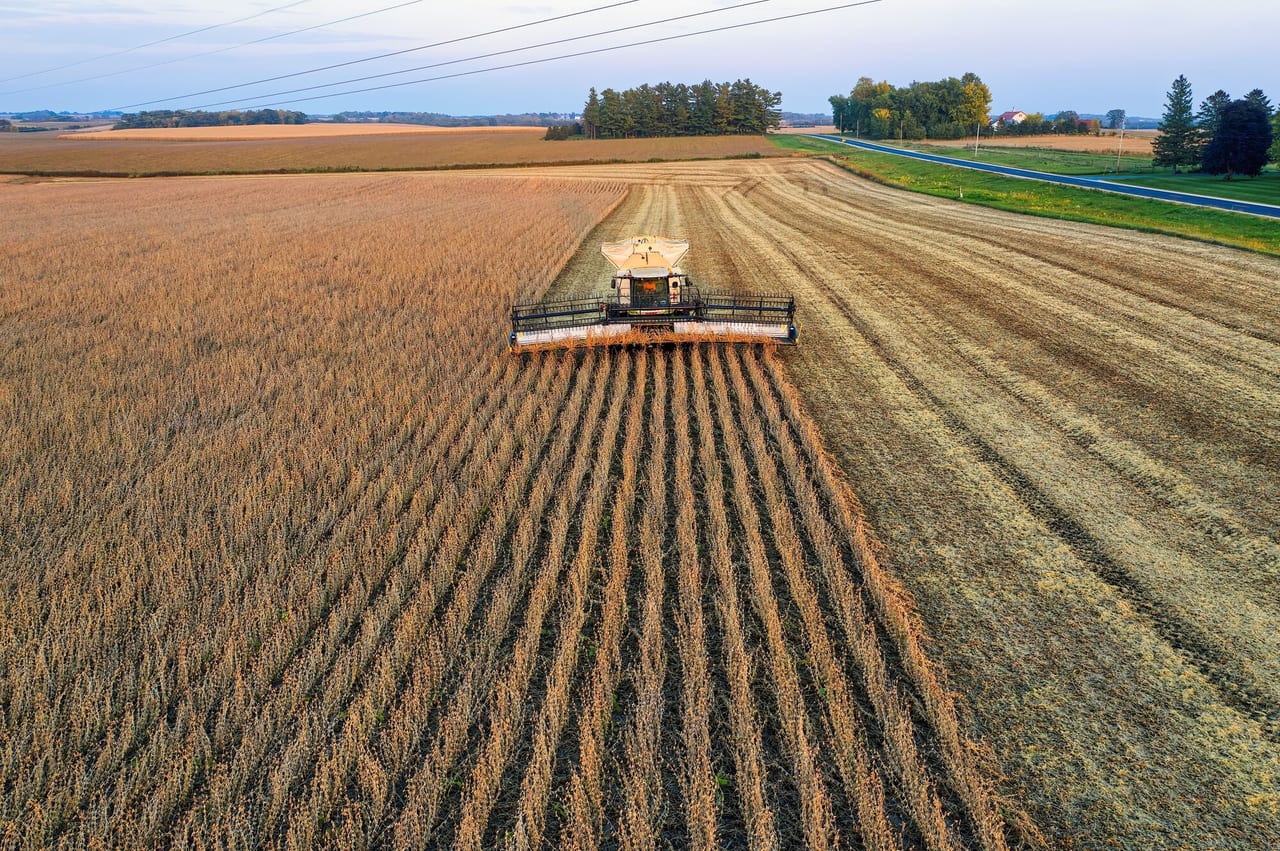
Soybean
Soybean is prone to coat cracking and breakage under an aggressive regime; gentle drying without augers is needed.
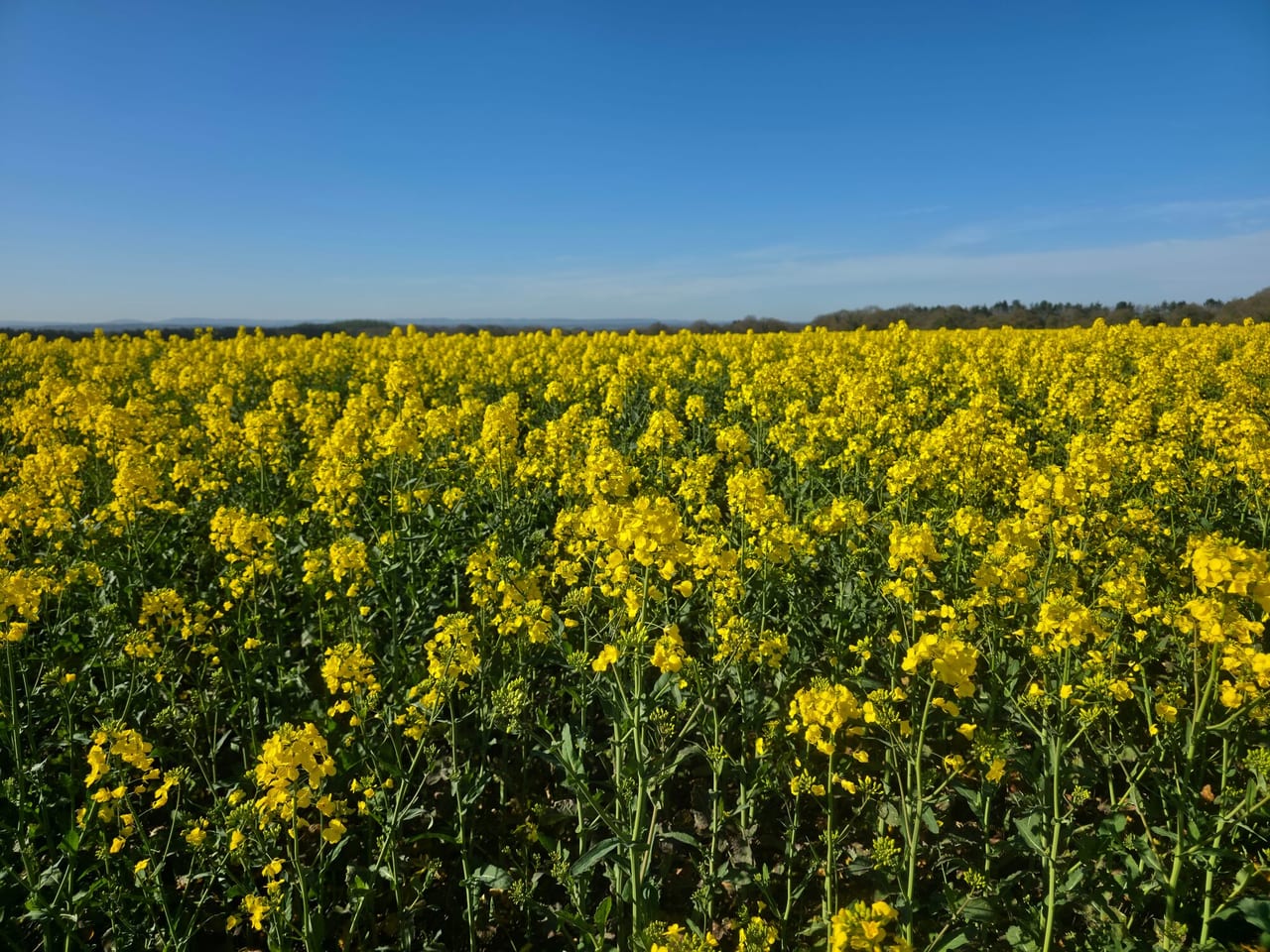
Rapeseed / canola
A small seed with high oil content; evenness and protection against the fine fraction spilling through are important.
Our Products
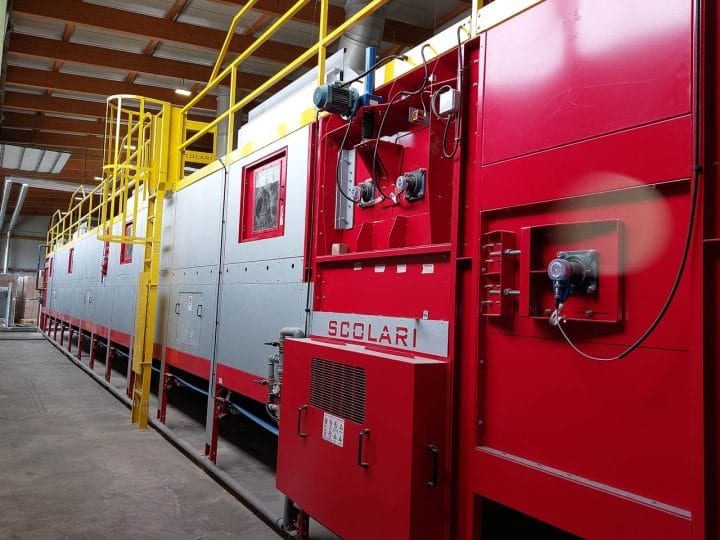
Universal Dryers
These dryers can be customized to dry any industrial or agricultural product you may require. Depending on the specific product and its moisture content, the dryers can be equipped with mixers, movable floors, vibrating floors, and other advanced technologies.
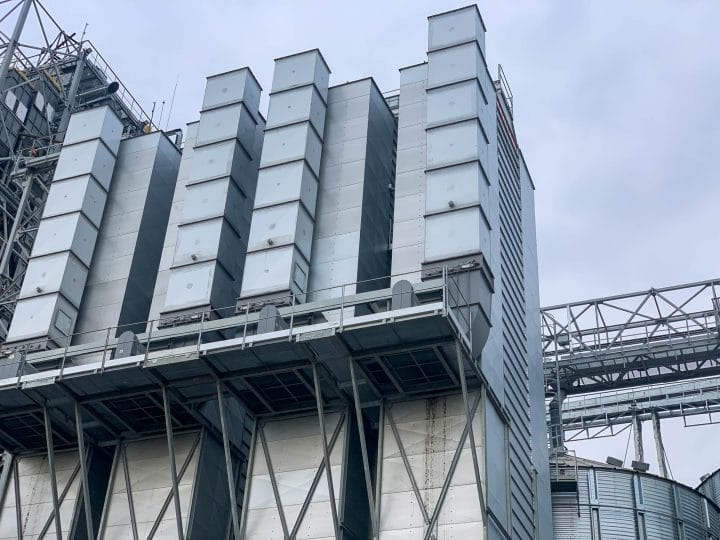
Grain Dryers
Authorized representative for top European grain dryer manufacturers like Alvan Blanch, FAO, and Agrex. Offering a full range of advanced drying solutions for agriculture.
Contact Us
If you are interested in purchasing any of our products, need a price quotation, or have any questions, comments, or suggestions, please do not hesitate to contact us via our contact form, by phone, or by email.
- WhatsApp: +90 (536) 452-1184
- E-mail: write to us
Our phones:
- Kazakhstan: +7 (747) 095-1626
- Moldova: +373 (22) 011-214
- Romania: +40 (31) 229-8484
- Türkiye: +90 (536) 452-1184 (English)
- Ukraine: +380 (67) 111-6668