
Drying Timothy Grass: Export-Quality Hay
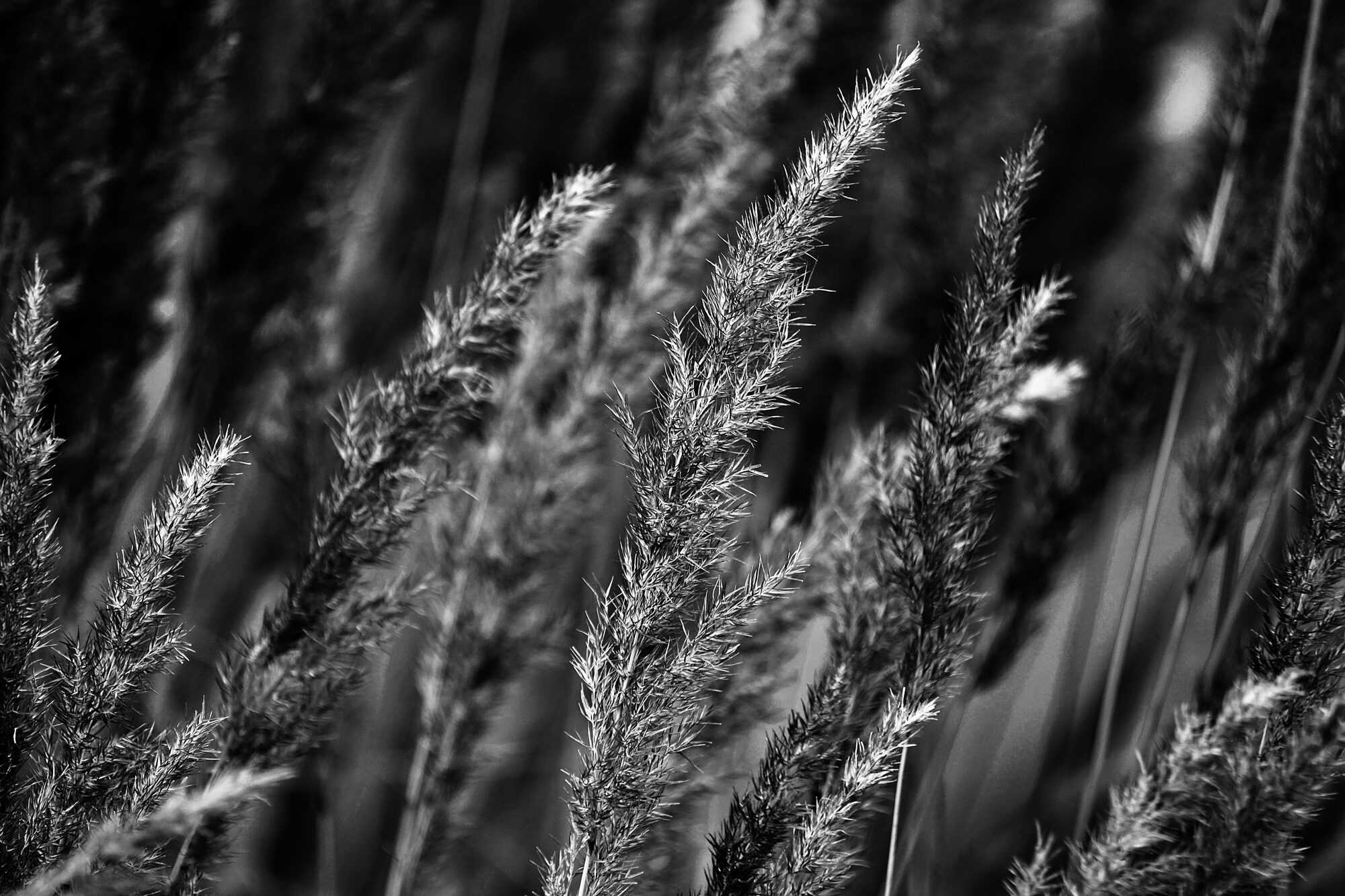
Timothy grass is not a grain — it is a forage grass crop. The entire above-ground mass enters the dryer: stem, leaf and inflorescence. Grain quality criteria such as kernel cracking, gluten or falling number simply do not apply here. What matters for timothy is different: green colour, absence of mould and dust, uniform stem moisture and safe storability.
The main commercial niche for timothy grass is premium grass hay for horses and dairy cattle. Export markets place particular value on long, coarse stems, long inflorescences, cleanliness, low dust levels and a rich green colour. The drying task is therefore not merely to remove moisture, but to preserve market appearance and nutritional value.
Quick summary: there is no single "universal temperature" for drying timothy — everything depends on technology and colour retention. Premium export hay is typically finished to 10–12 % moisture; standard hay must not be baled above 18–20 %; belt conveyors with gentle agitation preserve colour and carotene better, while drum dryers are faster and cheaper but involve a quality trade-off; and seed timothy must be dried separately, carefully, with germination in mind.
Quick answer
Timothy hay is dried to a safe storage moisture level, but for premium export the targets are typically stricter: the benchmark is 10–12 % before baling and packaging. For standard hay, acceptable values are higher, but above 18–20 % moisture the risk of mould, self-heating and quality loss rises sharply.
There is no single universal "drying temperature" for timothy. Everything depends on the technology:
- with field wilting, the dryer operator does not set the temperature, but the risks of colour bleaching and carotene loss increase;
- with active finish-drying under cover, ambient or slightly pre-heated air is used;
- belt conveyor dryers operate gently and are better suited to retaining colour;
- drum dryers are faster and cheaper per tonne but, due to higher temperatures, are less suited to premium green hay;
- timothy seed is dried separately, gently, with germination rate monitoring.
Our dryers for timothy grass
Timothy is a forage grass crop with a strong focus on export hay, so it calls not for grain dryers but for grass, forage and biomass solutions: belt conveyor dryers with a gentle turner and container or stationary grass dryers preserve green colour and carotene; for high-volume, more economical dehydration, drum dryers can be used, but with a quality trade-off. The difference lies not in basic applicability but in temperature regime, mechanical gentleness and the requirements for colour retention and uniform stem moisture.
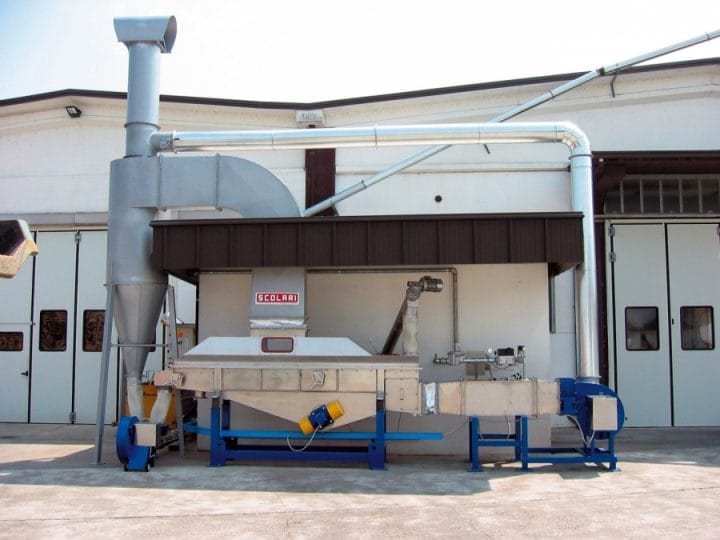
Scolari Vibratory Dryers
Italian Scolari vibratory dryers create an artificial boiling layer of the material being dried, which allows it to be blown through from all sides and effectively remove surface moisture. Suitable for materials with surface moisture, granulated products, or flowing powders.
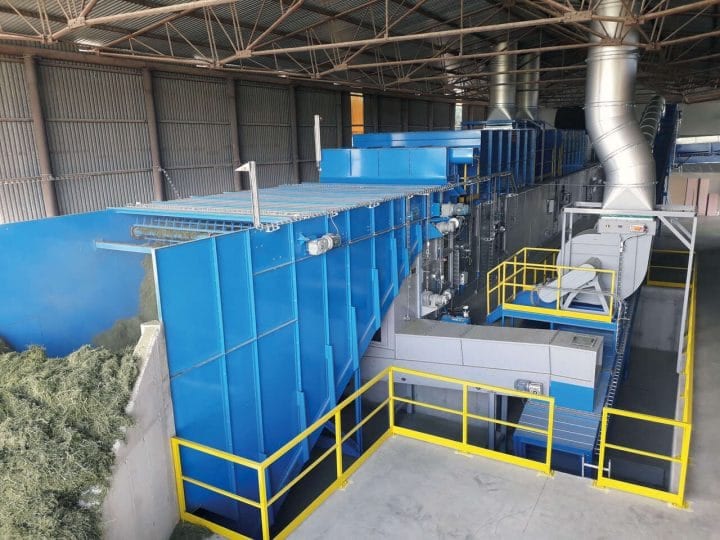
Scolari Dryer With Movable Conveyor Belt
Horizontal dryers feature perforated steel or plastic movable floors designed for drying various materials. Airflow can be configured from top to bottom or vice versa.
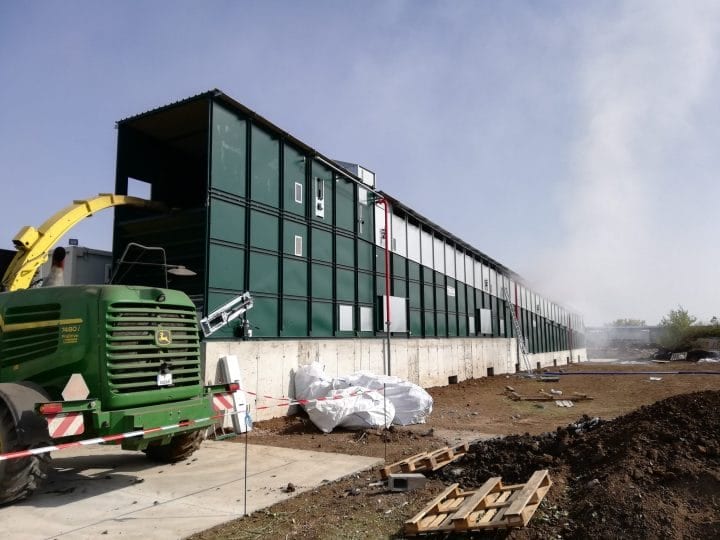
Alvan Blanch Conveyor Dryer
British universal conveyor dryers for non-grain agricultural and industrial products. Thanks to their horizontal design, built-in distribution and stirring systems, they can dry a wide range of materials.
Why timothy grass is a topic of its own, not just "hay"
Hay is a broad category: alfalfa, clover, sainfoin, ryegrass, mixed grasses, timothy and others. But timothy stands out as a grass crop with strong export specialisation. For timothy, the following factors are especially important:
- colour — the hay must remain green, without bleaching or browning;
- absence of mould, soil, weeds and dust;
- uniform moisture, including the internal moisture of the stem;
- careful baling and storage;
- retention of carotene and palatability.
With legume crops such as alfalfa, the main problem is leaf shattering. Timothy leaf typically holds better, but a different problem is more pronounced: the stem may look dry on the outside while retaining moisture inside. If such material is baled too early, the bale will "sweat", heat up, develop mould and may become a fire hazard.
Main drying scenarios for timothy grass
1. Timothy for export hay
This is the most demanding scenario. The buyer pays not only for nutritional value but also for appearance: green colour, long stems, cleanliness and freedom from mould. Export timothy therefore generally requires a stricter final moisture level than standard farm hay.
For export packaging, finish-drying to 10–12 % moisture is often required, especially when hay will be pressed, packaged and shipped in containers. Even a small residual moisture inside the stem can lead to mould and off-odours in transit.
2. Timothy as farm forage hay
If the hay is used locally, colour and packaging requirements may be more relaxed. But the underlying logic remains the same: material must not be baled when too moist. Above 18–20 % moisture, the risks of heating, mould, dry matter losses and fire increase significantly.
3. Finish-drying of wilted material
Timothy is often wilted in the field first and then finish-dried with active air. This reduces weather dependency and allows the material to reach stable moisture faster. For premium hay this approach is especially valuable: the less time the hay spends under sun and rain risk, the better the colour and carotene are preserved.
4. Timothy seed
Timothy seed is a separate product. Here what matters is not hay colour but germination rate. Seed cannot be dried like green fodder mass: it requires a gentle regime, rapid moisture removal after harvest and a dryer that does not damage the small seed.
Why timothy seed is not the same as hay
Hay is the entire above-ground plant mass. Seed is a small grain whose key quality indicator is germination rate. Overheating seed may leave it visually intact but destroy its ability to germinate. Timothy seed is therefore dried gently, typically at no more than approximately 40 °C with good ventilation.
Moisture: key reference levels
Timothy grass has several distinct moisture reference points that must not be confused.
| Scenario | Practical target | What it means |
|---|---|---|
| Export hay before processing and packaging | approx. 10–12 % | low moisture for container logistics and mould prevention |
| Standard hay in small bales | up to 18–20 % | above this, heating and mould risk rises sharply |
| Large round or rectangular bales | typically lower, approx. 18 % or less | large bales dissipate heat and moisture more slowly |
| Long-term storage without preservatives | approx. 13 % or below | safer for warehousing and export |
| Timothy seed | approx. 13–14 % | storage with preserved germination rate |
For timothy, it is not only the average batch moisture that matters. The stem may look dry externally but still retain moisture inside. After baling, moisture can redistribute: the bale "sweats", the internal temperature rises, and within a few days it becomes clear whether the material was truly ready for storage.
Why moisture can rise after baling
After baling, moisture from the more humid inner tissues of the stem redistributes throughout the bale mass. As a result, actual moisture and temperature can change after packaging. For export timothy this is critical: the problem does not appear immediately but only in the warehouse or container.
Drying temperature: why no single figure can be given
The question "at what temperature should timothy be dried" is not meaningful without specifying the technology.
Field drying
With field wilting, the dryer operator does not set the temperature. Quality is influenced by sun, wind, air humidity, swath thickness and cutting timing. Extended exposure to sun degrades colour and reduces carotene content.
Active finish-drying with air
When finish-drying under cover, ambient or slightly pre-heated air is used. This is a gentle method of bringing wilted hay to stable moisture without excessive heat. It suits operations where colour and nutritional value are important but an industrial line is not required.
Belt conveyor drying
Belt conveyor dryers operate more gently than drum dryers. For forage grasses this is typically the better option when the goal is premium hay, stable colour, low dust and carotene retention. Depending on the model and material, the air temperature is set according to the process, but the principle remains the same: avoid overheating the mass and bring it to uniform moisture.
Drum drying
A drum dryer delivers high throughput, but the heat carrier temperature is much higher. For some products this is justified, but for premium timothy the high temperature is a risk: browning, colour degradation and partial nutritional loss. A drum can be considered as a budget or high-capacity alternative, but not as the optimal choice for premium export green hay.
What damages timothy quality during drying
Loss of green colour
For timothy, colour is a commercial indicator. Hay may be nutritious, but if it has browned, bleached or shows signs of mould, the premium market will reject it. Excessively aggressive drying or prolonged field exposure therefore reduces value.
Carotene loss
Carotene is sensitive to sunlight, time and heat. The longer the material lies in the field and the more aggressive the thermal regime, the greater the losses. For export hay this matters not only as a nutritional factor but also as a visual quality indicator: green colour is associated with perceived freshness and feed value.
Stem under-drying
The dangerous situation with timothy is when the leaves and outer stem are already dry but moisture remains inside the stem. A sensor or visual assessment may show "nearly ready", but after baling the bale will start to heat up.
Mould and off-odour
Mould immediately downgrades a batch or makes it unacceptable to a demanding buyer. For horses and premium export this is especially critical.
Self-heating and fire
Excessively moist hay inside a bale can heat up. Moderate heating causes nutritional loss and off-odours. Severe heating creates a risk of spontaneous combustion. Monitoring bale moisture and temperature after baling is therefore not a formality but an integral part of the process.
When a bale becomes hazardous
If moist hay begins to heat after baling, the temperature inside the bale or stack must be monitored. The higher the moisture and baling density, the greater the risk. Large bales are especially dangerous: they dissipate heat to the outside more slowly.
Which dryers are suitable for timothy grass
Scolari Series A
The Series A is suitable for hay, straw, forage and other materials requiring gentle agitation. For timothy this is an important advantage: the slow turner helps dry the mass evenly without harsh mechanical action. This logic is especially useful for wilted grass material and long-stem hay.
Scolari T / 2T / 3T
The Scolari T, 2T and 3T belt conveyor dryers are suited to delicate, low-bulk-density materials. For high volumes and significant energy costs, the 2T and 3T are particularly attractive: the multi-pass arrangement makes better use of heat and saves fuel. For export timothy this is an important factor, since the product demands quality, consistent finish-drying.
Alvan Blanch CD
The Alvan Blanch CD belt conveyor dryers are used for grasses, straw, alfalfa and other loose or fibrous materials. Their strength is gentle drying and natural colour retention. For timothy, the CD is a logical choice when the goal is premium hay or stable post-field finish-drying.
Herbas container / stationary
Herbas is worth considering for projects requiring layout flexibility — container or stationary solutions for forage grasses. This may be of interest to operations that dry not only timothy but also other grass crops.
Starmax drum dryer
Starmax drum dryers can be used for large volumes of biomass, grass meal and less demanding forage products. For premium timothy this is a trade-off: throughput is higher but the risk of colour and quality loss is also higher. They are therefore better viewed as an alternative rather than the primary choice for premium green export hay.
Scolari C for timothy seed
Timothy seed requires a different approach. Here the priorities are low temperature, uniform ventilation and minimal mechanical damage. For seed material, gentle chamber or floor-type solutions are more appropriate than aggressive green-mass drying.
How to choose the right technology
| Customer requirement | Best technology emphasis |
|---|---|
| Premium export hay | belt conveyor drying, gentle agitation, uniform moisture, colour retention |
| Finish-drying after field wilting | active ventilation or belt conveyor dryer |
| High-volume forage | multi-pass belt conveyor or drum, with quality trade-off assessment |
| Maximum energy efficiency | 2T/3T with heat recovery |
| Timothy seed | gentle low-temperature drying, ventilation, germination preservation |
| Local farm forage hay | simpler regime acceptable, but mould and self-heating must be avoided |
What to clarify before selecting a dryer
For preliminary equipment selection, the following information is needed:
- is the timothy being dried for export hay, local forage or seed;
- initial moisture after the field;
- target moisture: standard storage or export packaging;
- throughput in tonnes per hour or tonnes per day;
- product form: long-stem hay, chopped, baled, pelleted or seed;
- available fuel type and energy cost;
- colour retention requirement;
- whether active finish-drying after field wilting or full artificial drying is needed;
- how the finished hay will be stored and transported.
Frequently asked questions about drying timothy grass
What moisture level should timothy hay reach for export?
For premium export hay, the typical target is a very low and uniform moisture — approximately 10–12 % before baling and packaging. This reduces the risk of mould, off-odours and spoilage in the container.
Can timothy grass be dried in a drum dryer?
Technically yes, especially when the product is not destined for the premium export segment. But for high-grade green hay, drum drying is a risk: the high temperature degrades colour and can reduce market value.
Why can timothy look dry but spoil inside the bale?
Because the outer part of the stem can dry faster than the inner part. After baling, moisture redistributes, the bale "sweats" and may then heat up and develop mould.
How does drying timothy differ from drying alfalfa?
With alfalfa, the main problem is leaf shattering. With timothy, the leaf holds better, but colour, carotene, internal stem moisture and mould prevention are especially critical. The technology is similar to drying coarse forages, but the quality criteria are shifted towards colour and stable moisture.
What temperature is safe for timothy seed?
Timothy seed requires a gentle regime. The practical guideline is no higher than approximately 40 °C, since overheating reduces germination rate. Rapid ventilation after harvest is also important.
Why is green colour so important?
For premium buyers, green colour is a quick visual indicator of freshness, proper curing and absence of overheating. Colour loss often means a price loss even when the basic nutritional value is still acceptable.
When is the best time to cut timothy?
For quality hay, timothy is typically cut before full flowering, when the inflorescence is just emerging or in an early stage. Late cutting increases the proportion of coarse stem and reduces nutritional value.
What is worse: over-drying or under-drying?
Both errors are harmful but in different ways. Over-drying reduces colour and carotene, while under-drying is more dangerous for storage: mould, off-odours, self-heating and fire risk.
Conclusion
Timothy grass is dried neither like grain nor quite like alfalfa. It is a premium forage grass where the main criteria are colour, cleanliness, low moisture and storage stability. For export hay it is especially important not to overheat the material, not to lose the green colour and not to leave moisture inside the stem.
For quality timothy, gentle belt conveyor solutions with temperature control, uniform finish-drying and heat recovery are the best fit. Drum dryers remain an option for high volumes and less demanding product, but for premium green hay they represent a quality trade-off.
Need to select a dryer for timothy grass?
Tell us what you plan to dry: export hay, local forage or seed. We will recommend the dryer type, approximate throughput, moisture regime and fuel requirements. Get in touch in the way that suits you best.
Still have questions? Get in touch!
By phone
WhatsApp: +90 (536) 452-1184By e-mail
Our address: info@finpro.engineering
Related products

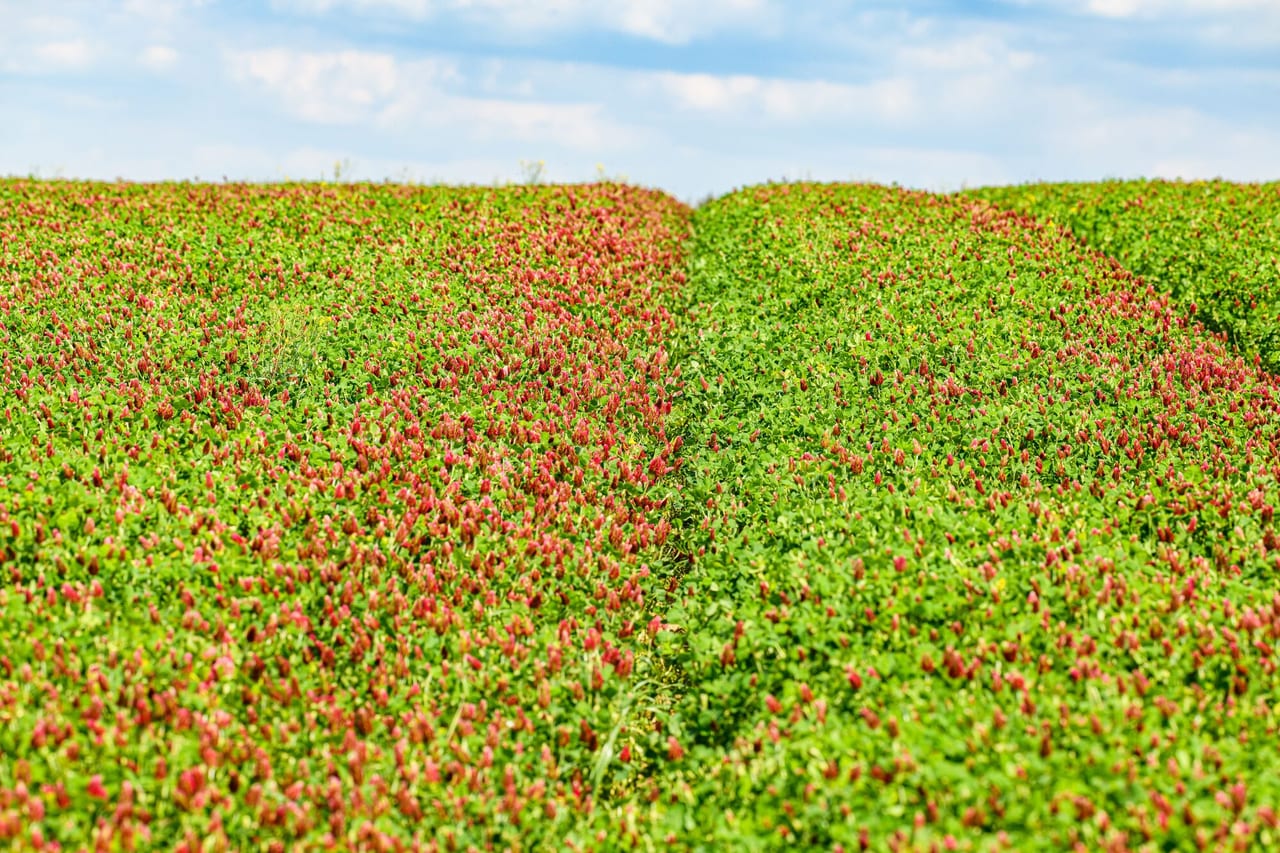
Sainfoin
A valuable forage crop of arid regions; it is important to preserve the leaf and quality.

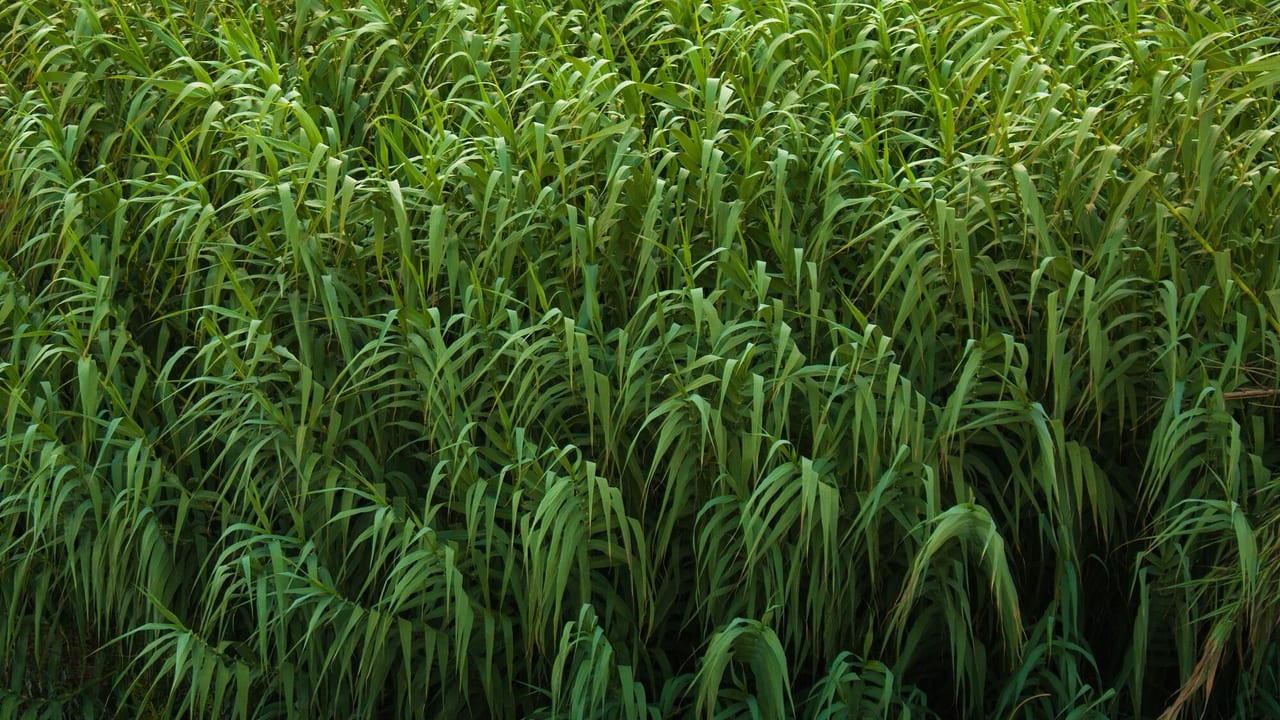
Sudan grass / sorghum-sudangrass hybrid
A high-yield forage crop; overlaps with green mass and haylage.

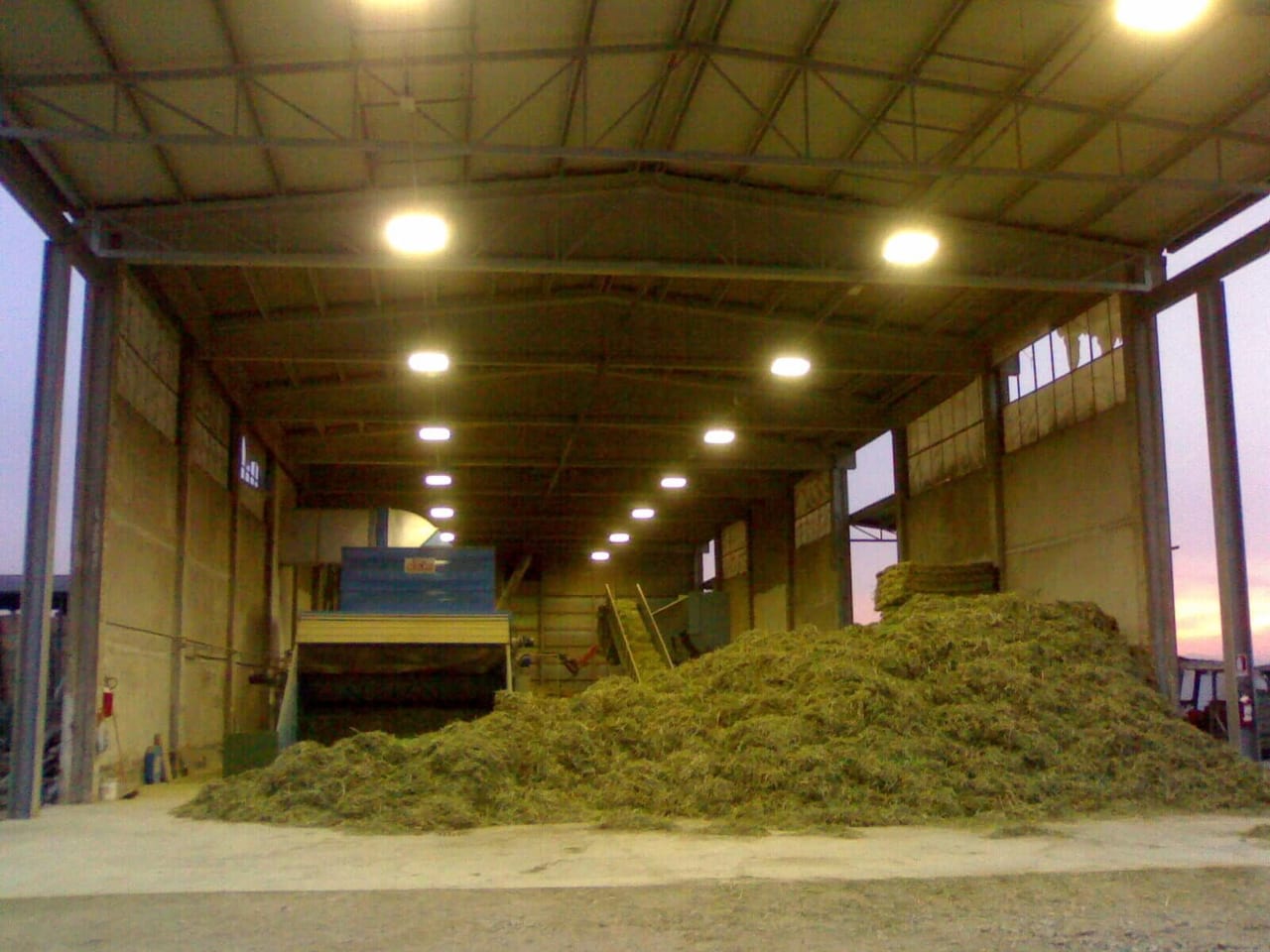
Alfalfa / lucerne
A standalone commercial niche. Gentle drying (60-120 °C) preserves protein, colour and leaf mass - losses of around 2% versus 10-15% on drum dryers.
Our Products
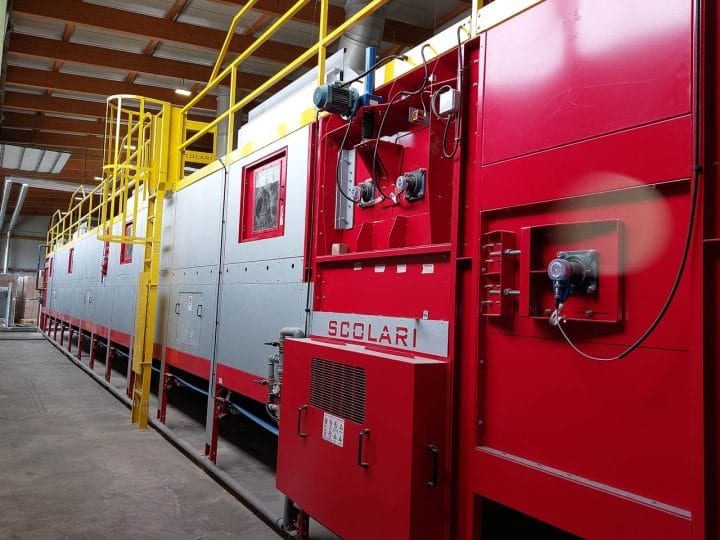
Universal Dryers
These dryers can be customized to dry any industrial or agricultural product you may require. Depending on the specific product and its moisture content, the dryers can be equipped with mixers, movable floors, vibrating floors, and other advanced technologies.
Grain Dryers
Authorized representative for top European grain dryer manufacturers like Alvan Blanch, FAO, and Agrex. Offering a full range of advanced drying solutions for agriculture.
Contact Us
If you are interested in purchasing any of our products, need a price quotation, or have any questions, comments, or suggestions, please do not hesitate to contact us via our contact form, by phone, or by email.
- WhatsApp: +90 (536) 452-1184
- E-mail: write to us
Our phones:
- Kazakhstan: +7 (747) 095-1626
- Moldova: +373 (22) 011-214
- Romania: +40 (31) 229-8484
- Türkiye: +90 (536) 452-1184 (English)
- Ukraine: +380 (67) 111-6668