
Drying Ryegrass: Green Mass, Hay and Seed
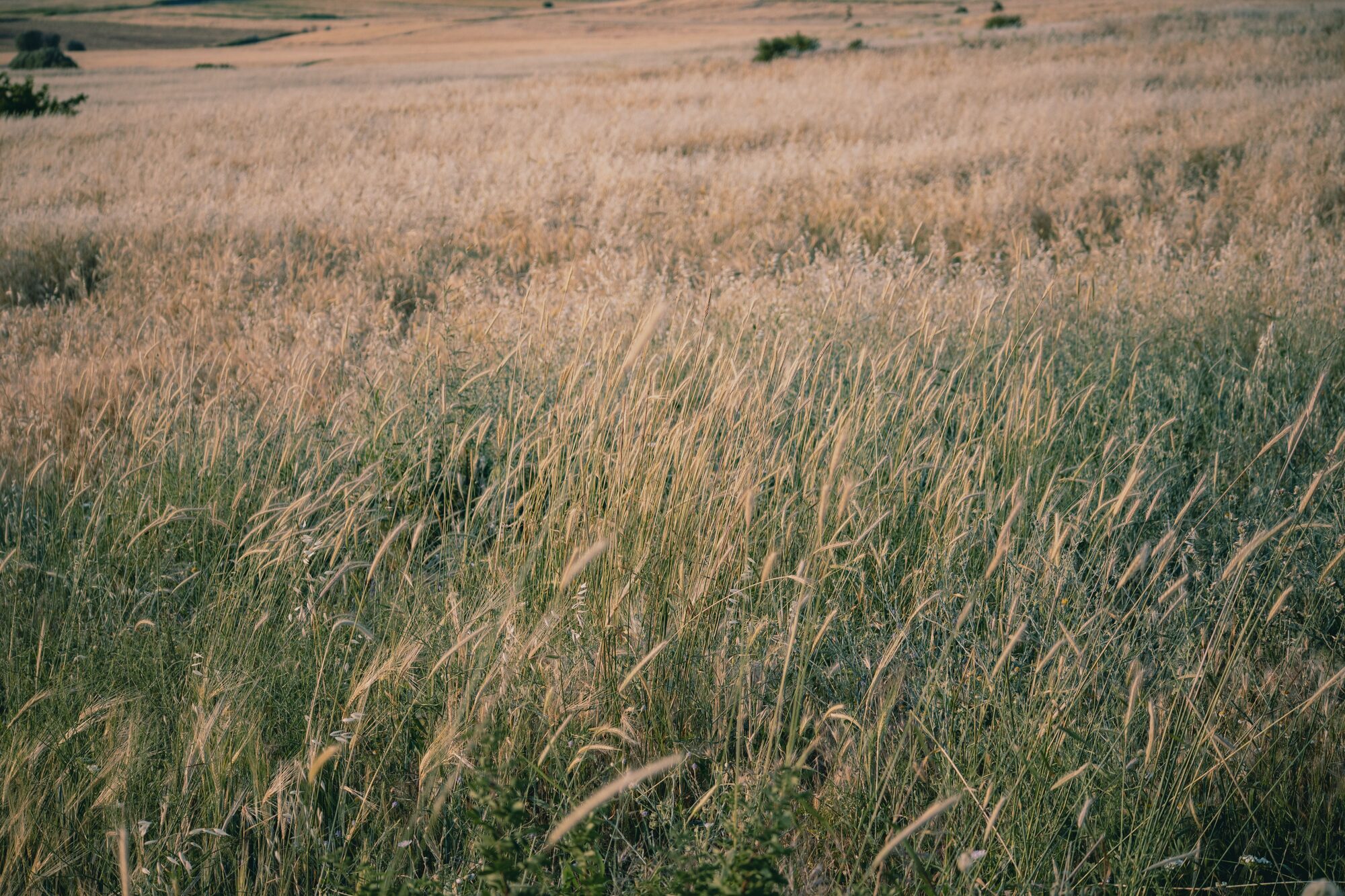
Ryegrass is a forage grass, not a cereal crop. It cannot be treated the same way as wheat, barley, or maize. When drying ryegrass, the priorities are green colour, palatability, water-soluble sugars, protein, carotene, storage stability and — where seeds are concerned — germination capacity.
Ryegrass presents two fundamentally different drying tasks. The first is green mass for feed: hay, grass meal, pellets, or nuts. The second is seed material. For green mass, conveyor, belt, ventilation, or drum technologies are applicable. Seeds require an entirely different approach — low-temperature and gentle. In terms of drying logic, ryegrass is close to alfalfa and other forage grasses, but as a grass species it has its own characteristics.
The most common mistake is to look for a single universal "ryegrass drying temperature". No such temperature exists. For green mass in a conveyor dryer a gentle regime is used; in a drum dehydration line the heat-carrier temperature can be very high; for ryegrass seed the air temperature must be low to protect germination capacity.
Key takeaway: ryegrass has no single "drying temperature" — the regime depends on the end product. Green mass for feed is dried gently in conveyor dryers, preserving colour, sugars, and protein; for large-volume grass meal and pellets a more intensive drum line is possible; seeds are dried separately at low temperature to maintain germination capacity.
Quick Answer
Ryegrass for feed is dried as green grass mass. For a high-quality product it is best to use conveyor or belt dryers with gentle agitation and controlled temperature. These technologies help preserve colour, sugars, protein, and palatability.
For industrial grass meal and pellets, drum drying is possible. It offers high throughput but is more intensive: the heat-carrier temperature in the drum can be very high, so product quality is generally lower than with gentle conveyor drying.
Ryegrass seed is dried separately. This is not forage mass but sowing material. Germination capacity is critical for seed, so it cannot be dried like grass: a gentle regime, low air temperature, and rapid cooling of the moist seed after threshing are required.
| What we dry | Purpose | Temperature logic | Suitable technology |
|---|---|---|---|
| Ryegrass green mass | Hay, chop, grass meal, pellets | Gentle regime, colour and sugar control | Conveyor / belt drying, active ventilation |
| Mass for grass meal at large volumes | Rapid moisture removal before pelleting | Hot heat carrier, short exposure time | Drum dryer |
| Ryegrass hay | Stable storage, mould prevention | Finish-drying to a safe moisture level | Field drying + roof-covered finish drying |
| Ryegrass seed | Preserve germination capacity | Low air temperature, avoid overheating seed | Chamber, gentle belt, or ventilation drying |
Our Dryers for Ryegrass
Ryegrass — whether green mass, hay, grass meal, or seed material — calls for grass and biomass solutions, not grain dryers. Conveyor dryers with a stirrer and container or stationary dryers for grasses preserve colour, sugars, and protein; drum lines handle large volumes of grass meal, pellets, and nuts; seeds are dried gently at low temperature. The key differentiator is not applicability itself but the temperature regime, mechanical gentleness, chop length, and feed-quality requirements.
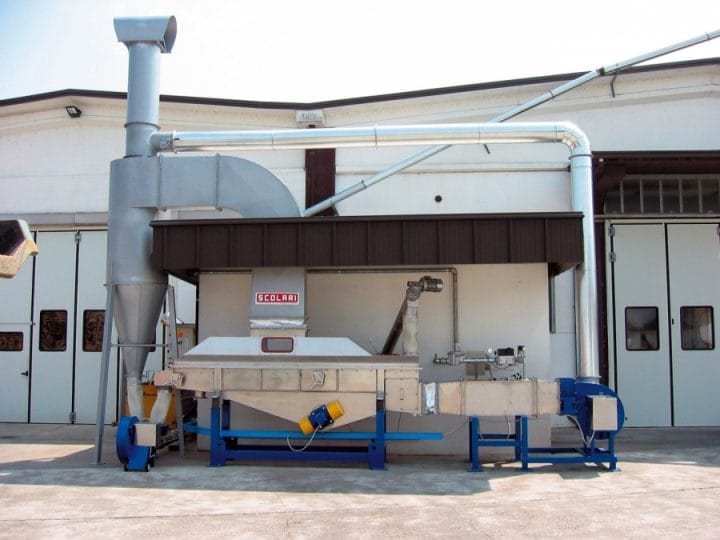
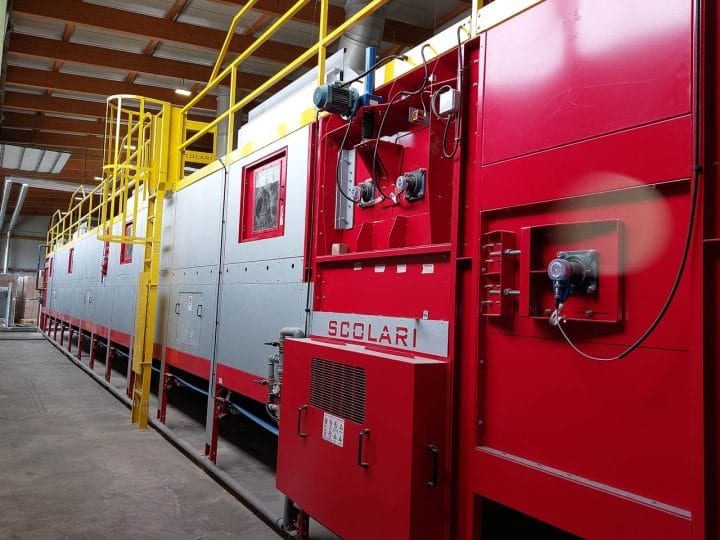
Scolari Vibratory Dryers
Italian Scolari vibratory dryers create an artificial boiling layer of the material being dried, which allows it to be blown through from all sides and effectively remove surface moisture. Suitable for materials with surface moisture, granulated products, or flowing powders.
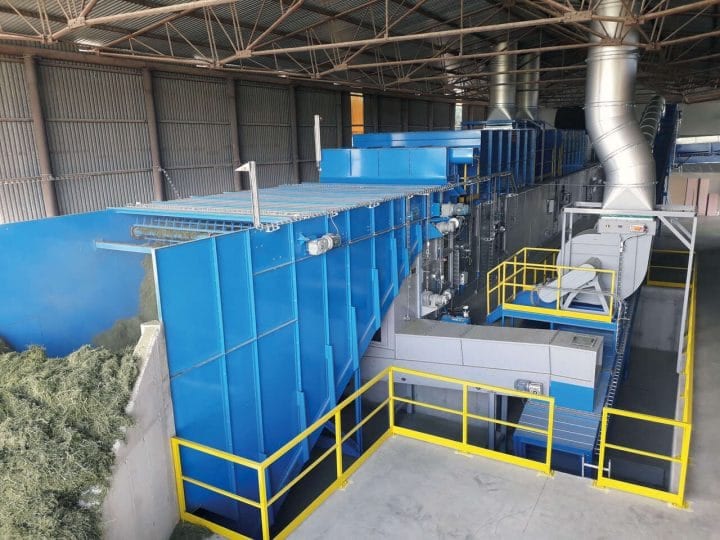
Scolari Dryer With Movable Conveyor Belt
Horizontal dryers feature perforated steel or plastic movable floors designed for drying various materials. Airflow can be configured from top to bottom or vice versa.
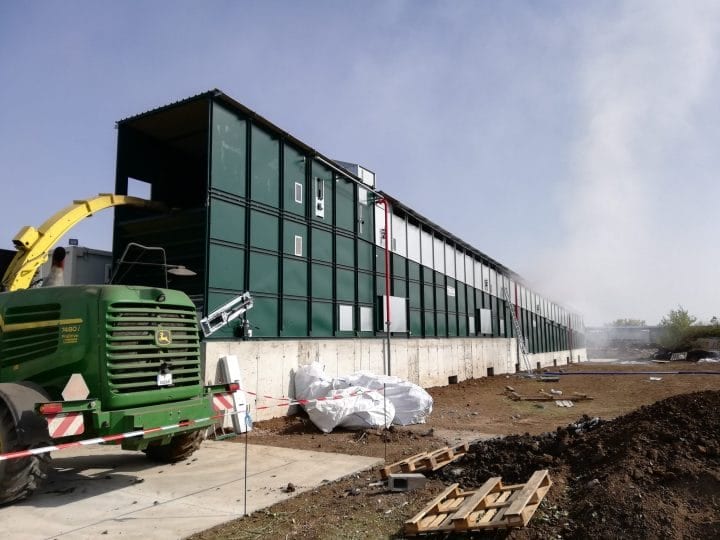
Alvan Blanch Conveyor Dryer
British universal conveyor dryers for non-grain agricultural and industrial products. Thanks to their horizontal design, built-in distribution and stirring systems, they can dry a wide range of materials.
Ryegrass as a Drying Product
Ryegrass is a forage grass species. Various types are encountered in practice: perennial ryegrass, Italian ryegrass, annual forms, and grass mixtures containing ryegrass. For the customer, botanical classification usually matters less than the end product:
- green mass for feed;
- hay;
- haylage or silage;
- grass meal;
- pellets or nuts;
- seed material.
Haylage and silage must be distinguished from drying. During ensiling the mass is wilted but not brought to a dry, stable state. This is preservation of moist mass, not drying in the full sense. For ryegrass this is an important alternative, because it often contains a great deal of moisture and sugars and can dry slowly and poorly when making hay.
Ryegrass seed is a separate topic. It cannot be dried under the same regimes as green mass. Green mass is valued as feed; seed is valued as sowing material. They carry different risks, require different temperatures, and need different dryers.
Why Ryegrass Is More Demanding Than "Ordinary Grass"
Ryegrass is prized for its high palatability and high soluble sugar content. This is advantageous for feed value, but it complicates drying and storage. A moist, sugar-rich mass respires actively, loses nutrients, and can self-heat if field wilting is slow.
High Moisture Content
Freshly cut ryegrass contains a great deal of water. In wet weather the mass remains moist for a long time. The longer it lies in the field, the higher the risk of losing colour, sugars, and protein.
Sugars and Palatability
Soluble sugars are one of the reasons animals eat ryegrass readily. But those same sugars are easily lost during prolonged drying and overheating. Good-quality ryegrass drying must therefore be fast yet not aggressive.
Colour and Carotene
Green colour is an important visual quality indicator in dried grass. Overheating and prolonged sun exposure cause the colour to disappear, carotene to break down, and the product to turn brown. For premium feed this is a significant drawback.
Difficulty of Achieving Good Hay
Ryegrass is often easier and more reliably conserved as haylage or silage than as dry hay. This does not mean ryegrass cannot be dried. But achieving quality hay requires either good weather or managed finish-drying: active ventilation, a conveyor dryer, or another technology with controlled airflow.
Why ryegrass is often better suited to haylage than to hay
Ryegrass contains a great deal of moisture and sugars. For ensiling this is an advantage: the mass ferments well. For hay it is more difficult: a large amount of moisture must be removed quickly without losing quality. In unsettled weather ryegrass can lie in the field for a long time, get rained on, turn brown, and lose nutritional value. This is why many operations conserve ryegrass as haylage or silage, reserving drying for specific purposes: dry hay, grass meal, pellets, export feed, or seed material.
Ryegrass Drying Temperature
Temperature depends on what is being dried and which technology is used.
| Scenario | Reference point | How to interpret |
|---|---|---|
| Conveyor drying of green mass | up to 120 °C air temperature | Gentle regime for forage grass; the actual setpoint is matched to moisture content, layer depth, and target quality |
| Conveyor drying on Alvan Blanch CD | around 70 °C air temperature for a comparable forage product | A practical reference for gentle drying of grass mass |
| Scolari Series A | wide working range, adjusted to product | What matters is not the maximum of the range but the specific regime for the grass and the target quality |
| Drum dehydration | hundreds of degrees for the heat carrier | This is the temperature of the hot gas, not the plant material; the technology is fast but more intensive |
| Ryegrass seed drying | air around 30 °C; overheating above 40 °C is hazardous | Seeds are dried to protect germination capacity, not feed value |
| Active ventilation of hay | air close to ambient, sometimes slightly warmed | Low-temperature finish-drying under a roof, not hot industrial drying |
It is important not to confuse air temperature with product temperature. In a drum dryer the heat carrier can be extremely hot, but the moist green mass is protected by intense evaporation. In seeds there is no such protection: overheating rapidly reduces germination capacity.
Moisture: Target Levels for Ryegrass Drying
Target moisture levels differ by product.
| Product | Target final moisture | Notes |
|---|---|---|
| Ryegrass hay | around 15 % | For safe storage; higher moisture increases the risk of mould and self-heating |
| Grass meal / pellets | around 10–12 % | Depends on subsequent pelleting, storage conditions, and buyer requirements |
| Green mass before industrial drying | depends on field pre-wilting | Pre-wilting reduces fuel consumption |
| Ryegrass seed | around 12 % | For storage of sowing material while maintaining germination capacity |
| Haylage / silage | not brought to dry-hay level | This is fermentation storage of moist mass, not drying |
The drier the product, the more stable the storage. However, over-drying is not always beneficial either: it increases losses, brittleness, dustiness, and fuel consumption. For forage grass, the right balance between safe moisture and quality preservation is essential.
Main Ryegrass Drying Technologies
1. Field Drying
Field drying is the simplest way to produce hay. Ryegrass is cut, wilted, tedded, then picked up and baled.
Advantages:
- minimal capital investment;
- simple technology;
- suitable for small operations in good weather.
Disadvantages:
- strong dependence on weather;
- risk of rain and re-wetting;
- loss of colour, sugars, and carotene;
- risk of mould when baling moist mass;
- high batch-to-batch quality variability.
For ryegrass, field drying can be more difficult than for drier grass species, because ryegrass typically has a high moisture content and takes longer to wilt.
2. Active Ventilation and Roof-Covered Finish Drying
This is an intermediate option between field drying and an industrial dryer. The mass is picked up at a partially wilted state and finish-dried in a storage facility using an airflow. The air may be ambient or slightly warmed.
This technology helps to:
- reduce the time the mass spends in the field;
- lower weather-related risk;
- preserve colour and nutritional value;
- reduce the risk of mould;
- achieve more consistent hay.
For ryegrass this can be a good solution where the goal is quality hay rather than grass meal.
3. Conveyor / Belt Drying
A conveyor dryer feeds the green mass in a layer onto a belt and passes hot air through it. A well-designed unit allows the belt speed, layer thickness, temperature, and dwell time to be adjusted.
Conveyor drying is attractive for ryegrass because it:
- is gentler than drum drying;
- better preserves green colour;
- allows operation with longer chop lengths;
- reduces the risk of losing leaf fraction;
- can utilise heat recovery;
- is suitable for grass meal, chop, pellets, and nuts.
4. Conveyor Drying with a Stirrer
If the grass layer lies stationary, some moisture may be released unevenly. A stirrer gently agitates the mass and opens moist zones to the airflow.
For ryegrass, gentle agitation is particularly important. Rough handling breaks up the leaf and turns part of the product to dust. Slow-speed stirrers and paddles that softly turn the mass in the layer rather than "beating" it are therefore especially valuable.
5. Drum Drying
A drum dryer is a high-temperature technology for large volumes of grass mass. It is used for the production of grass meal, pellets, and nuts.
Advantages:
- high throughput;
- relatively simple and well-known design;
- suitable for mass dehydration;
- can be economically justified for high raw-material throughputs.
Disadvantages:
- higher heat-carrier temperature;
- less gentle treatment of the product;
- greater risk of colour loss and partial nutrient degradation;
- generally requires shorter chop lengths;
- usually less suitable for premium green feed.
A drum dryer is not a "bad" technology. It represents a different trade-off: more throughput and simplicity, but less product gentleness.
6. Ryegrass Seed Drying
Ryegrass seed is dried on a different logic. Freshly threshed moist seed can self-heat rapidly. If aeration is not started promptly, temperature in the mass rises and germination capacity falls.
For seed it is important to:
- begin aeration with ambient air immediately after threshing;
- avoid overheating the seed;
- maintain a low drying-air temperature;
- bring moisture down to approximately 12 % for storage;
- not apply regimes designed for green mass or grass meal.
Why ryegrass seed cannot be dried like green mass
Green mass is dried to preserve feed value: colour, sugars, protein, and stable storage. Seed is dried to preserve germination capacity. If seed is overheated, the embryo is damaged and the batch loses its sowing value. This is why hot-air regimes that are acceptable for forage mass cannot be applied to seed.
What Happens When Ryegrass Is Dried Incorrectly
Loss of Sugars and Palatability
Ryegrass is valued for high palatability. During prolonged drying, overheating, and self-heating, part of the soluble sugars is lost. The product may formally remain "dry", but animals will eat it less willingly.
Browning and Loss of Green Colour
Colour is an important quality marker. Overheated or long-lying mass turns brown. This reduces visual and feed value, especially if the product is being prepared for export or premium feeding programmes.
Mould and Self-Heating
Hay that is too moist or insufficiently dried mass can heat up in the bale or in storage. This impairs smell, reduces feed value, and increases the risk of spoilage.
Loss of Protein and Leaf Fraction
Excessively short chop lengths, rough agitation, and overly strong airflow can increase the proportion of dust and leaf loss. For forage grass this means losing the most valuable part of the mass.
Loss of Seed Germination Capacity
For seed ryegrass the primary risk is overheating. If the seed is not cooled and aerated in the first hours after threshing, the moist mass can heat up rapidly. Overheating reduces germination capacity and lowers the batch's value as sowing material.
Which Finpro Dryers Are Suitable for Ryegrass
Ryegrass should not be grouped with grain dryers. It is a forage grass and seed material, so suitable solutions belong to the grass, hay, forage, biomass, and seed categories.
Scolari Series A
A conveyor dryer with a gentle stirrer. Suitable for hay, forage, straw, moist plant mass, and materials where careful layer agitation is important. For ryegrass this is one of the key series when the goal is quality feed, green chop, or grass meal.
Scolari T / 2T / 3T
Conveyor solutions for delicate lightweight materials, grasses, and plant biomass. Multi-level versions are beneficial at large volumes and high fuel costs, as they allow more efficient use of thermal energy.
Alvan Blanch CD
A conveyor dryer for grasses, alfalfa, straw, green mass, and biomass. A suitable technology reference for gentle drying of ryegrass for feed, grass meal, or pellets.
Herbas Container / Stationary
Container and stationary solutions for grasses and plant biomass. These can be of interest to operations needing a flexible or modular drying scheme.
Starmax Drum Dryer
A drum dryer for large volumes of green biomass, grass meal, pellets, and nuts. A high-throughput solution, but not the best option when maximum colour and nutritional value retention is the priority.
Scolari C for Seed Material
For ryegrass seed, separate gentle regimes are required. Chamber or cabinet solutions and dedicated low-temperature systems are more appropriate here than dryers designed for green mass.
How to Choose the Technology
| Customer task | Recommended direction |
|---|---|
| Ryegrass for quality hay | Field drying + active ventilation or conveyor drying |
| Ryegrass for grass meal | Conveyor dryer or drum line — depending on quality requirements |
| Ryegrass for pellets / nuts | Conveyor or drum drying + grinding and pelleting |
| Premium green feed | Conveyor dryer with gentle stirrer |
| Large volume with moderate colour requirements | Drum dryer |
| Ryegrass seed | Low-temperature chamber / belt drying and active aeration |
| Poor weather, mass drying slowly in the field | Haylage / silage or roof-covered finish drying |
What You Need to Know for a Dryer Calculation
Selecting a dryer for ryegrass requires clarifying not only the crop but also the end product.
The following inputs are needed:
- what is being dried: green mass, hay, grass meal, pellets, nuts, or seed;
- initial moisture content;
- target moisture content;
- required throughput in tonnes per hour or kilograms per hour;
- chop length;
- whether field pre-wilting will be carried out;
- quality requirements for colour, aroma, protein, and sugars;
- for seed — germination capacity requirements;
- fuel type;
- operating mode: seasonal, round-the-clock, export project, or farm operation.
Without this data it is not possible to make a well-founded choice between active ventilation, a conveyor dryer, a drum line, or gentle seed drying.
Practical Recommendations
If the goal is quality feed, it is not worth focusing solely on maximum throughput. For ryegrass a gentle technology matters: preserving green colour, sugars, aroma, and palatability.
If the mass is destined for grass meal and pellets, the choice comes down to what is more important: minimum unit cost or product quality. A drum line may be cheaper and more productive, but conveyor drying generally preserves colour and nutritional value better.
Where seed is concerned, temperature becomes critical. Ryegrass seed must be dried gently, aerated rapidly after threshing, and protected from self-heating at all times.
Ryegrass is grown worldwide as a component of forage rations, grass mixtures, and raw material for hay, haylage, grass meal, and pellets. The drying technology, however, must be chosen not "for the crop name" but for the specific end product.
Frequently Asked Questions about Ryegrass Drying
At what temperature should ryegrass be dried?
It depends on the product. Green mass for feed is generally dried gently: conveyor dryers work considerably more gently than drum dryers. For grass meal in a drum line, the heat-carrier temperature can be very high, but this is not the product temperature. Ryegrass seed is dried in an entirely different way — at low temperature to preserve germination capacity.
Why is ryegrass difficult to dry into hay?
Ryegrass contains a great deal of moisture and sugars. It can take a long time to wilt, lose quality during prolonged field lying, and self-heat if stored incorrectly. This is why it is often conserved as haylage or dried using managed finish-drying systems.
To what moisture level should ryegrass hay be dried?
For stable storage the target is approximately 15 % moisture. The precise acceptable level depends on bale density, storage facility, ventilation, and storage conditions.
To what moisture level should ryegrass seed be dried?
For storage of sowing material the reference point is approximately 12 %. Moisture alone is not the only consideration: freshly threshed moist seed must not be left without aeration, because it self-heats rapidly.
Which is better for ryegrass: a conveyor dryer or a drum dryer?
For maximum green feed quality, a conveyor or belt dryer with a gentle stirrer is preferable. For large-scale grass meal and pellets where throughput and cost efficiency are the priority, a drum dryer may be suitable.
Can ryegrass be dried in a grain dryer?
An ordinary grain dryer is not suitable for ryegrass green mass. Ryegrass is a bulky, light, fibrous grass — not grain. Dryers designed for grasses, hay, forage, or biomass are required. Ryegrass seed is the exception: it is sowing material, and separate gentle regimes apply.
Why is it important to preserve sugars in ryegrass?
Sugars influence palatability and feed value. During prolonged drying, overheating, and self-heating, part of the sugars is lost and the feed becomes less attractive to animals.
How does drying ryegrass differ from drying alfalfa or clover?
Alfalfa and clover are legumes; ryegrass is a grass species. With ryegrass, more attention is paid to sugars, green colour, and the difficulty of achieving quality hay. But the dryer selection logic is similar: for quality feed a gentle conveyor drying process is preferred; for mass dehydration a drum dryer is possible.
Summary
Drying ryegrass is not about finding a single "crop temperature" but about choosing the technology for the end product. Ryegrass is a forage grass valued for palatability, sugars, and green colour — and these are precisely the properties most easily lost through incorrect drying.
For quality green feed the main direction is conveyor or belt drying with a gentle stirrer: it preserves colour, sugars, protein, and leaf fraction. For large-scale grass meal, pellets, and nuts a more productive drum line is an option, with an honest acknowledgement of quality trade-offs. Ryegrass seed is dried separately, gently, and at low temperature, with germination capacity as the primary criterion.
Ryegrass drying is relevant for operations producing feed for dairy and beef livestock, grass meal, pellets, nuts, and forage grass seed. Finpro selects dryers for ryegrass, hay, alfalfa, clover, forage grasses, and seed material: Scolari and Alvan Blanch conveyor dryers, Herbas container and stationary solutions, Starmax drum dryers for grass meal and pellets, and gentle systems for seed drying.
Need to Select a Dryer for Ryegrass?
To calculate a dryer for ryegrass, send us the intended use of the product (hay, grass meal, pellets, nuts, or seed), initial and target moisture, required throughput, chop length, fuel type, and quality requirements: colour, protein, sugars, palatability, or seed germination capacity. We will propose the technology suited to your product. Contact us by any convenient method.
Still Have Questions? Contact Us!
By Phone
WhatsApp: +90 (536) 452-1184By E-mail
Our address: info@finpro.engineering
Related products

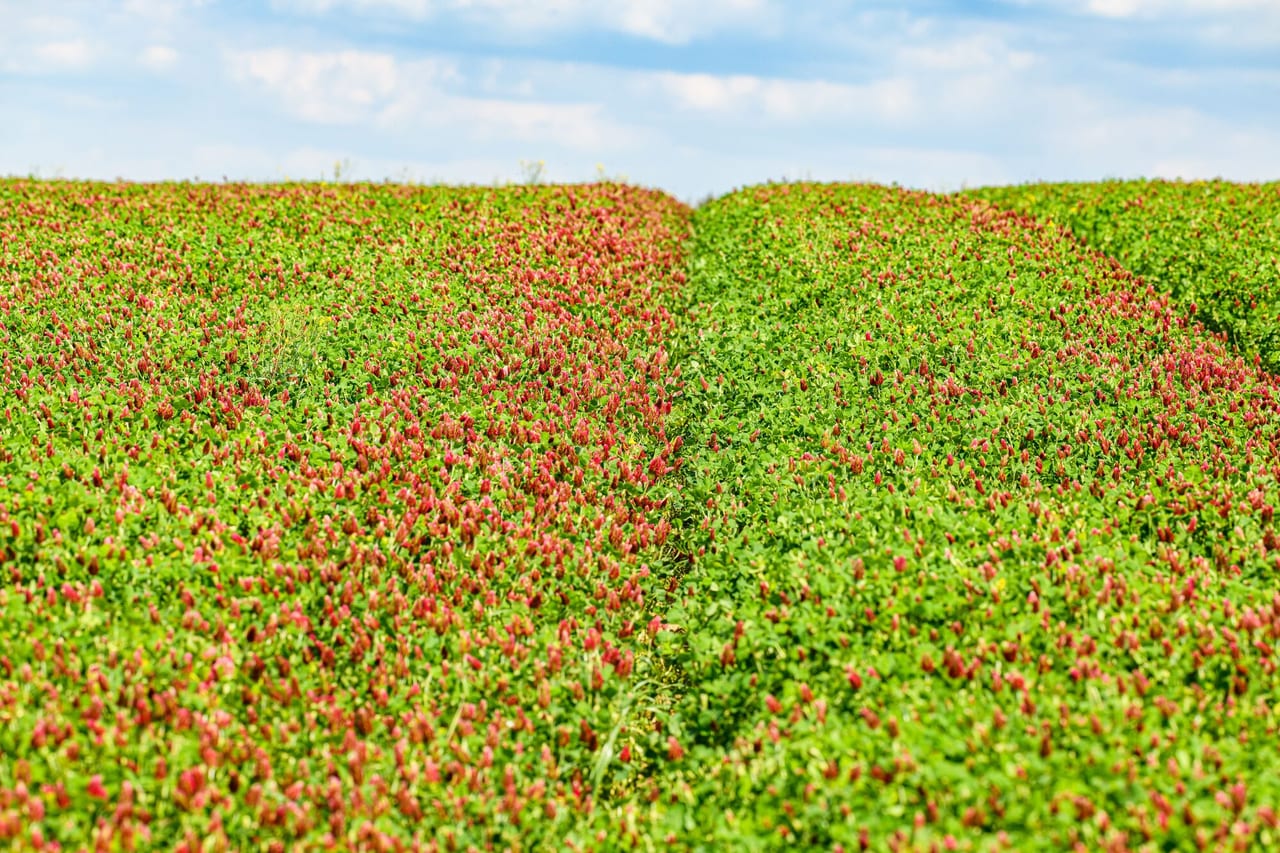
Sainfoin
A valuable forage crop of arid regions; it is important to preserve the leaf and quality.
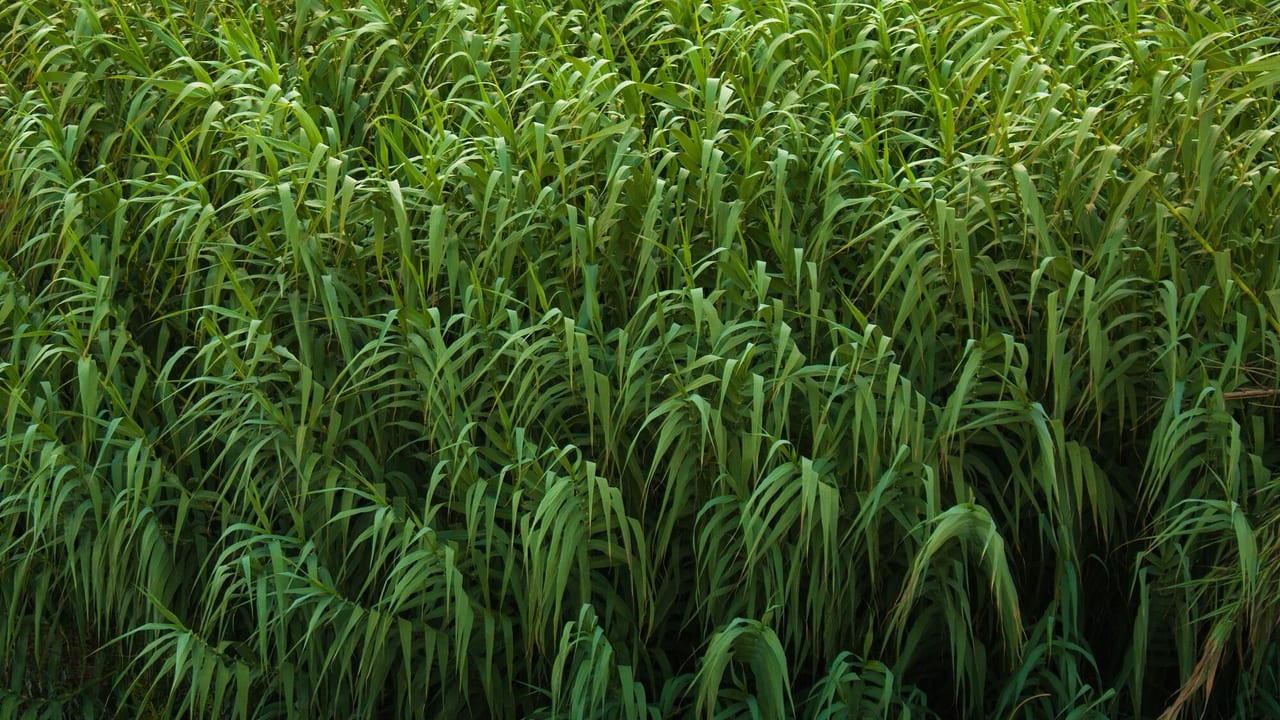
Sudan grass / sorghum-sudangrass hybrid
A high-yield forage crop; overlaps with green mass and haylage.
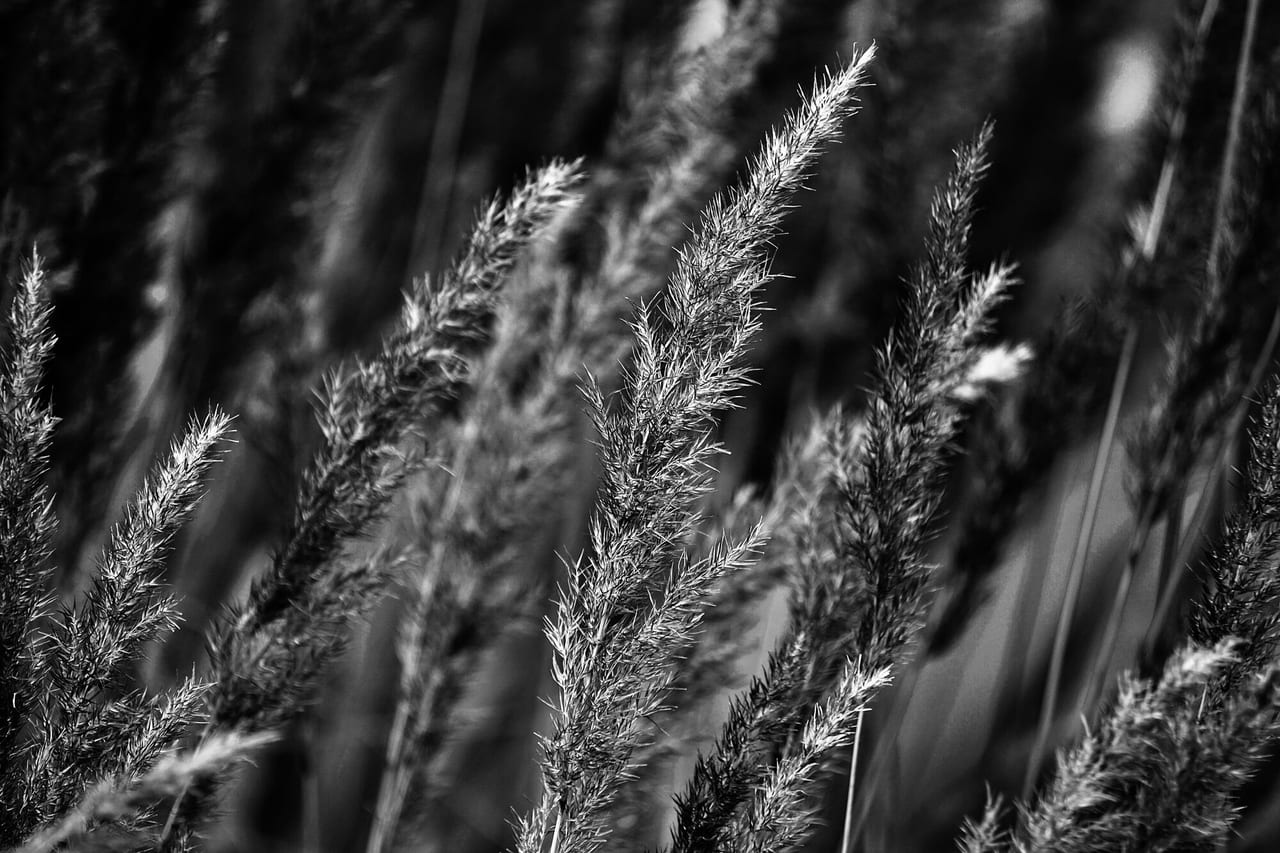
Timothy grass
A cereal forage grass yielding export-quality hay; uniform, gentle drying.

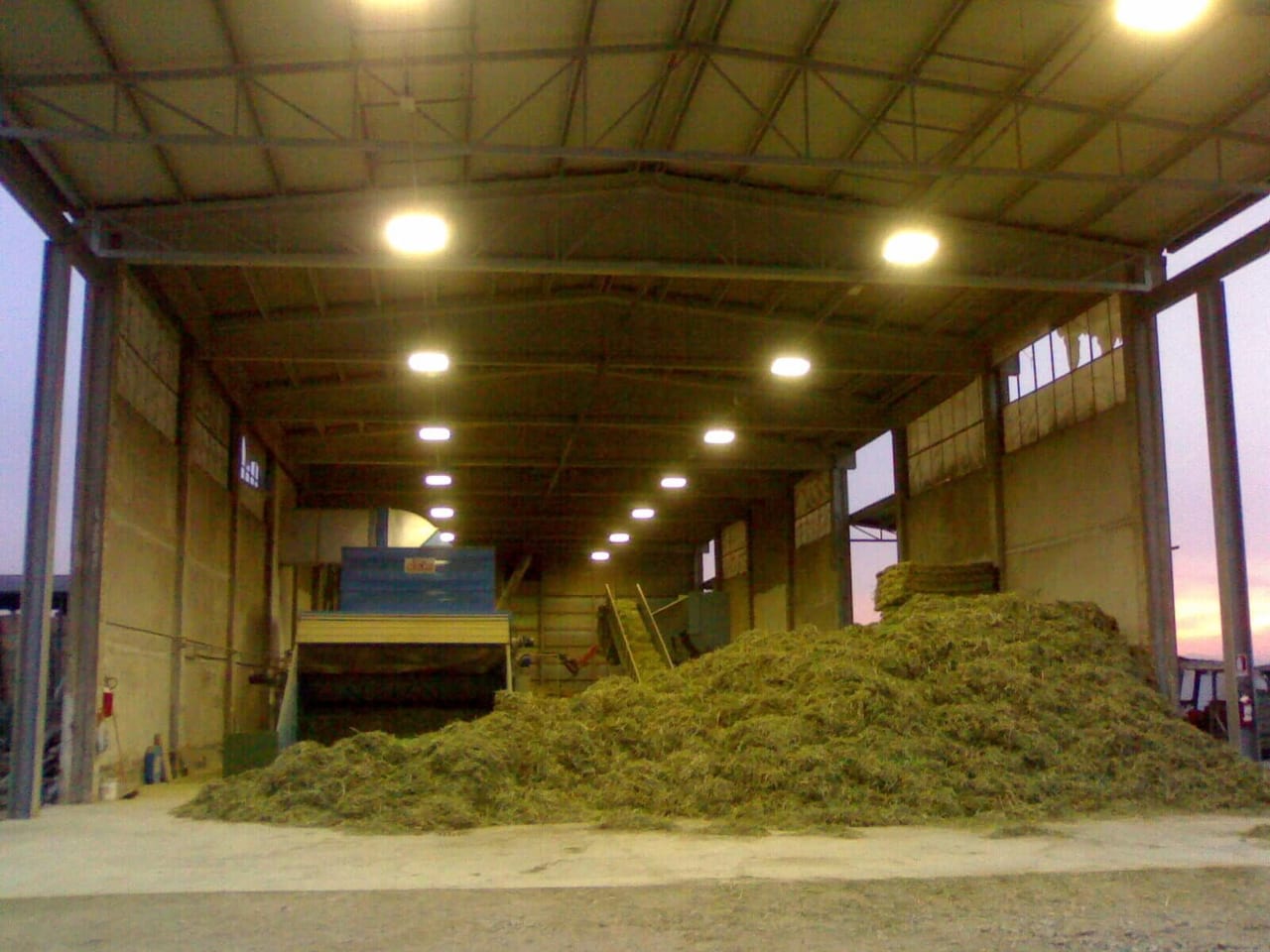
Alfalfa / lucerne
A standalone commercial niche. Gentle drying (60-120 °C) preserves protein, colour and leaf mass - losses of around 2% versus 10-15% on drum dryers.
Our Products
Universal Dryers
These dryers can be customized to dry any industrial or agricultural product you may require. Depending on the specific product and its moisture content, the dryers can be equipped with mixers, movable floors, vibrating floors, and other advanced technologies.
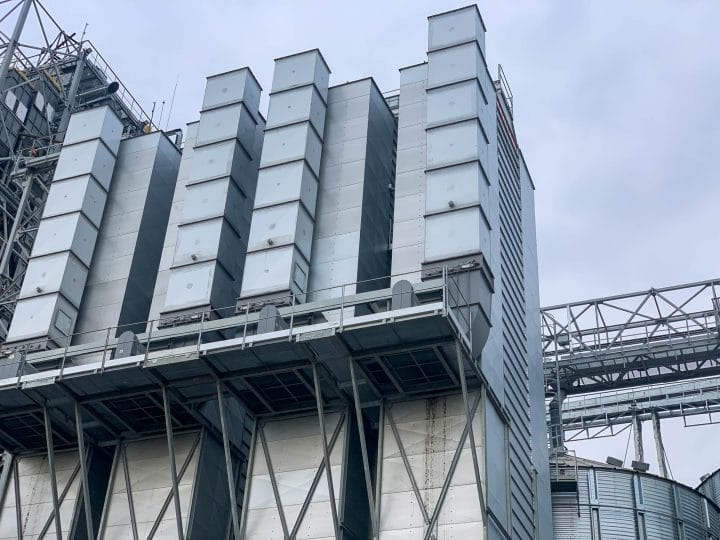
Grain Dryers
Authorized representative for top European grain dryer manufacturers like Alvan Blanch, FAO, and Agrex. Offering a full range of advanced drying solutions for agriculture.
Contact Us
If you are interested in purchasing any of our products, need a price quotation, or have any questions, comments, or suggestions, please do not hesitate to contact us via our contact form, by phone, or by email.
- WhatsApp: +90 (536) 452-1184
- E-mail: write to us
Our phones:
- Kazakhstan: +7 (747) 095-1626
- Moldova: +373 (22) 011-214
- Romania: +40 (31) 229-8484
- Türkiye: +90 (536) 452-1184 (English)
- Ukraine: +380 (67) 111-6668