
Drying Sudan Grass and Sorghum-Sudangrass
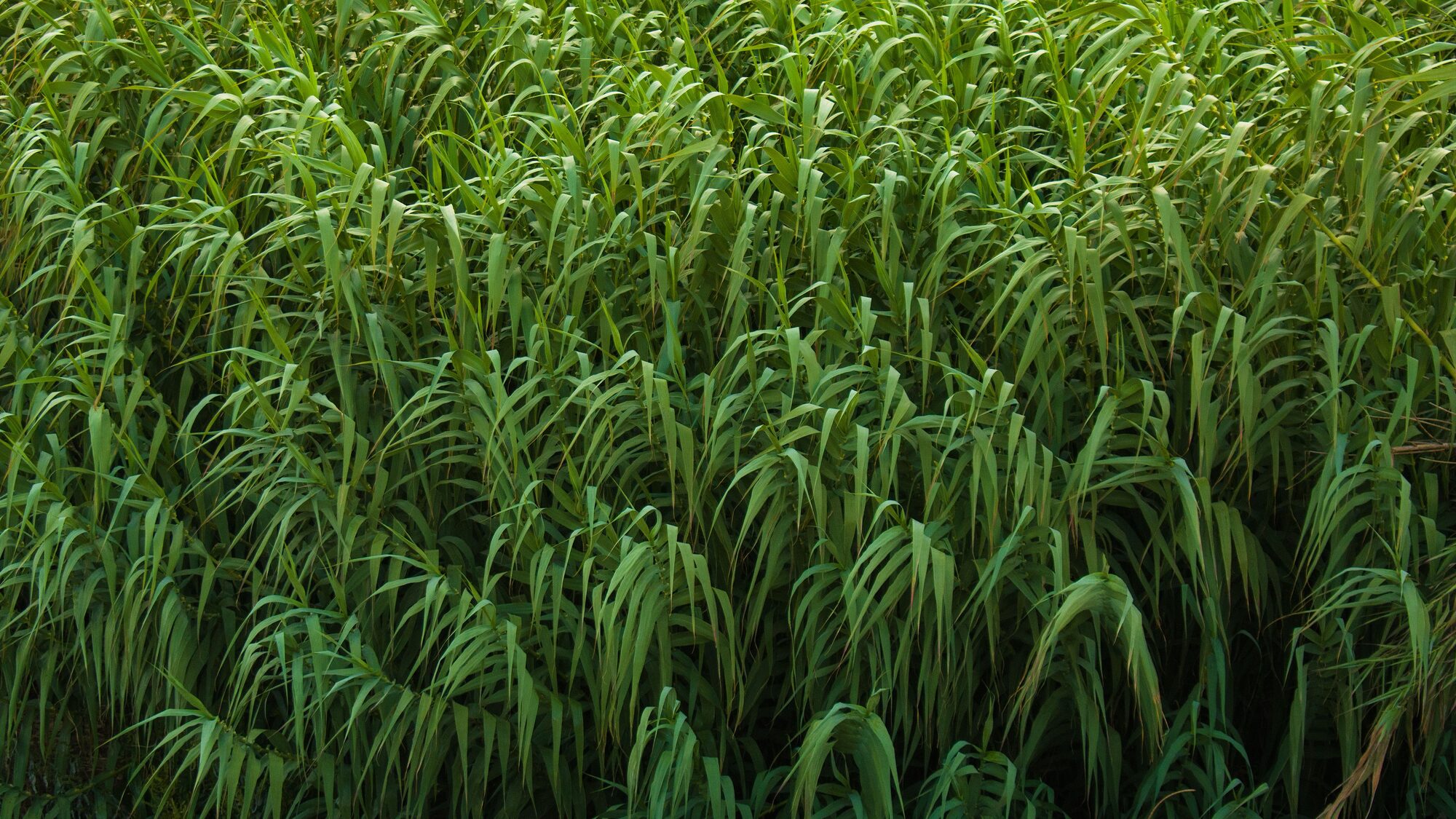
Sudan grass (sorghum sudanense) is not grain sorghum but an annual forage crop grown for green mass. It is cultivated for hay, haylage, silage, green feed and grass meal. In terms of drying, it is closer to forage grasses and alfalfa than to grain crops: the goal is not to "dry grain" but to preserve the nutritional value of the green mass — protein, colour, carotene and palatability.
The main difficulty with sudan grass is the thick, succulent stem. The leaves can already look dry while the stem still retains moisture inside. As a result, during conventional field drying it is easy to under-dry the crop, bale it at too high a moisture content, or, conversely, over-dry the leaves and lose quality. For sorghum-sudangrass hybrids this problem is even more pronounced: they are typically more vigorous, the stem is thicker, and making hay is considerably harder.
The second characteristic is feed safety. Sudan grass and related sorghum crops carry two distinct risks: prussic acid (hydrocyanic acid) and nitrates. Drying and ensiling help reduce the prussic acid risk, but nitrates are not significantly removed by drying. Understanding this distinction is essential before choosing a preservation technology.
Key takeaway: Sudan grass hay is dried to approximately 15–18 % moisture, but because of the thick stem, field drying can be slow and risky — it is accelerated by stem conditioning, wide swaths and forced aeration. For grass meal and pellets, belt conveyors with gentle airflow and a fluffing device are preferred; drying helps with prussic acid but does not address nitrate accumulation.
Quick Answer
Sudan grass hay is dried to approximately 15–18 % moisture, but because of the thick stem, field drying can be slow and risky. Stem conditioning, wide swaths, forced aeration or industrial drying are used to speed up the process.
For grass meal and pellets, belt dryers with gentle settings and a fluffing device are preferred; drum dryers are possible but impose harsher thermal and mechanical conditions.
Our Dryers for Sudan Grass
Sudan grass and sorghum-sudangrass hybrids are forage green mass (hay, haylage, grass meal, pellets): belt dryers with a fluffing device and container/stationary solutions designed for grasses are the primary fit, while drum dryers suit high-volume meal production. Standard grain dryers are not appropriate — the difference lies not merely in applicability but in temperature regime, mechanical gentleness, chop length and the requirements for preserving leaf structure, colour and protein.
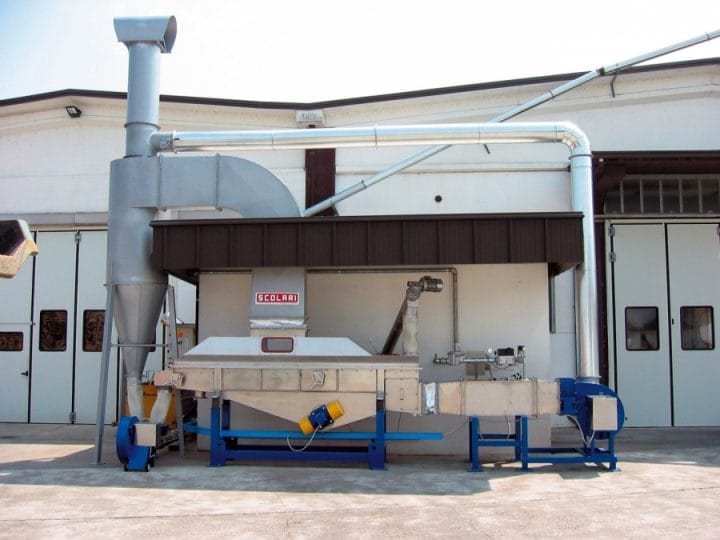
Scolari Vibratory Dryers
Italian Scolari vibratory dryers create an artificial boiling layer of the material being dried, which allows it to be blown through from all sides and effectively remove surface moisture. Suitable for materials with surface moisture, granulated products, or flowing powders.
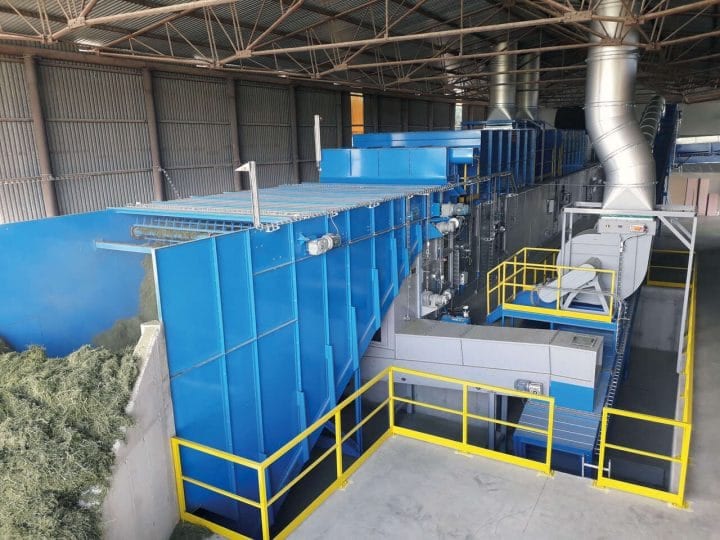
Scolari Dryer With Movable Conveyor Belt
Horizontal dryers feature perforated steel or plastic movable floors designed for drying various materials. Airflow can be configured from top to bottom or vice versa.
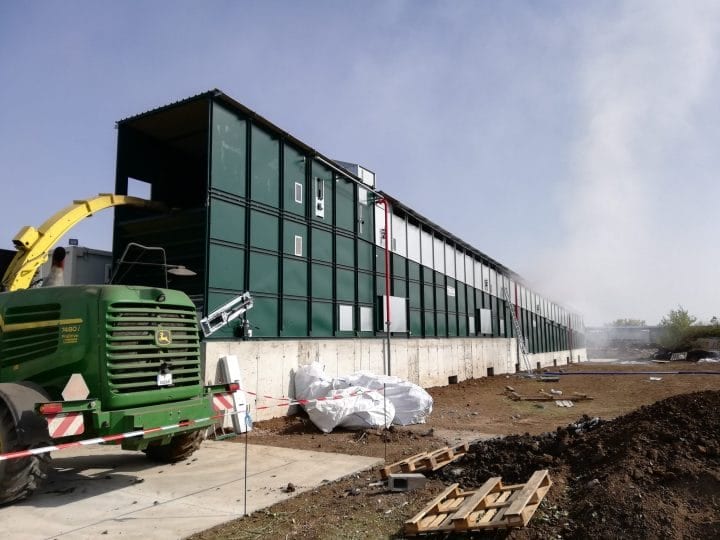
Alvan Blanch Conveyor Dryer
British universal conveyor dryers for non-grain agricultural and industrial products. Thanks to their horizontal design, built-in distribution and stirring systems, they can dry a wide range of materials.
What Is Being Dried: Sudan Grass, Sorghum-Sudangrass Hybrid or Grain Sorghum
Sudan grass is frequently confused with grain sorghum. For equipment selection, these are fundamentally different products.
Sudan grass is a forage green mass crop. The entire plant is dried: stem, leaf and panicle. The objective is hay, haylage feedstock, grass meal, pellets or another forage product.
Sorghum-sudangrass hybrid is a more vigorous forage form. Green-mass yields are high, but the stem is typically larger, making hay drying even more challenging.
Grain sorghum is a separate crop grown for seed. It is dried in grain dryers like any cereal, with different temperature logic, moisture targets and storage requirements. This article addresses forage sudan grass and sorghum-sudangrass hybrids only — not grain sorghum.
Why Sudan Grass Is Difficult to Dry as Hay
With sudan grass the challenge lies not so much in the leaves as in the stem. The leaf fraction releases moisture quickly, while the thick, succulent stem remains wet. In the field this creates several practical risks.
First, the windrow can look visually dry while the stem inside is still green. Second, a moisture sensor on the baler may give an overly optimistic reading because dry leaves give an impression of readiness, while most of the moisture is still locked in the stem. Third, if you wait for the stem to dry completely, the leaves become over-dried, brittle, crumble off and lose nutritional value.
With conventional sudan grass, which has a relatively thinner stem, making hay is somewhat easier than with sorghum-sudangrass hybrids. Even so, sudan grass hay requires more careful management than thin-stemmed grasses.
Why leaves and stems dry at different rates
The green mass of sudan grass is not homogeneous. The leaf has a large evaporation surface and loses moisture quickly. The stem is denser, thicker and holds considerably more internal moisture. As a result, during sun drying the leaf can already be brittle while the stem remains wet. For quality hay this is a poor combination: leaf fraction is lost yet the stem is still not safe for storage.
Hay, Haylage or Silage: What to Choose for Sudan Grass
Sudan grass can be made into hay, but in many operations it is more commonly ensiled as haylage or silage. The reason is straightforward: achieving fully dry hay from a thick-stemmed green mass is harder than preserving wilted material by fermentation.
Hay is chosen when dry roughage is needed, a dry-weather window is available, stem conditioning is possible and bale moisture can be monitored. The target moisture is approximately 15–18 % for safe storage, depending on bale type and storage conditions.
Haylage is chosen to reduce the risk of prolonged field drying. The mass is wilted but not taken to "hay" moisture. This is a preservation approach, not full drying.
Silage suits large volumes of green mass and often fits sudan grass and sorghum-sudangrass hybrid production better. Ensiling also helps reduce the prussic acid risk, though it is not a substitute for nitrate testing.
Grass meal and pellets represent the industrial feed route. Artificial drying of green mass is required, typically followed by grinding, pelleting and cooling.
Target Moisture for Drying Sudan Grass
For sudan grass hay, the standard target is approximately 15–18 % moisture. The larger the bale and the poorer the storage ventilation, the more conservative the upper moisture limit should be. Excessively moist hay can self-heat, develop mould and lose nutritional value.
For haylage and silage, moisture targets are different because these are fermentation processes, not dry storage. Haylage is typically made from wilted material; silage from wetter mass. These regimes must not be confused with dry hay targets.
Why stem moisture matters more than surface appearance
When drying sudan grass, dry-looking leaves do not guarantee the crop is ready for baling. If the stem remains wet, self-heating can begin inside the bale after pressing. For this reason, moisture management for sudan grass relies not only on visual assessment but also on moisture meters, stem cross-section checks, experienced judgement and caution with early batches in storage.
How to Accelerate Sudan Grass Hay Drying
The first technique is stem conditioning or crimping at mowing. The aim is to break the waxy cuticle and disrupt the stem structure, opening a pathway for moisture to escape and bringing the drying rate of the stem closer to that of the leaf.
The second technique is a wide swath. The wider the mass is spread, the greater the evaporation surface and the faster moisture is removed.
The third technique is not delaying field operations after mowing. The sooner the stem is conditioned and laid out, the sooner uniform moisture release begins.
The fourth technique is finishing with forced aeration or industrial drying when the weather window is short, ambient humidity is high or consistent product quality is required.
Drying Temperature for Sudan Grass
There is no single universal drying temperature for sudan grass. The technology type must be specified.
For field hay drying there is no temperature setting: the process is driven by sun, wind, swath width, stem conditioning and elapsed time.
For forced aeration, ambient or slightly warmed air is used. This is a gentle approach but depends on weather conditions, ambient humidity and barn layout.
For belt conveyor drying of green mass, a gentle regime is applied. Forage drying follows a low-temperature philosophy: avoid overheating the mass, avoid degrading colour and nutritional value. For comparable forage grasses and alfalfa, belt dryers typically operate at significantly milder conditions than drum dryers — often up to 120 °C in air temperature — and the precise setting is adjusted for moisture content, stem thickness, chop length and required product quality.
For drum drying, the heat-carrier temperature can be considerably higher. This is a fast and well-established approach for grass meal production, but it is harsher on colour, carotene and feed organoleptic properties.
Important: the air temperature inside the dryer is not the same as the product temperature. Wet green mass is protected by evaporative cooling, but over-drying or an incorrect regime can cause leaf scorching and quality losses.
Why a single drying temperature for sudan grass cannot be specified
The phrase "drying temperature of sudan grass" can mean several different things: air temperature in a belt dryer, heat-carrier temperature in a drum, mass temperature within the layer, air temperature during forced aeration, or self-heating temperature inside a bale. These are entirely different processes. The correct regime is always defined by technology type, moisture content, product form and intended feed use.
Prussic Acid: What Drying Does
Sudan grass and sorghum-sudangrass hybrids can accumulate compounds from which prussic acid (hydrocyanic acid) is formed. The risk is higher in young plants, regrowth after stress, and plants following frost, drought or rapid re-growth.
The good news is that during normal hay-making a significant proportion of the prussic acid dissipates. During ensiling, the risk is also reduced through fermentation. Properly made hay or well-matured silage is therefore generally safer than fresh green mass from a high-risk sward.
There is an important practical trap: green mass must not be left piled in a heap, wagon or windrow in a state where it begins to heat. Heating of moist green mass can promote prussic acid release. The risk therefore comes not only from the crop itself but also from an improper pause between mowing, transport, drying or ensiling.
When prussic acid risk is higher
Risk is higher in young plants, low regrowth, after frost, drought, mechanical stress and rapid re-growth. Sudan grass should not be mowed or grazed when it is too short and immature. In practice it is safer to work with plants of adequate height and not to feed green mass immediately after stress events without adequate wilting or testing.
Nitrates: Why Drying Does Not Solve the Problem
Nitrates behave differently. If sudan grass has accumulated nitrates, hay drying does not significantly remove them. Dried feed can remain hazardous even after prussic acid has dissipated.
Nitrates tend to accumulate during drought, excessive nitrogen fertilisation, after stresses, during rapid growth resumption following rain, and at certain plant growth stages. Ensiling can reduce nitrate content but does not guarantee full safety. When nitrate accumulation is suspected, feed testing is required — changing the drying method is not sufficient.
This is the key practical conclusion: prussic acid and nitrates behave differently. Drying addresses one risk but has almost no effect on the other.
What Happens to Quality When Drying Is Done Incorrectly
The main losses during sudan grass drying are associated with the leaf fraction, colour, protein and storage safety.
Drying too long in the field causes leaves to over-dry and shatter. Drying too aggressively degrades colour and feed attractiveness. Baling at too high a moisture content leads to self-heating, mould and nutrient loss. Ignoring nitrates means that even visually perfect dry hay can be a hazardous feed.
For forage sudan grass, the objective is not maximum drying speed at any cost but a controlled process: the stem must release moisture, the leaf must remain in the product, and the feed must be safe.
Which Dryers Are Suitable for Sudan Grass
Standard grain-drying recommendations do not apply to sudan grass. This is a green forage mass, so equipment must be selected from the forage and biomass category.
Belt Dryers with a Fluffing Device
This is the primary option for quality drying of green mass destined for feed, grass meal or pellets. A belt dryer operates more gently than a drum, better preserves colour, protein and product structure. The fluffing device helps spread the layer evenly, which is especially important when the mass is heavy, wet and non-uniform.
For sudan grass this matters because of the thick stem. The layer must not simply lie on the belt but must be evenly aerated and turned without coarsely destroying the leaf fraction.
Multi-Pass Belt Dryers
For large volumes of green mass and high energy costs, heat recovery and recirculation become important. Multi-pass belt dryers allow heat to be used more efficiently and reduce specific gas consumption.
This is particularly relevant when the objective is not just drying a few batches but building an industrial forage biomass, grass meal or pellet line.
Drum Dryers
Drum dryers can be used for grass meal and high-throughput biomass operations. Their advantage is high capacity and a well-established industrial layout. The disadvantage is a harsher thermal and mechanical regime. For premium feed where green colour, protein, carotene and organoleptic quality matter, belt solutions are generally preferred.
Forced Aeration and Barn Finishing
When the goal is hay rather than grass meal, finishing with forced aeration is an option. It does not replace correct mowing and stem conditioning but reduces weather risk and allows wilted material to reach a safe storage moisture.
Sudan Grass Seed
Sudan grass and sorghum-sudangrass hybrid seed is a separate product. It cannot be dried as green mass. Seeds require a gentle low-temperature regime that preserves germination. For the seed sector, chamber or batch solutions are more appropriate than forage dryers designed for green mass.
For sudan grass seed: Scolari C, Scolari A in gentle mode, Alvan Blanch BD / BD-RA — only as a separate seed drying scenario, not as green-mass drying.
Choosing the Right Technology for the Task
If the operation requires hay, the key question is whether it is consistently possible to bring thick-stemmed mass to a safe moisture without leaf losses or mould. Stem conditioning, swath width, moisture monitoring, forced aeration and careful storage management are all important.
If haylage or silage is needed, the task changes: the mass should not reach dry hay moisture but should be properly preserved. For sudan grass — especially at high yields with a limited weather window — this is often the more practical choice.
If an industrial feed product is required — grass meal, pellets or dry biomass — an artificial dryer is needed. For quality, belt dryers with a fluffing device and heat recovery are the preferred option. Drum lines are possible but must be evaluated against requirements for colour, nutritional value and final product price.
Data Required for Line Sizing
For a preliminary dryer selection for sudan grass, the following information is needed:
- what product is being produced: hay, grass meal, pellets, dry chop or seed;
- sudan grass or sorghum-sudangrass hybrid;
- initial moisture content of the green mass;
- target moisture content of the finished product;
- throughput in tonnes of green mass per hour or per day;
- chop length and whether stem conditioning is applied;
- requirements for colour, protein, carotene and market appearance;
- fuel type and cost;
- whether heat recovery is required;
- whether prussic acid and nitrate testing is planned.
Practical Recommendations
For sudan grass hay, relying solely on natural drying is not advisable — particularly with a thick stem, high yield and a short weather window. The more vigorous the stem, the more important stem conditioning and active finishing become.
For industrial feed, the line should be designed as a green biomass drying system rather than a grain drying system. Different airflow velocities, different layer mechanics, different degree of size reduction and different quality criteria apply.
For sorghum-sudangrass hybrids, greater caution is needed than for standard sudan grass: the stem is larger, hay making is harder, and the choice of haylage or silage is often the more technically sound option.
On safety: drying helps reduce the prussic acid risk but does not address nitrates. If the crop has experienced drought, stress, excess nitrogen fertilisation or rapid re-growth, laboratory feed testing is recommended.
Frequently Asked Questions about Drying Sudan Grass
Is sudan grass the same as grain sorghum?
No. This article concerns forage green mass: sudan grass and sorghum-sudangrass hybrids. Grain sorghum is a separate product that is dried as a cereal grain.
Why is sudan grass difficult to dry as hay?
Because of the thick, succulent stem. The leaves dry faster while the stem retains moisture for longer. As a result, the windrow can look visually dry while the stem still holds a dangerously high moisture level inside.
To what moisture content should sudan grass hay be dried?
The target is approximately 15–18 % moisture for safe storage. Exact limits depend on bale type, storage conditions and ventilation.
How can sudan grass drying be accelerated?
The main methods are stem conditioning at mowing, wide swaths, timely harvesting, forced aeration and — for industrial products — a belt dryer with a fluffing device.
What is better for sudan grass: hay, haylage or silage?
If dry roughage is required, good weather and moisture control are needed. If the stem is very wet or the weather window is short, haylage or silage is often more practical. For grass meal and pellets, artificial drying is required.
Does drying remove prussic acid?
During normal hay-making, a significant proportion of prussic acid dissipates; during ensiling, the risk is also reduced after adequate fermentation time. However, green mass must not be left to heat in piles or wagons.
Does drying remove nitrates?
No. Nitrates are not significantly removed by hay drying. If green mass has accumulated nitrates, the dried hay can also be hazardous. Feed testing is required.
Which dryers are suitable for sudan grass?
For forage green mass, belt and conveyor dryers with a fluffing device are the primary choice — for example Scolari A, Scolari T/2T/3T, Alvan Blanch CD and Herbas. For higher-volume industrial processing, drum dryers such as Starmax are possible, but feed quality is generally lower than with gentle belt drying.
Conclusion
Drying sudan grass is not a grain-drying task. The core challenge is not finding the right "grain temperature" but evenly removing moisture from a thick stem without over-drying the leaf, while preserving protein and colour and not overlooking feed safety.
For a quality dried feed product, the technology is best viewed as part of the complete chain: harvest timing, stem conditioning, swath width, forced aeration, artificial drying, cooling, storage and risk testing. Only by managing every link in that chain does sudan grass transform from a difficult-to-dry green mass into a stable, safe and nutritious feed.
Need to Select a Dryer for Sudan Grass?
Describe what you are producing (hay, haylage, grass meal, pellets or seed), whether it is sudan grass or a sorghum-sudangrass hybrid, initial and target moisture content, required throughput and quality requirements — we will recommend the appropriate dryer type, temperature regime and thermal scheme for your application. Contact us in the most convenient way.
Still Have Questions? Get in Touch!
By Phone
WhatsApp: +90 (536) 452-1184By Email
Our address: info@finpro.engineering
Related products

Sainfoin
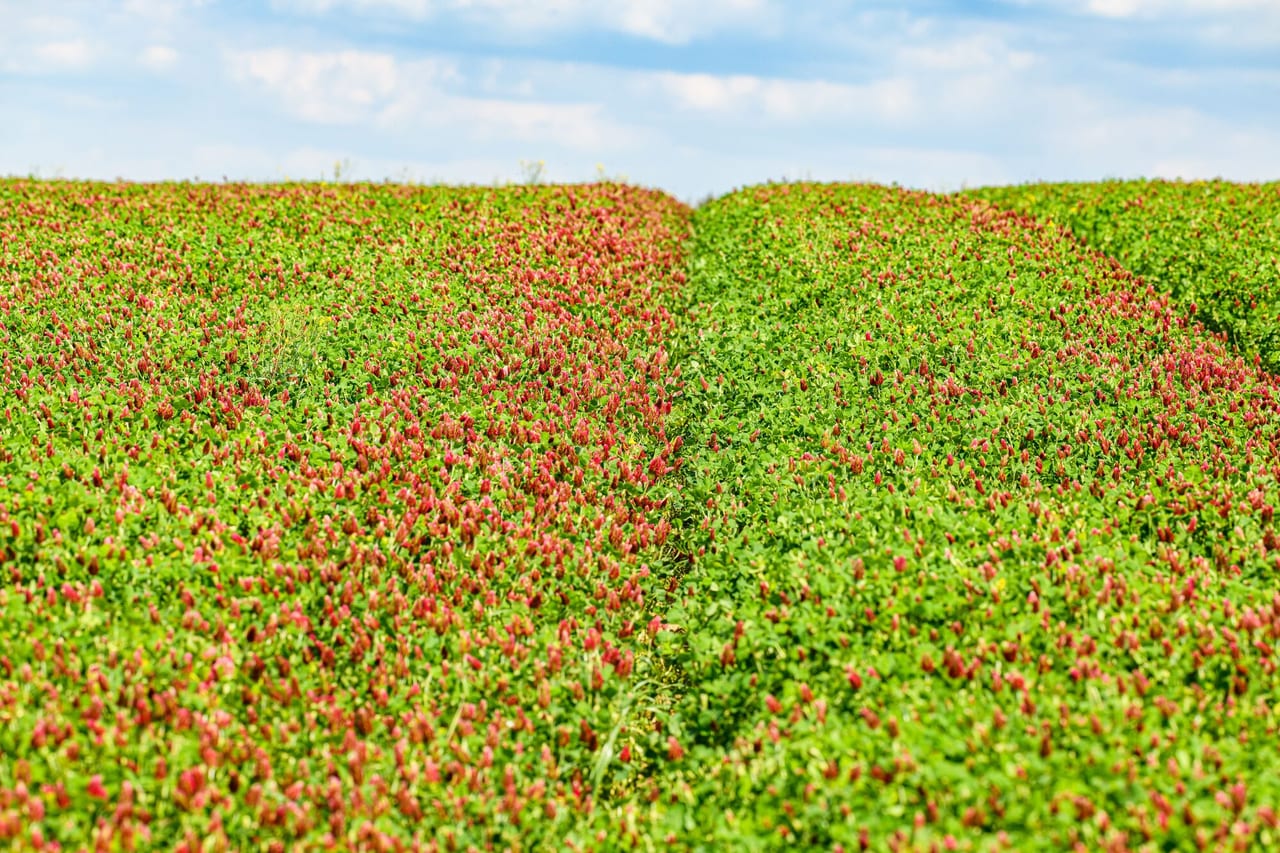
A valuable forage crop of arid regions; it is important to preserve the leaf and quality.
Timothy grass
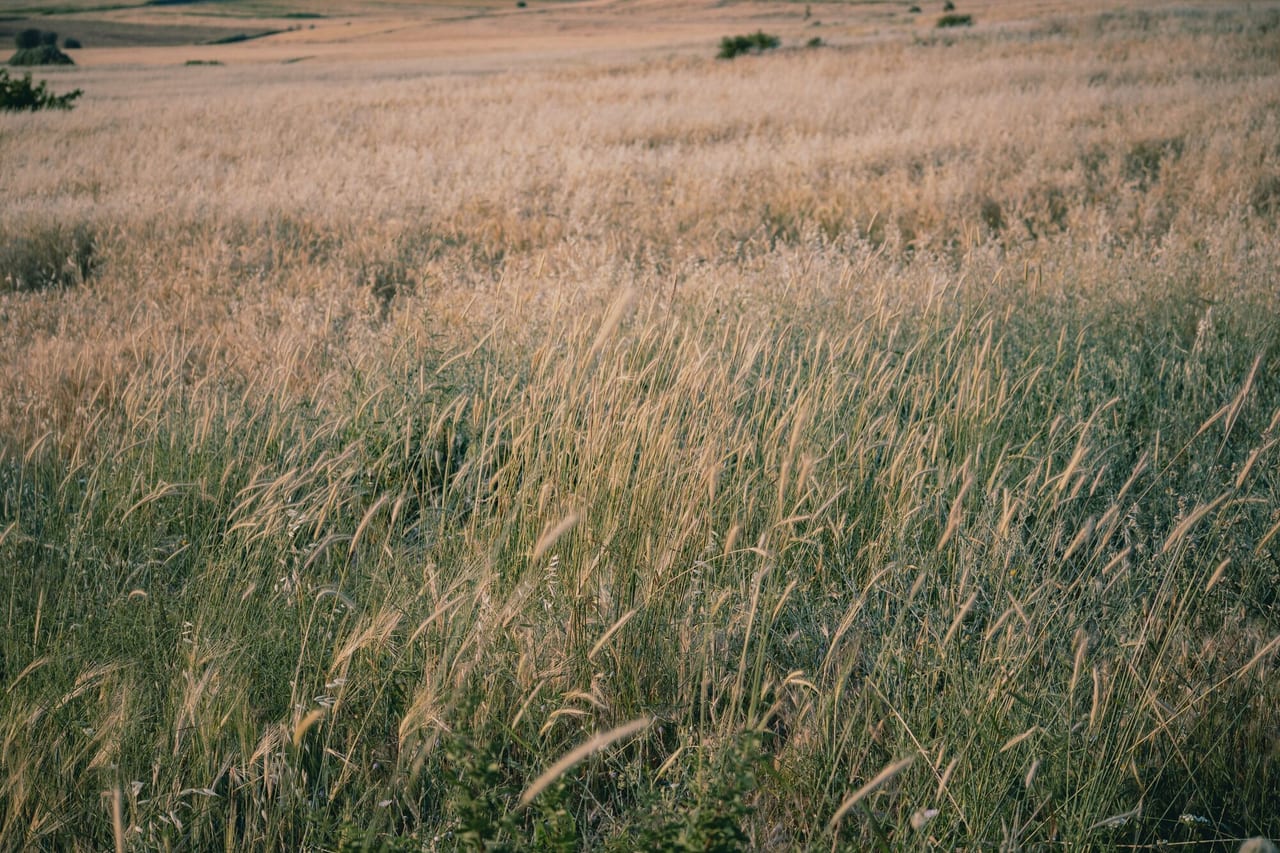
A cereal forage grass yielding export-quality hay; uniform, gentle drying.

Alfalfa / lucerne
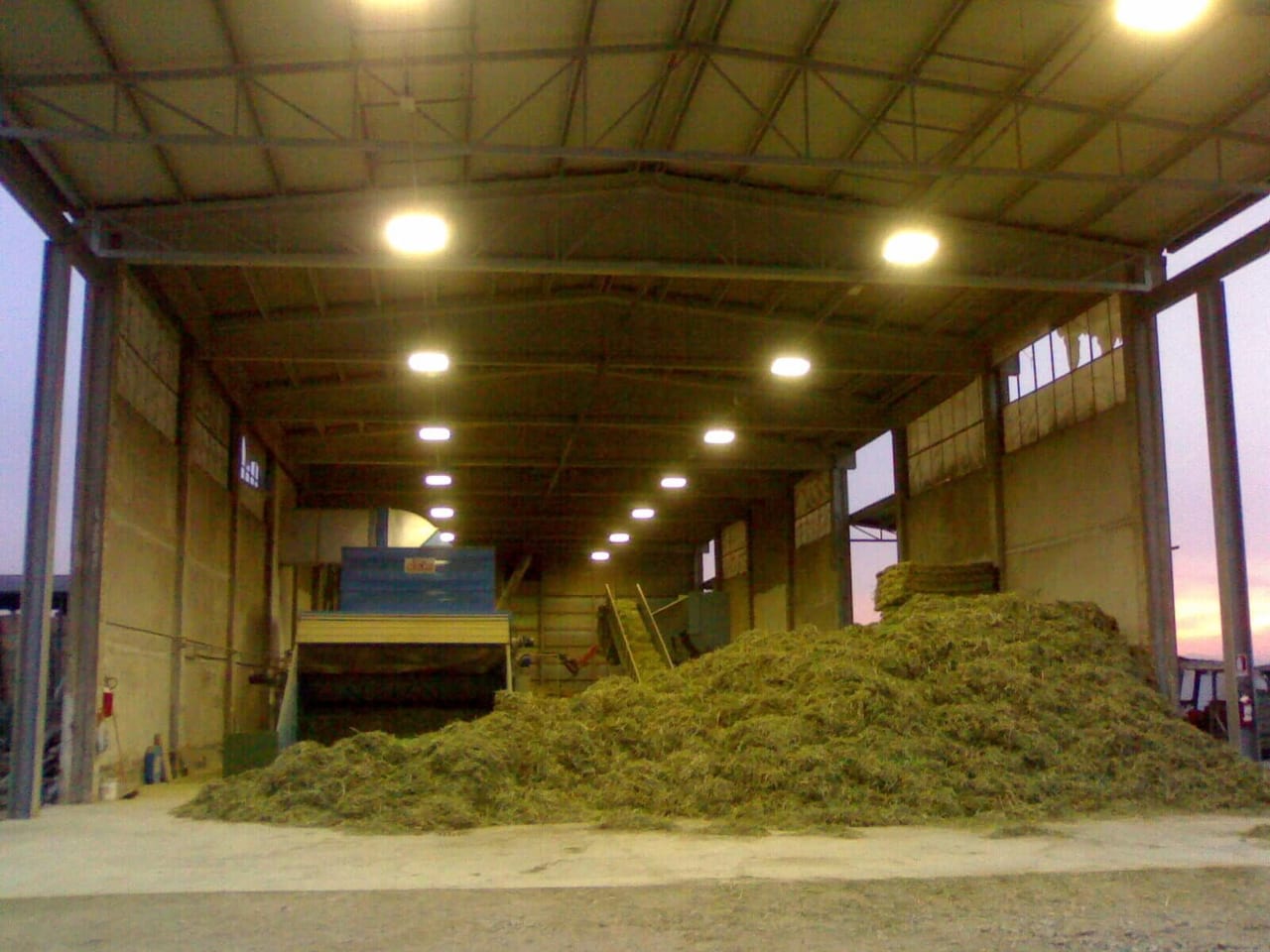
A standalone commercial niche. Gentle drying (60-120 °C) preserves protein, colour and leaf mass - losses of around 2% versus 10-15% on drum dryers.
Our Products
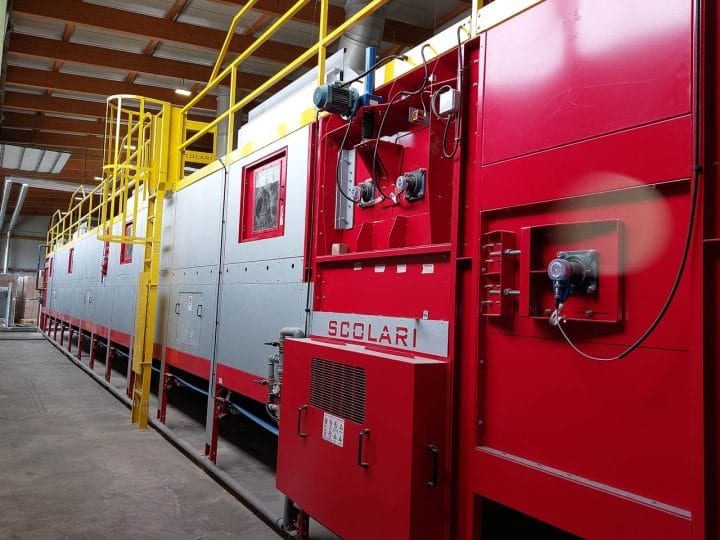
Universal Dryers
These dryers can be customized to dry any industrial or agricultural product you may require. Depending on the specific product and its moisture content, the dryers can be equipped with mixers, movable floors, vibrating floors, and other advanced technologies.
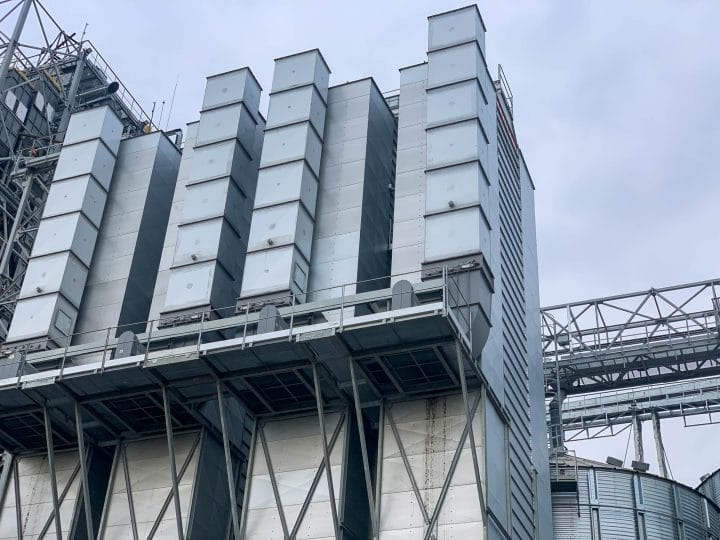
Grain Dryers
Authorized representative for top European grain dryer manufacturers like Alvan Blanch, FAO, and Agrex. Offering a full range of advanced drying solutions for agriculture.
Contact Us
If you are interested in purchasing any of our products, need a price quotation, or have any questions, comments, or suggestions, please do not hesitate to contact us via our contact form, by phone, or by email.
- WhatsApp: +90 (536) 452-1184
- E-mail: write to us
Our phones:
- Kazakhstan: +7 (747) 095-1626
- Moldova: +373 (22) 011-214
- Romania: +40 (31) 229-8484
- Türkiye: +90 (536) 452-1184 (English)
- Ukraine: +380 (67) 111-6668