
Drying Pumpkin Seeds
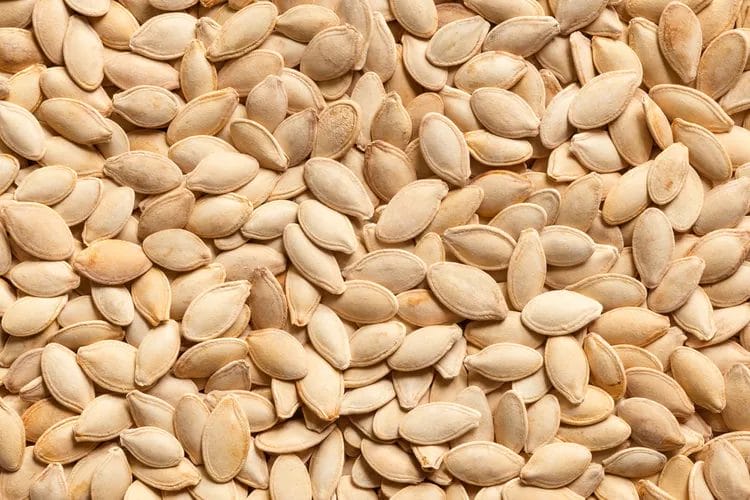
For drying pumpkin seeds, horizontal dryers are the recommended choice. Continuous-flow dryers provide a steady and controlled drying environment suited to larger operations, while batch dryers allow flexible temperature and timing adjustments for smaller or more variable batches.
Because the initial moisture content of freshly harvested pumpkin seeds is extremely high, and the seeds have a strong tendency to stick to one another and to equipment surfaces, successful drying requires mechanical agitation to keep the bed moving. Manufacturers therefore fit these dryers with mechanical stirrers — low-speed, gentle devices operating on the same principle as compost turners — to ensure even airflow through the seed mass and to prevent clumping.
Standard grain dryers — mobile cylindrical types, shaft dryers, or tower dryers — are not suitable for pumpkin seeds. Their continuous screw-conveyor recirculation over 10–12 hours would turn the seeds to waste, and loading wet seeds (moisture above 50 %) into a shaft or tower dryer creates a high risk of blockage and fire.
Dryers for Farm-Scale Operations
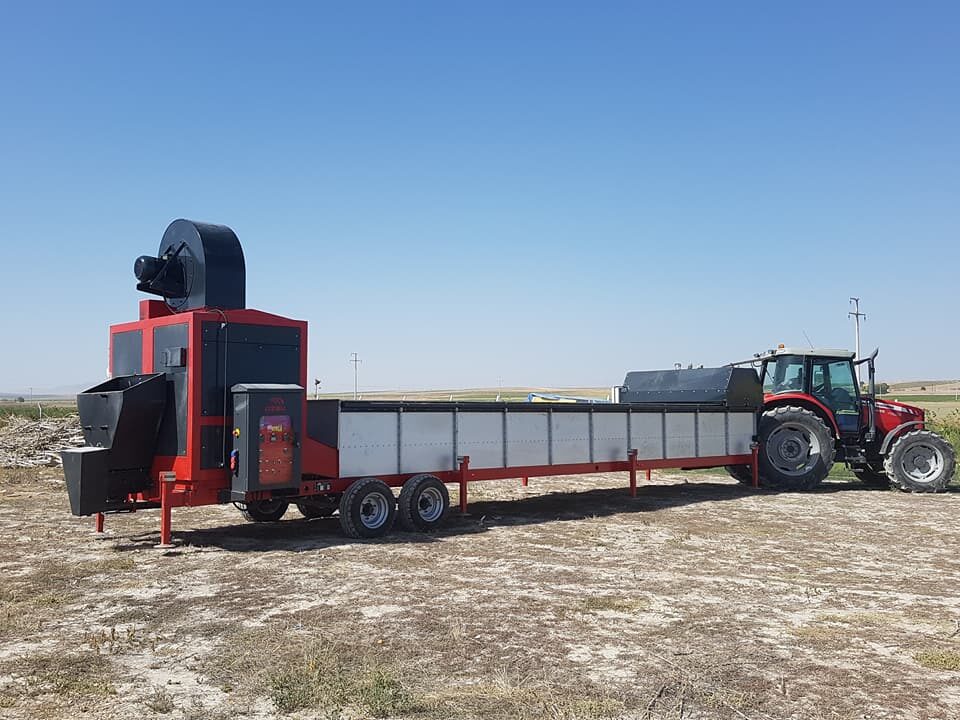
There are compact, affordable farm-scale dryers designed for drying modest volumes of pumpkin seeds. The photo above shows the Turkish pumpkin seed dryer OZSU, which operates in batch mode. This mode is well suited to small operations because it makes the dryer self-contained and independent of auxiliary peripheral equipment.
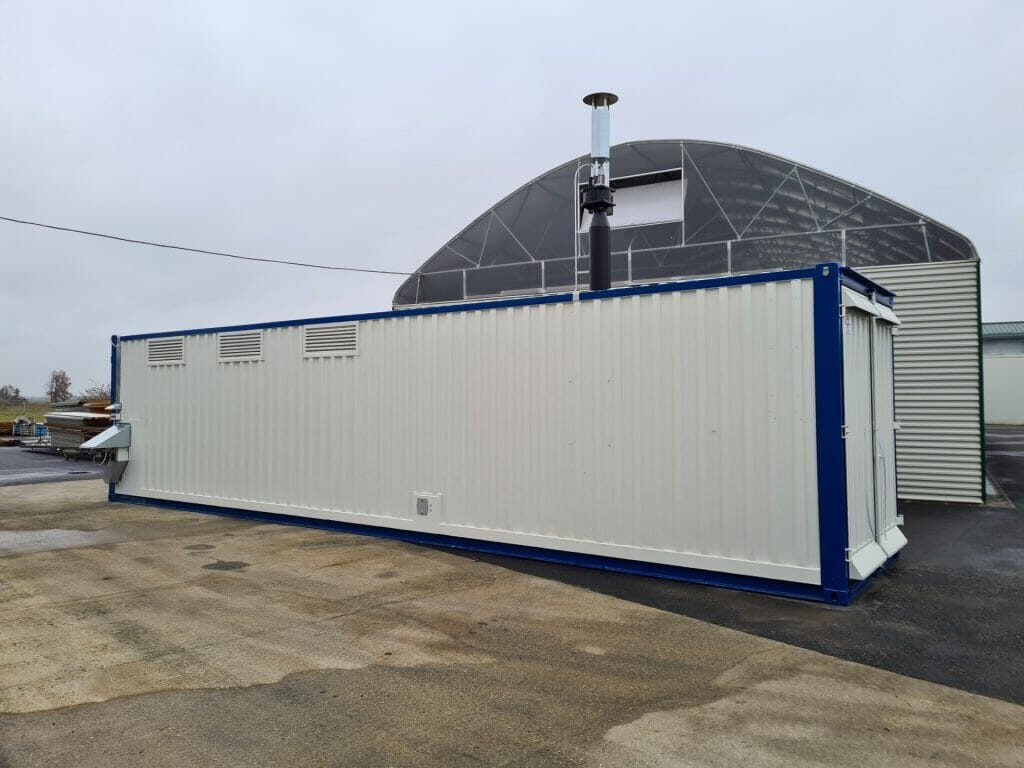
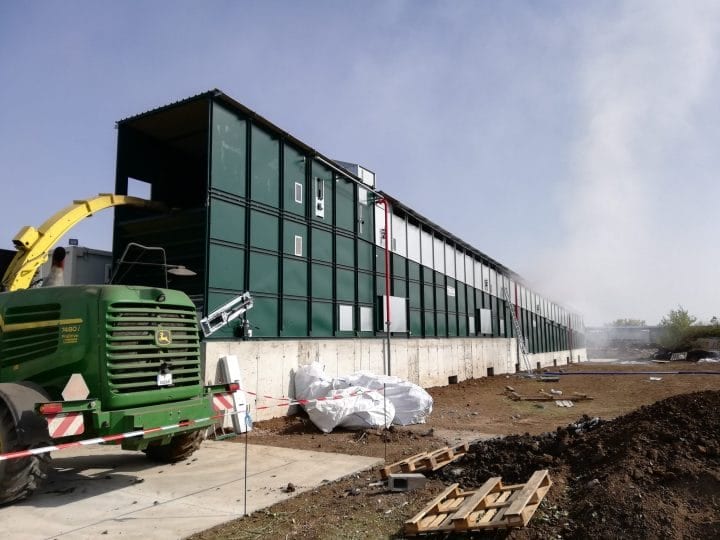
For larger customers we offer more modern and professional yet still compact equipment from the Croatian manufacturer Herbas: container-type pumpkin seed dryers with a moving conveyor belt and a mechanical stirrer. The stirrer can be omitted for products that do not require agitation (such as nuts), but it is essential for wet, sticky seeds.
These dryers can be equipped with burners (diesel or gas), a solid-fuel heat generator (wood chips, pellets), or heat exchangers (hot water or steam).
Mid-Range Dryers
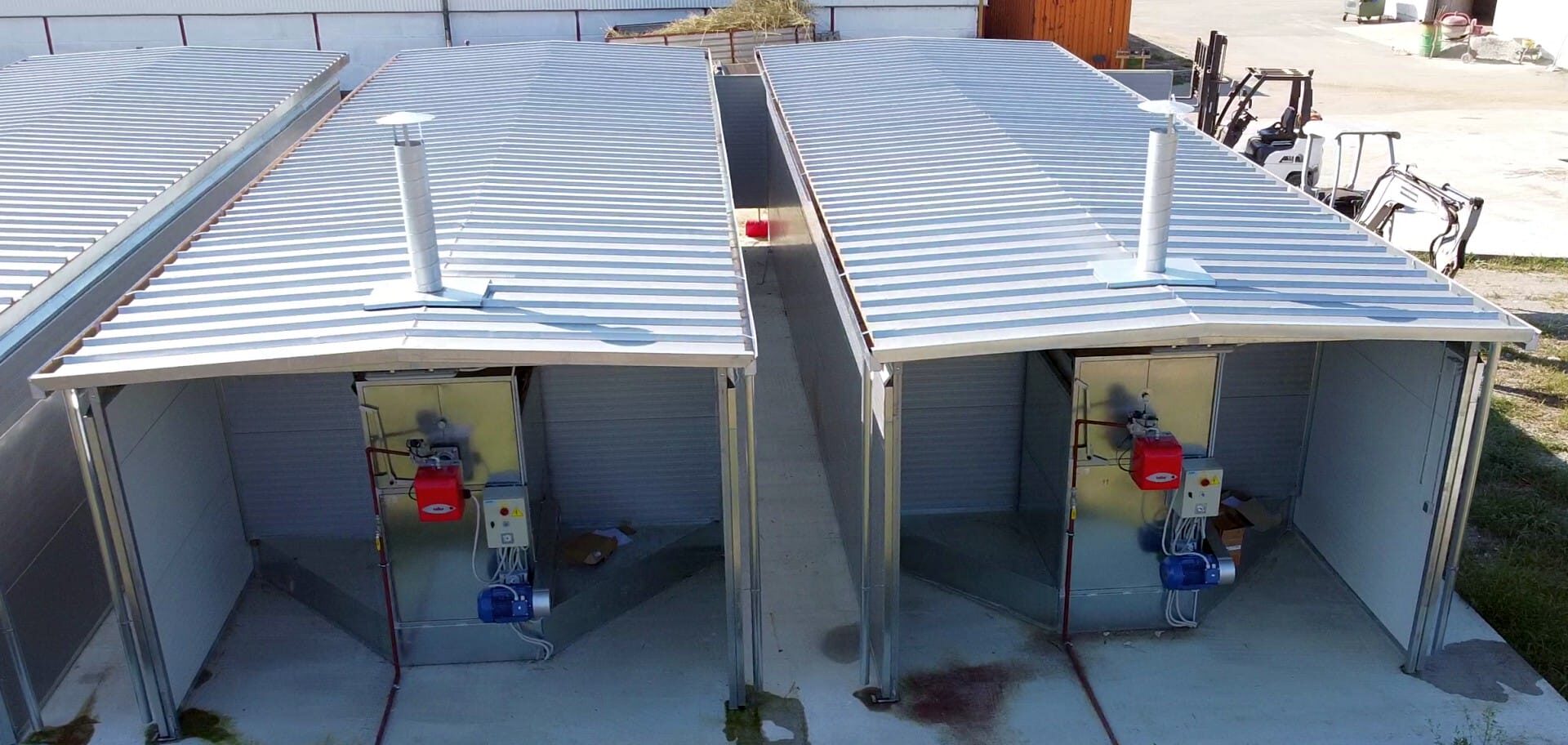
Herbas also produces stationary floor-mounted dryers. These are not mobile, but they are the right choice for agricultural businesses that need higher throughput.
The Herbas dryer design supports a wide range of products beyond pumpkin seeds — including herbs (medicinal, aromatic, alfalfa), fruits, vegetables, fruit stones, nuts, seed crops, grains, and other materials.
Universal Dryers
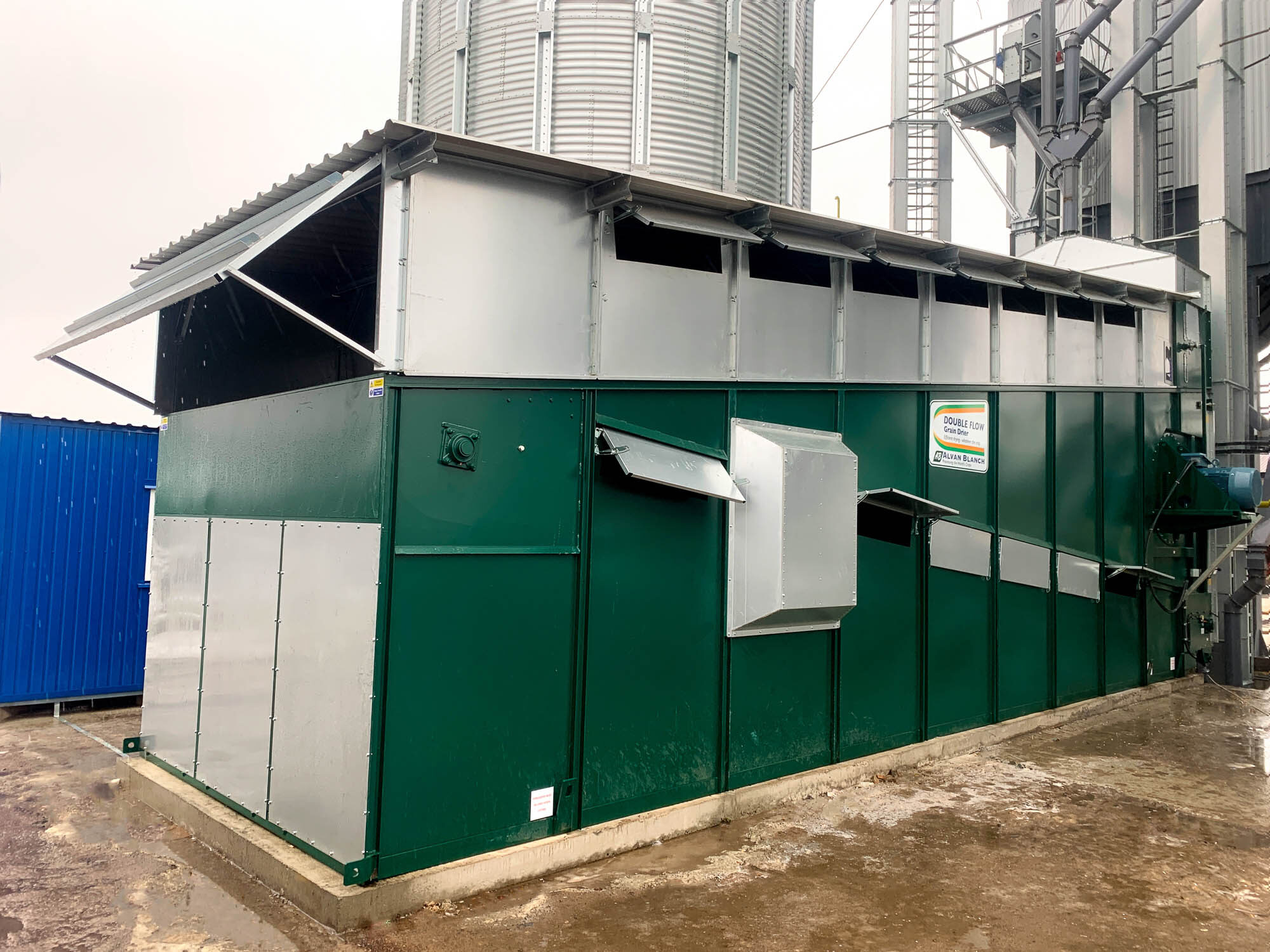
British manufacturer Alvan Blanch produces universal DF-series dryers that can handle pumpkin seeds as well as any other grain, oilseed, or legume crop. This is a genuinely unique machine on the market — it brings full-scale continuous-flow grain dryer capability together with the ability to process pumpkin seeds effectively using dedicated attachments.
While crops such as sunflower, rapeseed, and amaranth can be dried in conventional floor dryers (such as the Herbas units described above), efficient corn drying demands (1) high hot-air temperatures and (2) a heat-recovery system. Without these, a dryer cannot achieve the throughput or fuel efficiency needed to keep maize drying economical. The Alvan Blanch DF meets both requirements, making it the preferred choice wherever pumpkin seeds are one crop among several that need to be dried on the same machine.
Modern pumpkin seed dryers incorporate energy-efficient mechanisms and heat-recirculation systems to reduce operating costs and environmental impact — a feature particularly prominent in the Alvan Blanch design.
Industrial-Scale Dryers
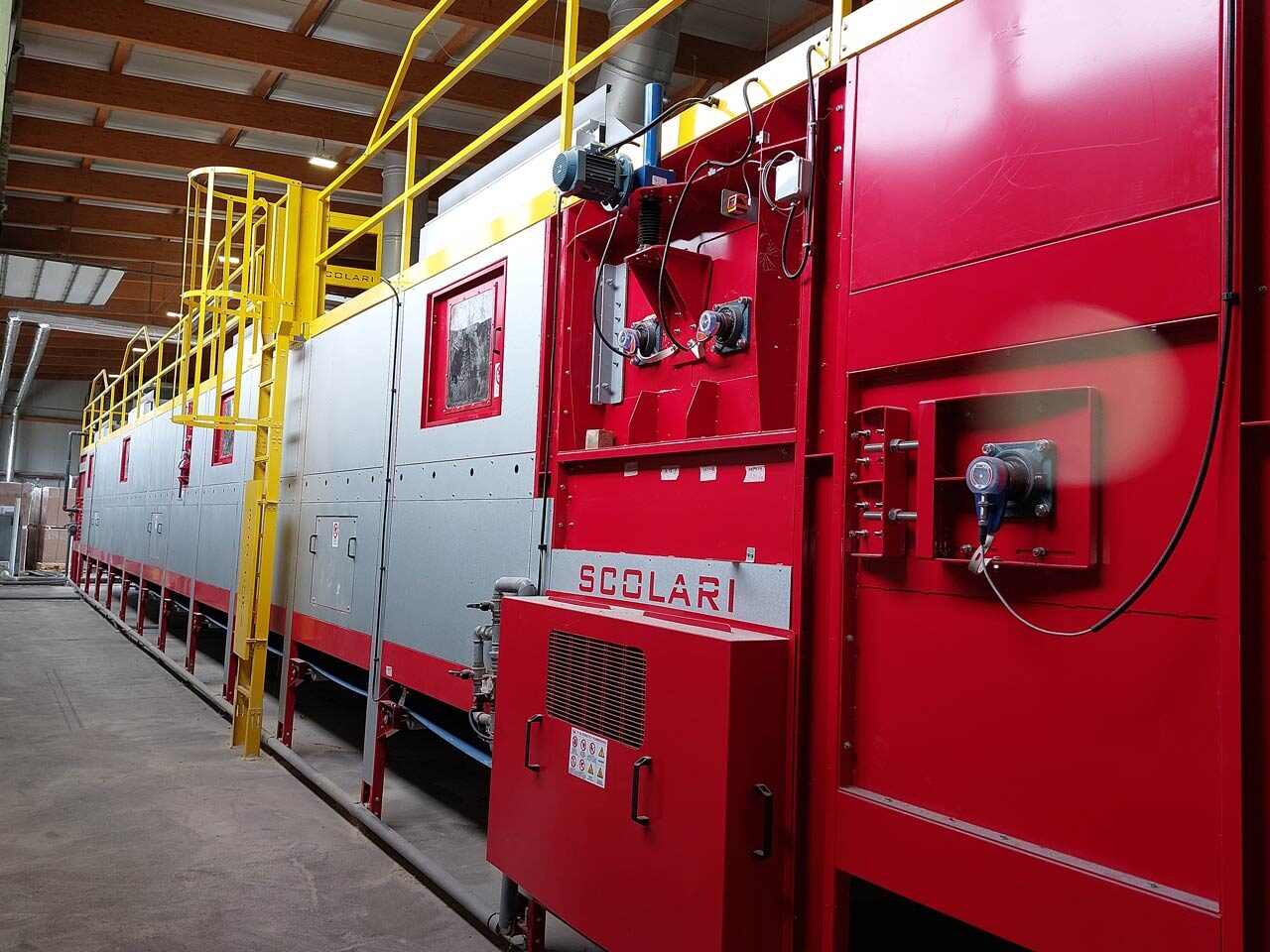
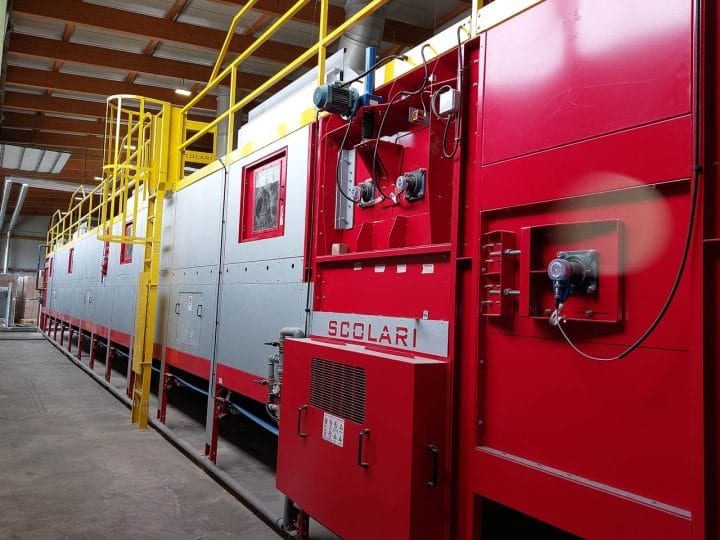
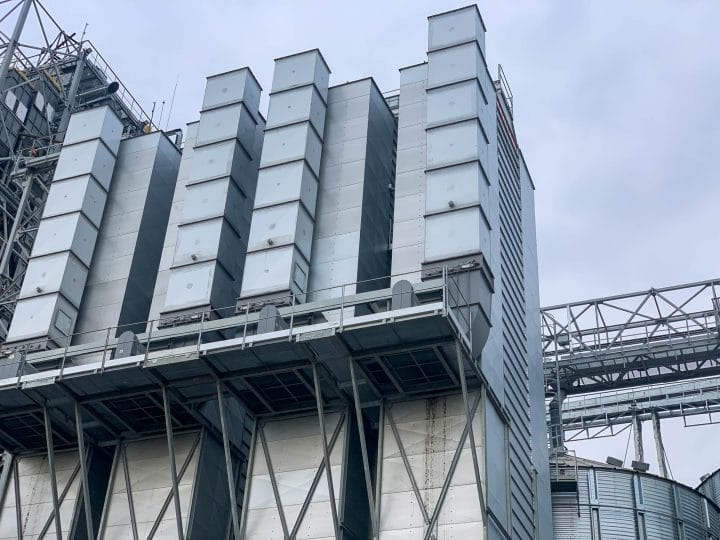
We also supply serious industrial equipment from the Italian manufacturer Scolari. Even from the photographs it is clear that the scale and specification of Scolari dryers set them apart from standard agricultural machinery. A Scolari dryer is unlikely to suit a small farm, but it is the ideal solution for a large enterprise facing high volumes of pumpkin seeds to dry.
These dryers typically operate in continuous-flow mode, which maximises equipment utilisation: there is no downtime for unloading and reloading batches — product is fed in continuously on one side and drawn off continuously on the other.
Scolari also produces other horizontal dryer configurations: vibration dryers, conveyor dryers, static inclined dryers, and shaft grain dryers.
Our Pumpkin Seed Dryers
You can read more about the dryers we supply in the relevant sections of the website:
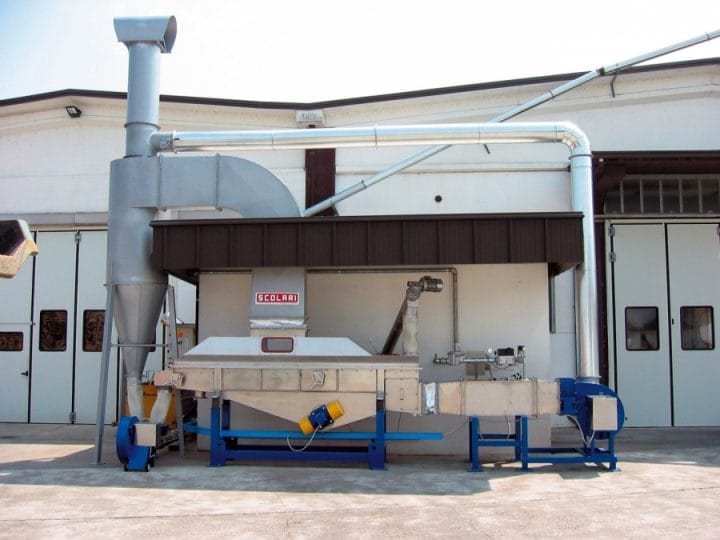
Scolari Vibratory Dryers
Italian Scolari vibratory dryers create an artificial boiling layer of the material being dried, which allows it to be blown through from all sides and effectively remove surface moisture. Suitable for materials with surface moisture, granulated products, or flowing powders.
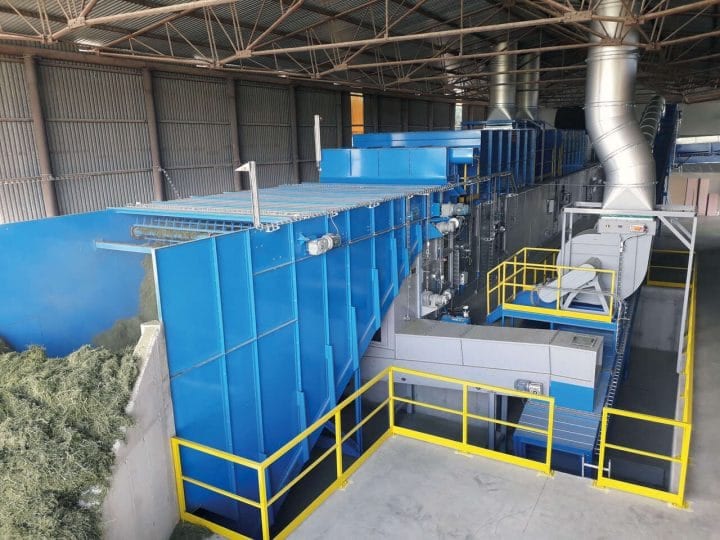
Scolari Dryer With Movable Conveyor Belt
Horizontal dryers feature perforated steel or plastic movable floors designed for drying various materials. Airflow can be configured from top to bottom or vice versa.
Alvan Blanch Conveyor Dryer
British universal conveyor dryers for non-grain agricultural and industrial products. Thanks to their horizontal design, built-in distribution and stirring systems, they can dry a wide range of materials.
Washing Pumpkin Seeds Before Drying
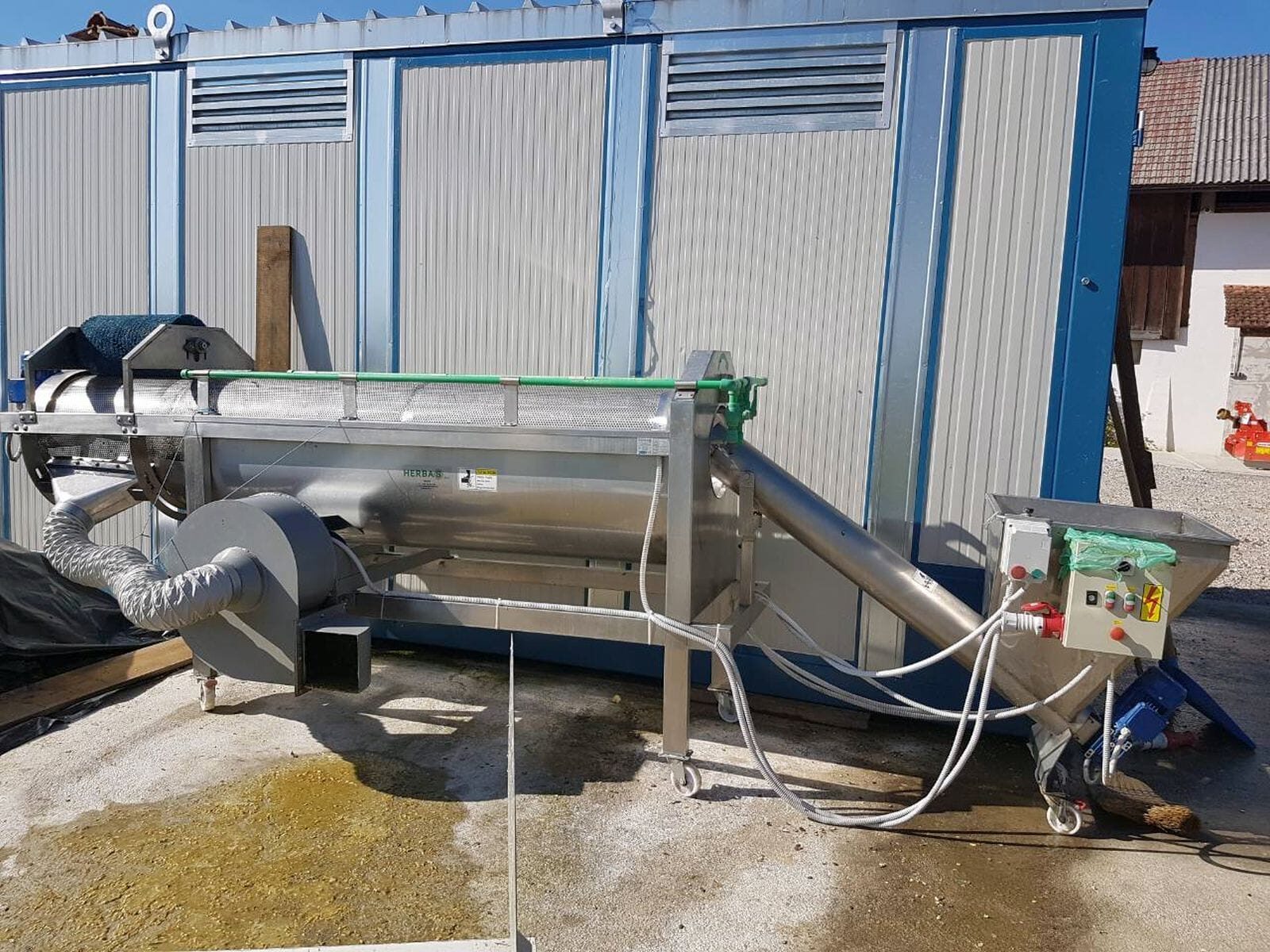
Whatever dryer you choose, preparing the seeds correctly before drying is critical. Simply rinsing fresh pumpkin seeds with water is not enough. Freshly extracted seeds are always enveloped in a mucilaginous coating. If this mucilage is not removed, the drying process becomes extremely difficult and time-consuming.
A washing machine must therefore be installed upstream of the dryer — one capable not merely of rinsing the seeds with water but of removing the mucilage mechanically. This is achieved by agitating the product during washing, as illustrated by the Herbas washer shown in the photograph.
Additionally, after washing, the seeds carry significant surface moisture. This free surface water substantially prolongs drying time, but it can be removed easily by mechanical means. As shown in the photograph, a fan is installed at the end of the washing line to blow air through a rotating drum that tumbles the pumpkin seeds, stripping off the bulk of the surface water before they enter the dryer.
Correct pre-drying preparation increases dryer throughput, reduces fuel consumption, delivers more uniform final moisture content, and helps preserve the seeds' organoleptic properties.
What Else Can Be Dried on a Horizontal Dryer?
Horizontal dryers with mechanical stirrers can handle a wide range of products that cannot be dried in standard grain dryers.
For example, the video shows bell pepper flesh being dried.
Depending on the model, manufacturer, and dryer configuration, the machine may also be suitable for:
- Grape seeds and fruit stones
- Fruit or vegetable pulp and peel
- Herbs (alfalfa, medicinal, aromatic, and any other herbs)
- Grains
- Biogas digestate
- Sewage sludge
Each manufacturer we represent offers its own dryer variants capable of handling additional products, or can configure a sufficiently universal machine for your needs.
Read Also
All our articles on grain-handling and drying equipment

Whether you are planning to build a grain-handling facility or already operate one, this section offers valuable insight into drying and handling equipment — its characteristics, maintenance, selection, and use.
Have Questions? Get in Touch!
By phone
WhatsApp: +90 (536) 452-1184By e-mail
Our address: info@finpro.engineering
Related products
Seed / planting material
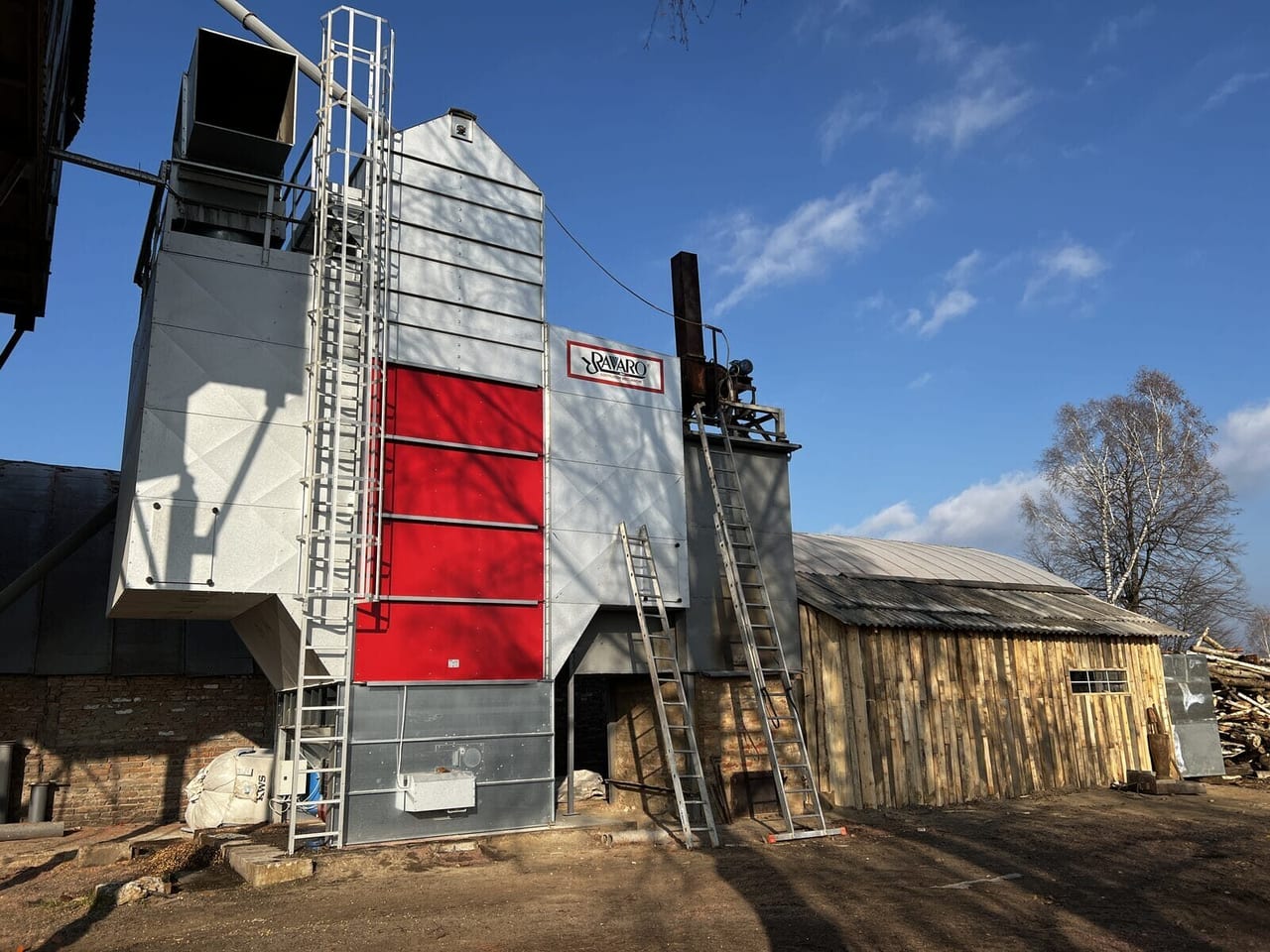
Grain dryers for seed material: mild regimes, control of grain temperature and even heat distribution for the sake of preserving germination.
Our Products
Universal Dryers
These dryers can be customized to dry any industrial or agricultural product you may require. Depending on the specific product and its moisture content, the dryers can be equipped with mixers, movable floors, vibrating floors, and other advanced technologies.
Grain Dryers
Authorized representative for top European grain dryer manufacturers like Alvan Blanch, FAO, and Agrex. Offering a full range of advanced drying solutions for agriculture.
Contact Us
If you are interested in purchasing any of our products, need a price quotation, or have any questions, comments, or suggestions, please do not hesitate to contact us via our contact form, by phone, or by email.
- WhatsApp: +90 (536) 452-1184
- E-mail: write to us
Our phones:
- Kazakhstan: +7 (747) 095-1626
- Moldova: +373 (22) 011-214
- Romania: +40 (31) 229-8484
- Türkiye: +90 (536) 452-1184 (English)
- Ukraine: +380 (67) 111-6668